
Imagine a world where farming not only provides food but also actively contributes to environmental health. Agroforestry, the practice of integrating trees and crops in a sustainable manner, embodies this vision by enhancing biodiversity, improving soil health, and increasing resilience against climate change. This innovative approach not only boosts crop yields but also fosters ecological balance, addressing pressing concerns about food security and environmental degradation. By understanding the principles and benefits of agroforestry, you can be part of a solution that promotes sustainable agriculture and helps protect our planet for future generations. Dive into the transformative potential of this practice and learn how trees and crops can work together harmoniously to create a thriving ecosystem.
Understanding Agroforestry: An Overview of Principles

Agroforestry represents a transformative approach to agriculture, where the deliberate integration of trees, crops, and sometimes livestock creates a harmonious ecosystem. Imagine a farm where towering trees provide shade for growing crops, enrich the soil through leaf drop, and serve as natural windbreaks, all while producing timber or fruit for additional income. This holistic method not only optimizes land use but also enhances biodiversity, thereby fostering resilient agricultural systems capable of withstanding environmental challenges.
At the heart of agroforestry are several key principles that underline its effectiveness. First, the concept of biodiversity is crucial; by mixing different species, farmers can create a more resilient environment that reduces the risk of crop failure and pest outbreaks. For instance, planting nitrogen-fixing trees alongside crops can naturally improve soil fertility and reduce the need for synthetic fertilizers. This symbiotic relationship between plants enhances ecosystem services like soil structure improvement, water retention, and nutrient cycling.
Furthermore, agroforestry practices align well with sustainable agricultural goals, promoting soil conservation, carbon sequestration, and resilient farming systems in the face of climate change. These systems encourage the preservation of natural habitats and lead to improved water management and reduced soil erosion. By capturing carbon in trees and improving the groundwater recharge cycle, agroforestry not only benefits farmers economically but also contributes to the health of the planet.
As global agricultural demands rise and the impact of climate change becomes more pronounced, the principles of agroforestry offer innovative solutions that can respond to both ecological and economic pressures. Emphasizing the importance of a diversified approach to farming fosters a deeper connection between agriculture and environmental stewardship, paving the way for sustainable land use practices that support both farmer livelihoods and the health of ecosystems.
The Benefits of Agroforestry for Ecosystems
Integrating trees into agricultural landscapes offers a multitude of benefits for ecosystems, enhancing both biodiversity and sustainability. Agroforestry, characterized by the strategic coexistence of trees and crops, stimulates ecological resilience by creating diverse habitats that support a wide variety of organisms. This rich biodiversity not only helps maintain the balance within ecosystems but also contributes to the health of the soil. Trees play a crucial role in improving soil structure, enhancing water retention, and fostering nutrient cycling, which are vital processes for maintaining agricultural productivity.
The shade provided by trees can temper soil temperatures, aiding in moisture retention during hot periods, while the root systems of trees help stabilize the soil, reducing erosion. These benefits are especially pertinent in regions susceptible to extreme weather conditions, such as droughts or heavy rains. Additionally, trees can act as natural windbreaks, reducing wind speed, which minimizes soil desiccation and protects crops from wind-related damage. The fallen leaves and decomposed organic matter from trees also enrich the soil ecosystem, further enhancing fertility without reliance on synthetic fertilizers.
Moreover, agroforestry systems contribute to carbon sequestration-a critical process in combating climate change. By capturing carbon dioxide from the atmosphere and storing it in biomass, trees mitigate greenhouse gas emissions while improving air quality. This not only benefits the local ecosystem but also supports global efforts to address climate instability. As farmers adopt agroforestry practices, they foster landscapes that are not only productive but also harmonious with nature, illustrating a sustainable model of agricultural development that resonates with eco-conscious living.
In summary, the integration of trees in agricultural practices through agroforestry provides a holistic approach to farming that enhances ecosystem health, promotes biodiversity, and contributes to climate change mitigation. By embracing these principles, farmers can cultivate resilient systems that yield benefits for both their livelihoods and the environment, setting an example for a more sustainable future.
How Agroforestry Enhances Crop Yields

Integrating trees with crops can lead to remarkable increases in agricultural productivity, forming a dynamic partnership that enhances yields significantly. This interplay not only maximizes the use of available land but also creates a more resilient farming ecosystem. Agroforestry practices harness the strengths of trees, allowing them to perform various roles that benefit crop growth, soil health, and overall sustainability.
One of the crucial ways agroforestry enhances crop yields is through improved microclimate regulation. Trees provide shade that helps moderate temperatures and reduce evaporation rates. This is particularly beneficial in hot climates, where reduced soil temperatures can lead to better moisture retention and lower stress on crops. In addition, the presence of trees can protect crops from harsh winds and heavy rainfall, thereby reducing damage and enabling crops to thrive under otherwise challenging conditions.
Moreover, the root systems of trees play a pivotal role in enhancing soil structure and fertility. Tree roots can penetrate deeper soil layers, enabling them to access and recycle nutrients that are often unavailable to shallow-rooted crops. This not only nourishes the crops but also promotes better soil aeration and water infiltration, leading to healthier soil ecosystems. Furthermore, fallen leaves and organic matter from trees break down and enrich the soil, reducing the need for synthetic fertilizers and supporting sustainable agricultural practices.
Agroforestry can also introduce beneficial biodiversity into the farming system. Diverse plant species attract a variety of beneficial insects and pollinators, which can reduce pest populations and enhance pollination rates for nearby crops. For instance, planting flowering plants alongside fruit trees can increase pollinator visits, directly contributing to higher fruit yields.
In conclusion, the integration of trees with crops in agroforestry systems not only optimizes land use but significantly enhances crop yields through improved microclimatic conditions, enriched soil quality, and increased biodiversity. Adopting agroforestry practices not only supports farmers in achieving higher productivity but also aligns them with sustainable agricultural practices that are ecologically balanced and supportive of long-term environmental health.
Diverse Plant Pairing Strategies in Agroforestry
Integrating diverse plant species within agroforestry systems not only optimizes land use but also enhances resilience against pests and diseases, enriching the ecosystem while maximizing productivity. The concept is built around the idea that different plants can complement each other in ways that benefit the entire farming system. For instance, pairing nitrogen-fixing legumes with nutrient-demanding crops like maize allows for a natural fertilization process, reducing the need for chemical inputs. This practice not only supports crop health but also contributes to improved soil structure and fertility over time.
In addition to the functional benefits, diverse plant pairings create a vibrant habitat for wildlife, contributing to higher biodiversity. By incorporating a mix of plants-such as herbs, flowers, and fruit trees-farmers can attract beneficial insects and pollinators. For example, planting flowering crops like buckwheat alongside main crops can significantly enhance pollination rates, which is crucial for the yield of many fruits and vegetables. Moreover, the varying heights and canopy structures of different plants help to create microhabitats that can protect crops from extreme weather conditions, thus ensuring more stable yields.
Diversity in plant types also aids in pest management. Certain plants can be natural repellents for pests that typically affect key crops. For instance, marigolds are known for their ability to deter nematodes, making them excellent companions for many vegetable crops. As a strategy, farmers can employ various plant combinations that utilize these natural pest control mechanisms, fostering a healthier agricultural ecosystem and minimizing reliance on synthetic pesticides.
As you consider implementing diverse plant pairing strategies, think about the local climate, soil types, and the specific crops you wish to cultivate. An effective approach is to start small, experimenting with a few compatible plant species to observe interactions and outcomes before expanding. This trial-and-error tactic not only enhances your understanding of plant synergism but also empowers you to create a tailored agroforestry system that thrives in your unique environmental context. Through mindful integration, diverse plant pairings can transform your agricultural practices into economically viable and ecologically harmonious ventures.
Agroforestry Practices Around the World
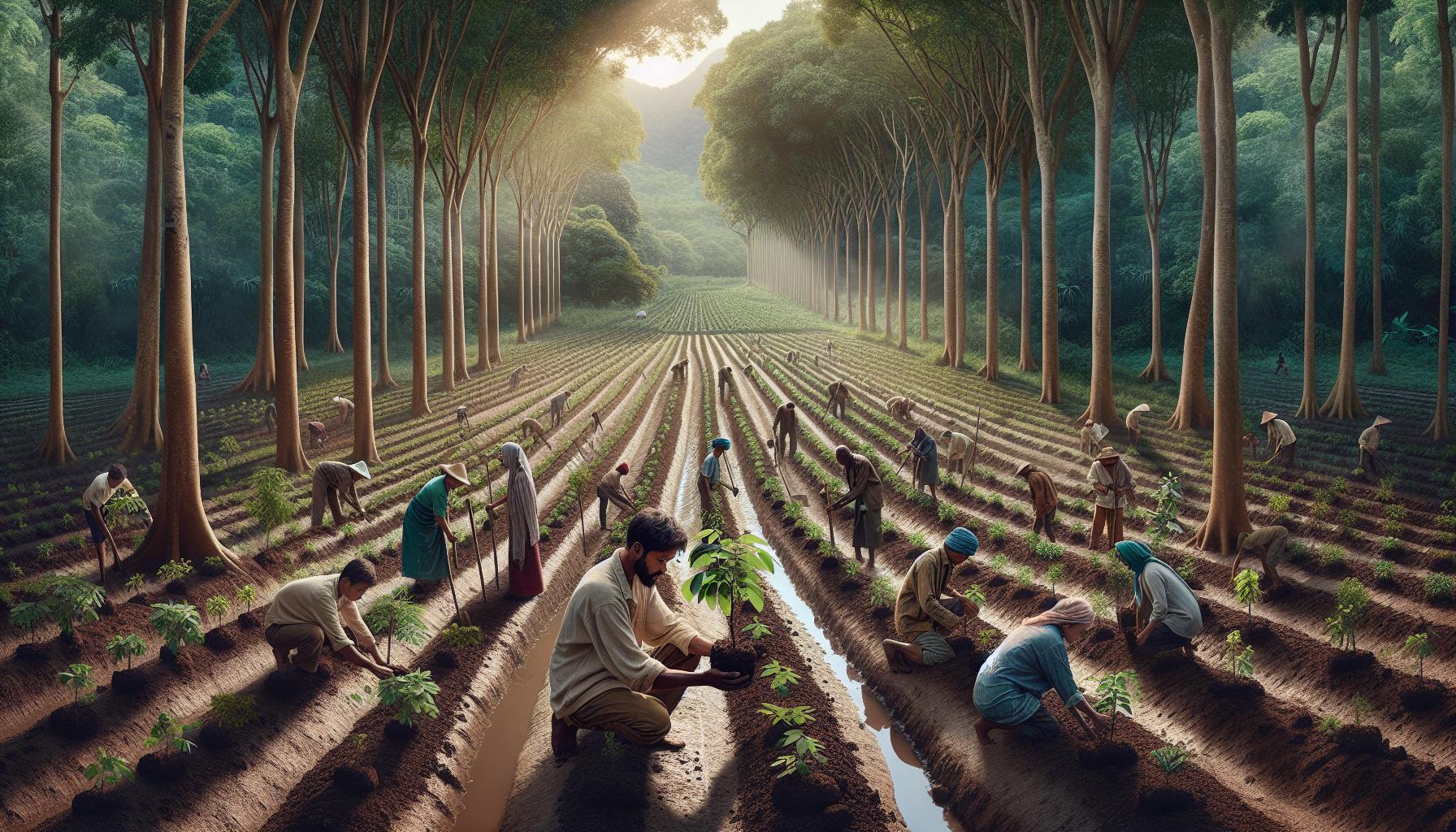
Agroforestry is a vibrant practice that integrates trees and crops, offering a multitude of benefits across diverse climates and cultures around the globe. From the lush rainforests of the Amazon to the arid landscapes of Africa, agroforestry practices vary significantly but share a common goal: enhancing biodiversity, improving soil health, and increasing agricultural productivity. Countries like India and Brazil are at the forefront, employing traditional techniques that have been refined over generations, showcasing how local knowledge and sustainable practices can yield impressive results.
In India, for instance, the traditional practice of agroforestry often involves mixing fruit-bearing trees like mango or guava with staple crops such as rice or wheat. This approach not only provides shade and reduces soil erosion but also increases farmers’ income through diversified produce. Moreover, the deep root systems of trees enhance water retention in the soil, which is vital during dry seasons. In contrast, the African continent features numerous agroforestry systems where crops are cultivated alongside indigenous tree species, such as the widely revered baobab. These trees not only provide fruits and shade but also improve soil fertility through nutrient cycling, showcasing a model of resilience against climate variability.
The integration of livestock with agroforestry is another emerging practice that demonstrates the versatility of this system. In places like Brazil, farmers are beginning to combine cattle with tree crops, promoting a symbiotic relationship where livestock manure enriches the soil while the shaded environment helps curb heat stress on animals. This holistic approach allows for more sustainable land use and can significantly enhance overall farm productivity.
To truly embrace agroforestry, it’s essential to consider local conditions and biodiversity. Tailoring agroforestry practices to specific environments not only optimizes overall productivity but also plays a critical role in conservation efforts. Farmers around the world are innovating by adopting permaculture principles and using agroecological methods that focus on creating a balanced ecosystem. By harnessing the synergies between trees, crops, and livestock, the possibilities are endless, echoing the rich heritage of farming while stepping boldly into a sustainable future. Through education and community engagement, these practices can be spread, empowering farmers to take control of their landscapes while contributing positively to global ecological health.
Challenges and Solutions in Implementing Agroforestry
The journey towards implementing agroforestry can be complex, often likened to a delicate dance between agriculture and forestry that requires careful coordination and adaptation. A significant challenge is the initial investment and knowledge required for successful integration. Many farmers may be skeptical of the benefits, particularly if they have long relied on conventional farming methods. Education and support from local agricultural organizations can help bridge this gap, providing resources that clarify the advantages of agroforestry, such as enhanced soil fertility, increased resilience to climate variations, and improved biodiversity.
Another hurdle is the variability in local environmental conditions. What works successfully in one region may not translate to another due to differences in climate, soil types, and available resources. Therefore, tailored approaches are crucial. Farmers should consider their specific local conditions and choose agroforestry systems that align with their environment. Applying a diverse mix of species helps mitigate risks associated with pests and diseases, supporting a more resilient ecosystem. Additionally, engaging with peer networks or cooperatives can offer insights and practical tips drawn from shared experiences.
Moreover, there’s often a lack of policy support or incentives for farmers transitioning to these sustainable practices. Governments and institutions can play a vital role by introducing programs that financially support farmers willing to adopt agroforestry, whether through grants, subsidies, or training programs. These incentives not only help to offset costs but also encourage sustainable land-use practices that benefit the environment.
Finally, effective management practices are essential for overcoming potential challenges. Farmers should prioritize continuous monitoring and flexible management strategies to adapt to changing conditions. This can include adjusting planting densities, selecting complementary crop combinations, or timing interventions to manage pests and diseases. By actively engaging with both the natural and agricultural aspects of their landscape, farmers can optimize productivity while contributing positively to biodiversity and sustainability. In this way, implementing agroforestry becomes not just a farming technique but a pathway to a healthier planet and resilient agricultural practices.
Agroforestry’s Role in Climate Change Mitigation
Implementing agroforestry systems not only creates a productive agricultural landscape but also plays a vital role in mitigating climate change. One compelling fact is that trees and crops together can sequester significantly more carbon dioxide from the atmosphere than either can achieve alone. This dual approach aids in reducing the overall concentration of greenhouse gases, making an impactful contribution to global efforts against climate change.
Integrating trees into agricultural practices results in numerous advantages that enhance carbon storage. The roots, trunks, and leaves of trees serve as carbon sinks, where carbon is captured and stored over the long term. Additionally, trees improve soil structure and health, promoting higher organic matter content that leads to even more carbon sequestration. This process can benefit farmers by improving crop yields, as healthier soils are generally more productive. Furthermore, agroforestry systems can serve as buffers against extreme weather conditions, such as droughts and floods, increasing the resilience of farming operations to climate variability.
Another key benefit of agroforestry lies in its capacity to enhance biodiversity. Diverse plant life creates a more stable ecosystem, which is better equipped to withstand pests and diseases without relying on chemical inputs. This not only reduces the environmental footprint of agriculture but also contributes to a balanced ecosystem that can adapt more readily to changing climate conditions. By fostering habitats for various species, agroforestry helps maintain essential ecological functions that are critical for climate resilience.
To effectively harness the potential of agroforestry in combatting climate change, farmers can take several actionable steps. First, assessing local environmental conditions allows for the selection of tree and crop species that will thrive together, maximizing both biodiversity and productivity. Additionally, farmers should consider implementing practices such as mixed-species planting and agroecological principles, which encourage the interdependence of agricultural systems and improve overall ecosystem health. By embracing agroforestry, farmers not only enhance their livelihoods but also contribute to a sustainable and climate-resilient future.
Integrating Livestock with Agroforestry Systems
Integrating livestock into agroforestry systems creates a dynamic synergy that enhances both agricultural productivity and ecological health. This approach not only maximizes land use by combining the benefits of trees, crops, and livestock but also promotes a more sustainable farming model. For instance, livestock can benefit from shade and forage provided by trees, while their grazing and manure contribute organic matter that enriches the soil, fostering healthier plant growth.
One of the most effective methods of incorporating livestock into agroforestry is through silvopasture, where animals graze among trees. This setup offers dual benefits-livestock gain shelter from harsh weather, and the trees accrue nutrients from the manure, enhancing their growth and resilience. Additionally, livestock grazing can help manage invasive plant species, maintaining biodiversity within the system.
It’s crucial to select the right type of livestock and tree species to ensure compatibility. For example, poultry thrive in an agroforestry setting with fruit-bearing trees as they can help control pests while enjoying the cover and forage. Similarly, goats can be deployed to browse on underbrush and shrubs, promoting healthier tree growth by reducing competition for resources. Moreover, rotational grazing practices can further improve soil health while optimizing forage use, ensuring that the land remains productive and sustainable over the long term.
In conclusion, integrating livestock into agroforestry offers a path toward ecological sustainability and economic viability. Farms that adopt such systems can enjoy improved resource efficiency, resilience against climate impacts, and enhanced biodiversity, paving the way for a more sustainable agricultural future. By leveraging the natural interactions between trees, crops, and livestock, farmers can create self-sustaining ecosystems that provide numerous benefits for both humans and the planet.
Economic Impacts of Agroforestry on Farmers
The integration of trees and crops in agroforestry systems is not just a method of farming; it’s a transformative approach that can significantly impact the economic stability of farmers. Research shows that farmers who adopt agroforestry practices can see an increase in their income through diversified income streams, reduced input costs, and improved resilience against market fluctuations. For instance, by combining timber production with crop cultivation, farmers can harvest multiple products at different times, providing a steady cash flow throughout the years.
One of the major economic benefits of agroforestry is its ability to reduce dependence on chemical inputs. The diverse plant systems foster natural pest control and soil fertility, leading to lower costs for fertilizers and pesticides. This is particularly valuable in developing regions where farmers often struggle with limited resources. The organic matter from trees can enhance soil health, allowing crops to thrive with less intervention. Moreover, shade from trees can protect sensitive crops from extreme weather events, reducing yield losses and stabilizing income.
Additionally, agroforestry can enhance access to markets. Farmers with high-quality, organic products-such as fruits, nuts, and timber-can tap into premium markets, often fetching higher prices. The varied produce can attract a wider customer base, including local markets and restaurants that prioritize sustainable sourcing. Furthermore, community-supported agriculture (CSA) models can flourish with agroforestry, connecting farmers directly with consumers and securing upfront payments that can aid in planning and investment.
In essence, the contribute to greater financial resilience, lower operational costs, and access to premium markets. By embracing this holistic agricultural approach, farmers not only secure their livelihoods but also play a pivotal role in promoting environmental stewardship and sustainability. This creates a ripple effect that supports community welfare and ecological health, making agroforestry a compelling option for modern agriculture.
Agroforestry and Biodiversity: A Natural Partnership
Integrating trees into agricultural practices not only enhances productivity but also significantly bolsters biodiversity. Different species of plants and trees can coexist and thrive together, creating a more complex and resilient ecosystem. This diversity plays a critical role in maintaining soil health, enhancing water conservation, and providing habitats for various species. Biodiversity can lead to increased resilience against pest outbreaks and climate variability, allowing ecosystems to adapt more readily to changes.
One remarkable aspect of agroforestry is its ability to create various microhabitats. For instance, tree canopies provide shade and shelter for understory plants and animals while also reducing soil erosion and regulating moisture levels. Diverse root systems enhance nutrient cycling and improve soil structure, which can further promote biodiversity. Moreover, certain tree species can fix nitrogen, enriching the soil and allowing a wider variety of crops to flourish. This synergy not only aids in pest and disease management but also enhances pollination, crucial for the production of many fruits and vegetables.
By fostering an environment rich in biodiversity, agroforestry offers a sanctuary for wildlife, including pollinators, beneficial insects, and birds. These organisms contribute to ecosystem services that benefit agriculture, such as pollination and natural pest control. However, the benefits of biodiversity extend beyond agricultural productivity; it encompasses the preservation of genetic resources vital for food security and the stability of ecosystems.
To leverage the benefits of biodiversity in agroforestry, farmers can start by selecting a mix of native and well-adapted species for planting. Incorporating trees and shrubs among crops can create a seamless integration of biodiversity into agricultural landscapes, encouraging healthier, more sustainable farming practices. By acknowledging and embracing the partnership between crops and biodiversity, farmers can not only improve their yields but also contribute to the long-term health of our planet.
Practical Steps to Start an Agroforestry Project
To embark on an agroforestry project effectively, one must recognize that this innovative approach blends agricultural practices with ecological principles, fostering a sustainable farming environment that benefits both crops and the surrounding ecosystem. One of the first steps is to conduct a thorough assessment of your land, including its soil health, climate conditions, and existing biodiversity. Understanding these factors helps in selecting the appropriate tree species and crops, ensuring they complement rather than compete with each other.
Next, consider developing a detailed plan that outlines your goals and objectives. Are you aiming to increase biodiversity, enhance soil health, or improve crop yields? Identifying your main focus will guide decisions on which plants to integrate. For instance, choose nitrogen-fixing trees like alder or black locust, which can enrich the soil for crops like corn or beans. Implementing a diversity of plants is key; mixing deep and shallow-rooted species can maximize nutrient uptake while minimizing soil erosion.
Once you have your plan and species selected, get ready for planting. Proper spacing is crucial-trees should be positioned to optimize light and water for the crops below. Employ a variety of planting methods, such as alley cropping, where rows of trees are alternated with rows of crops, or silvopasture, which combines grazing land with tree cover. This diversification not only supports healthy ecosystems but can also improve economic outcomes, as farmers may find they can sell both timber and crops.
Continuous monitoring and adaptation are essential after planting. Periodically assess plant health, soil conditions, and other environmental factors. Engage with local agricultural organizations or communities practicing agroforestry to share experiences and strategies. By fostering connections with others in the field, you can gain insights into overcoming challenges and optimizing your agroforestry system’s productivity, ensuring it remains resilient in the face of changing climates and agricultural demands.
Key Steps to Start Your Agroforestry Project:
- Conduct a land assessment to understand soil, climate, and biodiversity.
- Develop a detailed plan with clear goals (e.g., biodiversity, yield enhancement).
- Select suitable tree species that complement your crops.
- Implement diverse planting methods for optimal growth.
- Monitor and adapt your practices based on environmental feedback.
- Engage with local agroforestry communities for best practices.
By taking these steps, you set a foundation for a thriving agroforestry system that not only enhances agricultural productivity but also supports ecological health, creating a harmonious balance between farming and nature.
The Future of Agroforestry in Sustainable Agriculture
The integration of trees into agricultural systems offers a promising approach to sustainable farming practices. As the challenges posed by climate change intensify, agroforestry presents an innovative solution that aligns environmental health with agricultural productivity. By fostering a polycentric farming model, agroforestry enhances resilience against extreme weather conditions, such as droughts and floods, while simultaneously improving soil quality and increasing biodiversity.
Transitioning to agroforestry can be supported by policies that advocate for sustainable land management and conservation practices. Governments and organizations around the world are beginning to recognize the value of these integrated systems. For example, agroforestry is gaining traction through initiatives that provide funding or technical assistance for farmers willing to adopt these practices. The adoption of agroforestry not only promotes sustainable agriculture but also contributes to the fight against climate change by sequestering carbon through establishing tree canopies.
Moreover, as markets grow for products that are sustainably sourced, agroforestry systems can provide multiple income streams for farmers. By diversifying production-combining grains, fruits, and timber-farmers can stabilize their income and reduce vulnerability to market fluctuations. This diversification also leads to healthier ecosystems, as more varied crops improve nutrient cycling and pest management, ultimately resulting in higher yields over time.
Embracing agroforestry is about more than just adopting new agricultural practices; it represents a shift towards a more holistic understanding of land stewardship. By nurturing plants and trees in harmony, farmers can play a vital role in preserving the planet for future generations. Those interested in this sustainable path can benefit from joining local cooperative groups that focus on agroforestry, sharing knowledge and best practices. As awareness grows, so does the potential for agroforestry to redefine agricultural landscapes, making them more productive and ecologically resilient.
Faq
Q: What is the main purpose of agroforestry?
A: The main purpose of agroforestry is to create sustainable agricultural systems by integrating trees and shrubs with crops and livestock. This practice enhances biodiversity, improves soil health, and increases productivity while providing economic benefits to farmers through diversified income streams.
Q: How does agroforestry improve soil health?
A: Agroforestry improves soil health by enhancing organic matter content, reducing erosion, and increasing nutrient availability. Tree roots help stabilize soil structure, while litter from trees adds nutrients when decomposed, fostering a healthier ecosystem for crops.
Q: What types of crops work best in agroforestry systems?
A: In agroforestry systems, compatibility between trees and crops is essential. Leguminous plants are often favored due to their ability to fix nitrogen, while shallow-rooted crops like vegetables can thrive alongside deeper-rooted trees, facilitating effective nutrient and moisture utilization.
Q: Can agroforestry systems help with climate change mitigation?
A: Yes, agroforestry systems play a crucial role in climate change mitigation by sequestering carbon dioxide in trees, improving soil carbon storage, and enhancing land resilience against climate fluctuations. This practice fosters ecosystem services that help combat climate change impacts.
Q: What is the role of biodiversity in agroforestry?
A: Biodiversity in agroforestry enhances ecosystem stability, resilience, and productivity. A diverse array of plants and animals contributes to pest control, pollination, and soil health, creating a balanced environment that benefits both agricultural yields and natural habitats.
Q: How can farmers start implementing agroforestry practices?
A: Farmers can start implementing agroforestry practices by first assessing their land and climate conditions, selecting suitable tree species, and introducing them alongside existing crops. Utilizing local knowledge and expert resources can facilitate successful integration and management.
Q: What are the economic benefits of agroforestry for farmers?
A: Agroforestry offers multiple economic benefits, such as maximizing land use efficiency, providing diverse income sources (e.g., timber, fruits, and nuts), and reducing dependency on chemical inputs. This diversification can lead to greater financial stability for farmers.
Q: How does agroforestry support wildlife?
A: Agroforestry supports wildlife by creating diverse habitats that provide food and shelter. The integration of trees and shrubs into agricultural landscapes enhances biodiversity, offering corridors for animals and promoting ecological balance, which benefits both farming and conservation efforts.
In Summary
As we’ve explored, agroforestry represents a powerful approach to sustainable land use, harmonizing the growth of trees and crops to enhance biodiversity and boost agricultural productivity. By embracing this method, you can contribute to healthier ecosystems while benefiting from diverse food production. Don’t miss your chance to implement these practices and promote a greener future, as every small step counts!
Ready to dive deeper? Explore our articles on sustainable farming practices and the benefits of permaculture techniques to continue your journey toward eco-friendly living. If you’re interested in personalized advice, consider signing up for our newsletter for expert tips and resources right to your inbox.
Engage with the community by sharing your thoughts in the comments below or by checking out our social media for real-time updates. Together, let’s cultivate a sustainable future!