
Did you know that species are disappearing at an alarming rate, with estimates suggesting extinction events occurring 100 to 1,000 times faster than the natural background rate? Biodiversity-the variety of life on Earth, encompassing animals, plants, fungi, and microorganisms-is essential for maintaining our ecosystems and supporting human life. Its importance extends beyond mere numbers; it influences our food systems, health, and the resilience of our environment against climate change. Understanding what biodiversity means and why it matters is crucial in our journey toward sustainable living. As we dive deeper into the fascinating world of biodiversity, you’ll discover how the interconnectedness of life forms impacts every aspect of our existence. Join us in exploring the diversity of life and learn how your actions can contribute to its preservation, ensuring a vibrant planet for future generations.
What Is Biodiversity and Why It Matters
Biodiversity encompasses the astounding variety of life forms found on Earth-from the tiniest microorganisms to the largest mammals. This rich tapestry of life plays a crucial role in maintaining the health and balance of ecosystems, which in turn supports human existence. Our planet’s biodiversity provides vital resources such as food, clean water, and natural medicines. Additionally, it offers ecosystem services like pollination, nutrient cycling, and climate regulation, all of which are essential for our well-being. Without biodiversity, these systems would falter, jeopardizing not only wildlife but also our own lives.
The significance of biodiversity extends beyond mere survival; it is a cornerstone of resilience in ecosystems. Diverse biological communities are better equipped to adapt to environmental changes, such as climate fluctuations and habitat destruction. For instance, varied plant species ensure more stable food webs, as they support a higher number of herbivores and, consequently, predators. This interconnectedness forms a complex web that illustrates how dependent we are on the intricate relationships forged between different species.
Maintaining biodiversity is not just an ecological issue but a moral imperative that confronts us today. As stewards of the planet, individuals can take simple steps to champion biodiversity in their everyday lives. Supporting local farmers by choosing organic, sustainable products helps preserve local ecosystems, while participating in conservation programs or community clean-ups fosters a culture of respect for natural habitats. By understanding what biodiversity is and why it matters, we can cultivate a sense of responsibility toward the environment and encourage actions that protect the rich diversity of life on Earth.
The Many Types of Biodiversity Explained
Biodiversity can be broadly categorized into three main types: genetic diversity, species diversity, and ecosystem diversity. Each type plays a crucial role in the health and resilience of our planet, supporting a wide array of life forms and their interactions.
Genetic Diversity
Genetic diversity refers to the variation in genetic makeup among individuals within a species. This diversity is essential for populations to adapt to changing environmental conditions, resist diseases, and ensure the survival of species. For example, diverse genetic traits among crop plants can improve yields and resilience against pests and diseases. Farmers can support genetic diversity by choosing heirloom varieties and participating in seed-saving programs, which help preserve unique genetic traits that may be lost in commercial farming.
Species Diversity
Species diversity encompasses the variety of different species within a particular region or ecosystem. This type of biodiversity is often highlighted in discussions of conservation, as it contributes to the overall health of ecosystems. A higher number of species generally leads to more stable ecosystems, capable of withstanding disturbances like climate change or habitat destruction. Consider forest ecosystems: they host a plethora of species, from trees to insects, all contributing to processes like nutrient cycling and pollination. You can support species diversity by creating wildlife-friendly spaces in your garden, such as planting native species flower beds that attract pollinators.
Ecosystem Diversity
Ecosystem diversity refers to the variety of ecosystems within a given area. This includes forests, wetlands, grasslands, and marine environments, each providing unique services and habitats. The health of these ecosystems is vital for Earth’s ecological balance and for human well-being. Protecting diverse ecosystems can be as simple as supporting local conservation efforts or participating in clean-ups of local waterways. By advocating for sustainable livestock practices and preserving natural habitats, individuals can contribute to maintaining the intricate web of life sustained by diverse ecosystems.
In summary, understanding and supporting these types of biodiversity empowers us to recognize the interconnectedness of life on Earth. By making eco-conscious choices in our daily lives, like supporting local farmers or participating in conservation efforts, we can help sustain the rich tapestry of life that is vital for our health and the future of our planet.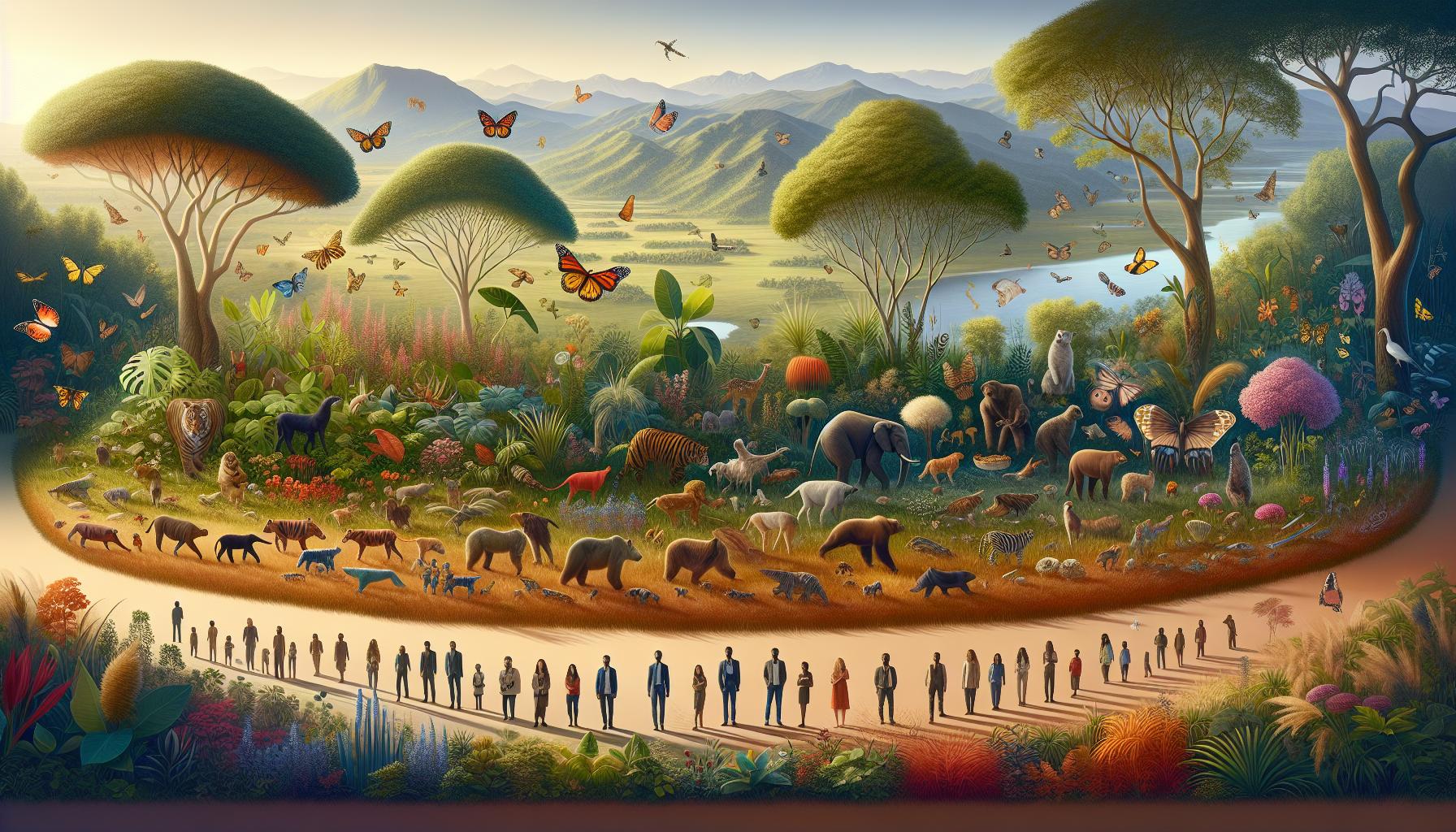
How Human Activities Impact Biodiversity
Human activities have a profound impact on biodiversity, often pushing ecosystems to their limits. From habitat destruction to pollution and climate change, our modern lifestyles significantly alter the delicate balance that supports life on Earth. One striking statistic reveals that human actions have contributed to the extinction of nearly 1 million species, highlighting an urgent need for awareness and action. By examining the various ways we affect biodiversity, we can better understand the importance of adopting sustainable practices.
Habitat Destruction
One of the most direct threats to biodiversity is habitat destruction, primarily driven by urbanization, agriculture, and logging. As forests are cleared for farmland or city development, countless species lose their homes, leading to population declines and potential extinction. To combat this, individuals can support sustainable forestry practices and choose products certified by organizations like the Forest Stewardship Council (FSC). Additionally, planting native trees and preserving local wildlife habitats in personal gardens can contribute to restoring important ecosystems.
Pollution
Pollution also wreaks havoc on biodiversity, affecting habitats and the organisms that rely on them. Chemicals from agricultural runoff can contaminate waterways, harming aquatic life and disrupting food chains. Plastic waste, a pervasive issue, can suffocate marine organisms and lead to loss of species. Reducing single-use plastics and opting for biodegradable alternatives empowers individuals to reduce their ecological footprint. Furthermore, participating in local clean-up initiatives helps keep ecosystems healthy and resilient.
Climate Change
The warming planet alters ecosystems, leading to shifts in species distributions and threatening those unable to adapt quickly. Climate change can exacerbate existing threats, such as invasive species and diseases, which further stress vulnerable populations. By adopting eco-friendly practices-like reducing energy consumption at home, utilizing public transportation, and supporting renewable energy sources-individuals can help mitigate climate impacts. Even small actions, such as composting and minimizing food waste, contribute toward a more sustainable future.
By understanding , we can take meaningful steps to protect the planet’s rich variety of life. Embracing eco-conscious living not only fosters a healthier environment but also cultivates a sense of responsibility toward future generations. Simple choices, from how we shop to how we travel, can create significant positive change, ensuring that the intricate web of life remains vibrant and resilient.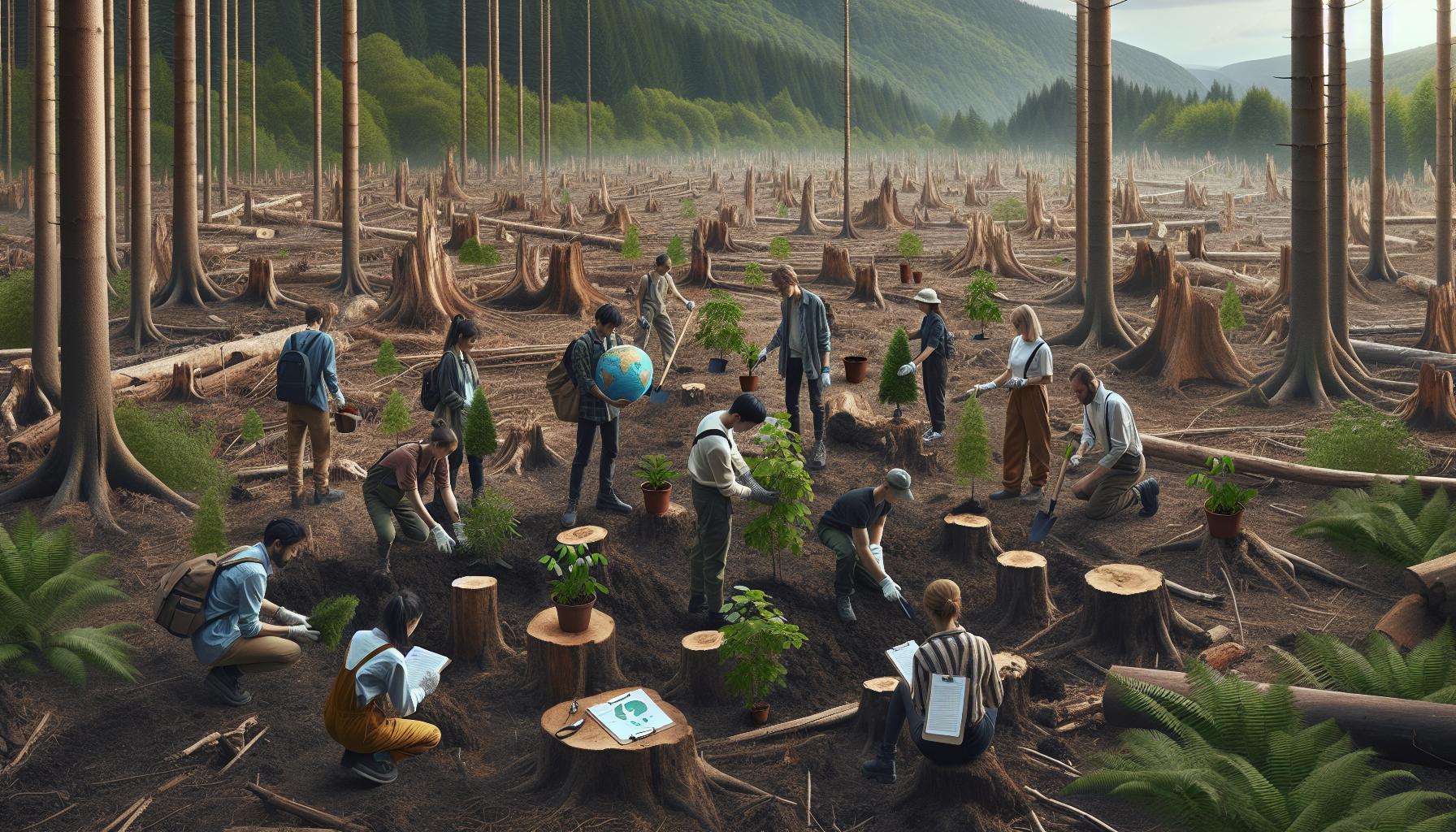
Biodiversity Hotspots: What Are They?
Biodiversity hotspots are remarkable regions where the abundance and variety of species create vibrant ecosystems, yet they are also the most threatened by human activity. To qualify as a biodiversity hotspot, an area must meet two main criteria: it must contain at least 1,500 species of vascular plants as endemics, and it must have lost at least 70% of its original habitat. There are currently 36 recognized biodiversity hotspots across the globe, such as the Amazon rainforest, the Himalayas, and the Caribbean islands. These hotspots are not merely geographical points of interest; they are essential for the health of our planet, harboring a significant proportion of the Earth’s biological wealth.
Protecting biodiversity hotspots is crucial for several reasons. First, these areas support a wealth of flora and fauna, some of which may provide food, medicines, and other natural resources vital for human survival. For instance, plants endemic to these regions can lead to the discovery of new pharmaceuticals, showcasing the potential of untouched ecosystems. Second, biodiversity hotspots serve as critical buffers against climate change by storing carbon and sustaining ecological processes that regulate the environment, such as nutrient cycling and pollination.
To actively support the protection of biodiversity hotspots, individuals can engage in a variety of actions. Here are some practical steps for anyone looking to make a positive impact:
- Support Conservation Organizations: Many organizations work specifically to protect biodiversity hotspots. Donating or volunteering with these groups can significantly help in conservation efforts.
- Advocate for Sustainable Practices: Encourage local businesses and governments to adopt sustainable land use practices that minimize deforestation and habitat degradation.
- Practice Responsible Consumption: Choose products that are sourced sustainably and ethically. Look for certifications like Fair Trade or Rainforest Alliance that ensure environmental stewardship.
- Educate Others: Share knowledge about the importance of biodiversity and the specific challenges faced by hotspots within your community.
- Participate in Citizen Science: Engage in or support citizen science projects that monitor biodiversity and assess the health of local ecosystems.
By taking these steps, individuals can contribute to the vital conservation of biodiversity hotspots, ensuring that our planet’s rich variety of life continues to thrive for generations to come. The link between our everyday choices and the health of these critical regions emphasizes the importance of awareness, responsibility, and collective action in maintaining the fabric of life on Earth.
The Ecological Benefits of Biodiversity
Biodiversity is the foundation of ecosystem health, providing an array of ecological benefits that sustain life on Earth. Each species, from the tiniest microorganism to the largest mammal, plays a unique role in maintaining ecological balance. For instance, diverse ecosystems can withstand environmental stresses better than homogeneous ones, as a variety of species can fulfill overlapping roles and adapt to changes, ensuring stability and resilience. This robustness is crucial as we face increasing challenges such as climate change and habitat destruction.
- Pollination: Many plants rely on specific animals for pollination. For example, bees, birds, and bats are key pollinators that contribute to the reproduction of 75% of the world’s flowering plants, including over 35% of global food crops. Without these species, our food security would be severely impacted.
- Nutrient Cycling: Decomposers like fungi and bacteria break down organic matter, returning nutrients to the soil and promoting healthy plant growth. This process is essential for maintaining soil fertility and supporting agriculture.
- Climate Regulation: Diverse ecosystems, such as forests and wetlands, play critical roles in sequestering carbon dioxide, thereby helping to mitigate climate change. Their ability to store carbon is vital for maintaining atmospheric balance and supporting life.
- Water Purification: Wetlands and riparian zones filter pollutants from water, providing clean water for various organisms, including humans. The plants in these environments trap sediments and break down harmful substances, acting as natural water filtration systems.
Engaging with local nature, whether through hiking, gardening, or participating in community conservation efforts, allows individuals to witness the benefits of biodiversity firsthand. Small actions like planting native species, reducing pesticide use, and supporting sustainable practices can create a ripple effect that enhances local ecosystems. By cultivating an appreciation for the intricate web of life and its role in our survival, we contribute to the protection and nurturing of biodiversity, ensuring that our planet remains vibrant and resilient for future generations.
Preserving Biodiversity: Strategies and Solutions
The health of our planet depends heavily on the rich tapestry of life that surrounds us, and preserving biodiversity is not just an environmental concern but a necessity for our survival. Embracing eco-conscious living can make a substantial impact on biodiversity conservation. By incorporating simple, actionable strategies into daily life, individuals and communities can work toward sustaining the variety of life on Earth.
One powerful approach is to develop local conservation initiatives. Engaging with local flora and fauna can foster a deeper appreciation for biodiversity. This could involve participating in or organizing local clean-up efforts, community gardens, or reforestation projects. By planting native species, individuals help restore habitats while providing essential resources for local wildlife. Communities can also collaborate with conservation organizations to monitor local ecosystems, ensuring that native species thrive while invasive species are controlled. Such collective actions create a ripple effect, helping to protect and enhance local biodiversity.
Another effective strategy is adopting sustainable practices in personal consumption. This can include choosing eco-friendly products that are sustainably sourced and manufactured, minimizing plastic use, and supporting local businesses that prioritize environmental sustainability. Transitioning to a plant-based diet or reducing meat consumption can also significantly lessen one’s ecological footprint. Educational campaigns that emphasize the benefits of organic farming can inspire individuals to support agricultural practices that enhance soil health and biodiversity rather than degrade it.
Furthermore, leveraging technology and innovative solutions can enhance conservation efforts. Using apps or online platforms dedicated to citizen science can encourage people to contribute their observations of wildlife and plant species, which can inform research and conservation strategies. Sustainable energy practices, such as installing solar panels and implementing energy-efficient technologies in homes, can reduce carbon footprints and promote healthier ecosystems.
By integrating these practical steps into everyday life, individuals not only contribute to preserving biodiversity but also foster a culture of sustainability. Every action, no matter how small, can lead to significant changes, helping to ensure that the intricate web of life on Earth remains vibrant and resilient for generations to come.
How Biodiversity Affects Human Health
Biodiversity plays a crucial role in influencing human health, often in ways that we may overlook in our daily lives. The intricate web of life that surrounds us-including the plants, animals, and microorganisms that inhabit our environment-has a direct impact on our physical, mental, and emotional well-being. For instance, countless plants provide us with essential nutrients and medicinal properties. Many modern medicines are derived from natural compounds found in flora and fauna, demonstrating how biodiversity contributes to our health care systems.
Moreover, a diverse ecosystem contributes to better air and water quality, reducing the prevalence of diseases linked to pollution. Healthy ecosystems filter pollutants and regulate nutrient cycles, which are vital for maintaining clean water supplies and breathable air. As biodiversity diminishes, these protective services wane, leading to increased health risks. In areas with rich biodiversity, communities often experience lower rates of respiratory and cardiovascular diseases due, in part, to the improved ecological conditions.
Engaging with nature also offers profound mental health benefits. Spending time in biodiverse environments, such as parks and forests, has been linked to reduced stress, anxiety, and depression. Regular interaction with natural settings can enhance mood and overall emotional well-being, fostering a deeper connection to the world around us. Simple practices, such as gardening or hiking in natural areas, can boost our physical activity levels while simultaneously promoting mental resilience.
### Practical Steps to Enhance Our Health through Biodiversity
To harness the health benefits of biodiversity, consider these practical steps:
- Support Local Biodiversity: Engage in community initiatives that focus on planting native species or creating local green spaces. This not only helps the environment but can also promote community health.
- Consume Wisely: Opt for local and organic foods that support sustainable farming practices, as these often utilize biodiversity-friendly methods.
- Connect with Nature: Regularly explore nearby parks, gardens, or nature reserves. Activities like walking, cycling, or even meditating outdoors can significantly improve your mental health.
- Advocate for Conservation: Participate in or support conservation efforts in your area to protect local ecosystems that are crucial for human health.
By recognizing the profound interrelationships between our health and biodiversity, we can take actionable steps toward fostering a healthier planet for ourselves and future generations. Embracing this interconnectedness not only enhances personal well-being but also strengthens efforts to sustain the rich tapestry of life that sustains us all.
Biodiversity and Climate Change: The Connection
The intricate relationship between biodiversity and climate change underscores the interconnectedness of Earth’s systems and the urgent need for action. Biodiversity not only acts as a buffer against climate change, but it also plays a crucial role in stabilizing ecosystems affected by these shifts. For instance, diverse ecosystems such as rainforests and coral reefs possess a resilience that helps them withstand climate-induced stresses like temperature extremes and extreme weather events. Furthermore, healthy biodiversity contributes to carbon sequestration-the process of capturing and storing atmospheric carbon dioxide. Forests, for example, are vital carbon sinks that absorb CO2, helping to mitigate greenhouse gas emissions.
Loss of biodiversity exacerbates climate change and its impacts. When species become extinct or when ecosystems are degraded, their ability to provide essential services diminishes, leading to increased vulnerability to climate risks. This loss can accelerate soil erosion, disrupt water cycles, and reduce natural disaster resilience, resulting in a vicious cycle that threatens both human and ecological communities. Protecting and restoring biodiversity, therefore, becomes a critical strategy in climate adaptation and mitigation efforts.
Practical Steps to Support Biodiversity and Combat Climate Change
The good news is that individuals can take meaningful steps to support biodiversity while addressing climate change:
- Plant Native Species: Incorporating native plants into your garden can help support local wildlife and ecosystems. Native plants are adapted to the local climate and soil, requiring less water and maintenance.
- Reduce Carbon Footprint: Opt for sustainable transportation methods, like biking or public transit, to limit greenhouse gas emissions. Supporting local businesses can also reduce the carbon footprint associated with transporting goods over long distances.
- Practice Sustainable Agriculture: When possible, choose organic or responsibly sourced food products. Sustainable farming practices help maintain healthy soil, promote biodiversity, and reduce chemical runoff into ecosystems.
- Support Conservation Initiatives: Get involved with or donate to local conservation organizations working to protect habitats and endangered species. Every effort counts in creating a more resilient natural world.
By embracing these actions, you contribute to a harmonious relationship between biodiversity and climate stability. Engaging with your community on these initiatives not only fosters greater awareness of environmental issues but also strengthens our collective efforts toward a sustainable future. Together, we can bolster biodiversity to combat climate change, ensuring a healthier planet for generations to come.
The Role of Biodiversity in Ecosystem Services
Biodiversity is more than just a collection of different species; it is the foundation of ecosystem services that sustain human life and welfare. These services, which provide essential benefits to society, include provisioning services like food and water, regulating services such as climate regulation and flood control, supporting services like nutrient cycling and soil formation, and cultural services that enhance our recreational and spiritual well-being. The diverse interactions and interdependencies among various species contribute to the resilience and functionality of ecosystems, making biodiversity a critical ally in maintaining our planet’s health.
Healthy ecosystems, rich in biodiversity, can efficiently carry out processes that filter air and water, break down waste, and regulate disease-carrying organisms. For instance, wetlands are a prime example of natural water filtration systems; they trap pollutants and excess nutrients before they can harm larger bodies of water, thus supporting clean water availability for communities. This not only protects biodiversity by maintaining aquatic habitats but also serves the human need for safe drinking water. Similarly, forests absorb carbon dioxide, mitigating climate change’s impacts while providing habitat for myriad species, reinforcing the delicate balance of our ecosystem.
Recognizing the intrinsic link between biodiversity and ecosystem services empowers us to take concrete actions to support this natural wealth. Individuals can help by cultivating diverse gardens with a mix of native plants, which not only attract pollinators like bees and butterflies but also create habitats for other wildlife, directly contributing to local biodiversity. Additionally, participating in community clean-up initiatives can protect natural habitats from pollution, thereby enhancing the ecosystem’s ability to provide services like waste breakdown and air purification.
Embracing sustainable practices in everyday life, such as reducing plastic use, supporting local agriculture, and advocating for responsible land use policies, creates a ripple effect that helps protect biodiversity. When we ensure that ecosystems remain vibrant and resilient, we not only preserve nature’s beauty but also secure vital services that sustain our very existence. By understanding and appreciating biodiversity’s roles in ecosystem services, we cultivate a sense of responsibility to protect and restore our natural world for future generations.
Exploring Biodiversity in Different Ecosystems
Biodiversity thrives in various ecosystems across the globe, each teeming with life forms uniquely adapted to their environments. From the lush, vibrant Amazon rainforest to the arid expanse of the Sahara Desert, the incredible variety of species and their interactions exemplify nature’s resilience and complexity. Exploring biodiversity within these ecosystems reveals not only the richness of life but also the crucial roles these habitats play in global ecological processes.
Rainforests: Nature’s Biodiversity Reservoirs
Rainforests are often heralded as the epitome of biodiversity. Home to more than half of the world’s plant and animal species, these dense forests provide essential services such as carbon sequestration, oxygen production, and habitat preservation. For instance, the Amazon Rainforest alone is home to around 10% of all known species, showcasing a staggering range of plants, insects, birds, and mammals, many of which are endemic. Engaging with local conservation efforts or supporting sustainable products sourced from these areas can help protect these vital ecosystems.
Oceans: The Blue Diversity Frontier
Oceans cover over 70% of the Earth’s surface and are crucial for climate regulation and food security. Coral reefs, often called the “rainforests of the sea,” support a myriad of marine life, providing essential breeding grounds and habitat. Yet, these underwater ecosystems face dire threats from climate change, overfishing, and pollution. Individuals can contribute to ocean health by reducing plastic consumption and supporting marine conservation organizations dedicated to preserving these irreplaceable habitats.
Grasslands: Ecosystems of Past and Present
Grasslands, including savannas and prairies, embody a different kind of biodiversity that plays a significant role in agricultural systems. They support a diverse array of herbivores and predators, as well as countless insects and microorganisms that are integral to soil health. Agroecology practices, such as rotational grazing and permaculture, can enhance biodiversity within these regions while fostering sustainable land-use practices. Supporting local farmers who implement these methods not only aids the ecosystem but also promotes vibrant local economies.
Urban Ecosystems: Biodiversity in Unexpected Places
Even urban areas contribute to biodiversity in surprising ways. Cities can host diverse flora and fauna, often thriving in parks, community gardens, and green roofs. Encouraging urban biodiversity can lead to improved air quality, regulated temperatures, and increased mental well-being for residents. Simple actions, such as planting native species and creating habitats for pollinators, can significantly enhance the ecological feasibility of urban spaces.
By recognizing and engaging with the biodiversity present in various ecosystems, we not only appreciate the intricate web of life that surrounds us but also empower ourselves and our communities to protect and sustain these natural wonders for generations to come. Adopting eco-friendly practices in our own lives can contribute to global biodiversity conservation, ensuring that nature’s variety continues to thrive.
Cultural Perspectives on Biodiversity
are deeply intertwined with the ways communities interact with their environments and the values they ascribe to various species and ecosystems. Indigenous cultures, for instance, often hold a profound understanding and respect for biodiversity, viewing themselves as part of a greater ecological community. This perspective fosters a stewardship model, where the conservation of nature is not merely seen as an obligation but as a sacred duty. For these communities, biodiversity is essential for cultural identity, providing resources for traditional practices, medicinal uses, and spiritual significance.
In many regions, biodiversity is celebrated through festivals, art, and storytelling, which serve as crucial means of passing knowledge and traditions from one generation to the next. These cultural narratives not only highlight the importance of various species but also stress the significance of maintaining healthy ecosystems. For example, the annual celebration of the monarch butterfly migration in some North American communities underscores the ecological interconnections and highlights local efforts in conservation. By incorporating traditional ecological knowledge into contemporary practices, these communities provide valuable insights into sustainable living that can inspire broader environmental stewardship.
Consumer behavior is also influenced by cultural perceptions of biodiversity. People increasingly seek products that are sustainable and ethically sourced, motivated by a desire to protect the natural world and support local economies. Understanding the cultural significance behind biodiversity can encourage individuals to make informed choices, like opting for organic products or supporting local farmers who implement biodiversity-friendly practices. Restaurants, for example, that highlight native ingredients not only promote food diversity but also build a greater appreciation for the local ecosystem’s bounty.
As we embrace eco-conscious living, it’s vital to acknowledge and celebrate the diverse perspectives that shape our relationship with nature. By recognizing the intrinsic link between culture and biodiversity, we empower ourselves and others to advocate for sustainability and conservation, ensuring that both human and ecological communities thrive in harmony. This approach not only honors the richness of life on Earth but also fosters a sense of responsibility to protect it for future generations.
Innovative Approaches to Conservation and Sustainability
Discovering is not just about protecting biodiversity; it’s about reimagining our interactions with the natural world. Today, many communities and organizations are employing creative strategies that bridge traditional ecological knowledge with modern science. For instance, urban areas are embracing “green architecture,” which uses sustainable materials and energy-efficient designs to minimize ecological footprints. These buildings integrate living walls, roofs, and even rain gardens to support local wildlife and improve air quality while providing natural habitats in densely populated environments.
Community Engagement and Education
Another innovative strategy revolves around community engagement and education. Initiatives like citizen science projects empower individuals to contribute to biodiversity monitoring and conservation efforts. People of all ages can participate, collecting data on local species or habitats, which fosters a deeper appreciation for biodiversity. Programs that incorporate local schools often produce enthusiastic young advocates who will carry these values into adulthood. By teaching the importance of ecosystems through direct involvement, communities can cultivate a generation that values and strives for sustainability.
Technology-Driven Conservation
Modern technology plays a pivotal role in advancing conservation efforts as well. From drone surveillance to GPS tracking, innovative technologies are revolutionizing how scientists monitor wildlife and their habitats. For example, drones can assess hard-to-reach areas rapidly, capturing data that can inform conservation tactics for endangered species. Apps that assist with species identification allow citizens to observe and report sightings, contributing valuable information while fostering a connection with local biodiversity.
Sustainable Practices in Agriculture
Sustainable agricultural practices are essential to conserving biodiversity as well. Techniques such as permaculture, agroforestry, and regenerative farming improve soil health and support diverse ecosystems. By focusing on crop rotation, polyculture, and organic inputs, farmers not only increase yields but also enhance the resilience of their operations against climate change and pests. Supporting local farms that employ these practices can help consumers make purchasing decisions that favor biodiversity-friendly methods.
The journey toward effective conservation and sustainability is filled with innovative methods that inspire hope and responsibility. By actively participating in local initiatives, utilizing technology, and supporting sustainable practices, individuals can make informed choices that significantly contribute to the preservation of biodiversity for future generations. Embracing these strategies not only nurtures our planet but also enriches our lives, fostering a sense of connection to the natural world.
Q&A
Q: What are the different levels of biodiversity?
A: Biodiversity can be categorized into three levels: genetic diversity (variability within species), species diversity (the variety of species within a certain habitat), and ecosystem diversity (different habitats and ecological processes). Understanding these levels helps in conservation efforts and assessing ecosystem health.
Q: How does biodiversity affect agriculture?
A: Biodiversity enhances agricultural resilience by improving ecosystem services such as pollination, pest control, and soil fertility. Diverse crops and livestock can lead to improved yields and reduced dependency on chemical inputs, fostering sustainable farming practices.
Q: Why is preserving biodiversity crucial for climate change mitigation?
A: Preserving biodiversity helps ecosystems adapt to climate change, providing stability and resilience. Healthy ecosystems sequester carbon, regulate water cycles, and enhance soil quality, which are essential strategies for combating climate change impacts.
Q: What role do local communities play in biodiversity conservation?
A: Local communities are vital for biodiversity conservation as they hold traditional ecological knowledge and direct stakes in sustainable resource management. Engaging communities in conservation efforts often leads to more effective and culturally appropriate management strategies.
Q: How does biodiversity contribute to human economies?
A: Biodiversity supports economies through ecosystem services like tourism, sustainable fishing, and agriculture. Healthy ecosystems provide resources and benefits, contributing to livelihoods while also attracting visitors for ecotourism.
Q: What are the main threats to global biodiversity?
A: The main threats to biodiversity include habitat destruction, climate change, pollution, overexploitation of resources, and invasive species. Addressing these issues requires coordinated global efforts and sustainable practices to protect ecosystems.
Q: How can individuals help protect biodiversity?
A: Individuals can contribute by reducing waste, supporting sustainable products, participating in local conservation efforts, and promoting biodiversity-friendly practices. Simple actions like planting native species and reducing plastic use can make a significant impact.
Q: What is the significance of biodiversity in medicine?
A: Biodiversity is crucial in medicine as many pharmaceutical drugs are derived from natural compounds found in plants and animals. Protecting biodiversity ensures we maintain the potential for new medical discoveries and sustainable healthcare solutions.
The Conclusion
Understanding biodiversity is essential for appreciating the intricate web of life that sustains our planet. From the smallest microorganisms to the largest mammals, each species plays a vital role in maintaining ecological balance. Now more than ever, it’s crucial to act-whether by reducing your carbon footprint, supporting conservation efforts, or exploring sustainable living practices.
Stay informed and engaged with our resources on eco-friendly initiatives by checking out our articles on sustainable housing and green technologies. Don’t miss out on learning how you can make a difference-sign up for our newsletter for actionable tips delivered straight to your inbox. Let’s work together to protect the planet’s incredible biodiversity and ensure a healthier future for generations to come.