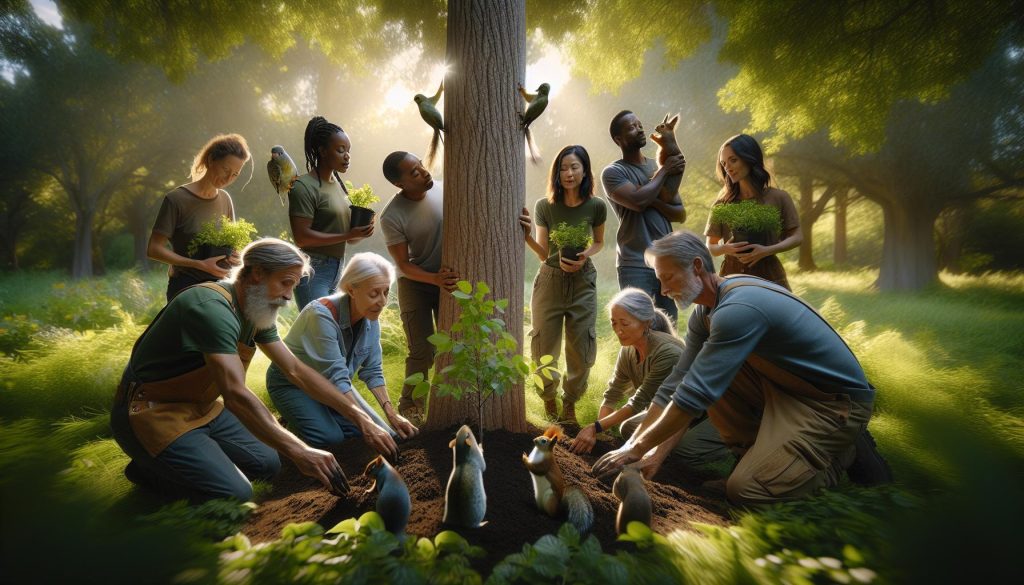
Did you know that the delicate balance of life in any given ecosystem hinges on the interactions among various species? Community ecology examines these relationships, exploring how different organisms coexist, compete, and thrive together within specific environments. Understanding these dynamics is essential for addressing pressing environmental issues, from biodiversity loss to habitat destruction. By delving into community ecology, you gain insights into the vital roles various species play in maintaining ecological balance-a concern that affects us all. As you read further, you’ll discover how these intricate interactions not only support healthy ecosystems but also offer practical guidance for fostering a sustainable world. Join us in exploring the fascinating ways species interact, and how this knowledge empowers us to make informed choices that benefit both nature and our communities.
What Is Community Ecology? An Overview

Understanding community ecology is essential for appreciating the intricate web of life that sustains our ecosystems. At its core, community ecology examines how different species interact within a shared habitat, impacting each other’s growth, survival, and reproduction. These interactions define the structure and dynamics of communities, revealing how biodiversity contributes to ecosystem functionality and resilience. For instance, in a forest, trees, plants, animals, fungi, and microorganisms coexist, each playing a unique role in maintaining a balanced environment. Their relationships can include competition for resources, predation, mutualism, and more, highlighting the complexity and interdependence of life.
Community ecology not only explores these interactions but also emphasizes the significance of species diversity. Diversity enhances community resilience, allowing ecosystems to withstand environmental stresses such as climate change and habitat loss. Research shows that more diverse ecosystems tend to be more productive and better at recovering from disturbances. When a variety of species coexist, the loss of one does not necessarily lead to ecosystem collapse, as other species can fulfill similar roles. This adaptability is vital for sustaining resources, whether it’s food, clean water, or air.
Moreover, recognizing the influence of environmental factors-like climate, soil quality, and human activities-on these interactions is crucial. Changes in any element of an ecosystem can ripple through the community, altering interactions and threatening species survival. For example, urbanization can disrupt natural habitats, leading to decreased biodiversity and compromised ecosystem services. Therefore, protecting and restoring habitats, along with supporting sustainable practices, becomes imperative. By engaging with and uplifting local ecosystems, we can contribute to a healthier planet while fostering our connection to nature.
The Importance of Species Interactions in Ecosystems
In the intricate web of life, each species plays a crucial role, and the interactions among them form the bedrock of ecosystem functionality. Species interactions encompass a variety of relationships-predation, competition, mutualism-that shape the dynamics and structure of biological communities. These interactions not only influence individual species’ survival but also determine the health and stability of entire ecosystems. For instance, in a rainforest, the relationship between pollinators and flowering plants exemplifies how interconnected life is; without pollinators, many plants would struggle to reproduce, resulting in reduced food sources for herbivores and subsequently affecting the carnivores that prey on them.
Understanding the importance of these relationships empowers us to appreciate the delicate balance within ecosystems. When species interact, they can enhance each other’s chances of survival through various mechanisms. For example, predator-prey dynamics can regulate population sizes, preventing any one species from overwhelming an ecosystem’s resources. Furthermore, cooperative interactions, such as those seen in symbiotic relationships, offer mutual benefits that strengthen community resilience. These types of positive interactions often lead to greater biodiversity, which is vital for ecosystems to adapt to changes and recover from disturbances like natural disasters or human activities.
To foster strong species interactions within our communities, we can all play a part. Simple steps such as planting native species in gardens, reducing pesticide use, and creating habitats for various wildlife can enhance the local ecosystem. Participating in or organizing local conservation efforts can also significantly contribute to restoring natural balance. By understanding and improving species interactions, we not only support biodiversity but also enhance our own environment, making it a healthier and more vibrant place for all forms of life. Embracing these concepts encourages a deeper connection with nature, inspiring actions that promote ecological well-being.
Understanding the Different Types of Species Interactions

In the complex tapestry of ecosystems, species interactions are fundamental to their health and sustainability. These interactions can be categorized into several key types, each playing a unique role in shaping the community dynamics. By understanding these relationships, we are better equipped to appreciate the intricacies of nature and how our actions can influence the delicate balance within ecosystems.
Types of Species Interactions
Interactions among species can be broadly classified into the following categories:
- Predation: This relationship is a classic example of one organism benefiting at the expense of another. Predators hunt and consume prey, regulating their populations. For instance, the presence of wolves can control deer populations, which in turn helps maintain the health of forest ecosystems.
- Competition: Species often compete for limited resources such as food, water, and territory. This competition can lead to the adaptation and evolution of species. For instance, two bird species competing for nesting sites may evolve different egg-laying times or nest locations to reduce competition.
- Mutualism: In this cooperative relationship, both species benefit. A clear example is the relationship between bees and flowering plants; bees obtain nectar for food while facilitating the plant’s reproduction through pollination.
- Commensalism: Here, one species benefits while the other is neither helped nor harmed. For example, barnacles that attach themselves to whales benefit from being transported to nutrient-rich waters without affecting the whale.
- Parasitism: This interaction involves one species benefiting at the expense of another, similar to predation but typically does not result in the immediate death of the host. Examples include tapeworms in intestines or fleas on animals.
Understanding these interactions not only enriches our knowledge of ecological dynamics but can also inform our conservation efforts. By recognizing how species depend on one another, we can foster environments conducive to their coexistence. For example, by creating gardens that host both nectar-producing plants and the pollinators that rely on them, we can enhance local biodiversity.
Embracing our role in these interactions encourages us to make conscious choices, such as minimizing pesticide use or supporting native species in our gardens, ultimately contributing to healthier ecosystems. This awareness empowers us to advocate for practices that not only support our immediate environment but also contribute to the broader ecological balance, ensuring that both our local and global communities thrive.
How Biodiversity Enhances Community Resilience

The complexity and richness of ecosystems are profoundly influenced by biodiversity, the variety of life that coexists in a given environment. Biodiversity plays a critical role in enhancing the resilience of communities, allowing ecosystems to better withstand disturbances, adapt to changes, and recover from stresses such as climate change, pollution, and habitat destruction. Diverse ecosystems with a wide range of species exhibit greater stability because they can draw from a larger pool of genetic variability and functional traits, which enables them to respond to environmental changes more effectively.
In a diverse ecosystem, each species contributes unique functions, from nutrient cycling and pollination to pest control and habitat structuring. For instance, a community rich in plant diversity can provide a variety of food sources and habitats for insects, birds, and other wildlife, which in turn promotes a robust network of interactions among species. This interdependence creates a buffer against environmental changes, as different species can fulfill similar ecological roles. If one species is impacted by a disease or a changing climate, others can fill the gap, ensuring that ecological processes continue to function effectively.
Supporting biodiversity can be as straightforward as making eco-friendly choices in our daily lives. Simple actions such as planting native species in gardens, which attract local pollinators and beneficial insects, or creating wildlife corridors to allow movement between fragmented habitats can help preserve and enhance local biodiversity. Additionally, minimizing the use of chemical pesticides and supporting organic farming can bolster healthy ecosystems. Engaging in community conservation efforts, whether through local clean-up days or participating in citizen science projects, empowers individuals to contribute positively to their environments.
By prioritizing biodiversity, we not only foster resilient ecosystems but also create vibrant, varied landscapes that provide health, aesthetic, and economic benefits to communities. The more diverse an ecosystem, the better equipped it is to face challenges, thus guaranteeing a more sustainable future for all species, including humans. Choosing to promote and protect biodiversity is a crucial step towards ensuring the ecological integrity and resilience necessary for thriving communities.
The Role of Competition in Shaping Communities
In the intricate web of community ecology, competition plays a pivotal role in determining which species thrive and which ones decline. This survival of the fittest concept often manifests in various forms, influencing not just individual populations but entire ecosystems. For instance, when two species compete for the same resource-be it food, water, or habitat-one may gain a competitive advantage, leading to its proliferation at the expense of the other. This dynamic can lead to significant ecological shifts, altering the composition of communities over time.
Understanding the impact of competition encourages us to appreciate the delicate balance within ecosystems. In a forest, for example, tall trees might outcompete shorter shrubs for sunlight, resulting in a canopy that limits the growth of understory plants. However, competition isn’t solely about dominance; it also fosters adaptation. Species may evolve different traits or behaviors to reduce overlap in resource use, which can lead to the diversification of ecological niches. This process is known as niche differentiation and is crucial for maintaining biodiversity in any ecosystem.
While competition can seem harsh, it is a natural mechanism that contributes to resilience within communities. By pushing species to adapt and innovate, competition can spur the evolution of new traits that allow for better resource utilization. Moreover, a community that experiences a healthy level of competition is often more robust, as diverse interactions allow for more nuanced responses to environmental changes. When species compete effectively, they may bolster their collective resistance to factors like disease or climate variability, showcasing the interconnectedness of competition and community resilience.
To embrace the strengths of competition in our own lives and communities, consider creating environments that celebrate biodiversity. Planting a mix of flora in gardens can encourage healthier ecosystems where species coexist rather than compete destructively. By supporting local wildlife with a diverse array of plants, you foster resilience, making your green spaces not only more vibrant but more sustainable. By understanding competition’s role in nature, we can better appreciate our interconnectedness and make choices that promote healthier ecosystems.
Mutualism: Benefits of Cooperative Relationships
The natural world is filled with fascinating relationships that illustrate the power of cooperation among species. One of the most compelling examples of this cooperative spirit is mutualism, an interaction where two different species benefit from each other, enhancing their chances of survival and thriving within their ecosystems. For instance, the well-known relationship between bees and flowering plants exemplifies mutualism perfectly: bees pollinate the flowers while obtaining nectar as a food source. This reciprocal arrangement not only promotes biodiversity but also supports the ecological health of the environment.
Engaging in mutualistic relationships often results in a variety of positive outcomes for the species involved. In agricultural settings, for example, farmers can harness mutualism by planting cover crops that enhance soil health and provide habitat for beneficial insects. This leads to reduced pest populations and enhanced crop yields, showcasing how intentionally fostering these relationships can lead to robust farming practices. Additionally, when we plant native vegetation in our gardens, we can invite an array of pollinators to benefit both the plants and the creatures that rely on them, creating thriving mini-ecosystems right at home.
Promoting Mutualism in Daily Life
You can actively promote mutualism, not just in nature but also in your own life, by implementing the following strategies:
- Support Local Biodiversity: Choose native plants for your garden to create a habitat that attracts local pollinators and wildlife.
- Use Companion Planting: Incorporate plants that benefit one another, such as planting basil alongside tomatoes to enhance growth and flavor while deterring pests.
- Practice Sustainable Agriculture: If you’re involved in gardening or farming, consider methods that facilitate mutualistic relationships, such as organic practices that reduce chemical inputs detrimental to beneficial species.
- Educate Others: Share the benefits of mutualism with friends and family to inspire collective action toward biodiversity conservation.
The value of mutualism in our ecosystems cannot be overstated; it encourages resilience and sustainability, key attributes in the face of environmental challenges. By understanding and embracing these cooperative dynamics, we not only foster a healthier planet but also enrich our own lives through a deeper connection to the natural world. Each small step we take towards nurturing mutualistic relationships can lead to significant positive impacts, reinforcing the intricate web of life on Earth.
Understanding Predation: Its Ecological Impact
Predation plays a critical role in shaping community ecology, acting as a powerful force that influences population dynamics, community structure, and resource distribution within ecosystems. By definition, predation involves a relationship where one organism, the predator, hunts and consumes another organism, the prey. This interaction not only regulates prey populations but also creates opportunities for a diverse array of species to coexist, fostering biodiversity in the process.
The impact of predation goes beyond simple population control. It can drive evolutionary changes in both predators and prey, prompting adaptations such as improved camouflage in prey species or enhanced hunting strategies in predators. For example, the classic case of the peppered moth illustrates how predation can influence the coloration of species in response to environmental changes. In industrial areas, darker moths thrived because they were less visible to predators against soot-darkened trees, showcasing natural selection influenced by predatory pressure.
Understanding these dynamics is crucial for conservation efforts. As humans alter habitats through urban development, agriculture, and climate change, we may inadvertently disrupt the delicate balance of predator-prey relationships. For instance, the decline of top predators can lead to an overabundance of herbivores, which can devastate plant communities and negatively affect overall ecosystem health. Recognizing this interconnectedness encourages us to advocate for sustainable practices that protect both predator and prey species, ensuring resilient ecosystems.
To support balanced predator-prey dynamics in local environments, consider the following actions:
- Promote Habitat Diversity: Plant a variety of native flora to attract a range of species, including beneficial predators like birds and insectivores.
- Reduce Pesticide Use: Avoid chemicals that harm not just pests but also their natural predators, which could lead to harmful population imbalances.
- Participate in Local Conservation Efforts: Engage with community programs aimed at habitat restoration and species protection, particularly those focusing on maintaining healthy predator populations.
By understanding and respecting the intricate web of interactions driven by predation, we can take steps to maintain ecological balance and foster thriving communities that support the diverse life forms we share our planet with. This awareness not only enriches our knowledge of nature but also informs how we can all contribute to a more sustainable future.
The Impact of Environmental Factors on Species Interactions
The intricate web of life within an ecosystem is profoundly influenced by environmental factors. These elements-ranging from climate and soil type to water availability and habitat structure-play critical roles in determining how species interact and thrive. For instance, temperature fluctuations can change the breeding cycles of many species, affecting competition, predation, and mutualistic relationships. In freshwater ecosystems, water temperature not only influences the metabolism of aquatic organisms but can also affect oxygen levels, which in turn impact species diversity and community structure.
Key Environmental Factors Influencing Interactions
Several key environmental factors exert noticeable effects on species interactions, including:
- Climate: Variations in temperature, precipitation, and seasonal changes can dictate food availability, habitat suitability, and migration patterns, ultimately shaping community dynamics.
- Soil Composition: Soil quality affects plant health, influencing herbivore populations and consequently affecting predator dynamics. Rich, nutrient-dense soils support a diverse plant community, which in turn supports varied animal species.
- Water Availability: In arid regions, the scarcity of water can limit species diversity. For example, during droughts, stronger competition for limited resources can alter the balance between species, leading to shifts in community structure.
- Habitat Structure: The physical environment-like forests, deserts, or grasslands-provides different niches and resources, influencing how species compete or cooperate. Complexity in habitat structure often enhances biodiversity by offering various living spaces.
- Human Activities: Urban development, agriculture, and pollution can alter natural habitats and biogeochemical cycles, leading to disruptions in species interactions and community dynamics.
Communities with high biodiversity tend to be more resilient to environmental changes, as diverse species can fulfill similar ecological roles, providing stability. For instance, diverse plant communities can sustain herbivore populations during adverse conditions by providing alternative food sources. In turn, this stability bolsters predator populations, maintaining ecological balance.
Encouraging biological diversity is a crucial step toward enhancing ecosystem resilience in your own environment. Here are some practical actions to contribute positively to your local ecology:
- Support Native Species: Plant native flora in your gardens to provide habitats and food for local wildlife, reinforcing the ecological web.
- Implement Water Conservation Practices: Use rain barrels and drought-resistant plants to help manage water effectively, especially in water-scarce regions.
- Reduce Carbon Footprint: Opt for sustainable transportation and energy sources to mitigate climate change impacts, which can alter species distributions and interactions.
By fostering a deeper understanding of these environmental factors and actively participating in eco-friendly practices, individuals can help sustain the delicate balance of ecosystems, ensuring a thriving biodiversity for generations to come.
How Human Activities Affect Community Ecology
Human activities have a profound impact on community ecology, reshaping ecosystems and the intricate relationships within them. Urban development, agricultural practices, and pollution generate significant changes, often leading to habitat destruction and a decline in biodiversity. For instance, the expansion of urban areas not only fragments habitats but also introduces impervious surfaces that disrupt natural water flow and increase runoff, negatively affecting local flora and fauna. As habitats shrink or change, species struggles increase, leading to altered competitive dynamics and shifts in species interactions that can compromise ecosystem stability.
Agriculture, while essential for food production, has considerable ecological implications. Intensive farming techniques often prioritize monocultures-vast fields planted with a single crop-resulting in a loss of diverse plant species that support various wildlife. The heavy use of fertilizers and pesticides can lead to nutrient runoff, which causes algal blooms in nearby water bodies, further harming aquatic ecosystems. These practices disrupt the natural balance, affecting everything from soil health to the predation and mutualism that help sustain ecological communities.
Reducing the impact of human activities involves individual and collective efforts that support sustainable practices. Here are some effective actions you can take:
- Practice Sustainable Gardening: Incorporating native plants in your garden can enhance local biodiversity, providing habitats for pollinators and other beneficial species.
- Support Organic Farming: Choosing organic produce reduces reliance on synthetic chemicals, helping to protect local ecosystems and soil health.
- Get Involved in Conservation Efforts: Participating in or supporting local conservation initiatives can help restore habitats and protect endangered species.
By understanding how our activities influence community ecology, we can make informed decisions that promote healthier ecosystems. Embracing sustainable practices not only fosters biodiversity but also enhances our connection to the environment, ensuring it thrives for future generations. Together, small changes in lifestyle can contribute to the larger goal of preserving the balance within ecosystems.
Case Studies: Successful Species Interactions in Nature

In the intricate web of life, successful species interactions play a pivotal role in maintaining balanced ecosystems. One compelling example is the symbiotic relationship between clownfish and sea anemones. The clownfish finds safety from predators within the anemone’s stinging tentacles. In return, the clownfish protects the anemone from potential threats, such as butterfly fish, and their movement helps circulate water, enhancing the anemone’s oxygen intake. This mutualistic relationship illustrates how interconnected species can thrive in shared habitats, creating a diverse and resilient community.
Another notable case is the partnership between bees and flowering plants. Bees rely on nectar for food, while the plants benefit from the pollination services provided by the bees. This interaction not only sustains the bee populations but also supports the reproduction of many flowering plants, contributing to genetic diversity. With over 75% of the world’s crops benefiting from pollination, protecting bees and their habitats is essential for both agriculture and natural ecosystems. By incorporating native flowering plants into gardens, individuals can support these vital pollinators and contribute to community ecology.
The dynamics of predator-prey relationships also exemplify successful interactions. The relationship between wolves and elk in Yellowstone National Park highlights how predators help maintain the health of ecosystems. When wolves were reintroduced, they managed the elk population, which in turn allowed vegetation to recover. As the plants flourished, entire ecosystems transformed, benefiting countless other species. This case underscores the importance of understanding the roles species play in their ecosystems and the cascading effects that result from changes in population dynamics.
To support such successful interactions, individuals can advocate for wildlife-friendly policies and restore natural habitats. Engaging in local conservation projects, participating in habitat clean-ups, and planting native species are practical steps toward fostering healthy ecosystems. By encouraging diverse species interactions in our surroundings, we contribute to the resilience and stability of our natural environments while benefiting ourselves and future generations.
Practical Steps to Support Local Ecosystems
Creating a thriving ecosystem right in your backyard is not only possible, but it can also be immensely rewarding. Engaging in community ecology principles empowers individuals and local communities to help restore biodiversity and support various species interactions that bolster ecosystem health. Every small action can significantly contribute to maintaining ecological balance and enriching local environments.
One effective way to support local ecosystems is by incorporating native plants into your garden. Native flora typically requires fewer resources-like water and fertilizer-since they are adapted to the local climate and soil conditions. By planting species that local pollinators, birds, and other wildlife depend on, you create habitats that foster diverse biological communities. These plants provide food resources and nest sites, encouraging a variety of species to flourish. Additionally, establishing a native plant garden reduces the need for chemical pesticides and fertilizers, promoting a cleaner, healthier environment.
Another impactful step is participating in or organizing community clean-up events. Trash and pollution can severely degrade habitats and harm wildlife. Gathering friends, family, or neighbors for clean-up initiatives at local parks, rivers, or beaches not only helps remove debris but also raises awareness about the importance of environmental stewardship. By coming together as a community, you help foster a culture of responsibility and care for your local landscape.
Incorporating sustainable practices in your daily life can also make a difference. Consider the following actions:
- Reduce Plastic Use: Opt for reusable bags, bottles, and containers to minimize waste.
- Compost: By composting organic kitchen waste, you reduce landfill contributions and create nutrient-rich soil for gardens.
- Support Local Farmers: Purchasing organic produce from farmers’ markets encourages sustainable agriculture and connects you to your local food system.
- Plant Trees: Trees improve air quality, provide shade, and offer habitats for countless species.
Moreover, advocating for wildlife-friendly policies in your community, such as preserving green spaces and creating wildlife corridors, can lead to impactful changes. Engaging local officials to promote sustainable development practices helps to ensure that future growth considers ecological integrity.
Ultimately, by understanding the interconnections within ecosystems and actively participating in their preservation, you can contribute to a healthier planet. Each step-be it planting native species, cleaning up local spaces, or supporting sustainability-plays a crucial role in enhancing community ecology and promoting a rich tapestry of life that thrives together.
Future Directions in Community Ecology Research
The future of community ecology research lies in a multidisciplinary approach that recognizes the complex interplay between species, their environments, and human influences. As our ecosystems face unprecedented challenges such as climate change, habitat destruction, and invasive species, researchers are increasingly focusing on understanding these dynamics through integrative methods. Advanced technologies, like remote sensing and genetic sequencing, enable scientists to collect and analyze data more efficiently, thereby enhancing our understanding of species interactions and community structures.
Innovative Research Approaches
Utilizing tools like machine learning and ecological modeling will play a pivotal role in predicting changes within communities and anticipating the consequences of human activities. For instance, computational models can simulate how different species might respond to environmental stressors, providing critical insights for conservation strategies. This predictive capacity is vital, as it allows for proactive measures rather than reactive responses to ecological crises.
Community Engagement and Citizen Science
Another promising direction includes engaging local communities in ecological research through citizen science initiatives. By involving everyday people in data collection and monitoring, researchers can amass large datasets that might otherwise be unattainable. For instance, community members can help track local species or habitat changes, fostering a deeper connection to their environment while contributing to scientific knowledge. Such initiatives empower individuals to participate actively in ecosystem conservation and restoration efforts, reinforcing the practice of stewardship within local contexts.
Focus on Restoration Ecology
In tandem with traditional community ecology, restoration ecology is gaining prominence as a crucial area of study. Understanding how to effectively restore habitats and reintroduce native species will require collaboration among ecologists, land managers, and policymakers. Research in restoration ecology not only aims to reestablish lost biodiversity but also emphasizes the importance of resilience-how communities can adapt to ongoing changes. By identifying key species interactions that promote stability, ecologists can better inform restoration practices that enhance ecological health.
Ultimately, as community ecology evolves, its future directions will center around innovative methodologies, community involvement, and a holistic understanding of ecosystems. By leveraging these approaches, we can develop sustainable practices that enhance biodiversity and promote ecological resilience in the face of ever-changing global challenges. Through collaborative efforts and informed actions, individuals and communities alike can play a vital role in shaping a healthier, more vibrant ecological landscape.
Q&A
Q: What are the key components of community ecology?
A: The key components of community ecology include species diversity, population dynamics, species interactions (like predation and mutualism), and the physical environment. These factors together determine the structure, function, and stability of ecological communities over time.
Q: How do species interactions shape ecosystems?
A: Species interactions, such as competition, predation, and symbiosis, shape ecosystems by influencing population sizes, community structure, and resource availability. These dynamics create a balance that supports biodiversity and ecosystem health.
Q: Why is biodiversity important in community ecology?
A: Biodiversity is crucial in community ecology because it enhances ecosystem resilience, promotes stability, and improves the ability of communities to adapt to environmental changes. Diverse species can also contribute various ecosystem services, such as nutrient cycling and pollination.
Q: What factors influence species interactions in community ecology?
A: Factors influencing species interactions include abiotic elements (like climate and soil), biotic factors (such as competition and predation), and human impacts (like habitat fragmentation and pollution). Understanding these dynamics helps in conservation and ecosystem management efforts.
Q: When do mutualistic relationships benefit species in an ecosystem?
A: Mutualistic relationships benefit species when both parties gain from the interaction, such as plants providing nectar to pollinators while receiving pollen transport in return. These connections enhance reproductive success and ecosystem stability.
Q: Where can I observe examples of community ecology in action?
A: You can observe community ecology in local parks, nature reserves, and marine ecosystems. Visiting areas rich in biodiversity, such as coral reefs or tropical forests, will demonstrate species interactions and community dynamics firsthand.
Q: How can human activities disrupt community ecology?
A: Human activities, such as urbanization, pollution, and deforestation, can disrupt community ecology by altering habitats, reducing biodiversity, and changing species interactions. These disruptions can lead to ecosystem imbalance and loss of resilience.
Q: What steps can I take to support local ecosystems?
A: To support local ecosystems, consider planting native species, reducing waste and pollution, participating in conservation efforts, and advocating for sustainable practices in your community. These actions promote biodiversity and strengthen ecological resilience.
The Conclusion
Understanding community ecology is essential for recognizing the intricate web of interactions that sustain our planet’s biodiversity. By grasping how species interact and thrive, you empower yourself to make informed decisions that positively impact the environment. Don’t let this knowledge sit idle! Explore our guides on sustainable living and discover practical tips for reducing your ecological footprint. Ready to enhance your eco-conscious journey? Check out our articles on green technologies and natural personal care products for actionable advice that makes a difference.
Engage with our community by sharing your thoughts in the comments or joining our newsletter for the latest insights on environmental science and sustainable practices. The more we learn and share, the greater the impact we can collectively achieve. Dive deeper into these interconnected topics today and become a catalyst for change!