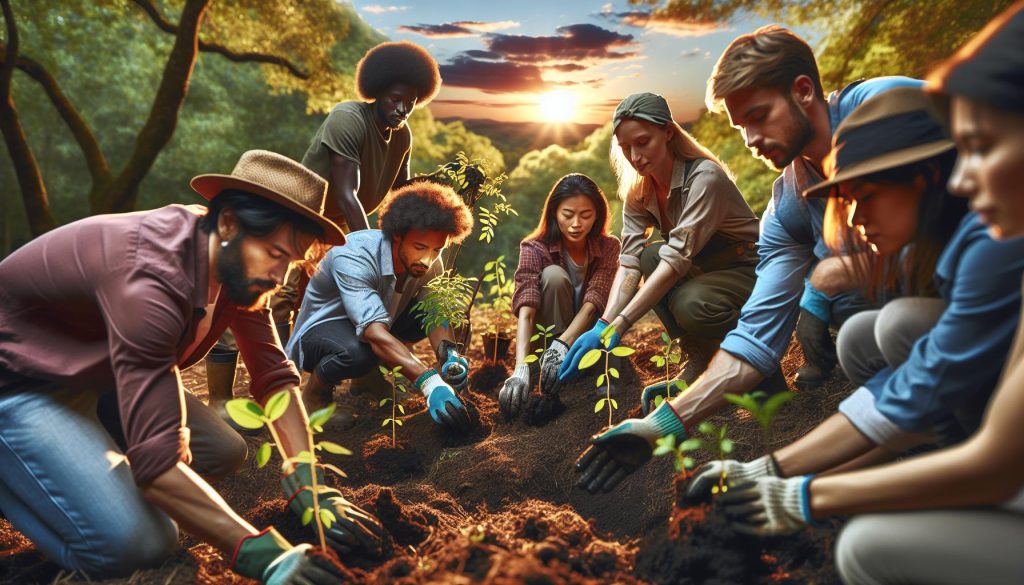
Ecological succession is a fascinating natural process by which ecosystems develop and evolve over time. At the heart of this phenomenon lies ecesis-the initial phase of plant establishment that plays a crucial role in shaping habitats and supporting biodiversity. Understanding ecesis not only sheds light on the resilience of ecosystems but also emphasizes the importance of nurturing our environment. As we face challenges like climate change and habitat destruction, recognizing the value of this process can inspire us to take action in our own lives. By exploring the intricacies of ecesis, you’ll discover how this foundational stage fosters plant diversity, stabilizes landscapes, and ultimately contributes to a healthier planet. Join us as we delve into the remarkable journey of plant establishment and its vital role in ecological succession.
What Is Ecesis and Its Role in Succession?

Ecesis plays a vital role in the broader picture of ecological succession, leaning heavily on the initial establishment of plant species within a developing ecosystem. This phase marks the transition from a barren landscape to a flourishing environment, laying the foundation for biodiversity and complex interrelationships among organisms. During ecesis, the right plant species must establish themselves in the altered environment, which can be influenced by soil, climate, and existing biotic factors. Understanding this phase not only highlights the resilience of nature but also underscores the importance of fostering conditions that support successful plant establishment.
The success of ecesis hinges on various ecological factors. Soil quality is particularly pivotal; rich, nutrient-dense soils can enhance seed germination and provide necessary resources for seedlings. In addition, moisture availability and sunlight exposure are crucial determinants of ecesis outcomes. Proper species selection is essential; native plants, adapted to local conditions, often have a higher success rate compared to non-native species, promoting a balanced ecosystem. For instance, in areas recovering from disturbance, the strategic introduction of fast-growing pioneer species can facilitate subsequent stages of succession by improving soil stability and nutrient content, paving the way for more complex plant communities.
Fostering successful ecesis can be a practical pursuit in restoration ecology. By implementing strategies such as creating microhabitats, reducing competition from invasive species, and applying organic fertilizers, land managers can enhance the chances of establishing desired plant species. Community involvement in planting native species can also play a significant role, as local volunteers contribute to habitat restoration efforts, thereby fostering community stewardship and increasing public awareness of ecological recovery processes. Understanding the dynamics of ecesis empowers individuals and organizations to actively participate in environmental restoration, promoting biodiversity and resilience in ecosystems facing challenges due to climate change and human activity.
The Stages of Ecological Succession Explained

The journey of ecological succession unfolds through a series of dynamic stages, each playing a critical role in restoring and establishing ecosystems. In the early phases, particularly during ecesis-the establishment of plant species after a disturbance-the landscape begins its transformation from barrenness to vitality. Understanding these stages not only illuminates the resilience of nature but also empowers individuals and communities to engage meaningfully in ecological restoration.
Initially, the process often begins with pioneer species, tough plants that can thrive in harsh conditions, such as lichens, mosses, or certain grasses. These organisms are instrumental as they stabilize the soil, prevent erosion, and enrich the substrate with organic matter as they die and decompose. Once these early colonizers have established themselves, they prepare the ground for subsequent stages, wherein seral species emerge. These are typically larger and more complex plants that can outcompete the pioneers; they further enhance biodiversity and create conditions that support additional life forms.
As this succession progresses, transitions to a more mature ecosystem occur. Climax communities, characterized by established plant and animal populations, exhibit greater biodiversity and stability. In these environments, species enter a balance through processes like competition and mutualism, enabling ecosystems to thrive for extended periods. Importance lies in recognizing that human actions can disrupt these stages; thereby, fostering awareness and concerted efforts towards sustainable practices can help mitigate adverse impacts.
To enhance ecesis and promote successful stages of succession, several practical steps can be taken. Communities can participate in restoration projects by planting native species, conducting habitat clean-ups, and advocating for policies that protect natural areas. By volunteering time and resources, individuals not only contribute to ecological health but also foster a deeper connection with the environment, encouraging stewardship and promoting sustainable interaction with nature. Engaging in these practices exemplifies how we can all play a part in nurturing our ecosystem and supporting its robust recovery and resilience in the face of change.
Ecesis: The Plant Establishment Phase Overview
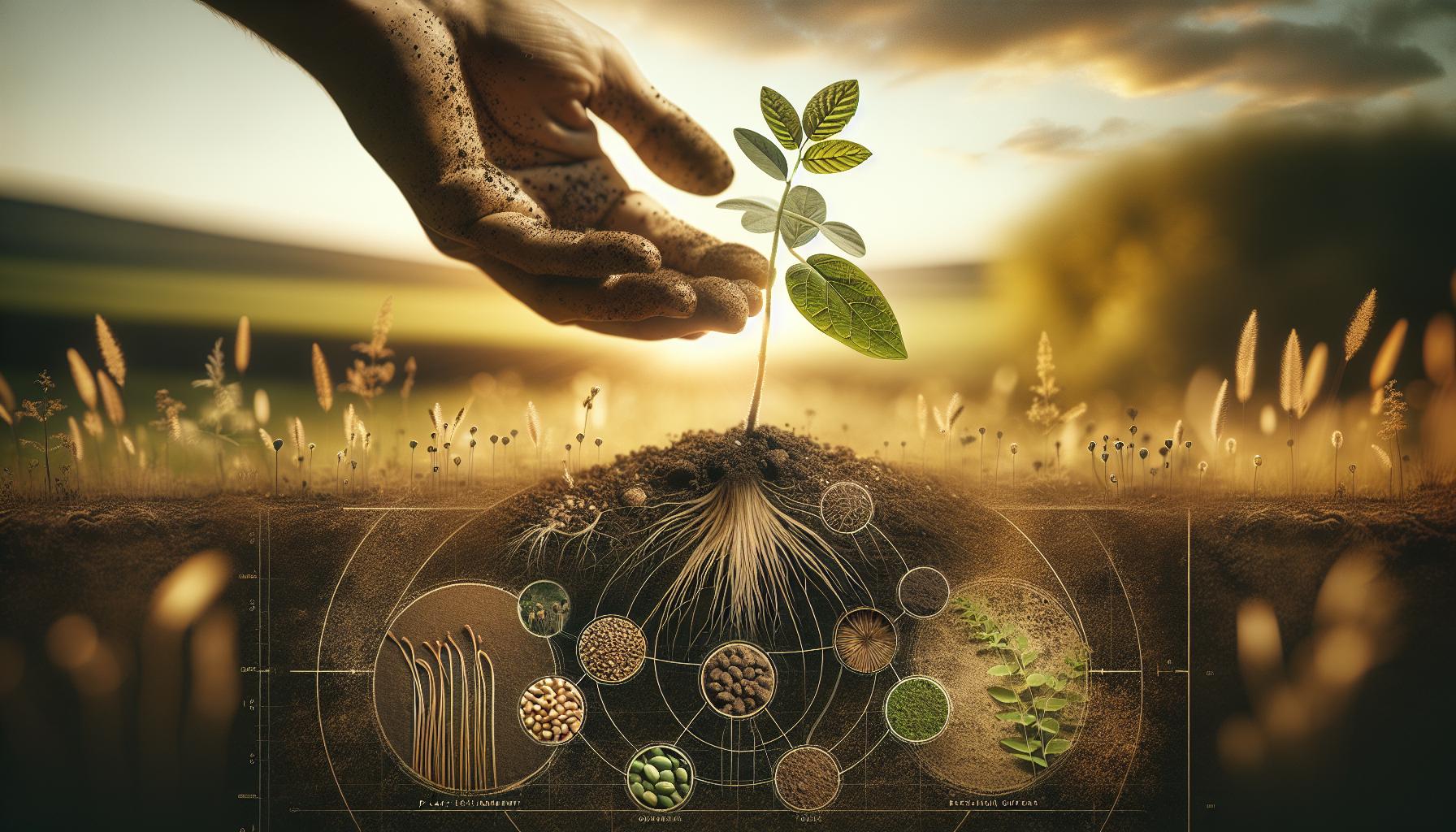
In the wake of ecological disturbances, such as wildfires, landslides, or human activities, the process of ecesis marks a crucial phase in the recovery of the landscape. Ecesis isn’t just about any plant growth; it represents the establishment of specific species that pioneer the way for a flourishing ecosystem. These initial settlers not only kickstart the regrowth process but lay down the foundation necessary for more complex species to thrive in subsequent stages of succession.
During this phase, pioneer species emerge as the true champions of resilience. These hardy plants, often consisting of lichens, mosses, and certain grasses, are adept at surviving in the often inhospitable conditions following a disturbance. They help stabilize the soil, combat erosion, and introduce organic matter into the previously bare substrate through their growth and eventual decomposition. This initial biological activity is vital, as it modifies the environment, making it more suitable for other plant species to take root.
One fascinating aspect of ecesis is its adaptability across various ecosystems. For instance, in arid environments, pioneer species might include drought-resistant plants that can withstand extreme temperatures, while in wetter regions, fast-growing species can quickly cover the ground to absorb excess moisture. Understanding the unique characteristics of different biomes allows for informed decisions in restoration efforts. Communities can enhance ecesis by engaging in localized planting initiatives, focusing on selecting appropriate pioneer species that cater to the specific conditions of their environment.
Finally, recognizing the importance of monitoring and managing these plant establishment processes is essential. Regular assessments can help determine the success of ecesis and its impact on advancing to the next stages of ecological succession. Through both scientific study and community involvement, we can foster a deeper appreciation for these foundational phases, empowering individuals to contribute positively to their local ecosystems. Whether you are planting a garden or participating in rewilding projects, every effort counts in supporting the natural resilience of our planet.
Factors Influencing Ecesis in Ecosystems
The success of ecesis, the establishment phase in ecological succession, is influenced by a variety of interconnected factors that can either facilitate or hinder the growth of pioneer species and, consequently, the recovery of the ecosystem. Understanding these factors is essential for effective restoration and conservation practices.
One of the primary factors affecting ecesis is soil quality. Rich, nutrient-dense soil provides a favorable environment for plant roots to establish and grow. In contrast, poor soil, characterized by low nutrient availability, compaction, or contamination, can significantly impede plant establishment. Soil pH, texture, and moisture levels also play critical roles. For instance, sandy soils may drain water quickly, leaving less moisture available for seedlings, while clay soils may retain water but can become overly compact, hindering root penetration.
Biotic Interactions
In addition to soil characteristics, biotic factors such as competition, herbivory, and symbiotic relationships influence the ecesis phase. Pioneer species often compete with other vegetation for light, water, and nutrients. The presence of invasive species can pose a significant threat, as they can outcompete native pioneers, disrupting the delicate balance needed for successful recovery. On the other hand, beneficial interactions, such as those with mycorrhizal fungi, can enhance nutrient uptake and improve plant health, thereby supporting ecesis.
Climate and Weather Conditions
Environmental conditions, including climate variability and weather patterns, are also critical determinants. Temperature, precipitation, and seasonality can affect germination rates and plant health. For example, prolonged drought conditions can hinder the establishment of pioneer species, while excessive rain can lead to nutrient leaching and root rot. Therefore, understanding local climate patterns is vital for predicting ecesis outcomes.
Ultimately, successful ecesis is the result of an intricate interplay between abiotic and biotic factors. By assessing and addressing these influences-such as improving soil quality, controlling invasive species, and considering climatic conditions-restoration projects can significantly enhance the establishment phase, paving the way for more diverse and resilient ecosystems. This knowledge empowers individuals and communities to take practical steps towards fostering healthier environments, whether through local planting initiatives, soil enhancement practices, or community workshops focused on ecological education.
The Importance of Soil Quality for Ecesis

Establishing a thriving ecosystem begins underneath our feet, where soil quality plays an indispensable role in ecesis-the initial phase of ecological succession. Healthy soil is a living medium filled with nutrients, microorganisms, and organic matter, all critical for supporting plant growth. When the soil is rich and well-structured, it fosters an optimal environment for the roots of pioneer species to anchor and expand, setting a solid foundation for the entire ecosystem’s recovery and resilience.
The importance of soil quality can be understood through several key factors. Nutrient Availability is paramount; phosphorous, nitrogen, potassium, and micronutrients contribute significantly to plant vigor. Compacted or contaminated soils, however, can inhibit root development and nutrient absorption. Soil pH also plays a crucial role-most plants thrive in slightly acidic to neutral soils. Amendments such as compost can enrich soil health, improving its structure and nutrient content, thus promoting better plant establishment.
Soil Structure and Water Retention
The structure of soil affects its ability to retain water, an essential element for seed germination and root establishment. Sandy soils, while well-draining, may not hold moisture long enough for young plants, while clay soils can become waterlogged and harden, making it challenging for roots to penetrate. A balanced mix, or “loam,” provides an ideal environment, retaining enough moisture while allowing excess to drain away. Consider incorporating organic matter, like mulch or compost, to improve soil structure and encourage moisture retention.
Biological Activity
Soil is not just a passive medium; it is teeming with life. Microbial communities, fungi, and worms play crucial roles in nutrient cycling and organic matter decomposition. For instance, mycorrhizal fungi form symbiotic relationships with plant roots, enhancing nutrient uptake and, in turn, assisting in the ecesis process. Engaging in practices like no-till farming or creating compost piles can help maintain these crucial biological interactions, fortifying the soil’s health and aiding plant establishment.
Incorporating these practices into your gardening or restoration efforts can yield remarkable benefits. Test your soil regularly to determine pH and nutrient levels, amend as necessary, and practice diversity in plant selections to enhance soil structure and ecosystem resilience. By prioritizing soil health, we not only support the ecesis phase but also contribute to ecological diversity and stability for generations to come. Embrace the power of soil in building a greener future!
Ecesis in Different Biomes: A Comparative Analysis
In the complex dance of ecosystems, ecesis plays a pivotal role across various biomes, each presenting unique challenges and opportunities for plant establishment. Understanding these differences not only enriches our ecological knowledge but also informs effective restoration strategies. For instance, in tropical rainforests, ecesis often hinges on high humidity and constant warmth, enabling a diverse array of species to thrive. Here, pioneer species like ferns and small trees can quickly establish themselves on bare ground, creating microhabitats that support other flora and fauna. These early colonizers are crucial; they enhance soil quality and stabilize the environment, facilitating subsequent growth.
Conversely, the desert biome presents harsh conditions with minimal water availability and extreme temperatures. Ecesis here is centered around drought-resistant species such as cacti and succulents, which employ specialized adaptations such as deep root systems and water storage capabilities. In this environment, soil quality can be remarkably low due to erosion and nutrient depletion, making initial plant establishment a significant challenge. However, even in these conditions, encouraging factors like the presence of mycorrhizal fungi can help facilitate nutrient uptake, indicating that synergistic relationships still play a critical role in ecesis despite the adversity.
Additionally, temperate grasslands reveal another layer of complexity. The frequent disturbances from fire and grazing can reset ecological succession, creating a unique dynamic for ecesis. Grasses and herbaceous plants are often the first to colonize after disturbances, quickly using fire’s nutrient-rich ash to bolster their growth. This rapid establishment is essential for achieving stability in the ecosystem, and practices such as controlled burns can enhance the success of ecesis by promoting the growth of diverse plant species that are fire-adapted.
Through understanding these distinct ecesis processes across biomes, we can develop targeted strategies that cater to their specific needs. Engaging in practices such as species selection tailored to a biome’s climatic conditions and enhancing soil health through organic amendments can bolster ecesis. As we strive for sustainable restoration, recognizing these biome-specific dynamics not only leads to more effective ecological interventions but also fosters resilience in our ecosystems against the backdrop of climate change.
Strategies for Enhancing Ecesis in Restoration Projects
To foster successful ecesis during restoration projects, understanding the specific environmental conditions and biological interactions that influence plant establishment is vital. One effective strategy is the careful selection of native species, which are generally better adapted to the local climate and soil conditions. By incorporating a mix of pioneer and climax species, restoration efforts can create a resilient ecosystem. Pioneer species, such as annual wildflowers, can quickly stabilize soil and create microenvironments that facilitate the growth of subsequent species.
Enhancing Soil Quality
A critical factor in promoting ecesis is the enhancement of soil quality. Healthy soil, rich in organic matter and microorganisms, provides the necessary nutrients for plants to thrive. Techniques such as adding compost, using cover crops, and implementing no-till farming practices can tremendously improve soil structure and fertility. Regular soil testing can help identify nutrient deficiencies, guiding amendments that support robust plant growth.
Create Microhabitats
Establishing microhabitats can further support ecesis. Simple techniques, such as installing log piles, using rocks, or creating small water bodies, can provide crucial shelter and water resources for young plants. These features not only enhance biodiversity but also help retain moisture and provide shade, creating a more conducive environment for various plants during their early growth stages.
Utilizing Sustainable Practices
Incorporating sustainable practices such as controlled burns can effectively promote ecesis, particularly in grassland regions. By mimicking natural disturbances, these practices clear out competing vegetation and recycle nutrients back into the soil, promoting the growth of fire-adapted species. Engaging the local community in restoration efforts, such as planting days and educational workshops, can also enhance participation and investment in local ecosystems.
By strategically implementing these methods, individuals and organizations can significantly improve the success rate of plant establishment during restoration projects, leading to enhanced biodiversity and resilience in ecosystems.
Impact of Climate Change on Ecesis Outcomes
The rising impacts of climate change pose significant challenges to ecesis, the vital plant establishment phase in ecological succession. As temperatures fluctuate and weather patterns shift, the delicate balance that supports plant growth and ecosystem recovery is threatened. For instance, increased temperatures could alter the growth rates and survival of both pioneer and climactic species, potentially leading to mismatches in plant establishment or even local extinctions. Such phenomena are particularly critical in areas that have experienced historical climatic stability, where many species have evolved specific adaptations.
One notable outcome of climate change is the exacerbation of extreme weather events, including droughts, floods, and storms. These events can disrupt the soil structure and quality essential for successful ecesis. After extreme weather, the soil may become compacted or eroded, stripping away valuable nutrients and consequently hindering plant establishment. To combat this, it’s essential to adopt proactive soil management practices, such as implementing erosion control measures and adding organic matter to maintain soil health.
Another critical factor influenced by climate change is the introduction and spread of invasive species, which often thrive under altered climatic conditions. These invaders can outcompete native species for resources, making it more challenging for the indigenous flora to establish themselves. To defend against this threat, restoration projects must include rigorous monitoring for invasives and proactive measures such as targeted removal and controlled planting strategies that prioritize resilience through biodiversity.
Ultimately, addressing the requires a strong focus on the health and resilience of ecosystems. By incorporating adaptive management practices, engaging communities in restoration efforts, and supporting ongoing ecological research, we can create a more robust framework for plant establishment that withstands the pressures of a changing climate. Emphasizing curiosity and cooperation with nature is critical in fostering ecological resilience and promoting successful ecesis that can endure environmental fluctuations.
Common Challenges Faced During Ecesis
The journey of plant establishment during ecesis is fraught with challenges that significantly affect the success of ecological succession. Understanding these hurdles is essential for those involved in restoration and conservation efforts. One of the predominant challenges is the competition for resources, which can emerge both from native plants and invasive species. In many disturbed areas, invaders colonize rapidly and outcompete native flora, making it difficult for indigenous plants to take root and thrive. Maintaining a diverse plant community can help bolster native species by providing a competitive buffer.
Another critical barrier is soil degradation. Following disturbances, soil may lose its structure, compaction can occur, and essential nutrients might be leached away, leaving little for new plants to draw upon. To address soil health, restoring organic matter through practices such as composting and erosion control is vital. Implementing these strategies not only fosters a more nutrient-rich environment but also enhances water retention and supports microbial life essential for plant growth.
Climate variability also poses significant risks during the ecesis phase. Fluctuating temperatures and unpredictable precipitation patterns can stress newly established plants, making them less resilient to disease and pests. To mitigate climate impacts, choosing plant species that are well-adapted to local conditions or selecting varieties that can withstand environmental stressors is crucial. Incorporating indigenous species that have evolved alongside local ecosystems creates a more robust ecological foundation.
Lastly, the challenge of monitoring and evaluation cannot be overstated. Without proper assessment methodologies, it can be challenging to evaluate the effectiveness of restoration efforts. Regular monitoring of growth rates, species diversity, and overall ecosystem health through methods like photo plots, soil sampling, and biodiversity indices allows project managers to adapt strategies as necessary. By recognizing these common challenges and employing proactive measures, we can support flourishing ecosystems through the delicate ecesis stage of ecological succession.
Monitoring and Measuring Ecesis Effectiveness
Monitoring ecesis is crucial to understanding the effectiveness of restoration efforts in ecosystems. By utilizing structured assessment techniques, practitioners can ensure that the process of plant establishment not only occurs but thrives. A holistic approach involves various methodologies that consider ecological diversity, soil health, and plant resilience, providing insights into how well a given area is progressing in its recovery.
To effectively measure ecesis, the following methods can be employed:
- Biodiversity Indices: Tracking the variety and abundance of species can indicate the health of an ecosystem. Tools like the Shannon-Wiener Index help assess the diversity of plants establishing during ecesis, revealing insights into competitive dynamics and ecological balance.
- Growth Monitoring: Regular assessment of growth rates for key species offers visual confirmation of successful establishment. Using techniques such as photo plots or growth measurements over time documents plant development and survivorship.
- Soil Health Evaluations: Soil quality directly impacts plant success. Regular soil sampling to evaluate nutrient levels, organic matter content, and moisture retention can help guide amendments needed to support ongoing ecesis.
- Ecological Indicators: Certain plant species can serve as indicators of environmental conditions. Monitoring these can provide insight into the microhabitat’s suitability for further ecological recovery.
The integration of these approaches not only aids in gauging current conditions but also informs adaptive management strategies. For instance, if monitoring reveals poor plant growth in a specific area, this could prompt an investigation into soil quality or competition with invasive species, leading to timely interventions that promote recovery.
Engaging local communities in data collection can also enhance monitoring efforts. Citizen science initiatives can mobilize public interest and investment in restoration projects, expanding the reach of monitoring activities while also fostering stewardship toward the natural environment. By creating a network where both scientific and community-driven data coexist, the chances of successful ecesis are significantly improved, leading to more resilient ecosystems.
Real-World Examples of Successful Ecesis
In the world of ecological restoration, successful ecesis exemplifies how nature’s resilience can be harnessed and enhanced through careful planning and intervention. For instance, the restoration of the Hawaiian rainforest provides a compelling example of effective ecesis. Here, native plant species were carefully selected and reintroduced following the removal of invasive species that choked out local flora. This strategic reintroduction not only fostered biodiversity but also encouraged the growth of a sustainable ecosystem that supports various native wildlife that had been displaced. The use of aerial planting techniques allowed for expanded reach into rugged terrains, showcasing how innovative approaches can facilitate plant establishment in challenging conditions.
Another remarkable instance is the restoration project in the strip mines of Appalachia, USA. After years of environmental degradation, organizations like the Appalachian Regional Commission implemented a multi-faceted approach to ecesis. By amending the rocky, nutrient-poor soil with organic matter and selecting plant species known for their fast growth and ability to stabilize soils, these initiatives observed a resurgence of native vegetation. The use of cover crops not only enhanced soil quality but also improved biodiversity, creating habitats for various species, thereby reviving the ecological integrity of the area.
In the Sundarbans mangrove forest, known for its complex intertidal ecosystem, ecesis has been pivotal in combating the impacts of climate change and rising sea levels. Community-led restoration efforts focused on planting native mangrove species, which have adapted to saline conditions and are crucial for coastal protection. These initiatives highlighted the importance of involving local communities in the monitoring process, ensuring that restoration practices were aligned with traditional knowledge and contemporary ecological science. The joint effort has led to rapid plant establishment and the rebuilding of critical habitats, showcasing successful community engagement in environmental stewardship.
These examples illuminate the multifaceted strategies employed in various ecosystems to foster successful ecesis. Ensuring that local ecological conditions are understood and respected is vital in all restoration efforts. By drawing on scientific knowledge and community involvement, the potential for sustainable plant establishment and the improvement of ecosystem resilience is greatly enhanced, encouraging more holistic approaches to environmental restoration across the globe.
Future Trends in Ecesis and Ecological Research
The quest for an effective and sustainable path for ecesis, the plant establishment phase in ecological succession, is increasingly crucial in our changing environment. As scientists and ecologists delve deeper into the ecological mechanics of ecesis, several trends are emerging that promise to enhance our understanding and application of these processes in real-world restoration projects.
One prominent trend is the integration of technology in monitoring and managing ecesis. Advancements in remote sensing, drone technology, and geographic information systems (GIS) allow ecologists to obtain real-time data on plant growth, soil health, and environmental conditions. This information can lead to precision restoration efforts, ensuring that the right plants are established in the right locations, while also accounting for changing climate conditions. Through the use of mobile applications and digital platforms, community volunteers can now participate in monitoring efforts, making ecological restoration a collaborative and engaging process.
Another key development is the emphasis on seed banking and genetic diversity. Researchers are recognizing that preserving a diverse genetic pool is vital for plant resilience, especially in the face of climate change. By collecting and storing seeds from various plants, ecologists can ensure that future restoration efforts have access to species that may be better adapted to changing conditions. This practice not only supports ecesis but fosters a broader biodiversity that is essential for healthy ecosystems.
The rising awareness and incorporation of indigenous and local knowledge into restoration practices is also gaining momentum. Community-based approaches that honor traditional ecological knowledge enable projects to be more contextually relevant and culturally sensitive. For example, involving local communities in selecting plant species for reintroduction ensures that restoration efforts align with historical ecological conditions and community values. Such practices not only improve plant establishment rates but also enhance community stewardship of local ecosystems.
Lastly, addressing the impacts of climate change remains a focal point as researchers innovate methods to predict and mitigate negative outcomes during ecesis. Strategies such as assisted migration-where species are relocated to more suitable habitats within their historic ranges-are being tested to boost plant survival and ecosystem stability. These interventions are guided by comprehensive ecological research and modeling that helps predict future environmental conditions.
In summary, the future of ecesis and ecological research is poised for transformative practices driven by technology, genetic diversity, community involvement, and climate resilience. By championing these approaches, we not only enhance the success of ecological restoration but also empower individuals to contribute to environmental conservation through informed, sustainable actions. Embracing these trends can foster a deeper connection to our natural world while ensuring its health for generations to come.
Q&A
Q: What is the significance of ecesis in ecological succession?
A: Ecesis plays a crucial role in ecological succession as the phase where plants establish themselves in an environment after a disturbance. This establishment is vital for initiating the recovery of ecosystems, enabling the development of more complex plant communities as succession progresses.
Q: How long does the ecesis phase typically last?
A: The duration of the ecesis phase can vary significantly depending on environmental conditions, species involved, and the severity of the disturbance. Generally, this phase may last from several weeks to many years, with quicker establishment in favorable conditions.
Q: What factors affect ecesis during ecological succession?
A: Factors that influence ecesis include soil quality, availability of nutrients, moisture levels, competition from existing plant species, and climatic conditions. Understanding these factors can help in managing rehabilitation efforts in disturbed ecosystems effectively.
Q: How does ecesis vary across different biomes?
A: Ecesis can differ dramatically among biomes due to varied climate, soil types, and native flora. For example, in arid regions, ecesis may be slower due to harsher conditions, while in temperate forests, it may occur more rapidly due to favorable moisture and nutrient levels.
Q: What are common challenges faced during ecesis?
A: Common challenges during ecesis include invasive species outcompeting native plants, nutrient depletion in the soil, unfavorable weather conditions, and disturbances such as grazing. Addressing these challenges can enhance the success of the ecesis phase and subsequent succession stages.
Q: Can human activities impact the ecesis phase?
A: Yes, human activities such as land use changes, pollution, and introduction of non-native species can significantly impact the ecesis phase. Sustainable practices and restoration efforts can help mitigate these impacts and promote healthy ecosystem recovery.
Q: How can ecesis be monitored effectively?
A: Ecesis can be monitored through methods such as plant density surveys, species diversity assessments, and soil analysis. These evaluations help track the progress of plant establishment and provide insights for restoration strategies.
Q: What is the relationship between ecesis and climate change?
A: Climate change can affect ecesis by altering temperature and precipitation patterns, which may slow plant establishment or shift species distributions. Understanding these interactions is essential for developing adaptive strategies in ecological restoration efforts.
In Retrospect
As we’ve explored, ecesis plays a pivotal role in ecological succession, acting as the foundation for plant establishment and the thriving ecosystems that follow. Understanding this concept empowers you to appreciate the intricate dance of nature and how we can better support biodiversity and health in our environments.
Take the next step in your ecological journey! Dive deeper into related topics like “The Stages of Ecological Succession” or “The Importance of Biodiversity in Ecosystems”. You can also explore practical ways to integrate sustainable practices into your lifestyle with our guide on “Eco-Friendly Living Tips”.
Don’t miss out on the chance to stay informed! Sign up for our newsletter for the latest insights on sustainability, and join our community of eco-conscious individuals making a difference. Your commitment to understanding and supporting our planet starts now-let’s embrace these concepts together and inspire change. Share your thoughts in the comments, or connect with us on social media to keep the conversation going!