In our interconnected world, the concept of a food web is crucial for understanding ecosystem dynamics. A food web represents the complex feeding relationships among organisms, revealing how energy flows from one species to another, from plants to herbivores and carnivores. This web of interactions is essential for maintaining biodiversity and ecological balance. By comprehending these networks, we not only gain insight into the natural world but also enhance our ability to make informed choices that support environmental sustainability. As we explore the intricacies of food webs, you will discover their significance in addressing contemporary environmental issues, fostering a deeper appreciation for the communities of life that sustain us. Join us on this journey to unravel the complexities of nature’s intricate feeding networks and learn how you can contribute to a healthier planet.
Understanding the Basics of Food Webs
The intricate web of life on Earth is fundamentally tied together by food webs, which act as the backbone of ecological interactions. Each food web portrays the complex feeding relationships among different organisms, ranging from plants to apex predators. Understanding the basics of these systems is essential for grasping how energy flows through ecosystems and how species interact with one another. At its core, a food web illustrates the multitude of pathways through which energy and nutrients are exchanged in a community, revealing the interconnectedness that underpin ecological stability.
Food webs are composed of various elements organized into tiers known as trophic levels. These levels include producers, who convert sunlight into energy through photosynthesis; consumers, ranging from herbivores to carnivores; and decomposers, which recycle nutrients back into the ecosystem. Each level is dependent on the others, demonstrating the delicate balance of energy transfer that sustains life. For instance, if a broadleaf tree is a producer in a forest food web, a caterpillar may consume its leaves as a primary consumer, while a bird that preys on the caterpillar represents a secondary consumer. This cascading relationship highlights how disruptions at any level can impact the entire network.
The types of food webs can differ based on the primary source of energy. Grazing food webs, which are dominated by herbivores feeding directly on plants, contrast with detrital food webs, where decomposed organic matter provides the main energy source. As ecosystems evolve, these food webs adapt to environmental changes, demonstrating remarkable resilience and flexibility. For instance, after a disturbance like a fire, a forest’s food web may transition, with pioneer species establishing themselves first, altering the dynamics of the entire community in the process.
In essence, food webs not only portray feeding relationships but also embody the broader themes of biodiversity and ecological health. A diverse food web is typically more stable and resilient to environmental stressors, underscoring the importance of conserving natural habitats and promoting sustainable practices. By fostering an understanding of these intricate networks, individuals can appreciate their vital role in sustaining life and contribute to a healthier planet through informed and eco-conscious choices.
The Structure of Ecological Food Webs
The interconnection of life within ecosystems is epitomized by , which intricately weave together various organisms in a dynamic network of energy flow and nutrient cycling. Each connection within a food web reveals not only who eats whom but also the complex relationships that dictate the health and stability of an ecosystem. Understanding this structure provides insights into the pathways that energy takes as it travels from one species to another, emphasizing the importance of each link in sustaining biodiversity and ecological balance.
At the core of food webs are three primary groups that form distinct layers: producers, consumers, and decomposers. Producers, such as plants and phytoplankton, harness sunlight to perform photosynthesis, creating the foundational energy needed to fuel the entire ecosystem. In turn, consumers-ranging from herbivores to apex predators-rely on these producers for sustenance. Decomposers, like fungi and bacteria, play a critical role by breaking down dead organic matter, recycling nutrients back into the soil, thus enriching the environment for future generations of plants. This cyclical process ensures that energy flows efficiently throughout the ecosystem while keeping nutrient levels steady.
Exploring Trophic Levels
The concept of trophic levels further clarifies how food webs are structured. These levels categorize organisms based on their feeding relationships and energy roles. Producers occupy the first trophic level, while primary consumers (herbivores) are next, followed by secondary consumers (carnivores that eat herbivores), and so on up to apex predators. Understanding these levels can help in recognizing how changes at one level-such as the decline of a predator-can ripple through the web, affecting multiple species and ultimately altering ecosystem health.
Types of Food Webs
Food webs can also be diverse, generally categorized into grazing and detrital systems. Grazing food webs primarily involve herbivores that derive energy directly from plants, highlighting the energetic flow from autotrophs to herbivorous consumers. On the other hand, detrital food webs focus on the breakdown of decomposed organic matter, where detritivores like earthworms play a vital role in recycling nutrients within the ecosystem. Understanding these distinctions can help foster greater appreciation for the specific dynamics of local ecosystems, leading to more informed conservation efforts.
By unraveling the structure and function of ecological food webs, we can better appreciate the delicate balance within our environment. Making sustainable choices-such as supporting local food sources, reducing waste, and advocating for biodiversity-helps protect these intricate networks. Every action counts in sustaining our planet’s health, as we strive to maintain the lifeblood of ecosystems through informed, compassionate stewardship.
Key Components: Producers, Consumers, and Decomposers
The intricate dance of life within ecosystems revolves around three fundamental components: producers, consumers, and decomposers. Each group plays a crucial role in maintaining ecological balance and facilitating the flow of energy and nutrients. Recognizing their importance can inspire individuals to adopt more eco-conscious practices and understand their impact on the environment.
Producers, primarily plants and phytoplankton, serve as the backbone of any food web. Through the process of photosynthesis, they convert sunlight into chemical energy, forming the base of every food chain. This foundational role not only supports herbivores but also fosters the larger interconnected web of life. To enhance the well-being of producers, consider incorporating native plants in gardens, which require fewer resources and support local wildlife, ultimately promoting biodiversity.
Consumers come in various forms, including herbivores, carnivores, and omnivores. They rely on producers for energy, creating a rich tapestry of predation and competition. While herbivores directly feed on plants, secondary and tertiary consumers hunt or scavenge the primary consumers. A practical way to support this group is by being mindful of the food choices we make-opting for sustainable, local produce can reduce our ecological footprint and ensure that healthy ecosystems thrive.
Decomposers, including fungi and bacteria, complete the cycle by breaking down dead organic matter, recycling essential nutrients back into the soil. This process enriches the environment, allowing producers to flourish. Emphasizing composting at home not only reduces waste but also enhances soil health-a tangible way to engage in this vital ecological process. By understanding and supporting these key components, individuals can foster healthier ecosystems, embracing a lifestyle that respects and nurtures nature’s delicate balance.
Trophic Levels Explained: Energy Transfer in Ecosystems
In the delicate fabric of ecosystems, trophic levels represent the hierarchical structure of energy flow, fundamentally shaping how life sustains itself. At the base of this structure are primary producers-primarily plants and phytoplankton-that harness sunlight through photosynthesis, converting it into the chemical energy that fuels the entire food web. This foundational process illustrates a captivating fact: approximately only 10% of the energy captured by these producers is available to the next level of consumers. This energy transfer principle explains why food webs can realistically support only a limited number of trophic levels, usually no more than four or five.
The Hierarchical Structure of Trophic Levels
Each trophic level plays a specific role in the transfer of energy throughout the ecosystem:
- Primary Producers (Trophic Level 1): These autotrophic organisms are the backbone of any ecosystem. They not only provide energy for themselves but also for all other levels.
- Primary Consumers (Trophic Level 2): These herbivores directly consume primary producers, contributing to the energy flow.
- Secondary Consumers (Trophic Level 3): Carnivores or omnivores that eat primary consumers fall into this category, linking herbivory to higher trophic interactions.
- Tertiary Consumers (Trophic Level 4) and Apex Predators (Trophic Level 5): These are the top-level predators, which have few or no natural enemies, relying on energy from lower levels. These levels are crucial for maintaining the balance within ecosystems.
This structure not only facilitates energy transfer but also impacts biodiversity and ecosystem stability. For instance, if a top predator is removed from an ecosystem, it can lead to an overabundance of primary consumers, which may deplete vegetation and destabilize the entire system. Understanding this network of interactions highlights the importance of each trophic level, illuminating how human activities that disrupt these layers can have far-reaching consequences.
Adopting practical strategies in our daily lives can help mitigate these disruptions. For example, choosing to support local and sustainable agriculture can promote healthy ecosystems by preserving local biodiversity and fostering robust food webs. Increased awareness of food sources and their relationships can empower us to make eco-conscious decisions that safeguard the intricate balance of energy transfer in ecosystems. By engaging in sustainable practices, we can play a significant role in the preservation of these essential ecological dynamics.
Types of Food Webs: Grazing vs. Detrital Networks
Different ecosystems exhibit a fascinating variety of interactions among organisms, primarily categorized into two main types of food webs: grazing and detrital networks. Understanding these types is crucial for appreciating how energy flows through ecosystems and how they adapt to environmental changes. Grazing networks primarily emphasize relationships where herbivores consume living plant material, forming a direct pathway of energy transfer from primary producers to herbivores and then to carnivores. In contrast, detrital networks focus on the decomposition of organic matter, where detritivores and decomposers play vital roles in recycling nutrients and energy back into the ecosystem.
In grazing networks, herbivorous species like rabbits and deer rely on grasses, herbs, and other green plants as their primary food sources. This dynamic fosters a classic predator-prey relationship, where the balance of populations at each trophic level is critical. If herbivore populations surge, for example, it can lead to overgrazing, resulting in habitat degradation and the collapse of plant communities, which subsequently affects the carnivores that rely on those herbivores for sustenance.
On the other hand, detrital networks underscore the importance of organic material from dead plants and animals. Detritivores, such as worms and certain insects, feed on this decomposing matter, while decomposers like fungi and bacteria break down organic materials into simpler compounds that can be re-assimilated by primary producers. This recycling process not only returns essential nutrients to the soil but also helps maintain ecosystem health and productivity. Moreover, these networks can often be more resilient to environmental changes, as they rely on a broader base of organic matter which can reduce competition among species.
Both grazing and detrital food webs are essential in creating balanced and diverse ecosystems. Promoting these ecological processes can be as simple as supporting practices that maintain soil health, such as composting organic waste, which nourishes the ground while fostering a thriving detrital network. By choosing to engage in sustainable agriculture or gardening, you contribute to the health of both food web types, ensuring a robust ecosystem for future generations. Understanding and appreciating these complex feeding networks can empower us to make informed choices that benefit our environment while nurturing our interconnectedness with nature.
How Food Webs Adapt to Environmental Changes
In the ever-changing tapestry of nature, food webs demonstrate remarkable adaptability in response to environmental shifts. As factors like climate change, habitat destruction, and pollution exert pressures on ecosystems, food webs evolve, showcasing the resilience of interconnected species. Understanding this adaptability offers insights into ecological balance and underscores the importance of preserving biodiversity.
One striking example is how species within food webs may shift their diets or migratory patterns in response to altered climatic conditions. For instance, as temperatures rise, certain plants may bloom earlier, prompting herbivores to adjust their feeding schedules to align with food availability. Similarly, predators might adapt by following their prey to new habitats that offer suitable conditions. These shifts not only affect individual species but can also cascade through the food web, altering the dynamics of energy transfer and nutrient cycling.
Another critical aspect of food web adaptation lies in the role of keystone species-organisms that have a disproportionately large impact on their ecosystem relative to their abundance. The removal or decline of a keystone species can lead to significant changes in the structure of a food web, often resulting in a loss of biodiversity and destabilization of ecosystem functions. Conversely, the resilience of diverse food webs can be observed in ecosystems that maintain a robust population of keystone species, helping to buffer against the impacts of environmental change.
To foster these adaptations, individuals can contribute to the health of local ecosystems through practices that support biodiversity. This could include creating native plant gardens that provide habitats and food sources for a variety of species, promoting sustainable land use practices, or supporting conservation initiatives aimed at protecting both flora and fauna. By embracing eco-conscious decisions in our daily lives, we empower ecosystems to adapt, thrive, and maintain their intricate balance, ensuring they remain resilient in the face of environmental challenges.
The Role of Biodiversity in Food Web Stability
In the intricate tapestry of ecosystems, biodiversity acts as a crucial stabilizer for food webs. A diverse array of species not only enhances the resilience of these networks but also ensures their functionality amidst environmental fluctuations. This stability is primarily due to the complex relationships among various organisms-including producers, consumers, and decomposers-which rely on one another for energy transfer and nutrient cycling. When a food web incorporates a wide range of species, it spreads the risk associated with species decline, making the whole system less vulnerable to changes.
The Benefits of Biodiversity
A vibrant mix of species helps maintain a reliable flow of energy and resources in an ecosystem. Diverse food webs can adapt more readily to stressors such as climate change, invasive species, and habitat loss because of their multifaceted interconnections. For example, if one type of prey species declines, predators can switch to other available prey, preventing a collapse in their populations. Furthermore, a variety of plants can support a wider range of herbivores, thus maintaining the balance of the food web.
Additionally, keystone species-those whose impact on their ecosystem is disproportionately large relative to their abundance-play a vital role in bolstering biodiversity. The presence of these species typically enhances the overall resilience of food webs. For instance, in many coastal ecosystems, the sea otter is a keystone species whose predation on sea urchins helps maintain kelp forest ecosystems. Without otters, urchin populations can explode, leading to overgrazed kelp forests and diminished habitat for numerous marine species.
Encouraging Biodiversity in Your Community
Individuals can contribute to enhancing biodiversity in their local environments. Simple actions such as planting native gardens, providing habitats for pollinators, and supporting local conservation efforts can create a ripple effect of positive outcomes within food webs. Here are some actionable tips:
- Create Native Plant Gardens: Native plants attract local species of pollinators and other wildlife, fostering a balanced food web.
- Reduce Chemical Use: Avoid pesticides and herbicides that can harm non-target species, thereby maintaining ecosystem integrity.
- Support Sustainable Practices: Patronize local farmers who practice sustainable land use, helping preserve diverse habitats.
- Engage in Community Conservation: Participate in local conservation initiatives aimed at restoring natural habitats and protecting biodiversity.
By embracing such eco-conscious practices, everyone can play a role in supporting the intricate stability that biodiversity brings to food webs, ultimately ensuring healthier ecosystems for generations to come.
Human Impact on Food Web Dynamics
Human activities have far-reaching consequences on the intricate dynamics of ecological food webs, disrupting the delicate balance that sustains life. From urbanization to agricultural expansion, human influence alters habitats and shifts species interactions, often leading to cascading effects throughout these networks. For instance, overfishing not only depletes targeted fish populations but also disrupts predator-prey relationships, forcing remaining species to adapt in ways that can destabilize the entire ecosystem.
One of the most significant impacts mankind has imposed comes from habitat destruction. Deforestation, wetland draining, and urban sprawl displace countless species while fragmenting habitats, making it increasingly challenging for organisms to find food and mates. This fragmentation can lead to local extinctions, which ripple through food webs, diminishing biodiversity and weakening ecosystem resilience. Conversely, habitat restoration offers a glimmer of hope, proving the capacity for recovery within ecosystems when humans take proactive steps to reinstate native species and reestablish ecological balance.
Pollution is another critical factor disrupting food web dynamics. The introduction of toxins into waterways not only harms aquatic life but can bioaccumulate in food chains, posing risks to both wildlife and human health. For example, when pollutants such as heavy metals or plastics enter aquatic environments, they can poison fish, which are then consumed by larger predators, ultimately impacting species all the way up the food chain, including humans. Reducing chemical use and advocating for cleaner production practices can mitigate these harmful effects, demonstrating that informed consumer choices play a vital role in protecting food web integrity.
Moreover, climate change alters species distribution and interactions within food webs, as shifting temperatures and weather patterns affect life cycles, migration, and breeding. Species that cannot adapt quickly enough face population declines, which can have broader implications for their ecological communities. Supporting sustainable practices such as reducing carbon footprints, advocating for renewable energy, and engaging in community-driven conservation efforts can help mitigate these impacts. By fostering healthier ecosystems through informed action, each individual contributes to re-establishing balance in the complex feeding networks essential for life on Earth.
Case Studies: Food Webs in Different Ecosystems
In the intricate tapestry of ecosystems worldwide, food webs act as lifelines, connecting diverse species through complex feeding relationships. Let’s delve into notable case studies that illustrate how food webs manifest in different environments and their responses to ecological pressures.
A Tropical Rainforest Ecosystem
In tropical rainforests, the food web is rich and complex due to the high degree of biodiversity. At the base, producers like large trees and understory plants convert sunlight into energy, supporting numerous herbivores ranging from insects to monkeys. These primary consumers are preyed upon by a variety of carnivores, including snakes and predatory birds. A fascinating aspect of this ecosystem is the role of decomposers, such as fungi and bacteria, which recycle nutrients back into the soil, ensuring the sustainability of the food web. However, deforestation poses a significant threat, causing shifts in species interactions and leading to local extinctions that ripple throughout the web.
The Arctic Tundra
In contrast, the Arctic tundra presents a more simplified food web, dominated by extreme conditions. Producers like mosses and low shrubs thrive in the brief summer, supporting herbivores such as lemmings and caribou. These animals are vital prey for larger predators like Arctic foxes and snowy owls. Climate change threatens this delicate balance; as temperatures rise, shifts in vegetation and animal migrations can occur, disrupting traditional predator-prey dynamics. Conservation efforts focusing on habitat preservation are crucial in maintaining the integrity of the Arctic food web.
Coral Reef Ecosystems
Coral reefs provide another compelling case study, known for their vibrant biodiversity. Here, algae and seagrasses act as primary producers, supporting a wide range of herbivorous fish. These fish, in turn, are prey for larger predators like sharks and groupers. The introduction of pollutants and warming seas have led to coral bleaching, significantly impacting the food web. As corals decline, the entire ecosystem suffers-fish populations plummet and species diversity decreases, highlighting the intricate interdependence within these vibrant underwater communities.
By studying these diverse ecosystems, we gain invaluable insights into how food webs function and adapt to environmental changes. As individuals, supporting conservation efforts and reducing our ecological footprints can serve as tangible ways to foster resilience in our planet’s food webs. Each ecosystem, with its unique characteristics and challenges, underscores the importance of biodiversity and interconnectedness in sustaining life on Earth.
How to Illustrate Food Webs: Techniques and Tips
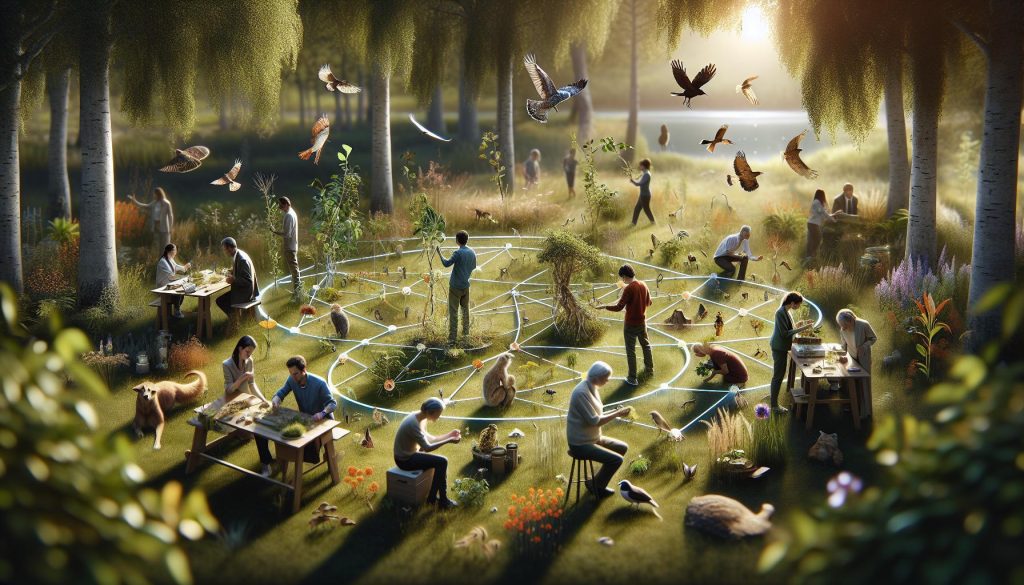
Visualizing food webs is not just an engaging activity; it’s a powerful tool for understanding ecosystems and their complexities. By mapping out the intricate relationships between producers, consumers, and decomposers, we can grasp how energy and nutrients are transferred, illuminating the delicate balance required to sustain life. Here are some effective techniques and tips for illustrating food webs that can enhance your comprehension of ecological interactions.
One of the simplest ways to start creating a food web is to use a diagram format. Begin with base-level producers like plants and algae at the bottom. Use arrows to represent the flow of energy from one organism to another-pointing from the food source to the consumer. For a clear representation, consider color-coding the organisms based on their roles: green for producers, yellow for herbivores, and red for carnivores. This color distinction can help viewers quickly understand the trophic levels. You might also want to include a legend for clarity.
Utilizing Digital Tools
In today’s digital age, using software or online platforms can simplify the illustration process. Programs such as Canva, Lucidchart, or even drawing tools in presentation software allow for the creation of more polished diagrams. These tools often provide templates specifically for building food webs, which can help you focus on the content rather than the formatting. Additionally, you can easily modify and adapt these illustrations as you learn more about your chosen ecosystem.
Incorporating Case Studies
To make your food web even more informative, incorporating real-world examples can enrich your illustration. For instance, consider a food web from a specific habitat, like coral reefs or temperate forests. You can add representative species and highlight how changes, such as climate change or habitat destruction, disrupt these relationships. This contextualization not only serves educational purposes but also raises awareness about the importance of conservation.
By utilizing these techniques, you empower yourself and others to appreciate the complexity of ecosystems and the critical interdependencies within them. These illustrations can serve as compelling tools for education, advocacy, and personal understanding, fostering eco-consciousness and sustainable practices in everyday life. So grab your tools-be they pencils, paper, or software-and start illustrating the interconnectedness of life!
Analysing Food Web Interactions: Keystone Species
The intricate design of food webs in ecosystems brings to light fascinating interdependencies, particularly through the lens of keystone species. These are species whose presence and role have a disproportionately large impact on their environment relative to their abundance. When keystone species are removed or their populations decline, the effects can ripple through the ecosystem, leading to severe imbalances and loss of biodiversity. For example, the sea otter in kelp forests is a classic keystone species; their predation on sea urchins helps to maintain kelp populations, thus supporting entire marine ecosystems. Without otters, unchecked sea urchin populations can decimate kelp forests, illustrating how one species can significantly influence community structure.
Understanding the dynamics of keystone species not only enhances our knowledge of food webs but also reinforces the importance of biodiversity. Ecosystems laden with diverse species tend to be more resilient and capable of withstanding environmental stresses. By protecting keystone species, we can safeguard numerous other species in their habitats, thus preserving vital ecological functions. For instance, the American alligator plays a crucial role in freshwater ecosystems, creating and maintaining wetlands that support countless other organisms.
Identifying and studying these influential species can also guide conservation efforts. Citizen science initiatives, such as local wildlife monitoring or habitat restoration projects, can play a vital role in maintaining the presence of keystone species. Community engagement through educational programs can raise awareness about the interconnectedness of species within local ecosystems, fostering a sense of responsibility towards protecting these vital players. By promoting eco-conscious living and supporting organizations focused on wildlife conservation, individuals can contribute to the stability and health of food webs in their environment.
In striving for a sustainable future, it’s essential to recognize our role as stewards of the planet. Each action we take, from supporting local conservation efforts to making informed decisions about our consumption, can fortify the complex networks that sustain life. Understanding the critical role of keystone species helps us appreciate the delicate balance of ecosystems and empowers us to act in ways that contribute positively to our environment.
Future of Ecological Research: Emerging Trends in Food Web Studies
As the complexity of ecosystems continues to unfold under the scrutiny of research, the future of ecological studies promises exciting advancements in understanding food webs. One emerging trend is the integration of advanced technologies, such as network analysis and big data, which allows scientists to map and analyze intricate feeding relationships with unprecedented precision. This detailed analysis not only elucidates traditional food web structures but also highlights the dynamic interactions that can modify these webs in real-time due to environmental changes.
Another trend is the growing recognition of trophic cascades and their significance in the ecosystem. Researchers are increasingly focusing on how changes at one trophic level can have profound effects across the entire food web. For instance, the removal of a predator can lead to overpopulation of herbivores, ultimately resulting in the degradation of vegetation and loss of biodiversity. Understanding these cascading effects can inform conservation strategies aimed at preserving both keystone species and the overall health of ecosystems.
Furthermore, researchers are advocating for multispecies interactions, emphasizing that food webs do not consist of isolated linear relationships but rather a complex interplay of species. This perspective acknowledges that different species may play varying roles in different contexts and highlights the need for adaptive management practices that can accommodate these ecological complexities. As ecosystems face unprecedented pressures from climate change and human activity, this integrative view can guide future research and conservation efforts.
To support this resurgence of ecological research, citizen science initiatives are gaining momentum. By engaging local communities in monitoring and documenting food web interactions, scientists can gather more comprehensive data while fostering environmental stewardship. Encouraging amateur naturalists to observe local wildlife not only enriches scientific understanding but also enhances community awareness and investment in local ecosystems.
By embracing these emerging trends, we can better equip ourselves to understand and respond to the shifts occurring within our ecosystems, fostering resilience and sustainability in the face of ongoing ecological challenges. Our shared responsibility as stewards of the environment hinges on an informed understanding of these complex feeding networks, empowering us to make decisions that support both biodiversity and ecological health.
FAQ
Q: What are the different types of food webs in ecology?
A: In ecology, food webs can be classified into several types, primarily grazing food webs and detrital food webs. Grazing food webs involve the consumption of plants by herbivores, while detrital webs enter at the decomposition stage, where decomposers break down organic matter. Understanding these types helps illustrate energy flow within ecosystems.
Q: How do food webs adapt to environmental changes?
A: Food webs adapt to environmental changes through shifts in species interactions and community structures. For instance, changes in temperature or habitat loss can lead to the decline or proliferation of species, thus altering trophic interactions. This adaptability is critical for maintaining ecosystem resilience and stability.
Q: What is the role of keystone species in food webs?
A: Keystone species play a vital role in food webs by significantly influencing the structure and diversity of their ecological community. Their removal can lead to dramatic shifts in population dynamics and ecosystem health. Identifying keystone species is essential for conservation efforts and understanding ecological balance.
Q: How does biodiversity affect food web stability?
A: Biodiversity enhances food web stability by providing a range of species interactions and functional redundancies. Diverse ecosystems tend to be more resilient to disturbances, as varying species can fulfill similar roles and support ecosystem functions even when some species are compromised.
Q: Why is understanding food webs important for ecological research?
A: Understanding food webs is crucial for ecological research as they reveal the complex interactions between organisms and their environment. This knowledge helps researchers predict effects of environmental changes, assess ecosystem health, and develop effective conservation strategies.
Q: What tools can be used to illustrate food webs?
A: Tools such as diagrams, digital modeling software, and interactive platforms can be used to illustrate food webs. These visual representations help clarify the relationships between species and enhance understanding of energy transfer within ecosystems. Techniques like concept mapping can also aid in this process.
Q: How do human activities impact food web dynamics?
A: Human activities, such as pollution, habitat destruction, and climate change, significantly disrupt food web dynamics by altering species interactions, reducing biodiversity, and affecting energy flow. Recognizing these impacts is essential for developing sustainable practices and mitigating adverse effects on ecosystems.
Q: What are the future trends in food web studies?
A: Future trends in food web studies include the integration of advanced technologies such as genomic sequencing, remote sensing, and ecological modeling. These innovations enhance our understanding of species interactions, adaptive behaviors, and ecosystem responses to anthropogenic factors, paving the way for more effective conservation strategies.
The Conclusion
Understanding food webs in ecology is crucial for recognizing the intricate connections that sustain our ecosystems. These complex networks illustrate how energy and nutrients are shared among species, emphasizing the importance of biodiversity and ecological balance. Don’t let this knowledge go to waste-take actionable steps today to protect our environment!
Explore related topics such as sustainable living practices and eco-friendly solutions that can make a difference. Check out our articles on ecological footprints and green technologies to further your understanding and inspire more sustainable choices in daily life. If you found value in this content, join our newsletter for more insights delivered right to your inbox. Every small step counts towards a healthier planet, so let’s work together to make those changes!