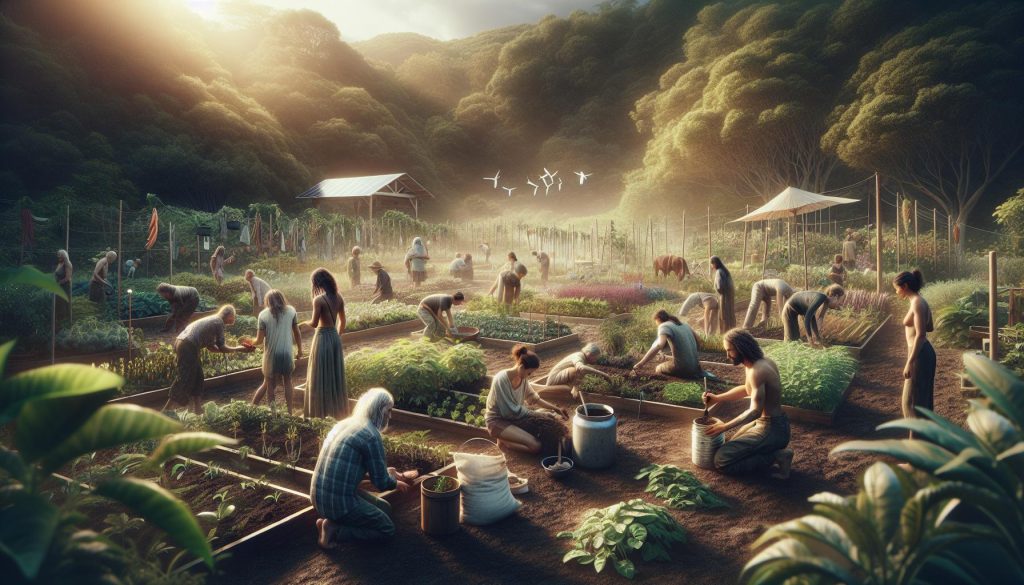
Imagine transforming your yard or community into a thriving ecosystem that not only provides food but also nurtures nature. This is the essence of permaculture-a design philosophy that creates sustainable and self-sufficient agricultural systems mimicking natural ecosystems. By embracing this holistic approach, you can dramatically reduce your ecological footprint while promoting biodiversity and enhancing the resilience of your environment. In a world facing pressing environmental challenges, understanding permaculture can empower you to take meaningful steps toward sustainable living. Whether you’re a seasoned gardener or just starting your eco-conscious journey, discovering permaculture’s principles offers you practical strategies for living in harmony with the earth. Dive deeper to explore how you can cultivate a more sustainable future, one garden at a time.
What Is Permaculture? Understanding the Basics
Permaculture embodies a revolutionary approach to sustainability that is as natural as the ecosystems it seeks to emulate. This design philosophy, emerging in the 1970s, emphasizes creating systems that can sustain themselves, much like the diverse and resilient ecosystems found in nature. By understanding and implementing the principles of permaculture, individuals can cultivate their gardens and communities to not only provide sustenance but also restore ecological balance.
At its core, permaculture is about the conscious design and maintenance of productive ecosystems that mimic the harmony of nature. This means integrating plants, animals, soil, and water into a cohesive environment where each element supports the other. The goal is not just to grow food but to create resilient systems that enhance biodiversity, conserve resources, and minimize waste. This holistic methodology addresses numerous environmental challenges while offering practical solutions for everyday living.
Implementing permaculture principles can be straightforward. Start by observing your environment and identifying how the existing elements interact with one another. Choose plants that complement each other in terms of nutrient needs and growth patterns, design gardens that capture water efficiently, and utilize composting techniques to enrich the soil. These small adjustments can lead to significant positive impacts on your garden’s productivity and overall health.
By embracing permaculture, we not only cultivate food but also foster a deeper connection with the land and learn to live harmoniously within our ecosystems. This sustainable living system invites us to rethink our relationship with nature, encouraging us to act not just as stewards but as integral parts of a larger ecological community.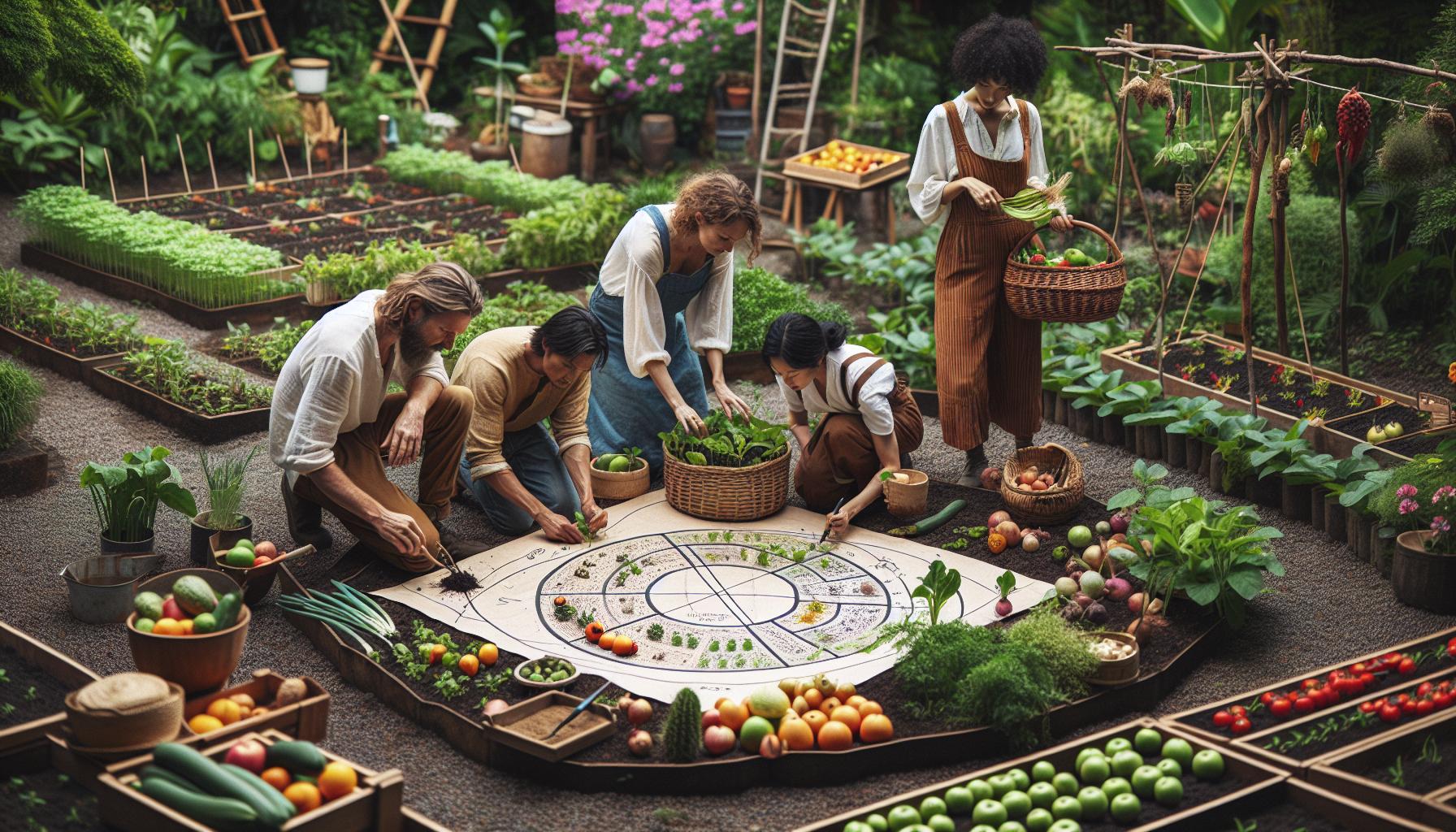
The Principles of Permaculture Design
The principles of permaculture are the backbone of this sustainable design system, providing a framework that encourages the creation of self-sustaining, resilient ecosystems. Understanding these principles is essential for anyone seeking to engage with the natural world in a more harmonious way. At the heart of permaculture lies the belief that every element in an ecosystem-be it plant, animal, or human-should work together to enhance the system’s overall health and productivity.
Key Principles of Permaculture
Permaculture design is guided by twelve core principles that can be applied to any project, whether it’s a sprawling farm or a modest backyard garden. These principles include:
- Observe and Interact: Take the time to connect with your environment, observing how elements interact and influence one another.
- Catch and Store Energy: Utilize natural resources wisely, such as capturing rainwater or harnessing solar energy.
- Obtain a Yield: Design systems that produce outputs, ensuring a return on the energy and resources invested.
- Apply Self-Regulation and Accept Feedback: Allow your system to evolve with feedback, adjusting practices based on what works and what doesn’t.
- Use and Value Renewable Resources: Focus on sustainable materials and energy sources that can be regenerated over time.
- Produce No Waste: Design with the aim of closing loops, ensuring that one element’s output is another’s input.
- Design from Patterns to Details: Start with a broad view of your system, then focus on the details to optimize design.
- Integrate Rather Than Segregate: Foster relationships between elements to utilize their combined strengths.
- Use Small and Slow Solutions: Opt for manageable, incremental changes to ensure long-term viability.
- Value Diversity: Incorporate a wide variety of plants and animals to enhance resilience against pests and diseases.
- Use Edges and Value the Marginal: Recognize the potential of the edges in ecosystems-where different elements meet, diversity thrives.
- Creatively Use and Respond to Change: Embrace change as an opportunity for innovation and adaptation.
These principles resonate deeply with anyone looking to cultivate a garden that thrives while also being kind to the planet. Each principle invites individuals to reflect on their practices and adapt them to align with ecological rhythms. For instance, capturing and storing energy can be as simple as setting up rain barrels or using solar panels. Such small investments not only reduce reliance on non-renewable energy sources but also build resilience against climate variability.
As individuals incorporate these principles into their lives, they discover a rewarding journey of learning, experimentation, and engagement with nature-ultimately driving a collective movement toward sustainability. The beauty of permaculture is that it allows each person to become a steward of their ecosystem, crafting a more sustainable future for themselves and their community. By grounding designs in these principles, we cultivate not only gardens but also a deeper understanding of our place within the natural world.
How to Implement Permaculture in Your Garden
Implementing permaculture in your garden can transform it into a thriving ecosystem that benefits both you and the environment. By adopting permaculture principles, you embrace a holistic approach that emphasizes sustainability and harmony with nature. The process begins with careful observation and understanding of your garden’s unique characteristics, including sunlight, soil quality, and existing wildlife.
Start by designing your garden layout based on natural patterns, which helps optimize space and resources. Consider creating zones within your garden: place high-maintenance plants closer to your home where they receive more attention, while low-maintenance, resilient plants can thrive further away. Additionally, using the principle of companion planting can enhance growth and pest management. For example, planting herbs like basil near tomatoes can improve both plants’ health and flavor.
Steps to Build Your Permaculture Garden
- Observe and Analyze: Spend time in your garden observing seasonal changes and the behavior of local wildlife. Take notes about where sunlight hits throughout the day and how water drains.
- Soil Health: Build healthy soil by adding organic matter like compost and mulch. Healthy soil is teeming with life, which is crucial for plant growth.
- Water Management: Implement strategies such as rainwater harvesting, swales, or ponds to manage water efficiently. These methods reduce runoff and provide resources during dry spells.
- Plant Diversity: Incorporate a variety of plants, including perennials, annuals, vegetables, and flowers. This diversity can improve resilience against pests and diseases.
- Integrate Animals: If possible, consider adding chickens or bees to your garden. They can contribute to pest control and pollination while producing eggs or honey.
Creating a permaculture garden is not just about planting but also about fostering relationships within your garden ecosystem. Embrace the natural cycles around you and learn to work with them rather than against them. With patience and observation, you’ll find the right balance that allows your garden to flourish while contributing positively to the environment. As you nurture your garden, you’re also empowering yourself and your community towards a more sustainable lifestyle.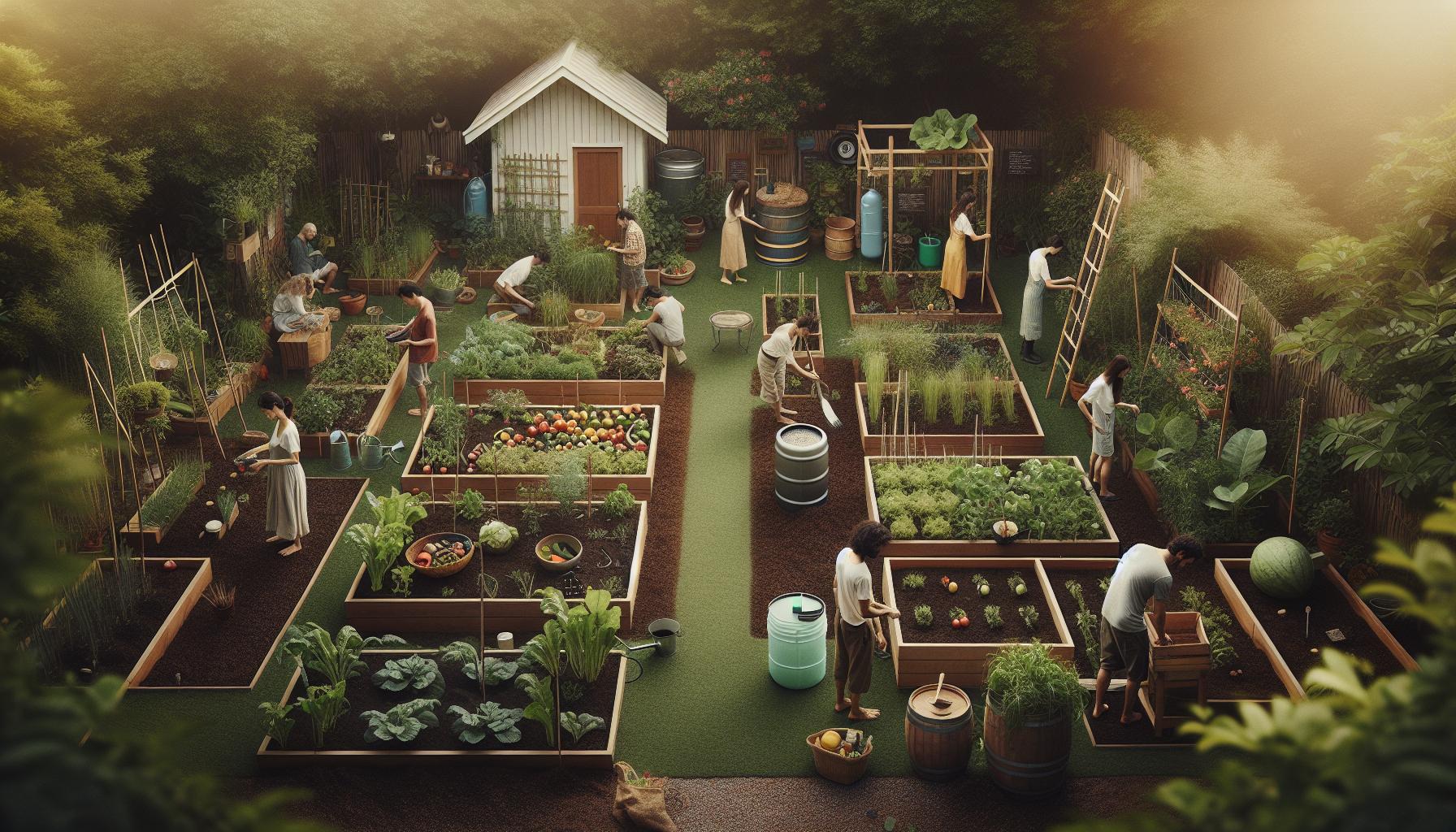
Creating Sustainable Ecosystems Through Permaculture
Permaculture fundamentally reimagines our relationship with nature by creating sustainable ecosystems that are regenerative and self-sufficient. It emphasizes working in harmony with natural processes instead of against them. By designing with nature, we can cultivate a rich interdependence among plants, animals, and humans, which can yield a variety of benefits, from increased productivity to enhanced biodiversity and resilience against climate change.
To create a sustainable ecosystem through permaculture, begin by observing and understanding the existing natural patterns in your landscape. This observation can reveal microclimates, water flow, and the presence of various species, which are crucial for informed decision-making. Once you have a solid understanding of your environment, apply permaculture principles to design your system. For instance, using techniques like contour gardening and swales can optimize water retention and reduce erosion, while planting diverse species in guilds encourages symbiotic relationships that improve soil health and pest resistance.
Key Permaculture Strategies for Sustainable Ecosystems:
- Diversity: Plant a mixture of species including perennials, annuals, and native plants to create a more resilient ecosystem. This diversity enhances pollination and pest control while also improving soil structure.
- Edge Effect: Utilize the edges of different zones, such as where forests meet clearings or gardens, to maximize biodiversity. These interfaces often facilitate a greater variety of life forms.
- Regenerative Practices: Implement practices such as composting, cover cropping, and rotational grazing, which enhance soil fertility and combat soil degradation.
- Local Resources: Utilize locally available materials and resources, such as rainwater harvesting systems, that minimize external inputs and lower energy use.
Ultimately, is a journey rooted in education and experimentation. By adopting a perspective that values the interconnectedness of life, you contribute to the regeneration of local ecosystems and promote a healthier planet. This ethos encourages individuals and communities to engage in eco-conscious living, where every small action collectively fosters a more sustainable future.
Permaculture vs. Traditional Farming: Key Differences
Permaculture presents a revolutionary approach to land use, fundamentally contrasting with conventional farming methods. Traditional farming often prioritizes maximum yield through intensive monoculture practices, which can deplete soil health and biodiversity over time. In contrast, permaculture embraces the complexity of natural ecosystems, promoting a design philosophy that fosters resilience and sustainability. This emphasis on ecological balance not only benefits the environment but also enhances the productivity of the land in the long run.
One of the key differences lies in the philosophy of resource use. Traditional farming frequently relies on synthetic fertilizers and pesticides to boost output, which can lead to soil degradation and water contamination. By contrast, permaculture methods prioritize natural solutions such as composting, crop rotation, and companion planting. These practices enhance soil fertility, protect against pests, and maintain a healthy ecosystem, reducing dependency on external inputs. For instance, instead of using chemical herbicides, a permaculture garden might employ cover crops to suppress weeds naturally while enriching the soil.
Moreover, the scope of farming activities diverges significantly. Traditional farming often focuses on large-scale production of a few crops, leading to a lack of biodiversity and increasing vulnerability to pests and climate variability. Permaculture, however, advocates for polyculture systems where diverse crops and plants are grown together. This diversity not only supports healthier ecosystems but also provides a more stable food source, as various plants can complement each other’s growth and reduce disease spread.
In practical terms, anyone looking to transition from traditional methods to a permaculture system can start small. Begin by layering different types of plants, including perennials and annuals, and incorporating native species to establish a more balanced ecosystem. Incorporating practices such as rainwater harvesting and the use of local materials can decrease reliance on mechanized systems and promote self-sufficiency. As these systems develop, the land not only becomes more productive but also contributes positively to the surrounding environment, enhancing biodiversity and mitigating climate change effects.
Embracing permaculture not only redefines farming as a sustainable and ethical practice but also invites individuals to reconnect with nature, making informed choices that foster a healthier planet for future generations.
Permaculture Techniques for Small Spaces
Utilizing permaculture principles in small spaces allows urban gardeners and those with limited room to create productive, sustainable environments astonishingly rich in biodiversity. Even a compact balcony or a small yard can become a thriving ecosystem through thoughtful design and strategic planting. One of the fundamental aspects of permaculture is to work with nature rather than against it, maximizing the potential of every square foot.
To get started, consider vertical gardening, which takes advantage of height to expand your cultivation area. Utilize trellises, wall planters, or hanging pots to grow climbing plants like peas, cucumbers, or even flowering vines that attract pollinators. Layering is another effective strategy; placing taller plants like tomatoes at the back of a garden bed, mid-sized herbs in the middle, and low-growing greens at the front can optimize space while providing diverse plant heights that encourage various wildlife interactions.
Additionally, practice companion planting to enhance the health and productivity of your garden. This method involves planting species that support each other’s growth-such as combining basil with tomatoes or marigolds to deter pests. Utilizing container gardening allows easy maneuverability and experimentation with different plant combinations, making it simple to test new permaculture techniques without significant commitment in permanent garden setups.
Moreover, incorporating perennial plants can reduce the need for replanting each year, saving time and resources. Herbs like chives and mint, or berry bushes, can be valuable additions that provide food and habitat year-round. Soil health is crucial, so incorporate compost or organic matter to enrich your growing medium, thereby supporting your plants-and nurturing the soil’s ecosystem.
In small spaces, it’s essential to prioritize water efficiency as well. Use drip irrigation systems or self-watering containers to conserve resources and ensure consistent moisture for your plants. Implementing rainwater harvesting techniques, such as collecting water from roofs into barrels, can further aid in responsible water management, promoting self-sufficiency.
By integrating these permaculture techniques into small spaces, anyone can cultivate a productive, eco-friendly garden, fostering a deeper connection to the natural world while contributing to local ecosystems. Each small effort adds to a collective impact, nurturing sustainability and biodiversity even in urban environments.
The Role of Biodiversity in Permaculture
Biodiversity is the lifeblood of any sustainable ecosystem, playing a critical role in permaculture practices. The vast array of species-plant, animal, and microbial-contributes to ecological stability, productivity, and resilience. One compelling fact is that diverse ecosystems are better equipped to withstand disturbances, such as pests, diseases, and climate fluctuations. Embracing biodiversity in permaculture not only enhances food production but also strengthens the environment, creating a self-sustaining cycle where different organisms support one another.
In a permaculture setup, biodiversity can be achieved through various methods, such as implementing polycultures instead of monocultures, encouraging beneficial insects, and incorporating native plant species. Polycultures involve growing a variety of plants together, which can lead to increased yields and healthier plants. This method reduces the risk of total crop failure since different plants may attract distinct pests or face different diseases, thus enhancing overall resilience. For instance, planting legumes alongside vegetables can improve soil fertility while providing a habitat for beneficial insects that prey on pests.
Encouraging beneficial insects is another essential strategy. Incorporating flowering plants, such as dill or yarrow, attracts pollinators and predatory insects that contribute to pest control. Furthermore, native plants are crucial as they are well-adapted to local conditions and provide habitat and food for local wildlife, promoting a healthy ecosystem. Integrating these elements not only fosters a rich assemblage of life but also reduces dependency on chemical fertilizers and pesticides, leading to a more sustainable and chemical-free environment.
The benefits of biodiversity extend beyond the garden itself. By fostering a variety of species, permaculture practitioners can help restore habitats, enhance ecosystem services like soil formation and erosion control, and support local wildlife populations. This interconnectedness is vital as it draws from the principles of ecology, illustrating how each component of the ecosystem interacts and supports the others. In effect, nurturing biodiversity within permaculture not only produces food but also cultivates stewardship for the planet, encouraging individuals to recognize their role in the larger ecological web.
In summary, supporting biodiversity within permaculture systems is about more than just growing plants; it’s about creating a thriving ecosystem that mirrors natural environments. By embracing diverse plant and animal interactions, practitioners can build resilience, improve productivity, and, ultimately, contribute to a healthier planet. Through practical implementation of these concepts, individuals can cultivate not only their gardens but also enhance their connection to the environment, ensuring a sustainable future for generations to come.
Building a Permaculture Community: Growing Together
A community built around permaculture principles can be a powerful catalyst for change, enabling individuals to come together in support of sustainable living. This collective effort fosters not only environmental responsibility but also social cohesion, as participants share resources, knowledge, and motivation. By creating a network of permaculture practitioners, communities can leverage their collective strengths, leading to amplified impact and resilience against external challenges, such as climate change or economic fluctuations.
Building a permaculture community involves several key steps that anyone can implement. First, initiate local meetups or workshops where interested members can share experiences, skills, and permaculture designs. Consider organizing community gardens where members can collaboratively grow food, exchange seeds, and learn from one another. Such communal spaces promote biodiversity, increase food security, and create a supportive environment for experimentation in sustainable practices.
Additionally, leverage digital platforms to extend community outreach and enhance member engagement. Online forums or social media groups can facilitate discussions, share successes and challenges, and provide valuable resources like permaculture guides and tutorials. Encourage members to document their journeys in sustainable living through blogs or videos, thereby inspiring others and creating a wealth of shared knowledge.
Lastly, partnering with local organizations, schools, or businesses can amplify your community’s influence. By hosting events like permaculture fairs, workshops, or guest lectures, you can educate the broader community about sustainable practices and foster the idea that permaculture is not just a personal choice, but a community commitment. These collaborative endeavors not only enhance local ecological health but also build a sense of belonging and shared purpose among participants.
In essence, nurturing a permaculture community is about creating spaces where knowledge flourishes and collaboration thrives. Each individual’s unique contributions can lead to innovative solutions for sustainability, making your community stronger and more resilient over time. As members learn from each other and grow together, they not only transform their local environment but also uplift and inspire the world around them.
Sustainable Housing Solutions in Permaculture
Sustainable housing solutions often begin with the concept of creating spaces that harmonize with the surrounding environment. By employing permaculture principles, homeowners can construct or renovate dwellings that not only minimize their ecological footprint but also enhance the well-being of both occupants and the local ecosystem. A striking example is the use of natural building materials such as straw bales, cob, or reclaimed timber, which provide excellent insulation and a low environmental impact compared to conventional construction methods.
One effective approach is integrating passive solar design into housing. This involves positioning windows and walls to maximize natural light and heat from the sun during colder months while minimizing heat absorption during the warmer months. Additionally, incorporating green roofs can improve insulation, manage rainwater effectively, and provide green spaces that foster biodiversity. These roofs can be enhanced with plants native to the area, striking a balance between aesthetic appeal and ecological function.
To facilitate sustainable living, homeowners can also implement systems for harvesting rainwater and generating renewable energy. Rainwater collection systems can reduce reliance on municipal water supplies, while solar panels or small wind turbines can provide significant energy savings, decrease utility bills, and lessen reliance on fossil fuels. Modern advancements in technology now allow for efficient energy systems that can power homes while minimizing negative environmental impacts.
Finally, it’s crucial to consider the community aspect of sustainable housing. Developing or joining co-housing projects can encourage shared resources and collaborative governance, fostering sustainable practices on a neighborhood level. These communities often feature shared gardens, renewable energy sources, and cooperative management, creating not only eco-friendly homes but also a supportive, engaged community focused on sustainability. By embracing these principles and practices, individuals can contribute to a sustainable future that honors both people and the planet.
Exploring Permaculture Practices Worldwide
Globally, permaculture practices reflect how diverse cultures integrate sustainable living with local ecosystems, each presenting unique methodologies and philosophies rooted in their environments. From the tropical landscapes of Africa to the temperate regions of Europe, permaculture emphasizes a holistic approach that not only addresses food production but also supports community resilience and ecological health. As you explore various permaculture practices around the world, you’ll discover inspiring examples of how people are crafting solutions tailored to their specific ecological and social contexts.
In Australia, where permaculture originated, urban gardens have become a beacon of sustainable practice. One standout example is the community-driven project, the “City Farm” in Perth, where locals engage in organic farming, agritourism, and educational workshops. These areas not only provide fresh produce but also create community bonds and educational opportunities for sustainable practices. In contrast, regions like Southeast Asia emphasize agroforestry systems, intercropping, and native crops, showcasing how traditional agricultural knowledge can be seamlessly integrated into permaculture design, enhancing biodiversity and soil health.
The implementation of permaculture practices can also be seen in Brazil, where there is a strong focus on the restoration of degraded lands. Using techniques such as permaculture zones and guilds, Brazilian farmers are successfully revitalizing ecosystems while improving food security. This approach not only boosts local biodiversity but also enhances resilience against climate change impacts, a demonstration of how permaculture can offer practical solutions in the face of modern challenges.
The adoption of permaculture practices in European communities often includes community-supported agriculture (CSA) initiatives, where consumers engage directly with farmers. This model encourages shared responsibility for the food system and promotes seasonal eating, reducing the carbon footprint associated with food transport. Farmers implement various permaculture techniques, such as companion planting and natural pest control, to maintain healthy ecosystems and produce high-quality organic food.
Overall, exploring these international examples of permaculture practices illuminates the adaptability of this sustainable living system. Whether it’s through innovative urban gardens, regenerative agricultural practices, or community partnerships, each region highlights the interconnectedness of people, land, and food. By integrating local knowledge and ecological principles, permaculture fosters environments where plants, animals, and humans thrive together harmoniously, inspiring individuals everywhere to reimagine their relationship with the earth and cultivate a sustainable future.
Permaculture and Climate Change: Solutions for the Future
Climate change is one of the most pressing challenges facing humanity, and permaculture offers innovative solutions that not only combat environmental degradation but also promote resilience in ecosystems. By mimicking natural processes and integrating diverse species, permaculture systems enhance soil health, support biodiversity, and increase overall resilience to climate-related stresses. These approaches can be transformative, especially in communities severely affected by climate change.
Implementing effective permaculture practices can significantly reduce carbon footprints through techniques like agroforestry, which combines trees with crops to create multi-layered systems that capture carbon while providing habitat for wildlife. Moreover, regenerative practices, such as composting and cover cropping, help in maintaining soil structure and fertility, which in turn improves the land’s capacity to sequester carbon. The synergy between plants and animals in permaculture can also lead to diminished dependency on synthetic fertilizers and pesticides, which can further harm the environment.
To effectively harness the potential of permaculture in the battle against climate change, communities can adopt the following practices:
- Water Management: Implement systems to capture and reuse rainwater, such as swales and ponds, which enhance local water cycles and reduce soil erosion.
- Diverse Planting: Cultivate a variety of native plants to promote resilience against pests and diseases, while also providing food and resources for local wildlife.
- Community Cooperation: Foster local networks for sharing resources, knowledge, and labor, thereby building community strength and collective action against the impacts of climate change.
- Education and Awareness: Educate community members about sustainable practices and the importance of ecological stewardship to cultivate a culture of conservation.
The integration of these strategies can lead to viable community solutions that not only tackle climate change but also enhance food security and social cohesion. As seen in successful permaculture projects worldwide, these methods offer realistic paths toward regeneration and sustainability. By committing to permaculture principles, individuals and communities are empowered to take meaningful action against climate change, fostering a healthier planet for future generations.
Real-Life Success Stories: Inspiring Permaculture Projects
In the realm of sustainable living, real-life permaculture projects illuminate the path toward a greener future, showcasing how individuals and communities can thrive while respecting natural ecosystems. For instance, the Ecovillage at Ithaca, New York, serves as an inspiring model of integrating permaculture principles into community design. This intentional community emphasizes ecological sustainability, featuring shared gardens, renewable energy sources, and a commitment to biodiversity. Residents cultivate food using organic practices, promoting both personal health and environmental stewardship. The village also encourages cooperative living, fostering strong social bonds while minimizing ecological footprints.
Another remarkable example is Zaytuna Farm in Australia, founded by renowned permaculture designer Geoff Lawton. This 66-acre farm serves as a living classroom, demonstrating techniques such as food forest creation, agroforestry, and water conservation methods like swales and dams. Through hands-on workshops and online courses, the farm educates people from around the globe on implementing permaculture in their own settings. One standout project is the transformation of a parched, degraded landscape into a thriving ecosystem by establishing a regenerative agriculture model that not only improves soil fertility but also increases local wildlife habitats.
These projects highlight the versatility and adaptability of permaculture practices across diverse climates and cultures. Whether it’s a small urban garden or a large-scale community initiative, permaculture provides a framework for sustainable living that meets the specific needs of its surrounding environment. Through permaculture, individuals are empowered to create resilient systems that support food production, conserve resources, and foster community connections.
Ultimately, these real-life success stories serve as a powerful reminder that meaningful change is possible when communities come together, embrace sustainable practices, and make informed, collective choices. The ripple effects of these efforts stretch far beyond individual gardens, contributing to a broader movement toward ecological health and social resilience. By learning from these examples, anyone can take actionable steps toward cultivating their own permaculture projects at home, contributing to a sustainable future for all.
Frequently Asked Questions
Q: What are the main benefits of permaculture?
A: The main benefits of permaculture include increased biodiversity, reduced water usage, enhanced soil fertility, and resilience to climate change. It promotes self-sufficiency, less reliance on chemical fertilizers, and a healthier ecosystem, making it a sustainable approach to agriculture and living.
Q: How does permaculture impact local communities?
A: Permaculture fosters community engagement by encouraging collaboration in food production, sharing resources, and building local resilience. It enhances food security and creates supportive networks that empower communities to address environmental and social issues together.
Q: What are some common misconceptions about permaculture?
A: Common misconceptions about permaculture include the idea that it’s only for rural areas or large farms. In reality, permaculture can be applied in urban settings, small gardens, and even in balconies, making it accessible for anyone, regardless of space.
Q: How can permaculture contribute to climate adaptability?
A: Permaculture contributes to climate adaptability by creating diverse ecosystems that are more resilient to environmental changes. By practicing sustainable land management, permaculture systems can sequester carbon, conserve water, and reduce the impact of extreme weather events.
Q: What materials are commonly used in permaculture design?
A: Common materials in permaculture design include natural elements like wood, stone, and bamboo, along with recycled materials for building structures like compost bins and rainwater catchments. These materials support sustainability and reduce the environmental impact of construction.
Q: Can permaculture gardens work in urban environments?
A: Yes, permaculture gardens can thrive in urban environments. Techniques like vertical gardening, rooftop gardens, and container planting maximize limited space and can produce food in small areas while enhancing green space and biodiversity in cities.
Q: What role does water management play in permaculture?
A: Water management is crucial in permaculture, involving techniques such as rainwater harvesting, greywater recycling, and swales to minimize water wastage and maximize efficiency. These methods help sustain diverse plant life and maintain healthy ecosystems.
Q: How can individuals start their own permaculture project?
A: Individuals can start their own permaculture project by first observing their local environment and assessing the unique conditions of their site. Begin small by implementing techniques like companion planting or creating a compost system, gradually expanding as you learn and adapt.
In Summary
As we wrap up our exploration of “What Is Permaculture: The Ultimate Sustainable Living System,” remember that embracing permaculture principles can transform not just your garden, but your entire lifestyle. Shift towards sustainable living today by considering how you can fix the water cycle, enrich your soil, and cultivate biodiversity in your space. Don’t wait-take the first step towards a greener future by diving deeper into our guides on eco-friendly products and organic gardening techniques.
If you’re eager to learn more, check out our articles on sustainable home renovations and green technologies. Join our community for regular insights and actionable tips to further reduce your ecological footprint and enhance your environmental impact. Together, we can cultivate a more sustainable world. Share your thoughts or questions in the comments, and let’s continue this journey towards eco-conscious living!