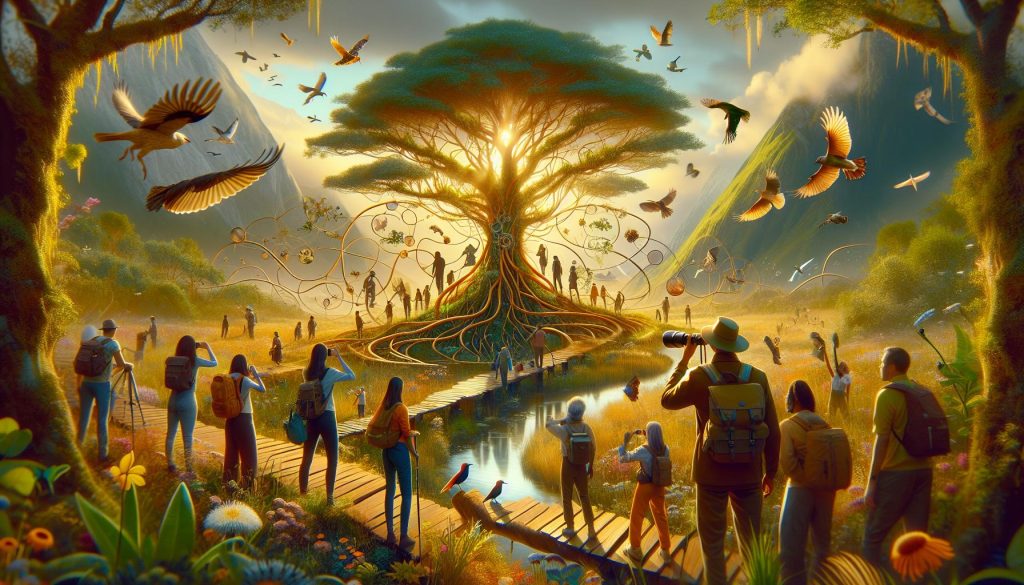
Spatial ecology delves into the intricate relationships between organisms and their environments, exploring how spatial patterns influence ecological processes. This field is crucial for understanding biodiversity and ecosystem health, especially as urbanization and climate change reshape our landscapes. By recognizing the importance of habitats and their connectivity, we can better address conservation challenges, promote sustainable practices, and foster resilience in natural systems.
Imagine living in a world where your daily choices impact local ecosystems positively. By understanding spatial ecology, you can become an informed steward of the environment, making decisions that not only benefit your immediate surroundings but also support global biodiversity. Join us on a journey to discover how spatial relationships in ecology shape life on Earth, and learn practical ways to engage with and protect our planet. Your connection to nature matters now more than ever.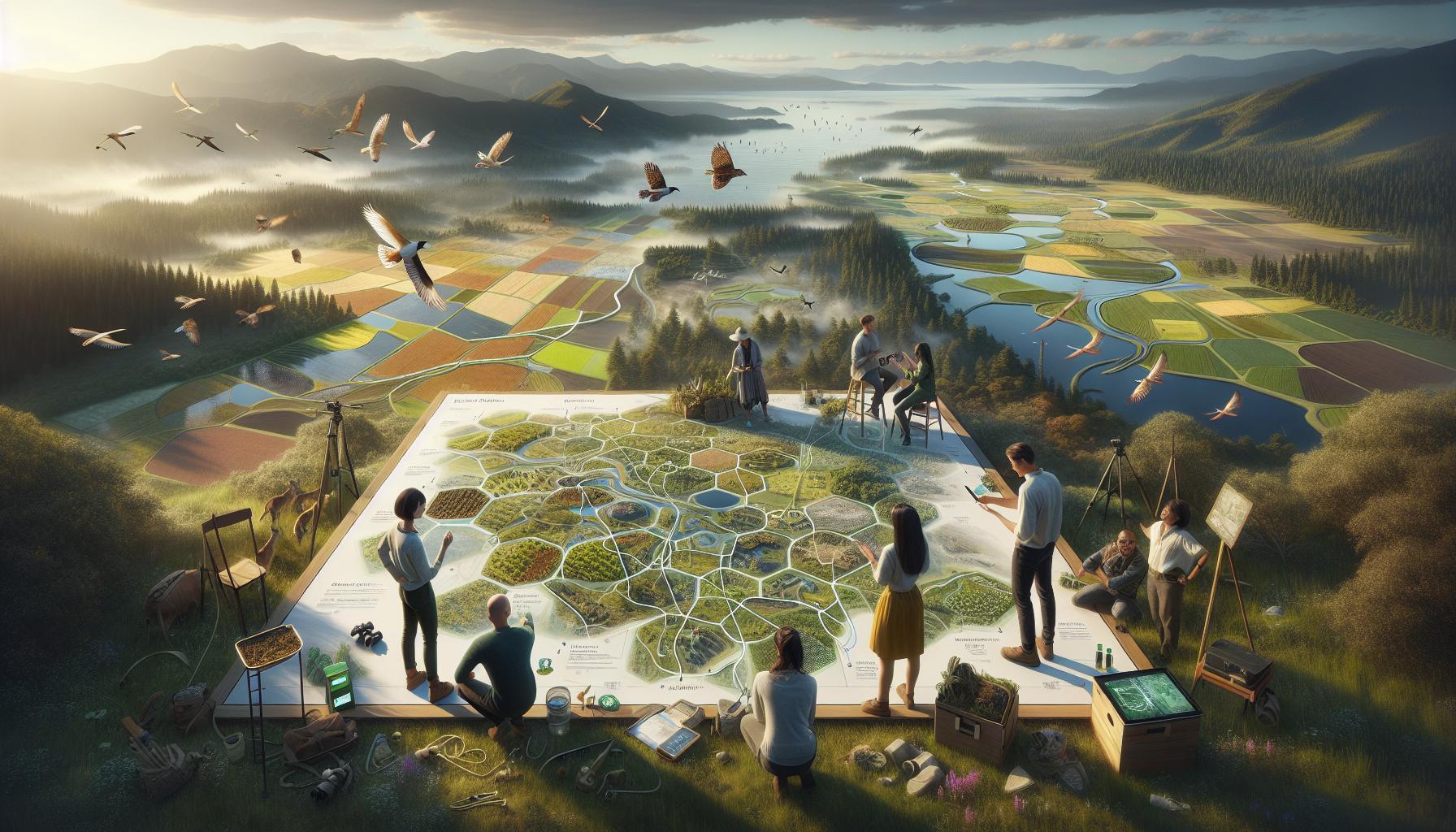
What is Spatial Ecology and Its Importance
Amidst the pressing environmental challenges we face today, understanding the spatial dimensions of our ecosystems has never been more critical. Spatial ecology focuses on the relationships between biological organisms and their environments, emphasizing how spatial distribution and interactions impact ecological processes. This field has emerged as a vital framework for addressing biodiversity loss, habitat degradation, and climate change, providing insights into how spatial patterns influence ecological health and stability.
One of the core reasons for the importance of spatial ecology lies in its ability to reveal patterns that are not immediately apparent through traditional ecological studies. By examining how organisms are distributed across various landscapes and ecosystems, spatial ecologists can identify hotspots of biodiversity, areas at risk of habitat fragmentation, and critical corridors for species migration. This knowledge is essential for effective conservation planning, allowing for the development of strategies that are grounded in the actual spatial dynamics of species and habitats.
In practical terms, spatial ecology can inform sustainable practices that enhance ecological resilience. For instance, when planning urban development or agricultural projects, integrating principles of spatial ecology can help mitigate negative impacts on local ecosystems, supporting initiatives like wildlife corridors and green roofs. By acknowledging the intricate relationships between species and their spatial contexts, individuals and communities can make informed, sustainable choices that contribute to the preservation of biodiversity and the health of our planet.
Ultimately, spatial ecology is not just an academic discipline; it is a call to action for everyone. Understanding its principles empowers citizens, policymakers, and environmental organizations to recognize the interconnectedness of life and the environment. As we navigate towards a more sustainable future, embracing the insights provided by spatial ecology can inspire collective efforts to protect and rejuvenate our natural ecosystems.
Key Concepts and Principles of Spatial Ecology
Understanding the intricate web of interactions between species and their environments is vital for promoting ecological balance and biodiversity. Spatial ecology delves into this by examining the various scales at which organisms and their habitats interact, shedding light on how spatial patterns and arrangements affect ecological stability and health. Recognizing these links is essential for prioritizing conservation efforts, as it helps identify the critical areas for protection and management.
At the heart of spatial ecology are several key concepts that guide research and applications:
Spatial Distribution
The way organisms are arranged in space-be it clustered, random, or uniformly distributed-has profound implications for survival and interaction. For instance, clustered distributions may indicate resources are unevenly available, influencing competition and cooperation among species. In contrast, uniform distribution may suggest that individuals are spaced out due to territorial behaviors or resource allocation. Understanding these distributions helps conservationists design effective wildlife reserves and restoration projects.
Landscape Ecology
This subfield focuses on the interactions between ecological processes and spatial patterns across different landscapes. Landscape structure, including features like patchiness and connectivity, directly impacts species movement and genetic exchange. For example, creating wildlife corridors can mitigate habitat fragmentation, allowing for safer migration routes for animals and enhancing biodiversity through increased genetic diversity.
Scale and Hierarchy
Spatial ecology emphasizes the importance of scale-from local patches to larger ecosystems. Investigating processes at varying scales helps uncover the complexities of ecological interactions. For example, the effect of a species on its immediate environment might differ drastically from its influence on broader ecological dynamics. Hence, researchers and ecologists must consider how local actions can have ripple effects in larger contexts.
By integrating these concepts, individuals and organizations can make informed decisions that consider ecological impacts and promote sustainability. Recognizing the significance of spatial dynamics not only equips people with the knowledge to advocate for better environmental practices but also inspires collective action towards a more connected and resilient ecosystem. Adopting spatial ecological approaches in daily practices, such as urban planning or farming, can contribute to healthier ecosystems and, ultimately, a thriving planet for future generations.
How Spatial Patterns Influence Biodiversity
The arrangement of species in various habitats is a crucial factor in shaping biodiversity. For instance, certain ecosystems exhibit specific spatial patterns that enhance species interactions, promote genetic exchange, and provide the necessary resources for survival. When organisms are distributed unevenly, such as in clustered or patchy arrangements, this can lead to increased competition for resources and create opportunities for unique ecological interactions. These spatial distributions can significantly impact community structure, influencing which species thrive or decline in specific areas.
Clustered vs. Uniform Distribution
In environments where resources are unevenly distributed, species often exhibit clustered patterns. This clustering can benefit particular species that thrive in dense populations, such as certain pollinators or plants that rely on mutualistic relationships. For example, in a forest where flowering plants cluster around a water resource, pollinators can efficiently access nectar, leading to greater reproductive success for those plants. Conversely, a uniform distribution may result from territorial behaviors in animals, affecting mating patterns and resource allocation. Understanding these dynamics is critical for habitat management and conservation strategies.
Habitat Connectivity and Landscape Structure
Another key aspect of spatial patterns influencing biodiversity is habitat connectivity. Fragmented landscapes can isolate populations, limiting genetic exchange and reducing resilience to environmental changes. Creating corridors that connect fragmented habitats encourages wildlife movement, allowing for genetic diversity and enhancing ecosystem stability. For example, urban planning that integrates green spaces and corridors can facilitate the movement of species like amphibians or migrating birds, which rely on specific habitats for breeding and feeding.
Ultimately, the influence of spatial patterns on biodiversity underlines the importance of maintaining ecological landscapes that promote healthy interactions among species. By embracing spatial ecology principles in conservation efforts, individuals and organizations can foster environments that support diverse life forms, promoting ecological balance and resilience in the face of change. Integrating such knowledge into community planning and development can guide sustainable practices that protect and enhance the intricate web of life.
The Role of Habitat Fragmentation in Ecosystems
Habitat fragmentation is a pressing environmental issue that significantly affects ecosystem health. When large habitats are broken into smaller, isolated patches-often due to human activities like urban development, agriculture, and logging-numerous consequences arise, disrupting the intricate interdependencies that sustain biodiversity. These patches can constrain species movement, reduce genetic diversity, and interfere with vital ecological processes. For instance, when wildlife populations are isolated, they may struggle to find mates or migrate for essential resources, leading to inbreeding and diminished resilience against environmental changes.
Additionally, fragmentation can alter habitat conditions, making them less hospitable. Smaller habitat patches often have a higher edge-to-area ratio, exposing species to increased predation, invasive species, and harsh environmental conditions. For example, a forest that has been fragmented by roads may become less suitable for species that require dense cover, thereby reducing their populations. Furthermore, these altered microenvironments may favor certain species over others, contributing to imbalances that lead to declines in sensitive species while promoting opportunistic generalists.
To combat the effects of habitat fragmentation, conservation strategies must focus on enhancing connectivity between habitats. This can be achieved by creating wildlife corridors, restoring degraded habitats, and employing land-use planning that prioritizes ecological integrity. For example, successful initiatives have been implemented in countries like Costa Rica and the United States, where protected areas have been linked by corridors that facilitate species movement and genetic exchange, thereby enhancing overall ecosystem resilience.
Adopting a proactive stance on habitat preservation can yield profound benefits for our ecosystems. Individuals can contribute by advocating for community practices that prioritize green spaces, participating in local conservation efforts, and supporting legislation aimed at preserving natural habitats. Every effort counts in maintaining the vital connections within our ecosystems, ensuring that wildlife can thrive despite the challenges of fragmentation.
Spatial Ecology Tools: Mapping and Modeling Techniques
The study of spatial ecology relies heavily on a variety of tools designed to map and model ecological phenomena across different scales. These tools are essential for understanding how the layout and structure of habitats influence ecological interactions and biodiversity. One of the powerful techniques in spatial ecology is Geographic Information Systems (GIS). GIS allows researchers to visualize, analyze, and interpret spatial data, enabling them to assess habitat distribution, species ranges, and the effects of fragmentation on ecosystems. With capabilities to layer various types of spatial data, GIS can reveal patterns that affect conservation strategies and land-use planning.
In addition to GIS, modeling techniques such as spatial autocorrelation and landscape simulation models help ecologists understand the relationships between species and their environments. These models can simulate how species distributions might change in response to various environmental pressures, providing critical insights that inform proactive conservation measures. For instance, if a modeled landscape shows that certain species are likely to migrate due to climate change, conservationists can initiate habitat restoration and connectivity projects to facilitate this movement.
Moreover, advances in remote sensing technology have revolutionized the way data is collected about landscapes and habitats. Tools like satellite imagery and drones provide high-resolution data on land cover changes, allowing ecologists to monitor impacts over vast areas that would be challenging to assess through ground surveys alone. This real-time data can guide immediate conservation actions and enhance long-term ecological research.
To effectively harness these spatial ecology tools, practitioners can engage in community-based mapping initiatives that empower local stakeholders. By involving communities in mapping their natural resources and monitoring local biodiversity, these initiatives foster a deeper connection between people and their environment. Such engagement not only aids in data collection but also promotes collective action towards sustainable practices and policies that benefit both ecosystems and local livelihoods.
Real-World Applications of Spatial Ecology
Understanding how the arrangement of habitats affects ecosystems is crucial for effective conservation and biodiversity management. In practice, spatial ecology provides concrete applications that can inform strategies for preserving diverse biological communities and enhancing resilience against environmental changes.
One notable application of spatial ecology is in urban planning, where geographical analysis can guide the integration of green spaces into city landscapes. By identifying key areas for biodiversity enhancement, urban planners can create green corridors that facilitate species movement and provide essential habitats amidst urbanization. Incorporating natural features not only supports wildlife but enriches urban life by improving air quality and promoting mental well-being among residents.
Conservation Strategies and Habitat Restoration
Spatial ecology also plays a vital role in crafting effective conservation strategies. For example, by utilizing spatial data to identify critical habitats and migration corridors, organizations can prioritize areas for conservation efforts. Projects centered around habitat restoration, which involve reestablishing native vegetation in these identified regions, have proven successful in enhancing ecosystem services and supporting local species populations. The restoration of wetlands, for instance, not only rejuvenates local biodiversity but also provides flood control and improves water quality.
In agriculture, spatial ecology informs sustainable land-use practices. Techniques such as precision farming utilize spatial data to optimize resource use, reduce chemical inputs, and enhance soil health. Farmers can make informed decisions about planting, irrigation, and crop rotation based on analyses of soil characteristics and landscape features, leading to more productive and environmentally friendly agricultural systems.
Community Involvement and Citizen Science
Another pivotal application lies in community engagement through citizen science initiatives. By involving local communities in monitoring biodiversity and habitat conditions, spatial ecology fosters a sense of stewardship and responsibility. Projects that encourage community members to utilize mapping tools help them identify and protect local ecosystems. Such participatory methods not only enhance data collection but also cultivate a deeper connection between individuals and their environment, leading to stronger advocacy for conservation policies.
By leveraging the principles of spatial ecology, we can devise actionable strategies tailored to our specific ecological contexts. Whether through urban design that reinvigorates natural habitats or agricultural practices that promote sustainability, spatial ecology offers a roadmap towards a more balanced coexistence with our environment.
Case Studies: Successful Spatial Ecology Strategies
In the realm of spatial ecology, successful strategies are not only innovative but also serve as powerful examples of how to integrate ecological principles into effective conservation practices. One exemplary case is the collaborative effort in the Greater Yellowstone Ecosystem, where various stakeholders engaged in a comprehensive strategy that utilized spatial modeling to conserve wildlife corridors. By mapping the migratory routes of key species, such as elk and grizzly bears, conservationists and land planners were able to identify critical areas for protection, facilitating safe passage for wildlife across an increasingly developed landscape. This initiative not only supports biodiversity but also enhances the resilience of the ecosystem as a whole.
Another notable case can be seen in the implementation of urban forest mapping in cities like Melbourne, Australia. Here, spatial tools were used to analyze tree canopies and their distribution across urban areas. The city implemented a strategy to increase tree cover by targeting areas with minimal canopy, promoting biodiversity in urban settings. This approach not only enhances habitats for urban wildlife but also contributes to cooling the city, improving air quality, and offering residents green spaces for recreation. The success of this initiative demonstrates how applying spatial ecology can lead to tangible benefits for both urban ecosystems and community well-being.
The role of technology in spatial ecology also shines through the collaborative marine mapping efforts in the Coral Triangle of Southeast Asia. Here, local communities, scientists, and policymakers utilized spatial mapping techniques to assess marine biodiversity and fishing practices. This effort led to the establishment of marine protected areas that consider the ecological significance of habitats as well as the socio-economic needs of local fishing communities. By integrating ecological data with local knowledge, this case exemplifies the importance of participatory processes in conservation strategies, ensuring sustainable practices that benefit both nature and human livelihoods.
These examples illustrate the transformative power of spatial ecology in addressing real-world environmental challenges. By highlighting successful case studies, we can inspire further applications of spatial principles across various ecosystems, ultimately fostering a more harmonious relationship between people and nature. The key takeaway is that through informed planning and community engagement, we can cultivate solutions that breathe life into our ecological landscapes, promoting both biodiversity and sustainability.
Challenges and Future Directions in Spatial Ecology
In the world of spatial ecology, the journey is just as vital as the destination. Despite the remarkable progress made in understanding spatial dynamics and ecological interactions, numerous challenges persist that demand innovative thinking and collaborative efforts. One primary concern is the issue of data accessibility. Spatial ecology relies heavily on vast amounts of geographic and ecological data, often hindering research and conservation efforts if this information is not easily accessible to all stakeholders. Improving data sharing practices and fostering open-source platforms can significantly enhance ecological research and practice, facilitating more informed decision-making.
Another challenge lies in the integration of traditional ecological knowledge with modern scientific methodologies. Bridging the gap between indigenous practices and contemporary science presents an opportunity to enrich spatial ecology. Incorporating local insights can lead to more culturally appropriate and effective conservation strategies. For instance, collaborating with indigenous communities in the Amazon has proven invaluable in understanding forest dynamics and biodiversity management. Such partnerships can empower local stewards and ensure that ecological practices are grounded in real-world applications.
Adapting to the impacts of climate change is also vital for the future of spatial ecology. As ecosystems shift and species migrate, the need for dynamic modeling and flexible conservation strategies becomes essential. Utilizing advanced technologies like remote sensing and GIS (Geographic Information Systems) can help ecologists track changes in habitat and species distribution more accurately. By combining these tools with community engagement, spatial ecologists can develop adaptive management strategies that respond to ecological changes in real time, thus enhancing resilience across various ecosystems.
Moreover, fostering public awareness and engagement in spatial ecology initiatives is critical. Engaging communities through educational programs and participatory mapping exercises can help people understand the value of spatial ecology in their everyday lives. Initiatives such as citizen science projects, where individuals can contribute data either through mobile apps or community mapping events, not only educate the public but also cultivate a sense of stewardship. By empowering local populations and enhancing their connection to the environment, spatial ecology can become a shared endeavor, driving collaborative solutions that address the pressing ecological challenges we face.
Ultimately, while challenges in spatial ecology are significant, they also present opportunities for growth and innovation. By embracing collaborative approaches, harnessing technology, and engaging communities, we can pave the way for a more sustainable future that respects both the intricacies of natural ecosystems and the role of human influence. This collective effort is vital not just for preserving biodiversity but also for ensuring that future generations inherit a healthy, thriving planet.
The Connection Between Spatial Ecology and Conservation
Understanding how spatial ecology connects to conservation efforts is essential for effective environmental management. Spatial ecology examines the patterns of life in relation to spatial configurations and ecological processes. One pivotal aspect of this field is how it informs conservation strategies, particularly in maintaining and enhancing biodiversity. For instance, spatial analysis helps identify critical habitats and migration corridors that are vital for species survival, enabling targeted protection efforts.
Effective conservation strategies are often grounded in spatial ecological principles that emphasize the interconnectedness of ecosystems. By analyzing spatial data, conservationists can assess habitat fragmentation and its impact on local wildlife. Understanding these spatial relationships allows for the development of wildlife corridors that mitigate the adverse effects of urbanization and agriculture on animal movements. This practical approach not only aids in maintaining genetic diversity but also ensures resilience in ecosystem dynamics.
Moreover, spatial ecology employs various technological tools, such as Geographic Information Systems (GIS) and remote sensing, to monitor changes in land use and ecological health. These tools allow for real-time data collection and analysis, providing insights into how human activities are influencing habitats. Conservationists can use this data to adapt strategies proactively, ensuring that initiatives remain effective as environmental conditions change.
Incorporating community involvement is another vital dimension. Engaging local populations in spatial ecology initiatives fosters a sense of ownership and stewardship over natural resources. Through participatory mapping and citizen science projects, communities can contribute valuable knowledge about their local ecosystems, leading to more culturally relevant and impactful conservation efforts. By embedding spatial ecology in local practices, we not only strengthen conservation outcomes but also promote a holistic understanding of ecological relationships that empowers individuals to make eco-conscious choices in their daily lives.
Leveraging spatial ecology in conservation is not just an academic endeavor; it is a practical pathway toward fostering a sustainable coexistence with nature. By understanding and implementing spatial dynamics, we can create impactful conservation strategies that address the complexities of ecological interdependence and biodiversity preservation.
Integrating Spatial Ecology into Sustainable Practices
can profoundly enhance our understanding of ecosystems and improve our environmental stewardship. For instance, the concept of ecological footprints is pivotal in assessing how human activity impacts the environment. By mapping these footprints spatially, individuals and organizations can identify high-impact areas and prioritize intervention strategies, making it easier to reduce resource consumption and greenhouse gas emissions effectively.
Practical Steps for Integration
To apply spatial ecological principles in everyday life, consider the following actionable strategies:
- Participatory Mapping: Engage community members in mapping local natural resources. This process empowers citizens to take ownership of their environment while providing valuable data for local conservation efforts.
- Native Plant Landscaping: Design gardens using native plants to support local biodiversity. By understanding the spatial distribution of these species, homeowners can create habitats that promote ecological interactions.
- Wildlife Corridors: Advocate for or implement urban designs that facilitate wildlife movement. Understanding habitat connectivity can lead to the creation of urban green spaces that serve as vital corridors for local wildlife.
- Green Building Practices: Adopt sustainable materials and designs that utilize local resources and minimize ecological footprints. Tools like GIS can help identify the most suitable materials based on spatial data.
The role of technology cannot be understated. Employing Geographic Information Systems (GIS) and other mapping technologies can yield insights into local ecosystems, guiding sustainable land-use planning. For instance, cities using GIS for environmental planning can optimize resource allocation and minimize ecological disruption, aligning urban development with ecological health.
Engaging in these practices not only contributes to environmental sustainability but also fosters a community ethos around conservation and ecology. By understanding the spatial dynamics of our environment, individuals can make informed decisions that resonate throughout their communities, promoting long-term ecological health and sustainability.
Community Engagement in Spatial Ecology Initiatives
Engaging communities in spatial ecology initiatives is vital for fostering a collective responsibility towards environmental stewardship. Research shows that when people actively participate in the management and understanding of their local ecosystems, the outcomes are often more effective and sustainable. This participatory approach not only increases awareness of ecological systems but also cultivates a sense of ownership and pride among community members, leading to more robust conservation efforts.
Community projects can take many forms, but one impactful method is participatory mapping. By collaborating with local residents to create maps of natural resources, habitats, and areas of biodiversity, communities can identify key environmental features that may need protection or restoration. This hands-on approach promotes dialogue about environmental issues, encourages local knowledge sharing, and empowers individuals to advocate for policies that support sustainable practices. For example, in urban areas where green spaces are limited, mapping existing parks and potential green corridors can help design solutions that enhance biodiversity and provide essential ecosystem services.
Additionally, embracing native plant landscaping is another excellent strategy for community engagement. Organizing community workshops that educate residents about the benefits of native plants not only helps people create habitats that support local wildlife but also enhances the aesthetic value of their neighborhoods. Such initiatives can be bolstered by planting days where community members gather to plant native species in parks, gardens, and other communal spaces, fostering connections and teamwork while promoting ecological health.
Ultimately, when communities come together to engage in spatial ecology initiatives, they set the foundation for a resilient and interconnected ecosystem. By empowering individuals to take action, sharing knowledge, and fostering collaboration, communities can significantly enhance biodiversity, mitigate the effects of climate change, and contribute to a sustainable future. This holistic approach not only improves local ecosystems but also inspires a deeper appreciation for the intricate connections that sustain life on our planet.
Resources for Further Learning in Spatial Ecology
Exploring spatial ecology opens up a wealth of knowledge for anyone interested in understanding the intricate connections between organisms and their environments. To deepen your understanding of this essential field, there are numerous resources available-ranging from academic publications to hands-on guides and interactive platforms. Here are several valuable avenues to consider:
Books and Texts
- “Spatial Ecology: A Methodological Approach” by L. B. B. M. de Jong and M. P. H. M. Boersma: This comprehensive text delves into methodologies used in spatial ecology, providing insight into practical applications.
- “The Landscape Ecology Primer” by M. G. Turner and R. H. Gardner: This book simplifies complex concepts related to landscape ecology while emphasizing the spatial arrangements of ecosystems.
Online Courses and Workshops
Engaging in online courses can be a rewarding way to learn. Platforms such as Coursera and edX offer courses focused on biodiversity, conservation, and spatial analysis. These courses often include practical case studies, interactive assignments, and forums to connect with fellow learners.
Research Journals
Delve into journals like Landscape Ecology, Ecological Applications, and the Journal of Spatial Ecology. These publications feature cutting-edge research that can broaden your understanding of spatial patterns and their implications on biodiversity and conservation strategies.
Interactive Maps and Tools
Utilizing digital tools can enhance your learning experience. Websites like Google Earth Engine allow you to visualize ecological data across various landscapes, making it easier to grasp concepts such as habitat fragmentation and biodiversity hotspots. Additionally, National Geographic’s MapMaker provides access to a range of ecological maps that showcase spatial data in an engaging manner.
Community and Local Engagement
Participating in community initiatives or local workshops can provide hands-on experience in spatial ecology. Many organizations host events for citizen science projects, where individuals can contribute to biodiversity surveys and mapping efforts. This participation not only enriches your understanding but ends up benefiting local ecosystems.
By tapping into these resources, you can cultivate a deeper appreciation for spatial ecology and its vital role in conservation and sustainable practices. Whether you choose to read a book, participate in a course, or get involved with local initiatives, each step you take helps weave a stronger fabric of environmental stewardship within your community.
Q&A
Q: What is the significance of spatial ecology in conservation efforts?
A: Spatial ecology is crucial in conservation as it helps identify habitat patterns and species distributions, facilitating effective management strategies. By understanding spatial relationships, conservationists can prioritize areas for protection and restore habitat connectivity, enhancing biodiversity. Explore more in “The Connection Between Spatial Ecology and Conservation.”
Q: How can spatial ecology inform urban planning?
A: Spatial ecology informs urban planning by analyzing how natural environments interact with urban development. This knowledge aids in creating green spaces, reducing habitat fragmentation, and ensuring sustainable development. For more insights, refer to “Integrating Spatial Ecology into Sustainable Practices.”
Q: What tools are commonly used in spatial ecology?
A: Tools such as Geographic Information Systems (GIS), remote sensing, and spatial modeling are essential in spatial ecology. They help visualize ecological data, analyze spatial patterns, and inform decision-making processes. Learn more in “Spatial Ecology Tools: Mapping and Modeling Techniques.”
Q: How does habitat fragmentation affect species in spatial ecology?
A: Habitat fragmentation disrupts ecosystems by isolating species populations, leading to reduced genetic diversity and increased extinction risk. Understanding these impacts is vital for implementing effective conservation strategies. Check out “The Role of Habitat Fragmentation in Ecosystems” for further details.
Q: Can spatial ecology help mitigate the effects of climate change?
A: Yes, spatial ecology can mitigate climate change effects by identifying resilient ecosystems and designing landscapes that enhance biodiversity and adaptation strategies. This approach ensures that habitats can shift as conditions change. Find more on this topic in “Challenges and Future Directions in Spatial Ecology.”
Q: What role do spatial patterns play in biodiversity?
A: Spatial patterns influence biodiversity by determining resource availability, species interactions, and ecosystem dynamics. Analyzing these patterns helps ecologists predict responses to environmental changes. For deeper insights, refer to “How Spatial Patterns Influence Biodiversity.”
Q: What are the main challenges faced in spatial ecology today?
A: Key challenges in spatial ecology include data limitations, the complexities of ecological interactions, and the impacts of climate change. Addressing these issues requires innovative research methods and collaborative efforts. More information can be found in “Challenges and Future Directions in Spatial Ecology.”
Q: How can community engagement enhance spatial ecology initiatives?
A: Community engagement enriches spatial ecology initiatives by incorporating local knowledge and fostering collective action for conservation. Involving communities ensures sustainable practices and enhances the effectiveness of ecological strategies. Learn more in “Community Engagement in Spatial Ecology Initiatives.”
To Conclude
Understanding spatial ecology is essential to appreciate how life interacts with its environment and why this knowledge matters for our future. By recognizing patterns in biodiversity and spatial relationships, we empower ourselves to make informed decisions that impact sustainability. This is your invitation to take action: explore our resources on reducing ecological footprints and transitioning to sustainable living practices.
Don’t stop here! Dive deeper into related topics such as sustainable housing and eco-friendly products to further enhance your green journey. If you found this overview valuable, consider subscribing to our newsletter for ongoing insights and tips. Feel free to share your thoughts or questions in the comments below, and let’s foster a community dedicated to preserving our planet together. Remember, every small change contributes to a larger impact-your actions today shape a sustainable tomorrow!