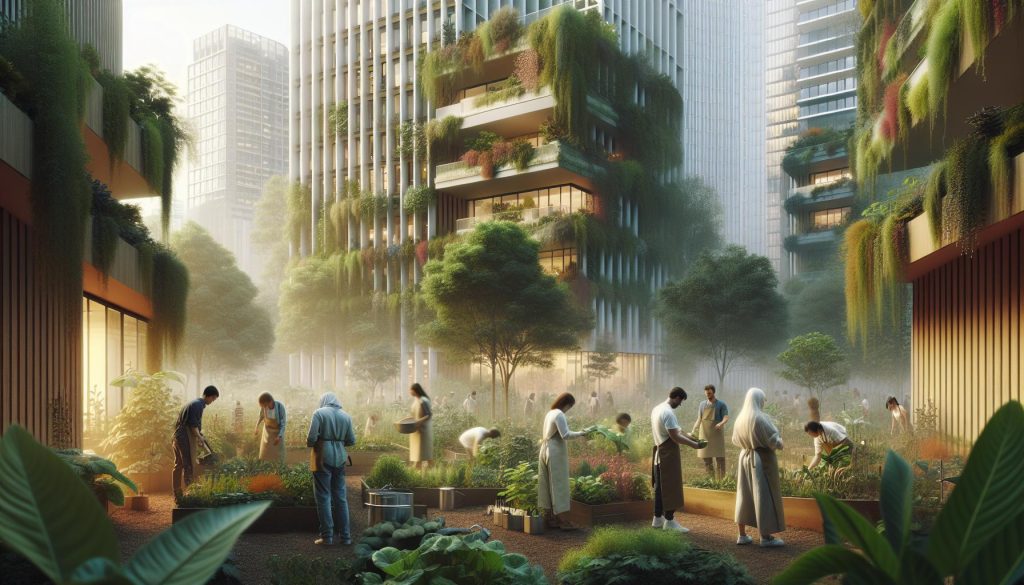
Did you know that over half of the world’s population now lives in urban areas? This rapid urbanization presents unique challenges, but it also offers a tremendous opportunity to harmonize nature within our cities. Urban ecology is the study of how living and nonliving components interact in these man-made environments, revealing how urban spaces can support biodiversity and sustain natural processes. By understanding and applying urban ecological principles, we can create greener, healthier cities that not only benefit the environment but also enhance our quality of life. In this exploration of urban ecology, you will discover practical ways to foster biodiversity in your neighborhood, optimize resources, and contribute to a sustainable future. Join us in uncovering how nature can thrive amidst the concrete and steel, and learn to make eco-conscious choices that foster a resilient urban ecosystem.
What Is Urban Ecology and Why It Matters
Urban ecosystems are not merely concrete jungles; they serve as dynamic landscapes where nature and human society intertwine. Urban ecology is the scientific exploration of these interactions, studying how living organisms engage with one another and their surroundings within metropolitan areas. It encompasses a wide range of elements including flora, fauna, water systems, and social structures that collectively shape urban life. Understanding urban ecology is critical, as it not only illuminates the relationship between biodiversity and urbanization but also emphasizes the importance of fostering resilient ecosystems that can coexist with human activities.
Incorporating green spaces, such as parks, gardens, and green roofs, plays a pivotal role in enhancing urban ecology. These areas are vital for improving air quality, mitigating urban heat, and promoting overall well-being among urban dwellers. Additionally, they serve as habitats for various species, which helps to maintain biodiversity amidst the urban landscape. As cities continue to expand, recognizing the significance of these natural elements becomes essential for promoting sustainable development and improving the quality of life for city residents.
Urban ecology matters because it directly impacts our health, the environment, and even the economy. By studying these interactions, we can find innovative solutions that reconcile human needs with ecological integrity. Initiatives like urban gardening not only beautify spaces but also contribute to local food systems and enhance community bonds. Embracing such practices empowers individuals and communities by providing practical pathways to adopt eco-conscious lifestyles while ensuring that nature thrives in the heart of urban settings.
The Role of Green Spaces in Cities
Green spaces in urban environments are more than just lovely patches of greenery; they are essential lifelines that foster ecological balance and enhance the lives of city dwellers. Did you know that cities can be significantly warmer than their rural counterparts, a phenomenon known as the “urban heat island effect”? Green spaces play a crucial role in mitigating this effect, offering much-needed shade and facilitating natural cooling. They improve air quality by absorbing pollutants and producing oxygen, creating healthier living conditions for urban populations.
These areas also serve as vital habitats for a variety of species, promoting biodiversity within metropolitan regions. Parks, gardens, and even green roofs can support birds, insects, and small mammals, contributing to a more resilient urban ecosystem. For instance, creating urban wildlife corridors allows animals to move between habitats, thus sustaining populations that might otherwise struggle in fragmented urban landscapes. By integrating plants that are local to the area, urban planners can enhance these spaces to not only look beautiful but also support native species.
Engaging with green spaces can also have significant psychological benefits. Research shows that spending time in nature can reduce stress, improve mood, and enhance overall well-being. This makes access to parks and gardens crucial, especially in densely populated cities where residents might lack private outdoor spaces. Community gardens, in particular, allow local residents to cultivate their own food, fostering not just food security but also community ties.
Thus, the integration of green spaces should be a cornerstone of urban planning. By prioritizing these natural assets, we can create more livable, sustainable cities that harmoniously blend human activity with the natural world. Whether by advocating for more community green initiatives, participating in gardening projects, or simply taking the time to enjoy your local park, every action can contribute positively to urban ecology.
Biodiversity: A Key Component of Urban Ecology
Cities often evoke images of concrete and steel, but beneath the surface lies a dynamic interplay of life-a vibrant tapestry of biodiversity that can flourish even in urban settings. Urban biodiversity, which encompasses plants, animals, and microorganisms within city environments, plays a crucial role in enhancing the ecological health of our metropolitan areas. Far from being mere backdrop, these living forms contribute to the sustainability and resilience of our cities, proving that nature can indeed thrive amidst human development.
Preserving and enhancing biodiversity in urban areas comes with a multitude of benefits. Firstly, diverse ecosystems provide essential services: they support clean air and water, facilitate pollination for edible plants, and regulate temperatures through natural shade. Moreover, green roofs and walls, pollinator gardens, and native landscaping can transform utilitarian spaces into habitats that encourage wildlife to return. For example, installing birdhouses and insect hotels can attract beneficial species such as pollinators and pest predators, enhancing the urban environment’s ecological balance.
Community involvement is pivotal to fostering urban biodiversity. Residents can play a significant role by participating in local conservation efforts, creating community gardens, or advocating for urban wildlife corridors. Engaging the public in sustainability initiatives not only cultivates a sense of stewardship but also raises awareness about the importance of biodiversity. Consider joining local workshops that educate citizens on native plant species or sustainable gardening practices to create habitat-friendly spaces in their backyards or public spaces.
Moreover, the integration of biodiversity into urban planning is essential for long-term sustainability. Policymakers and city planners can prioritize ecological landscaping, enforce biodiversity-friendly zoning laws, and facilitate green space development that includes diverse plant species. Emphasizing urban biodiversity not only improves ecological systems but also enhances residents’ quality of life, creating cities in which both people and nature can thrive harmoniously. As urban dwellers, embracing small changes-like planting native flora or participating in local ecological restoration projects-can collectively make a significant impact, paving the way for cities that are not just built environments but thriving ecosystems.
Sustainable Urban Design: Best Practices
In an era where urban environments continue to expand, sustainable urban design emerges as a critical approach to cultivating thriving ecosystems within cities. Thoughtfully designed spaces not only enhance the aesthetic appeal of metropolitan areas but also create a symbiotic relationship between nature and urban life. The principles of sustainable urban design focus on maximizing green space, encouraging biodiversity, and promoting eco-friendly practices, ensuring that cities are not just concrete jungles but vibrant, living systems that coexist harmoniously with nature.
One fundamental practice in sustainable urban design is the integration of green infrastructure. This includes elements such as green roofs, permeable pavements, and rain gardens, which help manage stormwater, reduce heat islands, and provide habitats for wildlife. For instance, cities like Chicago have successfully implemented green roofs on municipal buildings to mitigate urban heat while offering green space that attracts pollinators and birds. These designs not only support environmental health but also enhance the quality of life for residents by providing recreational spaces and improving air quality.
Moreover, sustainable urban design emphasizes walkability and public transportation, which reduce reliance on cars and lower greenhouse gas emissions. By creating pedestrian-friendly environments with ample biking lanes, cities can promote healthier lifestyles and decrease traffic congestion. Cities like Amsterdam serve as an exemplary model, where extensive biking infrastructure has made cycling a primary mode of transportation, resulting in decreased pollution and enhanced community engagement. Planners can encourage these practices by designing mixed-use developments that place amenities-residential, commercial, and recreational-within walking distance of each other.
Community involvement is equally vital in sustainable urban planning. Engaging local citizens in the planning process fosters a sense of ownership and responsibility for their environment. This can be achieved through workshops, community gardens, or participatory design initiatives that allow residents to voice their needs and preferences. For example, the creation of urban parks often involves local input to ensure that they cater to community interests, ultimately leading to well-utilized and cherished public spaces. By empowering communities to contribute to the design and stewardship of their surroundings, cities can nurture a culture of sustainability and ecological mindfulness.
Incorporating these best practices not only makes cities more sustainable but also fortifies ecological resilience, preparing them for future challenges such as climate change and population growth. By prioritizing green infrastructure, promoting eco-friendly transportation, and engaging communities in the development process, urban areas can transform into flourishing ecosystems where nature thrives alongside human activity.
The Impact of Urbanization on Local Wildlife
Urbanization fundamentally alters landscapes and ecosystems, often posing significant challenges to local wildlife. With expansive urban development, natural habitats are fragmented, diminishing the spaces where many species thrive. For instance, the construction of buildings, roads, and infrastructure leads to the destruction of habitats essential for wildlife survival, resulting in a phenomenon known as habitat loss. This not only displaces animals but can also cause population declines in native species struggling to adapt to rapidly changing environments.
Urban areas can also introduce a range of stressors that affect local wildlife. Increased human activity, noise pollution, and light pollution disrupt natural behaviors and feeding patterns. For example, nocturnal animals may be adversely affected by streetlights, which can alter their foraging habits and reproductive cycles. Additionally, the presence of invasive species often accelerates competition for resources, leading to the decline of local species that have not evolved to cope with these newcomers. Efforts to mitigate these impacts include creating wildlife corridors and integrating native landscaping in urban planning, which can provide essential pathways for wildlife movement and sustain biodiversity.
Despite the challenges posed by urbanization, cities can also become havens for wildlife if thoughtfully designed. Community initiatives such as urban gardens, green roofs, and dedicated wildlife corridors can enhance local biodiversity. By incorporating native plants that attract pollinators and providing habitats for birds, urban areas can transform into vibrant ecosystems. Urban dwellers can contribute by supporting wildlife-friendly practices in their neighborhoods, such as avoiding pesticides, participating in local conservation initiatives, and advocating for green spaces that prioritize native flora and fauna.
In conclusion, while urbanization poses significant challenges to local wildlife, it also presents opportunities for innovative solutions. By fostering a culture of coexistence and environmental stewardship, urban communities can play a vital role in creating a harmonious balance between urban living and nature, ensuring that biodiversity not only survives but thrives within city landscapes.
Innovative Solutions for Urban Sustainability
Cities are rapidly transforming, and with that transformation comes a unique opportunity to innovate for sustainability. By integrating ecological principles into urban planning and community practices, we can create cities that not only serve human needs but also foster thriving ecosystems. go beyond conventional recycling and energy efficiency; they involve rethinking the infrastructure and everyday practices that shape our urban environments.
One effective approach is implementing green infrastructure, such as green roofs, rain gardens, and permeable pavements. These features not only manage stormwater runoff but also reduce urban heat and improve air quality. For instance, a building with a green roof can lower surrounding temperatures, offer insulation benefits, and provide habitats for urban wildlife. Moreover, investing in urban forestry-planting trees in urban spaces-can enhance biodiversity, reduce heat islands, and improve residents’ mental health by providing shaded areas and aesthetic beauty.
Another innovative strategy involves community engagement and the promotion of urban agriculture. Cities can allocate underutilized land for community gardens, rooftop farms, and edible landscaping. These initiatives enhance food security, lower carbon footprints, and foster community bonds as residents work together to cultivate green spaces. Engaging local schools in gardening programs can also educate youth about ecology and sustainability, instilling a sense of environmental responsibility from an early age.
Technology plays a vital role in these innovations. Smart city initiatives leverage data to optimize resources efficiently. For example, intelligent waste management systems can monitor bin levels and optimize collection routes, reducing emissions and operational costs. Similarly, using sensors in vegetation to monitor health and biodiversity can help city planners make informed decisions about the maintenance and improvement of green spaces.
By embracing these creative solutions, urban dwellers can actively contribute to a more sustainable future. Every step counts-be it participating in local clean-up efforts, supporting native plant gardens, or just advocating for sustainable practices within the community. The collaborative effort of individuals, communities, and city planners can lead to more resilient urban environments where nature and humanity thrive side by side.
Community Engagement in Urban Ecology
In urban ecology, community engagement acts as a driving force behind fostering sustainable practices and biodiversity in cities. By actively involving residents in local ecological initiatives, communities can significantly enhance the ecological integrity of their urban environments. Engaging with the community not only empowers residents but also cultivates a sense of ownership and responsibility towards their surroundings. For instance, organized neighborhood clean-up days can transform previously neglected areas into vibrant community spaces, encouraging pride in local ecosystems and instilling sustainable habits.
Ways to Foster Community Engagement
Effective strategies for promoting community involvement in urban ecology include:
- Workshops and Educational Programs: Offering hands-on workshops on topics such as native gardening, composting, or organic farming can equip community members with the skills they need to make environmentally conscious choices.
- Community Gardening: Establishing local gardens allows residents to collaborate, grow food, and enhance biodiversity in urban settings. Community gardens can serve as green oases, improving food security and providing spaces for education and social interaction.
- Citizen Science Projects: Involving residents in data collection, such as monitoring local plant and animal species, can heighten awareness about local biodiversity and foster a deeper connection with nature.
- Collaborative Art Projects: Engaging community members in ecological art installations can bring environmental issues to the forefront, making sustainability visually and culturally relevant.
Building Strong Networks
Creating effective networks among residents, local businesses, and municipal organizations can amplify these initiatives. By fostering collaboration between these groups, cities can implement projects that benefit both the community and the environment. For example, local businesses can sponsor community gardens or sustainability workshops, while governmental agencies can provide resources and logistical support.
Community engagement is not just beneficial for the environment; it strengthens social bonds, enhances the quality of life, and fosters a sense of belonging among residents. By nurturing these connections, urban dwellers can create resilient communities that thrive harmoniously with nature. Each individual action contributes to a collective impact, transitioning urban areas into flourishing ecosystems where both humans and wildlife can coexist peacefully.
Case Studies: Successful Urban Ecology Initiatives
Cities around the world are increasingly becoming platforms for innovative urban ecology initiatives that successfully integrate nature into urban landscapes. One standout example is the High Line in New York City. Once an abandoned freight rail line, the High Line was transformed into a 1.45-mile elevated park that combines greenery with art and community space. This project not only revitalized a neglected area but also served as a critical habitat for various bird species and urban wildlife. By enhancing biodiversity in an otherwise concrete jungle, the High Line exemplifies how urban design can support ecological health and provide recreational space for residents, illustrating the principles of urban ecology in action.
Another compelling case can be found in the city of Copenhagen, Denmark, where the establishment of “green roofs” on over 300 buildings is reshaping urban habitats. These green roofs are not only aesthetic additions but also function as mini-ecosystems, providing habitats for pollinators, stormwater management, and noise reduction. This initiative is part of Copenhagen’s broader goal of becoming the world’s first carbon-neutral city by 2025. By prioritizing biodiversity in urban infrastructure, the city enhances its resilience to climate change while promoting community engagement through accessible green spaces.
Moreover, the urban gardening movement across cities like Detroit has transformed vacant lots into vibrant community gardens. These gardens are empowering local residents by providing access to fresh produce, improving food security, and fostering community ties. They also offer educational opportunities through workshops on sustainable gardening practices, allowing community members to cultivate not just plants but also a sense of purpose and responsibility towards their local environment. This grassroots movement highlights the essential role of local communities in driving urban ecological success, creating sanctuaries for biodiversity within urban contexts.
The success of these initiatives reveals a crucial truth: integrating nature into urban environments is not just beneficial but essential for creating sustainable, livable cities. By learning from these case studies, cities can develop similar projects that embrace ecological principles, ultimately leading to healthier urban ecosystems and communities that can thrive alongside nature.
Urban Gardening: Cultivating Nature in the City
In bustling urban environments, where concrete often takes precedence over greenery, urban gardening serves as a vital lifeline for reconnecting city dwellers with nature. Engaging in urban gardening not only beautifies spaces but also enhances biodiversity, promotes sustainability, and fosters a sense of community. To illustrate, studies show that even small patches of greenery can drastically reduce urban heat, improve air quality, and support pollinator populations, which are essential for food production and ecological balance.
Creating an urban garden can be as simple as utilizing available spaces such as balconies, rooftops, community lots, and even vertical walls. Here are some practical steps to get started:
- Assess Your Space: Evaluate the area available for gardening. Consider factors like sunlight, wind exposure, and water access.
- Choose Your Plants: Select plants based on your climate and the amount of sunlight your space receives. Opting for native plants can enhance biodiversity and reduce the need for irrigation.
- Create a Plan: Sketch out your garden layout to include pathways, seating areas, and plant beds. A well-planned garden is both functional and aesthetically pleasing.
- Soil Preparation: Invest in good quality soil, as it’s fundamental to plant health. You might also consider composting to enrich your soil naturally.
- Engage the Community: If you’re gardening in a shared space, involve local residents in planting and maintenance to foster community spirit and shared responsibility.
In cities like Detroit, community gardens have transformed neglected spaces into vibrant areas that not only provide fresh produce but also promote social interaction. Workshops on sustainable gardening practices empower citizens to take charge of their food sources while cultivating a collective knowledge base. This grassroots movement showcases how urban gardens can serve as catalysts for community engagement, educational opportunities, and enhanced local food systems.
Moreover, urban gardening presents a unique opportunity for residents to decrease their ecological footprints. By growing their own fruits and vegetables, individuals can significantly reduce food miles and packaging waste associated with store-bought produce. These practices not only contribute to greater sustainability but also encourage mindfulness surrounding consumption and the environment.
Embracing urban gardening can lead to a healthier lifestyle, deeper connections with nature, and stronger community ties, proving that even in a concrete jungle, nature can not only thrive but flourish. Through collective efforts in cultivating urban gardens, cities can transform into thriving ecosystems that enhance quality of life for all residents.
How Technology Enhances Urban Ecological Practices
The integration of technology into urban ecological practices opens up a world of possibilities for enhancing sustainability and biodiversity within cities. Innovative tools and systems are redefining how we monitor, manage, and interact with urban ecosystems. For instance, cities are increasingly utilizing smart sensors and data analytics to track environmental conditions, providing real-time feedback on air quality, temperature, and soil health. These technologies enable city planners and citizens alike to make informed decisions that support healthier urban environments.
To harness the power of technology successfully, cities can adopt a variety of digital platforms and apps that encourage green behavior among residents. Community engagement can be significantly enhanced through mobile applications that provide information on local green spaces, gardening tips, and volunteer opportunities for urban conservation projects. Moreover, platforms that facilitate sharing resources, such as tools or seeds, can promote community connectivity and reduce waste.
Furthermore, the implementation of geographic information systems (GIS) allows urban ecologists and city planners to visualize and analyze spatial data. This can be critical for effective land-use planning, highlighting areas where green spaces can be expanded or better managed. These systems also enable the identification of biodiversity hotspots within urban settings, which can guide conservation efforts and habitat restoration.
Incorporating renewable energy technologies, such as solar panels and green roofs, into urban development not only reduces the carbon footprint of buildings but also contributes to enhanced biodiversity. Integrating nature-based solutions-like permeable pavements that allow rainwater to filter down into the ground-helps manage stormwater while creating more sustainable urban landscapes.
By embracing technological advancements, cities can transform into flourishing ecosystems that not only sustain human life but also prioritize the health of the planet. Urban ecology greatly benefits from these innovations, illuminating the path toward a more interconnected, eco-conscious urban existence that balances human activity with nature’s needs.
Policy and Planning for Ecological City Development
Urban environments occupy a unique space in the ecological landscape, offering incredible potential for balanced coexistence between nature and urban life. As cities expand, the role of thoughtful policy and planning becomes crucial for fostering ecological resilience. Implementing robust guidelines and frameworks can maintain the delicate balance required to ensure that cities are not just concrete jungles but thriving ecosystems filled with biodiversity.
Collaboration among various stakeholders-government agencies, local communities, and environmental organizations-is vital in developing urban ecology initiatives. Proactive measures can include the establishment of urban ecological policies that prioritize green spaces, protect existing wildlife habitats, and promote sustainable building practices. Urban planners should engage in practices such as:
- Incorporating green infrastructure: Features like green roofs, urban forests, and rain gardens not only beautify cities but also help manage stormwater, enhance air quality, and provide habitats for wildlife.
- Promoting mixed-use zoning: This can reduce urban sprawl, minimize transportation emissions, and encourage walkability, making it easier for residents to integrate nature and daily living.
- Establishing community gardens: These spaces foster both biodiversity and community. They act as vital gathering spots while also providing opportunities for learning about sustainable practices and healthy food production.
Effective policy also requires ongoing evaluation and adaptation to address emerging ecological challenges. For example, integrating data analytics and GIS technology can allow for real-time environmental assessments, helping city officials respond swiftly to issues like pollution or habitat degradation. Smart policies should also include:
- Encouraging local renewable energy projects: This reduces reliance on fossil fuels and helps cities meet sustainability targets, fostering a sense of community ownership among residents.
- Implementing education programs: Raising awareness about sustainability and encouraging eco-friendly practices can empower citizens to contribute actively to their urban environments.
- Incentivizing the use of sustainable materials: Building codes and regulations can encourage developers to use environmentally friendly materials, reducing the overall ecological footprint of construction projects.
Through collaborative efforts, cities can emerge as models of ecological development. Ultimately, thoughtful policy and planning will lay the groundwork for not just the cities we inhabit, but for a healthier planet where nature thrives alongside urban communities.
The Future of Urban Ecology and Community Resilience
As urban areas expand and evolve, the intersection of nature and city life becomes ever more critical. Cities, home to more than half of the global population, are unique ecosystems where human innovation and natural processes must coexist. The future of urban ecology hinges on recognizing this potential and fostering resilience within communities, enabling them to withstand and adapt to environmental changes while also enriching urban biodiversity.
One of the primary strategies to enhance community resilience is through the incorporation of green infrastructure, which serves multiple functions beyond aesthetic appeal. Green roofs, permeable pavements, and urban parks can mitigate the heat island effect, reduce stormwater runoff, and improve air quality. These spaces not only provide habitats for local wildlife but also create environments where communities can engage with nature. As cities reinvent themselves, integrating biodiversity into planning and development processes becomes essential. The restoration of natural habitats and the establishment of wildlife corridors can promote species diversity, enabling ecosystems to thrive even in densely populated areas.
Community engagement is equally vital in charting a sustainable urban future. By involving residents in decision-making and fostering a sense of ownership, cities can inspire citizens to actively participate in ecological initiatives. Initiatives like neighborhood clean-ups, local tree planting, and community-supported agriculture strengthen ties between people and their environment. Additionally, educational programs can empower individuals to adopt sustainable practices in their daily lives, from reducing single-use plastics to conserving water and energy.
Technology also plays a pivotal role in supporting urban ecological practices. Smart city technologies, such as real-time data analytics and sensor networks, can provide insights into urban ecosystems’ health and functionality. For instance, smart sensors can monitor air quality and help adjust urban vegetation accordingly, ensuring that cities adapt dynamically as environmental conditions change. Furthermore, digital platforms can facilitate community engagement by connecting residents to local ecological projects, resources, and educational opportunities.
Ultimately, the vision for urban ecology is one where relationships between humans and nature are harmonized. When cities embrace their ecological foundations, they not only improve the quality of life for their residents but also contribute to global sustainability efforts. By nurturing these interconnected systems, urban areas can emerge as resilient, thriving ecosystems that serve as models for future development and environmental stewardship.
Frequently Asked Questions
Q: What is the importance of urban ecology in city planning?
A: Urban ecology is essential in city planning as it promotes the integration of natural systems within urban spaces. This leads to improved biodiversity, enhanced green spaces, and healthier living environments. Understanding urban ecological principles can help create sustainable cities that prioritize ecological balance and community well-being.
Q: How does urban ecology differ from traditional ecology?
A: Urban ecology differs from traditional ecology by focusing on interactions among organisms and their environments specifically in urban settings. It examines how human activity influences these relationships, providing insights that inform urban design and planning while considering unique challenges like pollution and habitat fragmentation.
Q: What are some innovative practices in urban ecology?
A: Innovative practices in urban ecology include vertical gardens, green roofs, and urban rewilding initiatives. These strategies enhance biodiversity, improve air quality, and reduce the urban heat island effect. Implementing such practices can create more resilient urban environments that support diverse ecosystems.
Q: How can individuals contribute to urban ecology?
A: Individuals can contribute to urban ecology by participating in local community gardens, advocating for green space development, and practicing sustainable gardening in their own yards. Additionally, reducing waste and promoting biodiversity through native plant cultivation can significantly enhance urban ecological health.
Q: What role do community organizations play in urban ecology?
A: Community organizations play a crucial role in urban ecology by mobilizing citizens, providing educational resources, and implementing green initiatives. They foster collaboration among residents, policymakers, and businesses to create sustainable urban environments that prioritize ecological restoration and community health.
Q: How does urban heat impact biodiversity in cities?
A: Urban heat can severely impact biodiversity by creating inhospitable environments for many species. Increased temperatures can lead to habitat loss and altered species distributions. Promoting green roofs, trees, and reflecting surfaces can mitigate urban heat effects and support diverse species in cities.
Q: In what ways can technology support urban ecology?
A: Technology supports urban ecology through tools like Geographic Information Systems (GIS) for mapping biodiversity, smart sensors for monitoring environmental conditions, and mobile applications to engage the community in ecological initiatives. Leveraging technology enhances data collection and fosters informed decision-making around urban sustainability.
Q: What is a common challenge faced in urban ecology efforts?
A: A common challenge in urban ecology is balancing development with conservation. Rapid urbanization often leads to habitat destruction and decreased biodiversity. Effective policies and community advocacy are vital to ensure that ecological considerations are integrated into urban planning.
Insights and Conclusions
As we explore the essential principles of urban ecology and its crucial role in fostering nature within our cities, it’s clear that understanding and nurturing these ecosystems can significantly improve both environmental health and community well-being. Don’t miss the opportunity to deepen your knowledge-check out our informative articles on sustainable urban planning and biodiversity in cities, which can empower you to make a positive impact in your own neighborhood.
Now is the time to take action! Consider subscribing to our newsletter for practical tips on integrating green practices into your daily life or explore our eco-friendly product recommendations. By investing in sustainable living, you support not only your local ecosystem but also a global movement towards healthier urban environments. Share your thoughts or questions in the comments below; your engagement is vital as we work together toward a greener future. Let’s continue this journey-every small action counts!