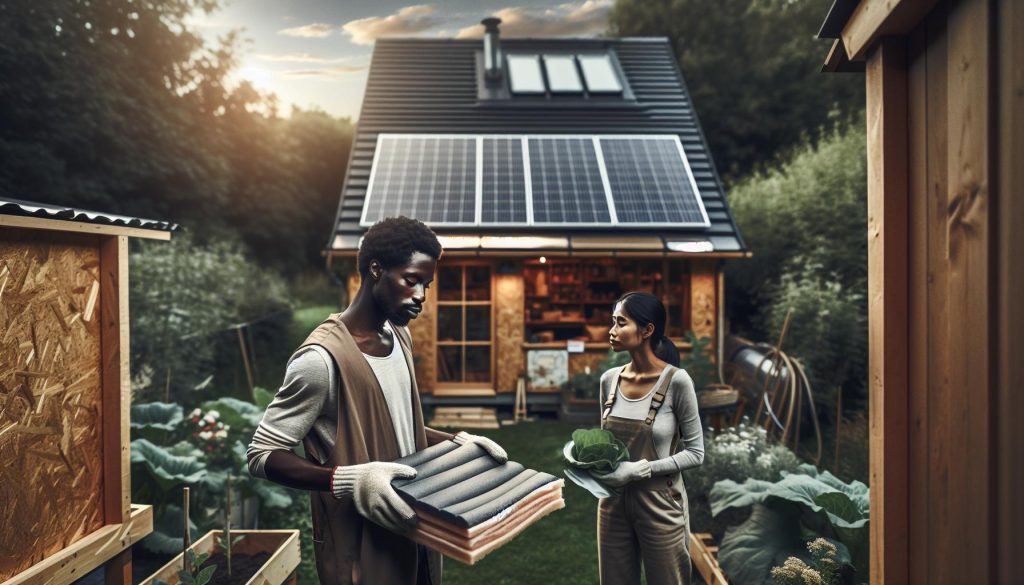
Did you know that the construction and renovation sectors are responsible for nearly 40% of global carbon emissions? As more homeowners seek to reduce their ecological footprints while saving on energy bills, eco-friendly renovations are becoming essential. This guide on “How to Make Eco-Friendly Renovations That Save Money & Planet” will walk you through practical strategies for transforming your living space into a sustainable haven. By choosing environmentally responsible materials and energy-efficient designs, you can not only enhance your home’s comfort and value but also contribute positively to the planet’s health. Dive in to discover actionable tips that align your home improvements with your values, ensuring that your renovation journey benefits both your finances and the environment.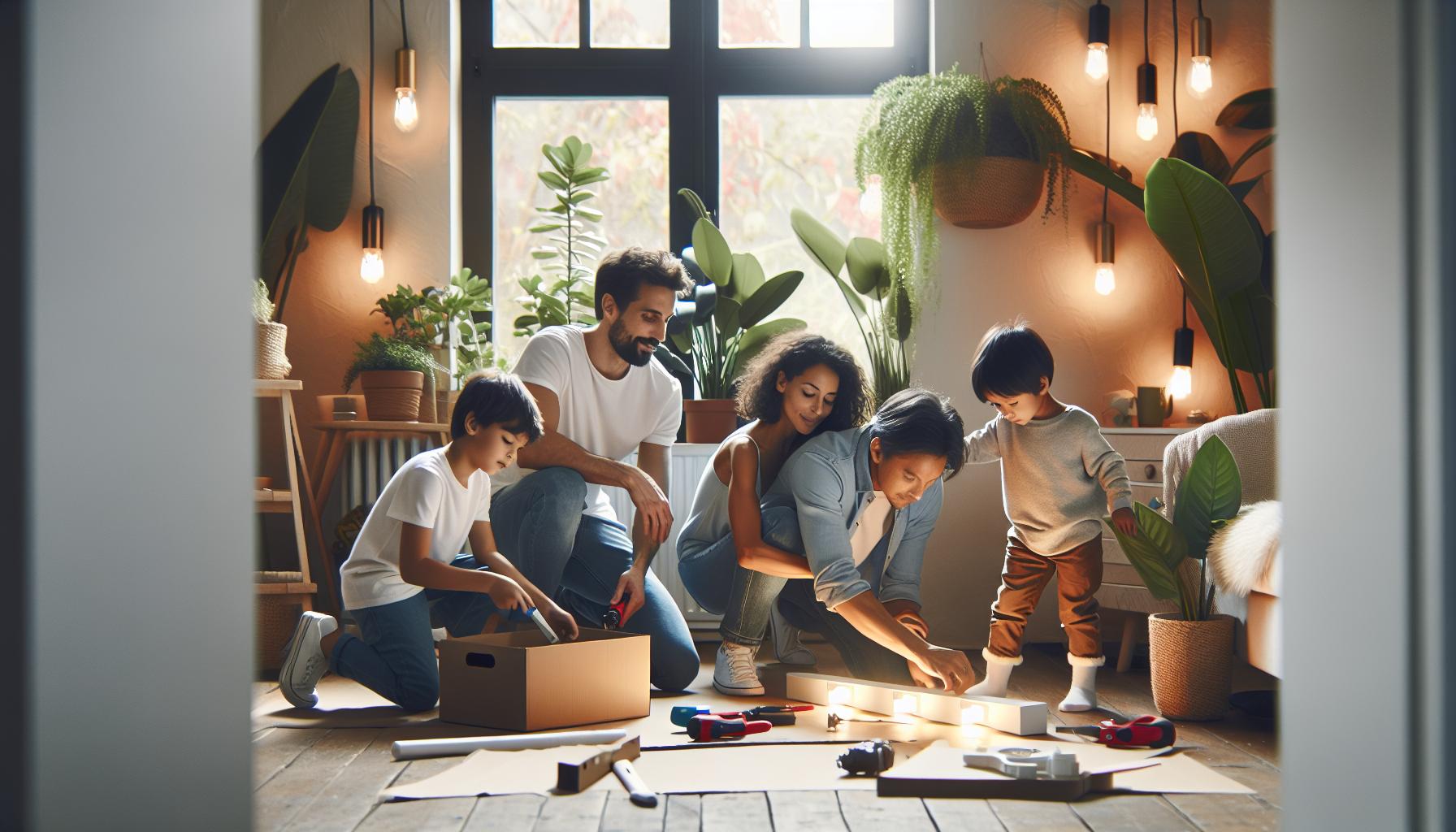
Understanding Eco-Friendly Renovations and Their Benefits
Renovating your home in an eco-friendly manner does more than enhance aesthetic appeal; it fosters a healthier living environment and significantly reduces your carbon footprint. The concept of eco-friendly renovations revolves around the principle of sustainability-not just in materials used, but in the overall impact those choices have on the planet. By prioritizing energy efficiency, using sustainable materials, and minimizing waste, you become part of a vital movement towards a more sustainable future. This approach aligns with the urgent need to address climate change, as buildings contribute approximately 40% of global carbon emissions.
The benefits of eco-friendly renovations extend beyond environmental concerns; they can lead to considerable savings over time. For instance, installing energy-efficient appliances or quality insulation can drastically reduce your utility bills. Moreover, green renovations can increase your property value, making your home more attractive to potential buyers who value sustainability. Engaging in practices like using recycled materials or locally sourced products not only supports the local economy but also reduces transportation emissions, reinforcing the importance of community in sustainability efforts.
Adopting eco-friendly strategies can be a fulfilling and imaginative process. Simple steps like enhancing natural lighting through larger windows or utilizing passive solar heating demonstrate that sustainability does not have to sacrifice style or comfort. The incorporation of green technologies like smart thermostats or rainwater harvesting systems can help manage resources efficiently. When implementing these strategies, consider the long-term impact of your decisions, ensuring that your renovations promote biodiversity, conserve resources, and enhance the health of our planet for future generations. In doing so, you participate in a meaningful solution to global challenges while enjoying the immediate benefits of a healthier, more sustainable home.
The Financial Advantages of Sustainable Home Improvements
Investing in sustainable home improvements can yield significant financial benefits, making it an appealing choice for homeowners looking both to enhance their living spaces and save on costs in the long run. For example, according to the U.S. Department of Energy, making energy-efficient upgrades can reduce energy bills by 20% to 30%, allowing homeowners to recoup their investments over time.
One of the most impactful financial advantages comes from reduced utility costs. Energy-efficient appliances, high-quality insulation, and LED lighting not only create a more comfortable home but also lead to lower monthly bills. When considering upgrades, think about the return on investment (ROI). Installing solar panels can have an upfront cost, but many homeowners see payback within five to ten years due to the substantial reduction in electricity costs. Additionally, homes equipped with green features often command higher resale values. Buyers are increasingly drawn to properties that promise lower ongoing expenses and environmentally responsible lifestyles.
Moreover, there are various government incentives and tax credits available for homeowners who choose to renovate sustainably. These financial benefits can significantly offset the initial costs, making eco-friendly choices more accessible. For instance, energy-efficient windows and appliances may qualify for tax credits, while some local programs offer rebates for sustainable landscaping or efficient HVAC systems. Understanding the available incentives can help you plan your renovation more effectively.
In addition to these savings, green renovations foster a healthier living environment, which can lead to improved well-being and productivity. Investing in non-toxic materials can minimize health risks, improving air quality and potentially reducing healthcare costs related to pollution and allergens.
By prioritizing sustainable home improvements, homeowners not only contribute to a healthier planet but also create recourse for financial benefits that can be both immediate and long-lasting. The harmony of saving money while promoting sustainability makes eco-friendly renovations a wise and empowering choice.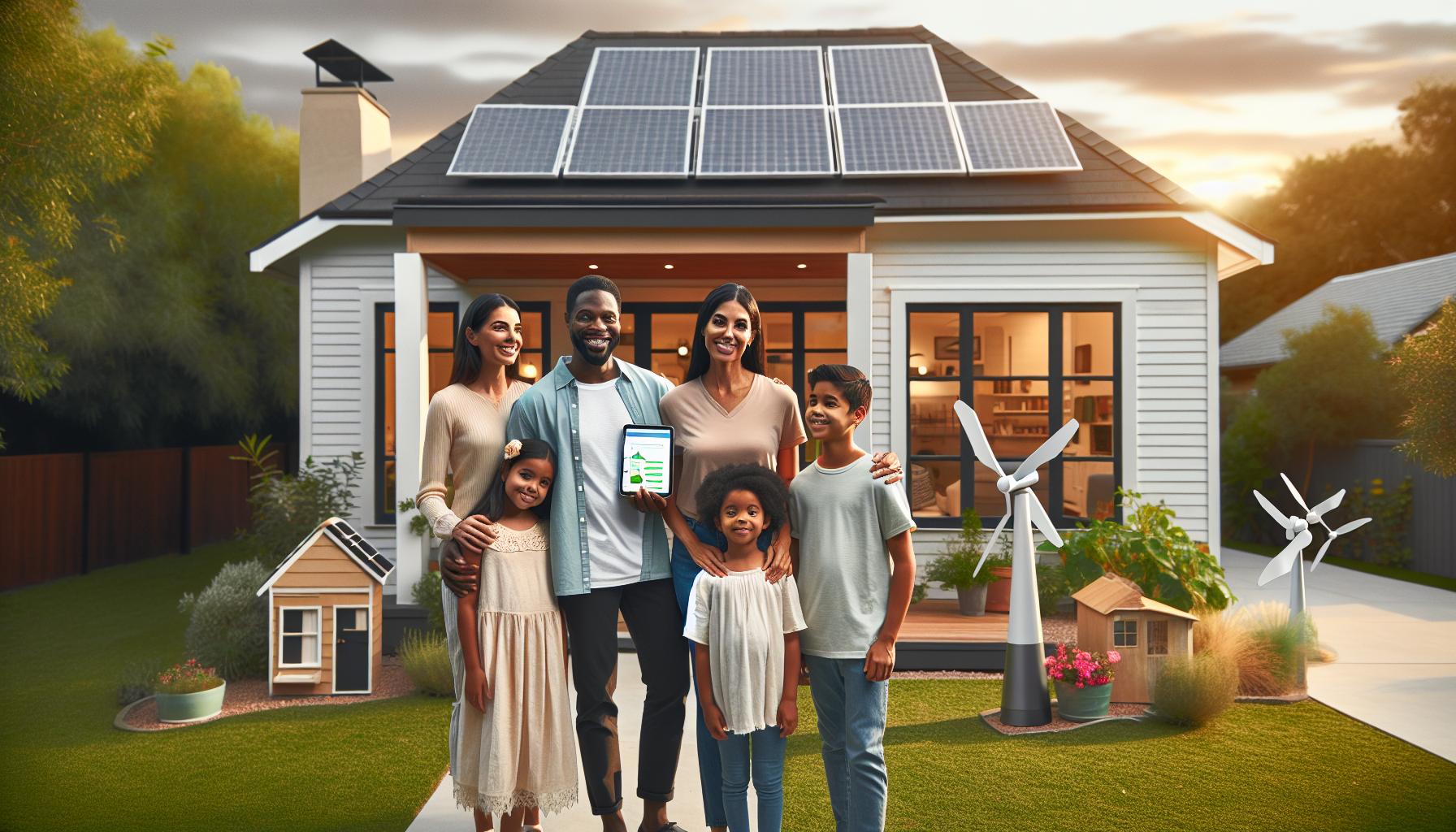
Choosing Sustainable Materials for Your Renovation
In the quest for sustainable living, the materials you choose for your renovation play a crucial role in reducing your ecological footprint. Opting for sustainable materials not only benefits the environment but also enhances your home’s comfort and value. For instance, using reclaimed wood not only keeps valuable resources out of landfills but also adds character and warmth to your space. Similarly, bamboo, a rapidly renewable resource, is becoming a popular choice for flooring and cabinetry due to its durability and aesthetic appeal.
When selecting materials, look for certifications that ensure sustainability. Products bearing the FSC (Forest Stewardship Council) label indicate the timber was harvested sustainably. Likewise, materials that are Cradle to Cradle certified demonstrate a commitment to environmental and social responsibility. Utilizing materials that are locally sourced can also significantly reduce transportation emissions and support your local economy.
Another consideration is the lifecycle of the materials. Choosing items that are durable and require less maintenance can lead to long-term savings and reduced waste. For example, fiber-cement siding is not only resistant to rot and pests but also has a longer lifespan compared to traditional wood siding. Another great alternative is recycled steel, which can be used for roofing or framing and provides both strength and resistance to the elements.
Incorporating sustainable materials into your renovation doesn’t mean sacrificing style. Eco-friendly options are increasingly stylish and diverse. From low-VOC (volatile organic compounds) paints that improve indoor air quality to countertops made from recycled glass or paper, today’s eco-friendly products are as visually appealing as they are responsible.
By making informed choices about the materials you use in your renovation, you can create a healthier living space for yourself while protecting the planet for future generations. Engage with local suppliers who specialize in eco-friendly options and ask for product transparency, which will not only help you make better choices but also inspire those around you to do the same.
Energy-Efficient Upgrades That Reduce Bills
Implementing energy-efficient upgrades in your home can significantly reduce both your utility bills and your environmental impact. In fact, studies show that homes equipped with energy-efficient features can save up to 30% on energy costs annually. These upgrades not only minimize waste but also increase the comfort and value of your property, making them a sound investment for any homeowner.
One of the most effective ways to enhance your home’s energy efficiency is through improved insulation. A well-insulated home maintains temperature more effectively, reducing the reliance on heating and cooling systems. Consider adding insulation to attics, basements, and walls, utilizing materials like cellulose, spray foam, or fiberglass batts, which can drastically lower your energy consumption.
In addition to insulation, upgrading to energy-efficient appliances can have a profound impact on your energy bills. Look for appliances that carry the Energy Star label, which ensures they meet strict efficiency guidelines set by the U.S. Environmental Protection Agency. Refrigerators, washing machines, and dishwashers that are Energy Star certified use significantly less energy than their conventional counterparts, translating to measurable savings over time.
Moreover, installing smart thermostats is another game-changer for energy management. These devices learn your schedule and preferences, optimizing heating and cooling based on when you’re home or away. This technology not only makes your home more comfortable but also helps eliminate energy waste. Digital tools can even provide insights into your energy usage, allowing you to make informed adjustments.
Finally, consider solar panels as a long-term solution for generating your own energy. While the initial investment can be significant, many homeowners experience substantial savings as solar technology continues to advance and prices decline. Moreover, combining solar panels with local or federal incentives can further enhance savings, helping you to recoup costs more quickly.
By investing in these energy-efficient upgrades, you’re not only reducing your monthly expenses but also contributing to a cleaner and healthier planet. Simple actions can lead to significant impacts-both for your wallet and for the environment.
Smart Technologies for Eco-Conscious Homes
Implementing smart technologies in your home is not just about convenience; it’s a proactive approach to creating a sustainable living environment that aligns with eco-conscious principles. Consider the fact that homes equipped with smart technologies can significantly optimize energy consumption, leading to lower utility bills and reduced carbon footprints. By integrating these innovations, you can enhance your home’s efficiency while enjoying a modern lifestyle.
Embrace Smart Thermostats
One of the simplest yet most effective tools for energy management is a smart thermostat. These devices not only allow you to schedule heating and cooling but also learn your habits over time. A smart thermostat can adjust temperatures automatically based on whether you’re at home or away, helping to eliminate unnecessary energy waste. For instance, instead of the traditional methods of manual adjustments, you can set your thermostat to lower the temperature during the night or when you leave for work.
Utilize Energy Monitoring Systems
Another valuable smart technology for eco-conscious homes is an energy monitoring system. These systems enable you to track your energy usage in real-time, providing insights that can help you identify areas for improvement. Whether through an app or a dedicated monitor, you’ll see which appliances consume the most energy. With this information, you can make informed decisions about which devices to upgrade or habits to change, leading to smarter energy consumption.
Incorporate Smart Lighting Solutions
Smart lighting systems are yet another innovative solution for eco-friendly renovations. LED smart bulbs consume significantly less energy compared to traditional incandescent bulbs and can be controlled remotely via smartphone apps. These systems offer features like dimming, scheduling, and motion sensors, ensuring lights are only on when needed. Transitioning to smart lighting not only conserves energy but also enhances your home’s ambiance.
Consider Smart Appliances
Investing in smart appliances can additionally modernize your home while promoting sustainability. Appliances that connect to Wi-Fi not only provide convenience but often come with built-in energy-saving features. For example, a smart refrigerator can monitor its energy use and suggest optimal settings based on the contents inside. Similarly, smart washing machines can adjust the water usage based on load size, reducing waste dramatically.
By embracing these smart technologies, you’re not only equipping your home with advanced features but also taking crucial steps towards a more sustainable future. The investment in such eco-conscious innovations pays off, fostering a comfortable living space that aligns with your values of environmental stewardship. Embracing these choices inspires others to follow suit, amplifying the positive impact on our planet.
DIY Eco-Friendly Renovation Projects for Every Skill Level
Making eco-friendly renovations can be both fulfilling and financially savvy, engaging individuals at every skill level. For those eager to contribute to sustainability without large investments or extensive renovations, simple DIY projects serve as an effective starting point. Even small changes can yield significant benefits, from reducing energy consumption to minimizing waste, enabling you to create a positive environmental impact while enhancing your living space.
One effective project involves upcycling furniture instead of buying new pieces. For example, transforming an old dresser into a stylish bathroom vanity can save you money and keep perfectly usable materials out of landfills. Using eco-friendly paint or finishes not only revives the item but also ensures that harmful chemicals are kept to a minimum. Additionally, replacing hardware with sustainably sourced options can elevate your piece while supporting responsible manufacturing practices.
Another accessible project is creating your own compost bins using repurposed materials such as wooden pallets or large food containers. Composting reduces landfill waste while providing rich organic matter for your garden. To start, layer green materials (like vegetable scraps) and brown materials (like dried leaves) in your bin, ensuring proper aeration by turning the mixture regularly. Not only does this practice enrich your garden soil, but it also reduces your carbon footprint by minimizing waste.
If you’re looking for a quick energy-saving upgrade, consider replacing standard light bulbs with LED bulbs. This project involves no complex installation; simply swapping out your existing bulbs can cut energy consumption significantly, leading to lower electric bills and a reduced environmental impact. You might even choose to install smart timers that allow you to automate your lighting according to your schedule, further optimizing energy use.
For those with a bit more experience, painting with low-VOC paints offers an opportunity to refresh your home while improving indoor air quality. Choose paint that emits fewer volatile organic compounds (VOCs), which are harmful to both your health and the environment. Transitioning to eco-friendly paints demonstrates a commitment to sustainability and can transform your space without compromising on aesthetics.
Engaging in DIY eco-friendly renovations fosters a sense of accomplishment and connection to the environment. Whether it’s through furniture upcycling, minor energy-efficient tweaks, or sustainable gardening, every effort counts towards supporting a greener planet. By allocating time and creativity to these projects, you not only beautify your home but also inspire others to embrace more sustainable living practices.
Hiring Green Contractors: What to Look For
Finding the right contractor for your eco-friendly renovation can significantly enhance the sustainability of your project. It’s essential to look for professionals who not only understand green building practices but also prioritize environmental responsibility. A green contractor should have knowledge about sustainable materials, energy-efficient systems, and waste reduction strategies. This focus ensures that your renovation will not only look beautiful but also reduce its ecological footprint.
When selecting a contractor, consider these key factors:
- Certifications and Experience: Look for certifications such as LEED (Leadership in Energy and Environmental Design) or other green building certifications. Experienced contractors will have a proven track record of sustainable projects, showcasing their familiarity with eco-friendly practices.
- References and Portfolio: Request references from past clients and review the contractor’s portfolio. Pay special attention to projects that emphasize sustainability, as this indicates their capability in handling eco-friendly renovations.
- Knowledge of Sustainable Materials: A good green contractor should be well-versed in eco-friendly materials. Their ability to recommend and source sustainable options ensures your renovation uses materials that are both durable and less harmful to the environment.
- Commitment to Recycling and Waste Reduction: Ask potential contractors about their strategies for managing waste during the project. Effective contractors will have plans for recycling materials and minimizing waste to reduce landfill impact.
An engaging and informative discussion with your contractor about these aspects can also reveal their passion for eco-friendly practices. Don’t hesitate to ask questions regarding their approach to energy efficiency, waste management, and sustainable sourcing.
Ultimately, hiring a green contractor empowers you to achieve a renovation that not only enhances your living space but also contributes positively to the environment. Investing in professionals who prioritize sustainability means choosing a future that’s as green as it is beautiful.
Low-Impact Design Strategies for Every Space
Creating a sustainable home doesn’t have to compromise your design vision. By employing low-impact design strategies, you can cultivate a space that not only looks beautiful but also nurtures the environment. One compelling aspect of low-impact design is its focus on utilizing natural resources wisely while minimizing waste and energy consumption. For instance, positioning windows to maximize natural light reduces the need for artificial lighting and enhances indoor air quality. This simple change not only conserves energy but also creates a more inviting and uplifting living space.
Another effective strategy is to incorporate flexible room layouts that accommodate diverse activities. Open-concept designs can facilitate better airflow and light dispersion, reducing reliance on heating and cooling systems. Using movable partitions allows spaces to adapt for different purposes, reducing the need for extensive square footage. Furthermore, integrating greenery into your home through indoor plants or living walls can improve air quality and provide a calming aesthetic, tying in nature with your living environment.
When selecting materials for your renovation, prioritize items with low environmental impact. Reclaimed wood, recycled metal, and biodegradable materials are excellent choices that contribute to a healthier planet while offering unique textures and aesthetics for your interiors. Utilizing local materials can significantly reduce your project’s carbon footprint by minimizing transportation emissions. For example, sourcing stone or timber from nearby suppliers not only supports local economies but also helps preserve regional character.
Finally, don’t overlook the potential of multi-functional furniture, which can drastically reduce material consumption. Items like modular sofas, collapsible tables, or beds with built-in storage help maximize space and offer versatility for various activities-ideal for smaller homes or apartments. By integrating these low-impact design strategies, you can create a living space that beautifully marries function with sustainability, making a positive impact on both your life and the environment.
Incorporating Biophilic Design for Healthier Living
Integrating biophilic design into your living spaces can significantly enhance your well-being while promoting sustainability. This approach is grounded in our intrinsic need to connect with nature, and research shows that incorporating natural elements into our environments can reduce stress, boost creativity, and improve overall health. For instance, adding large windows that open to beautiful views or using natural materials can transform a standard room into a serene retreat. Incorporating biophilic design is not just about aesthetics; it’s about creating a healthier environment that fosters a deeper appreciation for the natural world.
One of the fundamental principles of biophilic design is maximizing natural light. Studies indicate that exposure to natural light helps regulate our circadian rhythms, leading to improved mood and productivity. Consider installing skylights or large glass doors that open onto patios or gardens to flood your space with daylight. Additionally, strategically placing mirrors can help reflect light deeper into your rooms, enhancing brightness without increased energy consumption.
Incorporating living plants into your home can offer remarkable benefits as well. Not only do plants purify the air by absorbing toxins, but they also increase humidity and promote a sense of calm. You can start small by adding potted plants to your interior or creating a vertical garden on an empty wall. For outdoor areas, consider incorporating native plant landscaping, which supports local biodiversity and requires less water and maintenance, aligning with eco-friendly principles while enhancing the ecological footprint of your property.
Finally, embracing organic shapes and natural patterns in furniture and décor can evoke a sense of tranquility and connection to the environment. Look for furnishings made from sustainably sourced wood or textiles that mimic natural landscapes. These choices not only support sustainable forestry and manufacturing practices but also enhance your home’s aesthetic by bringing the beauty of the outdoors into your daily life. Through biophilic design, you can create an inviting atmosphere that nurtures both personal wellness and environmental stewardship.
Waste Reduction Tips During Renovations
During a renovation, it’s easy to overlook the waste generated throughout the process, but mindful management of materials can significantly reduce your environmental impact. In fact, the construction and demolition sectors are major contributors to landfill waste, with estimates suggesting that these activities account for nearly 40% of the total waste produced. By implementing effective waste reduction strategies, you can not only lessen your ecological footprint but also potentially save money and resources.
Start by conducting a thorough assessment of your current space and identifying which materials can be reused or repurposed. For example, old cabinetry, flooring, or fixtures can often be refinished or revitalized instead of discarded. Donating usable items to local charities or organizations can extend their life cycle while providing benefits to your community. Additionally, platforms exist for selling surplus materials, allowing others to benefit from your unused items while keeping them out of landfills.
Planning your project wisely can minimize waste at the outset. When purchasing materials, consider sourcing items that come with minimal packaging, or opt for bulk quantities to reduce the overall amount of packaging waste. Moreover, choosing local suppliers not only supports community businesses but also minimizes transportation emissions associated with long-distance deliveries.
Lastly, implementing a waste management plan during the renovation can streamline your efforts. Set up separate containers for recycling, composting, and disposal right at the worksite to encourage adherence to your waste-reduction objectives. Hiring a waste management service that specializes in construction can also ensure that materials are correctly diverted from landfills, thus supporting greater sustainability efforts.
By rethinking how you handle waste during renovations, you pave the way for a more sustainable future, transforming potential excess into valuable resources while contributing to a healthier planet.
Transforming Outdoor Spaces with Sustainable Landscaping
Transforming your outdoor spaces through sustainable landscaping not only enhances the beauty of your property but also contributes to the health of the planet. By incorporating native plants, minimizing chemical use, and designing for water conservation, you can create a garden that flourishes while promoting biodiversity and reducing your ecological footprint. Did you know that native plants are better adapted to local climate conditions and soil types? They require less water and care, making them a win-win for both the gardener and the environment.
One of the most effective strategies for sustainable landscaping is to focus on xeriscaping, which involves selecting drought-resistant plants that thrive in your region. This approach not only minimizes water usage but also reduces the need for fertilizers and pesticides. When planning your landscape, consider creating zones based on sunlight, moisture, and soil conditions to help ensure that each plant can reach its full potential without excessive intervention. Additionally, incorporating mulch can help retain soil moisture, suppress weeds, and break down into organic matter over time, enriching the soil.
Creating Functional Outdoor Spaces
Consider the functionality of your outdoor areas. Designing thoughtful paths, seating zones, and recreational areas using permeable materials can prevent runoff and encourage water absorption. Permeable pavers or gravel paths allow rainwater to seep into the ground rather than contributing to stormwater runoff, which is crucial for maintaining healthy local waterways. Furthermore, when you integrate spaces for outdoor living-like covered patios or pergolas using sustainable materials-you create an inviting environment for relaxation and socialization that draws you into your eco-friendly garden.
Wildlife-Friendly Features
To support local wildlife, think about incorporating elements like birdhouses, pollinator gardens, and water sources. Native plants attract beneficial insects, birds, and other wildlife, fostering a balanced ecosystem that contributes to natural pest control and increase biodiversity. For example, a simple birdbath not only provides hydration for avian visitors but can also become a beautiful focal point in your landscape. Planting a variety of species that bloom at different times will ensure that your garden offers food and shelter throughout the seasons.
Incorporating these sustainable landscaping practices allows you to enjoy the beauty of nature while playing your part in protecting the environment. Each decision, from selecting the right plants to utilizing innovative water management techniques, has a ripple effect, contributing to a healthier ecosystem and a more sustainable future. Embrace these eco-conscious choices, and you’ll not only transform your outdoor spaces but also inspire others to follow suit in their own gardens.
Government Incentives for Eco-Friendly Renovations
Government initiatives aimed at promoting eco-friendly renovations can significantly ease the financial burden of transforming your home into a more sustainable space. Many states and municipalities offer various incentives, such as tax credits, rebates, and grants, that encourage homeowners to invest in energy-efficient upgrades and sustainable materials. For example, in the United States, the Federal Energy Tax Credit provides a percentage of the costs incurred for renewable energy systems, such as solar panels and wind turbines. These incentives not only reduce upfront costs but also make the long-term economic benefits of sustainable renovations more accessible.
In addition to federal programs, local governments often implement their own incentives tailored to regional needs. Homeowners should explore options like low-interest loans for energy-efficient improvements or financial assistance programs for weatherization projects. Many municipalities also provide rebates for energy-efficient appliances or insulation upgrades, making it easier for individuals to commit to greener choices. To find specific programs, visiting your local government’s website or contacting your energy provider can yield valuable information about what’s available.
Tax Benefits and Deductions
In many cases, eco-friendly improvements can qualify for deductions when it comes to property taxes. Homeowners who upgrade to energy-efficient features may see a decrease in their property taxes based on increased energy performance ratings. Furthermore, capital improvements such as new windows, high-efficiency HVAC systems, and sustainable roofing materials may also qualify for tax deductions or credits. Documenting these renovations carefully is crucial to ensure eligibility and maximize benefits, so keep thorough records of expenses and receipts.
Supporting Sustainable Practices
Incentives for eco-friendly renovations not only alleviate costs but also foster a culture of sustainability. By participating in these programs, homeowners contribute to a collective effort aimed at reducing carbon footprints and promoting energy conservation. As more individuals take advantage of these incentives, communities can witness tangible environmental benefits, including lower overall energy consumption and improved air quality. Embracing government support allows homeowners to lead by example, inspiring their neighbors and fostering a broader commitment to sustainable living in their communities.
Taking the time to research available incentives can significantly enhance the feasibility of your eco-friendly renovation project. By understanding and utilizing these opportunities, you can make impactful choices that benefit both your wallet and the planet.
Q&A
Q: How can eco-friendly renovations increase home value?
A: Eco-friendly renovations can significantly increase home value by improving energy efficiency, reducing utility costs, and enhancing the property’s appeal. Features like solar panels, energy-efficient windows, and sustainable materials can attract environmentally conscious buyers, making your home more competitive in the market.
Q: What are the best eco-friendly materials for home renovations?
A: The best eco-friendly materials include reclaimed wood, bamboo, recycled metal, and low-VOC paints. These materials not only reduce environmental impact but also enhance indoor air quality. Refer to the “Choosing Sustainable Materials for Your Renovation” section for more detailed advice.
Q: How can I ensure my renovation is sustainable?
A: To ensure sustainable renovations, prioritize energy-efficient appliances, select eco-friendly materials, and implement waste reduction practices. Engaging with green contractors and leveraging government incentives can further enhance your commitment to sustainability.
Q: What are the cost benefits of eco-friendly renovations?
A: Eco-friendly renovations often lead to long-term cost savings by lowering energy bills and maintenance costs. Additionally, many eco-friendly upgrades qualify for tax credits, making the initial investment more manageable. Explore the “The Financial Advantages of Sustainable Home Improvements” section for more insights.
Q: Can DIY renovations be eco-friendly as well?
A: Absolutely! DIY renovations can be eco-friendly by using reclaimed materials, non-toxic paints, and energy-efficient techniques. Projects such as upcycling furniture or installing a rainwater collection system allow you to minimize waste and reduce your carbon footprint. Check the “DIY Eco-Friendly Renovation Projects for Every Skill Level” section for ideas.
Q: What role does biophilic design play in eco-friendly renovations?
A: Biophilic design integrates natural elements into architecture to enhance well-being and connect occupants to nature. Incorporating features like large windows for natural light and indoor plants not only improves aesthetics but also promotes a healthier living environment and sustainability.
Q: Are there any financial incentives for eco-friendly renovations?
A: Yes, various government programs offer financial incentives such as tax credits, rebates, and grants for energy-efficient renovations. These programs can help offset initial costs, making eco-friendly upgrades more accessible. Look into specific offerings in your area for potential savings.
Q: What are the best practices for waste reduction during renovations?
A: Best practices for waste reduction include repurposing materials, recycling construction debris, and donating usable items. Plan projects efficiently to minimize excess materials and consider employing modular designs that reduce waste. For tips, see the “Waste Reduction Tips During Renovations” section.
In Retrospect
As you embark on your eco-friendly renovation journey, remember that small, informed choices make a significant impact on both your wallet and the planet. Implementing sustainable practices not only enhances the livability of your space but also contributes to a healthier environment for future generations. Whether you’re exploring energy-efficient upgrades or choosing sustainable materials, take action today to help create a more sustainable world.
For more insightful tips, check out our guides on sustainable housing solutions and the benefits of solar energy. Join our community by signing up for our newsletter, where you’ll receive further resources and best practices to keep you motivated on your eco-conscious journey. Don’t hesitate to share your renovation experiences or ask questions in the comments below-your engagement inspires others to take part in this vital mission! Embrace greener living now, and let’s work together to protect our planet-every action counts!