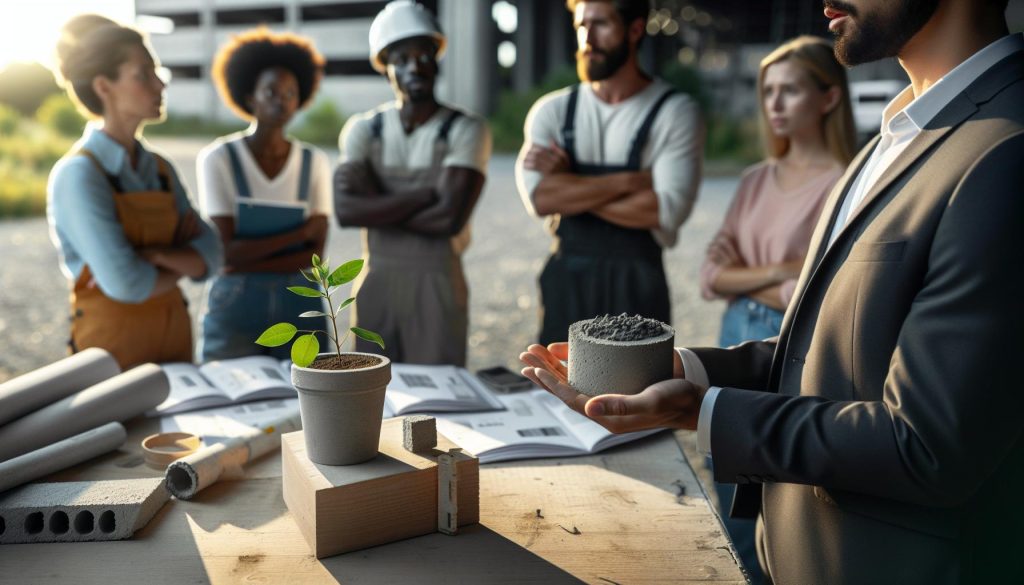
Did you know that concrete is the second-most consumed material on the planet after water? As we face increasing environmental challenges, understanding the eco-friendliness of concrete is vital for sustainable building practices. This material, often viewed as a construction staple, raises important questions about its impact on our planet. Are we investing in solutions that foster a healthier environment, or are we contributing to pollution and resource depletion?
In this guide, we’ll explore the ecological implications of concrete-the benefits, drawbacks, and innovative alternatives that can help you make informed choices in your building projects. By connecting the dots between your construction decisions and their environmental footprint, you’ll be empowered to contribute to a more sustainable future. Whether you’re a homeowner looking to renovate or a professional in the construction industry, understanding concrete’s role in sustainability is key to forging a greener path ahead. Let’s dive into the world of eco-friendly construction and uncover how we can build responsibly!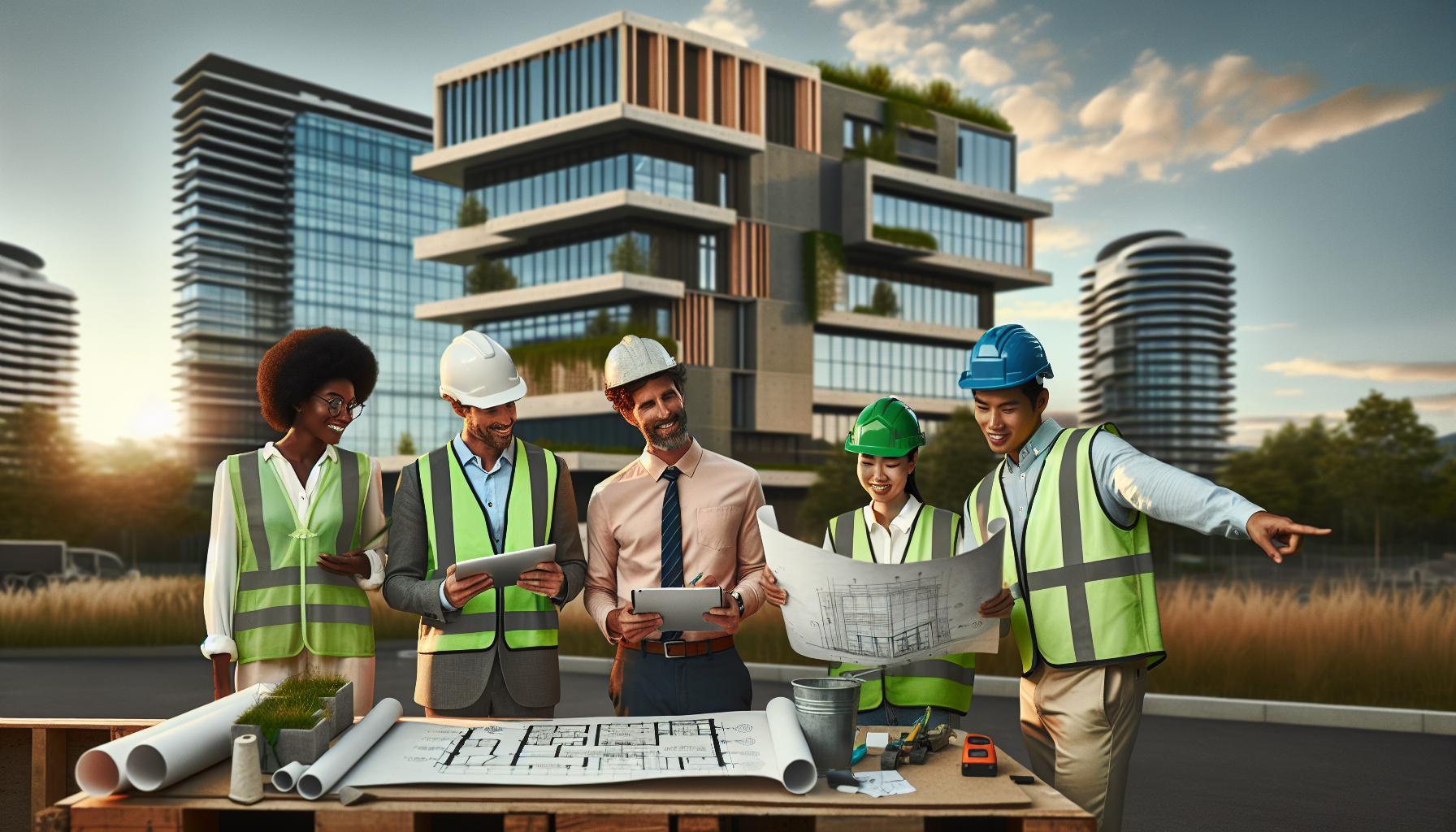
Is Concrete Really Eco-Friendly? Understanding Its Environmental Impact
Concrete is widely recognized as a foundational material in modern construction, but its environmental impact can be complex and multifaceted. Although concrete itself is durable and long-lasting, its production process is energy-intensive and contributes significantly to greenhouse gas emissions. The Global Cement and Concrete Association estimates that the production of cement, the key ingredient in concrete, accounts for approximately 8% of global CO2 emissions. Thus, while concrete structures can contribute to sustainability in terms of longevity and resilience, the way they are produced and used poses significant challenges to eco-friendliness.
To understand concrete’s environmental impact, it’s essential to consider both the resource extraction and production phases. The main ingredients of concrete-cement, aggregates, and water-require large amounts of raw materials, which can lead to ecosystem disruption and biodiversity loss if not managed responsibly. Moreover, the heating process used to produce cement from limestone and clay releases carbon dioxide, compounding its carbon footprint. These factors highlight a critical paradox-while concrete structures can support sustainable urban development, the broader ecological implications of their production necessitate careful management and investment in greener technologies.
Addressing these environmental concerns entails not only innovative production methods but also a shift towards more sustainable construction practices. The industry is increasingly exploring ways to mitigate these impacts, such as using alternative raw materials, like fly ash or slag, and enhancing energy efficiency in production. Additionally, carbon capture and storage technologies are being researched to reduce emissions from cement factories. By implementing such strategies, the concrete industry can transition towards a more sustainable model while continuing to meet the demands of contemporary architecture and infrastructure.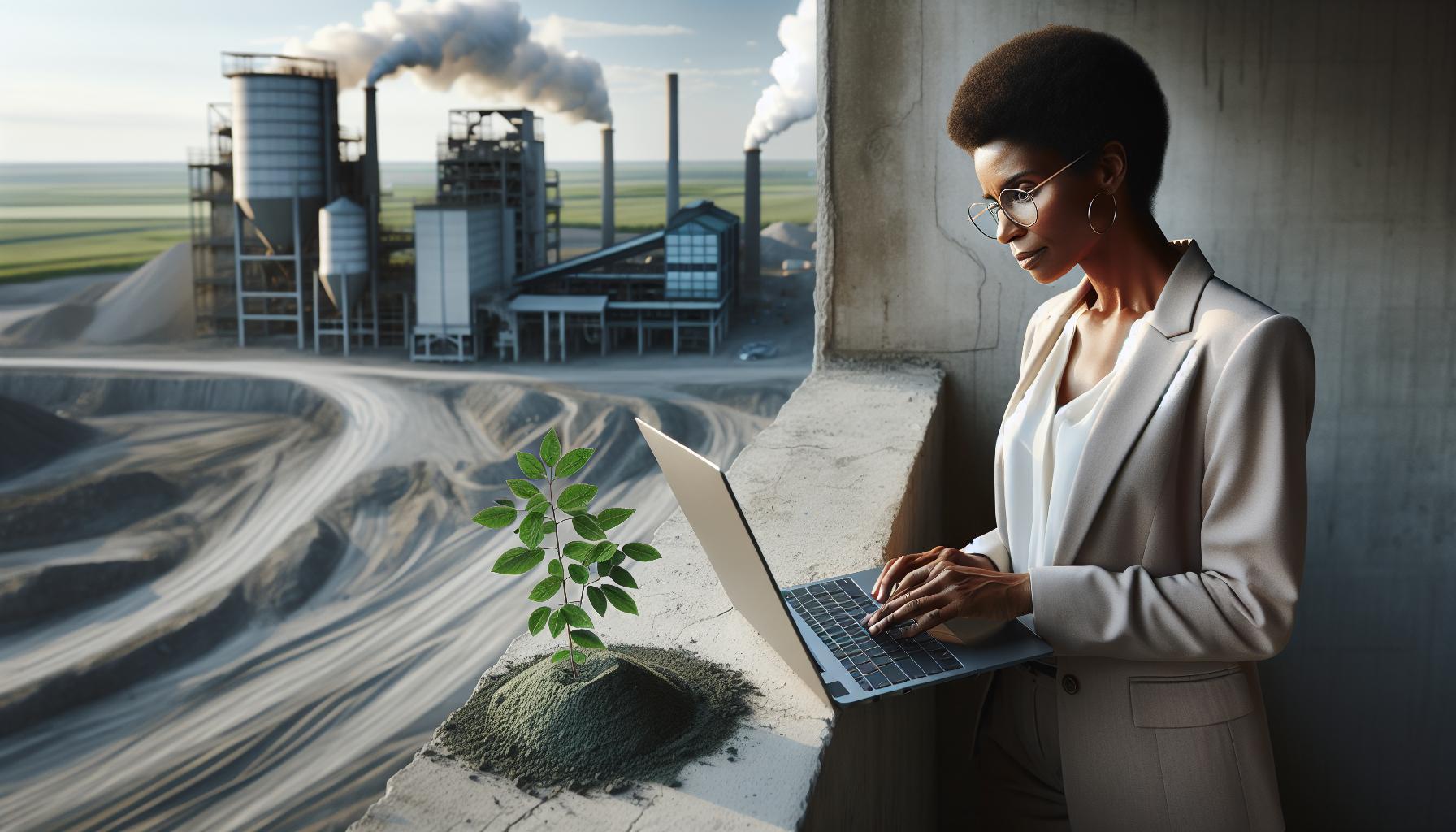
The Ingredients of Concrete: Are They Sustainable?
Every structure relies on the strength and stability of its components, and concrete is no exception. Composed primarily of cement, water, and aggregates-such as sand, gravel, or crushed stone-concrete plays a pivotal role in construction. However, the sustainability of these ingredients raises essential questions about their environmental impact.
Cement, the primary binding agent in concrete, is produced through a process that involves heating limestone and other materials to high temperatures. This energy-intensive process not only consumes significant fossil fuels but also leads to the release of carbon dioxide, contributing substantially to global emissions. To address this challenge, many experts advocate for a shift towards sustainable cement options, such as geopolymer cement, which uses industrial byproducts like fly ash or slag instead of traditional materials, thereby minimizing carbon emissions.
The aggregates used in concrete also play a critical role in its sustainability. Natural aggregates can lead to habitat destruction and biodiversity loss when extracted from quarries. Alternatively, recycled materials-such as crushed concrete from demolished structures-can be incorporated into new mixes, reducing the need for virgin materials and lowering the overall ecological footprint. This practice not only diverts waste from landfills but also diminishes the energy required for transport and extraction.
Water, often overlooked, is another crucial ingredient in concrete production, and its sourcing can significantly impact local ecosystems. Implementing water conservation techniques and using recycled water in the mixing process can help mitigate these effects. In addition, innovations in concrete formulation, such as self-healing concretes that utilize bacteria-induced calcite precipitation, promise to enhance durability while reducing the overall material needs.
Incorporating sustainable practices within the sourcing and use of concrete ingredients can significantly lessen its environmental impact, offering a path toward more eco-friendly building. By choosing alternative materials and methods, we can foster a more responsible construction industry that aligns with modern sustainability goals.
Examining the Carbon Footprint of Concrete Production
Concrete production is a significant contributor to global carbon emissions, and understanding its carbon footprint is crucial for evaluating its sustainability. The production of cement, the primary component of concrete, involves heating limestone along with various other materials to high temperatures, a process known as calcination. This process alone accounts for approximately 8% of the world’s carbon dioxide emissions, primarily due to the fossil fuels burned to reach these extreme temperatures. As cement consumption continues to rise globally, so does the urgency to explore sustainable alternatives and innovations that can mitigate this impact.
To reduce the carbon footprint associated with concrete, several strategies can be implemented. One promising approach is the use of alternative binders, such as geopolymer cement, which can utilize industrial byproducts like fly ash or slag, drastically lowering the emissions associated with traditional cement. Incorporating a higher percentage of these materials not only reduces the need for clinker (the key ingredient in Portland cement) but also recycles waste materials that would otherwise contribute to landfill issues.
Moreover, optimizing the entire concrete production process can lead to significant emissions reductions. This can include adopting more energy-efficient production technologies, utilizing renewable energy sources, and improving the overall logistics and transportation methods for raw materials. Techniques such as carbon capture and storage (CCS) are also being explored to trap the CO2 emissions released during the cement production process, preventing it from entering the atmosphere.
Investing in research and development is vital for discovering new materials and methods to replace traditional concrete or enhance its sustainability features. By addressing the carbon emissions and seeking innovative production techniques, the construction industry can take vital steps toward not only reducing the carbon footprint of concrete but also paving the way for a more sustainable future for building practices. Embracing these changes is essential for individuals, communities, and organizations committed to eco-conscious living and responsible construction.
Alternative Materials: Eco-Friendly Options to Concrete
Innovative alternatives to traditional concrete are emerging as the construction industry seeks to mitigate its environmental impact. These eco-friendly materials not only reduce carbon emissions but also utilize waste products, promoting a circular economy. Exploring these options can empower builders, architects, and homeowners to make more sustainable choices in their projects.
One significant alternative is geopolymer concrete, which uses industrial byproducts like fly ash or slag instead of Portland cement. This not only reduces the need for new materials but also repurposes waste that would otherwise pollute landfills. Geopolymer concrete has been shown to exhibit similar or even superior strength and durability compared to traditional concrete while significantly lowering greenhouse gas emissions during production.
Another option is bamboo reinforced concrete, leveraging the natural strength and rapid growth of bamboo as a sustainable material. By incorporating bamboo as reinforcement, construction can be both lighter and more flexible, making it suitable for earthquake-prone areas. Additionally, bamboo grows much faster than trees, making it a highly renewable resource.
Recycled concrete aggregates (RCA) represent another sustainable strategy. This involves breaking down existing concrete structures to use the recycled material in new construction. Not only does this help in reducing the volume of construction waste, but it also minimizes the demand for new aggregates, which in turn mitigates the environmental degradation associated with mining activities.
Moreover, emerging materials like mycelium-based composites (derived from fungal roots) and bio-concrete (which can heal cracks through the action of specific bacteria) are paving the way for a new era of construction. These advanced materials not only reduce dependency on harmful resources but also promote biodiversity and ecological resilience in building projects.
Incorporating these alternatives can lead to reduced ecological footprints and more sustainable construction practices, encouraging a shift toward a greener future. Embracing these materials in design and construction decisions supports responsible building while fostering innovation in the industry. As communities become increasingly aware of environmental issues, the demand for eco-friendly materials will only grow, paving the way for new standards in sustainable architecture.
Lifecycle Analysis: Concrete’s Impact from Production to Disposal
The lifecycle of concrete-from its production to disposal-offers critical insights into its environmental impact, making it a focal point for discussions about sustainability in construction. Concrete is integral to modern infrastructure, yet its production is a significant source of carbon dioxide emissions, primarily due to the manufacturing process of cement, which accounts for approximately 8% of global CO2 emissions. Recognizing this, industry stakeholders are increasingly interested in understanding and mitigating the environmental footprint associated with concrete.
Production Phase
The environmental consequences begin at the extraction of raw materials. The primary ingredients-cement, aggregates, and water-often require extensive mining and transportation, which can degrade ecosystems. The production of cement involves heating limestone and clay at high temperatures, consuming vast amounts of energy, typically sourced from fossil fuels. As a result, the carbon intensity of concrete varies significantly based on these energy inputs and the distances materials must be transported.
To lessen this impact, manufacturers are exploring alternative production methods, such as using industrial byproducts like fly ash and slag as partial replacements for cement. This practice not only reduces reliance on virgin materials but also lowers the carbon footprint associated with concrete production.
Usage Phase
Once constructed, concrete structures typically have long lifespans, often exceeding 50 years. During this time, their environmental impact can be further influenced by maintenance practices and the energy required for heating or cooling buildings. Integrating energy-efficient designs and optimizing thermal mass through concrete can enhance the sustainability of structures, allowing them to contribute to energy savings throughout their lifespan.
End-of-Life Considerations
At the end of a concrete structure’s life, disposal or recycling practices become crucial to minimizing environmental harm. Traditional approaches often involve demolition and landfill disposal, which not only waste valuable materials but also generate additional greenhouse gas emissions. However, there is a growing trend towards recycling concrete, whereby crushed concrete from demolished structures can be repurposed as aggregate in new concrete mixes or used in other construction applications. This practice diverts waste from landfills, conserves natural resources, and reduces the need for new material extraction.
Overall, understanding the lifecycle of concrete offers valuable perspectives on improving its sustainability. By focusing on responsible sourcing, innovative production methods, efficient usage, and effective recycling, industry participants can significantly reduce concrete’s ecological footprint, paving the way for more sustainable building practices in the future.
Green Innovations in Concrete Technology
Innovations in concrete technology are rapidly changing the way we approach construction, promising greener and more sustainable practices that align with eco-conscious living. One remarkable development is the creation of geopolymer concrete, which employs industrial byproducts such as slag and fly ash as binders instead of traditional Portland cement. This shift not only reduces greenhouse gas emissions associated with cement production but also utilizes materials that would otherwise contribute to landfill waste.
Another exciting trend is the use of recycled aggregates, derived from crushed concrete structures. By incorporating these recycled materials into new concrete mixes, we can significantly lessen the demand for virgin aggregates, preserving natural resources in the process. This circular approach not only minimizes waste but also reduces the carbon footprint associated with the extraction and processing of new aggregates.
Additionally, advancements in self-healing concrete are transforming maintenance practices. This innovative material contains microcapsules of healing agents that activate upon cracking, allowing for automatic repairs. Such technology extends the lifespan of concrete structures and reduces the need for resource-intensive repair processes. By minimizing the frequency and extent of repairs, self-healing concrete has the potential to further lower environmental impact and construction waste.
Sustainable practices in concrete technology also encompass the inclusion of eco-friendly admixtures that improve performance while lowering environmental concerns. For instance, using natural fibers, like hemp or coconut, can enhance tensile strength and reduce the overall weight of concrete mixes, leading to less energy-intensive transportation and handling.
As we embrace these green innovations, it’s essential for builders, architects, and homeowners alike to prioritize sustainable options when considering concrete materials. By staying informed and making conscious choices, we can all contribute to a more sustainable built environment, bridging the gap between modern construction needs and environmental stewardship.
How Concrete Can Support Sustainable Architecture
Concrete plays a pivotal role in sustainable architecture, offering unique benefits that can enhance energy efficiency and reduce environmental impact. One of its most notable advantages is thermal mass. Concrete has a high thermal mass, meaning it can absorb and store heat from the sun during the day and release it slowly at night. This property helps regulate indoor temperatures, reducing the need for heating or cooling systems, which in turn lowers energy consumption and carbon emissions.
In addition to energy efficiency, concrete can significantly contribute to the longevity and resilience of buildings. Structures built with concrete tend to withstand natural disasters, such as hurricanes, floods, or earthquakes, better than other materials. This durability means that less energy is spent on repairs, renovations, or complete rebuilds, thus minimizing waste and extending the lifecycle of the building. When designed thoughtfully, concrete can facilitate better drainage and resist mold, leading to healthier indoor environments.
Innovative Uses of Concrete in Sustainable Design
Utilizing innovative concrete technologies can further enhance its eco-friendly properties. Architects and builders are increasingly turning to alternatives like recycled concrete aggregates and supplementary cementitious materials, which reduce the reliance on virgin materials. For example, incorporating fly ash or slag in concrete mixes decreases the amount of cement required, lowering the overall carbon footprint associated with concrete production.
Moreover, concrete’s aesthetic versatility allows it to blend seamlessly with natural landscapes and modern designs. This flexibility encourages architects to use concrete creatively, optimizing building layouts and reducing the need for additional materials. Incorporating green roofs, which can be constructed with concrete structural elements, not only supports biodiversity by providing habitats for various species but also helps manage stormwater effectively.
In conclusion, when leveraged effectively, concrete can be a cornerstone of sustainable architecture. Its properties not only contribute to energy efficiency and durability but also support innovative design solutions that embrace environmentally friendly practices. By making informed choices about the types of concrete and technologies used in construction, builders and architects can play a significant role in shaping a greener future.
Best Practices for Minimizing Concrete’s Environmental Effects
When it comes to minimizing the environmental effects of concrete, small changes in approach can yield significant benefits. Making informed choices during the concrete selection and construction process not only helps reduce the carbon footprint associated with concrete production but also supports sustainable practices that benefit the planet. Here are some best practices to consider:
- Opt for Sustainable Materials: Consider using recycled aggregates and supplementary cementitious materials such as fly ash or slag. These alternatives can lower the amount of virgin materials needed, which reduces mining and energy consumption in production.
- Use Efficient Mixing Techniques: Improved mixing methods can enhance the uniformity and performance of concrete, potentially leading to a reduction in the volume of concrete required for a project. Techniques that emphasize accurate measurement and mixing times can also minimize waste.
- Design for Durability: Focus on building concrete structures that will last longer and require less maintenance. By selecting context-appropriate designs and finishes that enhance longevity, you can diminish the need for repairs and replacements over the material’s lifecycle.
- Implement Smart Construction Practices: Utilize formwork systems that allow for complex designs while minimizing waste. This includes considering modular construction techniques, which can lead to reduced materials waste on site.
- Emphasize Local Sourcing: Reducing transportation emissions is critical. Sourcing materials locally not only lowers the carbon emissions associated with transporting concrete but also supports local economies.
- Incorporate Green Technologies: Explore the use of concrete mixed with additives that can improve energy efficiency, such as insulating concrete forms (ICFs) or geopolymers, which have a lower carbon footprint compared to traditional concrete.
- Support Recycling Initiatives: When a concrete structure reaches the end of its life, it’s crucial to have systems in place for recycling. This can include crushing old concrete for reuse as aggregate in new mixes.
- Educate Stakeholders: Promote awareness among architects, builders, and clients about the environmental impact of concrete. Engaging all stakeholders encourages collaboration in implementing sustainable practices.
Focusing on these practices allows builders and architects to significantly lessen the environmental impact of concrete use. It promotes a more sustainable approach to construction while empowering individuals and communities to make conscious choices that contribute to ecological preservation. With evolving technologies and a commitment to sustainability, the concrete industry can play a pivotal role in fostering a more sustainable future.
Regulations and Standards for Sustainable Concrete Use
As the construction industry grapples with its significant environmental impact, establishing has become imperative. Governments and organizations around the world are recognizing the need for environmentally responsible practices in concrete production, distribution, and application. These regulations serve as guiding frameworks that encourage builders, architects, and developers to adopt sustainable practices while also ensuring compliance with safety and durability standards.
To promote sustainable concrete use, several organizations have established standards that address both the environmental footprint of concrete and the materials used in its production. For instance, the International Organization for Standardization (ISO) has developed standards related to environmental management systems, such as ISO 14001, which can guide companies in minimizing their ecological impacts. Similarly, the U.S. Green Building Council’s LEED certification provides a benchmark for sustainable building practices, incentivizing the use of low-carbon materials, energy efficiency, and waste reduction in construction projects.
In addition to voluntary standards, many regions have implemented regulations that mandate certain sustainable practices. These may include limits on carbon emissions during production and requirements for using recycled aggregates in concrete mixes. Some local governments are also beginning to adopt green procurement policies, which prioritize purchasing materials that meet specific environmental criteria. For example, the California Green Building Standards Code contains provisions that encourage the use of recycled materials and limit greenhouse gas emissions associated with construction.
Investing in sustainable concrete practices not only aligns with regulatory requirements but also serves as an important opportunity for businesses to differentiate themselves in a competitive market. By adopting these standards, construction firms can enhance their reputation, appeal to eco-conscious clients, and ultimately contribute to a more sustainable built environment. As the industry continues to evolve, stakeholder engagement through education and outreach is crucial, ensuring that all parties understand the benefits of adhering to established regulations and standards.
Recycling Concrete: Opportunities and Challenges
Concrete recycling is an essential yet often overlooked aspect of sustainable construction practices. With millions of tons of concrete waste generated each year from demolitions and renovations, the potential for recycling offers significant environmental benefits. By reusing this material, we can divert waste from landfills, reduce the demand for new raw materials, and lower the overall carbon footprint associated with concrete production.
One of the primary opportunities in concrete recycling lies in its versatility. Recycled concrete can be repurposed for various uses, such as sub-base material in road construction, drainage aggregates, or even as new concrete through proper processing. This not only conserves natural resources but also prevents the environmental degradation associated with quarrying and mining. In fact, integrating recycled aggregates into new concrete mixes can improve the durability and performance of the final product, creating a sustainable cycle of material use that benefits both the environment and the construction industry.
However, challenges do exist in the recycling of concrete. The quality of recycled materials can vary significantly depending on the source and processing methods. Contaminants such as metals, plastics, and organic matter can compromise the integrity of recycled concrete, making it less desirable for certain applications. Moreover, the infrastructure for concrete recycling is not uniformly developed worldwide, which can hinder the efficiency of these processes. To overcome these challenges, stakeholders must invest in better technologies and systems for processing recycled concrete and ensure that guidelines are in place to maintain quality standards.
To truly harness the benefits of recycling concrete, collaboration among construction firms, waste management companies, and regulatory bodies is essential. By promoting best practices, such as using recycled materials whenever feasible and supporting innovations in recycling technologies, the industry can help pave the way for a more sustainable future. Encouragingly, as awareness around eco-friendly practices grows, more projects are starting to incorporate recycled concrete, showcasing a shift towards greener building practices and inspiring others to follow suit.
Community Perspectives on Concrete and Sustainability
Concrete is often seen as a fundamental building material, but its sustainability depends heavily on community engagement and perspectives. Local communities play a crucial role in shaping sustainable practices around concrete use, from advocating for eco-friendly building methods to participating in recycling initiatives. Many communities are increasingly aware of the environmental consequences that concrete production and waste generate, prompting them to seek out sustainable alternatives and advocate for stricter regulations.
One compelling example is the rise of community-led initiatives that focus on sustainable building practices. In various regions, local organizations have partnered with construction firms to create educational programs aimed at demonstrating the benefits of sustainable materials and techniques. These programs often include workshops on reducing the carbon footprint of construction projects and using recycled materials, effectively transforming the narrative around concrete into a more sustainable one. By emphasizing the practical benefits of eco-friendly practices, such as lower costs and improved community aesthetics, these initiatives are garnering more widespread community support.
Moreover, community perspectives on concrete sustainability are shaped by individual experiences and cultural values. For instance, neighborhoods that prioritize green spaces and nature may advocate for more extensive use of permeable concrete, which helps with stormwater management and reduces urban heat effects. By integrating local ecological knowledge and cultural preferences into construction practices, communities can lead the charge in making concrete more sustainable and environmentally friendly. Engaging residents in discussions about local projects and their impacts allows for a more holistic approach to sustainability that aligns with community values.
Lastly, achieving sustainable concrete practices isn’t just about changing materials; it’s about cultivating a culture of sustainability. Ideas such as community concrete recycling programs can help reduce waste while fostering a sense of collective responsibility for environmental stewardship. By promoting and investing in such initiatives, communities can effectively reduce their ecological footprints and contribute to a broader movement toward sustainable building practices. In this way, fostering community interest and participation is vital to transforming perceptions and practices surrounding concrete, leading to a healthier environment for all.
Future Trends: The Role of Concrete in Sustainable Building
The construction industry is on the brink of a significant transformation as emerging trends focus on the integration of concrete with sustainable practices. As the world grapples with climate change, innovators are harnessing concrete’s versatility to develop green methodologies that align with sustainable building principles. One promising avenue is the evolution of eco-friendly concrete mixtures, which incorporate recycled materials such as crushed glass, industrial by-products like fly ash, and even agricultural waste. These alternatives not only reduce the environmental footprint but can enhance the material properties of concrete, making it stronger and more durable.
Another trend gaining traction is the use of self-healing concrete, which contains bacteria that can repair cracks autonomously. This innovation extends the lifespan of concrete structures, reducing the need for repairs and the associated consumption of resources over time. Additionally, architects and engineers are increasingly adopting permeable concrete, which allows rainwater to seep through, promoting natural drainage and minimizing stormwater runoff. By integrating these materials into construction projects, stakeholders can significantly improve urban water management practices and reduce flooding risks.
Furthermore, the societal shift towards green certifications is encouraging builders to prioritize sustainable practices. With the growing demand for environmentally responsible construction, certifications like LEED (Leadership in Energy and Environmental Design) are influencing design and material selection. Community engagement plays a pivotal role here; architects and builders are listening to local needs and preferences, fostering a collaborative approach to sustainable development. This evolution in the industry not only supports lower carbon emissions but also enhances community resilience against climate impacts.
As we look to the future, education and advocacy will be crucial components in shaping the role of concrete within sustainable building. Public awareness campaigns that highlight the benefits of sustainable materials and practices can empower communities to make informed decisions about their building choices. By fostering an environment where sustainable concrete solutions are prioritized, we can foster a culture that values long-term ecological health alongside modern construction needs.
Frequently asked questions
Q: Is concrete eco-friendly compared to other building materials?
A: Concrete can have a significant environmental impact due to its high carbon footprint from production. However, when compared to alternatives like steel, concrete often has better thermal performance and longevity, making it more eco-friendly in certain applications. It’s essential to consider the entire lifecycle of the materials used [2[2].
Q: What are the environmental benefits of using recycled concrete?
A: Recycled concrete reduces waste by diverting materials from landfills and lowers the demand for virgin aggregates, minimizing resource extraction impacts. Incorporating recycled concrete can also lower greenhouse gas emissions linked to production, supporting more sustainable building practices [1[1].
Q: How does concrete contribute to urban heat islands?
A: Concrete surfaces absorb and retain heat, contributing to urban heat islands, which raise temperatures in densely built environments. To combat this, incorporating green roofs or reflective surfaces can mitigate heat absorption, reducing overall environmental impact [2[2].
Q: Are there sustainable concrete alternatives available?
A: Yes, sustainable alternatives include geopolymer concrete, which uses industrial by-products, and materials like rammed earth or straw bales. These options often require less energy to produce and can have lower overall environmental footprints [1[1].
Q: Can concrete be recycled at the end of its lifecycle?
A: Absolutely, concrete is recyclable and can be crushed into aggregate after its useful life, which can be reused in new concrete mixes or road base. This process conserves resources and reduces landfill waste, enhancing sustainability concrete support green building certifications?
A: Concrete can contribute to certifications like LEED by utilizing recycled materials, improving energy efficiency, and meeting structural performance standards. Innovative concrete technologies also help reduce carbon emissions, enhancing the overall sustainability of building projects [1[1].
Q: What role do regulations play in sustainable concrete use?
A: Regulations help define standards for sustainable concrete practices, including emissions reductions and material sourcing, pushing the industry toward greener methods. Compliance with these regulations can significantly enhance a project’s eco-friendliness [2[2].
Closing Remarks
In exploring whether concrete is eco-friendly, we’ve unveiled its role in sustainable building practices and its environmental impact. While it offers durability and energy efficiency, understanding your options is crucial for making informed choices. Now is the time to consider how your projects can contribute to a greener future-explore our article on eco-friendly construction materials and discover sustainable alternatives that align with your values.
Don’t stop here! Enhance your eco-conscious knowledge with guides on green renovations and energy-efficient technologies. Your input matters-share your thoughts in the comments below or connect with our community as we strive for a sustainable lifestyle together. By making small changes, each of us can reduce our ecological footprint and advocate for better building practices, ensuring a healthier planet for generations to come. Keep exploring, stay engaged, and let’s build a sustainable future hand in hand!