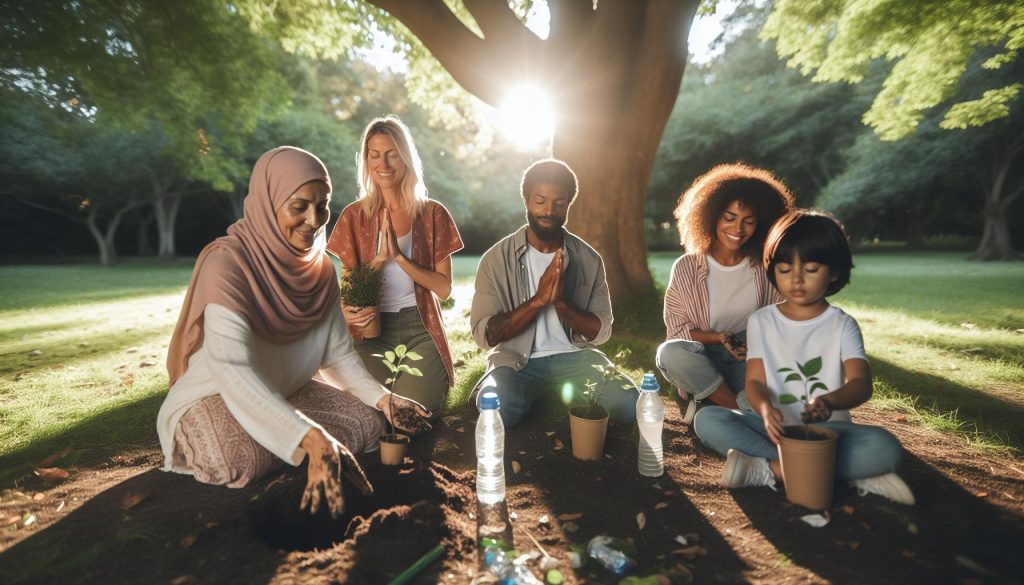
Did you know that simple, eco-friendly choices can profoundly impact your well-being and the planet? “What Eco Wellness Practices Cost Nothing But Transform Everything” explores how adopting sustainable habits not only minimizes your ecological footprint but also enhances your mental and physical health. In a world where stress and environmental crises are prevalent, integrating these practices into your daily life offers a pathway to greater serenity and purpose. Imagine reducing waste while fostering a sense of community and empowerment-this guide will unveil practical strategies that require little to no investment yet lead to substantial transformation. Join us on this journey to discover how small changes in your lifestyle can create a ripple effect, benefitting both you and your environment. Get ready to transform your habits and embrace a more fulfilling, eco-conscious way of living!
Eco Wellness: Understanding the Basics and Benefits

In an increasingly urbanized world, many are discovering that fostering a connection with nature isn’t just a luxury; it’s a fundamental facet of our well-being. Eco wellness embodies a holistic approach to health that integrates environmental consciousness and personal health-underlining the intrinsic link between our physical, mental, and environmental wellness. This concept encourages individuals to adopt practices that not only promote their health but also contribute to the health of the planet, ultimately creating a sustainable cycle of well-being.
Understanding the basics of eco wellness involves recognizing its multifaceted benefits. Engaging in eco-friendly practices, such as gardening, reducing waste, or spending time outdoors, can significantly enhance your mental and emotional health. Research indicates that activities like spending time in green spaces can lower stress levels, improve mood, and even boost energy levels. The practice of mindfulness in nature-paying attention to the sounds of rustling leaves or the sensation of sunlight on your skin-further deepens this connection, promoting a sense of peace and grounding.
- Physical Benefits: Regular outdoor activity stimulates cardiovascular health, improves mood, and enhances physical fitness.
- Mental Health: Nature immersion supports anxiety reduction and promotes mindfulness, leading to better emotional balance.
- Environmental Impact: Sustainable practices foster community connection and biodiversity, vital for a healthy ecosystem.
By embracing eco wellness, individuals can cultivate habits that cost nothing but yield transformative effects. Simple changes-like switching to reusable lunch containers, foraging for local plants, or participating in community clean-up events-make a significant impact on both personal health and the environment. Ultimately, adopting an eco wellness lifestyle empowers you to live harmoniously with nature, enhancing your overall well-being while contributing positively to the world around you.
The Connection Between Eco Wellness and Mental Health
Engaging with nature is not just a pastime; it’s an essential part of nurturing our mental health. Studies show that spending time outdoors can lead to significant reductions in feelings of stress and anxiety. The simple act of immersing oneself in green spaces-whether through a leisurely walk in the park, gardening, or simply sitting under a tree-can evoke a sense of tranquility that is hard to replicate indoors. The sights and sounds of nature stimulate our senses and serve as a balm for our overloaded minds, encouraging feelings of peace and well-being.
Many eco wellness practices are cost-free yet profoundly impactful. For instance, practicing mindfulness while outdoors can enhance the mental benefits of nature immersion. This could involve focusing on the sounds of the wind rustling through the trees or the sensation of the earth beneath your feet. Recognizing these sensations can ground you, promoting a state of awareness that alleviates overwhelming thoughts and anxiety. Even activities as simple as laying in a meadow or watching clouds shift can help to clear the mind and foster emotional balance.
Additionally, cultivating an eco-friendly mindset contributes to a deeper connection with our environment, enhancing overall happiness. When you make conscious choices that are aligned with sustainability-like reducing waste or opting for reusable products-you foster a sense of purpose and responsibility. This not only benefits the planet but also nurtures a sense of belonging and community, combating feelings of isolation that can contribute to mental health issues. Engaging in local eco-friendly initiatives, such as community clean-up days or conservation projects, strengthens social ties and reinforces the understanding that we are all part of a larger ecosystem.
As we embrace eco wellness practices, we discover that caring for the Earth inevitably leads to improved self-care. Transformative habits-like spending time in nature or supporting sustainable initiatives-can enhance our mental well-being, proving that the path to personal health and environmental stewardship is intrinsically linked. By prioritizing these simple yet profound shifts in our daily lives, we not only invest in our own health but also contribute to a healthier planet, fostering a sustainable future for generations to come.
How Nature Immersion Transforms Your Well-Being

Stepping outside and immersing yourself in nature is more than just a leisurely activity; it’s a powerful antidote to the stresses of modern life. Research consistently reveals that spending time in natural surroundings can drastically improve mental clarity and emotional well-being. Even short moments spent in green spaces can lead to a significant decrease in stress hormones, boost mood, and foster creativity. Picture this: a brisk walk in the woods or a peaceful moment by a stream can refresh your mind, spark new ideas, and restore your emotional balance.
The transformative effects of nature immersion on our well-being can be attributed to various factors. When we engage with natural environments, our bodies respond by releasing endorphins-the “feel-good” hormones that elevate our mood. Additionally, the sights and sounds of nature have been shown to significantly lower levels of cortisol, a hormone linked to stress. For instance, a simple practice such as mindfulness meditation while surrounded by trees can deepen this effect, allowing individuals to appreciate the rustling leaves and chirping birds, which fosters a sense of peace and presence that is often absent from our busy lives.
Furthermore, the benefits of nature immersion extend beyond immediate psychological impacts; they also encourage long-term shifts in our habits and perspectives. Regular interactions with nature can lead to a heightened awareness of environmental issues and a stronger commitment to sustainability. By cultivating this connection, individuals often find themselves more motivated to adopt eco-friendly practices, such as reducing waste, conserving water, and supporting renewable energy initiatives. These shifts not only benefit the planet but also enrich their quality of life, creating a positive feedback loop where personal well-being and environmental stewardship become intertwined.
To incorporate more nature into your life, consider integrating simple, actionable steps. Start by exploring a local park, tending to a garden, or even caring for house plants. Join community groups focused on environmental restoration, or simply take your lunch breaks outdoors whenever possible. As you begin to prioritize these moments of connection with nature, you’ll likely notice a profound transformation in your mood and overall happiness-proving that these eco wellness practices, while often cost-free, carry immeasurable rewards.
Low-Cost Practices for Sustainable Living

Engaging with sustainable living practices doesn’t have to strain your budget-it can be a fulfilling and transformative journey that contributes positively to your health and the planet. One of the most significant steps you can take is to reduce single-use plastics, which not only lessens environmental impact but also helps develop newer, greener habits. Instead of purchasing bottled water or plastic bags, invest in a reusable water bottle and shopping bags. This simple swap can save you money over time while helping to reduce plastic pollution.
Another cost-effective way to promote sustainability is through mindful consumption. Before making a purchase, consider whether it’s truly necessary. Embracing a habit of borrowing items instead of buying them-like tools from neighbors or books from local libraries-can not only save money but also encourage community connections. Furthermore, participating in local swap meets or clothing exchanges allows you to refresh your wardrobe or household items without the expense of new purchases, fostering a sense of sharing and collaboration.
Cultivating a small garden can also be an enriching low-cost practice. Whether it’s herbs on a windowsill or a vegetable patch in your backyard, growing your own food reduces reliance on store-bought products, cuts down on packaging waste, and enhances your diet with fresh produce. Educating yourself about permaculture principles can further your sustainable living goals, allowing you to create a self-sustaining habitat without significant financial investment.
Embrace the benefits of energy conservation by making small adjustments around your home. Simple acts like switching off lights when not in use, using energy-efficient light bulbs, and unplugging devices that draw power even when off can lead to substantial savings. Also, leverage natural light whenever possible to reduce reliance on artificial lighting, creating a tranquil atmosphere while minimizing your ecological footprint.
By integrating these low-cost practices into your daily life, you not only enhance your personal well-being but also contribute to a culture of sustainability that can inspire others. Every small change is a step towards a more eco-friendly lifestyle, proving that sustainable living is not just a lofty ideal but an achievable goal for everyone.
Building an Eco-Friendly Mindset: Steps to Start

Embracing an eco-friendly mindset is the first step toward sustainable living, and it requires a combination of awareness, education, and deliberate action. According to ecological studies, our daily choices significantly impact the environment, influencing everything from energy consumption to waste production. By shifting our mindset, we can turn seemingly simple decisions into impactful actions that contribute to both personal well-being and planetary health.
Start by assessing your ecological footprint-this helps you understand how your lifestyle choices affect the environment. Simple changes like reducing water use, conserving energy, and minimizing waste can accumulate to make a significant difference. You can additionally track your consumption of resources, such as electricity and water, to identify areas for potential reduction. For instance, replacing incandescent bulbs with energy-efficient LEDs can lower energy consumption by up to 75% without compromising brightness or quality.
Incorporating eco-conscious practices into your daily routine can be both rewarding and educational. Begin by cultivating mindfulness in your purchasing habits: choose local products, support sustainable brands, and opt for items with minimal packaging. Participating in community initiatives like local cleanups or sustainable gardening projects also promotes engagement and awareness, allowing you to connect with like-minded individuals who share your vision for a healthier planet.
Finally, foster an attitude of gratitude and respect for nature. Spending time outdoors not only enhances mental well-being but also instills a deeper connection with the environment. Aim to integrate natural elements into your living space-consider creating a small indoor garden or utilizing non-toxic decorating options that promote both health and sustainability. Adopting these practices not only leads to personal transformation but sets a powerful example for your community, proving that every individual has the power to make a significant impact on our world.
Daily Habits for a Greener You
Incorporating eco-friendly habits into your daily routine can have a profound impact on both your personal well-being and the environment. You don’t need to make drastic lifestyle changes; small, consistent actions can accumulate to create significant positive change. For instance, consider taking a few moments each day to evaluate your consumption. Are you using products with excessive packaging? By opting for products with minimal or biodegradable packaging, you not only reduce waste but also support companies dedicated to sustainable practices.
Another impactful habit involves energy conservation. Simple adjustments in your daily life-such as turning off lights when leaving a room, unplugging electronics when not in use, or using a reusable water bottle-can drastically reduce your energy footprint. In fact, reducing your reliance on single-use items can cut down on the demand for manufacturing processes that harm the environment. Aim to keep a reusable tote in your car to avoid plastic bags during grocery trips, effectively eliminating one source of waste from your routine.
Connecting with nature can also enhance your eco-wellness journey. Make it a habit to spend time outdoors each week, whether that means taking a walk in your local park or tending to a garden. Engaging with your natural surroundings fosters a greater appreciation for the environment and encourages mindfulness about your ecological impact. Taking the time to observe seasonal changes or cultivate plants can enrich your life while reminding you of the beauty that sustainability strives to protect.
Lastly, consider adopting a more intentional reading or media consumption habit. Surrounding yourself with eco-conscious information and communities-through blogs, books, or local groups-keeps you informed and motivated. This not only reinforces your commitment to eco-friendly living but also expands your knowledge on sustainable practices. Here, sharing tips with friends and family can amplify your impact and create a supportive network committed to a greener future. Through these daily habits, you contribute to a healthier planet while enriching your life, proving that sustainable choices can indeed transform everything.
The Role of Minimalism in Eco Wellness
Embracing minimalism can serve as a transformative approach to eco wellness, guiding individuals to lead lives that are not only more sustainable but also more fulfilling. At its core, minimalism encourages a reduction in excess-be it possessions, commitments, or consumption-allowing us to focus on what truly matters. This simplification can lead to profound environmental benefits, as it naturally aligns with the principles of responsible living. For instance, by consciously choosing to buy less, individuals significantly lower their ecological footprints, reducing the demand for energy-intensive production processes and minimizing waste.
The Environmental Benefits of Minimalism
A minimalist lifestyle often involves purchasing high-quality, multifunctional items rather than cheaper, disposable products. This shift not only encourages smarter consumer habits but also enhances sustainability by promoting longevity over disposability.
- Reduced Waste: By opting for products designed to last, you contribute to reducing the staggering amounts of waste produced globally. Items like reusable containers, durable clothing, and sustainable home goods decrease the need for single-use plastics and fast fashion.
- Conscious Consumption: Minimalism invites us to evaluate our purchases critically. By prioritizing essential and eco-friendly products, we support companies that practice sustainable methods, fostering a market driven by ecological responsibility.
- Energy Savings: Fewer possessions often lead to less space to maintain and clean, which can contribute to lower energy usage. In a tidy home filled with only meaningful items, less energy is consumed for heating, cooling, and lighting.
Practical Steps to Embrace Minimalism
To incorporate minimalism into your eco wellness journey, start with small, manageable steps. Begin by decluttering your living space-removing items that no longer serve you or that you rarely use. This can be done in a series of focused sessions, allowing you to gradually create a more serene environment. Consider implementing a “one in, one out” rule: for every new item you acquire, let go of an old one. This approach not only keeps clutter at bay but also encourages intentional purchasing.
Regularly assess your lifestyle choices, including your habits surrounding food, energy, and travel. Simple practices like meal planning can help minimize food waste, while choosing to walk or bike for short trips decreases reliance on fossil fuels. Ultimately, the minimalist mindset empowers individuals to cultivate a deeper appreciation for their resources-leading to mindful decisions that honor the planet.
By adopting minimalism, you’re not just simplifying your life; you are making a significant commitment to eco-friendly practices that resonate on both personal and planetary levels. This powerful synergy of minimal living and eco wellness creates a harmonious existence that fosters clarity, mindfulness, and a profound respect for the environment.
DIY Natural Personal Care Products
Creating your own natural personal care products is not only a cost-effective way to nurture your skin and hair but also aligns beautifully with eco-friendly practices. The beauty industry is notorious for its reliance on single-use plastics and chemical-laden products that can harm both personal health and the environment. By opting for DIY alternatives, you can significantly reduce your ecological footprint while ensuring the safety and quality of the products you apply to your body.
One of the most accessible DIY projects is whipping up a simple lip balm. To create a soothing lip balm, combine equal parts of beeswax, coconut oil, and shea butter, then melt them together in a double boiler. After removing from heat, you can add a few drops of essential oil like peppermint or lavender for a pleasant fragrance. Pour the mixture into small containers and allow it to cool. This recipe not only offers nourishment and hydration to your lips but also eliminates the need for plastic packaging, as you can reuse jars or opt for biodegradable containers.
Natural Skin Scrub
Another simple yet effective natural personal care product is a homemade sugar scrub. Combine one cup of sugar with half a cup of coconut oil and add a few drops of your favorite essential oil for a delightful scent. This scrub can gently exfoliate your skin while keeping it moisturized, and it requires no harsh chemicals. It’s perfect for use in the shower, and you can store it in a glass jar, further reducing plastic waste in your bathroom.
Eco-Friendly Hair Rinse
Consider making a natural hair rinse to maintain healthy locks. A simple recipe involves steeping a cup of chamomile flowers or green tea in boiling water for about 30 minutes. Allow the mixture to cool, strain it, and use it as a final rinse after shampooing. This rinse not only brightens hair but also nourishes without harmful additives, keeping your hair care routine pristine and sustainable.
By embracing DIY personal care products, you take constructive steps toward a more sustainable lifestyle. These projects connect you with the ingredients you use, fostering a greater appreciation for nature and your well-being. Remember, each small change contributes to a larger shift towards environmental responsibility while also promoting your health through the use of natural materials that are safer and more effective.
Creating a Sustainable Home Environment
Creating a home environment that is both sustainable and health-conscious is not only beneficial for the planet but can significantly enhance your overall well-being. A sustainable home is one that minimizes its ecological footprint while providing a safe and healthy space for its inhabitants. Simple changes can yield remarkable transformations, supporting eco wellness practices that cost nothing but can lead to profound effects on your lifestyle and mental health.
To begin fostering this greener environment, focus on your home’s energy efficiency. Implementing a few straightforward practices can lead to significant reductions in energy consumption. For example, consider switching to LED bulbs, which use up to 75% less energy than traditional incandescent bulbs and last much longer. Additionally, you can enhance insulation in your windows and doors to retain heat during the winter and keep cool air in during the summer. These adjustments not only lower your energy bills but also contribute to a more comfortable living space.
Embrace Natural Materials
Selecting natural materials for your home can significantly improve the air quality and sustainability of your environment. Opt for furnishings made from solid wood, bamboo, or metal, as they have a lower environmental impact than those made from particleboard or fiberboard, which often contain harmful chemicals. Incorporating indoor plants can also work wonders; plants such as snake plants and peace lilies improve air quality by filtering toxins, enriching your space naturally and aesthetically.
Waste Reduction Strategies
Another vital aspect of a sustainable home is minimizing waste. Begin by establishing a dedicated recycling and composting system. This not only diverts waste from landfills but also enriches your garden soil. You can easily create a compost setup by using kitchen scraps like vegetable peels and coffee grounds. Additionally, rethinking your shopping habits can drastically limit waste-choose products with minimal packaging, and consider buying second-hand items to give them a new life instead of contributing to the demand for new resources.
These practices are achievable and often free or low-cost, all while nurturing an eco-friendly mindset. They reflect a strong commitment to sustainability that benefits both your personal health and the environment, demonstrating that even small, mindful choices can pave the way to a more responsible way of living. By embracing these methods, you create a nurturing, sustainable home that supports your journey toward eco wellness.
Connecting with Community: Eco-Friendly Group Activities
Participating in eco-friendly group activities is a powerful way to magnify your impact on the planet while fostering connections within your community. Engaging in collective efforts not only amplifies the benefits of sustainable practices but also cultivates a sense of belonging and shared responsibility. From organizing local clean-up days to initiating community gardens, these activities offer practical ways to bring eco wellness into your daily life.
One popular and effective community activity is organizing a community clean-up event. Parks, beaches, and public spaces often accumulate litter, and rallying your neighbors to clean these areas can significantly improve local environments. Not only does this reduce waste and enhance the beauty of natural spaces, but it also raises awareness about the importance of keeping our surroundings clean. Providing simple incentives, like snacks or a friendly competition for the most collected trash, can boost participation and make it a fun event for all ages.
Another avenue is to establish a community garden. These gardens not only promote biodiversity but also educate participants about sustainable gardening practices. By growing fruits, vegetables, and native plants, community gardens can decrease reliance on store-bought produce and encourage healthy eating. They also create green spaces that improve air quality and offer habitats for local wildlife. Hosting workshops on organic farming methods and composting can further empower community members to adopt sustainable habits at home.
Group Educational Workshops are another excellent option. Collaborating with local environmental organizations to offer sessions on topics such as reducing carbon footprints, understanding local ecosystems, or making DIY natural products can equip community members with practical knowledge to implement in their own lives. Sharing resources and ideas enhances collective understanding and motivates participants to instigate change in their households and circles, creating ripples of eco-conscious choices.
Participating in eco-friendly group activities fosters a supportive environment where individuals can inspire one another and learn through shared experiences. Such actions not only contribute to personal and collective well-being but also enhance the sustainability of your community. Embracing these practices can lead to profound changes in local ecosystems and the broader environment, proving that together, we can achieve transformation.
The Importance of Biodiversity in Everyday Life
Biodiversity is the intricate web of life that encompasses the variety of species on our planet and their interactions within ecosystems. Its importance extends far beyond the mere existence of different species; it is the foundation upon which our environmental health, food security, and overall well-being depend. A rich diversity of plants, animals, and microorganisms contributes to functioning ecosystems that provide essential services such as clean air, water filtration, pollination of crops, and natural pest control.
Maintaining biodiversity is critical for resilience against environmental changes. Ecosystems with more variety are better equipped to withstand disturbances like climate change, disease outbreaks, and pollution. For instance, a diverse agricultural system is less susceptible to pests and diseases, reducing the need for chemical interventions and promoting healthier food production. Embracing local biodiversity by planting native species in our gardens can bolster local wildlife populations and create more robust ecosystems.
Engaging with and protecting biodiversity can be a rewarding practice that connects us with nature. Whether it’s participating in local conservation efforts or simply acknowledging the native plants and animals in your area, these actions foster a deeper appreciation and understanding of the ecosystems we inhabit. Simple practices like creating habitats for pollinators, reducing lawn areas in favor of wildflowers, and choosing organic gardening techniques contribute positively to local biodiversity, enhancing both personal and community wellness.
Incorporating biodiversity into daily life doesn’t require significant investments or changes. It can be as straightforward as choosing to buy local produce, supporting farmers who use sustainable practices, or participating in community initiatives aimed at preserving natural habitats. By making conscious choices that protect and enhance biodiversity, individuals not only promote healthier ecosystems but also contribute to the overall resilience and sustainability of life on Earth.
Eco Travel: Affordable Ways to Explore Sustainably
Exploring the world doesn’t have to come at the cost of the environment or your wallet. Eco travel offers a way to discover new places while minimizing your ecological footprint and often saving money in the process. One powerful strategy is to choose destinations that are known for their sustainable practices and natural beauty. Not only will this enrich your travel experience, but it can also inspire you to adopt eco-friendly habits in your daily life.
Taking advantage of public transportation is a key aspect of affordable eco travel. Trains, buses, and trams often provide an inexpensive way to navigate cities while reducing carbon emissions. For example, in cities like Amsterdam, cycling is not only a popular mode of transportation but also a great way to explore at your own pace. Many destinations have bike rental services that allow you to delve into the local culture and scenery without contributing to pollution.
Accommodations can also be budget-friendly and eco-conscious. Look for eco-friendly hotels or hostels that focus on sustainable practices, such as using renewable energy, reducing water consumption, and sourcing local food. Websites dedicated to eco travel often list accommodations that meet these criteria, making it easier to find options that fit your budget and values. Additionally, consider alternatives like house swapping or camping, which can be low-cost while providing direct connection to nature.
Incorporating activities that support local communities can further enhance your eco travel experience. Engaging in community-led tours or volunteer opportunities not only offers insight into the local culture but also contributes to the economy and environment of the area. This approach fosters genuine connections and creates memorable experiences while promoting sustainability.
By embracing these practices, you can travel affordably and sustainably, paving the way for meaningful adventures that respect and celebrate the planet. Through thoughtful choices, eco travel can transform your experience and well-being, demonstrating that exploration and responsibility can coexist harmoniously.
FAQ
Q: What are free eco wellness practices anyone can try?
A: Free eco wellness practices include daily mindfulness in nature, practicing gratitude, engaging in community clean-up events, and using solar-powered outdoor activities. Incorporating these habits enhances mental health while promoting environmental awareness, creating a win-win for personal and planetary wellness.
Q: How does connecting with nature cost nothing yet benefit well-being?
A: Connecting with nature is cost-free and boosts well-being through reduced stress and improved mood. Simply spending time outdoors, whether hiking, gardening, or picnicking, enhances mental clarity and emotional balance, enriching your life and fostering eco-consciousness.
Q: Why is minimalism considered part of eco wellness?
A: Minimalism promotes eco wellness by encouraging individuals to reduce excess possessions, which leads to less waste and a smaller ecological footprint. This sustainable lifestyle fosters mindfulness and appreciation for what you have, improving mental clarity and emotional health.
Q: Can sustainable habits in daily life be transformed without spending money?
A: Yes, sustainable habits can be adopted at no cost by making simple changes like using reusable containers, composting organic waste, or drinking tap water instead of bottled. These practices significantly reduce waste and enhance eco wellness without financial investment.
Q: What role does social connection play in eco wellness?
A: Social connection is crucial for eco wellness as it fosters a sense of belonging and shared purpose. Participating in group activities such as community gardens or local environmental initiatives enhances mental health through social support and can create lasting positive impacts on the environment.
Q: How does practicing gratitude contribute to eco wellness?
A: Practicing gratitude contributes to eco wellness by promoting a positive mindset and enhancing one’s appreciation for nature. Regularly reflecting on aspects of the environment that you are grateful for can improve mental health and encourage eco-friendly behaviors.
Q: What are some easy DIY natural personal care products to reduce plastic waste?
A: Easy DIY natural personal care products include homemade body scrubs using sugar and coconut oil, or natural deodorants with baking soda and essential oils. These not only reduce plastic waste but also promote healthier, eco-friendly alternatives to commercial products.
Q: How can I create an eco-friendly mindset without spending money?
A: Creating an eco-friendly mindset can be achieved through education and awareness. Read articles, watch documentaries, and engage in discussions about sustainability. These activities help reinforce eco-conscious thinking and encourage sustainable actions at no financial cost.
Insights and Conclusions
Embracing eco wellness practices that cost nothing yet transform everything can lead to significant positive changes in your life and the environment. By incorporating simple habits, you not only reduce your ecological footprint but also enhance your overall well-being. Remember, every small action counts, and now is the perfect time to start making those changes! For deeper insights, explore our guides on sustainable living and natural personal care to discover more actionable tips that align with your green journey.
Don’t hesitate to share your thoughts in the comments or connect with us on social media to stay updated and inspired. Interested in going a step further? Sign up for our newsletter to receive the latest eco-friendly practices straight to your inbox. Together, let’s make eco-conscious living accessible and exciting for everyone-your journey starts today!