
In today’s eco-conscious world, many drivers are turning to Eco Mode in their vehicles, hoping to reduce fuel consumption and lower emissions. While this driving mode can improve efficiency, is it the best choice for all situations? Understanding the implications of driving exclusively in Eco Mode is crucial for making informed decisions that benefit both your wallet and the environment. This exploration reveals the truth about the advantages and potential drawbacks of consistent Eco Mode usage. Whether you’re seeking to maximize fuel economy or simply curious about optimizing your vehicle’s performance, this article will shed light on how your driving habits impact not just your engine, but also your ecological footprint. Join us as we uncover the essential facts to help you drive smarter and greener.
Is Eco Mode the Best Option for Drivers?
Driving in eco mode can frequently spark debates among car enthusiasts and environmentally conscious individuals alike. At the core of this debate is whether utilizing this mode consistently yields the best balance of performance and efficiency for daily driving. Eco mode is designed to optimize fuel efficiency by adjusting engine performance, throttle response, and other parameters to reduce energy consumption. Many drivers find that it allows them to achieve better gas mileage, which can lead to substantial savings, especially on long commutes or road trips.
However, the effectiveness of eco mode can vary based on driving conditions and personal driving style. In stop-and-go traffic, eco mode may help by promoting smoother acceleration and encouraging lighter braking, ultimately reducing fuel use. Conversely, on highways or in situations requiring rapid acceleration-such as merging onto a busy road-drivers might feel a lack of responsiveness that could be frustrating or even unsafe. Hence, eco mode is often best utilized strategically rather than as a blanket solution for every driving scenario.
To determine if eco mode is the best option, consider the following factors:
- Driving Environment: Use eco mode in urban settings or during regular commutes where fuel efficiency is prioritized.
- Performance Needs: Switch to sport or normal modes when merging, passing, or tackling hilly terrains to ensure adequate power and responsiveness.
- Long-term Savings: Regular use of eco mode can lead to reduced fuel costs over time, making it financially beneficial.
Ultimately, whether eco mode is the best option for drivers depends on individual circumstances, preferences, and driving habits. Making informed choices on when to engage eco mode can help maximize its benefits while ensuring safety and performance aren’t compromised. By approaching driving with a balanced mindset, drivers can effectively contribute to sustainability without sacrificing enjoyment behind the wheel.
Understanding How Eco Mode Works

Engaging in eco mode has become a popular choice among drivers looking to enhance fuel efficiency and minimize their environmental footprint. Understanding how this driving mode functions is essential for making informed decisions about its use. Eco mode optimizes a vehicle’s performance by modifying several key aspects of driving dynamics, particularly focusing on reducing fuel consumption without major sacrifices in comfort or safety.
When activated, eco mode may adjust engine throttling to promote smoother acceleration and reduce the vehicle’s maximum power output. This leads to less aggressive driving, which is crucial for conserving fuel. Moreover, it can fine-tune automatic transmission settings to shift at lower RPMs, further optimizing fuel economy. By encouraging slower acceleration and deceleration, eco mode also helps mitigate wear and tear on braking systems, extending their lifespan.
It’s important to recognize that the benefits of eco mode can vary based on driving conditions. For instance, in urban environments where stop-and-go traffic prevails, eco mode can help maintain consistent speeds, effectively maximizing fuel efficiency. However, on highways or in situations calling for quick acceleration, such as merging into fast-moving traffic, engaging eco mode may result in a lag in power response. Drivers often find it beneficial to switch to a more responsive driving mode during these high-demand scenarios for a safer and more satisfying driving experience.
Ultimately, eco mode serves as a practical tool for those committed to eco-conscious driving. Understanding its mechanics enables drivers to leverage its advantages while weighing the trade-offs in performance. By strategically utilizing eco mode, individuals can significantly reduce their fuel costs and lower emissions, contributing to a more sustainable future.
The Environmental Impact of Driving in Eco Mode
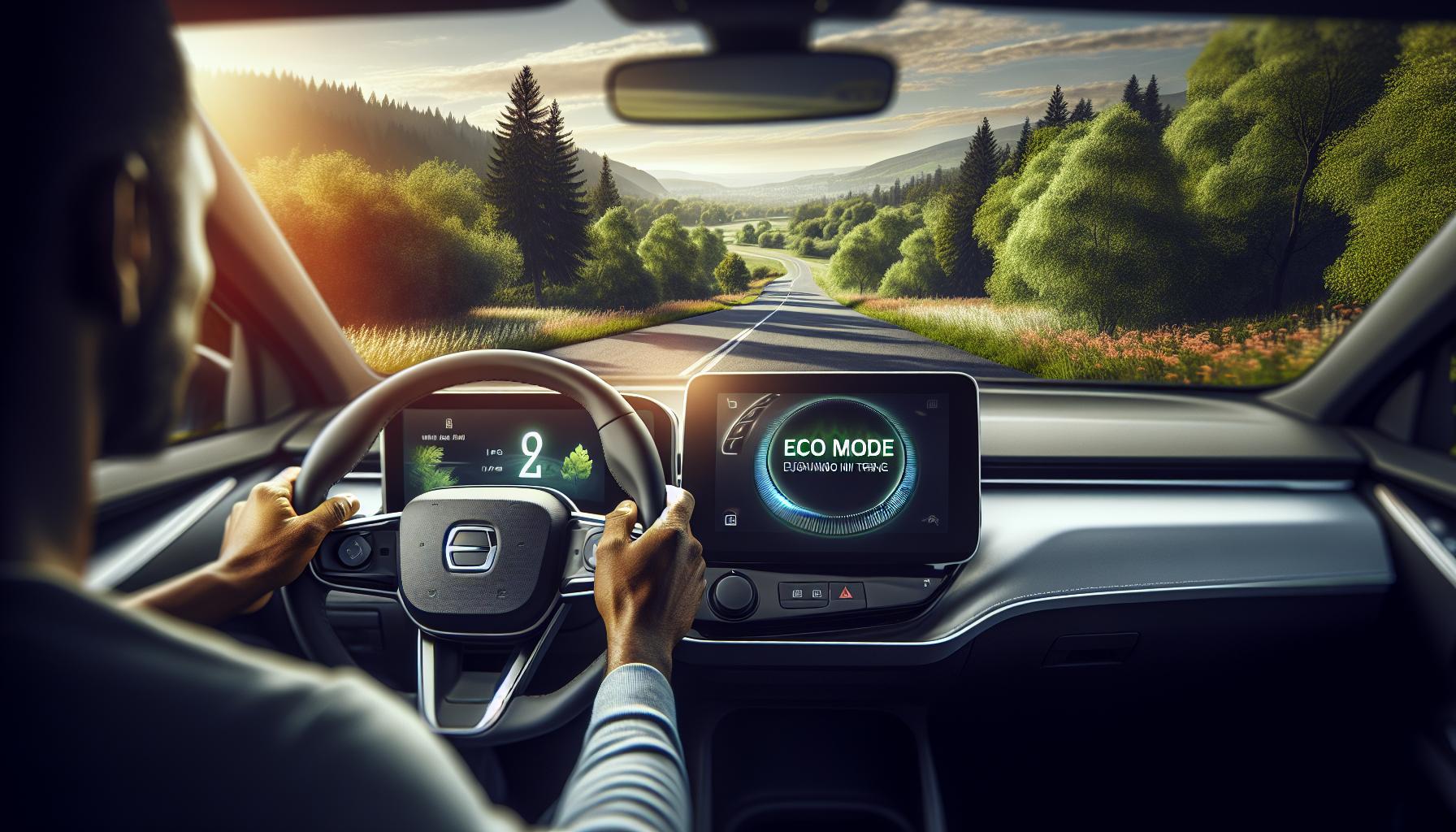
Driving in eco mode isn’t merely a feature; it’s a commitment to reducing our environmental impact and fostering a more sustainable future. When a vehicle operates in this mode, it optimizes fuel efficiency, leading to lower carbon emissions. For example, reports indicate that eco mode can enhance fuel economy by up to 15-20%, which translates to significant reductions in greenhouse gas emissions over time. This not only helps mitigate climate change but also contributes to cleaner air and better public health outcomes.
Maintaining lower fuel consumption when driving in eco mode means less carbon dioxide and harmful pollutants are released into the atmosphere. Over millions of drivers making eco-conscious choices, the collective impact is substantial. By using eco mode, drivers can lessen their ecological footprint, fostering biodiversity and preserving ecosystems that are often threatened by pollution and habitat loss. Additionally, many manufacturers are now focusing on producing vehicles with more efficient engines and hybrid technologies specifically geared towards maximizing eco mode benefits.
However, it’s essential to balance eco driving with personal and community needs. While eco mode provides an eco-friendly solution, understanding when and how to utilize it can ensure maximum environmental benefits without compromising safety. For instance, using eco mode during city commutes with frequent stops is ideal, while highway driving may require a more dynamic approach. Implementing eco-friendly habits alongside eco mode driving can amplify positive outcomes-like regular vehicle maintenance, tire inflation checks, and choosing eco-friendly fuels.
In summary, the environmental influence of driving in eco mode is profound, not just on individual drivers but on society as a whole. By embracing this practice, drivers can actively participate in the solution to climate challenges and reinforce their commitment to a healthier planet. Each trip taken in eco mode can propel us toward a more sustainable and thriving world, encouraging others to follow suit in the journey towards eco-conscious living.
When to Use Eco Mode for Maximum Benefits

Driving with Eco Mode can significantly enhance fuel efficiency, but knowing when to engage this feature is crucial for maximizing its benefits and maintaining overall performance. In urban environments, where frequent stops and starts are common, Eco Mode shines by refining throttle response and optimizing acceleration. This adjustment helps reduce fuel consumption during short trips, making it an excellent choice for city commuting, school runs, or errands. The mode automates certain functions like air conditioning, often defaulting to lower settings, which conserves energy without sacrificing comfort.
On the highway, however, using Eco Mode may not always be ideal, especially when higher speeds are involved. While it primarily focuses on fuel-saving measures, this mode might limit your vehicle’s acceleration response, which can be critical for merging or overtaking. In instances where quick acceleration is necessary-such as highway entrance ramps or passing slower vehicles-consider switching back to standard driving mode to regain full power and responsiveness.
Additionally, Eco Mode is beneficial during long road trips or when cruising at a constant speed. It promotes smoother driving habits, which can further enhance fuel efficiency and reduce wear and tear on the vehicle. To maximize the benefits of Eco Mode, engage it in situations where maintaining a steady speed is possible, such as on open roads with less traffic or during extended drives.
Ultimately, engaging Eco Mode at the right times not only aids in reducing fuel emissions but also creates a seamless driving experience that balances efficiency with performance. By understanding the specific driving conditions where Eco Mode performs best, drivers can make informed decisions that contribute to both personal and environmental well-being.
Potential Downsides of Constantly Using Eco Mode

Constantly engaging Eco Mode may seem like the greenest choice for your vehicle and the environment, but it’s important to recognize that there can be drawbacks to this driving style. While Eco Mode optimizes fuel efficiency mainly by adjusting throttle response and shifting patterns, relying solely on it can lead to less-than-ideal driving experiences and potential mechanical issues over time.
One major concern is that Eco Mode often limits the vehicle’s performance. The system prioritizes fuel conservation, which can result in slower acceleration and reduced responsiveness. This may be fine for leisurely city driving, but during situations that require quick acceleration-such as merging onto highways or navigating through heavy traffic-drivers may find that they have less power at their disposal. Overlooking the need to switch out of Eco Mode in these scenarios can lead to stress and unsafe driving conditions, making it critical to maintain awareness of when to engage or disengage this feature.
Moreover, using Eco Mode constantly can impact the vehicle’s overall health. Some systems may dampen the engine’s performance, potentially causing it to work harder during acceleration phases, which can lead to premature wear. Additionally, frequent switching between modes can wear out components related to the vehicle’s drive system. Ignoring the interplay between fuel economy and performance might lead to mechanical stress and ultimately increase long-term maintenance costs.
Finally, while Eco Mode promotes more efficient fuel consumption, it does not directly correlate to reduced overall environmental impact in every situation. If a driver becomes complacent in low-power driving, they might take longer to reach their destination, inadvertently increasing travel time and impacting fuel consumption overall. Balancing Eco Mode with the need for performance is essential to ensure that you are driving in a manner that is not only efficient but also safe and practical.
By recognizing these potential downsides, drivers can make more informed choices about when to take full advantage of Eco Mode, ensuring they optimize their driving experience while still contributing to eco-friendly practices.
Comparing Eco Mode with Other Driving Modes
Driving has evolved with advancements in automotive technology, offering various modes designed to enhance either performance or efficiency. Among these, Eco Mode stands out with its focus on fuel conservation, but how does it stack up against other driving modes available in vehicles today?
Eco Mode is specifically engineered to optimize fuel efficiency by modulating various vehicle parameters, including throttle response and transmission shifts. This often translates to a gentler acceleration and a more relaxed driving style. In contrast, Sport Mode enhances vehicle responsiveness and power, providing quicker accelerations and sharper handling. While Sport Mode may appeal to drivers seeking excitement or optimal performance during high-demand situations, it is less economical, leading to increased fuel consumption. Understanding when to employ each mode is crucial for achieving a balance between driving pleasure and efficiency.
Another common mode is Normal Mode (or Comfort Mode), which typically offers a middle ground. This setting maintains a balance between performance and efficiency, allowing for a comfortable drive without extreme sensitivity or sluggishness. This makes it ideally suited for everyday driving conditions where responsiveness is necessary but does not compromise on fuel efficiency to the extent of either Eco or Sport Mode.
When comparing Eco Mode with these alternatives, consider your driving habits. During city commutes where quick reactions are generally less critical, Eco Mode can be beneficial for extending fuel efficiency. However, on highways or in scenarios that require sudden acceleration, switching to Normal or even Sport Mode may enhance safety and comfort. Constantly relying on Eco Mode can limit your vehicle’s potential in these circumstances, highlighting the importance of adapting your driving style based on current demands.
Ultimately, understanding how to leverage each driving mode not only enhances your driving experience but also aligns with eco-conscious choices. By consciously selecting the appropriate mode for the situation, you can maximize fuel efficiency without compromising safety or vehicle performance. Balancing these modes encourages a more sustainable approach to driving, reflecting a commitment to both personal and environmental well-being.
How Eco Mode Affects Vehicle Performance
Driving in Eco Mode may seem like the ideal solution for those seeking to minimize fuel consumption, but it also has notable effects on vehicle performance that every driver should consider. When operating in this mode, your vehicle’s systems are optimized for fuel efficiency, which can profoundly alter how the car behaves on the road. For instance, Eco Mode generally modifies throttle response, transmission timing, and even air conditioning settings. This results in a more gradual acceleration and deceleration, prioritizing fuel savings over driver responsiveness.
Key Performance Changes
One of the most significant changes drivers may notice while in Eco Mode is the reduction in engine power and responsiveness. This means that while accelerating, the vehicle may feel less peppy, which can be a disadvantage in situations requiring quick maneuvers, such as merging onto highways or avoiding hazards. In some cases, the shift points for automatic transmissions can be altered, leading to higher RPMs at lower speeds, further affecting the way the vehicle feels during normal driving conditions.
Additionally, the steering and handling dynamics can soften, resulting in a less engaging driving experience. While this change aids in promoting a relaxed drive, it may not instill confidence in circumstances requiring agile handling. For instance, navigating sharp turns or sudden stops may feel different and could be perceived as less secure.
Real-World Implications
In practical terms, using Eco Mode exclusively could lead to frustration if the driving environment demands a more dynamic response, such as in city traffic or during weekend getaways. Many drivers find that while Eco Mode shines during steady highway cruising, city driving often benefits from a return to Normal or Sport Mode for quicker responses. Striking a balance can enhance overall satisfaction and ensure safety across varying driving conditions.
To summarize, while Eco Mode can significantly reduce fuel consumption, it’s essential to recognize its impact on vehicle performance. Understanding these dynamics allows drivers to make informed decisions about when to engage Eco Mode and when to switch back to a more responsive driving setting. Embracing a flexible approach not only enhances the driving experience but also supports an eco-conscious lifestyle that doesn’t compromise on safety or performance.
Tips for Balancing Eco Mode and Performance
Driving in Eco Mode can certainly help reduce fuel consumption, but achieving the perfect balance between eco-friendliness and vehicle performance is crucial for a satisfying driving experience. Many drivers instinctively adopt Eco Mode for every trip, yet understanding how and when to utilize this feature can significantly enhance both efficiency and safety on the road.
One effective strategy is to become familiar with the driving conditions and your car’s responsiveness. Thriving in Eco Mode during long highway drives, where steady speed prevails, can optimize fuel savings. Conversely, city driving, with its frequent stops and quick accelerations, may necessitate a switch back to Normal or Sport Mode. This not only maintains performance but also keeps you alert to surroundings, offering quicker responses to sudden changes in traffic or road dynamics.
Additionally, practicing smooth driving habits can further complement the use of Eco Mode. Gentle acceleration and gentle braking not only improve fuel efficiency but also allow the vehicle’s systems to work more harmoniously. This approach can lead to an incrementally better experience when driving in Eco Mode, as it lessens any negative aspects related to reduced engine power. Keep in mind that maintaining tire pressure and adhering to regular maintenance schedules also play vital roles in achieving optimal performance and fuel economy, as well-maintained vehicles tend to perform better in any setting.
Lastly, consider the psychological element of driving. Embracing the mental shift to Eco Mode can transform your driving journey. Engage with the environment around you, enjoy the quiet operation inherent in many Eco Modes, and recognize that your choices not only reduce fuel consumption but also contribute positively to the environment. So, calibrate your driving style, adapt to your surroundings, and remember that flexibility in mode selection empowers you to enjoy a more satisfying and efficient driving experience.
Real-World Experiences: Drivers Share Insights
Driving experiences widely vary among users when it comes to the implementation of Eco Mode. Many drivers report substantial benefits, particularly in terms of fuel efficiency and overall cost savings. For instance, Rachel, a city commuter, switched to Eco Mode and noted a significant reduction in her monthly fuel expenses, especially during her daily stop-and-go drives. She emphasizes the importance of adjusting her driving habits-maintaining steady speeds and avoiding rapid accelerations-to maximize benefits while in this mode.
Conversely, some drivers express frustrations with Eco Mode’s impact on vehicle responsiveness. Mark, who frequently travels on highways, found that while Eco Mode did enhance fuel economy, the throttle response lagged when he needed to overtake slower vehicles. He learned through experience which conditions suited Eco Mode and when to revert to Normal or Sport Mode for more dynamic driving situations. This insight highlights the importance of understanding the limitations and appropriate contexts for using Eco Mode effectively.
A notable trend among drivers is the mental shift associated with Eco driving. Many report feeling a greater sense of responsibility towards their environmental impact, as Eco Mode often encourages a more mindful approach to driving. Susan, an eco-conscious driver, shared that adopting Eco Mode prompted her to consider other sustainable practices, such as reducing idling and opting for carpooling when possible. This holistic approach not only supports her personal fuel savings but aligns with her broader environmental goals, fostering a deeper commitment to eco-conscious living.
Overall, real-world experiences illustrate that while Eco Mode offers numerous advantages, understanding its context, adapting driving styles, and remaining flexible in mode selection are critical for optimizing both fuel efficiency and driving enjoyment. Users are encouraged to remain observant and responsive to driving conditions while leveraging Eco Mode’s strengths to cultivate a more sustainable lifestyle.
The Future of Eco Modes in Automotive Technology
As the demand for more sustainable transportation options grows, the automotive industry is actively exploring advanced technologies that enhance the effectiveness of Eco Modes. These features are not just beneficial for fuel savings; they also play a pivotal role in reducing overall carbon emissions. One cutting-edge approach under consideration is the integration of real-time driving analytics, which could adjust Eco Mode settings based on current traffic conditions, vehicle load, or even specific driving styles. This adaptability could provide drivers with an optimized balance between fuel efficiency and performance, making Eco Modes even more versatile.
Another exciting development is the rise of electric vehicles (EVs) and hybrids, which often come standard with sophisticated Eco Modes that utilize regenerative braking and smart energy management systems. These vehicles can automatically switch between different power sources to maximize efficiency without compromising performance. Furthermore, increased collaboration between automotive manufacturers and tech companies is leading to more sophisticated AI-driven systems that learn from a driver’s habits and seamlessly integrate Eco Mode functionality with navigation apps, suggesting the most fuel-efficient routes in real time.
The future may also see Eco Modes becoming more personalized. Manufacturers are exploring features that allow drivers to set their preferences for efficiency versus performance, tailoring Eco Mode to individual needs and driving contexts. Imagine having an Eco Mode that adjusts its level of conservativeness based on your driving profile, ensuring optimal comfort while being eco-friendly. This personalization can lead to a deeper commitment among drivers to sustainable practices, empowering them to contribute positively to reducing their carbon footprint.
In summary, the evolution of Eco Modes signifies a move towards smarter, more user-centric technologies in vehicles. As these advancements unfold, they can provide drivers with not only fuel savings but also an engaging driving experience that aligns with the principles of sustainability. Embracing these innovations by opting for vehicles with advanced Eco Modes will not only benefit individual drivers but also contribute to a broader shift towards greener transportation solutions, making eco-conscious driving both practical and enjoyable.
Eco Mode: Myths vs. Facts
Many drivers feel uncertain about using Eco Mode, with a host of myths surrounding its efficacy and impact on vehicle performance. One common misconception is that Eco Mode drastically reduces power and responsiveness at high speeds or during quick accelerations. While it does adjust throttle response and manage fuel consumption more conservatively, most modern vehicles are engineered to maintain adequate performance without compromising safety. Eco Mode is designed to optimize fuel efficiency under normal driving conditions, meaning you can still accelerate and maneuver effectively when needed.
Another prevalent myth is that using Eco Mode will prevent vehicle systems from functioning optimally, including air conditioning and heating. In reality, these systems may still operate efficiently within Eco Mode settings. For example, while the air conditioning may run at reduced capacity, this can lead to minimal differences in cabin comfort during typical weather conditions, combined with significant fuel savings. Drivers can enjoy a comfortable ride while still benefiting from the greater efficiency Eco Mode provides.
It’s also important to dispel the idea that Eco Mode is only beneficial for long-distance highway driving. In fact, it can be advantageous in various driving situations. Urban environments, with their frequent stops and variable speeds, can particularly benefit from Eco Mode. By minimizing rapid accelerations and optimizing engine performance, drivers can effectively save fuel during short trips and daily commutes.
Lastly, some drivers believe that Eco Mode limits the lifespan of their vehicles by over-optimizing fuel efficiency. However, adopting an Eco-conscious driving style can actually prolong vehicle longevity by reducing wear and tear on engine components. Embracing Eco Mode encourages smoother acceleration and braking habits, resulting in less stress on the car’s mechanics and better overall performance.
By addressing these myths and recognizing the true capabilities of Eco Mode, drivers can make informed decisions about when and how to utilize this feature to enhance both their driving experience and environmental impact.
Q&A
Q: What happens to my fuel efficiency if I always drive in Eco Mode?
A: Driving in Eco Mode generally improves fuel efficiency by optimizing engine performance for better mileage. However, consistently using it may limit acceleration and impact overall driving dynamics, leading to situations where you use more fuel than expected if quick responsiveness is needed.
Q: Can driving in Eco Mode damage my car?
A: No, driving in Eco Mode will not damage your car. It is designed to enhance fuel efficiency and reduce emissions. However, if you primarily drive in heavy traffic or make frequent short trips, your vehicle might not reach optimal operating temperatures, which can affect long-term maintenance.
Q: Are there specific driving conditions where Eco Mode is not effective?
A: Yes, Eco Mode is less effective in conditions requiring rapid acceleration, such as merging onto highways or climbing steep hills. In these instances, switching to a more performance-oriented setting can improve responsiveness without jeopardizing safety.
Q: How does Eco Mode affect my vehicle’s acceleration?
A: Eco Mode typically reduces throttle sensitivity, resulting in slower acceleration to maximize fuel efficiency. While this is ideal for steady driving, it may not meet the demands for quick acceleration in faster-paced environments.
Q: Is it better to use Eco Mode on highways or city streets?
A: Eco Mode is typically more beneficial on city streets where stop-and-go traffic reduces fuel consumption. On highways, vehicles tend to operate efficiently regardless of mode, so it may not provide as significant an advantage.
Q: Will Eco Mode extend the lifespan of my vehicle?
A: While Eco Mode can help reduce wear on the engine by promoting smoother driving habits, it doesn’t directly extend the lifespan of your vehicle. Regular maintenance and responsible driving practices are still crucial for longevity.
Q: What are some tips for using Eco Mode effectively?
A: To maximize Eco Mode, maintain a steady speed, anticipate traffic to minimize sudden acceleration or braking, and ensure proper tire inflation. These habits not only boost fuel efficiency but also enhance overall driving comfort.
Q: Can I switch out of Eco Mode while driving?
A: Yes, you can switch out of Eco Mode while driving, allowing you to adapt to different conditions. This flexibility helps ensure that you have the performance you need when required, without sacrificing fuel efficiency when unnecessary.
Insights and Conclusions
In conclusion, while driving in Eco Mode can significantly enhance your fuel efficiency and reduce your environmental footprint, it’s important to consider how it may affect your overall driving experience and vehicle performance. By understanding the balance between efficiency and performance, you can make informed decisions that align with both your needs and sustainable driving practices.
If you’re eager to dive deeper, check out our articles on maximizing your vehicle’s fuel efficiency and understanding your ecological footprint. Don’t forget to subscribe to our newsletter for the latest tips and insights into sustainable living! Share your thoughts in the comments below-how do you approach eco-driving? Your experiences can inspire others to make greener choices. Stay engaged with us as we explore more ways to merge technology with sustainability, and together, let’s drive towards a more eco-conscious future!