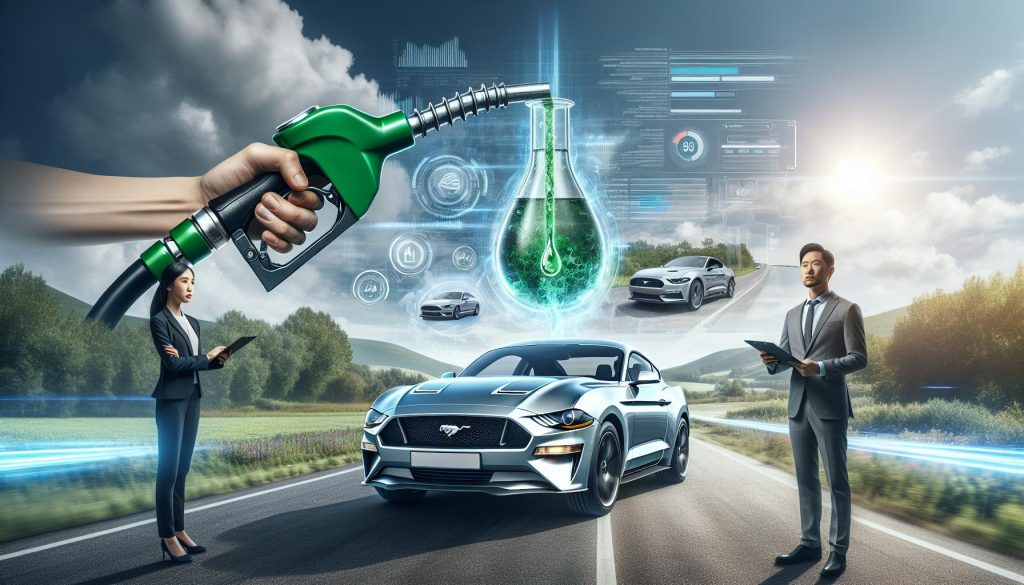
In a world increasingly focused on sustainability, the Ford Mustang EcoBoost stands out as a remarkable example of fuel efficiency innovation. With its powerful 2.3-liter turbocharged four-cylinder engine, this model balances performance and economy, offering an impressive EPA-estimated 24 mpg combined. For car enthusiasts and environmentally conscious drivers alike, understanding the EcoBoost technology reveals how modern engineering can enhance both driving pleasure and fuel savings. This shift not only addresses the urgent need for greener automotive solutions but also empowers individuals to make smarter choices at the pump. As we explore the intricacies of the EcoBoost Mustang’s fuel efficiency, you’ll discover how this innovation aligns with your goals of sustainability while still delivering the exhilarating performance you desire. Keep reading to uncover what makes the EcoBoost a game-changer in the pursuit of eco-friendly driving.
Understanding EcoBoost Technology in the Mustang
In the landscape of modern automotive engineering, EcoBoost technology represents a significant leap forward, particularly for the iconic Ford Mustang. At its core, EcoBoost utilizes a combination of turbocharging, direct fuel injection, and variable valve timing to deliver impressive power output while maintaining fuel efficiency. The 2.3-liter EcoBoost engine, for instance, generates up to 310 horsepower and 350 lb-ft of torque, showcasing that you don’t need a traditional V8 to enjoy strong performance. This approach not only enhances the driving experience but does so with an eye toward reduced fuel consumption, making it a more eco-friendly option for enthusiasts.
The Driving Principles Behind EcoBoost
The key to EcoBoost’s effectiveness lies in its turbocharging technology. By forcing more air into the engine, turbochargers allow for better combustion of the fuel. This results in a higher power output from a smaller displacement engine, effectively enhancing energy efficiency. Additionally, direct fuel injection ensures that fuel is delivered precisely when needed, further optimizing performance and reducing waste. When combined with variable valve timing, these technologies respond dynamically to the driver’s needs, providing a powerful acceleration without the traditional fuel penalty often associated with high-performance vehicles.
Consumer Perspectives and Environmental Benefits
Adoption of the EcoBoost Mustang not only appeals to performance aficionados but also to environmentally-conscious drivers. Many users report experiencing better real-world fuel economy than with their previous vehicles, even when diving into the thrilling world of sports cars. The potential for lower CO2 emissions aligns well with current global trends toward sustainability, positioning the Mustang as a practical choice for those who wish to indulge in spirited driving without neglecting their ecological footprint.
In conclusion, understanding EcoBoost technology goes beyond just appreciating its advanced engineering-it’s about recognizing how it represents a pivotal move towards sustainable, enjoyable driving experiences. With EcoBoost models, Ford has crafted a vehicle that satisfies both the thrill-seeker and the eco-aware consumer, marking an innovative step in the evolution of performance cars.
How EcoBoost Enhances Fuel Efficiency
The Ford Mustang EcoBoost stands out as an embodiment of modern engineering that redefines performance without sacrificing fuel efficiency. By harnessing advanced technologies, this innovative powerplant delivers significantly higher MPG ratings compared to traditional full-size V8 engines, allowing enthusiasts to experience spirited driving while being mindful of fuel consumption. The combination of turbocharging and direct fuel injection offers a notable enhancement in fuel economy, suitably addressing the concerns of both performance lovers and eco-conscious drivers.
One of the key aspects that enhances fuel efficiency in the EcoBoost Mustang is its ability to generate maximum power from a smaller engine. The 2.3-liter inline-four engine achieves impressive performance metrics-310 horsepower and 350 lb-ft of torque-while minimizing fuel use. This is made possible through the use of turbocharging technology, which allows the engine to draw in more air and mix it effectively with fuel, achieving a robust combustion process that boosts output without the bulk and weight of a larger engine. By adopting a smaller displacement design paired with turbocharging, the EcoBoost makes each drop of fuel more effective, ensuring less waste and a reduced carbon footprint.
Additionally, the EcoBoost strategy incorporates advanced features such as variable valve timing and precise fuel delivery methods. This means that the engine can adjust its air and fuel mix based on driving conditions-improving efficiency during city drives while delivering swift power during high-speed acceleration. By optimizing performance according to necessity, the EcoBoost technology effectively strikes a balance between power and economy, inviting drivers to engage enthusiastically without the guilt of excessive fuel consumption.
In summary, the EcoBoost Mustang epitomizes a forward-thinking approach in the automotive industry by merging exhilarating performance with remarkable fuel efficiency. As drivers become increasingly mindful of both their driving experience and environmental implications, the EcoBoost lineup serves as an enticing option that resonates with a more sustainable and exhilarating lifestyle. Embracing such innovations not only benefits the individual driver but also contributes positively to long-term ecological health, highlighting the importance of making informed choices in the quest for sustainable transportation.
Comparing EcoBoost to Traditional Mustang Engines
The evolution of the Ford Mustang has seen significant advances in automotive technology, particularly in the shift from traditional V8 engines to EcoBoost powertrains. The EcoBoost Mustang, equipped with a 2.3-liter turbocharged inline-four engine, offers a compelling alternative to the iconic V8s traditionally associated with this legendary model. This shift not only reflects changing consumer preferences towards efficiency but also highlights advancements in engineering that allow for impressive performance without the inherent drawbacks of larger engines.
When comparing the EcoBoost to traditional Mustang engines, the most notable difference lies in fuel efficiency and power delivery. The typical V8, while renowned for a visceral driving experience and raw power, often sacrifices fuel economy, especially in daily driving scenarios. For instance, while a V8 Mustang might deliver thrilling acceleration, it typically provides lower MPG ratings-often hovering around 16-20 combined mpg depending on driving habits and conditions. In contrast, the EcoBoost Mustang boasts an EPA-estimated 24 mpg combined, demonstrating that drivers can enjoy spirited performance while benefiting from reduced fuel expenditures and a smaller carbon footprint.
Another key factor is the innovative turbocharging technology utilized in the EcoBoost engine. This technology allows the smaller 2.3-liter engine to produce up to 310 horsepower and 350 lb-ft of torque, rivaling the outputs of some V8 counterparts while utilizing less fuel. By drawing in more air with the turbocharger, the EcoBoost engine can efficiently combust fuel, providing robust power at lower RPMs-a distinct advantage for both city driving and highway cruising. Additionally, with features like direct fuel injection and variable valve timing, the EcoBoost is adaptable to various driving conditions, enhancing both performance and fuel efficiency.
Furthermore, many consumers are increasingly concerned with the environmental impact of their vehicles. The EcoBoost Mustang aligns with these values without compromising the thrill that comes with driving a performance car. The reduced emissions and improved fuel economy support a more sustainable lifestyle, which is becoming a priority for many modern drivers. As awareness of ecological footprints and climate change grows, the EcoBoost Mustang represents an increasingly appealing option for those seeking excitement at the wheel while remaining conscious of their environmental responsibilities.
In summary, the EcoBoost Mustang serves as a bridge between exhilarating performance and responsible driving. By choosing this innovative powertrain, drivers get to appreciate a unique blend of power, efficiency, and eco-consciousness-qualities that reflect the future of the automotive industry and appeal to a more environmentally aware generation.
Real-world Fuel Economy: What Users Experience
Many Mustang enthusiasts have found that the EcoBoost model offers surprisingly good fuel economy, even in the thrilling world of performance cars. Drivers frequently report real-world experiences that align closely with the EPA ratings, showcasing the vehicle’s potential for daily driving efficiency without sacrificing excitement. For those who switch from traditional V8 Mustangs to the EcoBoost, the transition often reveals a significant reduction in fuel costs and an enjoyable driving experience without the guzzling gas habits typical of larger engines.
When taking to the highways, many EcoBoost owners illustrate that they can achieve upwards of 30 mpg with a light foot, especially during long highway cruising. This commendable fuel efficiency remains consistent with reports from various forums, where users share their experiences at cruising speeds, highlighting an average range in the upper 20s to low 30s mpg. However, when pushing the vehicle’s performance capabilities-be it aggressive acceleration or spirited driving-users do notice a dip in fuel economy, a normal trade-off for the thrill of performance driving. This dual-nature of the EcoBoost allows drivers to enjoy their vehicle without the nagging concern of constantly skyrocketing fuel expenses.
Moreover, consumer feedback reveals that maintaining driving habits focused on smooth acceleration and steady speeds can further enhance fuel economy. Some find satisfaction in routine checks and maintenance, ensuring their EcoBoost models run optimally, which can lead to peppier responses along with better fuel-saving potential. Strategies that include regular tire inflation checks, avoiding excessive idling, and employing adaptive cruise control on longer trips contribute positively to achieving and maintaining desired mpg figures.
Ultimately, the real-world fuel economy of the EcoBoost Mustang reinforces its position as a practical yet powerful performance car. The innovative turbocharged engine allows for a balance of spirited driving and efficient fuel use. As more prospective buyers explore performance vehicles, the EcoBoost Mustang emerges as a compelling option for those eager to embrace an exciting drive while keeping an eye on sustainability and fuel economy.
The Science Behind Turbocharging and Efficiency
The integration of turbocharging technology in the EcoBoost Mustang represents a significant leap toward achieving heightened performance without the disadvantages typically associated with high fuel consumption. By compressing more air into the engine’s cylinders, turbocharging allows for a more efficient combustion process, enabling smaller engines to produce power levels comparable to traditional, larger engines. This capability not only enhances performance but also optimizes fuel economy, making the EcoBoost Mustang a breakthrough in the quest for sustainable performance in automobiles.
One of the key features of turbocharging is its ability to recover energy from exhaust gases. As the engine works, it expels exhaust, which in conventional engines is often wasted energy. In contrast, the turbocharger harnesses this energy to spin a turbine, which compresses the intake air before it enters the engine. This results in better airflow and increased power output, which translates to a thrilling driving experience. With the EcoBoost Mustang’s turbocharged 2.3-liter engine, drivers can enjoy 315 horsepower and 350 lb-ft of torque, getting from 0 to 60 in just 4.9 seconds while still achieving an impressive EPA-estimated 24 mpg combined [[3]].
Benefits of Turbocharging
Turbocharging offers several advantages that contribute to the EcoBoost Mustang’s efficiency:
- Enhanced Power Output: Smaller engines can deliver big power, reducing the weight of the car and improving handling.
- Fuel Efficiency: Turbocharged engines consume less fuel than larger, naturally aspirated engines, especially during highway driving.
- Lower Emissions: With better fuel efficiency comes reduced carbon footprint, contributing to a more eco-friendly driving experience.
As the automotive industry collectively shifts towards a focus on efficiency, turbocharging stands out as a critical innovation. Constant advancements in this technology mean that, while the EcoBoost Mustang may deliver heart-pounding performance today, it is also paving the way for even more responsible driving in the future. Understanding how turbocharging enhances efficiency allows Mustang enthusiasts to not only revel in the thrill of the ride but also celebrate the strides their vehicle is making toward environmental responsibility.
Eco-Friendly Innovations in the Latest Mustang Models
The latest Mustang models are not just about exhilarating performance; they also embody a commitment to sustainability and eco-friendly innovations. Emphasizing the balance between muscle and mindful driving, the EcoBoost technology equips these vehicles with features that significantly reduce their environmental impact while maintaining impressive power. For example, the turbocharged engines not only provide an exhilarating driving experience but also utilize a smaller engine size, resulting in less fuel consumption and lower carbon emissions compared to traditional larger engines.
One of the standout innovations in recent Mustang models is the integration of advanced engine management systems that optimize fuel injection and timing. This innovation ensures that every drop of fuel is used efficiently, maximizing horsepower while minimizing waste. Additionally, the lightweight materials used in the vehicle construction, such as aluminum, contribute to better fuel efficiency due to reduced overall vehicle weight. This design philosophy reflects Ford’s broader environmental strategy to improve the lifecycle efficiency of their vehicles, addressing both performance and eco-responsibility.
Moreover, Ford is making strides in initiatives promoting renewable energy sourcing and reducing overall emissions across their manufacturing processes. By focusing on energy-efficient production techniques and recycling materials, they are setting a precedent in the automotive industry. The latest models also showcase advancements in technology, such as regenerative braking systems, which capture and reuse energy typically lost during braking, further enhancing overall efficiency.
Thus, Mustang enthusiasts can take pride in driving a vehicle that not only excites on the road but also integrates eco-friendly innovations that align with a more sustainable future. This commitment to sustainability does not sacrifice performance; rather, it enhances the driving experience while working towards a cleaner planet.
Performance vs. Efficiency: Finding the Balance
The evolution of automotive technology has created a fascinating intersection of performance and efficiency, particularly evident in the EcoBoost Mustang. This innovative engine technology enables drivers to experience the thrill of performance without significantly compromising fuel economy, making it possible to enjoy the power of a sports car while being conscious of environmental impact. With EcoBoost, Ford has harnessed turbocharging and direct fuel injection to maximize engine efficiency, resulting in high power outputs from smaller displacement engines.
Finding the right balance between performance and efficiency hinges on understanding how EcoBoost achieves this synergy. Turbocharging plays a critical role by forcing more air into the engine, allowing it to burn fuel more effectively. This means that even with a smaller engine, drivers can attain thrilling horsepower while reducing fuel consumption. For example, a 2.3-liter EcoBoost engine can produce an impressive 310 horsepower, showcasing how technological advancement allows small engines to perform at levels historically reserved for larger, less-efficient powertrains.
Moreover, integrating lightweight materials into the design of the Mustang further enhances fuel efficiency. By decreasing the overall weight of the vehicle, it requires less energy for acceleration, improving mileage without sacrificing speed. This mindful engineering reflects a broader commitment to sustainability in automobile manufacturing. With the balance of power and eco-friendliness, the EcoBoost Mustang not only delivers on performance metrics but also satisfies the growing consumer demand for vehicles that are less taxing on the environment.
Drivers looking to maximize this balance can adopt certain practices. Simple actions, such as maintaining proper tire pressure, using cruise control on highways, and avoiding hard accelerations, can significantly enhance fuel efficiency. These mindful driving habits complement the Mustang’s advanced engineering, ensuring drivers reap the full benefits of the EcoBoost system without stepping down from their performance expectations. By embracing both powerful performance and conscientious driving, EcoBoost Mustang owners embody a new era of automotive excellence that respects both the thrill of the ride and the planet we inhabit.
Cost Savings: Long-Term Benefits of EcoBoost
The EcoBoost technology in the Ford Mustang not only delivers a thrilling driving experience but also offers substantial cost savings over the long term. By utilizing turbocharged engines, the Mustang achieves higher efficiency and power output from a smaller displacement, meaning less fuel is consumed per mile compared to traditional larger engines. This translates directly into cost savings for the owner, as fueling up becomes less frequent and less expensive.
In the context of today’s economy, fuel prices can greatly impact the overall cost of vehicle ownership. EcoBoost engines have been engineered to provide enhanced fuel economy, often exceeding 30 miles per gallon on the highway. For drivers covering substantial distances, these efficiencies can lead to significant savings over time. Additionally, the lower emissions associated with EcoBoost engines may make the Mustang eligible for certain tax incentives or rebates, further offsetting ownership costs.
Beyond fuel savings, the maintenance costs for EcoBoost Mustangs can be lower compared to traditional V8 models. With fewer parts subject to wear and tear and innovative engineering reducing strain on components, owners may find themselves spending less on repairs and servicing. This holistic approach towards efficiency not only saves money at the pump but also in the garage, while enhancing the vehicle’s performance and longevity.
Moreover, as consumers become increasingly environmentally conscious, driving an EcoBoost Mustang can represent a favorable image. By choosing a vehicle that marries performance with sustainability, drivers often feel empowered to make choices that reflect their values. Through the long-term savings on fuel and maintenance, coupled with the positive environmental impact, the EcoBoost Mustang stands out as an intelligent investment for both car enthusiasts and eco-conscious individuals alike.
Environmental Impact of EcoBoost Mustang
The Ford Mustang EcoBoost not only elevates the performance standard of muscle cars but also significantly contributes to a greener planet. With turbocharged technology, the EcoBoost engine achieves impressive fuel efficiency while maintaining that exhilarating driving experience synonymous with the Mustang brand. In essence, this innovative engine minimizes fuel consumption, resulting in lower carbon emissions-an essential factor in the fight against climate change.
Lower emissions are a defining characteristic of the EcoBoost Mustang. The 2.3-liter turbocharged four-cylinder engine generates fewer greenhouse gases compared to traditional V8 engines. This reduction plays a vital role in enhancing air quality, helping to create a cleaner atmosphere. Additionally, with an EPA-estimated 24 miles per gallon combined, drivers can travel longer distances on less fuel, allowing them to contribute to reduced fossil fuel dependency. The EcoBoost engine embodies the ideal of performance intersecting with environmental responsibility.
Moreover, the environmental impact of the EcoBoost Mustang extends beyond mere emissions. Ford continuously invests in sustainable practices and materials throughout its production process. This commitment includes using recycled materials in vehicle interiors and improving the overall energy efficiency of manufacturing facilities. By embracing these practices, Ford not only reduces the ecological footprint of the Mustang but also sets a precedent for sustainability in the automotive industry.
When considering the environmental implications of any vehicle, potential buyers can take heart in knowing that choosing an EcoBoost Mustang is a step toward a more sustainable future. By favoring modern engineering that balances performance and eco-friendliness, drivers can enjoy the thrill of one of America’s most iconic cars without compromising their environmental values. The EcoBoost Mustang illustrates that it’s possible to embrace an exhilarating driving experience while being mindful of our planet’s health.
Consumer Reviews: EcoBoost Mustang in Daily Life
The Ford Mustang EcoBoost shines in daily life scenarios, particularly for those who value both exhilarating performance and practicality. Many drivers share their experiences of seamlessly integrating the EcoBoost into their routines, enjoying the blend of sporty handling and efficient fuel consumption. Owners often remark upon the impressive torque and responsiveness the 2.3-liter turbocharged engine offers, making it a joy to drive in various conditions-from busy city streets to winding country roads. This model is favored not only for its muscle car aesthetics but also for its efficiency, often achieving more miles per gallon than many traditional American muscle cars.
User reviews frequently highlight the EcoBoost’s positive impact on their overall driving experience. Many appreciate that the turbocharged engine allows for rapid acceleration without the significant fuel penalties typical of larger V8 engines. In practical terms, drivers have reported average fuel economy around 24 MPG in mixed driving conditions, fostering a sense of guilt-free enjoyment during commutes or weekend getaways. Additionally, the EcoBoost engine design draws fewer greenhouse gases, providing drivers with peace of mind that they’re making a more environmentally responsible choice without sacrificing performance.
Everyday Efficiency and Cost Savings
Beyond performance, consumers are impressed by the cost-effectiveness of the EcoBoost Mustang. With rising fuel prices, owners often cite significant savings at the pump compared to traditional V8 models, allowing them to enjoy the thrill of driving while still sticking to a budget. Reviews point out that regular fuel rather than premium can further enhance savings, making the EcoBoost not only a thrilling option but also a wise financial decision for daily use.
A Sustainable Driving Choice
Many EcoBoost Mustang enthusiasts also cherish the model for its role in a more sustainable lifestyle. It’s common to see owners embracing this model as part of a broader commitment to eco-conscious living, eager to minimize their ecological footprint while enjoying a rich driving experience. From commuting to road trips, the EcoBoost demonstrates how innovation in automotive technology can foster both fun and efficiency, making it a strategic choice for those looking to harmonize their love for performance with responsible environmental practices.
Future of EcoBoost Technology in Performance Cars
As automotive technology continues to evolve, the future of EcoBoost technology within performance vehicles like the Ford Mustang is poised to embrace enhancements that prioritize both power and sustainability. Harnessing innovative engineering, future EcoBoost engines are expected to further refine their already impressive capabilities by incorporating advanced turbocharging techniques and hybrid technologies. These innovations promise not just an increase in fuel efficiency, but also a significant reduction in emissions, making high-performance vehicles more environmentally friendly than ever before.
On a practical level, the integration of hybrid systems with traditional EcoBoost engines could allow drivers to experience thrilling acceleration without the fuel consumption penalties that have historically been associated with high-performance vehicles. For example, adding electric motor assistance to the turbocharged engine could provide bursts of additional power during acceleration, resulting in a more dynamic driving experience while still maintaining optimal fuel efficiency during regular driving conditions. This dual approach aligns perfectly with consumers’ growing demands for vehicles that do not compromise on performance or morality, proving that speed and eco-consciousness can indeed go hand in hand.
Additionally, ongoing advancements in materials science and engine dynamics mean that future EcoBoost systems will likely be lighter and more efficient. Utilizing high-strength lightweight materials could decrease the overall weight of the Mustang, enhancing its performance while also improving fuel economy. By optimizing the engine’s thermal efficiency through precise cooling technologies and cutting-edge fuel injection techniques, Ford aims to create a platform where EcoBoost engines not only outperform traditional V8 counterparts but also redefine what performance means in the modern automotive landscape.
As consumers become more environmentally aware, manufacturers like Ford are taking proactive steps to ensure that future iterations of the Mustang remain relevant. The continued development of EcoBoost technology reflects a commitment to sustainability and a recognition that modern performance can coexist with eco-friendly innovations. With an eye toward preserving the thrill of driving while meeting stringent environmental standards, the future of EcoBoost in performance cars looks not only promising but essential for an evolving marketplace that increasingly values responsibility alongside speed.
Maximizing Fuel Efficiency: Tips for Mustang Owners
To get the most out of your EcoBoost Mustang and maximize fuel efficiency, a few simple practices can significantly enhance your driving experience and reduce overall fuel consumption. These tips not only help you save at the pump but also contribute to a more sustainable driving lifestyle.
One of the first steps to improving fuel efficiency is keeping your Mustang well-maintained. Regular oil changes with the correct grade of synthetic oil can lower engine friction and enhance performance. Likewise, ensuring that your air filter is clean allows the engine to breathe better, which can lead to improved combustion efficiency. Tire maintenance also plays a crucial role; keeping them properly inflated reduces rolling resistance and can contribute up to a significant increase in miles per gallon.
Driving habits profoundly impact fuel efficiency as well. Adopting a smoother driving style-accelerating gradually and maintaining a steady speed-can work wonders. Utilizing cruise control on the highway helps maintain a consistent speed, which can further boost your gas mileage. Avoiding rapid starts and hard braking can make a noticeable difference, as these behaviors can significantly increase fuel consumption.
Moreover, understanding how weight affects performance can also lead to smarter choices. Every pound counts; consider removing unnecessary items from your trunk or cabin. Additionally, if you frequently drive in stop-and-go traffic, try to plan your trips for times when roads are less congested. Each of these adjustments, while simple and straightforward, can greatly enhance the overall fuel efficiency of your EcoBoost Mustang, keeping you eco-conscious and financially savvy.
By making these intentional adaptations to your driving routine, you’ll find that embracing fuel efficiency doesn’t mean sacrificing the thrill of performance. Instead, it becomes a harmonious blend of power and responsibility-a reflection of modern driving that respects both the environment and the driving experience.
Faq
Q: What is EcoBoost technology in the Mustang?
A: EcoBoost technology in the Mustang refers to Ford’s turbocharged, direct-injection engines that provide enhanced power and improved fuel efficiency. By using a smaller displacement engine with a turbo, it delivers performance similar to larger engines while consuming less fuel.
Q: How does EcoBoost enhance fuel efficiency compared to traditional engines?
A: EcoBoost enhances fuel efficiency by utilizing turbocharging and direct fuel injection, which optimize combustion. This technology allows smaller engines to produce more power without the increased fuel consumption typical of larger engines, resulting in better miles per gallon.
Q: What kind of fuel economy can I expect from a Mustang with EcoBoost?
A: Mustangs equipped with EcoBoost engines can achieve an average of 21-32 miles per gallon, depending on driving conditions and model year. This is significantly better compared to traditional V8 models, making EcoBoost a popular choice for efficiency-conscious drivers.
Q: Are there performance trade-offs with the EcoBoost Mustang?
A: While the EcoBoost Mustang prioritizes fuel efficiency, it still offers impressive performance. Drivers do not have to sacrifice acceleration or driving enjoyment; the turbocharged engine provides strong torque and horsepower, balancing performance with efficiency.
Q: What maintenance considerations are there for EcoBoost Mustangs?
A: Maintenance for EcoBoost Mustangs should focus on regular oil changes and using high-quality fuel to prevent carbon buildup in the turbocharger. Additionally, inspect the intercooler to ensure optimal performance. Following these guidelines helps sustain both performance and fuel efficiency.
Q: How does EcoBoost technology reduce environmental impact?
A: EcoBoost technology reduces environmental impact primarily through better fuel economy, which decreases carbon emissions. By improving engine efficiency, it allows users to enjoy performance vehicles while still being eco-friendly.
Q: Can EcoBoost tuning improve performance and efficiency?
A: Yes, EcoBoost tuning can enhance both performance and efficiency. Proper tuning can optimize engine parameters, resulting in increased horsepower and torque while maintaining or even improving fuel economy. However, it’s crucial to use reputable tuning services to ensure engine longevity.
Q: What should I consider when buying a used EcoBoost Mustang?
A: When buying a used EcoBoost Mustang, check the vehicle’s maintenance history, especially oil change intervals and turbocharger condition. Look for signs of wear, and take it for a test drive to assess performance, especially in terms of acceleration and engine responsiveness.
Key Takeaways
As you’ve discovered, the EcoBoost Mustang offers a remarkable blend of power and efficiency, proving that performance doesn’t have to compromise fuel economy. With impressive MPG ratings like 21/32/25 in city/highway/combined scenarios for the 2023 model, the EcoBoost technology not only enhances your driving experience but also supports a more sustainable approach to motoring. Ready to elevate your driving experience? Explore more insights on Mustang performance by checking out our article on the latest Mustang features and technology.
Don’t forget to stay updated on all things Mustang-subscribe to our newsletter for exclusive content and automotive tips that empower you to make the most informed choices. Whether you’re curious about enhancing your vehicle’s performance or want to dive deeper into eco-friendly driving options, we’ve got plenty of resources to guide you. Share your thoughts or questions in the comments below, and let’s keep the conversation going about how you can enjoy the thrill of the Mustang while being mindful of efficiency. Your journey towards smarter, exhilarating driving starts here!