
Did you know that transportation accounts for nearly 29% of greenhouse gas emissions in the United States? As concerns over climate change and sustainability grow, understanding eco-friendly driving practices has never been more crucial. “Eco in Cars” embodies the principles of fuel-efficient driving, which not only reduces your carbon footprint but also saves you money at the pump. By adopting eco-conscious habits, you can make a significant impact on the environment while enjoying the benefits of better fuel economy. Whether you’re a seasoned driver or new to the world of green driving, this guide will equip you with practical tips and insights to enhance your driving experience. Join us on this journey towards a sustainable future, where every mile matters and every choice counts. Rediscover how simple adjustments can lead to lasting change, both for your wallet and the planet.
What Does Eco-Friendly Driving Mean?
In the quest for sustainability, eco-friendly driving emerges as a crucial practice that not only helps protect the planet but also fosters a more economical lifestyle. At its core, eco-friendly driving refers to the conscious adoption of driving habits and vehicle choices designed to minimize environmental impact. This encompasses a broad range of tactics, from choosing fuel-efficient cars and maintaining their optimal performance to altering driving styles for reduced emissions and fuel consumption.
Key Elements of Eco-Friendly Driving:
- Fuel Efficiency: Driving a vehicle that achieves better miles per gallon (MPG) significantly reduces the amount of fuel consumed, directly decreasing greenhouse gas emissions. Eco-friendly vehicles, including hybrids and electrics, are specifically engineered to provide superior fuel efficiency compared to traditional combustion engines.
- Driving Behavior: How you drive influences fuel consumption. Gentle acceleration and deceleration, adhering to speed limits, and avoiding excessive idling can enhance efficiency. Studies show that aggressive driving can reduce fuel economy by as much as 30%.
- Vehicle Maintenance: Keeping your vehicle well-maintained is essential for eco-friendly driving. Regular oil changes, proper tire pressure, and timely tune-ups ensure that your vehicle operates efficiently, which can lead to lower emissions and improved fuel economy.
- Choice of Fuel and Vehicle Type: Opting for renewable fuels or alternative energy sources lowers your carbon footprint. Additionally, selecting energy-efficient vehicles contributes to a greener future. Understanding the lifecycle emissions or the complete environmental impact of your vehicle choice is vital in making informed decisions.
- Planning Efficient Routes: Taking time to plan your routes can save both time and fuel. Utilizing apps that provide real-time traffic updates helps avoid congestion, which not only lowers fuel consumption but also reduces stressful driving conditions.
By embracing these principles, drivers can contribute positively to environmental stewardship while reaping the financial benefits of fuel savings. Every small change in driving habits or vehicle choice can create significant impacts collectively, paving the way for a sustainable future for all.
Benefits of Fuel Efficiency for Your Wallet and the Planet
Driving a fuel-efficient vehicle can feel like a win-win situation, benefiting both your finances and the planet. Every mile you drive with improved efficiency translates to less fuel consumption, which not only helps you save on gas costs but also reduces harmful emissions contributing to climate change. For instance, a car that gets 30 miles per gallon (MPG) versus one that only achieves 20 MPG can save you about 50% on fuel expenses for the same distance driven. This might seem small at first glance, but over time, especially with rising fuel prices, those savings can amount to significant annual cash flow that you can allocate towards other areas or environmentally-friendly practices.
Moreover, embracing fuel efficiency plays an essential role in reducing your ecological footprint. As road vehicles are a primary source of carbon dioxide pollution, driving a more efficient car helps minimize greenhouse gas emissions. This contributes to cleaner air quality and a healthier environment, supporting efforts to mitigate climate change. In broader terms, every fuel-efficient vehicle on the road contributes to a collective reduction in oil dependency, which can lead to less invasive drilling practices and habitat destruction. Therefore, making responsible choices regarding fuel and vehicle efficiency not only aids individual wallets but also fosters a more sustainable future for our planet.
In addition to immediate financial and environmental benefits, many governments and organizations promote fuel efficiency through incentives. These may include tax credits for purchasing hybrid or electric vehicles, rebates for installing energy-efficient technologies, or lower registration fees for eco-friendly cars. By tapping into these incentives, you not only enhance your vehicle’s efficiency but also fortify your financial standing while supporting the transition to a greener economy.
Understanding these multiple layers of benefits from fuel efficiency offers an empowering perspective. You are not merely changing how you drive; you are part of a larger movement towards sustainability that encompasses economic prudence, environmental responsibility, and a commitment to a healthier future for generations to come. Choosing to prioritize fuel efficiency is a proactive step that reverberates positively through our communities and the planet.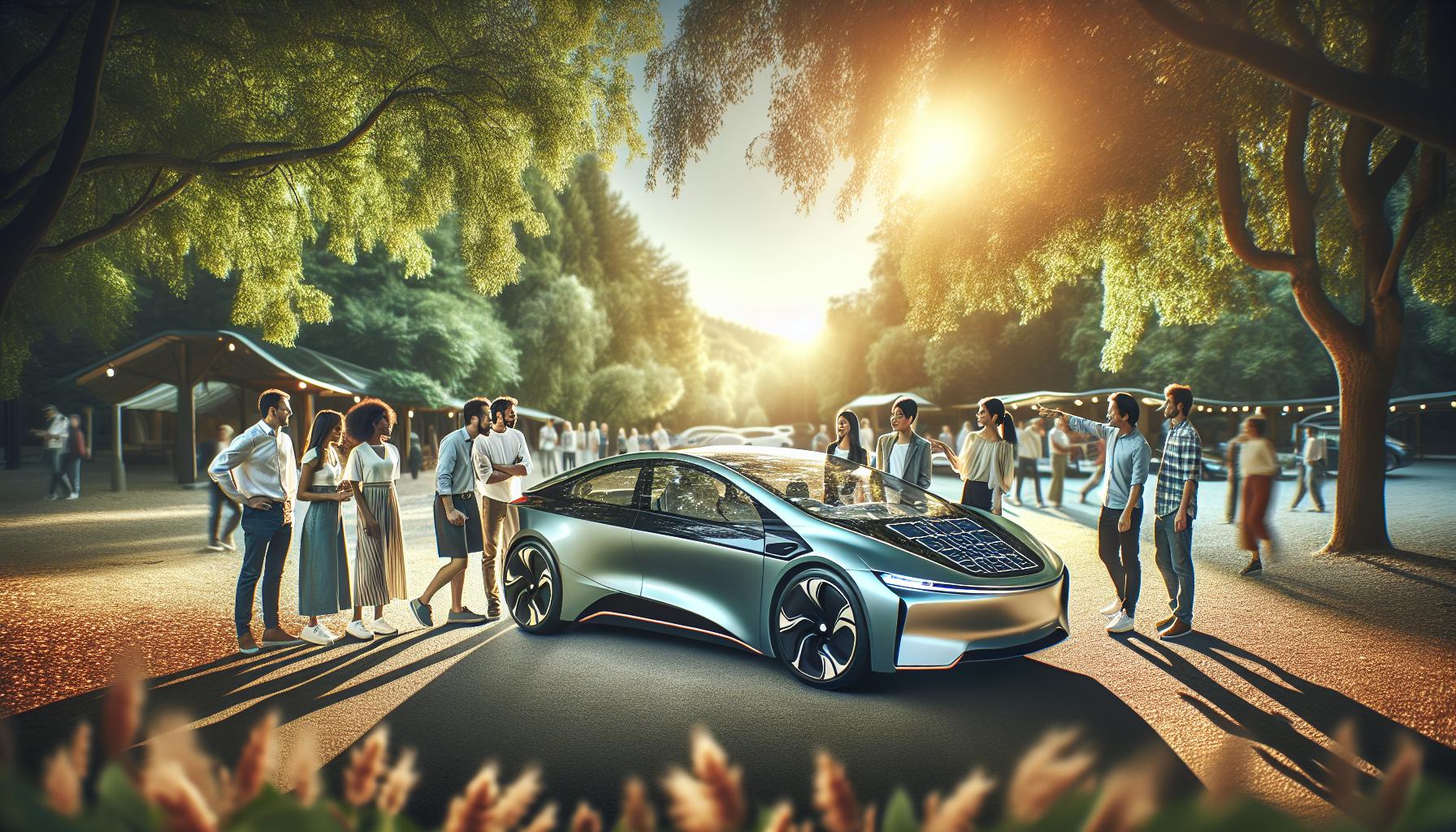
Top Eco-Friendly Technologies in Modern Cars
Modern cars are more than just modes of transport; they are equipped with innovative technologies designed to minimize environmental impact and enhance fuel efficiency. With climate change at the forefront of global concerns, innovations in automotive engineering come as a beacon of hope. Notably, advancements in eco-friendly technologies not only cater to environmental health but also enhance the driving experience and fuel economy.
One of the standout technologies is the hybrid engine, which combines traditional internal combustion engines with electric propulsion. This dual-system allows for greater fuel efficiency by relying more on electric power, especially at lower speeds. Another revolutionary advancement is start-stop technology, which automatically shuts off the engine when the vehicle is stationary, such as at traffic lights, and restarts it when the driver accelerates. This feature can improve fuel economy by several percentage points in urban driving conditions.
Additionally, the use of lightweight materials, such as aluminum and high-strength steel, reduces a vehicle’s overall weight, leading to enhanced fuel efficiency and improved handling. Regenerative braking systems stand out as well; they capture energy typically lost during braking and convert it into usable power for acceleration or to recharge the battery, significantly enhancing the efficiency of hybrid and electric vehicles. Furthermore, advanced fuel injection systems optimize the mixture of air and fuel, ensuring a more complete combustion process, which leads to better mileage and lower emissions.
These innovations, combined with user-friendly interfaces that provide feedback on driving habits, allow drivers to adapt their behaviors for better fuel efficiency. With every technological advancement, modern vehicles progressively bridge the gap towards sustainable driving, turning eco-friendly aspirations into practical reality. By considering these advancements, consumers can make informed choices that align not only with personal budget considerations but also with broader environmental goals.
Driving Habits That Maximize Fuel Efficiency
Adopting driving habits that enhance fuel efficiency can significantly contribute to both your wallet and the environment. Simple adjustments in how you drive can lead to noticeable improvements in your vehicle’s fuel consumption. For instance, aggressive driving-characterized by rapid acceleration and hard braking-can lower fuel efficiency by as much as 33% on the highway and 5% around town. Embracing a smoother driving style can mitigate this wasteful behavior.
One of the easiest changes to make is to maintain a steady speed. Using cruise control on highways not only helps to keep your speed consistent but can also improve your vehicle’s efficiency. Consider this: driving at 65 mph instead of 75 mph can improve fuel economy by 10-15%. Additionally, plan your trips to avoid frequent stops and starts, which can be energy-intensive. Try combining errands into one trip to minimize overall driving distance and time on the road.
Route Planning
Navigating traffic congestion can waste fuel, so using navigation apps that provide real-time traffic updates can help you avoid areas with delays. If possible, consider alternative routes that may be less congested, even if they are slightly longer in distance. Furthermore, timing your travel to avoid rush hours can also make a considerable difference in fuel efficiency.
Another effective strategy involves being mindful of your vehicle’s cargo. Every extra pound your car carries requires more fuel to move. Remove unnecessary items from your vehicle, particularly heavy ones, to enhance your car’s efficiency. For cars equipped with roof racks or carrier systems, be aware that they can significantly increase aerodynamic drag and decrease fuel efficiency. If you’re not using them, it’s advisable to remove these accessories when not in use.
Incorporating these driving habits not only enhances your fuel efficiency but also encourages a more sustainable lifestyle by reducing your carbon footprint. Small changes can lead to substantial benefits-not just at the gas pump, but also for the planet.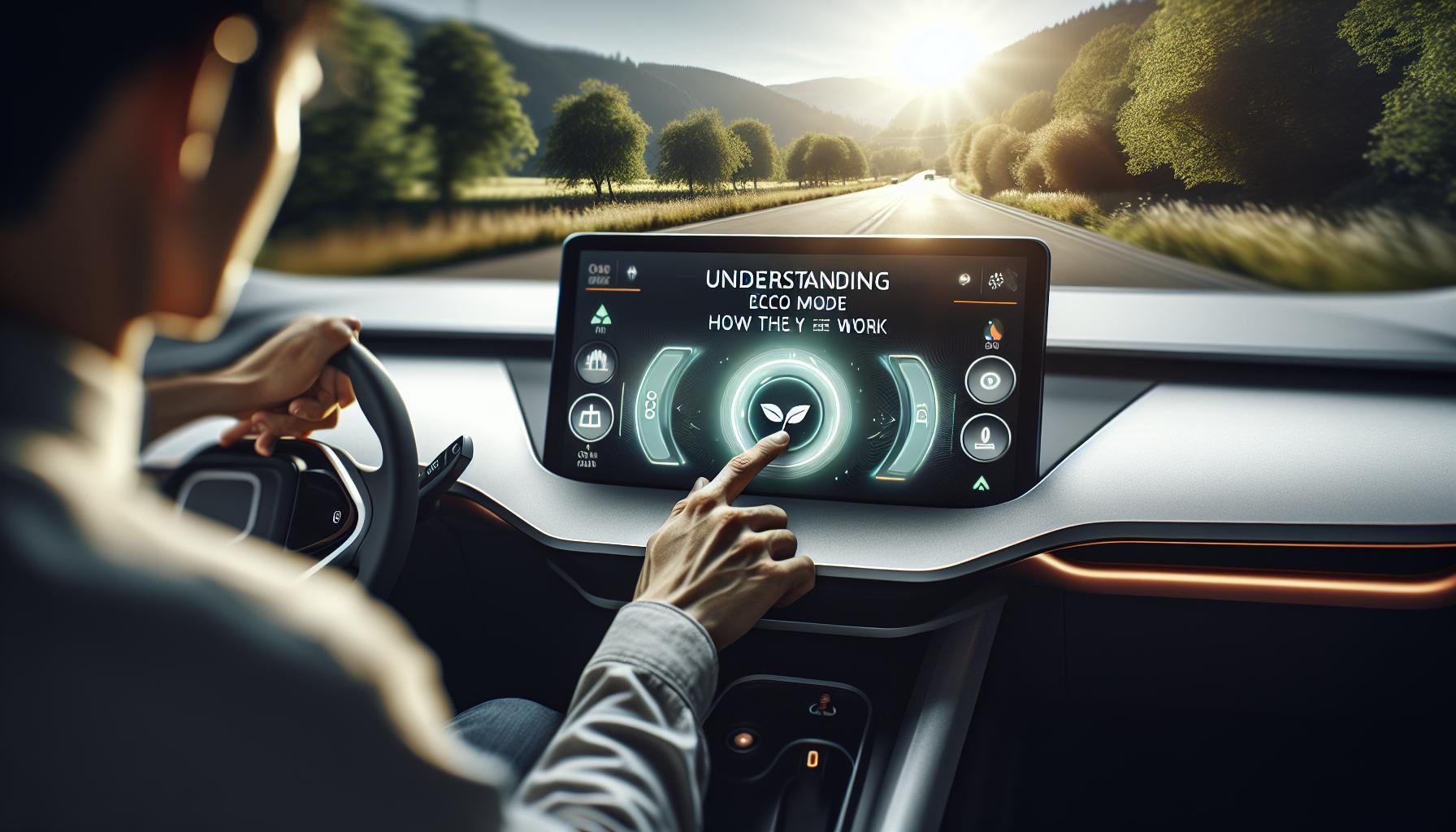
Understanding Eco Modes: How They Work
Modern vehicles often feature an Eco mode, a function designed to optimize fuel efficiency and minimize emissions. Engaging this setting adjusts several vehicle parameters, including throttle response, shift points, and air conditioning usage, all aimed at delivering a gentler driving experience that conserves fuel. When you activate Eco mode, you’re not simply taking a step toward saving money; you are also contributing to a greener planet.
In Eco mode, the engine is tuned to operate at lower RPMs during acceleration. This means the vehicle responds with less power, which may feel different from the more standard driving experience, but it substantially enhances fuel economy. For example, the vehicle might delay shifting to higher gears, ensuring that the engine runs at optimal levels for fuel efficiency rather than power. Consequently, this mode encourages smoother driving habits, reducing sudden accelerations that can lead to increased fuel consumption.
Another important aspect of Eco mode is its impact on accessory usage. The system may limit the air conditioning’s output, balancing passenger comfort with fuel savings. Some cars even adjust the power steering, making it slightly heavier at lower speeds to encourage the driver to be gentler on the throttle, further promoting fuel-efficient driving patterns. Such adjustments educate drivers about their impact on fuel economy, fostering habits that prioritize sustainability.
For those looking to maximize efficiency when utilizing Eco mode, here are a few tips:
- Combine errands to reduce overall driving time.
- Avoid excessive idling, as it wastes fuel.
- Maintain proper tire pressure to ensure vehicle performance.
- Consider driving at a steady speed, using cruise control when appropriate.
By understanding and effectively using Eco mode, drivers can significantly enhance their vehicle’s fuel efficiency while contributing positively to the environment. Embracing these small changes not only benefits individual wallets but also represents a collective step toward a more sustainable future.
Maintenance Tips for Fuel-Efficient Vehicles
Keeping your vehicle in optimal condition can have a profound impact on fuel efficiency and the overall eco-friendliness of your driving habits. Regular maintenance not only enhances performance but also contributes to a healthier planet by reducing your car’s emissions. Here are several key practices to ensure your vehicle remains fuel-efficient and kind to the environment.
First and foremost, regular oil changes are crucial. Engine oil lubricates the engine parts, but over time it can become dirty and lose its effectiveness. Using the recommended oil type for your vehicle improves engine performance and maximizes fuel efficiency. Check the owner’s manual for the right oil specifications and intervals for changes. Additionally, ensure that your oil filter is replaced regularly to maintain engine health and efficiency.
Tire maintenance is another critical factor. Keeping your tires properly inflated can significantly improve gas mileage. In fact, under-inflated tires can lower fuel economy by up to 3%. Check tire pressure monthly and keep them inflated to the manufacturer’s recommended levels. Investing in low rolling resistance tires can also provide enhanced efficiency, offering better fuel economy without compromising on safety or comfort.
Don’t overlook your vehicle’s air filter! A clean air filter allows the engine to breathe freely, which enhances performance and fuel efficiency. Clogged air filters can hinder airflow, leading to poor combustion and increased fuel consumption. Inspect the air filter regularly and replace it as needed to ensure your vehicle runs at its best.
Regular System Checks
Another important aspect is to schedule regular tune-ups. Maintenance checks that include inspecting spark plugs, fuel injectors, and the ignition system can lead to smoother operation and improved fuel efficiency. A well-tuned engine operates more effectively and produces fewer harmful emissions. Also, consider using a fuel additive designed to clean the fuel system and maximize engine efficiency.
Lastly, monitor other vehicle systems, such as the brakes and transmission. Properly functioning brakes ensure that your vehicle doesn’t work harder than necessary, which can improve gas mileage. If any warning lights appear on your dashboard, don’t ignore them; addressing issues promptly can prevent further complications that lead to decreased fuel efficiency.
Embracing these maintenance tips empowers you to keep your vehicle running smoothly while minimizing your ecological footprint. With a well-maintained car, not only will you enjoy better fuel economy but also play a part in fostering a sustainable future by cutting down on emissions and conserving resources.
Eco-Friendly Alternatives: Electric and Hybrid Cars
The shift towards greener driving solutions is not only a trend but a vital movement for our planet’s future. Electric and hybrid cars are at the forefront of this revolution, providing eco-friendly alternatives to traditional gasoline vehicles. By harnessing electricity and utilizing fuel-efficient technologies, these vehicles significantly reduce greenhouse gas emissions, contributing to cleaner air and a healthier environment.
Electric vehicles (EVs) operate solely on electric power, which means they emit no tailpipe pollutants. The energy that powers EVs can come from renewable sources like solar, wind, or hydroelectric energy, further minimizing their ecological impact. In contrast, hybrid cars blend a conventional internal combustion engine with an electric propulsion system, enabling drivers to benefit from greater fuel efficiency while maintaining the convenience of longer ranges offered by traditional fuels. This hybrid synergy not only reduces gas consumption but also lowers emissions during both city and highway driving.
Benefits of Choosing Electric and Hybrid Vehicles
Transitioning to these eco-friendly vehicle options brings a multitude of benefits:
- Cost Savings: Electric cars notoriously offer lower fuel costs, often translating to significant savings over time, especially as electricity tends to be cheaper than gasoline.
- Government Incentives: Many governments provide tax credits, rebates, or grants to incentivize individuals to purchase electric or hybrid vehicles, making them more financially accessible.
- Quieter Operation: Electric vehicles operate with significantly less noise compared to traditional vehicles, contributing to reduced noise pollution in urban areas.
- Reduced Carbon Footprint: By choosing an electric or hybrid vehicle, you play a crucial role in reducing global dependence on fossil fuels, aligning your personal transportation choices with broader environmental goals.
Making the Switch
For those considering a switch to an electric or hybrid vehicle, it’s essential to assess your driving habits and needs. Evaluate factors such as daily commute distances, access to charging stations, and vehicle performance preferences. With an ever-growing range of models on the market, from compact cars to SUVs, there’s likely an option that fits every lifestyle. Additionally, ease of charging is becoming more convenient as public charging networks expand and home charging solutions become increasingly accessible.
Embracing electric and hybrid vehicles not only opens the door to innovative technology and lower running costs but also positions you as a proactive participant in the global movement toward sustainability. By making informed choices about your vehicle, you can contribute to a cleaner world while enjoying the benefits of modern transportation.
The Impact of Driving Style on Fuel Consumption
A staggering 30% of a vehicle’s fuel consumption can often be attributed to driving style. Understanding how the way we drive impacts our fuel efficiency is crucial for both our wallets and the environment. Simple adjustments in technique can lead to significant savings at the pump and a smaller carbon footprint.
Adopting smoother driving behaviors is one of the most effective strategies for improving fuel efficiency. This means accelerating gently, anticipating stops, and maintaining a steady speed. For example, using cruise control on the highway can help maintain a constant speed and improve mileage. Frequent speeding up and slowing down not only wastes fuel but also increases wear and tear on your vehicle. Aggressive driving-characterized by rapid acceleration, hard braking, and speeding-can reduce fuel efficiency by as much as 33% at highway speeds and 5% in city driving.
Another often-overlooked aspect is the importance of maintaining a light foot on the accelerator. Most vehicles reach their optimal fuel economy at speeds between 45 and 65 mph. Driving significantly faster can cause significant drops in efficiency. Moreover, using air conditioning judiciously can also enhance your fuel economy; excessive use of AC can increase fuel consumption by up to 20%. When possible, opt for open windows at lower speeds to allow for ventilation without compromising efficiency.
By adopting an eco-conscious mindset when driving, individuals can not only contribute to reducing emissions but also enjoy the immediate financial benefit of lower fuel costs. Embracing these changes in driving style is a small yet impactful step towards a more sustainable future.
Choosing the Right Tires for Better Mileage
Choosing the right tires for your vehicle can have a remarkable impact on fuel efficiency. In fact, the type and condition of your tires can influence your car’s gas mileage by up to 10%. By selecting tires designed for optimal fuel economy, you can not only save money but also contribute to a more sustainable driving experience.
When shopping for tires, consider those labeled as low rolling resistance (LRR) tires. These tires are specifically engineered to minimize the energy loss as your vehicle rolls forward, which can significantly enhance fuel efficiency. Look for tires that bear the EcoMark or similar designations, indicating they meet the necessary criteria for fuel economy. While LRR tires may come with a slightly higher upfront cost, the long-term savings on fuel often outweigh this initial investment.
Proper tire maintenance is equally vital for fuel efficiency. Keeping tires properly inflated can prevent loss of fuel economy. Tires that are under-inflated require more energy to roll, thereby increasing fuel consumption. Check tire pressure regularly-at least once a month-and before long trips. The recommended pressure is usually found on a sticker inside the driver’s door or in the vehicle manual. Additionally, rotating your tires according to the manufacturer’s recommendations can ensure even wear, further enhancing efficiency and extending tire life.
Finally, consider the tread design of the tires. Tires with a lower tread depth (while still being safe) typically create less friction with the road. Touring tires often provide a smooth ride with a good blend of durability and fuel efficiency. By focusing on these factors, you’ll not only improve your vehicle’s mileage but also its overall performance, contributing positively to the planet while keeping your expenses in check.
How to plan Eco-Conscious Road Trips
Planning an eco-conscious road trip can transform your travel experience from simply a journey to a meaningful exploration of sustainable practices. As climate awareness grows, many travelers are seeking ways to lessen their environmental impact while still enjoying the open road. Before you hit the highway, consider these practical strategies to make your journey more planet-friendly.
Start by carefully selecting your destination and planning your route to minimize mileage. Opt for locations that are not only beautiful but also accessible via eco-friendly attractions, like national parks or community-managed eco-lodges. Using digital tools such as Google Maps can help you identify the most fuel-efficient paths. Whenever possible, steer clear of excessive detours and choose scenic byways that allow for a more leisurely pace without the desire to rush.
Next, consider carpooling or utilizing public transport options where feasible. Sharing the ride reduces fuel consumption and emissions significantly. If you’re traveling with friends or family, encourage them to join you, which also enhances the experience through shared moments and conversations. For those who prefer self-driving, ensure that your vehicle is well-maintained-check tire pressure, oil levels, and ensure it’s running efficiently. Every little bit counts when it comes to minimizing your carbon footprint.
Another important aspect of eco-conscious road trips is how you pack. Bring your own reusable items-like water bottles, utensils, and containers-to limit single-use plastics during your travels. Plan meals ahead of time to avoid frequent stops at convenience stores that often sell less environmentally friendly options. By preparing snacks and meals in advance, not only do you save money, but you also reduce food waste and packaging.
Finally, immerse yourself in eco-friendly practices during your trip. Respect the natural environment by sticking to marked trails, supporting local businesses that prioritize sustainability, and practicing leave-no-trace principles. Engaging with local communities and learning about their sustainable initiatives can enrich your journey while contributing positively to the areas you visit. Every conscientious choice you make on the road not only benefits the environment but also enhances your understanding and appreciation of the places you explore.
Government Incentives for Eco-Friendly Driving
Incentives provided by governments are a key driver in encouraging eco-friendly driving practices, making it easier and more affordable for drivers to adopt sustainable habits. Many regions offer various forms of financial assistance or benefits to those who choose fuel-efficient vehicles. These incentives can significantly offset the cost of purchasing new, eco-friendly technologies, ultimately promoting a larger shift toward sustainable transportation.
One of the most common incentives includes tax credits or rebates for electric and hybrid vehicle purchases. For example, in the United States, buyers may be eligible for a federal tax credit of up to $7,500 when they purchase an electric vehicle (EV), depending on the model and battery capacity. Various states also have their own programs that can provide additional financial benefits such as reduced registration fees or tax exemptions. These initiatives not only make EVs more affordable but also encourage more consumers to consider them over traditional gasoline-powered vehicles.
Additional Incentives
In addition to direct financial incentives, governments often implement policies that facilitate the use of eco-friendly vehicles. This includes expanding charging infrastructure for electric vehicles, offering access to carpool lanes for EVs, and providing reduced toll fees. Many cities are even enacting low-emission zones where only vehicles meeting specific environmental standards can enter, further motivating drivers to transition to greener options.
Moreover, businesses may also benefit from incentives when they implement eco-conscious practices within their fleets. Programs that provide grants for companies investing in electric or hybrid vehicles can help lower operational costs while highlighting a commitment to sustainability. By making these options more financially viable for companies, governments are fostering a dual impact-encouraging both eco-friendly individual choices and corporate responsibility.
By understanding and taking advantage of available government incentives, drivers can contribute to environmental conservation while enjoying significant savings. Embracing eco-friendly driving is not just an ethical choice; it’s becoming an economically practical one as well.
Q&A
Q: What is the Eco driving mode in cars?
A: Eco driving mode helps drivers optimize fuel efficiency by modifying engine performance, throttle response, and transmission settings. Activating this mode generally allows for smoother acceleration and reduces fuel consumption, enhancing overall mileage.
Q: How can I improve my fuel efficiency without an Eco mode?
A: To improve fuel efficiency without an Eco mode, maintain steady speeds, minimize hard accelerations, and ensure regular car maintenance. Additionally, keep tires properly inflated and reduce excess weight in your vehicle to enhance mileage.
Q: Why is eco-driving important for the environment?
A: Eco-driving is crucial for reducing greenhouse gas emissions and air pollutants. By adopting fuel-efficient driving behaviors, you can significantly lower your car’s carbon footprint, contributing to cleaner air and a healthier planet.
Q: What driving habits consume the most fuel?
A: High-speed driving, rapid acceleration, frequent braking, and idling consume the most fuel. Maintaining a steady speed, anticipating stops, and avoiding unnecessary idling can help you conserve fuel efficiently.
Q: Are there specific techniques for eco-friendly driving?
A: Yes, techniques for eco-friendly driving include smooth acceleration and braking, using cruise control on highways, and avoiding aggressive driving patterns. These practices help maximize fuel efficiency and can improve overall vehicle performance.
Q: How does tire pressure affect fuel consumption?
A: Under-inflated tires increase rolling resistance, which can reduce fuel efficiency. Maintaining the recommended tire pressure can improve mileage by 3% to 5%, making it a simple yet effective method to enhance fuel economy.
Q: What maintenance tips can enhance my vehicle’s eco-friendliness?
A: Regular maintenance such as oil changes, air filter replacements, and checking tire conditions can enhance eco-friendliness. Keeping your vehicle in top shape ensures optimal performance and efficiency, reducing emissions.
Q: How do hybrid and electric cars compare in terms of eco-driving?
A: Hybrid and electric cars typically offer superior eco-driving capabilities compared to conventional vehicles. They produce fewer emissions and often have built-in efficiency modes that maximize fuel savings, making them environmentally friendly options.
In Retrospect
As you embrace fuel-efficient driving through the insights shared in “What is Eco in Cars,” remember that every small change contributes to a sustainable future. By optimizing your driving habits and understanding your vehicle’s eco-friendly features, you not only reduce your carbon footprint but also save on fuel costs. Now is the perfect time to implement these tips-start today and see the difference!
For deeper knowledge, explore our articles on eco-friendly car maintenance and the benefits of hybrid vehicles to further enhance your journey toward sustainability. Don’t forget to subscribe to our newsletter for regular updates on green living tips and exclusive offers! Join the conversation and share your experiences in the comments below; your insights could inspire others. Let’s drive the change together!