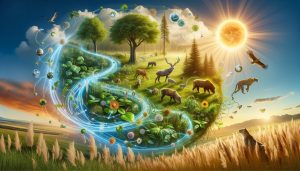
Did you know that in nature, not all species can thrive together, even in seemingly abundant environments? The competitive exclusion principle explains this fascinating dynamic: when two species vie for the same resources, one typically outcompetes the other, preventing coexistence. Understanding this principle is crucial for grasping ecological balance and biodiversity, as it illuminates the delicate interplay between species survival and environmental health. As we face pressing global challenges like habitat loss and climate change, appreciating how species interact becomes vital-not just for scientists, but for anyone interested in fostering a sustainable future. Dive into the intricacies of competitive exclusion, and discover why these natural laws hold the keys to protecting our planet’s diverse ecosystems.
What Is Competitive Exclusion and Its Importance
In the intricate web of ecology, the competitive exclusion principle illuminates an essential truth: when two species strive for the same limited resources, one will inevitably outcompete the other, leading to exclusion. This phenomenon, also known as Gause’s law, underscores the delicate balance that governs ecosystems and highlights the limitations species face in their quest for survival. Understanding competitive exclusion is crucial not only for ecologists but also for individuals seeking to engage in eco-conscious living.
The importance of this principle extends beyond mere survival; it influences biodiversity and ecosystem health. As species compete, those that are less adapted to their environment or less efficient in resource utilization may diminish, paving the way for stronger competitors. This dynamic helps maintain a balance, ensuring that ecosystems flourish with a variety of species. When certain species dominate, it can indicate a disruption in the ecological balance, which could be exacerbated by human activities such as habitat destruction and pollution. By recognizing the consequences of competitive exclusion, individuals can advocate for policies and practices that support biodiversity, such as protecting habitats and promoting sustainable land use.
Moreover, competitive exclusion serves as a vital reference in conservation efforts. It informs the selection of species for reintroduction or habitat restoration projects, ensuring that actions taken will promote coexistence rather than exacerbate competition. Invasive species, in particular, can disrupt local ecosystems by outcompeting native species, leading to a loss of biodiversity. Understanding these interactions helps shape strategies aimed at preserving ecological integrity. Ultimately, grasping the implications of competitive exclusion inspires individuals to make informed choices, whether by supporting conservation initiatives or adopting sustainable practices in their daily lives, fostering a healthier planet for future generations.
The Ecological Basis of Competitive Exclusion
In ecological systems, the competitive exclusion principle reveals an often surprising and powerful truth: two species competing for the same limited resources cannot coexist indefinitely. This phenomenon plays a pivotal role in shaping community dynamics and emphasizes the significance of resource availability and adaptation. When different species vie for identical resources-be it food, space, or light-the stronger, more efficient competitor will increasingly dominate. Over time, this leads to the decline or local extinction of the less competitive species, illustrating how competition dictates the structure of ecosystems.
Resource partitioning, a direct consequence of competitive exclusion, highlights how species adapt to limit competition without entirely excluding each other. For instance, different bird species may evolve to feed on specific insects at varying heights in the same tree, thereby avoiding direct competition while still utilizing the habitat. This behavior not only maximizes resource use but also enhances biodiversity by allowing multiple species to thrive in a shared environment, even if they utilize different strategies or resources at different times or places.
As we recognize these ecological interactions, we can apply this knowledge to our ecological footprint. Understanding the competitive exclusion principle encourages us to foster diverse communities-both in nature and urban settings. For example, when planning a garden, selecting a variety of plants that occupy different niches can lead to a healthier ecosystem by reducing competition and promoting coexistence. For those involved in conservation efforts, applying these principles helps in selecting species for restoration that can coexist without pushing each other to extinction, thus maintaining ecological balance and biodiversity.
In essence, embracing the competitive exclusion principle empowers individuals to appreciate the intricate relationships that form the backbone of ecological health. By making informed decisions, whether in gardening, community planning, or conservation strategies, we contribute to a more sustainable future where diverse species can coexist harmoniously, all while reducing our impact on the environment.
How Competitive Exclusion Shapes Ecosystem Diversity
In ecosystems, the competitive exclusion principle serves as a fundamental framework for understanding biodiversity. It illustrates how species vying for the same resources often lead to a scenario where only the most competitive can thrive. This dynamic not only influences which species can coexist but also shapes the very fabric of community diversity. When two species compete for the same food, habitat, or other resources, one will ultimately dominate, leading to the decline or extinction of the other. However, this is not the end of the biodiversity story; rather, it allows for a deeper understanding of how these interactions foster ecological niches.
Resource partitioning is a beautifully intricate outcome of competitive exclusion. It encourages species to evolve different strategies for utilizing shared resources, reducing direct competition. For example, in forest ecosystems, different bird species might adapt to feed at varying heights or target specific insects during particular times of the day. This variance not only diminishes competition but simultaneously enhances the overall diversity of the ecosystem, providing a wide array of ecological roles and functions.
Moreover, competitive exclusion helps underscore the importance of ecological balance. High species diversity often results from these interactions, as organisms adapt to find their niche rather than competing directly in an unyielding manner. Healthy ecosystems characterized by varied species create resilience against environmental changes, pests, and diseases. By fostering an understanding of competitive exclusion, we can engage in practices that support diverse ecosystems-choosing diverse plant species in our gardens or supporting regenerative agricultural practices that enhance biodiversity and soil health.
To harness the benefits of competitive exclusion and resource partitioning, people can consider adopting sustainable practices in daily life. Creating a variety of microhabitats in gardens, using companion planting, or choosing native species can optimize the space and resources available. Such efforts not only contribute to personal ecological balance but also enhance the health of the larger environment. By understanding these principles, individuals can actively support biodiversity and contribute to a more sustainable planet.
Examples of Competitive Exclusion in Nature
In the natural world, the competitive exclusion principle manifests itself through various fascinating examples that illustrate why certain species cannot coexist in the same niche. One of the most cited examples comes from the work of biologist G.F. Gause, who conducted experiments with two species of paramecium. When both species were provided with a limited food source, one species typically outcompeted the other, leading to the decline of the less competitive species. This experiment laid the groundwork for understanding how resource competition drives species interactions and community composition.
H3: Case Studies of Competitive Exclusion
A well-known example can be found in the realm of bird species. In the Galápagos Islands, two similar-sized species of finches, the medium ground finch and the large ground finch, compete for seeds. During periods of drought, when the food source becomes scarce, the large ground finch, which can crack larger seeds, tends to outcompete the medium finch, leading to the latter’s population decline. This dynamic not only illustrates competitive exclusion but also how environmental changes can amplify these effects, impacting species survival.
Another striking case involves two species of barnacles, Chthamalus and Semibalanus, found along the intertidal zones in Britain. When both species are present, Semibalanus grows faster and outcompetes Chthamalus for space on rocks. However, in areas with harsher environmental conditions, where Semibalanus cannot survive, Chthamalus thrives. This phenomenon highlights the importance of ecological niches and how they can shift depending on external conditions, allowing inferior competitors to survive in less optimal habitats.
H3: Practical Lessons from Competitive Exclusion
Understanding these examples not only broadens our ecological knowledge but also offers valuable lessons for sustainable living. By recognizing how species adapt to competition, gardeners and farmers can apply similar principles in agricultural practices. For instance, planting diverse crops that occupy different ecological niches can reduce competition among plants, leading to healthier and more resilient ecosystems. This method, known as companion planting, can enhance nutrient uptake and minimize pest issues.
Additionally, awareness of competitive exclusion can guide conservation efforts. Protecting weaker species by creating habitats that reduce competition or by managing invasive species can help maintain biodiversity. These practical insights empower individuals and communities to cultivate diverse ecosystems, whether in local gardens or larger landscapes, promoting ecological balance and resilience.
Understanding the Niche Concept in Ecology
In ecology, the concept of a niche refers to the role and position a species holds within its environment, encompassing all the necessary resources it requires for survival, reproduction, and its interactions with other organisms. Understanding ecological niches is crucial for grasping why species sometimes cannot coexist despite appearing similar or competing for the same resources. Each species occupies a unique niche that defines how it utilizes the environment and interacts with other organisms, which explains the underlying mechanics of the competitive exclusion principle. When two species compete for the same limited resources, one often gains a competitive advantage, leading to the exclusion of the other.
A key aspect of niche theory is the differentiation of resources that allows multiple species to coexist in the same habitat. For instance, two bird species may feed on the same type of seeds but at different heights in a tree, or they might forage at different times of the day. This spatial or temporal separation reduces direct competition and enables both species to thrive. Such diversifications can be seen in various ecosystems, where slight variations in behavior or habitat use lead to a balanced community of species.
Real-World Applications of Niche Understanding
In practical terms, recognizing niche differences can inform sustainable practices. For example, in agriculture, farmers can promote biodiversity by planting various crops that fill different niches, such as combining deep-rooted plants that access water from deep in the soil with shallow-rooted species that absorb surface moisture. This approach not only maximizes resource use but also enhances soil health and resilience against pests and diseases.
Additionally, understanding ecological niches is pivotal in conservation efforts. By evaluating how species interact and their specific habitat requirements, conservationists can create tailored strategies that minimize competition and protect vulnerable species. Initiatives may include establishing protected areas or restoring habitats that allow coexistence of closely related species which might otherwise face extinction pressures from invasive species or habitat loss.
Embracing the concept of niches fosters a deeper recognition of the intricate web of life around us, encouraging eco-conscious decisions that support biodiversity, enhance ecosystem resilience, and ultimately help in sustaining our planet’s health for future generations.
The Role of Resource Limitation in Exclusion
In the intricate dance of ecological relationships, resource limitation serves as one of the primary forces shaping community dynamics and species interactions. When two or more species vie for the same limited resources-be it food, water, or habitat-the outcome can often lead to competitive exclusion, where one species outperforms and displaces another. This principle underscores the critical importance of understanding how resource availability directly influences biodiversity and ecosystem health.
Resource limitation can manifest in various ways, affecting everything from nutrient availability in the soil to the abundance of prey in a given area. For instance, in a forest ecosystem, if two bird species require the same type of insects for food but the supply of these insects is insufficient, the species that is better adapted to exploit this resource-such as by having a more efficient foraging technique-will likely dominate. This can lead to the decrease or even local extinction of the competing species. As a result, understanding resource dynamics is crucial for conservation efforts aimed at maintaining healthy ecosystem balance.
Moreover, resource limitation often necessitates specialization among coexisting species, allowing them to exploit different niches. This distinction can reduce direct competition and promote biodiversity. For example, consider two plant species in a grassland. One species might thrive in drier soils while the other flourishes in wetter areas. By occupying these different ecological niches, both species can coexist, enhancing the resilience and productivity of the ecosystem.
In practical terms, recognizing how resource limitations influence species interactions can guide our efforts in sustainable land management and conservation. By creating habitats that support the diverse needs of various species-like mixed cropping systems in agriculture that tap into different soil layers for water and nutrients-we can help bolster biodiversity and reduce the impact of competitive exclusion. Such practices not only protect species at risk but also create more resilient ecosystems capable of withstanding the pressures of climate change and human activities. Embracing a nuanced understanding of resource limitations will ultimately empower us to make more informed, eco-conscious decisions that benefit both nature and our communities.
Competitive Strategies: How Species Interact
In the intricate network of ecological relationships, species interactions frequently showcase an array of competitive strategies as individuals and populations vie for survival and resource access. These strategies are critical not only for understanding competitive exclusion but also for recognizing the adaptive behaviors organisms develop in response to their ever-changing environments.
Many species employ a range of strategies to optimize their survival when faced with limited resources. For instance, some species adopt exploitative competition, where they efficiently utilize available resources, such as food or water, often leading to superior foraging techniques or more effective resource use. An example of this can be seen in two neighboring plant species; one may develop deeper root systems to access water unavailable to its competitor, effectively monopolizing that resource. In contrast, others may engage in interference competition, where individuals directly confront one another to gain access to resources, such as through aggression or chemical warfare. This often involves species releasing allelopathic compounds into the soil to inhibit the growth of competitors, as seen with some invasive plants that overwhelm native flora through chemical means.
Understanding these competitive strategies is essential for biodiversity conservation. For example, land management practices that promote a diversity of habitats can help reduce the direct competition between species. By allowing for the coexistence of various species, ecosystems may enhance their resilience. Approaches such as creating buffer zones, preserving wetlands, and implementing rotational grazing in pastoral lands can foster environments where multiple species thrive. In these contexts, appreciating the unique adaptations and interactions of local species becomes vital, as successful competition can lead to a richer and more diverse ecosystem, ultimately benefiting both the environment and human communities.
In practice, encouraging niche differentiation helps communities to manage competition sustainably. When species adapt to occupy different niches-like birds that feed at varying heights in trees or fish that exploit different water layers-they minimize overlap in resource use. This not only promotes ecological balance but also empowers individuals to support conservation efforts that recognize the intricate relationships within ecosystems. Therefore, by understanding and fostering these competitive strategies, we can work toward healthier ecosystems that support both biodiversity and our own well-being.
Impacts of Competitive Exclusion on Biodiversity
In the tapestry of nature, the phenomenon of competitive exclusion can significantly shape biodiversity. When two species vie for the same resources, one often emerges as the victor, leading to a decline or extinction of the other. This process is more than just a battle for survival; it ripples through the ecosystem, influencing not just the species in direct competition but also others in the surrounding environment. The loss of one species can lead to a decrease in overall diversity, which in turn affects the stability and resilience of the ecosystem.
One noteworthy example of competitive exclusion can be seen in the realm of invasive species. When non-native organisms are introduced into a new habitat, they often lack natural predators and can exploit resources with greater efficiency than native species. For instance, the zebra mussel in North America has outcompeted local mollusks for food and habitat, resulting in declines in native populations. This shift not only diminishes biodiversity but can also disrupt local food webs, further threatening the survival of other species that depend on the native organisms for their survival.
Moreover, competitive exclusion can highlight the importance of biodiversity for ecosystem services. Diverse ecosystems can better withstand environmental changes and pressures, such as climate fluctuations, disease, and human interference. By integrating this understanding into conservation strategies, we can create policies that promote species coexistence. For example, restoring wetlands and preserving diverse habitats can provide ample resources and niches, allowing multiple species to thrive rather than succumb to exclusion pressures. Everyday actions, such as supporting local conservation efforts or engaging in community planting initiatives, can significantly contribute to maintaining biodiversity.
Ultimately, awareness of competitive exclusion invites us to consider our role in these ecological dynamics. When we protect and enhance diversity, we not only contribute to healthier ecosystems but also foster environments where varied species can flourish alongside one another, enriching the natural world for generations to come. Embracing this knowledge not only empowers individuals but also promotes a more sustainable relationship with our planet.
The Relationship Between Competitive Exclusion and Invasive Species
In the intricate dance of ecological interactions, plays a crucial role in shaping community dynamics and biodiversity. When invasive species are introduced into new habitats, they often exploit resources more efficiently than native species due to a lack of natural predators, leading to significant ecological impacts. This competitive advantage can cause native species to be outcompeted for food, space, and other vital resources, ultimately leading to declines or even extinction. For example, the invasive zebra mussel in North America has created dramatic shifts in freshwater ecosystems by effectively monopolizing essential resources like nutrients and habitat, which has resulted in the decline of local mollusk populations and disrupted the overall balance of the ecosystem.
Understanding how invasive species trigger competitive exclusion can empower individuals and communities to take action in preserving biodiversity. A proactive approach to managing these invasions includes promoting responsible gardening practices and awareness of the potential impacts of introducing non-native species into local habitats. For those keen on nurturing local ecosystems, planting native flora that supports local fauna and discourages invasive species can make a significant difference. Creating educational campaigns about the importance of native species over ornamental invasive plants can also help raise awareness and shift public perceptions.
In managing invasive species, restoration projects should focus on enhancing ecosystem resilience. Strategies such as restoring wetlands, which serve as crucial habitats for diverse species, can foster multiple niches that allow native species to thrive alongside one another. This approach not only helps mitigate the effects of competitive exclusion but also promotes biodiversity and the multitude of ecological services that healthy ecosystems provide-such as water filtration, flood control, and carbon sequestration.
Implementing policy measures that prioritize ecosystem health is equally vital. Local governments and organizations can collaborate on initiatives that monitor invasive species and mitigate their spread. Additionally, engaging communities through volunteer opportunities in restoration projects can foster a sense of stewardship and responsibility toward local environments. By understanding the nuances of competitive exclusion and its relationship with invasive species, we can create a more harmonious balance within our ecosystems, propelling us toward a sustainable future where diverse species coalesce rather than compete for survival.
Applying Competitive Exclusion Principles in Conservation
In the dynamic field of conservation, applying the principles of competitive exclusion is essential for maintaining biodiversity and ecosystem health. When we recognize that certain species may outcompete others for resources, we gain insight into how to manage habitats effectively. For instance, in restoration ecology, identifying which native species are most likely to thrive in a given ecosystem can greatly enhance our efforts to rebuild lost habitats.
A crucial step in this process is promoting native species that are well-adapted to the local environment. By fostering the growth of these plants and animals, we can create a balanced ecosystem where competition does not lead to the exclusion of native species. Planting native flora not only supports local fauna but also helps balance interactions among species-reducing the impact of invasive species that might otherwise dominate these systems. Moreover, this native planting strategy often requires minimal maintenance and resources compared to managing invasive species.
Another vital aspect of conservation is restoring and preserving habitat complexity. Diverse habitats provide a variety of niches that can accommodate a wider range of species. For example, creating diverse plant layers in a forest can support various animal species, each occupying its own specific niche. This variety allows more species to coexist, thereby mitigating the effects of competitive exclusion. Conservationists can implement strategies such as
- restoring wetlands and grasslands to provide critical habitats
- creating buffer zones around biodiversity hotspots
- utilizing agroforestry practices that mimic natural ecosystems
Community involvement is also key to applying these principles. Educating local communities about the importance of native species and the dangers of invasive species empowers individuals to contribute to conservation efforts actively. Initiatives such as community-led planting days or local wildlife monitoring programs can encourage stewardship and enhance ecological resilience. Ultimately, when ecosystems are managed with a keen understanding of competitive exclusion, we pave the way for sustainable practices that support not only ecological balance but also the vibrant tapestry of life that depends on it.
Research and Theories Behind Competitive Exclusion
Research into competitive exclusion reveals the intricate ways in which species interact and adapt within ecosystems, emphasizing the delicate balance required for coexistence. The concept is rooted in the competitive exclusion principle, first formulated by ecologist G.F. Gause in the 1930s. Gause’s experiments with protozoa demonstrated that two species competing for the same resources cannot coexist if their needs are identical; one will inevitably outcompete the other. This foundational work has since evolved, inspiring further research that explores the nuances of resource partitioning and niche differentiation, which allow similar species to coexist by utilizing different resources or adapting their behaviors.
Modern ecological studies have expanded upon Gause’s original findings, illustrating that competitive exclusion is not merely binary. For example, species may employ various strategies-such as temporal or spatial partitioning-to share resources effectively. These adaptations can mitigate the impacts of competition, leading to diverse and stable ecosystems. In a forest ecosystem, certain bird species may occupy different heights in the canopy, thus reducing direct competition for food sources, while plant species might bloom at different times of the year to avoid overlapping resource usage. This highlights the improvisational nature of ecosystems, where interaction outcomes can shift based on changes in population dynamics or environmental conditions.
Furthermore, research has underscored the significant impact of invasive species on competitive dynamics. Invasive species often disrupt established ecological balances, utilizing resources more efficiently than native species, which can lead to competitive exclusion and biodiversity loss. Understanding these interactions is crucial for effective conservation efforts. Implementing strategies like restoring native habitats or enhancing ecosystem resilience can help safeguard against the severe repercussions of competitive exclusion by promoting species that coexist harmoniously within their niches.
As we strive for sustainability, integrating the principles of competitive exclusion into our environmental management practices can provide key insights. This understanding empowers individuals and communities to make informed decisions that support biodiversity, such as creating native plant gardens or championing local conservation initiatives. Through educating ourselves and others, we can contribute to a thriving ecological community, recognizing the vital role each species plays in maintaining the intricate tapestry of life on our planet.
Future Implications of Competitive Exclusion for Ecological Management
As ecosystems face increasing pressures from climate change, urbanization, and habitat destruction, understanding competitive exclusion becomes essential for effective ecological management. The competitive exclusion principle implies that when two species vie for the same limited resources-like food, water, or habitat-inevitably, one will outperform and outlast the other. This fundamental concept not only reveals the complexities of ecological interactions but also serves as a guiding framework for conservation efforts aimed at maintaining biodiversity.
Strategies for Conservation and Ecosystem Resilience
Integrating the principles of competitive exclusion into conservation strategies can promote healthy ecosystems. Effective management often requires recognizing the distinct roles that species play within their niches. Here are several actionable insights for conservationists and ecologists:
- Habitat Restoration: Focus on restoring habitats that have been degraded or destroyed. This process can create opportunities for diverse species to thrive without direct competition. For example, reestablishing wetlands can enhance the coexistence of various bird species that rely on different food sources.
- Native Plant Promotion: Encourage the planting of native species in local landscapes. Native plants are well-adapted to the local environment and can help withstand competition from invasive species, supporting the overall biodiversity.
- Resource Partitioning: Facilitate conditions that promote resource partitioning among species. By identifying and encouraging diverse feeding or breeding strategies, ecosystems can reduce competition and enhance coexistence.
Invasive Species Management
Invasive species pose a significant challenge to native biodiversity, often exacerbating competitive exclusion. Implementing robust monitoring and control measures can alleviate the impacts of these non-native species. Strategies such as:
- Public Awareness Campaigns: Educate communities about the dangers of invasive species. Empowering individuals to identify and report invasive populations helps to manage their spread effectively.
- Collaborative Control Efforts: Foster partnerships among local organizations, governments, and conservation groups to create comprehensive management plans focusing on invasive species removal and habitat restoration.
By actively addressing competitive exclusion and understanding its implications, we foster resilient ecosystems that not only support diverse life forms but also benefit human communities. The interconnectedness of species underlines the importance of maintaining ecological balance. Embracing sustainable living practices, such as reducing habitat destruction and supporting conservation initiatives, can contribute significantly to the stability and vitality of our planet’s ecosystems. As stewards of the environment, each individual action contributes to a larger communal effort towards a sustainable future, ensuring that both human and ecological communities thrive together.
Faq
Q: What is the competitive exclusion principle?
A: The competitive exclusion principle states that two species competing for the same limited resources cannot coexist indefinitely. One species will outcompete the other, leading to the extinction or relocation of the less competitive species. Understanding this principle helps in assessing ecosystem dynamics and biodiversity [2[2].
Q: How does competitive exclusion affect biodiversity?
A: Competitive exclusion often reduces biodiversity by limiting the variety of species that can thrive in a specific habitat. When one species dominates, it can lead to local extinctions, affecting overall ecosystem health and resilience [1[1].
Q: What are some examples of competitive exclusion in nature?
A: Examples include how the introduction of the grey squirrel led to the decline of the native red squirrel in the UK, as the grey squirrel outcompeted the red for food and habitat. Such cases illustrate the significant impacts competitive exclusion can have on native species [3[3].
Q: Why is understanding niches important in competitive exclusion?
A: Understanding niches is crucial as it helps explain how different species utilize resources in specific ways. When species occupy distinct niches, they can coexist, reducing the likelihood of competitive exclusion. This diversity is essential for ecosystem stability and functionality [2[2].
Q: Can invasive species cause competitive exclusion?
A: Yes, invasive species often disrupt local ecosystems by outcompeting native species for resources, leading to competitive exclusion. This can result in significant biodiversity loss and alter food webs and habitat structures [3[3].
Q: How can conservation efforts mitigate competitive exclusion?
A: Conservation efforts can mitigate competitive exclusion by preserving diverse habitats, restoring ecosystems, and controlling invasive species. These strategies help maintain ecological balance and support multiple species coexisting within their niches [1[1].
Q: What role does resource limitation play in competitive exclusion?
A: Resource limitation plays a fundamental role in competitive exclusion, as it determines the carrying capacity of an environment. When resources are scarce, competition intensifies, often favoring the more efficient species, which can lead to exclusion of others [1[1].
Q: How does competitive exclusion relate to ecological management?
A: Competitive exclusion informs ecological management by highlighting the need to understand species interactions and resource distribution. Effective management strategies consider these factors to maintain biodiversity and ecosystem integrity [3[3].
—
This optimized FAQ section is designed to engage users, answer pertinent questions about competitive exclusion, and support internal linking to relevant sections of your main article.
Future Outlook
Understanding competitive exclusion helps us appreciate the intricacies of species interactions and the delicate balance of ecosystems. As you reflect on how certain species thrive while others falter, consider exploring topics like biodiversity conservation and sustainable living practices to deepen your knowledge.
Don’t miss out on our related articles regarding ecological footprints and practical tips for sustainable housing-these insights can empower you to make informed decisions that positively impact our planet. If you’re ready to take a step further, sign up for our newsletter for ongoing tips on eco-friendly practices and updates from the field of environmental science!
Engage with us in the comments below; we’d love to hear your thoughts on competitive exclusion and your experiences with local ecosystems. Together, we can foster a community dedicated to understanding and protecting our natural world.