Did you know that species extinction rates are accelerating, with human activity as a major contributor? Understanding population ecology-the study of how species interact with their environment and each other-is crucial for addressing the pressing challenges we face today. This field not only reveals the delicate balance of ecosystems but also highlights our role in maintaining biodiversity. As we navigate an era of significant environmental change, grasping these concepts can empower us to make informed decisions that promote sustainable living and protect our planet’s future. Dive into the world of population ecology and discover how these insights can inspire responsible actions to ensure the survival of diverse species and, by extension, our own.
Understanding the Basics of Population Ecology
In the intricate tapestry of our natural world, population ecology emerges as a critical thread, weaving together the complex interactions between species and their environments. This field of study illuminates how populations grow, decline, and stabilize, emphasizing the delicate balance that sustains the ecosystems we depend on. By understanding the dynamics within populations, including factors such as birth rates, death rates, immigration, and emigration, we gain insights into the survival and health of species.
Population ecology does not just focus on numbers; it reveals the relationships among organisms and the environments they inhabit. For instance, consider a forest ecosystem where deer populations are thriving. If food is abundant and predators are few, the deer may reproduce rapidly. However, if a new predator is introduced or food resources become scarce due to overgrazing, the deer population may decline. Such fluctuations illustrate the interconnectedness of organisms and underscore the importance of maintaining ecological balance.
The implications of population dynamics reach far beyond individual species; they ripple through entire ecosystems. Healthy populations stabilize ecosystems, while imbalances can lead to invasive species, habitat destruction, and loss of biodiversity. Understanding these relationships empowers individuals to support conservation efforts and make informed decisions that contribute to sustainable practices. Whether through reducing waste, supporting local ecosystems, or choosing sustainably sourced products, every action can help foster a healthier planet.
As stewards of the environment, we are called to embrace principles of population ecology in our daily lives. From planting native gardens that support local wildlife to advocating for policies that protect habitats, we can positively influence the delicate balance of our ecosystems. By recognizing our impact and striving for sustainable choices, we not only enhance our know-how but also contribute to a thriving natural world for generations to come.
Key Concepts in Species Survival
In the intricate web of life, the survival of species hinges upon several key concepts that encompass their growth, adaptation, and resilience in ever-changing environments. To truly grasp the essence of species survival, it is essential to understand carrying capacity, which refers to the maximum number of individuals that an environment can sustainably support. When a population exceeds this capacity, it may face resource depletion, leading to increased competition and ultimately a decline in numbers.
Another crucial concept is natural selection, the process through which beneficial traits become more common in a population due to their advantageous effects on survival and reproduction. For instance, a species of birds that can forage for food more efficiently may thrive better in times of drought, passing on those advantageous traits to future generations. This dynamic type of evolution is not merely about survival but also about adaptation, where species evolve over time to better fit their ecological niches. This could involve changes in behavior, morphology, or physiology.
Moreover, species interactions play a significant role in survival, encompassing relationships such as predation, competition, and mutualism. For example, bees and flowering plants exhibit a mutually beneficial relationship; bees obtain nectar for energy, while plants benefit from pollination. Understanding these connections deepens our appreciation for the delicate balance within ecosystems, highlighting the importance of both individual species and the communities they form.
Engaging with these concepts equips individuals not just with knowledge but also with the power to contribute positively to the environment. Simple actions, such as supporting local biodiversity through native planting or advocating for habitat protection, can strengthen the resilience of species and ecosystems alike. Each effort, no matter how small, collectively fosters a healthier planet, ensuring that diverse forms of life continue to thrive in harmony with human activities.
How Population Dynamics Impact Ecosystems
Population dynamics serve as a fundamental driving force behind the health and stability of ecosystems. They illustrate how changes in the size and structure of populations can lead to cascading effects throughout an ecological community. For instance, consider the role of top predators, such as wolves in Yellowstone National Park. When wolf populations declined in the 20th century, overpopulation of deer occurred, leading to overgrazing that significantly altered vegetation patterns. This in turn affected countless species, from smaller herbivores to various plant communities and even the habitats of birds and insects. The reintroduction of wolves initiated a revitalizing ripple effect, showcasing how population dynamics can restore balance within an ecosystem.
Moreover, the interconnectedness of species cannot be overstated. Predator-prey relationships, competition for resources, and symbiotic associations all hinge on population dynamics. When a particular species flourishes, for example, due to favorable environmental conditions, this can lead to increased competition for resources among other species. A surge in the population of invasive species can outcompete native species, leading to significant biodiversity loss and altering habitat structures. Conversely, a decline in keystone species-those that have a disproportionately large impact on their environment-can destabilize entire ecosystems, sometimes rendering them unable to recover.
To support healthy ecosystems, individuals can take part in community-based conservation initiatives or engage in local biodiversity efforts. Planting native species helps promote ecological resilience by supporting local wildlife and stabilizing soil. By understanding how our actions influence population dynamics-such as habitat destruction or pollution-we can take informed steps to minimize our ecological footprints. This could translate into simple lifestyle changes, like reducing single-use plastics, which can help protect the habitats that foster diverse forms of life. A collective effort in these small but significant actions can lead to a revitalization of our shared ecosystems, preserving them for generations to come.
The Role of Biodiversity in Population Ecology
The intricate dance of biodiversity plays a pivotal role in the health and sustainability of ecosystems. Studies reveal that ecosystems rich in biodiversity-comprised of a wide array of species-are more resilient to environmental stressors. A diverse ecosystem can better withstand disease, climate fluctuations, and invasive species, thereby maintaining balance and stability. For instance, coral reefs, which host thousands of marine species, serve as a frontline defense against ocean acidification. Their complex structures not only provide habitat but also support a rich trophic web, showcasing how a variety of life forms contributes to ecological robustness.
To understand the impact of biodiversity on population ecology, consider the concept of niche diversification. In ecosystems, different species occupy unique niches, which allows them to coexist and thrive without direct competition for the same resources. This balance creates a web of interdependencies crucial for survival. For example, flowering plants provide nectar for pollinators while relying on them for reproduction. The decline of pollinator populations, such as bees, threatens not only their survival but also the plants that depend on them, demonstrating a direct link between species diversity and population health.
Moreover, biodiversity serves as a buffer for ecological change. When environmental conditions shift-such as through climate change-diverse populations can adapt more readily. For instance, mixtures of plant species in a grassland ecosystem can cover soil and maintain nutrient cycles better than monocultures, reducing the likelihood of soil erosion and loss of habitat. By fostering a rich tapestry of life, we enhance natural systems that are crucial for human survival, including clean air, fresh water, and fertile land.
Individuals can take meaningful steps to support biodiversity in their local communities. Engaging in activities such as planting native species in gardens, creating pollinator-friendly spaces, or advocating for sustainable land use practices can contribute to the overall health of ecosystems. Education plays a critical role as well; by understanding local ecosystems and the species that inhabit them, individuals are empowered to protect and conserve those environments. These actions not only benefit the immediate surroundings but also play a part in the greater fight for biodiversity on a global scale. Embracing biodiversity means recognizing its essential role in sustaining population dynamics, which ultimately leads to vibrant and resilient ecosystems.
Factors Affecting Species Survival Rates
The survival rates of species are intricately woven with the complex fabric of their environments, and understanding these dynamics is crucial for fostering resilient ecosystems. Primarily, habitat destruction presents one of the most significant threats to species survival. As urbanization, agriculture, and industrial activities expand, natural habitats are converted into human-dominated landscapes, disrupting the delicate balance of local ecosystems. This loss of habitat not only reduces the available living space but also limits resources such as food, water, and shelter that are essential for survival.
Another pivotal factor is climate change, which alters the conditions under which species have evolved. Changes in temperature and precipitation patterns can lead to mismatches between species and their habitats. For instance, many amphibians are highly sensitive to temperature and moisture, and as their environments change, their breeding patterns might become misaligned with the availability of resources. This can lead to population declines and increased extinction risks. Additionally, shifting climatic zones can force species to migrate, often leading them into new territories where competition with established species impacts their survival rates.
Human activities such as pollution significantly impair the health of ecosystems. Chemicals released into the environment, whether through agricultural runoff or industrial waste, can poison water sources, degrade soil quality, and disrupt food chains. Species that cannot adapt to these changes may experience reduced reproductive success or increased mortality rates. Moreover, invasive species introduced by human travel and trade compete with native species for resources, often displacing them and further altering the ecological balance.
To support species survival, individuals can take actionable steps, such as practicing sustainable living and advocating for policies that protect natural habitats. Creating wildlife-friendly spaces in gardens, using eco-friendly products, and reducing carbon footprints through energy-efficient technologies not only contribute to the health of the planet but also support the delicate balance of ecosystems. Furthermore, actively engaging in environmental education can empower communities to recognize the importance of biodiversity and the need for conservation practices. By fostering a culture of stewardship, we can enhance our collective impact on maintaining the integrity of ecosystems and the myriad species that call them home.
Human Impacts on Population Ecology
Many are unaware that the daily choices we make regarding consumption and lifestyle can have profound effects on wildlife populations and ecosystems at large. As human populations grow and technologies evolve, our interactions with the environment become increasingly complex, leading to significant changes in population dynamics across species. Habitats are altered, often in irreversible ways, which places enormous strain on both endemic and migratory species alike.
One of the most pressing issues is the impact of urbanization. As cities expand, ecosystems are fragmented, and many species are left stranded in smaller, isolated patches of habitat. This not only reduces genetic diversity due to limited mating opportunities but also increases competition for resources among the remaining individuals. For example, the urban sprawl of cities has pushed certain wildlife, such as coyotes and raccoons, to adapt to city life, often leading to increased human-wildlife conflicts. While some species may thrive in urban environments, many others, particularly those with specialized habitat needs, face decline.
Additionally, agricultural practices contribute significantly to the pressures on population ecology. Modern farming often involves monocultures, the heavy use of pesticides, and habitat conversion, all of which can decimate local flora and fauna. This leads to diminished food sources for native wildlife and disrupts ecological relationships. To combat these issues, individuals can support practices like organic farming and local food sourcing, which not only help reduce the ecological footprint but also promote biodiversity.
Pollution acts as another double-edged sword, directly affecting both air and water quality. Chemical runoff from agricultural lands can contaminate waterways, leading to algal blooms that disrupt aquatic ecosystems. Species such as fish and amphibians, which are highly sensitive to changes in water quality, may experience declines in population due to these environmental stresses. Encouraging responsible consumption and waste management, such as reducing plastic use and advocating for clean-up initiatives, can lead to healthier ecosystems where remaining species have a chance to thrive.
To cultivate a more sustainable world, collective action is imperative. By making informed decisions-from using eco-friendly products to reducing energy consumption-we can mitigate some of the damaging effects we have on our planet. Engaging in community conservation efforts, such as habitat restoration projects or wildlife corridors, can significantly impact local ecological health and help preserve the intricate balance that sustains diverse species. Through awareness and responsible actions, we can foster environments conducive to the survival of myriad life forms that contribute to the rich tapestry of our ecosystems.
Ecological Footprints: Measuring Our Impact
The choices we make in our daily lives leave a significant mark on the environment, shaping ecosystems and influencing the survival of countless species. An ecological footprint serves as a practical tool for quantifying this impact, providing a clear measurement of our consumption patterns and resource usage. By understanding our ecological footprint, we can identify actionable steps to reduce our impact and promote a more sustainable coexistence with nature.
An ecological footprint measures how much land and water area is required to support our lifestyle and absorb waste, particularly carbon emissions. This includes factors like the food we consume, the energy we use, and the products we buy. For instance, diets high in meat and dairy typically have larger footprints compared to plant-based diets. Individuals can minimize their environmental impact by opting for local, organic produce and reducing meat consumption. Making conscious decisions about resource consumption can foster healthier ecosystems and contribute to the well-being of wildlife.
Tracking Your Footprint
Individuals can calculate their ecological footprint through various online calculators that assess lifestyle choices across different categories, including energy use, transportation, and food consumption. The results provide insights into which practices are most impactful and highlight areas for improvement. By setting tangible goals, such as reducing energy consumption by switching to energy-efficient appliances or incorporating public transportation and cycling into daily routines, individuals can take significant steps to mitigate their environmental impact.
Incorporating sustainable practices into our lives doesn’t have to be overwhelming. Simple changes, like reducing plastic use by choosing reusable products, can dramatically lower our footprints. Supporting companies that prioritize sustainability and ethical sourcing is another vital way to ensure that consumer demands align with environmentally responsible practices. Collective action, from individual changes to community initiatives, can substantially influence the health of our planet, making it crucial for everyone to understand and manage their ecological footprints effectively.
Real-World Examples of Population Ecology
In population ecology, the delicate balance of ecosystems is often illustrated through real-world examples that highlight the intricate relationships between species and their environments. One notable case is the recovery of the gray whale population. Once on the brink of extinction due to commercial whaling, the implementation of international protections has allowed this species to rebound significantly over the decades. Their resurgence not only rejuvenated marine biodiversity but also restored ecological functions such as nutrient cycling in ocean ecosystems. This example underscores the importance of protective measures in fostering species survival and ecosystem resilience.
Another compelling instance is found in the reintroduction of wolves in Yellowstone National Park. After their absence for several decades due to hunting and habitat loss, wolves were reintroduced in 1995, leading to profound changes in the park’s ecology. The presence of wolves helped control the elk population, which had flourished unchecked. As elks were driven away from overgrazed areas, vegetation such as willow and aspen began to regenerate, benefiting numerous species, from beavers to birds. This cascading effect illustrates how one species can influence its habitat and promote biodiversity through population dynamics, reaffirming the interconnectedness of life within an ecosystem.
Similarly, the plight of the honeybee serves as a modern example of the challenges facing population ecology today. As vital pollinators, honeybees play a critical role in agriculture and the health of ecosystems. However, factors such as pesticide use, habitat loss, and climate change have contributed to a decline in their populations. The decline in honeybee numbers threatens not only their species survival but also the plants they pollinate and, consequently, food production globally. This situation emphasizes the direct link between human activities and species survival rates, highlighting the vital need for sustainable agricultural practices and habitat conservation to support these essential pollinators.
To make a tangible impact, individuals can engage in initiatives like planting pollinator-friendly gardens, which provide essential resources such as nectar and pollen while promoting biodiversity in their communities. Supporting local farms that prioritize sustainable practices also contributes to the broader ecological health and species survival. By taking these steps, we can nurture the delicate balance of our ecosystems, ensuring the longevity of vital species that underpin the health of our planet.
Conservation Strategies for Endangered Species
The urgent challenge of conserving endangered species is an issue that resonates globally, as many wildlife populations teeter on the brink of extinction due to human activities. Innovative conservation strategies not only aim to protect these vulnerable populations but also enhance ecosystem resilience as a whole. One pivotal approach involves habitat restoration, which seeks to revive and preserve the natural environments that these species rely on. By rehabilitating wetlands, forests, and grasslands, we can create safe havens that support biodiversity and help restore the delicate balance of local ecosystems.
Equally important are protected area networks, which serve as sanctuaries for endangered species. National parks and wildlife reserves provide essential habitats free from human encroachment, allowing populations to thrive. Incorporating buffer zones around these protected areas further mitigates the impact of development and pollution, ensuring that both flora and fauna have the space they need to flourish. Organizations often engage in active management of these areas, including controlled burns, removal of invasive species, and wildlife corridors, which can facilitate movement and genetic diversity among populations.
Community engagement plays a crucial role in effective conservation strategies. Local populations, when included in the planning and execution of conservation efforts, are more likely to support and sustain initiatives aimed at protecting endangered species. Programs that promote sustainable livelihoods, such as eco-tourism and community-based resource management, not only provide alternative sources of income but also foster a sense of stewardship towards local wildlife. Educating the public about the importance of biodiversity can inspire individual actions, such as reducing plastic waste or advocating for sustainable agricultural practices, further contributing to the conservation landscape.
In addition, leveraging technology can enhance conservation efforts significantly. Drone monitoring, for instance, allows for real-time surveillance of wildlife populations, helping detect threats like poaching or habitat destruction. Genetic monitoring tools can assess biodiversity and population health, guiding interventions to bolster genetic diversity in endangered populations. As the urgency of the biodiversity crisis increases, embracing such multifaceted approaches can empower communities and individuals to effectively contribute to the survival of our planet’s most vulnerable species. Through collective effort and innovation, each of us can play a part in promoting a sustainable future for wildlife and the ecosystems they inhabit.
Future Challenges in Population Ecology
Navigating the complexities of population ecology presents a crucial challenge as we face unprecedented environmental changes. With rapid urbanization, climate change, and biodiversity loss intensifying, understanding how these factors intertwine is essential for the survival of numerous species. In particular, our ecosystems are becoming increasingly fragmented, which not only threatens species survival but also disrupts the intricate web of interactions that support ecological balance.
As habitats continue to shrink, species often find themselves in isolated pockets, making them more vulnerable to extinction. This fragmentation can lead to decreased genetic diversity, which diminishes a population’s ability to adapt to changing conditions. Conservation strategies must evolve to address these challenges; for instance, creating wildlife corridors that connect fragmented habitats can enable species to migrate, breed, and maintain genetic exchange. These corridors can take many forms, including overpasses and underpasses along highways, or protected zones in urban environments where wildlife can thrive.
Furthermore, climate change introduces additional stressors, such as altered weather patterns and shifting ecosystems. Some species may find their habitats unsuitable, forcing them to migrate or adapt rapidly. For example, the range of many marine species is shifting toward cooler waters, impacting the fishing industry and local economies. To combat this, policymakers and conservationists must integrate adaptive management strategies that consider the increasingly dynamic nature of ecosystems. This involves continuous monitoring and the flexibility to implement changes as conditions evolve.
In addressing these future challenges, engaging with local communities is paramount. Education and collaboration can foster a sense of responsibility, leading individuals to adopt sustainable practices that reduce their ecological footprints. Activities like community-led tree planting or conservation volunteering not only contribute positively to local habitats but also cultivate a deeper connection to the natural world. By collectively embracing eco-conscious behaviors, we can begin to reverse some of the damaging effects we have inflicted on our planet, helping ensure the survival of diverse species for generations to come.
Tools and Methods for Ecological Research
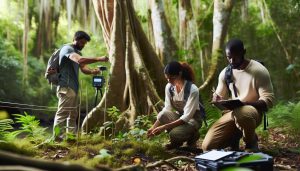
To effectively study population ecology and understand the dynamics of species survival, researchers employ a variety of innovative tools and methods. Technology has revolutionized the ways in which ecologists can collect, analyze, and interpret data about species populations and their environments. For instance, remote sensing technology enables scientists to track changes in habitat and land use from afar, providing critical information about how these factors influence species distribution and ecosystem health. Geographic Information Systems (GIS) further allow for the visualization and mapping of complex ecological data, aiding in the identification of critical habitats that require protection.
One of the most powerful methodologies is the use of mark-recapture studies, a technique frequently utilized for estimating wildlife populations. By capturing a sample of individuals, marking them, and then releasing them back into the wild, ecologists can later recapture another sample to calculate population sizes based on how many marked individuals are found. This not only helps determine population numbers but also informs researchers about migration patterns and demographic trends.
In recent years, environmental DNA (eDNA) sampling has emerged as a groundbreaking method for monitoring biodiversity. By collecting samples from soil, water, or even air, scientists can analyze genetic material present in those samples to identify which species are present in an area without requiring physical sightings. This approach is particularly useful for detecting elusive or endangered species and helps inform conservation strategies.
To foster ongoing research and collaboration, many institutions utilize citizen science initiatives, engaging the public in data collection efforts. Through platforms and applications that allow everyday people to contribute observations of wildlife or report environmental changes, scientists can gather large datasets more efficiently. This not only enriches scientific knowledge but also raises awareness and promotes stewardship of local ecosystems among community members.
In summary, the integration of advanced technologies with traditional field research methods provides a comprehensive toolbox for ecologists. These tools not only enhance our understanding of population dynamics and species survival but also empower us to take actionable steps towards conservation and sustainable practices. By harnessing these methods, individuals and communities can play a crucial role in protecting the biodiversity that sustains our planet.
Integrating Sustainable Practices into Ecology
Embracing sustainable practices is not just a trend-it’s an essential pathway for the survival of species and the health of ecosystems. The interconnectedness of human actions and ecological outcomes means that every choice we make has a ripple effect on the world around us. By adopting more eco-conscious habits and supporting environmentally-friendly practices, we can significantly contribute to the preservation of biodiversity and the stability of populations within ecosystems.
One simple yet impactful way individuals can make a difference is by reducing their ecological footprint. This involves understanding how our daily activities affect the environment. Start by assessing your energy consumption-consider switching to energy-efficient appliances, utilizing natural light whenever possible, and exploring renewable energy options like solar panels. Reducing water usage also plays a critical role; small changes such as fixing leaks, using water-saving fixtures, and opting for drought-resistant plants in landscaping can conserve valuable resources.
Transport choices can make a significant impact, too. Whenever feasible, walking, biking, or using public transportation can help reduce carbon emissions. For those who need to drive, consider carpooling or exploring electric vehicle options. Additionally, supporting local businesses can contribute positively to your community’s economy while minimizing the carbon footprint associated with transporting goods over long distances. When it comes to consumption, choosing sustainable products-such as those that are biodegradable or made from recycled materials-signals a demand for environmentally responsible manufacturing processes.
Incorporating Ecology into Daily Choices
Creating a sustainable lifestyle goes beyond individual choices; it can also encompass lifestyle changes that foster community engagement and environmental stewardship. Get involved in local conservation efforts, such as tree planting initiatives or wildlife habitat restoration projects. Participating in or organizing clean-up events in your neighborhood not only improves local environments but also raises awareness about pollution and waste.
Lastly, education is a powerful tool in promoting sustainable practices. By sharing knowledge about the importance of biodiversity and the consequences of human impact on ecosystems, you can inspire others to embrace ethical consumerism and conservation efforts. Host workshops, engage in community discussions, or use social media platforms to spread awareness about sustainable living practices. Every action, no matter how small, contributes to a larger movement towards a more sustainable and ecologically mindful society.
Incorporating these practices into daily life may seem daunting, but taking gradual steps can lead to significant, positive changes in our lives and the environment. Each eco-friendly choice you make helps pave the way for a healthier planet, supporting not only human well-being but also the survival of countless species sharing our ecosystem.
Q&A
Q: What is the main focus of population ecology?
A: The main focus of population ecology is to study the dynamics of species populations and how they interact with their environments. It examines factors affecting population size, distribution, and survival, including resources, reproductive strategies, and ecological relationships.
Q: How do human activities influence population ecology?
A: Human activities significantly impact population ecology through habitat destruction, pollution, climate change, and over-exploitation of species. These factors can alter population dynamics, leading to reduced biodiversity and increased extinction rates. Conservation strategies are essential to mitigate these effects.
Q: What are the key tools used in population ecology research?
A: Key tools in population ecology include statistical modeling, field surveys, remote sensing, and genetic analysis. These methods help ecologists quantify populations, track changes over time, and understand the spatial distribution of species in their ecosystems.
Q: Why is biodiversity important for population ecology?
A: Biodiversity is crucial for population ecology because it enhances ecosystem stability and resilience. Diverse ecosystems can better withstand environmental changes, diseases, and stresses, ensuring that various species can survive and thrive, which is vital for ecosystem services.
Q: What are some examples of species exhibiting population dynamics?
A: Examples of species exhibiting population dynamics include the cyclic population changes of lemmings, which experience boom-and-bust cycles, and the migratory patterns of monarch butterflies, where population size varies significantly based on environmental factors and resource availability.
Q: How does climate change affect species survival in population ecology?
A: Climate change affects species survival by altering habitats, food availability, and reproductive patterns. Species may experience shifts in migration, changes in life cycles, or increased vulnerability to diseases, which can lead to population decline and increased risk of extinction.
Q: What conservation strategies are effective for endangered species?
A: Effective conservation strategies for endangered species include habitat restoration, protection of critical habitats, population monitoring, and breeding programs. Engaging local communities in conservation efforts and enforcing wildlife protection laws also play crucial roles in species survival.
Q: What role do ecological footprints play in population ecology?
A: Ecological footprints measure the environmental impact of human activities, providing insight into sustainability and resource use. By assessing how much land and water is required to support a population, ecologists can identify areas for improvement in conservation and resource management practices.
Final Thoughts
As we conclude our exploration of population ecology and the intricate relationships that govern species survival, it’s vital to remember that understanding these dynamics is not just academic-it’s a call to action. By grasping how populations interact with their environments, we can make informed decisions that contribute to the preservation of biodiversity and the well-being of our planet. Don’t let this knowledge stop here! Dive deeper into related topics such as sustainable living practices and the science behind ecological footprints to enrich your understanding further.
Ready to take the next step? Consider subscribing to our newsletter for regular insights and actionable tips that empower you to adopt greener lifestyles. Also, check out our guide on creating eco-friendly homes and explore green technologies that can make a difference in your daily life. Your journey towards a more sustainable future starts now-let’s make a positive impact together!
If you have any questions or insights, feel free to drop a comment below. We love hearing from you, and your engagement helps us grow this community dedicated to protecting our planet.