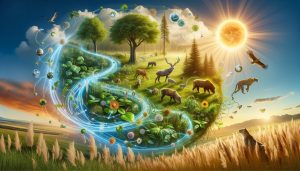
Ecological succession is the natural process through which ecosystems change and develop over time, driven by a variety of forces-both natural and human-induced. Understanding these drivers is essential, as they shape biodiversity, influence habitat stability, and ultimately determine the health of our environment. For instance, did you know that disturbances like wildfires or human activities such as deforestation can set off a cascade of changes that alter species composition and ecosystem dynamics? As we face pressing environmental challenges, recognizing these forces not only deepens our ecological understanding but also empowers us to make informed choices that support sustainability. Continued reading will reveal how different drivers of succession affect our world and what actions we can take to foster resilient ecosystems.
Understanding Ecological Succession: Basics Explained
Understanding the intricate dynamics of ecological succession sheds light on the remarkable resilience of ecosystems. This natural process illustrates how communities evolve over time, driven by various forces of change. From the gradual transformation initiated by an abandoned field returning to forest, to the relatively swift recovery following a wildfire, ecological succession exemplifies nature’s ability to renew and adapt. Each step along this trajectory is influenced by a combination of biotic and abiotic factors, which not only shape species composition but also dictate the overall health of an ecosystem.
Key drivers of ecological succession include environmental changes, species interactions, and disturbances. These disturbances may be natural, such as fires, floods, and hurricanes, or human-induced through agriculture and urbanization. The nature of these disturbances often determines the timeline and trajectory of succession. For example, after a volcanic eruption, primary succession may occur on bare rock, eventually leading to rich soil development. Conversely, secondary succession might unfold after a forest fire, where the soil remains intact, allowing for faster recovery of plant life.
Another crucial component is the role of indicator species-organisms that highlight specific environmental conditions or changes within their ecosystems. Their presence or absence can serve as vital signs, informing conservation efforts and resource management strategies. As ecosystems transition through different stages of succession, biodiversity plays a pivotal role. Early stages often exhibit lower species diversity, while later stages feature a more complex community with numerous interactions, ultimately leading to a balanced and sustainable environment. The understanding of these dynamics not only fosters ecological awareness but also empowers individuals and communities to engage in sustainable practices that support biodiversity and ecosystem health, reinforcing the vital connection between human actions and environmental outcomes.
Key Drivers of Ecological Succession

Ecological succession is driven by a fascinating interplay of natural processes and environmental changes. These forces of change profoundly influence the composition of biological communities over time, leading to a continuous evolution of ecosystems. Understanding these key drivers not only aids in appreciating the resilience of nature but also equips individuals to make informed, sustainable choices that foster ecological health.
Among the primary drivers are disturbances, which can be categorized into natural occurrences-like wildfires, hurricanes, and floods-and human-induced alterations, such as land development and agricultural practices. These disturbances initiate or catalyze succession by creating conditions that allow new species to thrive. For instance, after a wildfire, the remaining soil and seed bank can facilitate rapid recovery, a phenomenon characteristic of secondary succession. In contrast, primary succession occurs on previously uninhabited substrates, like bare rock after a volcanic eruption, necessitating a longer course to soil development before diverse plant life can establish.
Another essential component of succession is the role of species interactions. As communities develop, the relationships between various species-such as competition, predation, and mutualism-play pivotal roles in shaping the ecological landscape. Some species, known as keystone species, have a disproportionately large effect on their environment relative to their abundance, highlighting the interconnectedness of ecosystem dynamics. The presence of these species can either enhance or inhibit the colonization by others, illustrating the complex web of life that drives ecological succession.
Understanding these drivers empowers individuals to engage in sustainable practices that benefit local ecosystems. For example, by choosing native plants for landscaping, homeowners can create habitats that support local biodiversity while also reducing the need for water and fertilizers. Recognizing the importance of ecological balance, we can all take steps to minimize our ecological footprint, advocate for conservation, and promote policies that prioritize environmental health. Embracing our role in protecting these natural processes not only enriches our own lives but also safeguards the vitality of our planet for future generations.
Disturbances: Natural and Human-Induced Changes

Ecological disturbances play a pivotal role in shaping the trajectory of ecosystems, acting as the catalysts for change and renewal. Disturbances can be broadly categorized into natural occurrences-like wildfires, hurricanes, and floods-and human-induced alterations, such as urbanization and land development. Each type of disturbance initiates important processes of ecological succession, creating opportunities for new species to establish and thrive in altered environments. Understanding these dynamics is essential for fostering resilient ecosystems and can empower individuals to make choices that support ecological health.
Natural disturbances often have a profound impact on local ecosystems. For example, wildfires may seem destructive, but they can rejuvenate landscapes by clearing out old vegetation, which allows sunlight to reach the forest floor and promotes the growth of new plants. In some ecosystems, certain species of trees, like sequoias, even rely on fire to trigger seed release. This cycle of destruction and recovery illustrates nature’s remarkable ability to adapt and regenerate. Similarly, floods create new habitats by depositing sediments that enrich the soil, facilitating the establishment of diverse plant species and fostering rich animal communities over time.
Human-induced disturbances present unique challenges and opportunities. Activities such as agriculture, logging, and urbanization can dramatically alter landscapes, disrupting existing ecosystems and the services they provide. However, they also create chances for adaptive management and restoration efforts. For instance, rewilding initiatives seek to restore ecosystems by reintroducing native species and removing invasive ones, thereby encouraging natural succession pathways. Engaging in sustainable land-use practices, such as permaculture or agroecology, can also mitigate the adverse effects of human activities while promoting biodiversity and ecological resilience.
Recognizing the ongoing relationship between disturbances and ecological change empowers individuals to take proactive steps in their communities. Simple actions, such as supporting local conservation efforts, promoting sustainable agriculture, and planting native species in gardens, can contribute to the restoration of ecological balance. Whether it’s participating in community land restoration projects or choosing to support businesses that prioritize environmental sustainability, everyone has a role to play in fostering healthier, more resilient ecosystems for future generations. By embracing this responsibility, we can not only mitigate our ecological footprint but also contribute to a flourishing planet.
Climate Change Impact on Ecosystems

As global temperatures continue to rise, ecosystems worldwide are experiencing significant shifts that directly impact biodiversity and ecological succession. Climate change influences the distribution and behavior of species, alters habitat conditions, and disrupts long-established ecological relationships. For instance, as temperatures rise, certain plant species may bloom earlier, creating a mismatch with the timing of pollinator emergence. This phenomenon can result in declining populations of both plants and pollinators, illustrating how tightly woven the fabric of ecosystems is and how quickly it can unravel under stress.
In ecosystems that depend heavily on seasonal weather patterns, such as temperate forests, altered ice and snow melt can affect nutrient cycling and plant growth. Changes in precipitation patterns may lead to either excessive droughts or flooding, both of which have the potential to drastically alter species composition within these habitats. For example, prolonged drought can favor drought-resistant species while outcompeting those that require more moisture. This shift can lead to a decline in plant diversity and alter the food web, affecting not just terrestrial flora but also the animal species that rely on those plants for habitat and nutrition.
Moreover, climate change can exacerbate the frequency and severity of disturbances such as wildfires and storms, pushing ecosystems beyond their resilience thresholds. For example, in fire-prone areas, increased temperatures and prolonged dry spells can lead to more intense wildfires that not only destroy existing plant and animal populations but also change the very soil composition and nutrient dynamics of the area, thus influencing the trajectory of future ecological succession.
To combat these challenges, individuals and communities can adopt various strategies to support ecosystem resilience. Engaging in local tree planting initiatives can help restore habitats, while supporting sustainable agriculture practices can improve soil health and water retention, thus enhancing ecosystem stability. By promoting biodiversity in local green spaces-such as planting native species and creating pollinator-friendly habitats-everyone can contribute to the natural processes of recovery and regeneration that are essential for healthy ecosystems in a changing climate.
The interplay between climate change and ecological succession underscores the importance of proactive engagement in environmental stewardship. By understanding these dynamics and making conscious, eco-friendly choices, individuals can play a pivotal role in fostering resilient ecosystems that can adapt to the changing world.
Role of Species Interactions in Succession
The intricate relationships among species play a pivotal role in shaping the path of ecological succession. As ecosystems evolve, the interactions between various organisms-whether they be plants, animals, or microorganisms-can either facilitate or hinder progression through different successional stages. One of the most prominent ways species interact is through mechanisms such as facilitation, inhibition, and tolerance, all of which can significantly influence the trajectory of an ecosystem following disturbance.
In the early stages of succession, pioneer species, often hardy and fast-growing, colonize disturbed areas. These initial colonizers prepare the environment for subsequent species by altering the habitat. For example, certain plants can enrich the soil with nutrients through their decay or provide shade, creating more favorable conditions for other species. This facilitative relationship can enhance biodiversity by promoting a greater variety of plants and, consequently, the animals that depend on them. As these new layers of vegetation establish themselves, they continue to shape the microclimate and soil characteristics, paving the way for a diverse community of organisms.
However, not all interactions are beneficial. In cases of strong competition, certain species may inhibit the growth of others, especially if they occupy similar ecological niches. This is particularly evident in ecosystems experiencing rapid changes due to human impact, where invasive species can outcompete native flora, leading to reduced biodiversity. Understanding these competitive dynamics is crucial, as they directly relate to conservation and restoration efforts. For instance, management practices that involve monitoring and controlling invasive species can help maintain the integrity and diversity of native ecosystems.
Nurturing healthy ecosystems requires not only recognizing these interactions but also taking action in our own lives. Supporting local biodiversity can be as simple as creating wildlife-friendly gardens that incorporate native plants, which are often better adapted to local conditions and provide critical habitat for wildlife. Additionally, participating in community reforestation efforts or wetlands restoration can contribute to the resilience of ecosystems, ensuring they remain capable of undergoing natural successional processes despite ongoing environmental changes. Embracing these approaches fosters a greater sense of stewardship toward the environment, empowering us all to protect and sustain the intricate web of life that surrounds us.
Primary vs. Secondary Succession: What’s the Difference?
The ability of ecosystems to regenerate and adapt is a fascinating aspect of nature, and a crucial part of this process is understanding the differences between primary and secondary succession. Primary succession begins in lifeless areas-places devoid of soil and organic material, such as after a volcanic eruption or a retreating glacier. Here, the journey starts from scratch. Pioneer species, like lichens and mosses, are the heroes of this narrative. They colonize the barren landscape, breaking down rock to form soil and paving the way for more complex organisms.
In contrast, secondary succession occurs in areas where a disturbance has destroyed an existing ecosystem but left the soil intact, such as after a forest fire or agricultural land abandonment. In these scenarios, the path back to biodiversity is often faster, as seeds and roots may already be present in the soil, allowing vegetation to return more quickly. Following the disturbance, grasses and shrubs are typically the first to appear, providing a foundation for the eventual return of larger plants and animals over time.
Key Differences to Understand
- Starting Point: Primary succession starts on bare rock, while secondary succession starts in areas where soil is present.
- Time Scale: Primary succession generally takes much longer to reach a climax community, potentially several hundred years, compared to secondary succession, which can occur in decades due to existing soil layers.
- Pioneer Species: Different types of pioneer species establish the initial ecosystem; primary succession relies on organisms like lichens, while secondary succession may see rapid growth of grasses and perennial plants.
Understanding the nuances of these two types of succession not only enhances our appreciation for ecological resilience but also informs conservation efforts. For instance, knowing that a forest can potentially recover in a few decades rather than centuries can drive faster restoration efforts. Individuals can contribute by supporting local land restoration initiatives or making eco-conscious decisions that minimize disturbances in their environments. Whether through participating in reforestation projects or reducing plastic use that pollutes natural habitats, every action counts in promoting healthy ecosystems and nurturing the planet’s biodiversity.
The Stages of Ecological Succession: A Deeper Look
The journey of ecological succession is a fascinating tale of transformation, where ecosystems evolve through a series of stages driven by the delicate interplay of biotic and abiotic factors. This process begins with a disturbance that alters the landscape, which could be as abrupt as a volcanic eruption or more gradual, like soil erosion. Following this, ecosystems begin to show a remarkable resilience and adaptability, gradually reshaping themselves through specific stages.
In the initial stage of succession, known as the pioneer stage, the landscape is often barren, filled with mineral-rich substrates. Here, pioneering species, primarily hardy organisms like lichens and mosses, take center stage. These species are equipped with the ability to survive in inhospitable conditions; they contribute to soil formation by breaking down rocks and accumulating organic matter. The establishment of these pioneers paves the way for the next wave of colonizers, setting the foundation for greater biodiversity.
As the ecosystem continues to develop, it reaches the intermediate stage, where diversity begins to flourish. Grasses, shrubs, and herbaceous plants become prevalent, increasing biomass and organic matter. This phase is critical, as it provides habitats for various animal species. Interactions among species also elevate; for instance, the proliferation of flora offers shelter and food sources for fauna, fostering more complex food webs and ecological relationships.
In the final stage, the climax community emerges, characterized by a stable and self-perpetuating structure. This community exhibits increased species richness and diversity, and it can sustain itself over long periods, demonstrating nature’s capacity for balance and harmony. Importantly, these stages of succession are not entirely linear; disturbances, whether natural or anthropogenic, can reset ecosystems back to earlier states, necessitating recovery through similar processes.
Understanding these stages not only deepens our appreciation for nature but also informs our actions. As individuals, we can support ecological integrity by engaging in restoration projects that mirror natural processes. Whether through planting native species that facilitate succession or advocating for policies that protect existing ecosystems, these small yet impactful actions can foster resilience in our environment. Embracing a mindset of stewardship encourages a sustainable approach to living, ensuring that whatever stage an ecosystem is in, it has the best chance of thriving for generations to come.
Human Impacts: Urbanization and Land Use Change
The rapid pace of urbanization is transforming landscapes across the globe, often at the expense of natural habitats and biodiversity. As cities expand and land use changes-from agricultural fields to commercial zones-these shifts create disturbances that significantly influence ecological succession. With increasing human populations demanding more space, the natural processes that once allowed ecosystems to recover and thrive are being upended. Understanding how urbanization impacts these processes can empower individuals and communities to adopt more sustainable practices that promote ecological resilience.
In many cases, urbanization leads to fragmentation of ecosystems, where patches of green space are isolated by roads and buildings. This fragmentation disrupts the movement of species, diminishing genetic diversity and making survival more precarious. For example, as natural habitats are broken up, species that depend on contiguous habitats may decline, leading to a loss of biodiversity. Additionally, land use changes can introduce non-native species into these areas, further complicating the dynamics of succession as these invaders can outcompete indigenous flora and fauna for resources.
To combat the negative impacts of urbanization, individuals and communities can take proactive measures. Urban greening initiatives, such as creating parks, green roofs, and community gardens, not only provide essential habitats for wildlife but also enhance human well-being by improving air quality and lowering urban heat. Residents can also advocate for smart growth policies that emphasize sustainable land use, preserving existing natural areas and integrating them into urban planning.
Another practical approach is to incorporate native plants into landscaping. Native species are typically more resilient and provide vital habitats and food sources for local wildlife, helping to facilitate a more natural succession process even amidst urban settings. By choosing plants that are well-adapted to local conditions, homeowners can contribute to the restoration of native ecosystems and enhance local biodiversity.
Through these thoughtful actions, individuals can help counteract the pressures of urbanization, supporting both ecological integrity and community health. Every small step taken towards sustainable living and responsible land use contributes to the broader goal of nurturing healthy and resilient ecosystems, ensuring that life can flourish even in the shadows of towering skyscrapers.
Biodiversity and Its Importance During Succession
The rich tapestry of biodiversity plays a crucial role in ecological succession, acting as both a driver and a beneficiary of these transformative processes. Biodiversity, which refers to the variety of life forms within a given ecosystem, enhances resilience, adaptation, and productivity-elements essential for ecosystems undergoing change. Each species interacts within its environment, contributing to a balance that fosters growth and stability.
When areas are disturbed-be it through natural events like wildfires or human activities such as urban development-the initial stages of succession are characterized by colonization by opportunistic species. These pioneering organisms, often hardy and adaptive, initiate the restoration of ecosystems. An increase in species diversity during early succession stages can lead to greater ecological stability, allowing communities to better withstand and recover from subsequent disturbances. As diverse species establish themselves, they create a complex network of interactions that includes competition, predation, and mutualism, ultimately promoting a richer ecosystem.
The importance of biodiversity extends beyond initial stages, impacting the later stages of succession significantly. In mature stages, a higher diversity of species often correlates with increased productivity and improved ecosystem functioning. Diverse plant species, for example, can utilize resources more efficiently and provide varied habitats for a multitude of species, leading to richer food webs. To encourage biodiversity during succession, communities can engage in practices such as:
- Establishing native plant gardens, which support local wildlife and strengthen ecological ties.
- Implementing habitat restoration projects that aim to recover degraded or disturbed areas by introducing diverse native species.
- Promoting sustainable agricultural practices that maintain ecological diversity and minimize the use of harmful chemicals.
Each of these efforts contributes to creating an environment where biodiversity can flourish, ultimately fostering healthier and more resilient ecosystems. Understanding and recognizing the interconnectedness of species during ecological succession not only enhances environmental awareness but also empowers individuals and communities to participate actively in conservation efforts. Through informed actions, everyone can contribute to a future where vibrant ecosystems thrive amidst the challenges posed by urban development and climate change.
Case Studies: Notable Examples of Succession
The transformation of ecosystems through ecological succession is a natural wonder that illustrates the resilience of life. Notable case studies highlight how different environments rebound after disturbances, showcasing the powerful interplay of species that characterizes these transitional phases.
One compelling example is the recovery of forests after wildfires. The 1988 Yellowstone fires are a case in point. Initially, the landscape appeared devastated, but within months, fire-adapted species like lodgepole pines and various wildflowers began to push through the ash. Over the following years, these pioneering plants created a habitat that supported diverse wildlife, establishing a chain of interactions that led to a mature forest ecosystem within just a few decades. This instance emphasizes how disturbances can be pivotal in rejuvenating ecosystems, as the fires cleared old trees and allowed sunlight to reach the forest floor, facilitating new growth.
In marine environments, coral reef recovery following bleaching events provides another illustrative case. After the global coral bleaching in 2016, scientists observed remarkable resilience in certain reefs. While many corals suffered extensive damage, some species adapted and thrived in altered conditions, encouraging a cycle of regrowth and renewal. The resilience of the algal symbionts and the gradual recruitment of different fish species played essential roles in this process. This showcases how biological interactions can drive resilience and adaptation in the face of climate change and other human-induced stresses.
These examples serve not only as reminders of nature’s capacity to heal but also as lessons in the importance of protecting biodiversity. Understanding these processes allows individuals and communities to engage in conservation efforts meaningfully, such as supporting policies that mitigate climate change impacts and promoting the restoration of natural habitats. By acknowledging the role of disturbances in ecological succession, we can foster a deeper appreciation for the intricate balance of life on Earth.
Applying Succession Concepts to Conservation Efforts
The dynamics of ecological succession offer invaluable lessons for conservation efforts. Understanding these natural processes allows us to harness the power of ecological resilience, ultimately guiding our strategies to restore and protect ecosystems. Conservationists can greatly benefit from recognizing how the interactions between species, environmental factors, and disturbances influence community structures over time. When we apply this knowledge, we can implement effective restoration practices that align with nature’s inherent recovery processes.
One practical approach to applying succession concepts involves prioritizing the preservation of keystone species, those that have a disproportionately large impact on their environment relative to their abundance. For instance, in forest ecosystems, species such as beavers or certain tree types fundamentally shape the habitat for myriad other organisms. By protecting these key players, we not only safeguard their habitat but also promote a healthier, more diverse ecosystem where ecological succession can thrive. Furthermore, establishing protected areas can facilitate natural regeneration by minimizing human disturbances and allowing ecosystems to self-repair through the succession process.
Engaging local communities in restoration initiatives also enhances the success of conservation efforts. People are more likely to support projects that they have a stake in and that integrate their knowledge and understanding of local ecosystems. Educational programs that emphasize the importance of biodiversity and ecological succession can empower individuals to take an active role in conservation. This engagement fosters a sense of responsibility and stewardship while facilitating sustainable practices, such as planting native species that are essential for supporting wildlife and fostering succession.
Harnessing Technology for Better Outcomes
In today’s world, technology complements conservation strategies effectively. Tools like Geographic Information Systems (GIS) and remote sensing can help identify areas in need of restoration and monitor changes over time, providing insights into how ecosystems respond to conservation efforts and natural disturbances. By analyzing these patterns, conservationists can adjust their methodologies to fit the specific needs of the environment, ensuring that the applied strategies promote healthy successional pathways and enhance biodiversity.
Ultimately, the practical application of succession concepts in conservation efforts not only aids in the recovery of ecosystems but also enhances their resilience against future disturbances. By fostering a deeper understanding of these natural processes and actively involving communities, we can create sustainable, effective conservation strategies that honor the intricate balance of life on Earth.
Future Trends in Ecological Succession Research
As the urgency of environmental challenges grows, the field of ecological succession research is evolving to keep pace with emerging trends and technological advancements. One such trend is the increasing integration of climate change models into succession studies. Researchers are now exploring how shifting climate patterns influence species distribution and community dynamics, with a focus on predicting future successional pathways under various climate scenarios. By analyzing these interactions, scientists aim to provide critical insights into how ecosystems will adapt, enabling better conservation strategies that align with anticipated changes.
Additionally, there is a growing emphasis on the role of biological interactions in shaping succession. More studies are focusing on how species interactions-such as competition, predation, and mutualism-can either facilitate or hinder succession, particularly in fragmented habitats. Understanding these dynamics is essential for managing biodiversity and enhancing ecosystem resilience. For example, conservation efforts may prioritize the restoration of native species that have positive interactions with other plants and wildlife, ensuring a more robust community structure as ecosystems recover from human impacts or natural disturbances.
Technological advancements are also transforming research methodologies in ecological succession. The application of remote sensing and Geographic Information Systems (GIS) allows researchers to study large areas and monitor changes over time with unprecedented accuracy. By tracking vegetation patterns and biodiversity across landscapes, scientists can identify critical areas for intervention and create more effective management plans. This data-driven approach not only enhances our understanding of succession processes but also empowers conservationists to make informed decisions that reflect current ecological realities.
In the quest for sustainable land use practices, the principles of ecological succession are increasingly being incorporated into urban planning and agricultural systems. Urban ecologists are investigating how principles of succession can inform the design of green spaces, which promote biodiversity and improve ecosystem services in city environments. Similarly, in agriculture, adopting succession-inspired practices-like agroecology-can bolster soil health and foster resilience against pests and diseases. As these trends continue to develop, they present exciting opportunities for integrating ecological principles into everyday practices, helping to ensure that both natural and human-altered ecosystems can flourish in harmony.
Faq
Q: What are the primary drivers of ecological succession?
A: The primary drivers of ecological succession include natural disturbances like fires and floods, human-induced changes such as urbanization, and climate factors that alter habitat conditions. These forces trigger shifts in species composition and ecosystem structure over time.
Q: How does climate change impact ecological succession?
A: Climate change affects ecological succession by altering temperature and precipitation patterns, resulting in shifts in species distributions and habitat types. These changes can fast-track or hinder the processes of primary and secondary succession, impacting biodiversity and ecosystem resilience.
Q: What role do invasive species play in ecological succession?
A: Invasive species can disrupt ecological succession by outcompeting native species for resources, altering soil chemistry, and changing habitat structure. This can lead to decreased biodiversity and altered ecosystem processes, emphasizing the need for management strategies during succession phases.
Q: Why are disturbances important for ecological succession?
A: Disturbances, both natural and anthropogenic, create opportunities for ecological succession by altering the environment and allowing new species to establish. These changes stimulate the regeneration of ecosystems, contributing to biodiversity and resilience.
Q: How do species interactions influence ecological succession?
A: Species interactions, such as competition, predation, and mutualism, play a critical role in shaping ecological succession. These relationships determine which species thrive and influence the trajectory of community development throughout different succession stages.
Q: When does primary succession occur, and what initiates it?
A: Primary succession occurs in lifeless areas where soil is not present, such as after volcanic eruptions or glacial retreats. It begins with pioneer species, like lichens and mosses, which colonize bare substrates and eventually create conditions suitable for soil formation.
Q: What is the difference between primary and secondary succession?
A: Primary succession occurs on newly formed or exposed surfaces without soil, while secondary succession happens in areas where a disturbance has disrupted an existing ecosystem but soil remains intact. Each process involves different community dynamics and timescales.
Q: How can understanding ecological succession assist in conservation efforts?
A: Understanding ecological succession can guide conservation efforts by identifying critical stages in ecosystem recovery and potential pitfalls during restoration. Knowledge of succession dynamics informs best practices for habitat management, especially after disturbances.
Future Outlook
Understanding the drivers of ecological succession provides valuable insights into the ever-changing dynamics of our ecosystems. As you’ve learned, factors like climate change, human activities, and natural events influence species composition and community stability. To dive deeper into the impacts of these changes, check out our articles on Biodiversity and Its Importance and Sustainable Practices for Ecosystem Resilience.
Don’t miss the opportunity to stay informed-sign up for our newsletter to receive the latest insights on environmental science and practical tips for sustainable living directly in your inbox. If you have questions or experiences to share, we encourage you to leave a comment below. Your engagement helps foster a community committed to understanding and protecting our planet. Continue exploring our site for additional resources and let’s work together towards a more sustainable future!