Ecological succession is nature’s remarkable process of change, where ecosystems evolve over time through a series of stages, leading to diverse and thriving communities. Understanding these stages not only enhances our appreciation of the environment but also equips us to better protect and support the ecosystems around us. As habitats transition from barren lands to lush ecosystems, they teach us vital lessons about resilience and renewal. By exploring these stages, we can relate to our own journeys of growth and sustainability. Curious about how ecosystems transform and what role you can play in this intricate dance of nature? Join us as we delve into the stages of ecological succession, revealing the beauty and importance of ecological balance along the way.
Understanding Ecological Succession: An Overview
Ecological succession reflects nature’s remarkable resilience and ability to restore balance after disturbances. This dynamic process involves a series of changes in an ecosystem as it gradually progresses toward stability. Understanding the stages of ecological succession can empower us to appreciate and support the natural world, influencing how we engage with our environment.
At its core, ecological succession unfolds in two primary forms: primary and secondary succession. Primary succession occurs in lifeless areas, such as after a volcanic eruption or glacier retreat, where soil has yet to form. Here, life starts anew, commencing with pioneering organisms like lichens and mosses that gradually enrich the substrate, enabling more complex plants to establish. On the other hand, secondary succession takes place in areas where a disturbance has cleared an existing ecosystem-like after a forest fire or flood-but where soil remains. This form of succession tends to be quicker, as the residual soil and seed bank facilitate the re-establishment of flora and fauna.
Species interactions during succession illustrate a fascinating interplay of life. As early colonizers, pioneering species modify their environment, making it hospitable for other organisms. This interplay continues until a stable endpoint-the climax community-is reached, wherein the composition tends to remain relatively unchanged until another disturbance occurs. By understanding these stages, we can observe and even participate in the ecological recovery processes.
By supporting biodiversity and recognizing the value of each species and its role in succession, we can contribute to healthier ecosystems. Simple practices in our daily lives-such as cultivating native plants in gardens, supporting sustainable agriculture, and engaging in local conservation efforts-can assist in promoting ecological resilience, allowing nature to thrive. Embracing these concepts encourages a deeper connection with our environment, fostering a culture of stewardship that is essential for the well-being of our planet and future generations.
The Importance of Biodiversity in Ecosystems

Biodiversity is essential to the health and stability of ecosystems, providing a wealth of services that sustain life on Earth. Diverse ecosystems operate more effectively, exhibiting resilience against stresses such as climate change, pollution, and habitat destruction. When various species coalesce, they create intricate webs of interactions that foster stability, nutrient cycling, and ecosystem productivity. For example, a thriving forest is not just a collection of trees; it includes countless fungi, insects, animals, and microorganisms that all play vital roles in nutrient cycling and soil health. This interconnectedness means that the loss of even a single species can disrupt the balance, leading to declines in ecosystem functionality.
One of the most striking aspects of biodiversity is its contribution to ecosystem services that humans rely upon, such as crop pollination, water filtration, and pest control. Diverse plant species in agricultural systems, for example, can enhance resilience against pests and diseases, reducing the need for chemical interventions. Moreover, healthy ecosystems provide recreational opportunities, aesthetic value, and cultural importance, enhancing human well-being. Engaging in practices that support biodiversity, such as planting native species in gardens or supporting local conservation initiatives, can yield significant benefits for both the environment and communities.
Moreover, biodiversity plays a crucial role in ecological succession, impacting how effectively ecosystems recover after disturbances. During succession, the variety of species present determines the speed and type of recovery; more biodiverse systems are generally better at rebounding from disturbances. For instance, after a forest fire, a mixture of fast-growing plants can establish more quickly, enriching the soil and facilitating the return of wildlife-all part of an intricate process that underscores the importance of maintaining biodiversity.
By actively choosing to nurture biodiversity in our daily lives, we take an important step toward fostering resilient ecosystems. Simple actions such as reducing chemical use in gardening, creating habitats for wildlife, and promoting sustainable land use can enhance the biodiversity around us. Remember, every action counts, and collectively, our efforts can lead to healthier, thriving ecosystems that benefit all forms of life.
Primary Succession: From Bare Rock to Life

Life can begin in the most inhospitable places, where bare rock once dominated the landscape. This remarkable process is called primary succession, and it describes how ecosystems emerge from lifeless environments. Typically initiated by natural events such as volcanic eruptions or glacial retreats, primary succession unfolds in a series of stages, paving the way for a flourishing ecosystem. Unlike secondary succession, which occurs in areas that have previously supported life, primary succession starts from scratch, with no soil to nurture the first inhabitants.
Stages of Primary Succession
The journey of primary succession usually comprises several key stages:
- Colonization by Pioneer Species: The first organisms to inhabit these barren landscapes are called pioneer species. These hardy organisms, such as lichens and mosses, can withstand extreme conditions while contributing to soil formation. As they grow and die, their decomposed bodies enrich the substrate, paving the way for future plant life.
- Soil Development: Over time, the organic matter from pioneer species accumulates, improving soil depth and quality. This enhanced soil is crucial for supporting a wider diversity of life.
- Arrival of Intermediate Species: As soil conditions improve, grasses and small shrubs emerge, followed by larger plants and trees. These intermediate species compete for resources, further enriching the habitat.
- Establishment of a Climax Community: Eventually, the ecosystem reaches a stable state, known as the climax community, where species coexist in balance. This community can persist for long periods unless disrupted by events such as fires or human intervention.
Understanding these stages emphasizes the vitality of nurturing our ecosystems. Even small actions can contribute to the progression of ecological health and resilience. For instance, by practicing sustainable land management and supporting conservation efforts, individuals can play a part in fostering environments where primary succession can occur naturally.
Ultimately, primary succession not only illustrates the power of nature’s resilience but also highlights the importance of ecological stewardship. By appreciating and participating in these processes, we can ensure that ecosystems continue to thrive, restoring balance and beauty to the planet.
Secondary Succession: Recovery After Disturbance
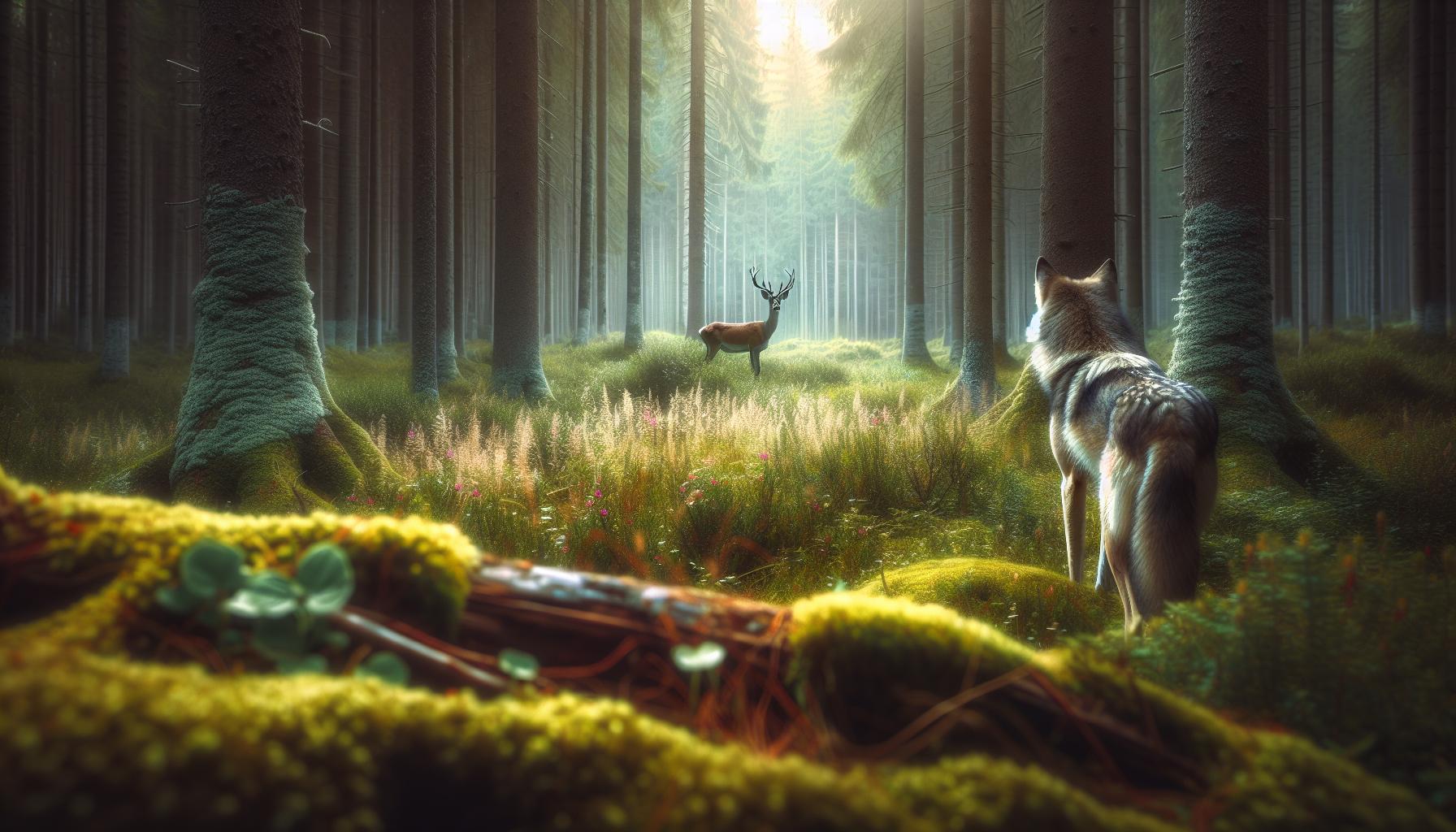
The resilience of nature is often best exemplified through the process of secondary succession, which occurs in ecosystems that have experienced disturbances but still retain some soil or biological legacy. Unlike primary succession, which starts from bare rock or completely barren land, secondary succession can unfold more rapidly. This recovery can be triggered by a range of disturbances, including forest fires, floods, hurricanes, or human activities like agriculture or logging. The existing soil, seeds, and root systems facilitate a quicker rebound, reinforcing the dynamic interplay between life and environmental change.
As the recovery begins, pioneer species such as grasses, weeds, and small shrubs quickly reestablish themselves, taking advantage of the available sunlight and nutrients left in the soil. These initial colonizers often possess traits that enable them to thrive in disturbed areas, such as rapid growth and prolific seed production. As these plants grow and die, they contribute organic matter to the soil, enhancing its fertility and creating conditions conducive to the growth of more complex plant communities.
With time, these intermediate species pave the way for larger plants, including trees, which create new habitats and promote biodiversity. This stage is essential for rebuilding the ecosystem’s complexity, as it allows various flora and fauna to return. Eventually, if left undisturbed, the ecosystem may reach a climax community, a balanced state where diverse species coexist and contribute to the stability and health of their environment.
To support and help facilitate this essential process, individuals can adopt practices such as reforestation and responsible land management. Participating in local conservation efforts, planting native species, or engaging in community restoration projects can promote ecological balance and enhance resilience to future disturbances. Understanding secondary succession encourages an appreciation for the importance of biodiversity in creating sustainable ecosystems that can recover from adversity, reinforcing our role as stewards of the environment. Through conscious actions, we can help ensure that these ecosystems thrive, fostering a healthier planet for generations to come.
Pioneer Species: Nature’s First Colonizers

In the tapestry of ecological succession, pioneer species serve as the initial thread that weaves the fabric of life into barren landscapes. Often the first organisms to colonize disturbed or uninhabitable areas, such as bare rock or soil stripped of vegetation, these resilient species are crucial for establishing the foundation upon which more complex ecosystems can thrive. Remarkably adaptable, pioneer species include lichens and certain types of bacteria that can withstand harsh conditions, gradually breaking down rock and contributing to soil formation. This process not only makes the terrain more hospitable for other organisms but also enriches it with essential nutrients.
These early colonizers are not merely survivors; they play a transformative role in ecological succession. Through their growth and eventual decomposition, they enhance soil fertility and structure. For example, as pioneer plants like hardy grasses and small shrubs flourish, they capture sunlight and carbon dioxide, contributing to the formation of organic matter. This organic material improves soil health, facilitating the emergence of more diverse plant species, which in turn attract various animals and insects. This cascading effect ultimately leads to greater biodiversity in the ecosystem.
Understanding the role of pioneer species can inspire us to recognize the importance of protecting and restoring our natural environments. We can support these ecological heroes by engaging in local conservation efforts, such as planting native species in our gardens or participating in habitat restoration projects. By nurturing the spaces around us, we contribute not only to the recovery of disturbed ecosystems but also to the resilience needed for our planet to weather future changes. Every small effort counts, and by advocating for the presence of pioneer species in our local ecology, we enhance the health of our ecosystems and foster a more sustainable future.
Climax Communities: The Endpoint of Succession
The climax community represents the zenith of ecological succession, where an ecosystem reaches a state of balance and stability, characterized by a rich diversity of species and a complex structure. This mature community emerges after a series of stages, beginning with pioneer species and progressing through various transitional phases. In essence, the climax community showcases the harmonious interplay of organisms in a specific environment, adapting to and flourishing within the constraints of their surroundings.
Characteristics of Climax Communities
In a climax community, no single species dominates; instead, multiple species coexist in a balanced ecosystem. This biodiversity is crucial for the resilience of the community, allowing it to recover from environmental stresses such as droughts, fires, or invasive species. For instance, a mature forest may include diverse species of trees, shrubs, and understory plants, along with a variety of fauna, all contributing to the health of the ecosystem. This stability is often visible through intricate food webs and nutrient cycles that have developed over time, reinforcing the community’s ability to sustain itself.
Examples and Practical Implications
Different environments can host distinct climax communities. For example, temperate forests may reach their climax with towering deciduous trees such as oaks and maples, while desert ecosystems might stabilize with cacti and drought-resistant shrubs. Understanding these dynamics is crucial for conservation efforts. As alterations such as climate change and human activities threaten these ecosystems, recognizing the signs of a destabilized climax community can guide restoration efforts. Engaging in local conservation, promoting native species, and minimizing disturbances are practical steps individuals can take to support these complex ecological systems.
Overall, the study and appreciation of climax communities offer valuable insights into how ecosystems function. By fostering awareness and taking action to support biodiversity, we can contribute to the sustainability of our planet, ensuring that these vibrant communities thrive for generations to come.
Factors Influencing Ecological Succession
Ecological succession is a dynamic process influenced by a variety of factors that shape how ecosystems develop over time. Understanding these factors can provide valuable insight into the resilience and stability of natural communities. Among the most significant influences are environmental conditions, species interactions, and human activities, each playing a unique role in determining the trajectory of succession.
Climate is a crucial driver of ecological succession. Temperature, precipitation, and seasonality impact which species can thrive in a given area. For instance, temperate regions may support a diverse array of plants throughout different seasons, while harsher climates like deserts or arctic tundras limit the types of species that can establish. Additionally, soil composition and nutrient availability are vital; rich, fertile soils can accelerate succession by supporting a wider variety of plant life, which in turn facilitates animal populations.
Another key aspect is biological interactions, including competition, predation, and mutualism. For example, pioneer species like lichens and mosses pave the way for more complex plants by contributing to soil formation and improving nutrient content. As succession progresses, dominant species may compete for sunlight and resources, which can alter community structures drastically. Understanding these interactions helps in preserving biodiversity, as maintaining a balanced ecosystem can enhance its ability to recover from disturbances.
Human impact has become increasingly significant in shaping ecological succession. Activities such as deforestation, urbanization, and pollution can disrupt natural processes and lead to altered trajectories of succession. For instance, land that has been cleared for agriculture may experience a different sequence of species re-establishing compared to an area that underwent a natural disturbance like a fire. Recognizing these impacts is essential for developing effective conservation strategies and restoration ecology efforts.
In summary, numerous factors-ranging from climate and soil conditions to species interactions and human influences-play a crucial role in guiding the stages of ecological succession. By fostering a deeper understanding of these elements, individuals and communities can actively contribute to enhancing biodiversity and promoting sustainable practices that support resilient ecosystems. Adopting eco-conscious lifestyles, such as advocating for native species and reducing pollution, can help restore and maintain the delicate balance within these complex ecological systems.
Visual Illustrations of Succession Stages
Visual representations of ecological succession can significantly enhance our understanding of how ecosystems evolve over time. By illustrating the distinct stages-from initial colonization by pioneer species to the establishment of a climax community-these visuals serve as powerful educational tools that underscore the intricate processes of natural recovery and biodiversity development.
A typical visual guide of succession stages might start with primary succession, depicted through images of bare rock or newly formed volcanic land. Here, pioneer species such as lichens and mosses are often illustrated, showcasing their role in soil formation. As time progresses, subsequent visuals transition to the secondary succession phase, often highlighting areas recovering from disturbances like fires or floods. The imagery would demonstrate how fast-growing plants, such as grasses and shrubs, begin to dominate these recovering ecosystems, paving the way for larger flora and fauna.
In crafting these illustrations, it’s critical to emphasize the interactions between species at each stage. For instance, in the early stages, attractively stylized graphics can showcase how pioneer species modify their environment, making it more suitable for newcomers. Each successive image can illustrate how biodiversity increases, demonstrating the gradual but significant transformation of an area as complex ecosystems establish themselves over time.
Given the impact that visuals have on learning, individuals interested in ecology can benefit from actively engaging with graphical content around succession. Seeking out resources such as educational websites, documentaries, or local nature centers that utilize visual aids can deepen understanding and appreciation for these natural processes. By harnessing the power of imagery in ecological education, we can foster greater awareness and responsibility toward maintaining the balance of our ecosystems.
Human Impact on Ecological Succession
The interconnectedness of human activity and ecological succession profoundly shapes our ecosystems, often leading to unexpected consequences. Deforestation, urban development, and pollution disrupt natural habitats and alter the delicate balance required for succession to proceed. In many cases, human-induced disturbances create opportunities for species that might thrive in altered conditions, but this does not necessarily result in a healthy ecosystem. For instance, industrial agriculture often leads to soil degradation, reducing biodiversity and the long-term resilience of the environment.
As natural succession attempts to reclaim these damaged areas, it frequently encounters obstacles due to invasive species-non-native plants or animals that flourish in disrupted environments, outcompeting native species for resources. These invasives can transform the trajectory of ecological recovery, sometimes leading to “alternative stable states,” which are ecosystems that differ significantly from their original forms. This disruption can cause permanent shifts in soil health, nutrient availability, and the types of species able to thrive in the area, ultimately undermining the ecosystem’s capacity to support biodiversity.
Human communities can play a pivotal role in fostering recovery through sustainable practices that mitigate their impact on natural succession. Effective land management-which includes initiatives like reforestation, controlled burns in fire-prone areas, and sustainable agricultural practices-can support the natural recovery of ecosystems and enhance biodiversity. By prioritizing eco-friendly approaches, individuals and communities can cultivate environments that promote healthy succession, restore habitats, and strengthen the resilience of local ecosystems in the face of ongoing human pressures.
In this ever-evolving relationship between human activity and ecological processes, education and advocacy are powerful tools. Engaging with local conservation efforts, supporting policies that protect natural spaces, and choosing sustainable products can empower individuals to be stewards of their environments. The choices we make daily influence not just our immediate surroundings but also the broader ecological dynamics that govern our planet’s health. By understanding the impacts of our actions, we can work towards a more harmonious coexistence with nature.
Restoration Ecology: Aiding Natural Succession
Restoration ecology plays a critical role in aiding the natural process of ecological succession, acting as a bridge between disturbed environments and healthy, self-sustaining ecosystems. One of the foundational principles of restoration is the recognition that ecosystems have an inherent ability to recover if given the right conditions. By fostering this potential, restoration projects can help accelerate the process of succession, ultimately leading to a more diverse and stable ecosystem.
To effectively support natural succession, restoration initiatives must focus on recreating the necessary conditions for both soil health and native biodiversity. This includes practices such as removing invasive species that inhibit the growth of native plants, which are crucial for stabilizing soil and nurturing a diverse range of animal life. Increasing the use of cover crops can improve soil quality and prevent erosion while also providing habitat for important pollinators and other wildlife. Additionally, implementing controlled burns can help maintain the ecological balance in fire-prone areas, allowing fire-adapted species to thrive and promote overall ecosystem health.
Key Strategies for Restoration Ecology
- Reforestation: Planting native trees and shrubs restores habitats and provides a natural framework that supports various life forms.
- Wetland Restoration: Recreating wetlands can improve water quality, mitigate flooding, and provide crucial habitats for many species.
- Soil Remediation: Using organic amendments, such as compost or biochar, can enhance soil structure and fertility, supporting diverse plant growth.
- Connectivity and Corridors: Creating wildlife corridors allows for the safe movement of species between habitats, enhancing genetic diversity.
By actively engaging in these practices, communities can bolster natural recovery processes and promote resilience against future disturbances caused by climate change or human activity. Restoration projects not only repair ecological balance but also nurture a sense of stewardship among individuals who participate, fostering a deeper connection to their environment.
Effective restoration also hinges on collaboration with local communities and stakeholders to ensure their perspectives and needs are considered. Education and outreach initiatives can encourage individuals to adopt sustainable practices in their daily lives, empowering them to make choices that benefit both their surroundings and the wider ecosystem. By understanding and embracing the concept of restoration ecology, people can contribute to a healthier planet while witnessing the remarkable recovery that occurs when nature is given the chance to thrive.
Real-World Examples of Ecological Succession
Ecological succession is a fascinating natural process that illustrates how life can reclaim and transform landscapes over time. Take the example of a forest recovering after a wildfire. Initially, the stark charred ground may seem lifeless, but soon, a series of dynamic changes begins. In the aftermath, pioneer species, including fast-growing grasses and hardy shrubs, move in to stabilize the soil. These plants play a crucial role in creating a hospitable environment for subsequent species, paving the way for a richer biodiversity in the years to come.
Another compelling instance is found in the aftermath of glacial retreat in areas like Alaska. As glaciers recede, the bare rocks left behind become colonized by lichens and mosses. Over time, as these pioneers die and decompose, they contribute organic matter to the soil, allowing larger plants, such as alder trees, to establish themselves. This sequence creates diverse habitats that support a wide array of animal species, showing how primary succession can lead to vibrant ecosystems from seemingly barren beginnings.
Moreover, secondary succession showcases resilience in disturbed habitats. For example, the recovery of coastal marshes after a storm demonstrates how life rebounds. After a hurricane, salt marshes may lose much of their plant life, but soon, salt-tolerant grasses and other species return, helping to restore the critical functions these ecosystems provide, such as flood protection and habitat for wildlife.
Understanding these not only illustrates the power of nature’s recovery processes but also encourages us to actively participate in conservation efforts. By restoring and protecting our natural environments, from wetlands to forests, we can ensure the continued success of these processes and foster biodiversity for future generations. Engaging in local restoration projects or simply preserving native plants in your garden can contribute significantly to the resilience of ecosystems, supporting the delicate balance of life that thrives around us.
Frequently Asked Questions
Q: What is ecological succession and why is it important?
A: Ecological succession is the gradual process of change in an ecosystem where new biological communities replace older ones over time. It is important because it enhances biodiversity, contributes to ecosystem stability, and promotes resilience against environmental changes.
Q: How does primary succession differ from secondary succession?
A: Primary succession occurs in lifeless areas where soil has yet to form, such as on bare rock. Secondary succession happens in previously occupied sites after a disturbance, where soil remains intact, allowing for quicker recovery. Understanding these differences helps in restoration ecology efforts.
Q: What role do pioneer species play in ecological succession?
A: Pioneer species are the first organisms to colonize barren or disrupted environments. They help stabilize the soil, create conditions favorable for other species, and increase biodiversity. Their presence is crucial for initiating the succession process.
Q: What are climax communities and how do they relate to succession?
A: Climax communities are stable, mature ecosystems that result from ecological succession. They are characterized by a diverse range of species and complex interactions. Understanding climax communities is essential for tracking ecosystem health and restoration outcomes.
Q: What factors influence the pace of ecological succession?
A: Several factors influence ecological succession, including climate, soil type, species interactions, and disturbances such as fires or floods. These elements can accelerate or slow the rate of succession and determine the types of communities formed.
Q: How do human activities impact ecological succession?
A: Human activities, such as urbanization, agriculture, and deforestation, can significantly alter natural succession processes by disrupting habitats and altering species composition. Understanding these impacts is vital for implementing effective conservation strategies.
Q: When does ecological succession typically occur after a disturbance?
A: The timeline for ecological succession varies based on the type and severity of a disturbance. Primary succession can take hundreds to thousands of years, while secondary succession may occur within a few decades. Observing these timelines aids in ecosystem management.
Q: Where can I see real-world examples of ecological succession?
A: Real-world examples of ecological succession can be observed in areas recovering from forest fires, glaciers retreating, or abandoned agricultural land. These examples illustrate the process and importance of succession in maintaining ecosystem health. For more details, refer to sections on “Real-World Examples of Ecological Succession” in the main article.
The Way Forward
Understanding the stages of ecological succession is crucial for appreciating how ecosystems evolve and respond to changes. As you explore these dynamic processes, remember that this knowledge empowers you to make informed decisions about environmental stewardship. To dive deeper, check out our articles on biodiversity and sustainable living practices that can help you reduce your ecological footprint today!
Don’t miss out on our exclusive newsletter offering tips for sustainable living. Join our community of eco-conscious individuals ready to make a positive impact. If you have questions or insights about ecological succession, share them in the comments below-your voice matters! Explore further topics linked here, and continue your journey toward a greener, more sustainable lifestyle. Together, we can foster a healthier planet for generations to come.