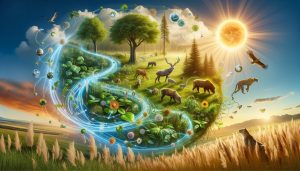
Did you know that a single species can hold an entire ecosystem together? Enter the concept of keystone species-organisms that play a critical role in maintaining the structure of their ecological community. Without them, the entire system could collapse, affecting countless other species, including humans. Understanding the importance of keystone species not only deepens our appreciation for biodiversity but also underscores the pressing need for conservation efforts. As environmental challenges like habitat destruction and climate change intensify, recognizing these vital players helps us prioritize our actions and responsibilities. Join us as we explore the fascinating world of keystone species and uncover how their presence or absence can ripple through ecosystems, shaping the very fabric of life. Your awareness and advocacy can make a difference in preserving these critical players and the health of our planet.
What Makes a Species Keystone?
A keystone species is an organism that plays a crucial role in maintaining the structure and health of its ecosystem. The term is derived from the architectural keystone, which is the central stone at the top of an arch that holds the entire structure together. In ecological terms, a keystone species has a disproportionately large impact on its environment relative to its abundance. The presence of this species influences a variety of other organisms in the community, thereby helping to maintain biodiversity and ecosystem balance.
What defines a keystone species is not merely its population size, but rather its function within the ecosystem. These species can create niches for other organisms or regulate populations of other species, demonstrating their integral role in the ecological framework. For example, the removal of a keystone species can lead to a cascade of negative effects throughout the ecosystem, potentially resulting in diminished species diversity and altered habitat structures.
Among the most famous examples of keystone species are predators like wolves, which help control herbivore populations, and beavers, known as ecosystem engineers that create wetlands. These wetlands not only serve as habitats for numerous other species but also contribute to water purification and flood control. Understanding the role of keystone species empowers us to recognize the importance of preserving these critical players in our environment, ultimately benefiting biodiversity and the overall health of our planet.
The Role of Keystone Species in Ecosystems
Keystone species serve as the backbone of their ecosystems, demonstrating how interconnected nature truly is. These crucial organisms, often predators or ecosystem engineers, maintain the balance and structure of their habitats by influencing the population dynamics of various other species. For instance, when wolves were reintroduced to Yellowstone National Park, they not only controlled the elk population, which had overgrazed vegetation, but also allowed for the restoration of numerous plant species and the reviving of habitats for other wildlife, showcasing the far-reaching effects one species can have on an entire ecosystem.
Their roles vary significantly depending on the context of their environment. Predators prevent herbivore species from becoming overly dominant, ensuring that vegetation remains diverse. Meanwhile, species like beavers are known as “ecosystem engineers” because of their ability to alter landscapes and create wetlands that provide habitats for a multitude of organisms, enhance water quality, and even help in flood control. This transformative power underlines the necessity of maintaining healthy populations of these pivotal species.
The impact of a keystone species extends beyond immediate ecological interactions. Their presence can enhance the resilience of ecosystems against environmental changes, such as climate variability or habitat destruction. By supporting a wide variety of species and ecosystem processes, keystone species contribute to a more stable and functional environment, which is essential for the overall health of the planet. With such vital roles, preserving the integrity of these species is paramount in conserving biodiversity and ensuring ecosystem sustainability.
Understanding the significance of keystone species enables us to make informed decisions about conservation efforts. As individuals, we can participate in protecting local ecosystems by supporting policies that maintain biodiversity, engaging in habitat restoration projects, and reducing our ecological footprint. Each of these actions contributes to a more balanced ecosystem, allowing keystone species to thrive and, in turn, nurturing the health of the entire environment we share.
Examples of Keystone Species Across Habitats
Many ecosystems hinge on the presence of keystone species, whose roles are pivotal and varied across different habitats. These organisms, ranging from predators to engineers, maintain the structure and balance of their respective environments. Their absence can lead to significant ecological turmoil, demonstrating the interconnectedness of life within their ecosystems.
In coastal regions, the sea otter exemplifies a keystone species. By preying on sea urchins, otters help maintain kelp forest ecosystems. Without sea otters, urchin populations can explode, leading to overgrazing that devastates kelp forests, diminishes biodiversity, and disrupts habitats for numerous marine species. This illustrates how a single species can influence the health of an entire marine ecosystem.
Moving inland, the gray wolf serves as a powerful example in terrestrial ecosystems. Reintroduced to Yellowstone National Park, wolves restored balance by controlling elk populations, which had overbrowsed vegetation. This control allowed for the recovery of various plant species, aiding habitat restoration for birds and other wildlife. The interconnected dynamics between wolves, elk, and the vegetation emphasize the profound impact of a top predator on ecological health.
In freshwater ecosystems, the beaver is celebrated as an ecosystem engineer. By building dams, beavers create wetlands that crucially support a myriad of plant and animal species, enhance water quality, and help regulate water levels, thereby controlling floods and droughts. These wetlands become vibrant habitats that support diverse life, showcasing how keystone species can shape landscapes and promote biodiversity.
The role of keystone species continues to be evident in diverse ecosystems, highlighting their importance in maintaining ecological balance. By understanding these responsibilities, communities can better appreciate the need for conservation efforts aimed at protecting these critical players and their habitats. Encouraging sustainable practices, such as protecting local habitats and supporting biodiversity initiatives, can help ensure these vital species thrive, ultimately leading to healthier ecosystems for all.
How Keystone Species Affect Biodiversity
The intricate web of life in any ecosystem is delicately balanced, and keystone species play a critical role in maintaining this balance. These species, though perhaps not the most abundant in their environment, have a disproportionately large effect on their ecological communities. A prime example of this influence can be seen in the role of the sea otter in kelp forest ecosystems. By controlling sea urchin populations, sea otters prevent these herbivores from overgrazing kelp, which in turn supports a myriad of other species that depend on kelp forests for habitat and food. Thus, the presence of sea otters supports not just the kelp itself but an entire ecosystem, enhancing biodiversity significantly.
Similarly, in terrestrial environments, the gray wolf serves as a keystone species by regulating the populations of herbivores such as deer. This control is crucial for preventing overbrowsing, which can lead to the decline of vegetation and subsequent loss of habitat for various other species. The reintroduction of wolves to Yellowstone National Park is a compelling case study; their presence allowed for the flourishing of diverse plant life, which, in turn, provided food and shelter for numerous animal species. This cascade of positive effects colors the entire ecosystem with increased biodiversity, demonstrating how pivotal keystone species are in maintaining healthier ecological landscapes.
In freshwater ecosystems, beavers exhibit their keystone role through their remarkable engineering abilities. By constructing dams, beavers create wetlands that not only offer shelter for a multitude of species but also improve water quality and regulate water flow. These wetlands act as vital buffers against flooding and drought while nurturing rich plant and animal life, further enhancing biodiversity. The interconnected relationships cultivated in these environments highlight how keystone species can shape habitats, promote diverse biological communities, and stimulate ecological resilience.
Embracing the awareness of these relationships emphasizes the need for conservation efforts aimed at protecting keystone species. Engaging with local habitats, supporting initiatives that safeguard these critical players, and practicing sustainable living can empower individuals and communities alike. By fostering an environment where keystone species thrive, we can contribute to the overall health of our ecosystems, encouraging a diverse, vibrant natural world for future generations. Simple actions, such as protecting local waterways, advocating for wildlife conservation, and making environmentally conscious choices in our everyday lives, are all steps anyone can take to support these essential components of biodiversity.
The Impact of Keystone Species on Food Webs
The presence of keystone species within ecosystems serves as a critical linchpin, intricately weaving the fabric of food webs that sustain vast biodiversity. These species, although not necessarily the most populous, exert a disproportionately impactful role in maintaining the structure and stability of their environments. For instance, consider the pivotal role of the sea otter in a kelp forest ecosystem. By preying on sea urchins, sea otters prevent these herbivores from overgrazing kelp, thus supporting not only the kelp itself but also a myriad of species that rely on kelp forests for habitat and food. This dynamic illustrates how the loss of such a key player can lead to severe imbalances, where unchecked herbivore populations can devastate entire ecosystems and the diversity they support.
Moreover, terrestrial ecosystems show similar patterns of influence; the gray wolf is a prime example. By regulating deer populations, wolves prevent overbrowsing of plants, which is vital for the survival of countless other species that depend on diverse plant life for sustenance. The reintroduction of wolves to Yellowstone National Park provides a vivid illustration of this effect-following their return, researchers observed a remarkable recovery of vegetation, which in turn fostered a more varied habitat for birds, mammals, and insects. The cascading effects through the food web highlight how the presence of a single species can rejuvenate entire ecosystems, enhancing their resilience against disturbances.
Engaging in Ecosystem Support
Understanding the intricate relationships within food webs empowers individuals to take action in their own communities. Here are some practical steps you can take to support these critical systems:
- Participate in Restoration Projects: Join local efforts to restore habitats that benefit keystone species by planting native vegetation or cleaning up waterways.
- Advocate for Sustainable Practices: Support sustainable land use policies that recognize the importance of keystone species in maintaining ecological balance.
- Educate Others: Share knowledge about keystone species and their roles with friends and family, fostering a community that values biodiversity.
- Support Wildlife Conservation: Contribute to organizations that work to protect habitats crucial for keystone species.
By acknowledging the importance of these species and their effects on food webs, we can better appreciate the delicate balance that sustains our planet. Together, we can promote healthier ecosystems, ensuring biodiversity thrives for generations to come.
Threats to Keystone Species: A Global Concern
The fragility of our ecosystems becomes alarmingly evident when we consider the threats facing keystone species. Declines in these critical players can destabilize entire environments, leading to profound ecological consequences. Habitat destruction, climate change, pollution, and invasive species rank among the most pressing threats. Each of these factors contributes to a cascading effect on biodiversity and ecosystem health, which is already under significant stress due to human activities.
One of the most significant threats comes from habitat loss. As urbanization expands and natural areas are converted for agriculture, forests, or infrastructure, keystone species like the beaver or the sea otter find their living spaces diminished. These creatures are not just charismatic megafauna; they fundamentally shape their environments. For instance, beavers create wetlands that provide habitat for countless other species while also improving water quality and regulating water cycles. Their absence can lead to dried-up landscapes and loss of biodiversity.
Climate change poses another critical challenge, altering habitats and affecting the temporal and spatial dynamics of food chains. Many keystone species, such as coral reefs, are already suffering from rising ocean temperatures and acidity, leading to bleaching and decreased resilience to stressors. This not only impacts the marine ecology but also human communities that rely on these ecosystems for food and livelihood.
Moreover, invasive species can outcompete native keystone species, diminishing their populations and roles within their ecosystems. The introduction of non-native predators or competitors can wreak havoc on local wildlife that may already be struggling to adapt to changing environmental conditions. For example, the arrival of the brown tree snake on Guam has led to the dramatic decline of native bird species, disrupting not only avian communities but also the plants and animals that depended on those birds for pollination and seed dispersal.
To combat these threats, a multifaceted approach is essential. Advocating for targeted conservation efforts, maintaining protected areas, and promoting biodiversity-friendly land use practices are vital strategies. Engaging in citizen science projects or supporting local conservation organizations can empower individuals to make a positive impact. Through awareness and action, we can contribute to the stability of ecosystems worldwide, ensuring that keystone species remain integral components of the natural world.
Conservation Strategies for Protecting Keystone Species
The foundation of a healthy ecosystem often rests on the presence of keystone species, which play critical roles in maintaining the balance of their environments. Protecting these crucial organisms is not just a matter of preserving individual species but of ensuring the stability and functionality of the ecosystems they inhabit. Here are some dynamic strategies that can be implemented to safeguard these biodiversity powerhouses.
Habitat Preservation
At the forefront of conservation strategies is protecting the natural habitats where keystone species thrive. This can be accomplished through the establishment of protected areas such as national parks, wildlife reserves, and marine protected zones. These areas provide safe havens for keystone species and help maintain the natural ecological processes critical for all life, such as nutrient cycling and species interactions. Local communities can engage in advocacy efforts to promote the designation of these areas, emphasizing the long-term ecological and economic benefits of preserving natural landscapes.
Restoration Projects
Active restoration of ecosystems that have been degraded is another essential strategy. Restoration projects aim to rehabilitate habitats that have suffered from human activities, such as deforestation, pollution, and urban development. For example, reforesting areas that once supported diverse wildlife can help reestablish populations of keystone species like the beaver or the wolf. Community involvement in planting native trees, removing invasive species, and restoring wetlands can foster stewardship and a deep connection to local ecosystems.
Community Education and Engagement
Education plays a pivotal role in promoting the conservation of keystone species. By increasing awareness about the importance of these species through workshops, school programs, and local events, communities can foster a culture of conservation. Engaging local citizens in citizen science initiatives, where they can monitor wildlife populations and habitats, empowers individuals with the knowledge and skills to protect their environments. Educational campaigns that highlight success stories of keystone species recovery can inspire positive actions and encourage community involvement.
Sustainable Practices
Adopting sustainable practices in agriculture, forestry, and fishing can significantly lower the impact on keystone species and their habitats. For instance, promoting organic farming methods and responsible fishing practices helps minimize habitat destruction and pollution, creating healthier ecosystems. Supporting local businesses that prioritize sustainability can enhance resilience against environmental changes and promote biodiversity. Individuals can contribute by choosing sustainable products, reducing their ecological footprint, and advocating for policies that protect keystone species.
Through a multi-faceted approach that combines habitat preservation, restoration efforts, education, and sustainable practices, we can ensure that keystone species continue to thrive and support the rich tapestry of life on our planet. By understanding our role in these ecosystems, we can embrace conservation as not just a necessity, but as a fulfilling and collective responsibility.
The Importance of Keystone Species in Climate Resilience
Keystone species play an essential role in promoting climate resilience and fostering ecosystems that can withstand environmental changes. These species, often predators, prey, or those that create or maintain habitats, help to regulate and stabilize their environments. For instance, sea otters in kelp forests help control sea urchin populations, preventing overgrazing that could lead to habitat loss. This interplay highlights the importance of maintaining biodiversity, as a diverse range of species increases the resilience of ecosystems against climate impacts.
Supporting Ecosystem Functions
Keystone species contribute to a range of ecosystem functions that are vital for mitigating climate change effects. By maintaining healthy populations, they assist in nutrient cycling and energy flow within ecosystems. This, in turn, can enhance the ability of habitats to absorb carbon, such as coastal mangroves and seagrass beds, which are known to sequester substantial amounts of carbon dioxide from the atmosphere. The removal or decline of keystone species can lead to cascading effects, destabilizing these vital processes and reducing the ecosystem’s capacity to respond to climate stresses.
Enhancing Biodiversity
Biodiversity acts as a buffer against climate change, and keystone species are central to maintaining that diversity. For example, large herbivores like elephants help shape their ecosystems by creating open spaces that promote growth in various plant species. This not only supports a diversity of life but also contributes to the resilience of the ecosystem as a whole. When ecosystems are rich in species, they are better equipped to adapt to changes, reducing the likelihood of collapse amidst climate stresses.
Community Engagement in Climate Resilience
Engaging communities in the conservation of keystone species is vital for building climate resilience. Local education initiatives can foster a deeper appreciation for these species and their roles in the ecosystem. Practical steps include creating community gardens, preserving local habitats, and supporting sustainable land-use practices that protect keystone species. By fostering a sense of stewardship, communities can elevate the importance of protecting these ecological linchpins, ensuring that they continue to fulfill their crucial roles.
Incorporating keystone species into climate resilience strategies not only preserves biodiversity but also enhances our ability to combat climate change effectively. By focusing on both protection and engagement, we can create ecosystems that thrive in harmony with human needs while standing firm against the challenges posed by a changing climate.
Key Research and Studies on Keystone Species
Research on keystone species reveals their profound influence on ecosystems, showcasing how their presence or absence can dramatically alter biological communities and their functions. One landmark study by Robert Paine, who first coined the term “keystone species,” focused on the sea star Pisaster ochraceus. Paine’s work demonstrated that when this predator was removed from its habitat, the diversity of the ecosystem plummeted as competing species like barnacles dominated the space, leading to a significant decline in overall biodiversity. This foundational research paved the way for understanding the complex interactions within food webs, illuminating the essential roles that certain species play in maintaining ecological balance.
Continued investigations, such as those examining the effects of large herbivores on vegetation structure, have demonstrated how species like elephants and bison can create and sustain habitats by promoting plant diversity. When these animals are present in their ecosystems, they prevent overgrowth, allowing various plant species to thrive and, consequently, fostering rich habitats for other wildlife. Moreover, in marine environments, studies on sea otters highlight their role in maintaining kelp forest ecosystems. By preying on sea urchins, sea otters prevent overgrazing of kelp, which in turn supports numerous marine species and contributes to carbon sequestration.
As keystone species are often sensitive to environmental changes, they serve as vital indicators for ecosystem health. Research exploring the impacts of climate change and habitat loss on these species underscores their importance in conservation efforts. For instance, tracking the population dynamics of keystone species helps scientists predict potential shifts in biodiversity and ecosystem function, guiding policy and management decisions.
To enhance our understanding and support for these crucial players, researchers encourage citizen science initiatives where community members can participate in biodiversity monitoring. This engagement not only aids in data collection but also fosters local stewardship and a deeper appreciation for the ecological roles these species serve. By actively involving individuals in conservation efforts, we can ensure that keystone species continue to thrive, ultimately supporting the health and resilience of ecosystems worldwide.
How to Identify Keystone Species in Your Area
Identifying keystone species in your area can be a rewarding endeavor that deepens your understanding of local ecosystems and underscores the importance of biodiversity. Keystone species are often the linchpins of their habitats, playing unique roles that significantly influence the abundance and diversity of other organisms. To spot these critical players, start by observing the specific characteristics and behaviors of local wildlife and plants within your ecosystem.
One effective method for identification is to look for species that have a disproportionately large effect on their environment compared to their abundance. For instance, if a certain predator (like wolves or sea otters) appears to regulate prey populations, it may serve as a keystone species. In terrestrial ecosystems, you might observe large herbivores (like elephants) that shape vegetation structure through their grazing activities, facilitating a variety of plant and animal life. Additionally, certain plant species can also be considered keystone if their presence supports numerous other species, as seen with mangroves in coastal areas that provide habitat and nursery grounds for many aquatic organisms.
Engaging in local biodiversity initiatives or community science projects can further aid in identifying these critical species. Participate in citizen science programs where you can record your observations and share them with researchers. This not only enhances your learning experience but contributes valuable data to scientific studies aimed at conserving keystone species. You can also connect with local conservation organizations or nature reserves, which often lead ecology walks and workshops focused on local species identification.
- Research Local Species: Use field guides and online databases to learn about the flora and fauna in your area, focusing on those that interact closely with other species.
- Observe Ecosystem Interactions: Spend time in different habitats (wetlands, forests, coastal areas) to see how various species interact and which ones seem to dominate ecosystem functions.
- Engage with Experts: Attend lectures or workshops by local ecologists to gain insights on the critical roles certain species play in regional ecosystems.
By becoming familiar with the signs of keystone species in your area, you not only enhance your ecological knowledge but also foster a deeper connection with your local environment. This awareness empowers you to take action in conservation efforts, underscoring the importance of ensuring the survival of these vital organisms that maintain the delicate balance of ecosystems.
Engaging Communities in Keystone Species Conservation
To truly appreciate the intricate dance of ecosystems, communities must come together to engage in the conservation of keystone species. These species, which hold a disproportionate influence on their environments, require active local involvement to ensure their survival and, by extension, the health of entire ecosystems. By fostering awareness and understanding within communities, individuals can take meaningful steps toward protecting these critical players while enhancing their own appreciation for biodiversity.
Education is a powerful tool in building community engagement. Hosting workshops, nature walks, and informational sessions focused on local keystone species can help residents recognize these important organisms and understand their roles. For instance, community groups can collaborate with local ecologists to organize events that highlight the effects of keystone species, such as the role of sea otters in coastal ecosystems or wolves in regulating deer populations. Such activities inspire a sense of responsibility and stewardship, encouraging individuals to appreciate and protect their local environments.
In addition to educational initiatives, citizen science programs can empower community members to take an active role in conservation efforts. By participating in programs that monitor local species, residents can contribute valuable data that informs conservation strategies. For example, community members can track the presence of keystone species, record changes in population dynamics, and observe habitat conditions, providing researchers with insights that can help protect these vital organisms. This engagement not only boosts scientific understanding but also strengthens community bonds and fosters collective action.
Finally, encouraging local involvement in habitat restoration projects can have a profound impact. Communities can organize volunteer days to restore native vegetation, remove invasive species, or create wildlife corridors, directly benefitting keystone species. These hands-on efforts not only improve local habitats but also instill a sense of pride and connection to the land. By embedding conservation into the fabric of community activities, everyone can become a guardian of their local ecosystems, fostering a culture of sustainability that honors the essential roles of keystone species and promotes a healthier environment for generations to come.
In sum, the charge to protect keystone species rests not just on experts but on every community member. Through education, active participation, and collective efforts in restoration, individuals can create a powerful movement toward safeguarding the natural balance of their ecosystems.
The Future of Our Ecosystems Without Keystone Species
The intricate weave of ecosystems heavily relies on keystone species, whose absence could lead to cascading effects throughout their habitats. Without these crucial organisms, ecosystems may face instability, altering their fundamental structure and function. For instance, the removal of apex predators, such as wolves, can lead to overpopulation of herbivores like deer, resulting in widespread vegetation destruction and loss of biodiversity. As plant species dwindle, the entire ecosystem becomes susceptible to further degradation, affecting numerous species dependent on those plants for survival.
In aquatic environments, the decline of keystone species like sea otters demonstrates a similar vulnerability. Sea otters help maintain kelp forests by preying on sea urchins, which can overgraze these vital habitats when otter populations fall. The consequent loss of kelp forests diminishes habitat for countless marine species, disrupts the food chain, and reduces carbon sequestration capabilities, highlighting the interconnectedness of ecosystem components.
To mitigate these risks, understanding and protecting keystone species is paramount. Communities are encouraged to engage in local conservation efforts by supporting initiatives that protect habitats and monitor species populations. Simple actions such as participating in wildlife surveys, advocating for sustainable land-use practices, and promoting native plant restoration can contribute significantly to maintaining the balance within ecosystems.
Overall, the future of our ecosystems hinges on the health of keystone species. Their loss not only endangers biodiversity but also compromises the resilience of ecosystems in the face of climate change and human impact. By fostering a culture of awareness and stewardship, individuals can play a vital role in safeguarding these critical players, ensuring that ecosystems remain vibrant and functional for generations to come.
Faq
Q: What is the definition of a keystone species?
A: A keystone species is an organism that has a disproportionately large impact on its environment relative to its abundance. These species play crucial roles in maintaining the structure and health of their ecosystems, influencing biodiversity and the types of species that thrive within their habitats.
Q: Why are keystone species important to ecosystems?
A: Keystone species are essential because they help to regulate and balance ecosystem functions. Their activities support species diversity, maintain food webs, and stabilize habitats. The loss of a keystone species can lead to significant ecological disruptions, affecting numerous other species and ecosystem services.
Q: How do keystone species influence biodiversity?
A: Keystone species positively influence biodiversity by creating and maintaining habitats that support a wide range of species. Their presence can promote species richness and abundance, leading to more resilient ecosystems. For example, predators can help control prey populations, which benefits other species in the ecosystem.
Q: Can you provide examples of keystone species in different habitats?
A: Yes, examples of keystone species include sea otters in coastal ecosystems, which help control sea urchin populations, and wolves in terrestrial ecosystems, which regulate deer populations. These species are vital for maintaining the balance and health of their respective environments.
Q: What happens to ecosystems when a keystone species is removed?
A: When a keystone species is removed, ecosystems can undergo drastic changes, often leading to decline in biodiversity and the collapse of food webs. For instance, the loss of a predator can result in overpopulation of prey species, causing overgrazing or depletion of vegetation, which impacts other species.
Q: How can communities engage in the conservation of keystone species?
A: Communities can engage in conservation by participating in local habitat restoration projects, supporting policies that protect critical habitats, and educating others about the importance of keystone species. Collaboration with conservation organizations can also enhance efforts to safeguard these vital species.
Q: What are the current threats facing keystone species globally?
A: Keystone species face numerous threats, including habitat loss, climate change, pollution, and invasive species. These stressors can diminish their populations, impacting their critical roles in ecosystems. Awareness and proactive conservation efforts are vital to mitigating these threats.
Q: How can I identify keystone species in my area?
A: To identify keystone species in your area, observe local ecosystems and consider which species contribute significantly to habitat structure or biodiversity. Research local flora and fauna, and consult environmental resources or community experts to learn about species crucial to your region’s ecological balance.
Wrapping Up
Understanding the vital role of keystone species is essential for appreciating the delicate balance of ecosystems. These critical players, from grizzly bears to sea lions, foster biodiversity and support the health of their environments. As you reflect on the importance of these remarkable species, consider how your choices can impact our planet. Act now by exploring our related articles on ecological footprints and sustainable living to further your knowledge and contribute to conservation efforts.
Don’t miss out on empowering yourself with practical tips for green renovations or energy-efficient choices that can make a difference! Join our newsletter for insights and updates on making eco-conscious decisions that benefit both you and the environment. Your engagement not only helps you live sustainably but also supports our mission to educate others-share this post and leave a comment to join the conversation about our planet’s most critical players!