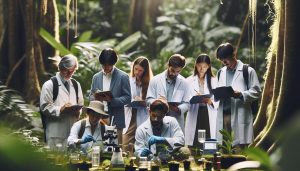
In the grand tapestry of ecosystems, pioneer species play a crucial role as the first colonizers of new habitats following disturbances. These resilient organisms, ranging from hardy lichens to resilient grasses, are instrumental in soil formation and ecosystem stability. Understanding their significance can empower us to appreciate the delicate balance of nature, guiding our efforts in conservation and restoration. As we face increasing environmental challenges, recognizing the impact of these trailblazers helps us grasp the broader picture of ecological recovery. Dive into this exploration to uncover how pioneer species not only shape their surroundings but also pave the way for more complex communities, reminding us of the power of resilience in nature.
What Are Pioneer Species and Their Role?

Pioneer species play a crucial role in shaping new ecosystems, acting as the first organisms to colonize barren or disturbed environments. These resilient species are typically fast-growing, adaptable, and often have unique characteristics that allow them to thrive in challenging conditions, such as low nutrient availability or extreme temperatures. For instance, lichens, mosses, and certain hardy grasses are frequently found in these pioneering roles, establishing themselves in areas like rocky outcrops, sand dunes, and after disturbances like wildfires or landslides.
By initiating the process of ecological succession, pioneer species begin to alter their environment in a way that makes it more hospitable for subsequent species. They contribute to soil formation through their biological activity-helping to break down rock, retain moisture, and increase nutrient levels as they grow and die. Their presence provides shade and organic matter, which enrich the soil and improve conditions for more sensitive plant species that follow. This natural progression enhances biodiversity, transitioning a simple ecosystem into a complex web of interactions.
Pioneer species not only facilitate ecological recovery but also contribute to the overall resilience of the ecosystem. By stabilizing soil and creating microhabitats, they pave the way for a wider array of flora and fauna to establish, ultimately leading to a more balanced and thriving ecosystem. Their role is vital not just for the initial colonization but for the long-term health and sustainability of the environment, illustrating the interconnectedness of ecological processes and the importance of even the smallest organisms in maintaining ecological balance.
The Life Cycle of Pioneer Species

The journey of pioneer species begins when environmental conditions are ripe for colonization. These hardy organisms are among the first to appear in barren or disturbed landscapes, often after events such as volcanic eruptions, landslides, or human activities that leave land desolate. Their life cycle typically follows a fascinating sequence of stages that showcase their adaptability and resilience in the face of adversity.
Initially, pioneer species often consist of seeds, spores, or vegetative parts that remain dormant in the soil. With the right conditions of sunlight, temperature, and moisture, these dormant life forms begin to germinate and grow. For example, lichens can thrive on bare rock surfaces by capturing moisture from the air and breaking down minerals to form soil. As they grow, they contribute organic material to the environment, creating a foundation for other species.
As these pioneers establish themselves, they engage in various processes that significantly alter their surroundings. They assist in soil formation-breaking down rocks, accumulating organic matter, and improving nutrient content-thus making the ground hospitable for subsequent plant species. As new plants and organisms take root and grow, biodiversity in the area gradually increases, leading to a richer, more complex ecosystem. Within this community, pioneer species are often outcompeted as more specialized plants take their place, showcasing a dynamic cycle of life and ecological succession.
This life cycle not only demonstrates the resilience of these first colonizers but also emphasizes their crucial role in ecosystem development. By preparing the soil and creating microhabitats, pioneer species lay the groundwork for future growth, enhancing the overall health and sustainability of their environment. Recognizing and supporting these vital species is essential, as their contributions are foundational to restoring and maintaining the balance of ecosystems worldwide.
Types of Pioneer Species in Different Ecosystems

In the face of environmental upheaval, such as volcanic eruptions, landslides, and even human-induced disturbances, nature’s resilience is showcased through the emergence of pioneering organisms. These initial colonizers vary significantly across different ecosystems, each playing a crucial role in setting the stage for future biodiversity. Understanding the types of pioneer species can deepen our appreciation for their work and facilitate better practices in supporting ecological recovery.
In terrestrial environments, the first plants to invade barren land are often lichens and mosses. These organisms are incredibly resilient, capable of surviving extreme conditions. Lichens, formed through a symbiotic relationship between fungi and algae, are particularly adept at breaking down bare rock, slowly contributing to soil formation. Following these, we may see the establishment of grasses and herbaceous plants, which further enrich the soil and create habitats for insects and other fauna, thus beginning the process of ecological succession.
Aquatic ecosystems, on the other hand, frequently rely on species such as algae and certain aquatic plants like duckweed. Algae can thrive on nutrient-rich waters that may arise from disturbances, offering a food source for various aquatic life and contributing to the oxygenation of their surroundings. In wetlands, pioneer marsh plants such as cattails and bulrushes stabilize the sediment and provide habitats for fish and other wildlife, demonstrating their significance in both the ecosystem’s structure and its function.
Recognizing these essential pioneer species not only inspires continued exploration of nature’s robust recovery mechanisms but also highlights the importance of protecting these habitats. By fostering these initial colonizers, individuals and communities can actively support ecological resilience, paving the way for diverse ecosystems that sustain life for generations to come. Embracing eco-conscious actions, such as planting native pioneer species in disturbed areas or reducing pollution in aquatic environments, is a practical and impactful way to participate in this vital cycle of restoration.
How Pioneer Species Prepare Soil for Future Growth
The remarkable ability of pioneer species to transform barren landscapes into thriving ecosystems is a fascinating aspect of ecological succession. These initial colonizers are vital in preparing the soil for future plant growth, acting as nature’s architects in restoring balance to disturbed areas. As they establish themselves, they perform several essential functions that not only help improve soil quality but also stimulate the growth of subsequent plant communities.
One of the primary ways pioneer species prepare the soil is through the breakdown of rock and minerals. Lichens, for example, are highly effective in colonizing bare rock surfaces. They achieve this through a process known as biological weathering, where they secrete acids that chemically break down minerals in the rock. Over time, this process results in the formation of organic matter that enriches the substrate, gradually transforming bare rock into soil. As lichens die and decompose, they contribute organic material that acts as a nutrient source for other species that follow.
In addition to rock breakdown, pioneer plants like grasses and legumes are instrumental in improving soil health through their root systems. These plants help to anchor soil and reduce erosion, which can be especially crucial in areas prone to landslides and runoff. Their roots create channels in the soil, allowing for better water infiltration and enhancing the soil’s water-holding capacity. This not only supports their own growth but also creates a more hospitable environment for the seeds of future flora, further enriching the ecological tapestry.
Moreover, many pioneer species, particularly legumes, have the ability to fix atmospheric nitrogen. This means they can convert nitrogen gas from the air into forms that plants can absorb and utilize. This process is crucial in nutrient-deficient soils, as nitrogen is an essential element for plant growth. As these plants thrive and subsequently die off, they enrich the soil with nitrogen, paving the way for more complex plant communities that require richer nutrient profiles.
In supporting these initial colonizers, whether through community planting efforts or responsible land use practices, we can play an active role in promoting ecological recovery and enhancing soil health in both urban and natural landscapes. By understanding the invaluable contributions of pioneer species, we can better appreciate the intricate relationships that foster life and biodiversity, encouraging more sustainable interactions with our environment.
The Importance of Biodiversity in Colonization
The interconnected web of life relies heavily on biodiversity, especially during the crucial process of ecological colonization. In environments recovering from disturbances-such as wildfires, floods, or human activities-biodiversity not only enhances the resilience of ecosystems but also facilitates more efficient colonization by pioneer species. A diverse array of plants creates a complex habitat that can support various life forms and ecological functions, thus promoting stability and growth in new environments.
When different species of pioneer plants coexist, they often fulfill various ecological roles, which improves the overall success of the colonization process. For example, some species might excel at nitrogen fixation while others specialize in enhancing soil structure or providing cover that mitigates erosion. This diversity in function allows for multiple pathways of soil improvement, making the environment more conducive for subsequent plant and animal communities. Furthermore, mixed-species stands tend to be more resilient to pests and diseases, as the presence of multiple species can disrupt the life cycles of specific pathogens.
Biodiversity fosters a rich network of interactions among organisms that can amplify the advantages of pioneer species. Pollination, seed dispersal, and nutrient cycling all benefit from a variety of species, enhancing both ecosystem function and productivity. This interconnectedness not only accelerates habitat recovery but also enriches the genetic pool available for future colonizers, ensuring that the most adaptable species have the chance to thrive. It is this intricate dance of life that lays the foundation for robust ecosystems, underscoring just how vital biodiversity is during the colonization phase.
As we consider our role in supporting these natural processes, we can actively contribute to biodiversity through practical actions such as planting native species, creating green spaces, and participating in local conservation efforts. Each small step taken can lead to a larger impact, helping to build a resilient future for both ecosystems and communities. Embracing biodiversity during colonization not only aids in ecological recovery but also fosters a deeper connection to the natural world, inspiring stewardship and a commitment to preserving our planet for future generations.
Pioneer Species and Ecosystem Resilience
In the aftermath of ecological disturbances, such as wildfires, floods, or human encroachment, the resilience of an ecosystem often hinges on the role of pioneer species. These early colonizers not only initiate the re-establishment of biological communities but also lay the foundational groundwork for a more complex ecosystem to thrive. By utilizing their unique adaptations, these species can survive in harsh conditions, paving the way for greater biodiversity and overall ecological health.
Pioneer species, such as lichens, mosses, and certain grasses, play a crucial role in soil formation and stabilization. They are often hardy organisms that can thrive in nutrient-poor or disturbed environments. As they grow, they contribute organic matter to the soil, improving its structure and nutrient content. For instance, when pioneer plants die and decay, they add crucial nutrients back into the substrate, promoting a healthier soil profile which is essential for subsequent plant species. This process not only enriches the soil but also helps prevent erosion, protecting the emerging ecosystem from being washed away or degraded.
Moreover, the presence of diverse pioneer species enhances ecosystem resilience. Different types of pioneers contribute varied functions, such as nitrogen fixation or erosion control, which collectively strengthen the ecosystem’s ability to face future disturbances. For example, legumes can enrich the soil with nitrogen, a vital nutrient for many plants, while deep-rooted species help maintain soil structure. In this way, a mix of pioneer species does not merely recover an ecosystem; it fortifies it, creating an environment that can withstand stressors like climate change, invasive species, and extreme weather events.
Encouragingly, individuals can support this resilience simply through conscious choices in their daily lives. By planting native species and fostering diverse habitats in gardens and local green spaces, communities can aid the establishment of resilient ecosystems. Participating in conservation efforts not only reinforces the role of these vital species but also enhances our connection to the environment, reminding us that we share a responsibility in maintaining the delicate balance of our ecosystems. Every small action, from choosing native plants in landscaping to advocating for habitat preservation, contributes to building resilient ecosystems, safeguarding our planet for future generations.
Real-World Examples of Pioneer Species in Action
In various ecosystems across the globe, pioneer species serve as nature’s first responders, swiftly reclaiming disturbed or barren landscapes. One of the most striking examples can be found in post-volcanic areas, like the aftermath of the 1980 eruption of Mount St. Helens in Washington State. Here, alder trees emerged as vital colonizers, establishing themselves in the nutrient-poor volcanic soil. By their rapid growth, these trees not only provided shade and habitat but also fixed nitrogen in the soil through their root nodules-a process that significantly improved soil fertility for subsequent plant communities, showcasing the intricate interdependence of ecosystems.
In coastal ecosystems, salt marshes exemplify another compelling instance of pioneer species at work. Species such as Spartina alterniflora, commonly known as cordgrass, are integral in stabilizing sediment and reducing erosion along shorelines. As these grasses flourish, they create a more hospitable environment that facilitates the establishment of diverse flora and fauna. Their ability to withstand saline conditions while enhancing the habitat for a variety of wildlife, including fish and birds, makes them crucial players in coastal resilience strategies.
Pioneer species are not restricted to land; they also thrive in aquatic environments. For instance, lichens and mosses are known to colonize bare rocks and their resilience to extreme conditions (like drought and nutrient deficiency) enables them to pave the way for soil formation. In ecosystems that have experienced disturbances such as wildfires or logging, lichens can be the first organisms to return. Their slow growth rates may seem insignificant at first, yet their role in breaking down rock and contributing organic matter as they die propels the process of ecological succession.
Understanding these real-world examples of pioneer species emphasizes their significance in ecological restoration efforts. Communities engaged in conservation can assist this process through initiatives like planting native species, which encourages a return to biodiversity and ecological health. Choices we make, such as supporting local restoration projects or incorporating native plants in landscaping, can foster the resilience of our ecosystems, reminding us that small actions contribute to a larger environmental impact. By celebrating the success of pioneering species in our backyards, we recognize the profound connectivity within nature and our shared stewardship of the Earth.
The Role of Pioneer Species in Climate Change Adaptation
In a world increasingly impacted by climate change, pioneer species stand at the forefront of ecosystem adaptation. These remarkable organisms, often the first to colonize disturbed or extreme environments, play a crucial role in improving resilience to climatic shifts. For instance, as temperatures rise and weather patterns become more unpredictable, the capacity of pioneer species to thrive in harsh conditions-like droughts or nutrient-poor soils-becomes essential. Their rapid growth and establishment in degraded landscapes not only stabilize the soil but also create habitats that support subsequent plant communities, paving the way for greater biodiversity.
One standout example of a pioneer species contributing to climate change adaptation is the salt marsh grass, Spartina alterniflora. Found along coastlines, this resilient plant thrives in saline environments, helping to buffer shorelines against rising sea levels and increased storm frequency. By trapping sediments and building up the soil, Spartina not only provides vital habitat for marine and bird life but also enhances the coastal ecosystem’s ability to absorb excess rainfall and storm surges. These functions illustrate how pioneer species actively contribute to creating systems that can withstand the pressures of a changing climate.
The role of pioneer species extends beyond the immediate environment; they also influence the overall health of ecosystems through processes such as carbon sequestration. As these species establish themselves and grow, they capture atmospheric carbon dioxide, thus playing a part in mitigating climate change effects. It’s vital for communities and conservationists to recognize the significance of enhancing these foundational species in our ecosystems. By supporting initiatives like reforestation with native pioneer plants, we foster biodiversity and strengthen ecological resilience, offering a hopeful path forward in the fight against climate change.
To actively partake in this environmental stewardship, individuals can take steps to promote the health of pioneer species in their local areas. Whether it’s participating in community tree-planting events, advocating for wetland restoration, or choosing native gardening practices, each effort contributes to building resilient ecosystems capable of adapting to the challenges ahead. Embracing eco-conscious living not only nurtures our planet but also empowers us to take part in the broader solution to climate change, reminding us that every action counts.
How Humans Influence Pioneer Species Dynamics
The delicate balance of ecosystems is heavily influenced by human activity, particularly concerning the dynamics of pioneer species. As the first organisms to colonize disturbed or barren lands, these species are crucial for initiating ecological succession. However, human actions-both positive and negative-can have significant impacts on their growth, survival, and distribution.
One of the primary ways humans affect pioneer species dynamics is through land use changes, such as urban development, agriculture, and deforestation. These activities can disrupt natural habitats, leading to soil degradation and loss of biodiversity. For instance, urban sprawl often replaces native vegetation with impervious surfaces, limiting the ability of pioneer species like grasses and lichens to establish in these areas. Conversely, intentional restoration efforts, such as replanting with native species, can effectively boost the growth of pioneers that stabilize the soil and support further ecological recovery.
Additionally, agriculture plays a dual role in the lives of pioneer species. While traditional farming practices may lead to habitat destruction, modern sustainable farming techniques can create favorable conditions for these essential organisms. Practices such as crop rotation, conservation tillage, and agroforestry not only support the growth of pioneer species but also improve soil health and enhance resilience against climate change. By selecting native cover crops, farmers can encourage the establishment of pioneer species, which protect soil structure and fertility.
Moreover, climate change poses a pressing challenge for pioneer species as shifting weather patterns alter habitats. As humans contribute to global warming through greenhouse gas emissions, the resilience of these species is tested. Nonetheless, some pioneers display remarkable adaptability and could be pivotal in the ecosystem’s response to climate change. Supporting local biodiversity through conservation efforts, such as protecting natural habitats and implementing biodiversity-friendly policies, helps ensure that pioneer species remain a vibrant part of future landscapes.
In your daily life, consider how your actions can support these foundational species. Join local restoration projects, choose sustainable products, and advocate for policies that preserve native vegetation. By fostering environments where pioneer species can thrive, we can not only restore ecological balance but also enhance the resilience of our broader ecosystems against environmental changes. Embracing these practices empowers individuals to contribute significantly to the health of our planet.
Challenges Facing Pioneer Species Today
The survival of pioneer species is increasingly threatened by multiple challenges, each exacerbated by human influences and global changes. As the first to colonize barren or disturbed ecosystems, these species are vital for initiating ecological succession and fostering biodiversity. However, they face significant hurdles that impede their growth and establishment in new areas.
One of the most pressing challenges is habitat destruction due to urbanization and industrial development. As cities expand and natural landscapes are converted into infrastructure, the natural habitats that pioneer species rely on are often lost or fragmented. Urban sprawl not only destroys these habitats but also introduces impervious surfaces, such as roads and buildings, which hinder the natural dispersal of seeds and limit access to sunlight. Restoration of native landscapes through urban planning and green spaces can alleviate some pressure, providing necessary habitats for these first colonizers to thrive.
Climate change further complicates the situation. Altered weather patterns, such as increased temperatures and changes in precipitation, affect the ability of pioneer species to adapt and survive in their changing environments. For instance, species that once thrived in certain climatic conditions may find themselves struggling as their habitats become unsuitable. Additionally, invasive species, often promoted by human activities, can outcompete native pioneer species for resources, further stunting their growth and ecosystem contributions. Preventing the introduction of invasive species and fostering native biodiversity are crucial steps in supporting the resilience of pioneer populations.
Human agricultural practices also play a dual role; while unsustainable farming can lead to soil degradation, modern techniques like cover cropping and organic methods can create more favorable conditions for these essential species. Farmers can embrace holistic, sustainable practices that not only reduce chemical use but also support the growth of pioneer species which, in turn, enhance soil health and overall ecosystem robustness.
The call for a concerted effort not just from conservationists but from every individual. By making conscious choices, such as supporting local agriculture, participating in habitat restoration projects, and advocating for environmental policies, we can collectively bolster the resilience of these critical organisms. Emphasizing education and awareness is vital, as individuals who understand the importance of pioneer species are more likely to take action that benefits our shared environment.
Future Research Directions in Pioneer Species Studies
The increasing pace of environmental change presents a unique opportunity for researchers to deepen our understanding of pioneer species and their crucial roles within ecosystems. As foundational elements of ecological succession, these first colonizers transformed barren landscapes into thriving habitats, making it essential to unravel their intricate relationships with both biotic and abiotic environments. Future research will need to focus on diverse areas, ranging from genetic adaptations to innovative restoration strategies that enhance the resilience of ecosystems amid global changes.
One promising avenue is investigating the genetic diversity within pioneer species populations. Understanding how variations in genetic traits influence adaptability to changing climates can provide insights into which species may thrive or struggle as conditions evolve. This knowledge could guide the selection of species for restoration projects, ensuring greater success in rehabilitation efforts. For instance, studies examining the phenotypic plasticity of native grasses in response to drought conditions may reveal which genotypes are most suited for specific environments.
Moreover, interdisciplinary research that combines ecological science with technology can illuminate the potential of pioneer species to mitigate climate change impacts. Utilizing remote sensing and geographic information systems (GIS) can help track the spread and establishment success of these species across different landscapes. Such findings are invaluable; they could inform targeted conservation strategies, revealing how human intervention through urban planning or agriculture can either hinder or support the proliferation of pioneer species.
Additionally, understanding nutrient cycling facilitated by pioneer species offers another fertile ground for research. Focusing on how these species contribute to soil development and improve soil health can yield strategies that enhance agricultural productivity while conserving biodiversity. By studying the interactions between pioneer species and soil microbiomes, researchers may uncover methods to leverage these relationships in sustainable farming practices.
Ultimately, advancing our understanding of pioneer species will require collaboration across disciplines, involving ecologists, climatologists, and urban planners alike. This collective effort can foster a holistic approach to ecosystem management, ensuring that the lessons learned from pioneer species inform broader conservation measures. By channeling scientific inquiry into actionable outcomes, we can help safeguard these critical species and the ecosystems they pioneer, enhancing resilience for future generations.
Frequently asked questions
Q: What is the definition of a pioneer species?
A: A pioneer species is the first organism to colonize a barren or disturbed environment, initiating the ecological succession process. These species help establish soil and create conditions for subsequent plants and animals, playing a crucial role in ecosystem recovery and development.
Q: How do pioneer species contribute to soil formation?
A: Pioneer species contribute to soil formation by breaking down rock into smaller particles, adding organic matter, and improving soil structure through their root systems. This process enriches the soil, making it more hospitable for later colonizers, as discussed in our section on how pioneer species prepare soil for future growth.
Q: Why are pioneer species important for ecosystem stability?
A: Pioneer species enhance ecosystem stability by establishing a foundation for biodiversity. They help to create a balanced environment that supports various species, thereby improving resilience to environmental changes and disturbances, as explained in our article’s exploration of ecosystem resilience.
Q: What types of pioneer species are commonly found in urban environments?
A: In urban environments, common pioneer species include types of grasses, mosses, and certain shrubs that can thrive in disturbed soils and contribute to urban greening efforts. These species improve local ecosystems and enhance biodiversity in cities.
Q: How long do pioneer species typically live?
A: Pioneer species often have shorter lifespans compared to later successional species. Their quick growth and reproductive cycles enable them to colonize rapidly; however, they may die off as conditions evolve and competition increases, paving the way for more sustainable species.
Q: What challenges do pioneer species face in changing climates?
A: Pioneer species face challenges such as increased temperatures, altered precipitation patterns, and invasive species introduction due to climate change. These factors can hinder their ability to establish and thrive, impacting ecosystem recovery as discussed in our section on challenges facing pioneer species today.
Q: How can humans support pioneer species in restoration projects?
A: Humans can support pioneer species by promoting sustainable land management practices, reducing soil disturbance, and planting native pioneer species in restoration projects. This enhances biodiversity and ecosystem recovery, as outlined in our articles on the role of humans in influencing pioneer species dynamics.
Q: What role do pioneer species play in carbon sequestration?
A: Pioneer species help sequester carbon by absorbing atmospheric CO2 during photosynthesis and storing carbon in their biomass and the soil. This contributes to mitigating climate change by enhancing soil health and promoting a stable carbon cycle, as highlighted in our article on pioneer species and climate change adaptation.
In Conclusion
Understanding pioneer species and their critical role as the first colonizers of new habitats can inspire us to reflect on the delicate balance of our ecosystems. These resilient organisms pave the way for biodiversity, showcasing nature’s incredible ability to regenerate and adapt. If you’re eager to learn more about how these species influence ecological health, consider diving into our articles on biodiversity and ecological restoration.
Don’t let this knowledge stop here-join our community of environmentally conscious individuals by subscribing to our newsletter for the latest insights and sustainable living tips. Your journey toward a greener lifestyle starts now, and every action counts! Share your thoughts in the comments below or explore our guides on eco-friendly products and sustainable practices to keep the momentum going. Together, we can foster a healthier planet for future generations.