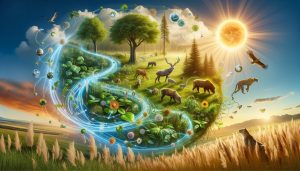
Bioaccumulation is a critical environmental concern, silently influencing the health of wildlife and ecosystems around us. It occurs when contaminants, like pesticides or heavy metals, accumulate in an organism at higher concentrations than their surrounding environment. This gradual build-up can devastate wildlife populations and disrupt the food chain. As consumers, our choices impact these ecosystems, leading to a pressing need for awareness and action. By understanding bioaccumulation, we can make informed decisions-whether through supporting sustainable practices or reducing our personal ecological footprints. Dive into the complexities of bioaccumulation to discover how this silent threat affects our planet and learn practical steps to promote healthier wildlife and ecosystems.
What Is Bioaccumulation and Its Key Concepts
The intricate relationship between organisms and their environment plays a critical role in understanding bioaccumulation, a term that reflects a growing concern in ecological health. Bioaccumulation occurs when organisms absorb toxins or chemicals from their surroundings faster than they can eliminate them. This accumulation can lead to significantly higher concentrations of harmful substances inside an organism compared to the external environment, posing severe risks to both wildlife and humans.
At the heart of bioaccumulation are two key concepts: bioconcentration and biomagnification. Bioconcentration refers to the uptake of substances directly from the environment, primarily through water and food, into the tissues of an organism. Biomagnification, on the other hand, describes the process where these substances become increasingly concentrated as they move up the food chain. For instance, small fish may take in a toxin from water, and when larger fish consume them, the amount of toxin accumulates at each predatory level, ultimately affecting top predators, including humans.
Understanding bioaccumulation helps illuminate the silent threats facing ecosystems, emphasizing the need for awareness and action. Environmental toxins such as heavy metals, pesticides, and persistent organic pollutants illuminate the interconnectedness of food webs and ecosystems. As such, addressing bioaccumulation is not only about protecting individual species but also about fostering overall biodiversity and ecological resilience.
By recognizing how our daily choices contribute to pollution and by advocating for sustainable practices, we can mitigate the impact of bioaccumulation and safeguard our natural world. Simple actions, such as reducing the use of harmful chemicals at home and supporting responsible industries, can make a meaningful difference in combating this pressing environmental challenge.
The Process of Bioaccumulation in Ecosystems
In ecosystems, bioaccumulation unfolds through a fascinating interplay of chemical interactions and biological processes. Each organism, from the tiniest phytoplankton to the largest predator, has the potential to absorb and retain toxic substances present in their environment. This process typically begins with bioconcentration, where organisms take in contaminants like heavy metals or pesticides directly from their surroundings through water, soil, or food. The ability of organisms to absorb these substances is influenced by factors such as their habitat, diet, and even physiological characteristics.
As these substances accumulate within individual organisms, they often exceed the concentration of these toxins found in the surrounding environment. This phenomenon can be particularly troubling in aquatic ecosystems, where pollutants like mercury and PCBs are readily absorbed by bottom-dwelling organisms. Over time, as predators consume these contaminated species, toxins are passed up through the food chain in a process known as biomagnification. For instance, a small fish might absorb a trace amount of a chemical; when a larger fish eats many of these smaller fish, the concentration of the toxin increases, ultimately impacting larger species, including humans who consume these fish.
Understanding this intricate process highlights the essential need for awareness regarding chemical usage in our daily lives. Each individual can play a role in reducing bioaccumulation risks by making informed choices about products they use. Opting for organic farming practices, reducing plastic use, and supporting sustainable fisheries can help minimize chemical leakages into ecosystems. By protecting the health of our ecosystems, we also protect our own health-underscoring the notion that the welfare of wildlife is deeply intertwined with human well-being. Engaging with local conservation efforts or participating in initiatives focused on cleaner habitats can be practical steps toward fostering an environment where both humans and wildlife thrive.
Sources of Bioaccumulation: Chemicals and Toxins
In the intricate web of life, bioaccumulation presents a silent yet pervasive threat, with various chemicals and toxins infiltrating ecosystems and affecting countless organisms. At the heart of this process are substances like heavy metals, pesticides, and industrial chemicals, which can enter aquatic and terrestrial environments through various pathways. Understanding the sources of these harmful agents is crucial for mitigating their impact and preserving ecological balance.
Types of Chemicals Contributing to Bioaccumulation
Numerous chemicals contribute to bioaccumulation, each posing unique risks to wildlife and ultimately humans. Common culprits include:
- Heavy Metals: Elements like mercury, lead, and cadmium are particularly notorious. Mercury, often released from coal-burning power plants, accumulates in fish and other aquatic organisms, presenting severe health risks to predators who consume them.
- Pesticides: Chemicals used in agriculture, such as DDT and glyphosate, can build up in the fatty tissues of animals. While initially effective in pest control, their environmental persistence leads to long-term accumulation in the food chain.
- Industrial Chemicals: Substances like polychlorinated biphenyls (PCBs) and dioxins released from industrial processes can have devastating effects, lingering in the environment for decades and affecting various animal species.
- Pharmaceuticals: As more medications find their way into waterways through wastewater and runoff, their cumulative effects pose new challenges for wildlife health.
Routes of Entry into Ecosystems
These chemicals typically enter ecosystems through three primary avenues:
- Airborne Deposits: Wind can carry pollutants over long distances, allowing toxins to settle into soils and bodies of water, affecting even remote ecosystems.
- Water Runoff: Rainfall can wash pesticides, heavy metals, and other chemicals from agricultural and urban areas into local streams and rivers, creating hotspots of contamination.
- Soil Contamination: Improper disposal of industrial waste and agricultural practices can lead to soil contamination, with toxins leaching into the groundwater and affecting the plants and animals that rely on these resources.
Recognizing the sources and routes of these toxic substances empowers individuals and communities to make informed decisions and advocate for cleaner environmental practices. Simple changes, such as supporting organic farming or participating in local clean-up initiatives, can help mitigate the effects of chemical pollution and foster healthier ecosystems. Engaging in sustainable practices not only safeguards wildlife but also creates a safer environment for future generations.
Impacts of Bioaccumulation on Wildlife Health
The presence of harmful substances in our ecosystems creates a cascading effect that extends to the health and survival of wildlife. Bioaccumulation leads to elevated concentrations of toxins in the body of organisms, especially in top predators, disrupting biological functions and threatening species with extinction. For example, when small fish consume contaminated particles, they may not exhibit immediate symptoms, but as predators consume these smaller fish-like larger fish, birds, or mammals-they inadvertently ingest concentrated toxins. This process not only impacts individual species but can have broader implications for entire ecosystems and food webs.
One significant impact of bioaccumulation is demonstrated through the effects of heavy metals like mercury. When aquatic organisms absorb mercury from the water, it can impair their neurological functions, leading to diminished reproduction rates, altered behaviors, and increased mortality. Birds of prey, such as eagles and ospreys, suffer from impaired vision and motor function when they consume contaminated fish, affecting their ability to hunt and survive. Similarly, organochlorine pesticides, lingering in the environment for long periods, have been found to disrupt the endocrine systems of various wildlife species, resulting in reproductive failures and poor population viability.
To protect wildlife, it’s essential to foster conditions that improve their health and reduce exposure to harmful substances. Community-based initiatives like habitat restoration can help mitigate these impacts by eliminating sources of pollution, while better waste management practices can prevent toxins from entering nature. By allowing for healthier environments, we bolster the resilience of wildlife against bioaccumulation, ensuring ecosystems function effectively and species thrive. Recognizing our roles in this interconnected web encourages collective action towards a healthier planet, where both humans and wildlife can coexist sustainably.
Engaging in conservation efforts not only enhances local biodiversity but ultimately enhances global ecological health. Simple steps, such as reducing single-use plastics, supporting local organic farms, or participating in wildlife monitoring programs, make a meaningful impact, leading to healthier wildlife populations. Each action contributes to a vision of a cleaner, healthier world for all species, reinforcing the vital connection we hold with the natural environment.
How Bioaccumulation Affects Human Health
Every fish, bird, or mammal consuming contaminants in their food chain ultimately presents a potential threat to human health. As these organisms absorb harmful substances at a rate that outpaces their ability to expel them, the toxic compounds can accumulate in their bodies over time, a process known as bioaccumulation. When humans consume contaminated seafood or wildlife, we inadvertently ingest these toxins, raising significant health concerns that can manifest in various forms.
Heavy metals like mercury and synthetic chemicals such as PCBs (polychlorinated biphenyls) are key players in this hazardous dynamic. Mercury, for instance, can lead to severe neurological damage, particularly affecting fetal development in pregnant women and infants, resulting in cognitive deficits and motor impairments. Similarly, exposure to high levels of PCBs has been linked to immune system suppression and increased cancer risk. Recognizing these risks, individuals should prioritize consuming locally sourced, sustainably caught seafood and minimize exposure to known contaminants.
To make informed choices, it’s essential to stay updated on advisories related to fish consumption and environmental pollution levels. Proper food preparation also plays a critical role: filleting fish and discarding the skin can reduce exposure to accumulated toxins. Minimizing processed foods that may contain harmful additives is another proactive step toward safeguarding health. Engaging in community initiatives focused on reducing pollution not only contributes to cleaner environments but also enhances the safety of our food supply.
The journey towards a healthier planet and personal well-being is interconnected. By advocating for and adopting sustainable practices, such as supporting organic agriculture and reducing plastic usage, we collectively diminish the factors that contribute to bioaccumulation. Each conscious decision fosters a thriving ecosystem, promoting not only wildlife health but also ensuring that future generations inherit a safer world, free from the silent threats posed by environmental toxins.
Real-World Examples of Bioaccumulation in Nature
The harmful effects of bioaccumulation in nature can be strikingly illustrated through various real-world examples where ecosystems are impacted by the gradual accumulation of toxic substances. One of the most infamous cases involves mercury contamination in fish, particularly in large predatory species such as swordfish and tuna. Mercury from industrial pollution enters water bodies, converting to methylmercury, which is highly toxic. As smaller fish absorb this compound, larger fish that eat them accumulate even greater concentrations of mercury. This bioaccumulation poses not only a threat to the health of marine life but also to humans who consume these fish, leading to severe neurological damage and developmental issues, especially in fetuses and young children.
Another poignant example can be seen in the bald eagle population in the United States. During the mid-20th century, the widespread use of DDT (dichloro-diphenyl-trichloroethane), a pesticide, led to high levels of bioaccumulation in these majestic birds. As eagles consumed fish laced with DDT, the toxic compound accumulated in their bodies, causing thin eggshells that would break before hatching. This resulted in a sharp decline in their population. Thankfully, the banning of DDT and subsequent conservation efforts have helped many eagle populations recover, demonstrating the potential for positive change when awareness and action are mobilized against bioaccumulation.
Species on land are not immune either; herbivorous mammals, like deer and moose, face dangers from persistent organic pollutants (POPs) like PCBs (polychlorinated biphenyls). These chemicals, which can be found in old electrical equipment and some industrial waste, enter the food chain primarily through vegetation. As these animals consume contaminated plants, the POPs accumulate in their fatty tissues, leading to reproductive issues and weakened immune systems.
Understanding the pathways of bioaccumulation not only highlights the interconnectedness of ecosystems but also serves as a reminder to protect these environments. By reducing plastic use, advocating for stricter regulations on industrial waste, and supporting cleaner agricultural practices, we can actively contribute to a healthier ecosystem. Through community engagement and individual effort, we can work towards mitigating the risks of bioaccumulation, ensuring that both wildlife and human health are safeguarded for future generations.
Strategies to Mitigate Bioaccumulation Risks
To combat the pervasive issue of bioaccumulation, proactive strategies must be prioritized at both individual and community levels. One promising approach involves reducing our reliance on harmful chemicals and pollutants in agriculture and industry. By supporting organic farming practices that eschew synthetic pesticides and fertilizers, consumers can help decrease the introduction of persistent organic pollutants into ecosystems. Participating in local food movements, such as community-supported agriculture (CSA), allows individuals to make informed choices while supporting sustainable practices that minimize chemical use.
Another significant strategy lies in waste management and reduction. Proper disposal of household hazardous waste-like old electronics, paint, and chemicals-prevents these substances from leaching into the environment. Furthermore, embracing practices such as recycling and composting can substantially reduce the volume of waste that ends up in landfills, thus mitigating potential contamination of soil and water. Community clean-up events and education initiatives can also raise awareness about the impacts of pollution and empower individuals to take action.
Legislative Action and Community Engagement
Advocating for stricter regulations on industrial waste and emissions is crucial in reducing bioaccumulation risk. Supporting policies that limit the use and release of potentially harmful substances can lead to significant environmental improvements. Joining local environmental organizations or participating in citizen science projects can amplify community voices, pushing for legislative changes that protect wildlife and human health. Additionally, educating others about the importance of reducing bioaccumulation can foster a culture of responsibility, inspiring collective action.
Innovative Solutions and Green Technologies
On a technological front, green innovations play a vital role in fighting bioaccumulation. Companies are developing bioremediation techniques, using natural organisms to clean up contaminated environments. This approach not only reduces existing pollutants but also prevents further accumulation of toxic substances in food chains. Moreover, investing in renewable energy sources and energy-efficient technologies can help lessen industrial pollution, decreasing the likelihood of chemicals entering ecosystems.
By adopting these strategies and remaining proactive, individuals can contribute to the reduction of bioaccumulation risks, protecting both wildlife and human health for generations to come. Each small step taken collectively can lead to a significant positive impact on our planet.
The Role of Legislation in Preventing Bioaccumulation
Strong legislative frameworks are essential for combating the insidious threat of bioaccumulation, which affects ecosystems, wildlife, and human health alike. Laws and regulations can play a transformative role by setting limits on the use and release of harmful chemicals, thus curbing their entry into the environment. Effective legislation targets industrial discharges, agricultural runoff, and waste management practices, creating a comprehensive approach to minimize pollutants that lead to bioaccumulation in organisms.
To illustrate, the Clean Water Act in the United States regulates discharges of pollutants into waterways, directly influencing the levels of toxins that accumulate in aquatic life. By enforcing standards that industries must meet, such legislation ensures that toxic substances are kept at bay. Additionally, policies like the EU’s REACH (Registration, Evaluation, Authorization, and Restriction of Chemicals) ensure that chemicals are thoroughly assessed before they can be marketed, helping to protect ecosystems from new contaminants that could contribute to bioaccumulation.
Community engagement alongside legislative action can amplify the effectiveness of these regulations. Local environmental groups often monitor compliance and advocate for stricter laws based on observed pollution levels and their impacts on wildlife. Participating in citizen science initiatives allows individuals to actively contribute to data collection on bioaccumulation, bringing scientific evidence to policymakers that can lead to more stringent laws. Educational efforts that highlight the consequences of bioaccumulation foster a culture of environmental stewardship, empowering communities to demand better practices from industries and support sustainable alternatives.
In summary, robust legislation combined with grassroots advocacy can significantly mitigate the risks associated with bioaccumulation. By championing laws that limit harmful emissions and actively participating in community-driven environmental efforts, individuals and groups can create a safer and healthier ecosystem for both wildlife and humanity. As we push for these changes, each voice matters, making collective calls for action a powerful tool for change.
Citizen Science: Tracking Bioaccumulation in Wildlife
Participating in citizen science can transform the way we understand bioaccumulation and its effects on wildlife. As pollution continues to compromise ecosystems, everyday individuals can play a vital role in monitoring and tracking the buildup of toxins in various species. Engaging in citizen science not only contributes to critical data gathering but also fosters a sense of community and responsibility towards environmental stewardship.
One of the primary ways citizen scientists track bioaccumulation is through local wildlife monitoring programs. These initiatives often invite volunteers to observe and collect samples from specific habitats, testing for harmful substances like heavy metals, pesticides, and pharmaceuticals. For example, projects such as the “Great Lakes Fish Monitoring Program” allow citizens to assist in evaluating fish populations and their contamination levels, contributing valuable information to researchers and policymakers aimed at mitigating pollution sources.
Another impactful avenue for citizen involvement is the use of mobile applications designed for wildlife tracking and reporting. Apps like iNaturalist enable users to document sightings and health indicators of various species, ultimately contributing to a broader understanding of how contaminants affect biodiversity. By documenting changes in wildlife behavior, nesting patterns, or population trends, citizen scientists can provide insights into the complex interactions between bioaccumulation and ecosystem health.
By participating in such initiatives, individuals not only gather essential data but also advocate for change. Raising awareness about the issues surrounding bioaccumulation can stimulate conversations within communities, prompting discussions about local environmental policies and encouraging action. Working in tandem with researchers amplifies the urgency of addressing chemical management practices in industries, demonstrating that every observation, report, and data point collected contributes to a greater cause for reducing pollution.
In conclusion, citizen science serves as a powerful tool in the fight against bioaccumulation. By tracking contaminants in wildlife, individuals can not only help inform scientific research but also drive meaningful dialogue and action towards preserving the health of ecosystems. Engaging with local initiatives, using technology to document wildlife, and fostering community awareness can collectively impact the trajectory of environmental policy and conservation efforts, allowing us all to play a part in protecting our planet.
Innovations in Reducing Bioaccumulation Effects
Innovations in reducing the effects of bioaccumulation are crucial for maintaining healthy ecosystems and safeguarding wildlife. As awareness of the impacts of pollution on animal health and biodiversity grows, researchers and environmentalists are developing innovative strategies to tackle this silent threat. From advanced filtration systems to bioremediation techniques, the fight against bioaccumulation is gaining momentum and impacting how we view environmental conservation.
One promising area of innovation lies in bioremediation, which utilizes natural organisms to detoxify polluted environments. For instance, certain plants and microorganisms can absorb heavy metals and pesticides, effectively removing these contaminants from the soil and water. This process not only helps cleanse contaminated sites but also reduces the likelihood of these harmful substances entering the food chain. Phytoremediation, specifically, involves using plant species that can thrive in polluted environments while simultaneously extracting toxins, thereby promoting healthier ecosystems.
Another exciting development is the implementation of advanced filtration technologies designed to prevent contaminants from entering waterways. Systems such as constructed wetlands replicate natural processes to filter out pollutants before they reach larger bodies of water. By utilizing a combination of soil, water, and plants, these systems effectively reduce levels of sediments, nutrients, and toxic substances. Such methods can be employed in urban planning and industrial waste management to protect local wildlife habitats.
In addition to ecological initiatives, technological advancements are enhancing our ability to monitor pollutants more effectively. IoT (Internet of Things) devices and sensors now enable real-time tracking of environmental conditions and contaminants levels. Such innovative monitoring solutions can provide critical data to inform immediate responses to pollution sources and keep authorities accountable for maintaining cleaner habitats. By sharing this information with community members and stakeholders, it fosters transparency and promotes collective action towards reducing pollution.
Educating the public about these innovations is equally essential. Communities engaged in sustainable practices-such as selecting eco-friendly products, supporting local wildlife conservation efforts, and participating in clean-up initiatives-can significantly reduce the potential for bioaccumulation. By choosing to purchase items from manufacturers who prioritize sustainability and avoiding products that add to chemical runoff, individuals can contribute directly to reducing the effects of bioaccumulation in wildlife.
Collectively, these innovations, combined with public involvement, create a robust framework for combating the threats posed by bioaccumulation. Encouraging a culture of environmental responsibility and providing tools for active participation empowers individuals and communities to become stewards of their local ecosystems, ensuring a safer and healthier environment for all species.
How You Can Help Combat Bioaccumulation
By making mindful choices in our daily lives, each of us can play an essential role in combating bioaccumulation, an issue that poses a silent yet profound threat to wildlife and ecosystems. Understanding the impact of our actions is the first step toward preserving nature’s delicate balance. Each decision we make, from the products we purchase to the waste we generate, contributes to the broader narrative of environmental health. Here are some actionable steps you can take to make a difference.
Become a Conscious Consumer
One of the most powerful tools at your disposal is your purchasing power. Opt for products that prioritize sustainability and environmental responsibility. Here’s how you can shift your consumer habits:
- Choose Eco-Friendly Products: Look for items made from organic, non-toxic materials. Brands that are transparent about their sourcing and production processes often have lower environmental impacts.
- Avoid Chemicals: Steer clear of household cleaners, personal care products, and cosmetics that contain harmful chemicals. Natural alternatives can effectively cleanse and beautify without contributing to pollution.
- Support Local and Organic: Prioritizing local produce and organic farmers reduces the need for synthetic pesticides and fertilizers, significantly lowering the risk of contaminants entering the ecosystem.
Reduce Waste and Pollution
Waste management is crucial when it comes to limiting the accumulation of harmful substances in the environment. Here are simple yet effective strategies to minimize your footprint:
- Practice Recycling: Familiarize yourself with your local recycling programs and ensure you recycle materials properly. This diminishes the volume of waste that ends up in landfills, where it can leach toxic substances.
- Compost Organic Waste: Composting reduces methane production from landfills and enriches soil with nutrients, promoting healthier plant growth while minimizing chemical fertilizer use.
- Reduce Plastic Use: By avoiding single-use plastics, you help keep harmful materials out of landfills and waterways, significantly curtailing the potential for bioaccumulation.
Engage in Community Initiatives
Joining local efforts dramatically amplifies your impact. Community programs focused on conservation and sustainability are excellent avenues for contributing positively:
- Participate in Clean-Up Events: Engaging in local clean-up initiatives helps remove contaminants from water bodies and natural habitats, thus preventing further bioaccumulation in wildlife.
- Support Conservation Projects: Whether it’s wildlife sanctuaries or habitat restoration efforts, funds and volunteer time can be instrumental in protecting vulnerable ecosystems.
- Raise Awareness: Educate friends and family about the importance of reducing bioaccumulation. Sharing knowledge creates a ripple effect in your community, promoting collective responsibility.
By adopting these actions and becoming advocates for eco-conscious living, we can protect wildlife and ensure healthier ecosystems. Every choice we make counts, and together, we have the power to combat bioaccumulation and secure a sustainable future for generations to come.
Future Outlook: Research and Solutions for Bioaccumulation
As awareness grows around the issue of bioaccumulation, researchers are directing their efforts towards innovative solutions that could mitigate its impact on wildlife and ecosystems. The future of combatting this silent threat hinges on a combination of technological advancements, regulatory changes, and shifts in public consciousness. One exciting area of research includes the development of bioremediation techniques, where specific organisms are utilized to break down or absorb harmful substances from the environment. For instance, certain plants, known as hyperaccumulators, can absorb heavy metals from soil, effectively cleaning contaminated areas and reducing the potential for bioaccumulation in local wildlife.
Collaboration between scientists, policymakers, and local communities is equally crucial in implementing effective solutions. Policies that promote stricter regulations on chemical use, particularly in agriculture and industrial settings, can significantly lower the introduction of harmful toxins into ecosystems. Additionally, integrating environmentally friendly practices, such as organic farming and sustainable fishing, is being recognized not just for its ethical implications but also for its potential to enhance biodiversity and ecosystem health. These practices help maintain a balanced food web, which is essential for reducing bioaccumulation effects through the food chain.
Community Engagement and Citizen Science
The role of citizen science cannot be overstated in the fight against bioaccumulation. By empowering local communities to monitor and document environmental changes, we can gather invaluable data that informs research and policy. Participating in local initiatives, such as water quality assessments and habitat restoration projects, allows citizens to take direct action while raising awareness about bioaccumulation issues. Furthermore, educational programs aimed at increasing public knowledge about the implications of bioaccumulation can inspire a more environmentally conscious populace, cultivating a culture of sustainability and proactive care for our ecosystems.
Innovations for the Future
Looking ahead, technological innovations are set to play a pivotal role in addressing bioaccumulation. Advances in nanotechnology, for example, offer the potential for developing new materials that can selectively absorb pollutants from water bodies. Similarly, artificial intelligence and machine learning are being harnessed to predict and model the movement of pollutants, allowing for more targeted intervention strategies. These tools equip researchers and policymakers with better information to make informed decisions that minimize ecological footprints and promote the health of both wildlife and humans.
In summary, while the challenge of bioaccumulation is daunting, a multidisciplinary approach combining research, community involvement, and technological innovation offers a hopeful outlook. By fostering a deeper understanding of our environmental responsibilities and supporting policies and practices that prioritize ecological health, we can collectively forge a path toward a safer, more sustainable world.
Faq
Q: What are the key indicators of bioaccumulation in wildlife?
A: Key indicators of bioaccumulation in wildlife include increased concentrations of specific contaminants in tissues, declines in population health, reproductive failures, and unusual behavior. Monitoring these signs can help identify ecosystems at risk. For more details, check the section on impacts in the main article.
Q: How does bioaccumulation affect food webs?
A: Bioaccumulation negatively impacts food webs by transferring concentrated toxins through trophic levels. Predators may experience higher toxin levels, leading to population declines and ecosystem imbalances. Understanding this process is vital for conserving biodiversity.
Q: What role do humans play in bioaccumulation?
A: Humans contribute to bioaccumulation through industrial pollution, agricultural runoff, and improper waste disposal. Our activities release pollutants into the environment, which organisms then absorb, magnifying the toxins in the food chain.
Q: How can pollution control measures reduce bioaccumulation risks?
A: Effective pollution control measures, such as reducing chemical runoff, implementing stricter emissions standards, and promoting sustainable agricultural practices, can significantly lower bioaccumulation risks in wildlife and ecosystems.
Q: What are some long-term effects of bioaccumulation on ecosystems?
A: Long-term effects of bioaccumulation include diminished biodiversity, altered species interactions, and habitat degradation. These consequences can create a cascade of ecological problems, compromising ecosystem services essential for human well-being.
Q: When is bioaccumulation most detrimental to wildlife?
A: Bioaccumulation is most detrimental when pollutants persist in the environment and are taken up over extended periods. This often occurs in disturbed habitats where contaminant levels are consistently high, impacting health and survival rates.
Q: Could bioaccumulation influence human diets?
A: Yes, bioaccumulation can influence human diets, particularly through the consumption of fish and shellfish contaminated with toxins. Monitoring fish health can help consumers make informed dietary choices and minimize exposure to harmful substances.
Q: How can community efforts help in tracking bioaccumulation?
A: Community efforts, such as citizen science programs, can effectively track bioaccumulation by collecting data on local wildlife health and contaminant levels. Engaging citizens in data collection raises awareness and promotes conservation actions.
Insights and Conclusions
Understanding bioaccumulation is crucial as it impacts our ecosystems and, ultimately, our health. By recognizing how pollutants accumulate over time in wildlife, you can become a proactive advocate for change. Don’t wait for the consequences to escalate-explore our resources on eco-friendly living and green technologies to see how you can make a difference today.
For more information, consider reading about the effects of biomagnification or dive deeper into sustainable practices that reduce your ecological footprint. Join our community by signing up for our newsletter to stay informed on the latest in environmental science and conservation. Your actions matter-engage with us below and let’s work together towards a healthier planet!