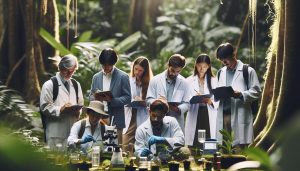
Did you know that humanity is currently using more resources than the Earth can renew in a year? This concept, known as biocapacity, defines the planet’s ability to regenerate resources like food, clean water, and forest products. Understanding biocapacity is crucial as we face increasing environmental challenges, such as climate change and resource depletion. By exploring the limits of Earth’s renewable resources, we can better appreciate our ecological footprints and the urgent need for sustainable living practices. This knowledge empowers us to make informed decisions that contribute to a healthier planet, ensuring that future generations have access to the resources they need. Join us as we delve into the significance of biocapacity and discover how it impacts our daily lives and the broader environment.
What Is Biocapacity and Why It Matters
Biocapacity is a critical concept rooted in the understanding of Earth’s ecological limits, representing the ability of ecosystems to regenerate and provide resources such as food, timber, and clean air. Essentially, it quantifies the amount of biologically productive land and sea available to support life, taking into account the needs of humans and other species. Why does biocapacity matter? With the world population projected to reach nearly 10 billion by 2050, understanding and managing our planet’s biocapacity is more vital than ever. Sustainable use of these resources ensures not only our survival but also the health of the environment, which in turn supports diverse ecosystems and the myriad benefits they provide.
The implications of biocapacity extend beyond mere numbers; they shape the quality of life on Earth. When we exceed the planet’s biocapacity-meaning we consume resources faster than they can be regenerated-we enter a state known as ecological overshoot. This imbalance leads to a cascade of negative effects, including deforestation, loss of biodiversity, and increased greenhouse gas emissions. For instance, according to studies, humanity’s ecological footprint has surpassed the Earth’s biocapacity since the 1970s, putting immense pressure on natural systems. By recognizing this, individuals and communities can make informed decisions about consumption and conservation, pivoting towards practices that enhance rather than deplete our planet’s resources.
To foster a more sustainable future, it is essential to adopt practical strategies that protect and enhance biocapacity. This includes reducing waste, employing sustainable agricultural practices, and transitioning towards renewable energy sources. Simple actions in daily life, such as minimizing single-use plastics, choosing local and seasonal produce, and enhancing energy efficiency in homes, can collectively make a significant impact on our resource consumption. In doing so, we not only contribute to the health of the planet but also pave the way for a sustainable future that benefits generations to come.
Understanding Earth’s Renewable Resources
is fundamental in fostering a sustainable future. Every year, Earth’s ecosystems produce an enormous bounty of materials and services essential for life, including food, clean water, timber, and biodiversity. However, the limits of these resources are being tested as global consumption continues to rise. For instance, our dependence on fossil fuels and unsustainable agricultural practices not only deplete these resources but also contribute to ecological degradation, dramatically impacting our planet’s ability to sustain life.
Renewable resources, by definition, are those that can regenerate naturally within a human lifespan. This includes sunlight, wind, and biomass, which provide alternative energy sources, as well as forests and fisheries that can be managed to prevent depletion. To appreciate the significance of these resources, consider the fact that forests, which cover about 30% of the Earth’s land area, not only produce oxygen but also serve as critical habitats for biodiversity and play a vital role in regulating the global climate.
Transitioning towards a sustainable economy requires informed choices about how we utilize renewable resources. Here are a few strategies individuals can adopt:
- Support Local Producers: Choosing locally sourced food reduces the carbon footprint associated with transportation and fosters community economics.
- Embrace Renewable Energy: Installing solar panels or opting for green energy suppliers can significantly decrease reliance on fossil fuels.
- Join Reforestation Efforts: Participating in tree-planting initiatives helps restore forests and improve air quality.
- Reduce Water Usage: Implementing water-saving fixtures and mindful practices in daily life conserves this precious resource.
Recognizing the finite nature of many resources encourages us to embrace a mindset of stewardship. By conserving and enhancing the Earth’s renewable resources, we can secure a healthier future for ourselves and for the many species with whom we share our planet.
The Science Behind Biocapacity Measurements
Understanding biocapacity involves quantitative measurements that reflect the Earth’s ability to regenerate natural resources and absorb waste, fundamentally linking our consumption patterns to ecological sustainability. At its core, biocapacity is assessed through a methodology that measures the biological productivity of ecosystems, accounting for available land and sea areas capable of producing renewable resources such as food, fiber, and timber, as well as sequestering carbon dioxide. A pivotal concept here is the biocapacity footprint, which illustrates the maximum amount of resources that a given area can sustainably support without degrading its ecosystems.
Gathering data for biocapacity measurements primarily relies on remote sensing and comprehensive ecological models. These tools help quantify the productivity of various ecosystems and the extent to which they are harnessed. For example, satellite imagery can provide insights into crop yields, forest densities, and water availability, while ecological models integrate these figures with biological and climate variables to project future productivity levels. This data is then synthesized to calculate the overall biocapacity of specific regions, allowing comparisons at local, national, and global scales.
Assessing human impact on biocapacity involves examining our ecological footprints-comprising consumption patterns and waste generation-which directly challenges the planet’s ability to regenerate resources. When our consumption exceeds nature’s capacity for renewal, we deplete crucial resources and compromise ecosystem health. For instance, overfishing and deforestation exemplify how human actions can lead to a significant decline in biocapacity, reducing the land and sea’s ability to provide for future generations. The balance between sustainability and lifestyle choices is crucial; by prioritizing conservation efforts and supporting sustainable practices, individuals can contribute positively to enhancing biocapacity.
To make informed decisions, it’s essential to understand what actions can be taken to mitigate human impact and promote biocapacity. Here are practical steps individuals can consider adopting:
- Reduce Meat Consumption: Shifting towards a plant-based diet can lower demand on agricultural land, leaving more space for biodiversity.
- Practice Sustainable Gardening: Growing your own vegetables and herbs not only contributes to personal health and nutrition but also reduces transportation-related emissions.
- Support Eco-Friendly Products: Choosing products made with sustainable materials minimizes ecological depletion and promotes responsible manufacturing.
- Advocate for Policies that Protect Natural Resources: Engaging in community efforts and supporting laws aimed at conservation can have a far-reaching impact on regional biocapacity.
In essence, the science of biocapacity measurements empowers communities and individuals to understand the precious limits of our planet’s resources. By aligning consumption with ecological realities, we can foster a sustainable relationship with our environment, ensuring that future generations inherit a thriving planet.
Assessing Human Impact on Biocapacity
Human activities exert a profound influence on the planet’s biocapacity, often stretching our natural resources thin. The concept of the ecological footprint is essential in grasping this impact: it quantifies the demand placed on Earth’s ecosystems relative to their ability to replenish resources. When our consumption patterns exceed the Earth’s ability to regenerate those resources, we push ecosystems towards a breaking point, risking long-term sustainability. This stress is manifested in familiar ecological challenges such as biodiversity loss, deforestation, and soil degradation.
For instance, the fishing industry serves as a stark example of overexploitation. Overfishing not only depletes fish stocks but also disrupts entire marine ecosystems, diminishing the oceans’ ability to regenerate. Similarly, rampant deforestation for agricultural purposes not only leads to habitat destruction but also compromises the land’s ability to sequester carbon, exacerbating climate change. The delicate balance of our planet’s ecosystems is at risk, and recognizing our role in this dilemma is crucial for fostering a sustainable future.
To reduce our ecological footprints and support the regeneration of Earth’s resources, individuals and communities can adopt various actionable strategies. One effective approach is to prioritize sustainable transportation, such as walking, cycling, or utilizing public transit, which can diminish carbon emissions significantly. Additionally, reducing waste through practices like composting and recycling promotes resource efficiency and minimizes landfill contributions. Supporting local agriculture not only fosters community resilience but also reduces the carbon footprint associated with transporting goods over long distances.
Moreover, advocating for systemic changes, such as improved regulations on resource usage and promoting renewable energy sources, can orchestrate broader environmental benefits. Together, these actions empower individuals and societies to positively impact our planet’s biocapacity, ensuring that we leave a thriving ecosystem for future generations. By making informed choices and championing sustainable policies, we rediscover our potential to harmonize with nature, cultivating a balanced relationship with the environment.
Comparing Biocapacity and Ecological Footprint
The interrelationship between biocapacity and ecological footprint is a critical element of environmental sustainability. Biocapacity measures the ability of ecosystems to regenerate resources and absorb waste, while ecological footprint quantifies the demand we place on those ecosystems through our consumption of resources. Essentially, the comparison of these two concepts highlights the imbalance between what our planet can regenerate and what we consume, illuminating the path toward more sustainable living.
When we calculate our ecological footprint, we often consider various factors, including carbon emissions, water usage, and land consumption. For example, if an individual’s lifestyle heavily relies on fossil fuels for transportation and energy, their ecological footprint is significantly larger than that of someone who uses public transport or renewable energy sources. This discrepancy draws attention to our responsibility to align our consumption patterns with the Earth’s limited biocapacity.
To foster a more sustainable future, it is crucial to advocate for practices that reduce the ecological footprint while enhancing biocapacity. Here are some effective strategies to consider:
- Adopt a Plant-Based Diet: Shifting towards plant-based foods can significantly lower resource consumption.
- Embrace Renewable Energy: Utilizing solar, wind, or hydro energy helps minimize fossil fuel reliance, reducing carbon footprints.
- Practice Minimalism: Buying only what is necessary curtails overconsumption and encourages a less resource-intensive lifestyle.
- Participate in Reforestation: Supporting local tree-planting initiatives enhances biocapacity and aids carbon sequestration.
By understanding the balance between biocapacity and ecological footprint, individuals can make more informed choices that benefit both themselves and the planet. Taking action to reduce our ecological impact not only helps restore the balance of our ecosystems but also ensures that we leave a sustainable world for future generations. This awareness positions each of us as stewards of the environment, empowered to drive change through everyday actions and conscious consumption.
Global Biocapacity Trends: An Overview
As humanity’s consumption of Earth’s resources continues to escalate, understanding global biocapacity trends has never been more critical. Biocapacity refers to the capacity of an area to generate renewable resources and absorb waste. With current estimates indicating that humanity is using resources at a rate exceeding Earth’s capacity, the implications of these trends are profound for sustainability and ecological stability. For instance, according to the Global Footprint Network, we are currently in a state of “ecological overshoot,” using approximately 1.6 Earths’ worth of resources annually, signaling a clear trend towards resource depletion.
Shifts in Agricultural Practices
Agricultural practices contribute significantly to biocapacity trends. Globally, while advancements in agricultural efficiency have increased food production, they often come at the cost of ecosystems. The overuse of fertilizers and pesticides is leading to soil degradation and reduced biodiversity. Transitioning to more organic and regenerative farming practices could help restore soil health and enhance biocapacity. Methods like permaculture and agroforestry are examples where sustainable practices yield higher ecological benefits, creating resilient ecosystems that support both biodiversity and food security.
Regional Variations and Their Implications
The disparities in biocapacity across different regions underline the necessity for tailored solutions. For example, regions rich in forests, such as the Amazon basin, show a high capacity for carbon sequestration but face continuous threats from deforestation. In contrast, urbanized areas may struggle with high ecological footprints due to their reliance on imported resources. Understanding these regional differences is crucial for informed policy-making and community initiatives to enhance local biocapacity. Collaborative efforts such as local food systems and conservation projects can help in fostering a balance between resource use and regeneration.
The Path Forward
Looking ahead, it is vital for individuals, businesses, and governments to adopt practices that not only consider biocapacity in terms of resource extraction but also in restoration. Initiatives such as rewilding, protective legislation for vulnerable ecosystems, and investment in renewable energies contribute to a more sustainable approach to managing planetary resources. By prioritizing these practices, we can collectively work towards a future where humanity thrives within the limits of Earth’s biocapacity, anchoring our economies and lifestyles to the health of our ecosystems.
In this way, understanding global biocapacity trends is essential not just for survival, but for the flourishing of future generations. Each step taken towards reducing our ecological footprint and enhancing biocapacity contributes towards a more sustainable, equitable, and prosperous planet.
Regional Differences in Biocapacity
Every region on Earth possesses its unique biocapacity, defined by the natural resources available and the ecological impacts of human activities. For instance, tropical areas with abundant rainfall and sunlight, like those found in Southeast Asia and parts of the Amazon, have the ability to support rich biodiversity and high levels of carbon sequestration. Yet, these regions also face severe threats from logging, agriculture, and urban expansion, which threaten to diminish their ecological assets. Understanding these regional disparities is crucial for crafting effective environmental policies and promoting sustainability.
Biocapacity in Different Environments
Regions rich in natural ecosystems, such as forests, wetlands, and grasslands, typically showcase higher biocapacity. Consider the boreal forests of Canada, which not only act as critical carbon sinks but also support diverse wildlife. Conversely, areas that are heavily industrialized or urbanized, such as many parts of Europe and North America, often exhibit significantly reduced biocapacity due to their reliance on external resources and their substantial ecological footprints. Urban areas require substantial imports of food, water, and energy, which can lead to high levels of waste and pollution, further straining biocapacity.
Practical Strategies for Local Enhancement
To transcend these regional challenges, community-driven initiatives can play a pivotal role. Here are some actionable steps:
- Local Food Systems: Encourage the establishment of urban gardens and community-supported agriculture (CSA) programs, which not only provide fresh produce but also reduce transport emissions.
- Conservation Efforts: Advocate for the protection of local ecosystems through conservation easements or partnerships with environmental organizations.
- Sustainable Practices: Promote environmentally friendly practices in agriculture, such as crop rotation and organic farming, to enhance soil health and biocapacity.
- Public Awareness: Initiate educational programs that inform communities about the importance of biocapacity and sustainable resource management, creating a culture of environmental stewardship.
Understanding these regional variations helps individuals and policymakers target their efforts where they are most needed, fostering a collective responsibility to maintain and improve Earth’s biocapacity. With informed action and a commitment to sustainability, communities can thrive within the ecological limits of their environment, paving the way for a more resilient planet.
Sustainable Practices to Enhance Biocapacity
Embracing sustainable practices can significantly enhance biocapacity, helping to ensure that our ecological systems can ward off the pressures of human activities. One compelling strategy is the promotion of local food systems. By cultivating urban gardens and supporting community-supported agriculture (CSA) programs, individuals not only gain access to fresh, locally grown produce but also minimize food transport emissions, enriching the local economy and reducing reliance on distant food sources.
Additionally, conservation efforts play a pivotal role in safeguarding the ecosystems that underpin biocapacity. Communities can advocate for the protection of local natural areas through conservation easements or partnerships with environmental organizations. These initiatives not only preserve vital habitats but also foster biodiversity, which is crucial for ecosystem resilience. A recent study showed that regions with more extensive protected areas experienced a marked increase in species diversity, further illustrating the interconnectedness of conservation and biocapacity.
To promote sustainability in everyday practices, individuals can adopt environmentally friendly agricultural methods, such as crop rotation and organic farming. These practices enhance soil health, reduce chemical reliance, and improve the overall productivity of land, thereby contributing to higher local biocapacity. Furthermore, increasing public awareness through educational programs is essential. By informing communities about biocapacity and encouraging responsible resource management, we can cultivate a culture of environmental stewardship that underpins long-term ecological sustainability.
Engaging in these sustainable practices not only helps to sustain Earth’s renewable resources, but it also empowers individuals and communities to take actionable steps towards a healthier planet. Through collective efforts, we can reinforce our natural ecosystems, making them more resilient against climate change and human encroachment, ultimately securing a sustainable future for generations to come.
Challenges in Maintaining Earth’s Biocapacity
The ability of Earth’s ecosystems to regenerate resources, known as biocapacity, faces increasing challenges that threaten our sustainable future. Currently, humanity is using resources at a rate exceeding the planet’s capacity to replenish them. This overshoot has significant implications for biodiversity, climate stability, and resource availability. For instance, according to Global Footprint Network, as of 2023, humanity is estimated to be using the equivalent of 1.75 Earths to meet its demands. This stark fact illustrates how human activities are outpacing the Earth’s capacity to renew resources, leading to habitat loss, pollution, and degraded ecosystems.
One of the primary challenges in maintaining biocapacity is the relentless pressure from population growth and urbanization. As more people inhabit the planet, the demand for land, water, and energy increases. This trend often results in the over-exploitation of natural resources, leading to habitat destruction and loss of biodiversity. Urban areas expand, encroaching on critical ecosystems and disrupting both water cycles and carbon storage. For example, deforestation in tropical rainforests, often driven by agricultural expansion and logging, contributes not only to loss of biodiversity but also to global climate change by releasing stored carbon dioxide back into the atmosphere.
Moreover, agricultural practices play a crucial role in the sustainability of biocapacity. Industrial agriculture, characterized by monocultures and heavy pesticide use, can degrade soil health, reduce biodiversity, and increase chemical runoff into waterways. These practices undermine the very ecosystems that provide vital services, such as clean air and water, pollination of crops, and carbon sequestration. Shifting towards regenerative agricultural practices-like crop rotation, polyculture, and organic farming-can enhance soil quality and overall biocapacity, but the transition often faces resistance due to traditional reliance on chemical-intensive techniques.
Community Engagement and Policy Action
To effectively address these challenges, community engagement and supportive policy frameworks are essential. Local governments and organizations can advocate for conservation initiatives that protect natural areas and promote sustainable land use practices. By fostering community awareness through education and participatory programs, individuals can participate in local conservation efforts, such as tree planting and habitat restoration. Policies that incentivize sustainable farming practices, such as subsidies for organic farming or conservation easements, can encourage a significant shift toward practices that support biocapacity.
Encouragingly, individuals can take actionable steps in their daily lives to contribute positively to Earth’s biocapacity. Simple changes such as reducing meat consumption, minimizing waste, using public transportation, or supporting local businesses can collectively lead to a significant reduction in ecological footprints. By making conscious choices about consumption and advocating for sustainable practices within their communities, each person can play a pivotal role in nurturing our planet’s capacity to thrive. In these small, daily actions lies the power to inspire larger societal shifts toward sustainability, ensuring that future generations inherit a healthy and thriving Earth.
Innovative Solutions for Ecological Sustainability
In a world where natural resources are increasingly under threat, are not just necessary but imperative. From urban agriculture to community-based conservation initiatives, individuals, businesses, and governments are exploring creative ways to enhance biocapacity and ensure a healthier planet. One promising area of innovation lies in the realm of permaculture. This sustainable agricultural design system mimics natural ecosystems and prioritizes biodiversity, allowing for efficient land use that can sustain both food production and ecological health. By implementing permaculture principles, communities can cultivate diverse crops that require fewer inputs-such as water and fertilizer-thus preserving the land’s natural regenerative abilities.
Additionally, waste-to-energy technologies offer a dual benefit of reducing landfill waste while generating clean energy. By converting organic waste into biogas, communities can not only minimize their ecological footprint but also produce renewable energy that can be utilized locally. This approach not only supports sustainable energy practices but also reduces greenhouse gas emissions, aligning with the broader goal of enhancing biocapacity across regions.
A significant leap forward in conserving Earth’s resources comes through green building practices. From energy-efficient homes to sustainable urban planning, innovative designs can dramatically lower energy consumption and water use. Implementing features like solar panels, green roofs, and rainwater harvesting systems can turn a typical residence into a self-sustaining unit. Moreover, smart homes equipped with energy management systems can optimize resource use, further contributing to overall biocapacity by minimizing demand on existing ecosystems.
Lastly, fostering community awareness and education around sustainability empowers individuals to take ownership of their ecological impact. Initiatives such as workshops on zero-waste living or local organic farming not only equip people with practical skills but also strengthen community ties and collective environmental stewardship. By leveraging such innovative solutions, we can address the pressing challenges facing our biocapacity and work towards a sustainable future that benefits both people and the planet.
The Role of Policy in Biocapacity Conservation
The intersection of policy and biocapacity conservation is crucial for ensuring that Earth’s renewable resources are managed sustainably. Effective policy can provide the framework needed to protect ecosystems, promote sustainable practices, and encourage responsible resource use among individuals and businesses alike. By establishing regulations and incentives, policymakers can create an environment where conservation efforts can thrive and where communities can engage in practices that enhance biocapacity.
One critical role of policy is in the implementation of environmental regulations that limit resource extraction and pollution. For example, policies that enforce limits on greenhouse gas emissions not only help reduce the overall ecological footprint but also support sustainable practices that maintain the Earth’s capacity to regenerate resources. Additionally, local governments can create zoning laws that prioritize green spaces, ensuring that urban development does not encroach on vital ecosystems. These regulations foster a balance between development and conservation, safeguarding biodiversity and enhancing biocapacity.
Furthermore, funding and subsidies for sustainable agriculture and renewable energy projects play a significant part in the conservation dialogue. An effective approach involves channeling financial resources into research and development of innovative practices such as agroecology, which emphasizes farming methods that restore and enhance biodiversity. As a result, farmers can transition towards more sustainable practices that not only preserve the soil and water resources but also improve their livelihoods in the long run. Ultimately, policies that support such initiatives enable communities to actively participate in enhancing biocapacity while simultaneously reaping economic benefits.
Lastly, engaging the public through education and awareness campaigns is essential. Policies that fund educational programs on sustainability empower citizens to understand their impact on the environment and inspire them to take action in their daily lives. Community-driven conservation efforts, supported by local policy, can lead to significant improvements in biocapacity. For instance, initiatives like tree planting, waste reduction programs, and local renewable energy projects can grow out of informed citizens who understand the importance of their collective actions. By fostering an engaged and informed populace, policies can catalyze significant advancements in the quest for a more sustainable future.
Overall, is multifaceted. By combining regulation, financial incentives, and public engagement, policies can effectively guide individuals and communities toward more sustainable practices, ensuring that our planet’s renewable resource limits are respected and preserved for generations to come.
Future Outlook: Securing Humanity’s Resource Base
The future of our planet hinges on the delicate balance of biocapacity and human consumption. With the global population projected to reach nearly 10 billion by 2050, our demand for resources is at an all-time high. This presents a significant challenge but also an opportunity for meaningful change. By prioritizing sustainable practices and innovative solutions, we can secure a resource base that supports both current and future generations.
One powerful approach to enhancing biocapacity lies in promoting circular economies. This model prioritizes the use of renewable resources while minimizing waste through recycling, reusing, and upcycling materials. For example, businesses employing circular design principles can significantly reduce their ecological footprint by ensuring that product life cycles are extended and materials are never simply discarded. This not only conserves resources but also nurtures economic resilience by creating jobs in green technologies and recycling industries.
Furthermore, embracing sustainable agriculture is critical for securing humanity’s resource base. Techniques such as agroecology, permaculture, and regenerative agriculture focus on enhancing soil health, increasing biodiversity, and reducing dependence on synthetic inputs. By investing in local food systems and supporting organic farming, communities can decrease their reliance on heavily industrialized agricultural practices, meaningfully bolstering their local biocapacity. This shift fosters greater food security and paves the way for healthier ecosystems.
Education and community engagement are also vital for this transition. Empowering individuals with knowledge about sustainable living choices can lead to transformative changes at the grassroots level. Initiatives like community gardens, workshops on energy efficiency, and local clean-up events foster a sense of ownership and responsibility toward the environment. By harnessing the collective power of informed citizens, society can create waves of positive change that resonate throughout entire communities.
Ultimately, the journey toward securing our resource base will not happen overnight. It demands a concerted effort that includes innovative policies, sustainable business practices, and an informed populace committed to action. Together, we can pave the way for a sustainable future where biocapacity is not just preserved but enhanced for generations to come. Embracing these practices not only benefits our planet but also enriches lives, creating a legacy of environmental stewardship and thriving ecosystems.
Frequently Asked Questions
Q: What factors influence biocapacity?
A: Biocapacity is influenced by several factors including climate, biodiversity, ecosystem health, land use practices, and resource management. Sustainable agricultural methods, deforestation rates, and pollution levels also play a critical role in determining the land’s ability to regenerate resources.
Q: How is biocapacity measured?
A: Biocapacity is measured in global hectares (gha) and takes into account the amount of biologically productive land and water available to provide resources and absorb waste. Measurements consider the health and productivity of ecosystems, agricultural yields, and forestry resources.
Q: Why is biocapacity important for sustainability?
A: Biocapacity is crucial for sustainability as it helps to assess the Earth’s ability to regenerate resources and support human activities. Understanding biocapacity informs resource management and conservation efforts, helping prevent ecological overshoot and ensuring future generations can thrive.
Q: Can biocapacity be restored?
A: Yes, biocapacity can be restored through sustainable practices such as reforestation, regenerative agriculture, and habitat restoration. Implementing policies that promote conservation and responsible resource use can rejuvenate ecosystems and enhance biocapacity.
Q: What is the relationship between biocapacity and ecological footprint?
A: Biocapacity and ecological footprint are interconnected; while biocapacity measures the Earth’s ability to regenerate resources, the ecological footprint calculates the demand humans place on these resources. A sustainable balance between the two is essential to avoid ecological overshoot.
Q: How do urban areas impact biocapacity?
A: Urban areas can negatively impact biocapacity through land conversion, resource consumption, and pollution. However, sustainable urban planning and green infrastructure can improve urban biocapacity by enhancing green spaces and reducing resource demands.
Q: What role do policies play in maintaining biocapacity?
A: Effective policies play a pivotal role in maintaining biocapacity by promoting sustainable resource management, conservation practices, and environmental protection laws. Policymakers can incentivize practices that enhance biocapacity and reduce ecological footprints, ensuring responsible stewardship of natural resources.
Q: How does climate change affect biocapacity?
A: Climate change significantly affects biocapacity by altering ecosystems, reducing biodiversity, and impacting agricultural productivity. Changes in temperature and precipitation patterns can diminish the land’s ability to regenerate, necessitating urgent actions to mitigate climate impacts on natural resources.
In Summary
Understanding biocapacity is crucial for recognizing the limits of our planet’s renewable resources and the importance of sustainable living. By taking action to reduce our ecological footprints, we not only contribute to the planet’s health but also ensure that future generations can thrive. Ready to dive deeper? Explore our guides on sustainable housing and eco-friendly products, or check out actionable tips on reducing waste in your daily life.
Join the conversation by sharing your thoughts and experiences in the comments below. Don’t miss your chance to subscribe to our newsletter for the latest insights on green technologies and sustainable practices. Together, let’s champion a healthier Earth-every small step counts!