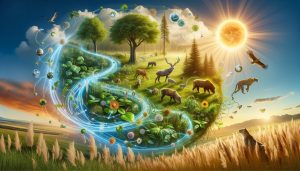
Did you know that pathogens play a crucial role not only in human health but also in shaping entire ecosystems? Disease ecology examines the intricate interactions between pathogens, their hosts, and the environment, revealing how these relationships influence biodiversity and ecosystem stability. Understanding these dynamics is essential in our increasingly interconnected world, especially as emerging diseases and climate change present new challenges. By exploring how pathogens affect various species and their habitats, we can better appreciate the delicate balance of nature and the importance of maintaining healthy ecosystems. Dive into this fascinating topic to uncover the vital role that pathogens play in our environment, and discover how we can engage in sustainable practices to protect both our health and the planet’s overall well-being.
What is Disease Ecology and Its Importance
Understanding disease ecology is fundamental to grasping how pathogens impact both ecosystems and human health. Disease ecology examines the interactions between pathogens, their hosts, and the environment, revealing intricate relationships that shape biological communities and influence ecosystem dynamics. It highlights the importance of these interactions in maintaining ecological balance and biodiversity, making it a critical area of study in our increasingly interconnected world.
Pathogens, from viruses to bacteria and fungi, play significant roles in regulating populations of organisms, thereby influencing community structure and function. For instance, disease can act as a selective pressure, ensuring that only the most resilient species thrive. This natural regulation can help prevent any single species from dominating an ecosystem, thereby promoting biodiversity. The recognition of these relationships underscores the importance of preserving healthy ecosystems, as disturbances-such as climate change or habitat destruction-can increase the vulnerability of species to diseases, potentially leading to population declines or extinctions.
Moreover, understanding disease ecology is crucial for effective public health strategies and conservation efforts. With emerging infectious diseases linked to wildlife and environmental changes, monitoring disease dynamics within ecosystems can inform management practices that mitigate risks to both human and ecological health. As such, fostering a connection between ecological health and public health encourages more sustainable interactions with our environment, empowering individuals and communities to take proactive steps toward conservation and disease prevention. For example, adopting practices that enhance ecosystem resilience-like restoring habitats or promoting biodiversity-can also reduce the likelihood of disease outbreaks. In this way, recognizing the ties between pathogens, ecosystems, and human health is essential for promoting a sustainable future.
How Pathogens Influence Ecosystem Dynamics
In the intricate web of nature, pathogens are pivotal players, intricately shaping the dynamics of ecosystems. These microscopic organisms, from bacteria to fungi and viruses, not only challenge the health of individual species but also orchestrate a network of ecological interactions that influence population dynamics, community structure, and even ecosystem services. For instance, when a pathogen spreads through a wildlife population, it can alter species distributions, resource availability, and predator-prey interactions, leading to cascading effects throughout the ecosystem.
One remarkable example of this phenomenon is the effect of white-nose syndrome on bat populations in North America. This fungus has led to significant declines in bat numbers, which has, in turn, impacted the ecosystems where these bats serve as natural pest control agents. With fewer bats to consume insects, there can be a rise in insect populations, potentially disrupting plant pollination and resulting in changes to plant community structures. As pests proliferate, agricultural systems may also be affected, highlighting the profound interconnectedness of health in wildlife and agricultural productivity.
Understanding allows us to appreciate the delicate balance of nature and supports the need for informed conservation strategies. Addressing environmental stresses, such as habitat destruction, can mitigate the impacts of diseases that threaten biodiversity. Communities can aid this effort by promoting habitat restoration projects and maintaining biodiversity, which in turn can enhance ecosystem resilience against emerging pathogens. Educational outreach and citizen science initiatives can further empower individuals to contribute to monitoring local wildlife health, ensuring the plants and animals we rely on thrive amidst the challenges posed by infectious diseases.
By embracing our role in fostering healthy ecosystems, we not only safeguard biodiversity but also enhance the services that ecosystems provide, from clean air and water to food security and natural beauty. Through mindful action and awareness, we can support a flourishing planet in which all species, including our own, can thrive.
The Role of Disease in Biodiversity and Population Control
In the vast tapestry of ecological interactions, disease acts as a natural regulator of biodiversity and population dynamics. Just as predators keep herbivore populations in check, pathogens serve to manage the numbers and health of various species, influencing the entire ecosystem. This delicate balance underscores the importance of pathogens as both agents of mortality and potential catalysts for evolutionary changes among populations. For example, when a disease outbreak affects a particular species, it can create opportunities for other species, sometimes leading to shifts in community structure and variability in ecosystem functions.
The impact of disease on biodiversity extends beyond immediate effects on individual species. Pathogens can shape genetic diversity by selecting for resistant traits within populations. Over time, this selective pressure may lead to significant evolutionary adaptations that enhance a species’ resilience to not only current diseases but also future environmental challenges. Through this lens, diseases can foster greater diversity and adaptability, ultimately contributing to the stability of ecosystems.
Moreover, population control via disease impacts the availability of resources within an ecosystem. When certain populations are reduced by disease, there may be less competition for food or habitat, allowing other species to thrive. Conversely, if a disease decreases a keystone species-one that has a disproportionately large effect on its environment-the ripple effects can be profound, leading to alterations in nutrient cycling and habitat complexity. Such dynamics highlight the intricate connections between health, survival, and the broader ecological tapestry.
To foster a deeper understanding and appreciation of these dynamics, individuals can take actionable steps toward supporting biodiversity. Creating habitats that promote a diversity of plant and animal species can help ecosystems remain resilient against diseases. Engaging in conservation efforts, participating in habitat restoration projects, and advocating for sustainable agricultural practices can mitigate the negative impacts of pathogens. These efforts not only protect biodiversity but also enhance the ecosystem services we depend upon, such as clean air, water filtration, and fertile soils. By recognizing the role of disease in maintaining ecological balance, we can cultivate a more harmonious relationship with our environment, ensuring that both wildlife and human communities thrive.
Interactions Between Host Species and Pathogens
The complex are foundational to understanding disease ecology and its impact on ecosystems. Each species in the environment has evolved with its unique set of defenses and vulnerabilities, creating a dynamic interplay that shapes not only the health of individual organisms but also the wider ecological community.
One captivating example of this interaction can be seen in the relationship between amphibians and the chytrid fungus, Batrachochytrium dendrobatidis. This pathogen has led to significant declines in amphibian populations around the globe, disrupting not only those species affected but also the entire ecosystems in which they play critical roles. As amphibians decline, the effects ripple through food webs, impacting predators that rely on these species for sustenance and altering local biodiversity. This scenario exemplifies how disease can act as a significant environmental stressor, influencing population dynamics and community structures.
In addition to pathogens causing declines, some organisms have developed more complex relationships with their infectious counterparts. For instance, certain plants can induce systemic resistance to pathogens, showcasing a fascinating example of co-evolution. This interaction allows plants to enhance their resistance while pathogens simultaneously adapt, creating a constantly shifting balance. Such dynamics highlight the importance of genetic diversity within species; varied genetic backgrounds can equip populations with a wider array of defenses against pathogens, promoting resilience.
As hosts adapt, it is essential to recognize that these interactions are influenced by numerous external factors, including climate, habitat changes, and anthropogenic impacts. Understanding these multifaceted relationships is crucial for conservation efforts. Implementing sustainable practices-such as reducing pesticide use and enhancing habitat connectivity-can foster healthier ecosystems and bolster natural defenses against pathogens. By promoting biodiversity and reducing ecological stress, we can help mitigate the negative impacts of diseases, positioning our ecosystems to thrive amidst adversity.
Investing in a deeper knowledge of these interactions not only enriches scientific understanding but also inspires meaningful action toward fostering ecological health and resilience. Simple lifestyle changes, such as supporting organic farming or participating in local conservation efforts, can play a significant role in nurturing these ecosystems that are vital for both wildlife and human communities.
Ecosystem Services Affected by Infectious Diseases
The intricate web of life within ecosystems is deeply influenced by infectious diseases, which can significantly alter the services these ecosystems provide. From regulating climate and purifying water to supporting food production, ecosystem services are essential to human well-being and environmental health. However, when pathogens disrupt the balance, the consequences can ripple through ecological networks, ultimately affecting the resources we rely on.
For instance, pathogen outbreaks in plant species can lead to significant crop losses, endangering food security. In the United States, the citrus greening disease, spread by an insect vector, has devastated citrus groves, leading to economic loss and reduced availability of tens of thousands of tons of fruit annually. Such disruptions extend beyond agriculture; the loss of a single plant species can compromise habitat for wildlife, reduce biodiversity, and disrupt the intricate relationships among species that thrive on these plants.
Impacts on Water and Soil Systems
Infectious diseases can also affect water quality and soil health. Pathogens can invade aquatic ecosystems, leading to harmful algal blooms, which deplete oxygen levels in water and create dead zones uninhabitable for fish and other aquatic life. For example, the proliferation of Vibrio bacteria in warming waters has led to increased incidences of seafood contamination, posing direct threats to human health while also adversely impacting fisheries. Soil-borne pathogens can diminish soil fertility, reducing agricultural productivity and increasing reliance on chemical fertilizers-further stressing the ecosystem.
Biodiversity and Resilience
The relationship between pathogens and biodiversity is crucial for ecosystem resilience. High biodiversity often promotes stability against disease outbreaks; diverse communities are less likely to experience the significant impacts of pathogens compared to monocultures. Therefore, fostering biodiversity is essential not only for maintaining the health of ecosystems but also for protecting the services they provide.
Practical Actions for Protection
To mitigate the effects of infectious diseases on ecosystem services, individuals can engage in several practical actions:
- Support Biodiversity: Engage in local conservation efforts, plant native species in gardens, or participate in programs aimed at restoring habitats.
- Reduce Chemical Use: Limit the use of pesticides and herbicides in gardening and agriculture, which can disrupt beneficial organisms and lead to disease outbreaks.
- Advocate for Sustainable Practices: Support policies and initiatives that promote sustainable land and water management, aiming to enhance ecosystem resilience against diseases.
Understanding the connections between infectious diseases and ecosystem services empowers us to make informed and sustainable choices that protect our environment. By fostering health in ecosystems, we not only enhance biodiversity but also ensure the continued provision of essential services that sustain human life.
Case Studies: Pathogens Reshaping Ecosystems
The intricate interactions between pathogens and ecosystems can dramatically reshape both environments and the species that inhabit them. One striking example involves the *Batrachochytrium dendrobatidis* fungus, which has contributed to the decline of amphibian populations worldwide. This pathogen attacks the skin of amphibians, which is vital for their hydration and overall health. Regions in Central America have witnessed alarming declines-sometimes exceeding 90%-in native frog populations. These declines have cascading effects; fewer amphibians lead to increased insect populations, which may disrupt the ecological balance and alter nutrient cycles in these habitats.
Another notable case study is the emergence of white-nose syndrome, a disease affecting bat populations across North America. This fungal infection has contributed to the death of millions of bats, with some species experiencing declines of over 90%. Bats play a crucial role in ecosystems as pollinators and pest controllers; their absence has led to increases in insect populations, thereby affecting agricultural practices and natural pest control. As farmers compensate for this imbalance, they may resort to more chemical treatments, further stressing the ecosystem and potentially impacting water quality and biodiversity.
Economic and Ecological Threads
The economic implications of pathogens reshaping ecosystems extend beyond direct impacts. For instance, the introduction of the emerald ash borer in the U.S. has not only caused devastating effects on ash trees but also altered habitats for various species dependent on those trees, affecting local timber industries and recreational spaces. As these trees die off, less carbon is sequestered, exacerbating climate change, while local wildlife, like woodpeckers and various insects, lose their habitats, leading to potentially irreversible changes in community dynamics.
Educating communities about these disease dynamics is critical for fostering proactive responses. By understanding how pathogens can reshape ecosystems, stakeholders from policymakers to general citizens can advocate for biodiversity conservation efforts, promote habitat restoration projects, and support sustainable agricultural practices that enhance ecosystem resilience. Simple actions, like planting diverse tree species in public spaces or supporting local wildlife conservation initiatives, can be effective steps toward mitigating the impacts of disease on these vital ecological systems.
Through such case studies, it becomes clear that understanding the role of pathogens in ecosystems is not only essential for ecological health but also for maintaining socio-economic stability and advancing sustainable living practices in our increasingly interconnected world.
Climate Change and Its Impact on Disease Ecology
As global temperatures rise and weather patterns shift, a multifaceted relationship between climate change and disease ecology emerges, revealing how warming temperatures can directly influence the dynamics of pathogens and their hosts. For instance, the expansion of tropical climates into previously temperate zones has allowed diseases such as Zika and West Nile virus to thrive in new regions, challenging public health responses and highlighting the intricate connections between climatic conditions and epidemiological patterns.
Climate change affects pathogen lifecycle, transmission rates, and virulence. For example, warmer temperatures can accelerate the reproduction rates of mosquitoes, leading to longer transmission seasons for diseases like malaria and dengue fever. Additionally, extreme weather events, including flooding and droughts, significantly alter habitats, often leading to increased pathogen exposure for wildlife and humans alike. Understanding these shifts is critical for anticipating future disease outbreaks and developing adaptation strategies in both natural and agricultural systems.
Impact on Biodiversity
The interplay between climate change and disease ecology can also lead to declines in biodiversity. Species that are unable to adapt to rising temperatures or changing pathogen pressures face increased risk of extinction. For instance, coral reefs, vital for marine biodiversity, are threatened by both warming waters and disease outbreaks, such as White Syndrome, which can devastate reef populations. This loss of biodiversity can further destabilize ecosystems, making them more susceptible to invasive species and reducing their overall resilience.
Moreover, conservation strategies must consider these changing dynamics. Creating wildlife corridors and preserving diverse habitats can help species adapt to climate-induced changes, while integrated pest management in agriculture can reduce dependence on chemical treatments that exacerbate these issues. By taking a proactive approach towards conserving ecosystems and mitigating climate impacts, individuals and communities can contribute to healthier environments that are more resilient to both climate change and disease pressures.
Taking steps to minimize personal and collective carbon footprints, such as adopting renewable energy sources and supporting local biodiversity initiatives, can enhance efforts to create healthier ecosystems. Every action counts, and by fostering a deeper awareness of the connection between climate change and disease ecology, we can all participate in safeguarding our planet’s future.
Emerging Infectious Diseases: Threats to Ecosystem Health
The emergence of infectious diseases poses a significant threat to ecosystem health, highlighting the delicate balance between pathogens and their hosts within various environments. For example, the rise of zoonotic diseases, which jump from animals to humans, underscores the interconnectedness of wildlife health and human health. As urban development encroaches on natural habitats, the likelihood of pathogens spilling over into human populations increases, leading to outbreaks that can disrupt both ecological and human systems.
Pathogens can catalyze rapid changes in ecosystem dynamics, often leading to drastic shifts in species composition. When diseases decimate populations of certain species, they can trigger a cascade of ecological responses. For instance, the decline of keystone species due to disease can result in the overpopulation of other species, which may in turn disrupt food webs and nutrient cycling. This kind of imbalance can lead to diminished biodiversity and altered ecosystem services, such as pollination and seed dispersal, which are essential for maintaining healthy ecosystems.
Leveraging Local Practices for Sustainability
Responding to the threats posed by emerging infectious diseases requires a multifaceted approach rooted in sustainability and conservation. Here are some actionable strategies individuals and communities can adopt:
- Support Habitat Protection: Engage in or support local conservation efforts aimed at preserving natural habitats that are crucial for maintaining biodiversity.
- Promote Biodiversity: Cultivate native plants in gardens to support local wildlife and pollinators while creating a buffer against invasive species that can spread disease.
- Educate and Advocate: Raise awareness about the links between zoonotic diseases and habitat destruction, encouraging responsible consumption and development practices.
- Minimize Human-Wildlife Conflict: Use eco-friendly barriers and practices to reduce interactions between wildlife and residential areas, thereby lowering chances of pathogen transmission.
By understanding how pathogens influence ecosystem health, individuals can make informed choices that not only protect their communities from emerging diseases but also preserve the integrity of the planet’s ecosystems. Through proactive involvement and sustainable living practices, we can mitigate the impacts of infectious diseases and contribute to healthier environments for all species.
The Human Connection: Disease Ecology and Public Health
An alarming fact to consider is that approximately 60% of known infectious diseases and 75% of emerging infectious diseases are zoonotic, meaning they can be transmitted from animals to humans. This highlights the intricate connections between human health, wildlife, and the ecosystems we inhabit. As urbanization expands and natural habitats are disrupted, the risks of zoonotic transmission grow, compelling public health to closely monitor these ecological interrelations. Understanding this intersection is vital for not only preventing disease outbreaks but also for promoting a holistic approach to health that incorporates both human and environmental well-being.
The relationship between disease ecology and public health extends far beyond mere pathogen transmission; it encompasses the impact of environmental changes on health outcomes. For instance, habitat destruction often displaces wildlife, forcing animals to seek refuge in closer proximity to human populations. This increases the likelihood of encounters that can facilitate the spread of pathogens. Communities can benefit from embracing eco-conscious practices that maintain biodiversity and protect natural habitats, effectively acting as buffers against potential outbreaks. Simple steps, such as supporting local wildlife reserves or engaging in community gardening with native plants, contribute to healthier ecosystems that can reduce disease incidence.
Moreover, disease surveillance is crucial in both public health and ecology. Monitoring wildlife health can provide early warnings about potential zoonotic spillovers. By investing in collaborative efforts between ecologists, public health officials, and community stakeholders, we can create robust systems that track the movement and spread of pathogens. Encouraging citizen science-where the public is actively involved in data collection and monitoring-can enhance these efforts. Programs that engage local communities in observing wildlife behavior and health can provide valuable insights while fostering a connection to the environment.
Ultimately, the promotion of education and awareness regarding the links between ecology and health empowers individuals to make sustainable choices. Understanding how everyday actions-like reducing food waste, practicing responsible consumption, and advocating for environmentally friendly policies-can mitigate the risk of emerging infectious diseases fosters a sense of responsibility and hope. By integrating public health initiatives with ecological preservation, society can move toward a future where both human health and the health of our planet are prioritized, fostering resilience in the face of disease threats.
Strategies for Managing Pathogen-Related Ecological Effects
Managing pathogen-related ecological effects requires a multifaceted approach that balances human health, environmental integrity, and biodiversity. One key strategy is fostering biodiversity, which enhances ecosystem resilience and reduces the spread of infectious diseases. Diverse ecosystems are less prone to pathogen outbreaks, as they can support a wide range of species that help control pathogen populations. For instance, incorporating native plants in landscaping not only benefits local wildlife but also creates habitats for natural predators of disease vectors, such as mosquitoes.
Another effective strategy is promoting sustainable land use practices that minimize habitat destruction and fragmentation. Urban development often encroaches on wildlife habitats, forcing animal populations into closer proximity with humans, which can facilitate zoonotic disease transmission. By implementing smart growth planning that prioritizes green spaces, reforestation, and wildlife corridors, communities can decrease the likelihood of pathogen spillover events while enhancing public health and recreational opportunities.
Engaging in community-based education and involvement is also crucial. Raising awareness about the relationship between ecosystem health and disease prevention empowers citizens to participate actively in conservation efforts. Local programs that encourage sustainable gardening, reduce pesticide use, and promote organic agriculture can have a profound impact on community health. Additionally, citizen science initiatives that involve locals in tracking wildlife health and endangered species contribute valuable data to understanding and mitigating pathogen impacts.
Lastly, researchers and public health officials must collaborate through interdisciplinary approaches that integrate ecology, epidemiology, and public health. Surveillance systems that monitor wildlife and environmental health can provide early warnings of emerging infectious diseases. This proactive approach allows for timely public health interventions and helps communities prepare for potential outbreaks. By embracing these strategies and fostering a sense of collective responsibility, we can create a healthier, more resilient planet, mitigating the impacts of pathogens on our ecosystems and communities.
Research Advances in Disease Ecology and Its Future Directions
The exploration of disease ecology is rapidly evolving, driven by technological innovations and the growing recognition of how pathogens shape ecosystems. Recent advancements in genomic sequencing have transformed our ability to identify and monitor these microorganisms, enabling scientists to trace pathogen evolution and understand their interactions with hosts and the environment. For example, DNA barcoding allows researchers to identify organisms at a molecular level, making it easier to track how pathogens spread and adapt across different species. This can lead to earlier interventions and improved management strategies that are more tailored and effective.
Emerging Research and Applications
One exciting area of research in disease ecology is the use of predictive modeling to forecast pathogen outbreaks. By integrating ecological data with climate models, scientists can better understand how environmental changes-such as temperature fluctuations and habitat degradation-affect the transmission dynamics of infectious diseases. This modeling not only aids in anticipating disease outbreaks but also supports conservation efforts aimed at maintaining ecosystems that are resilient to such changes. As we see shifts in disease patterns, these predictive tools can help guide public health responses and policy decisions.
Another promising avenue lies in the intersection of disease ecology and public health. Research is focusing on the health of wildlife populations as an early warning system for zoonotic diseases that can spill over to humans. For instance, studying changes in the health dynamics of bat populations can provide insights into the emergence of viruses like Ebola and the coronavirus responsible for COVID-19. This approach underscores the necessity of protecting biodiversity and maintaining healthy ecosystems as proactive measures against potential human health threats.
Future Directions
Looking ahead, there is a growing call for interdisciplinary collaboration between ecologists, epidemiologists, and public health officials. This collaboration is critical for developing comprehensive strategies that address the complex interactions between humans, wildlife, and pathogens. Engaging local communities in monitoring and conservation efforts will also be vital. Citizen science initiatives can amplify research capabilities while fostering a sense of stewardship and responsibility towards local ecosystems.
Integrating technology into disease ecology research-such as using drones for habitat monitoring or mobile applications for reporting wildlife health-can further enhance our understanding and response capabilities. As we advance in our research and understanding of disease ecology, the emphasis will increasingly be on sustaining the balance between ecosystem health and pathogen management, ensuring the resilience of both human populations and the environment they depend on.
By staying informed and engaged with these advances, individuals can play a meaningful role in supporting ecologically sound practices that contribute to healthier ecosystems and communities. Adopting sustainable lifestyles, advocating for biodiversity, and participating in local conservation efforts can create a ripple effect that benefits both our planet and public health.
Practical Implications for Conservation and Sustainability
The delicate balance of ecosystems is profoundly influenced by pathogens, which can act as both drivers and indicators of environmental health. Understanding these dynamics not only enhances our appreciation of biodiversity but also emphasizes the urgent need to adopt sustainable practices that protect the very foundations of our ecosystems. Individuals can embrace eco-conscious living by integrating simple, actionable strategies that contribute to conservation efforts and ecosystem resilience.
One of the most effective ways to support biodiversity is by creating habitats that nurture local flora and fauna. Homeowners can transform their yards into wildlife-friendly spaces by planting native species that provide food and shelter for pollinators, birds, and other wildlife. Additionally, reducing pesticide and chemical fertilizer use not only protects these species but also minimizes the potential spread of disease among them, fostering a healthier environment. Practices such as creating compost piles and maintaining rain gardens further enhance soil quality and water management, supporting ecosystem services like nutrient cycling and water purification.
Engaging with Community Conservation
Community engagement is crucial in the fight against ecological degradation. Individuals can connect with local conservation groups that focus on protecting native species and restoring habitats. Participating in citizen science initiatives-like birdwatching or water quality monitoring-can also provide valuable data for researchers while fostering a collective sense of stewardship. Furthermore, advocating for policies that prioritize ecological health, such as sustainable land-use practices and protected areas, can create long-term positive impacts on local environments.
Adopting Sustainable Consumer Practices
Consumers hold significant power in supporting sustainability through conscientious purchasing behaviors. Opting for organic, locally sourced, and seasonally available products reduces the carbon footprint and environmental impact associated with long-distance transportation. Additionally, choosing biodegradable products over conventional plastics contributes to less waste in landfills and oceans, ultimately benefiting countless species that are adversely affected by pollution. Understanding and minimizing one’s ecological footprint is fundamental; small changes-like reducing meat consumption, using public transport, or adopting energy-efficient appliances-can collectively yield substantial environmental benefits.
Investing time and resources in education about disease ecology can also bridge the gap between ecological health and public welfare. Advocating for and supporting research initiatives in this field will help societies prepare for and mitigate the impacts of emerging infectious diseases. As the interaction between humans, wildlife, and pathogens becomes increasingly relevant, fostering a culture of awareness and proactive response can lead to healthier ecosystems and, by extension, healthier communities. Every action taken towards promoting conservation and sustainability contributes to a holistic approach to environmental stewardship, emphasizing our integral role in the health of our planet.
FAQ
Q: What role do pathogens play in influencing ecosystem balance?
A: Pathogens significantly affect ecosystem balance by regulating host populations and contributing to species diversity. They can control the numbers of dominant species, allowing for greater biodiversity. Understanding these dynamics is crucial for conservation efforts and ecosystem management.
Q: How does disease ecology relate to climate change?
A: Disease ecology examines how climate change alters pathogen behavior, transmission, and the overall health of ecosystems. Changes in temperature and precipitation can create new habitats for pathogens, potentially leading to outbreaks and altered interactions among species, as discussed in your article on climate change impacts.
Q: What is the significance of emerging infectious diseases in ecosystems?
A: Emerging infectious diseases pose significant threats to ecosystem health by disrupting food webs, affecting species populations, and reducing biodiversity. Monitoring these diseases is vital for preserving ecosystem integrity and ensuring sustainability in ecological interactions.
Q: How can we manage the effects of pathogens on ecosystems?
A: Managing pathogen effects involves monitoring wildlife health, creating buffer zones, and restoring habitat health. Strategies such as vaccination and controlled introductions can help maintain ecological balance. These approaches are crucial for conserving biodiversity and enhancing ecosystem resilience.
Q: Why is understanding disease ecology important for public health?
A: Understanding disease ecology is essential for public health as it reveals how diseases circulate within ecosystems and affect human health. Insights from disease ecology can inform preventive measures and enable effective responses to zoonotic diseases that may cross into human populations.
Q: How do host-pathogen interactions influence evolutionary processes?
A: Host-pathogen interactions drive evolutionary processes by selecting for traits that enhance survival. Over time, hosts may evolve resistance, while pathogens evolve virulence. This evolutionary arms race contributes to biodiversity and ecosystem dynamics, underscoring the importance of these interactions.
Q: What case studies highlight the impact of pathogens on ecosystems?
A: Case studies such as the decline of amphibian populations due to chytridiomycosis and the role of white-nose syndrome in bat populations illustrate how pathogens can reshape ecosystems. These examples demonstrate the cascading effects on biodiversity and ecosystem services.
Q: How do pathogens contribute to population control within ecosystems?
A: Pathogens help regulate populations by causing disease, which can limit overpopulation of certain species. This natural control mechanism supports ecosystem health by maintaining balance, promoting biodiversity, and enabling the coexistence of various species within their habitats.
The Way Forward
Understanding disease ecology reveals the intricate dynamics between pathogens and ecological systems, emphasizing the significant impact of diseases on biodiversity and ecosystem health. As we explore the connections between pathogens and their environments, it’s crucial to stay informed on how our actions can influence these delicate balances. Don’t miss out on vital resources; check out our articles on ecological footprints and sustainable living practices to deepen your understanding and enhance your impact on the environment.
Ready to take action? Subscribe to our newsletter for the latest insights and tips on fostering ecological health in your community and beyond. Remember, your choices matter-whether it’s opting for green technologies or embracing eco-friendly products. Join the dialogue in the comments below and share your thoughts or experiences with disease ecology. Together, we can champion a healthier planet, one informed decision at a time!