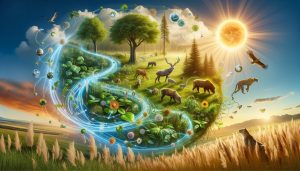
Did you know that every species plays a unique role in its ecosystem, much like a cog in a complex machine? Understanding the concept of the Eltonian niche helps us appreciate the diverse contributions of species to their environments. The Eltonian niche focuses on what species do, emphasizing their interactions and functions rather than just their habitats. This concept is crucial as it highlights the interconnectedness of life and the importance of biodiversity in maintaining ecological balance. By exploring how species fulfill their roles, we can better grasp the implications of human actions on ecosystems, from the loss of biodiversity to climate change. As you delve into this article, consider how our choices can either support or undermine these vital connections, inspiring a deeper commitment to conservation and sustainability in our daily lives.
Understanding the Eltonian Niche Concept
The Eltonian niche concept delves into the role that species play within their ecosystems, emphasizing how their activities and behaviors contribute to the ecological web. Originating from the work of British ecologist Charles Elton in the 1920s, this perspective focuses on the functional aspects of a species, or “what it does” in relation to its habitat. It contrasts with the more traditional view of the niche, which often addresses the environmental conditions and resources a species occupies. Understanding this concept can help us appreciate the intricate connections in nature and the impact species have on their surroundings.
At its core, the Eltonian niche outlines how species interact dynamically with their environments and other organisms. For example, a predator’s role in controlling prey populations highlights its contribution to ecosystem balance. Similarly, plants fulfill the Eltonian niche by providing oxygen, food, and habitat for various organisms. This notion illuminates why preserving a diverse array of species is critical; each has a unique function that supports the overall health and stability of ecosystems.
Recognizing these roles is vital for conservation efforts. By understanding what species do, we can better appreciate the consequences of biodiversity loss. With habitat destruction and climate change posing significant threats to various species, it becomes increasingly important to safeguard those roles, ensuring that ecosystems remain resilient and functional.
As we navigate our relationship with nature, embracing the Eltonian niche perspective encourages us to consider how our actions impact these delicate systems. Simple steps, such as supporting sustainable practices or participating in conservation initiatives, can help protect the varied roles species play in maintaining ecological balance. By fostering respect and understanding for the niches of all living organisms, we not only contribute to the preservation of biodiversity but also enhance our own connection to the natural world.
The Role of Species in Ecosystems
The intricate dance of life in ecosystems shows just how vital each species is to maintaining balance. In every habitat, species do far more than simply occupy space; they engage in a multitude of roles that sustain the web of life. For instance, consider the role of bees as pollinators. These small creatures not only facilitate the reproduction of flowering plants but also contribute to the food supply for various species, including humans. By understanding the unique roles that different species play, we can appreciate how each one contributes to the overall health of ecosystems.
Furthermore, species interactions add layers of complexity to ecosystems. Predators regulate prey populations, preventing overgrazing and promoting biodiversity. Herbivores, in turn, help shape plant communities, impacting which species thrive and which diminish. Soil organisms, such as earthworms and microbes, enrich and aerate the ground, ensuring nutrient availability for plants. This interdependence illustrates that when even one species is removed, the effects can ripple throughout the ecosystem, leading to unforeseen consequences.
To embrace these insights in our daily lives, we can adopt practices that support local biodiversity. Simple actions, such as planting native species in our gardens, create habitats for local wildlife. Reducing pesticide use not only protects beneficial insects but also enhances the overall health of our ecosystems. Additionally, participating in community conservation efforts or supporting wildlife-friendly businesses helps protect the delicate balance of nature.
In our rapidly changing world, recognizing the essential roles species play is crucial for fostering resilience in ecosystems. By making informed, environmentally conscious choices, we can all contribute to sustaining the intricate connections that support life on Earth. Each action counts, and together, we have the power to nurture the diverse tapestry of species that enrich our planet.
Factors Influencing Species Niches
The interconnectedness of species within ecosystems reveals that various factors significantly shape their niches. An Eltonian niche emphasizes not just where an organism lives but what it does-its role in the community and interactions with other species. Understanding the factors that influence these niches can shed light on how biodiversity is maintained and the delicate equilibrium that sustains life.
One core factor is resource availability. Nutrients, water, and sunlight are fundamental to the survival of any species. For instance, a tree’s niche may be defined by the specific soil type and moisture levels it requires to thrive. Similarly, the presence of predators can influence the niches of smaller species, impacting their behavior and habitat preferences. When resources are plentiful, species can expand their niche; when scarce, competition or stress may drive them to occupy a smaller, more specialized niche.
Another potent influence comes from abiotic factors, including climate and geographical features. Species adapted to distinct climates, such as the desert or rainforests, will have unique niches characterized by their adaptations to temperature, humidity, and precipitation levels. For example, cacti have evolved to conserve water and tolerate high temperatures, distinctly defining their niche in arid environments. Changes in climate can thus lead to shifts in species distribution and potential habitat loss for those unable to adapt quickly enough.
Moreover, biological interactions-such as competition, predation, and symbiosis-are also critical. The presence of invasive species can alter the dynamics of natural habitats, pushing native species to alter their niches for survival or even leading to extinction. In doing so, invasive species can reshape food webs and disrupt interspecies relationships, showcasing the fragility of these ecological interactions.
Finally, human activities, such as habitat destruction, pollution, and climate change, have an increasingly severe impact on species niches. Sustainable practices, like preserving natural habitats through conservation efforts or supporting sustainable agricultural practices, can help mitigate these effects. By making choices that prioritize ecological balance, individuals can contribute to safeguarding the diverse niches that support the planet’s myriad species. Each choice matters-whether it’s choosing to buy local produce, minimizing waste, or participating in restoration efforts, we can all play a role in fostering biodiversity and protecting the environments that sustain life.
Examples of Eltonian Niches in Nature
The intricate dance of life on our planet unfolds through various fascinating examples of Eltonian niches, where species perform unique roles that contribute to the ecological balance. One of the most striking cases is that of the ocean’s coral reefs. These vibrant ecosystems provide essential habitat for countless marine species, including fish, crustaceans, and mollusks. In the symbiotic relationship between corals and zooxanthellae-tiny algae that live within coral tissues-corals benefit from the photosynthetic products of the algae, while the algae receive protection and access to sunlight. This interconnectedness showcases the essential roles species play within their niches and highlights the need for preserving these ecosystems, which are increasingly threatened by climate change and pollution.
In terrestrial environments, we can observe how keystone species like wolves influence their ecosystems through predation. In Yellowstone National Park, the reintroduction of wolves in 1995 transformed the dynamics of the park. Wolves regulate the population of herbivores like elk, which in turn facilitates the recovery of vegetation, leading to improved biodiversity. This ripple effect emphasizes how the roles of certain species can alter entire ecosystems, underscoring the importance of maintaining healthy populations of all species within an ecological community.
Another compelling illustration can be found in the role of pollinators, such as bees and butterflies, which are critical for the reproduction of many flowering plants. As they gather nectar, they inadvertently transfer pollen from one flower to another, enabling fertilization and the production of fruits and seeds. This not only sustains the plants but also supports the myriad species that rely on these plants for food and habitat. The decline of pollinator populations, driven by pesticide use, habitat loss, and climate change, emphasizes the fragility of these crucial niche roles and the ripple effect a decline can have on entire food webs.
Moreover, the adaptations of species to specific niches further illustrate the concept. For instance, bats showcase diverse niches through their feeding habits. Some bats are nectarivores, relying on flowering plants for sustenance, while others are insectivores, controlling pest populations. This specialization emphasizes how different species fill unique roles in their ecosystems, contributing to biodiversity and ecological stability. Each of these examples not only highlights the importance of species interactions but also serves as a reminder of our role in protecting these delicate relationships through responsible environmental stewardship. By understanding and respecting the complexity of these ecological interactions, we can adopt practices that support biodiversity and encourage sustainable living.
Impact of Environmental Changes on Niches
The delicate balance of ecosystems is profoundly influenced by environmental changes, which can reshape species niches in ways that ripple throughout entire habitats. When habitats undergo transformation-whether through climate change, urban development, or invasive species-species must adapt or risk extinction. Such shifts can disrupt established interdependencies, triggering a cascade of effects on flora and fauna that rely on specific relationships for survival. For instance, increasing temperatures can alter the distribution of plant species, consequently affecting the herbivores that depend on them and the predators that rely on those herbivores, resulting in a reconfiguration of the entire food web.
Effects of Climate Change
Climate change poses one of the most significant threats to species niches. Changes in temperature and precipitation patterns can lead to shifts in species distributions as organisms seek more suitable environments. For example, many species, including migratory birds, depend on seasonal cues to navigate their journeys and find food. Altered weather patterns can confuse these cues, leading to mismatches between migration timings and food availability. This disruption not only threatens the migratory species but also affects the predators that depend on them, demonstrating how interconnected these relationships are.
Human Influence and Habitat Alteration
Human activities such as deforestation, urbanization, and agriculture profoundly impact species niches by fragmenting habitats. The destruction of forests leads to a loss of biodiversity, as many species are unable to adapt to new environments quickly enough. When habitats are fragmented, species may find it more challenging to migrate, mate, and access resources. For example, the fragmentation of wetlands disrupts the breeding grounds for amphibians, leading to population declines. Preserving and restoring natural habitats is crucial in mitigating these impacts and supporting the resilience of species.
Invasive Species and Competition
Invasive species can further alter niches by introducing new competitors and altering food webs. For example, the introduction of the zebra mussel in North America has drastically changed aquatic ecosystems, outcompeting native species for resources and altering nutrient cycles. These disruptions can lead to the decline of native species and a shift in community composition, highlighting the need for proactive measures to control invasive populations and protect native biodiversity.
By understanding the impact of environmental changes on species niches, we can take meaningful steps in our daily lives to promote ecological stability. Simple actions such as supporting conservation efforts, advocating for sustainable practices, and educating ourselves and our communities about local ecosystems can foster a healthier planet. Embracing eco-conscious living not only benefits the biodiversity around us but also enriches our own lives, creating a more balanced and vibrant environment for generations to come.
The Relationship Between Niche and Biodiversity
The intricate relationship between ecological niches and biodiversity is essential for understanding how species coexist and thrive in varying environments. Biodiversity-the variety of life in a particular habitat or ecosystem-plays a critical role in maintaining ecological balance, influencing how niches are occupied and how they function. Often described as a living tapestry, each species threads through the fabric of an ecosystem, contributing to its resilience and stability.
In an ecosystem, every species occupies a specific niche, which dictates not only where it lives but also how it interacts with other organisms and its environment. This specialization can enhance biodiversity by allowing numerous species to coexist without intense competition for the same resources. For instance, three different bird species might inhabit the same tree but feed on different insects at varying heights. Such niche differentiation enables them to thrive together, contributing to overall biodiversity.
As biodiversity increases, so do the complexities of interactions within ecosystems. Various species can offer resilience against disturbances-such as disease, climate change, or habitat destruction. The more diverse an ecosystem, the better it can absorb shocks and adapt to changes. For example, diverse plant species can lead to varied roots that help prevent soil erosion, improve water retention, and maintain soil health, ultimately supporting a wider range of animal life.
However, the loss of biodiversity-often driven by habitat destruction, pollution, and climate change-can disrupt these interactions. When a species disappears, it can leave gaps in the ecosystem that others may not be able to fill, resulting in a domino effect that threatens overall ecological health. Thus, fostering biodiversity is not merely an ecological preference; it is a necessity for sustaining the delicate balance of our environments.
To support biodiversity in everyday life, consider implementing simple yet effective actions such as:
- Supporting local ecosystems: Plant native species in your garden to provide habitat and food for local wildlife.
- Reducing waste: Choose products with minimal packaging to decrease landfill waste, thereby protecting habitats.
- Joining conservation efforts: Participate in or donate to organizations focused on habitat restoration and biodiversity preservation.
- Advocating for sustainable practices: Support sustainable farming and fishing practices that contribute to ecosystem health.
Embracing these actions not only enriches biodiversity but also enhances our connection to the natural world, fostering a responsible stewardship of our planet for future generations.
How Niches Affect Species Survival Strategies
In the intricate dance of nature, the survival strategies of species are deeply intertwined with their ecological niches. An ecological niche encompasses not only a species’ physical habitat but also its role in the ecosystem, including its interactions with other organisms and its use of resources. This multifaceted concept illustrates how species adapt their survival strategies based on the resources available and the challenges posed by their environment.
Species employ various strategies to thrive within their niche. For instance, some species adopt a specialist strategy, allowing them to exploit specific resources effectively. An example of this can be seen in the koala, which primarily feeds on eucalyptus leaves. By specializing, these creatures minimize competition with other herbivores that may not be able to process the tough eucalyptus efficiently. Conversely, the generalist strategy allows species like raccoons to adapt to multiple environments and food sources, enabling them to thrive in diverse habitats from urban areas to forests. Generalists can quickly adjust their diets and behaviors in response to environmental changes, thereby enhancing their survival prospects.
Furthermore, understanding how niches influence survival strategies offers insights into species interactions. For example, predator-prey dynamics are often shaped by niche differences. A predator’s hunting techniques will depend on its prey’s adaptations to evade capture. The elusive nature of prey like the gazelle, which employs speed and agility, directly informs the hunting strategies of its predators, such as lions, which may use group tactics to outsmart their prey. This interaction highlights an essential aspect of survival: adapting strategies not just in isolation, but in response to the behaviors and adaptations of other species.
An important consideration in the modern era is how human actions disrupt these natural survival strategies. Habitat destruction, climate change, and pollution can alter the delicate balance of niches, often leading to the decline of specialized species that cannot adapt quickly enough to changing conditions. As stewards of the environment, we have a pivotal role in supporting the habitats that facilitate these survival strategies. Simple actions, such as advocating for conservation efforts and reducing our ecological footprints, can make a significant impact in preserving the ecological balance that allows diverse species to flourish.
In embracing the concept of niches and their influence on survival, we empower ourselves to make informed choices that contribute to the resilience of ecosystems, ensuring a vibrant and diverse natural world for future generations.
Exploring Niche Differentiation Among Species
The natural world is a tapestry of interwoven life forms, each uniquely adapted to thrive in its own specific niche. Niche differentiation among species is crucial for maintaining ecological balance, as it reduces competition and fosters diverse biological communities. For instance, in a forest ecosystem, different bird species may occupy various layers of the trees-some flitting among the canopy, while others forage on the forest floor or nest in the understory. This vertical stratification allows multiple species to coexist by exploiting different resources, demonstrating how niche differentiation can enhance survival and reproduction.
Understanding niche differentiation is vital when examining the interactions among species. Consider how various herbivores utilize the same plant species differently to minimize competition. While a giraffe may reach for the tender leaves high in a tree, a zebra is content grazing on the grass below. Each species has evolved specific behaviors and physical traits that enable them to exploit available resources without directly competing with one another. This kind of differentiation not only benefits individual species but also contributes to the resilience and stability of the entire ecosystem.
Examples in Action
Different ecosystems worldwide illustrate the advantages of niche differentiation. In coral reef systems, various fish species inhabit distinct areas, from predators using speed and hiding places to ambush prey to smaller fish that seek shelter within the coral itself. Such spatial partitioning helps mitigate competition for food and habitat, thereby allowing a wide variety of species to thrive in close proximity.
Another example can be found in grassland ecosystems, where resource differentiation occurs both temporally and spatially. Some herbivores, such as wildebeest, may graze in the mornings and evenings, while others, like bison, prefer midday foraging. This temporal variation in feeding patterns reduces direct competition for food and allows the ecosystem to support a diverse array of grazers.
In conclusion, recognizing and appreciating the intricacies of niche differentiation inspires eco-conscious living. Simple actions, such as planting diverse species in your garden or supporting initiatives that promote biodiversity, can contribute to a healthier environment. By fostering an appreciation for nature’s diversity and complexity, we empower ourselves to act as stewards of the planet, honoring the delicate balances that sustain life on Earth.
Human Influence on Natural Niches
Human actions have profoundly transformed natural niches, impacting ecosystems in both subtle and significant ways. The introduction of urban areas, agriculture, and industrial processes has disrupted traditional habitats, forcing wildlife to adapt or migrate. For example, habitat fragmentation often leads to smaller, isolated populations that struggle to find mates, ultimately jeopardizing genetic diversity and resilience. This human-induced alteration not only affects individual species but can also trigger cascading effects throughout entire ecosystems.
Impacts of Development and Land Use
Urban development encroaches on wildlife habitats, altering the distribution and availability of resources. In metropolitan areas, mammals and birds have had to adapt to the presence of humans, often leading to increased competition for food and nesting sites. The construction of roads and highways further isolates habitats, making it difficult for species to access different niches, which can limit their ability to thrive. Sustainable urban planning that incorporates green spaces and wildlife corridors can mitigate these effects, allowing natural ecosystems to function more effectively within urban landscapes.
Agriculture and Its Footprint
Agricultural practices also significantly influence natural niches. Conventional farming often employs monoculture techniques, where a single crop type dominates vast areas. This approach can lead to the depletion of soil nutrients, increased pesticide use, and reduced biodiversity as native plants and animals are displaced. Adopting sustainable agricultural methods, such as crop rotation, organic farming, and agroforestry, can help restore ecological balance. These practices not only enhance soil health and reduce the need for chemical inputs but also promote the recovery of local wildlife by providing diverse habitats.
Climate Change and Ecosystem Dynamics
One of the most pressing issues facing natural niches today is climate change. Shifting weather patterns, rising temperatures, and altered precipitation levels are forcing species to adapt at unprecedented rates. As some animals and plants struggle to cope, others may thrive in newly favorable conditions, leading to changes in species distributions and interactions. Conservation efforts aimed at protecting biodiversity must consider these dynamics by anticipating potential shifts in niches. Initiatives such as habitat restoration, habitat protection, and climate-adaptive management strategies can enhance ecosystems’ resilience to climate change.
Empowering Personal Action
Individuals can also contribute positively to the stewardship of natural niches. By making conscious choices-like supporting local wildlife conservation efforts, reducing plastic use, and creating gardens that foster native species-people can help maintain ecological balance. Furthermore, advocating for sustainable policies and practices in their communities promotes a larger impact.
In summary, the influence of human activity on natural niches cannot be overstated. Understanding the nuances of this relationship empowers us to make informed decisions that support ecological health. By fostering awareness and encouraging sustainable practices, we can work towards preserving the delicate balance that sustains life on Earth.
Applications of Eltonian Niche in Conservation
The concept of the Eltonian niche, which emphasizes the role of species in their ecosystems based on their functional roles rather than mere habitation, offers profound implications for conservation efforts. Recognizing the intricate relationships that species have within their niches allows conservationists to identify critical areas for intervention, ensuring that both the species and their functions are preserved. By understanding these dynamic interactions, we can tailor conservation strategies that promote ecosystem health and resilience.
Strategic Habitat Restoration
Implementing habitat restoration projects through the lens of the Eltonian niche means focusing not only on preserving the physical space but also on supporting the essential functions that species provide. For example, restoring wetlands can support a multitude of species that play roles in nutrient cycling and water purification. Engaging in these practices contributes to overall biodiversity and ecosystem stability. Conservation organizations can use niche modeling to predict which species will thrive in restored habitats, allowing for more targeted and effective restoration efforts.
Integration of Functional Diversity in Planning
Emphasizing functional diversity within ecosystems is another critical application of the Eltonian niche in conservation. This approach encourages the preservation of species that may not be the most prominent or charismatic but are vital for ecosystem functions like pollination, seed dispersal, or soil aeration. Effective conservation strategies can prioritize areas that host a diverse array of functional roles, thus enhancing ecosystem resilience. For instance, by creating buffer zones that support a variety of pollinator species, agricultural landscapes can sustain not just food production but overall ecosystem health.
Monitoring Ecosystem Health through Indicators
Using the Eltonian niche as a framework for identifying keystone species can enhance monitoring efforts in conservation. Keystone species-those with disproportionate effects on their environments-can serve as indicators of ecosystem health. By focusing on the roles these species play, conservationists can better gauge ecosystem dynamics and flag potential issues early. For instance, if a vital predator species declines, it can signal broader ecological problems, prompting proactive management to address the underlying causes.
By embracing the principles behind the Eltonian niche, individuals, conservationists, and policymakers can forge a path toward sustainable and effective conservation strategies. This approach not only helps protect diverse species but also ensures that the functions they provide continue to benefit our planet for generations to come. Engaging communities through education and collaboration can amplify these efforts, inviting everyone to play a role in safeguarding our natural heritage.
Monitoring Ecological Health Through Niches
Monitoring the health of ecosystems is crucial for maintaining biodiversity and ensuring the resilience of natural environments. By understanding and applying the concept of the Eltonian niche-focusing on the roles that different species play within their habitats-we can gain valuable insights into the ecological balance. Keystone species, which have a disproportionately large effect on their environments, are particularly important indicators of ecological health. Their presence or absence can signal broader ecological trends, providing a window into the overall functioning of an ecosystem.
Using the Eltonian framework, conservationists can strategically identify and monitor these key species to assess ecosystem dynamics. For instance, the decline of a predator species may indicate underlying problems such as habitat degradation or changes in prey populations. In practice, this means that conservation efforts should prioritize the protection of keystone species and their habitats, considering not just the species themselves but the vital roles they fulfill within their ecological niches. Regular observations, combined with community engagement and citizen science initiatives, can help track changes in species populations and behaviors, offering real-time data for effective management.
To strengthen ecosystem monitoring, strategies such as employing functional diversity assessments can be implemented. This involves examining the variety of roles species play, such as pollinators, decomposers, or top predators, and how well these roles are represented within a given area. Engaging in such assessments allows conservationists to better predict how ecosystems might respond to environmental stressors, such as climate change or habitat fragmentation. Communities can participate in these efforts by reporting sightings of various species, thus enhancing data collection and contributing to larger conservation initiatives.
In summary, integrating the Eltonian niche concept into ecosystem monitoring equips us with the tools to better understand and protect our natural environments. By focusing on the interactions between species and their functional roles, we can create more effective conservation strategies, fostering healthy ecosystems that can withstand environmental changes. This proactive approach not only safeguards individual species but also ensures that the intricate web of life continues to thrive, allowing future generations to experience the beauty and benefits of rich biodiversity.
Future of Biodiversity and Eltonian Niches
The intricate web of life on our planet is largely sustained by the roles various species play within their ecological niches. As we look towards the future of biodiversity, understanding and applying the Eltonian niche concept becomes increasingly vital in addressing environmental challenges. With the current rate of habitat loss, climate change, and pollution, ecosystems are facing immense pressures that threaten their stability and resilience. Emphasizing the importance of species interactions and functional roles can help us navigate these challenges more effectively.
Sustainable practices grounded in the Eltonian niche concept allow us to identify key species whose well-being is critical for the overall health of ecosystems. For instance, pollinator species, such as bees, have a direct impact on food production and plant diversity. Protecting their habitats through organic farming practices and community gardens not only supports their populations but also fosters local biodiversity. Additionally, engaging in conservation efforts that prioritize habitat restoration can create corridors that enhance species movement and adaptability.
Moreover, enhancing public awareness and involvement is crucial for the future of biodiversity. Community-driven initiatives, such as citizen science programs, empower individuals to contribute meaningfully to monitoring species and ecosystems. When people understand the interdependence of species within their habitats, they become more invested in conservation efforts. Simple actions, like reducing plastic use, supporting local ecosystems, and advocating for sustainable policies, can collectively make a significant impact.
In conclusion, embracing the Eltonian niche framework empowers us to cultivate a deeper appreciation for the roles species play in their ecosystems. By promoting practices that enhance biodiversity and engage communities in conservation efforts, we can safeguard the future of our planet’s rich tapestry of life. In doing so, we not only protect individual species but also ensure the resilience and sustainability of the natural world for generations to come.
Q&A
Q: What is the Eltonian niche?
A: The Eltonian niche refers to the role of a species in its ecosystem, focusing on how it interacts with other species, including its food sources and predators. This concept emphasizes not just the habitat where a species lives, but its functional role in the community.
Q: How do species contribute to ecosystem stability in their niches?
A: Species contribute to ecosystem stability by fulfilling their roles within their niches, such as pollinators aiding in plant reproduction or predators regulating prey populations. Maintaining species diversity within these niches enhances resilience against environmental changes and disturbances.
Q: What factors can affect a species’ niche?
A: Factors affecting a species’ niche include environmental conditions (temperature, rainfall), competition for resources, availability of food and habitat, and human activities. These factors can lead to niche differentiation or shifts as species adapt to changes.
Q: How does niche differentiation impact biodiversity?
A: Niche differentiation enhances biodiversity by allowing multiple species to coexist in the same environment without direct competition for the same resources. This promotes a variety of species that can occupy various roles, contributing to a healthier ecosystem.
Q: Why are Eltonian niches important for conservation efforts?
A: Understanding Eltonian niches is vital for conservation because it helps identify critical species and their roles. By protecting these niches, conservationists can maintain ecosystem balance, support biodiversity, and ensure the survival of both species and their habitats.
Q: Can human activities alter natural niches?
A: Yes, human activities such as urbanization, pollution, and deforestation can significantly alter natural niches, leading to habitat loss, species extinction, and disrupted ecological interactions. Sustainable practices are essential to minimize these impacts and restore natural functions.
Q: How can we monitor ecological health through Eltonian niches?
A: Monitoring ecological health can be done by studying species interactions within their Eltonian niches, such as tracking predator-prey dynamics or measuring the diversity of species in an area. These assessments can indicate the health and resilience of ecosystems.
Q: How do species adapt their niches in response to environmental changes?
A: Species adapt their niches by altering their behaviors, diet, or habitat use in response to environmental changes. For instance, shifts in temperature may lead some species to move to cooler areas, while others may change their breeding or foraging patterns to survive.
In Summary
Thank you for exploring the Eltonian niche and discovering how various species contribute to our ecosystems. Understanding these relationships not only enriches your knowledge but also empowers you to make informed decisions about our planet’s health. If you’re passionate about sustainability, consider diving deeper into related topics like biodiversity and ecological footprints, or check out our guides on eco-friendly living.
Don’t miss out on our expert tips for sustainable housing and green renovations-it’s the next step in your journey. Sign up for our newsletter to stay informed and connected with a community committed to making a difference! Your engagement matters, so feel free to share your thoughts in the comments below. Together, we can foster a greater understanding and appreciation of our world, encouraging each other to embrace eco-conscious choices.