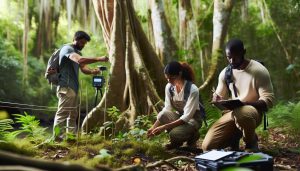
Imagine having the ability to visualize the intricate web of life on our planet with unmatched precision. Geographic Information Systems (GIS) in ecology empower us to map biodiversity, monitor ecosystems, and analyze environmental changes like never before. This innovative technology transforms complex ecological data into clear visualizations, helping scientists, conservationists, and nature enthusiasts alike understand relationships within our ecosystems. By leveraging GIS, we can tackle pressing environmental challenges, from climate change to habitat loss, by making informed decisions that promote sustainability. As you delve into this exploration of GIS in ecology, you’ll uncover not only its transformative power but also how you can contribute to a healthier planet through informed actions and awareness. Join us in this journey to map life with digital precision and discover the vital role GIS plays in protecting our natural world.
Understanding the Basics of GIS in Ecology
Geographic Information Systems (GIS) are revolutionizing our understanding of ecological dynamics by providing precise mapping and analysis of spatial data. With the ability to layer various datasets and visualize complex relationships, GIS serves as a powerful tool for ecologists aiming to grasp the intricate interactions within ecosystems. By organizing and analyzing geographic information, it enhances our comprehension of how species interact within their habitats, how habitats are distributed across landscapes, and how both are affected by human activities and environmental changes.
In essence, GIS integrates various types of data related to geography, including topography, climate, biological populations, and human impacts. For instance, when researchers map the distribution of a particular species, they can overlay this information with environmental factors such as temperature, precipitation, and land use patterns. This holistic view allows ecologists to identify critical habitats, assess the viability of populations, and develop targeted conservation strategies.
Moreover, GIS supports real-time data collection through mobile technology, enabling field researchers to monitor ecological changes as they happen. This immediate access to data not only facilitates quicker decision-making but also allows for the proactive management of natural resources. As ecologists increasingly adopt GIS technologies, they gain invaluable insights that can guide conservation efforts, inform public policies, and foster sustainable land use planning.
As for practical applications, GIS allows for the creation of detailed biodiversity maps that highlight regions of ecological significance. These maps are instrumental in prioritizing areas for conservation based on species richness, endemism, and other critical ecological factors. Furthermore, the use of GIS in modeling potential climate change scenarios helps predict shifts in species distributions, aiding in the development of adaptable conservation strategies that align with ecosystems’ natural resilience.
The Role of GIS in Ecological Research
The integration of Geographic Information Systems (GIS) into ecological research is akin to giving scientists a powerful lens through which they can view and analyze the complexity of ecosystems. With the ability to map not just the locations of species but also the myriad interactions between organisms and their environments, GIS allows researchers to uncover patterns that would otherwise remain obscured. For instance, by overlaying species distribution data with climate variables, land use patterns, and topographical features, ecologists can identify critical habitats, assess biodiversity, and track changes over time.
One of the profound impacts of GIS in ecological research is its role in enhancing our understanding of habitat fragmentation. As human activities increasingly disrupt natural landscapes, GIS provides tools to visualize and analyze the effects of these changes. Researchers can quantify how habitat size, shape, and isolation influence species survival and reproductive success. This kind of analysis not only aids in conservation planning by pinpointing areas at risk but also helps assess the effectiveness of existing protected areas.
Furthermore, GIS enhances collaboration among researchers, policymakers, and conservationists by providing a common framework for understanding ecological data. By utilizing shared platforms and standardized data sets, stakeholders can engage in more informed discussions about land management and conservation strategies. This collective understanding is crucial in addressing complex issues such as climate change, which requires coordinated efforts to develop adaptive management practices that reflect the dynamic nature of ecosystems.
Lastly, the ability of GIS to visualize data in compelling ways cannot be overstated. Through engaging maps and models, researchers can communicate their findings not just within academic circles but also to the public and decision-makers. By effectively translating scientific jargon into accessible language and visuals, GIS empowers individuals to take informed actions towards environmental stewardship and promotes a greater sense of responsibility for protecting our planet’s rich biodiversity. Outfitting your ecological toolkit with GIS capabilities could not only elevate your research but also contribute significantly to broader conservation efforts.
Applications of GIS in Wildlife Conservation
Utilizing Geographic Information Systems (GIS) in wildlife conservation is like equipping conservationists with a sophisticated toolkit capable of unveiling the hidden narratives of animal populations and their habitats. This technology allows for the integration and analysis of diverse data sets-including species distribution, habitat conditions, and human impacts-providing invaluable insights that drive effective conservation strategies. For instance, through GIS, wildlife biologists can map critical habitats and migratory routes, identifying areas that are essential for the survival of endangered species. This spatial analysis enables targeted conservation efforts, ensuring resources are allocated efficiently where they are needed the most.
One prominent application of GIS in wildlife conservation lies in tracking animal movements and understanding their spatial habits. By employing GPS collars and remote sensing technology, conservationists can create detailed maps illustrating how animals interact with their environment. Such data aids in identifying corridors necessary for migration and dispersal, which are crucial for maintaining genetic diversity. As urbanization and climate change threaten these paths, GIS becomes essential in advocating for critical habitat protection and restoration of interconnected landscapes.
Community Engagement and Citizen Science
Moreover, GIS not only amplifies the efforts of conservation professionals but also empowers local communities and citizen scientists. With user-friendly mapping tools, individuals can contribute valuable data on wildlife sightings and habitat conditions. These contributions enrich the existing datasets, filling gaps in knowledge and enhancing conservation planning. Engaging citizens in wildlife monitoring fosters a sense of stewardship towards local biodiversity, encouraging sustainable practices in their daily lives.
Examples of GIS in Action
Some notable examples highlight the effectiveness of GIS in conservation programs. For instance, the Elephant GPS Tracking Project in Africa uses GIS to monitor elephant movements, enabling better management strategies to mitigate human-wildlife conflict. Similarly, projects dedicated to conserving migratory bird pathways have utilized GIS to map locations of essential breeding and feeding grounds, ensuring these critical habitats are protected. Each successful intervention illustrates the power of GIS in informing conservation decisions that impact the survival of our planet’s wildlife.
In summary, the fusion of GIS technology with wildlife conservation efforts opens new avenues for safeguarding biodiversity. By integrating ecological data with real-time analysis, conservationists can make informed decisions that not only protect endangered species but also promote a future where humans and wildlife coexist sustainably. Embracing GIS is not merely a technological advancement; it is a foundational shift towards a more informed, collaborative approach to protecting the rich tapestry of life on Earth.
Mapping Biodiversity: Techniques and Tools
Mapping biodiversity has become essential in understanding and managing ecosystems, particularly as human activities increasingly threaten the natural world. Geographic Information Systems (GIS) are at the forefront of this effort, providing researchers and conservationists with powerful tools to visually represent and analyze complex data related to species and their habitats. By leveraging GIS technology, we can make significant strides in spatially mapping biodiversity, leading to better decision-making and more effective conservation strategies.
Using GIS for mapping biodiversity involves several key techniques and tools that facilitate data collection and analysis. At its core, remote sensing technology plays a vital role. By capturing satellite or aerial imagery, researchers can observe land-use changes, habitat fragmentation, and environmental stressors affecting ecosystems. Coupled with ground-truthing, where physical checks of data are made in the field, these images can provide an accurate portrait of biodiversity in specific locations.
Essential Techniques for Mapping Biodiversity
A variety of techniques within GIS are employed for capturing and analyzing biodiversity data. These typically include:
- Species Distribution Modeling (SDM): This approach uses environmental data to predict the geographic distribution of species, aiding in assessing their habitats and potential range shifts due to climate change.
- habitat suitability analysis: It evaluates whether certain environments are conducive to supporting established species, accounting for variables like temperature, precipitation, and human activities.
- Geostatistical analysis: This technique allows for the evaluation of spatial patterns in biodiversity, helping to identify areas of high conservation value or regions that require immediate intervention.
The combination of these techniques can yield comprehensive “biodiversity dashboards,” offering rich insights into species richness, endemism, and ecosystem health.
Tools Empowering Biodiversity Mapping
Some of the most effective tools used within GIS for mapping biodiversity include:
- ArcGIS: A versatile platform that enables users to visualize, analyze, and interpret data in ways that reveal trends and patterns in biodiversity.
- QGIS: This open-source alternative provides powerful functionalities without the associated costs, making it accessible for students and grassroots conservation efforts.
- Global Biodiversity Information Facility (GBIF): This network offers access to a rich dataset of species occurrences, helping researchers integrate existing records with new findings.
Utilizing these tools not only enhances the accuracy of data but also fosters collaboration among researchers, land-use planners, and community organizations. GIS serves as the backbone for biodiversity mapping initiatives, providing the digital precision needed to protect our planet’s rich and varied life forms. As we harness these capabilities, we work towards a more sustainable interaction with our natural world, ensuring future generations enjoy the diverse ecosystems that sustain life on Earth.
Integrating GIS with Ecological Modeling
Integrating Geographic Information Systems (GIS) with ecological modeling presents a transformative approach to understanding and managing ecosystems. By combining the spatial analysis capabilities of GIS with the predictive power of ecological models, researchers can create nuanced simulations that reveal how various environmental factors interact over time. This integration allows for the testing of hypotheses in areas such as species behavior, habitat suitability, and the effects of climate change on biodiversity, fostering informed decision-making.
Ecological modeling can take many forms-from simple linear models to complex multi-agent systems, all of which benefit from GIS. For instance, habitat suitability models utilize GIS data to assess potential living conditions for species based on variables such as topography, climate, and land use. By visualizing these models, ecologists can identify critical habitats and make predictions about future shifts in species distributions, particularly under scenarios influenced by climate change.
Practical Applications of GIS and Ecological Modeling
The integration yields practical applications that can have immediate implications for conservation efforts. Here are key areas where this synergy shines:
- Wildlife Corridor Planning: GIS can identify critical migration routes that species use, allowing ecologists to model how changes in land use might impact these pathways. This information is invaluable for designing wildlife corridors that facilitate safe movement and genetic exchange among populations.
- Invasive Species Management: By mapping the current distribution of invasive species and modeling their potential spread, resource managers can prioritize areas for intervention, allocate resources more effectively, and mitigate ecological damage.
- Restoration Ecology: GIS aids in modeling potential outcomes of restoration efforts, simulating how reintroducing native plants and animals might affect ecosystem functions and services.
Through these applications, the integration of GIS and ecological modeling not only enhances research capabilities but also paves the way for effective and sustainable environmental management strategies. Stakeholders, including policymakers, conservation organizations, and community groups, can utilize this integrated approach to design informed policies that protect and restore the delicate balance of ecosystems.
Field Data Collection Methods for GIS
Field data collection is a cornerstone of effective Geographic Information Systems (GIS) in ecology, providing the vital information needed to make informed decisions about ecosystem management and conservation. The accuracy and reliability of GIS analyses hinge on the quality of the data gathered. To achieve this, ecologists utilize a variety of field data collection methods that leverage technology and traditional techniques alike, ensuring that the intricate details of our natural world are accurately captured and represented.
One of the primary methods for collecting field data involves the use of GPS technology. Handheld GPS devices enable researchers to precisely determine the locations of species observations, habitat features, and environmental variables such as soil type and water quality. Additionally, mobile applications designed for ecological research facilitate real-time data entry, allowing ecologists to map and analyze their findings on-site. This immediate integration of data not only enhances accuracy but also expedites the decision-making process regarding management strategies.
Remote sensing is another influential technique that complements field data collection. By utilizing satellite imagery or aerial photography, researchers can observe large areas of land and assess changes over time, such as deforestation or urban expansion. This approach enhances traditional data collection by providing a broader context for localized findings. For example, combining remotely sensed data with on-the-ground observations can illuminate trends in habitat loss, inform conservation priorities, and guide restoration efforts.
Collecting data through community science initiatives also fosters a collaborative approach to ecological research. Engaging local volunteer groups in data collection broadens the dataset while raising awareness about ecological issues within communities. Volunteers can assist in monitoring wildlife populations, assessing biodiversity, and documenting ecological changes, thus playing a vital role in conservation efforts.
As data collection evolves, the integration of drones in fieldwork has emerged as a powerful tool. Drones can cover rugged landscapes and collect high-resolution images that enhance mapping capabilities. They allow researchers to obtain data from previously inaccessible areas, generating detailed topographic maps and even three-dimensional models of habitats, thereby enriching the datasets used in GIS.
Emphasizing reliable data collection methods can significantly enhance ecological studies, paving the way for effective conservation management. By understanding and adopting these techniques, individuals and organizations can contribute to a better understanding of ecosystems-nurturing the health of our planet through informed choices and responsible actions.
Visualizing Ecological Changes with GIS
Visualizing intricate ecological changes through Geographic Information Systems (GIS) provides an unparalleled perspective on our environment. Imagine being able to track the gradual decline of a forest ecosystem or witness the transformation of a wetland over time, all captured in vivid, interactive maps. This capability not only enhances our understanding but also empowers us to make informed decisions about conservation efforts and resource management.
GIS enables ecologists to create dynamic visual representations that illustrate how ecosystems evolve in response to human activities and natural events. For instance, by layering various data sets-such as previous habitat conditions, species distributions, and climate variables-researchers can visualize patterns and trends that might otherwise go unnoticed. A powerful example is the use of GIS to map the spread of invasive species, allowing scientists and land managers to identify impacted areas and strategize effective interventions.
Moreover, the incorporation of time-series data into GIS allows for captivating animations that showcase ecological changes over time. This visual storytelling aids in communicating complex ecological dynamics to stakeholders and the general public, fostering greater awareness and engagement. Whether it’s illustrating the effects of climate change on polar ice melt or the success of restoration projects in local river basins, such visualizations can enhance outreach efforts and support the case for environmental stewardship.
Using GIS also facilitates participatory mapping, where communities can contribute their insights and observations. This collaborative approach not only enriches the data but also empowers local citizens to take an active role in managing and conserving their natural resources. By visualizing ecological changes collectively, communities can strategize on how best to address environmental challenges, creating a sense of ownership and responsibility towards their ecosystems.
Incorporating these visual elements into ecological studies and public outreach can significantly enhance understanding and spur action. By making complex ecological changes accessible and engaging, GIS serves as a pivotal tool in the quest for sustainable ecological practices. Encouraging everyone to embrace this technology can foster a deeper connection with our planet, paving the way for a more informed, eco-conscious society.
Case Studies: Successful GIS Projects in Ecology
Innovative GIS projects are transforming ecological research and conservation efforts globally, demonstrating how technology can enhance our understanding of the environment and aid in protecting it. One notable case study involves the use of GIS in the conservation of the Amazon rainforest. Researchers applied GIS to monitor deforestation rates, generating detailed maps that reveal deforestation hotspots. This information is crucial for policy makers and conservationists, enabling targeted actions to mitigate the impact of logging and agriculture on biodiversity.
Another compelling example is the integration of GIS in marine conservation efforts around the Great Barrier Reef. By utilizing underwater mapping technologies combined with GIS, scientists have created comprehensive maps that document coral reef health and species distributions. This data not only aids in identifying areas most susceptible to bleaching but also informs management strategies for preserving marine biodiversity. The project illustrates how engaging local communities and leveraging citizen science, such as reef monitoring efforts, can enhance the richness of RGIS datasets, making conservation efforts more effective.
In urban ecology, GIS has been pivotal in the study of green spaces in cities. A project in New York City analyzed the distribution and accessibility of parks using GIS to understand their ecological and social impacts. The study revealed disparities in access to green spaces among different neighborhoods, prompting city officials to prioritize park development in underserved areas. Such insights are invaluable for urban planners and community organizers aiming to enhance urban biodiversity while promoting public health.
As you explore these successful GIS projects, consider how similar approaches can be tailored to local environmental needs in your area. Whether it’s mapping local habitats or engaging in community-driven data collection, harnessing the potential of GIS can lead to actionable insights and strengthen conservation initiatives. With a focus on collaboration between scientists, communities, and policymakers, the future of ecological research will continue to thrive, ensuring a healthier planet for generations to come.
Challenges and Limitations of GIS in Ecology
The power of Geographic Information Systems (GIS) is undeniable, yet this sophisticated tool presents its own set of challenges and limitations in ecological research and conservation. Understanding these hurdles can empower researchers and conservationists to devise solutions that enhance the effectiveness of GIS applications.
One significant challenge lies in the data quality and availability. Many ecological datasets can be sparse, outdated, or inconsistent, which can lead to inaccurate analyses and misguided conclusions. This issue is particularly pronounced in remote areas or for lesser-known species where comprehensive data may not be readily available. Furthermore, biases in data collection methods can skew findings, causing misinterpretations in habitat assessments or species distributions. For example, if a survey fails to account for nocturnal animal activity, it might underestimate a predator’s range.
Another critical limitation stems from the technical skills required to effectively use GIS software. A steep learning curve can deter ecologists, particularly those used to traditional field methods who may lack experience with digital mapping or programming. This gap in skills may prevent critical insights from being gleaned from available data or lead to improper use of GIS tools. To address these challenges, effective training and user-friendly software can make a significant difference in broadening the accessibility of GIS for ecological applications.
Finally, resource constraints can significantly impact the ability to implement and maintain GIS systems for ecological work. Many conservation organizations operate with limited funding and staff, making it difficult to invest in the latest technology and training programs. As a result, some projects may lack the rigorous analysis required for informed decision-making, potentially undermining conservation efforts.
Addressing these challenges requires a multi-faceted approach, including collaborations among researchers, technological improvements, and increased funding for data collection and training. By fostering a supportive environment that embraces both the technological potential of GIS and the inherent complexities of ecological research, the field can continue to evolve and respond to the pressing environmental issues of our time.
Future Trends in GIS Technology for Ecology
As we move deeper into the 21st century, the integration of advanced geospatial technologies is becoming increasingly vital for ecological research and conservation efforts. One of the most promising future trends in Geographic Information Systems (GIS) for ecology lies in the application of artificial intelligence (AI) and machine learning. These technologies can enhance data analysis, allowing researchers to uncover complex patterns in ecological data that were previously difficult to detect. For example, AI algorithms can process satellite imagery to monitor land use changes or evaluate habitat conditions over time, facilitating more effective conservation strategies.
Furthermore, the rise of cloud computing is transforming GIS accessibility, enabling real-time collaboration among ecologists from various regions. By utilizing cloud-based platforms, researchers can share and analyze data seamlessly, leading to faster and more informed decision-making in conservation practices. This democratization of data can empower smaller organizations and community-led initiatives, helping them harness GIS technology without the need for extensive infrastructure.
Enhanced Participation through Citizen Science
Citizen science is another emerging trend that is reshaping the landscape of ecological research. By leveraging mobile apps and user-friendly GIS tools, the general public can contribute valuable data on species sightings, pollution levels, and other ecological variables. This grassroots approach not only enriches the data pool available for analysis but also raises awareness about environmental issues and fosters greater community engagement in conservation efforts.
Integration of Internet of Things (IoT) with GIS
The integration of IoT devices with GIS technology presents another exciting frontier. Sensors deployed in natural habitats can collect real-time data on various environmental parameters such as temperature, soil moisture, and wildlife movement. When this data feeds into a GIS system, it provides a dynamic view of ecological changes and allows for timely intervention when issues arise. For instance, tracking animal migrations or observing temperature fluctuations can help managers safeguard habitats against impending climate threats.
Encouragingly, as these innovative trends continue to develop, they promise to make GIS tools more powerful, user-friendly, and accessible to a broader audience. By embracing these advancements, researchers and practitioners can enhance their ecological studies, ultimately leading towards more sustainable practices that benefit both the environment and humanity.
How to Get Started with GIS for Ecological Studies
Starting your journey into Geographic Information Systems (GIS) for ecological studies can feel daunting, but understanding the basics and taking proactive steps can make the process engaging and rewarding. GIS allows researchers and conservationists to visualize and analyze spatial data related to ecological phenomena, which can greatly enhance our understanding of environmental issues and support effective decision-making.
To begin, familiarize yourself with the fundamental concepts of GIS. Many resources, including online courses and tutorials, provide excellent introductions to GIS software, such as ArcGIS and QGIS. These platforms enable users to create maps, analyze spatial relationships, and visualize complex ecological data. Look for educational materials that combine theory with hands-on practice, allowing you to apply what you learn in real-world contexts.
Next, consider identifying a specific ecological question or project that ignites your passion. Whether it’s studying the impact of climate change on local wildlife or mapping biodiversity hotspots in your area, having a clear objective will guide your use of GIS tools. Start collecting data from reputable sources, such as governmental databases, conservation organizations, or field observations. Remember, the quality of your analysis will largely depend on the accuracy and relevance of the data you gather.
Collaboration is key in the ecological field, so engage with other ecologists, researchers, and community members. Participate in workshops, join online forums, or attend conferences to share knowledge and gain insights from those experienced in GIS applications. Additionally, contributing to citizen science projects can offer practical GIS experience while also supporting community-driven ecological efforts.
As you become more comfortable with GIS, explore advanced features like spatial modeling and analysis techniques. These can provide deeper insights into ecological processes and trends, enhancing your ability to inform conservation strategies. Finally, don’t underestimate the power of sharing your findings. Presenting your work to a broader audience can foster engagement and inspire collective action toward ecological preservation.
Incorporating GIS into your ecological studies opens up a world of possibilities that can lead to impactful environmental stewardship. With commitment and curiosity, you’ll be well-equipped to leverage this powerful tool in your pursuit of understanding and protecting our planet.
Resources and Tools for Learning GIS in Ecology
Venturing into GIS for ecological studies is like unlocking a treasure chest of tools and knowledge that can transform our understanding of the environment. With such powerful software at your fingertips, the right resources can enhance your learning experience and guide you in using GIS effectively to analyze ecological data. Whether you’re a novice or looking to deepen your expertise, numerous options are available to support your journey.
Online Courses and Tutorials
Many platforms offer comprehensive online courses tailored specifically for GIS applications in ecology. Websites like Coursera, Udemy, and edX provide courses on GIS fundamentals, data visualization, and specific software training such as ArcGIS and QGIS. Pairing theory with hands-on practice through these courses can solidify your understanding and prepare you for real-world applications.
Books and Academic Journals
Diving into literature can greatly enhance your conceptual grasp of GIS. Books such as “Geographic Information Systems in Ecology” by Andrew M. B. Devaney and “Introduction to Geographic Information Systems” by John Wiley & Sons are excellent resources. Academic journals like Ecological Applications publish cutting-edge research that often includes GIS methodologies, providing insights into how other researchers successfully employ GIS in their work.
GIS Software Tools
Familiarizing yourself with specific GIS software is crucial for practical learning. Free programs such as QGIS offer robust functionalities for mapping and analyzing ecological data. In contrast, ArcGIS is widely used in professional settings. Online forums and communities like Stack Exchange and GIS Stack Exchange are invaluable for troubleshooting and learning from experienced GIS users.
Field Data Collection Apps
Utilizing mobile app technology can enhance your data collection process significantly. Tools like Esri’s Collector and Open Data Kit (ODK) can help you gather field data efficiently, allowing real-time updates and integration with GIS platforms. These applications can simplify the often cumbersome task of data collection, enabling you to focus on analysis and interpretation.
Networking and Community Engagement
Building connections within the ecological and GIS communities can provide essential support. Joining online forums, participating in local conservation groups, or attending workshops and conferences not only enhances your knowledge but also helps you stay updated on the latest GIS technologies and methodologies. Engaging with peers and professionals can open doors for collaboration and shared learning experiences.
With these resources, embracing GIS in ecological studies becomes attainable, paving the way for impactful contributions to environmental research and conservation. Each tool and community serves as a stepping stone toward more profound ecological insights, helping transform data into actionable knowledge for preserving our planet.
Q&A
Q: What is the importance of GIS in ecological studies?
A: GIS is crucial in ecological studies as it allows researchers to visualize, analyze, and interpret spatial data related to ecosystems. This technology helps in understanding patterns, relationships, and trends that inform conservation efforts and biodiversity mapping, providing a digital means to assess ecological health.
Q: How does GIS aid in wildlife conservation efforts?
A: GIS supports wildlife conservation by mapping habitats, tracking animal movements, and analyzing threats to species. By integrating spatial data, conservationists can identify critical areas for protection and develop management strategies that enhance wildlife preservation effectively.
Q: What are some common tools used in GIS for ecology?
A: Common GIS tools for ecology include ArcGIS, QGIS, and Google Earth Engine. These platforms offer features for mapping, spatial analysis, and data visualization, which are essential for conducting ecological research and managing environmental changes.
Q: How can I start using GIS for ecological research?
A: To start using GIS for ecological research, familiarize yourself with GIS software like ArcGIS or QGIS through online tutorials. Additionally, consider taking courses focused on spatial analysis and ecological modeling to build your skills and understanding of applied GIS techniques.
Q: What are the limitations of GIS in ecological applications?
A: While GIS is powerful, limitations include data quality, potential bias in spatial analysis, and the complexity of ecological interactions that may not be fully captured. Understanding these constraints is essential for effective use in ecological studies and decision-making.
Q: In what ways does GIS contribute to biodiversity conservation?
A: GIS contributes to biodiversity conservation by enabling the mapping of species distributions, identifying biodiversity hotspots, and monitoring changes over time. These insights support targeted conservation actions and effective resource allocation.
Q: Why is it essential to visualize ecological changes with GIS?
A: Visualizing ecological changes with GIS is essential as it provides a clear, comprehensible representation of spatial data, making it easier to communicate findings. This visualization aids stakeholders and policymakers in understanding the implications of ecological shifts, fostering informed decision-making.
Q: How can GIS techniques enhance ecological modeling?
A: GIS techniques enhance ecological modeling by integrating diverse data sources, allowing for spatial analysis of ecological processes. This integration supports accurate predictions and simulations, contributing to a deeper understanding of ecological dynamics.
In Retrospect
In exploring “What Is GIS in Ecology: Mapping Life with Digital Precision,” you’ve uncovered how GIS empowers us to understand and protect our environment with unparalleled accuracy. From analyzing biodiversity to planning sustainable habitats, GIS serves as an essential tool in our ecological toolkit. Don’t stop here! Dive deeper into related topics like sustainable living practices or the latest in ecological technology to enhance your knowledge and make a tangible impact.
Are you ready to take the next step? Subscribe to our newsletter for regular insights on eco-friendly tips that can transform your daily life, or consider exploring our resources on green technology and energy-efficient systems. By embracing GIS and its applications, you’re not just learning; you’re contributing to a more sustainable future. Share your thoughts in the comments below and join our community in making informed choices for the planet. Together, let’s map a better world!