Did you know that the survival of species largely hinges on understanding their specific ecological niches? The Grinnellian niche concept delves into the unique environmental conditions necessary for different organisms to thrive. This concept not only illuminates the delicate balance of ecosystems but also spotlights our role in preserving biodiversity. By grasping the intricacies of ecological opportunities, readers can better appreciate the interconnectedness of life and the impact of their actions on the environment. As we face growing environmental challenges, knowing where species can actually live helps us prioritize conservation efforts and sustainable practices that benefit both nature and our communities. Join us as we explore the fascinating world of Grinnellian niches, uncovering insights that empower us to make informed choices for a healthier planet. You’ll find that understanding ecology is not just for scientists-it’s a vital part of caring for our shared home.
What is the Grinnellian Niche and Its Importance?
The concept of the Grinnellian niche centers on the fundamental ecological principle that every species is adapted to specific environments where it thrives best. This niche, proposed by naturalist Joseph Grinnell in the early 20th century, emphasizes the physical and biological conditions necessary for a species to exist. Understanding this idea is essential for biodiversity conservation and effective habitat management, as it highlights the delicate balance between an organism and its environment.
The Grinnellian niche is defined primarily by the environmental tolerances and requirements of a species, including factors such as temperature, humidity, and nutrient availability. As climate patterns shift due to anthropogenic influences, many species face challenges in finding suitable habitats where they can survive and reproduce. For example, as temperatures rise, species traditionally found in cooler climates may be forced to migrate to higher altitudes or latitudes. Recognizing their Grinnellian niches helps researchers predict possible distribution changes and inform conservation strategies.
The importance of the Grinnellian niche extends beyond academic understanding; it serves as a guiding principle for conservation efforts aimed at preserving biological diversity. By focusing on the specific environmental needs of species, conservationists can identify critical habitats that need protection. For instance, targeted habitat restoration can help maintain the integrity of ecosystems where endangered species reside, ensuring they have the necessary resources to thrive.
In practical terms, engaging with the Grinnellian niche concept encourages individuals and organizations to support actions that promote ecological conservation. This can include advocating for sustainable land use practices, participating in habitat restoration projects, or creating awareness about the impacts of climate change on local wildlife. By collectively embracing the principles of the Grinnellian niche, we can contribute to a healthier planet that supports diverse life forms.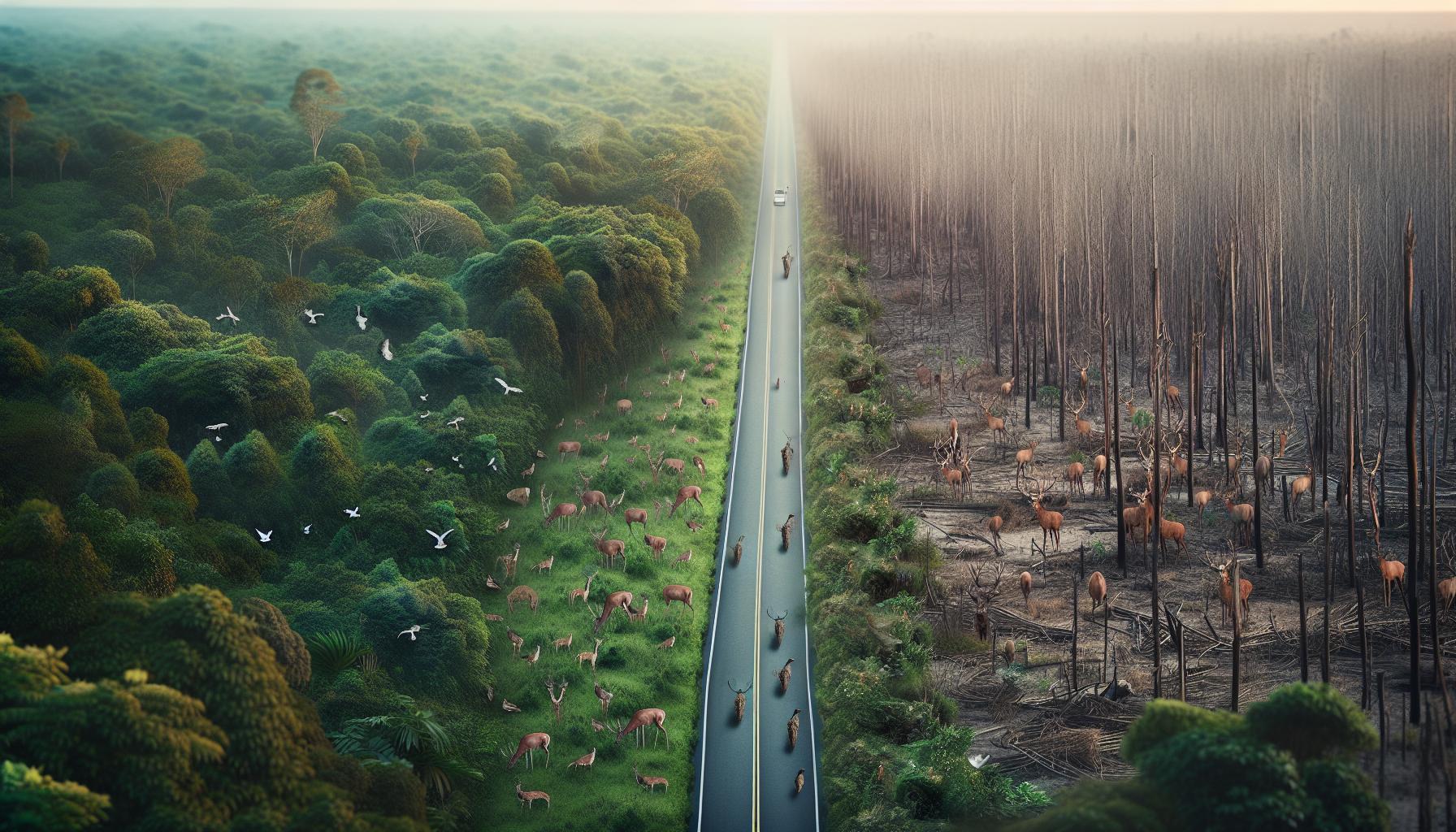
Historical Context: Understanding the Grinnellian Niche
The idea of the Grinnellian niche, shaped by the groundbreaking work of naturalist Joseph Grinnell in the early 20th century, offers pivotal insights into how species interact with their environments. Grinnell posited that each species occupies a specific niche defined by its environmental needs, which include factors like climate, habitat, and resource availability. This concept diverged from earlier understandings of ecological roles, placing a stronger emphasis on the distinct physical and biological conditions required for each species’ survival and flourishing.
Grinnell’s work emerged during a period of growing ecological awareness marked by the exploration of diverse habitats across the Americas. His systematic observations on bird populations and their distributions laid the groundwork for modern ecology. By categorizing species according to their environmental tolerances rather than just their biological characteristics, Grinnell shifted the scientific dialogue toward a more intricate understanding of biodiversity. His perspective was revolutionary; it highlighted that species are not merely passive players in their ecosystems but active participants that depend on specific niches for sustenance and propagation.
Understanding the historical context of the Grinnellian niche is crucial for contemporary conservation efforts. As human activities increasingly impact natural habitats, acknowledging the precise needs of species has never been more important. For instance, the Grinnellian niche framework helps researchers identify critical habitats that require protection amid climate change and urban expansion. By applying Grinnell’s principles, we can better predict how species may be affected by environmental shifts and proactively implement conservation strategies.
Embracing the Grinnellian niche concept empowers individuals and communities to engage more meaningfully with their local ecosystems. Whether through community science initiatives that document species distributions or supporting local conservation efforts, everyone has a role to play. Educating ourselves about the specific needs and habitats of local species fosters a deeper connection to nature and builds a collective responsibility for safeguarding our planet’s biodiversity.
Key Factors Influencing Species Distribution
Understanding the intricate web of factors that govern species distribution is crucial for grasping how the Grinnellian niche operates. At the core of this concept is the idea that different species thrive in distinct environmental settings, influenced primarily by their physical and biological requirements. These parameters encompass a variety of elements, which can be grouped into several key categories.
Environmental Conditions
The primary factors affecting species distribution are environmental conditions, which include climate, temperature, humidity, and soil types. Each species has specific tolerances and preferences for these variables, deciding where they can flourish. For example, a species like the American alligator thrives in warm, subtropical regions with plenty of freshwater habitats, while the Arctic fox is adapted to the cold environments of the tundra.
Biotic Interactions
Moreover, interactions between species-such as competition, predation, and symbiosis-also play a vital role. Competition for resources, like food and habitat, can restrict a species’ geographic distribution. When two species vie for the same limited resource, often the one better adapted to utilize that resource will prevail, leading to a shift in their respective distributions. For instance, invasive species can outcompete native species, fundamentally altering local ecosystems and threatening biodiversity.
Geographic Barriers
Geographic barriers such as mountains, rivers, and urban areas establish physical limitations on where species can live. These features can isolate populations, leading to evolutionary changes over time due to adaptation or divergence. The Mekong River, for instance, creates distinct habitats for various fish species, often preventing the migration of some species into others’ territories.
Human Activities and Climate Change
Lastly, human activities and climate change are increasingly influential in species distributions. Urban development, deforestation, and agriculture can degrade natural habitats, forcing species into smaller, fragmented areas where their survival becomes precarious. Furthermore, climate change can lead to shifts in temperature and precipitation patterns, compelling species to move to new areas that meet their niche requirements. For instance, many bird species are migrating northward as warming temperatures alter their habitats.
In summary, the distribution of species is a complex interplay of environmental conditions, biotic interactions, geographic barriers, and anthropogenic influences. By understanding these factors, we can better appreciate the delicate balance of ecosystems and take actionable steps to preserve them, ensuring that the diverse forms of life can continue to thrive in their natural niches.
Grinnellian Niche vs. Fundamental Niche: What’s the Difference?
Understanding the distinctions between the Grinnellian niche and the fundamental niche provides vital insights into the ecological dynamics of species existence. The Grinnellian niche concept is rooted in the observable environmental conditions and resources that a species requires to survive and thrive in its natural habitat. This niche encompasses factors like temperature, humidity, and food availability, capturing the reality of where a species actually lives and the habitats it occupies.
In contrast, the fundamental niche refers to the full range of environmental conditions and resources that an organism could theoretically utilize in the absence of competition and other limiting factors. It represents an idealized or theoretical habitat that encompasses all possible conditions suitable for a species. For instance, while the fundamental niche of a species like the American alligator might include various freshwater environments across a wide temperature range, the Grinnellian niche would reflect the actual locations where alligators are found, significantly influenced by climate, competition with other species, and human encroachment.
This distinction has essential implications for conservation strategies and biodiversity efforts. By focusing on the Grinnellian niche, conservationists can prioritize the habitats that species currently utilize, ensuring protection against the pressures of climate change and habitat loss. Recognizing the limits of the fundamental niche can also guide researchers in understanding the potential for species to adapt or migrate in response to changing environments.
Ultimately, both niches serve to illustrate the complex interactions between species and their environments, helping us appreciate why protecting specific habitats is crucial for sustaining biodiversity. By prioritizing research on the Grinnellian niche, we can foster stronger, more informed conservation strategies that align with the actual living conditions and needs of various species.
Case Studies: Grinnellian Niche in Action
The study of Grinnellian niches reveals fascinating insights into how different species adapt to their environments. One striking example is the effect of urbanization on bird populations. Research has shown that various passerine species tend to modify their habitats in response to the urban heat island effect, which alters temperature and food availability. Species like the European starling and house sparrow thrive in urban settings where food sources, such as human refuse, are abundant. This adaptation highlights how the Grinnellian niche is shaped not just by natural factors but also by human influence, demonstrating the necessity of understanding these interactions for effective conservation strategies.
Another remarkable case involves the distribution of specific amphibian species in fragmented ecosystems. Studies in the Appalachian region have shown that certain frogs, such as the spotted salamander, exhibit distinct Grinnellian niches defined by microhabitat preferences (e.g., moisture levels and types of vegetation). In areas experiencing habitat fragmentation due to logging and agriculture, these species struggle to find suitable habitats despite having a broader fundamental niche. This situation underscores the practical importance of preserving habitat corridors that allow movement and genetic exchange between populations, thereby maintaining their ecological resilience.
Sea turtles provide a compelling example of how Grinnellian niches are influenced by climate change. As global temperatures rise, the nesting sites of species like the loggerhead turtle shift toward higher latitudes in search of optimal nesting temperatures. However, this movement also puts them at risk of human encroachment in these new territories. Conservation efforts focus on protecting these emerging critical nesting sites, illustrating how proactive measures can safeguard species operating within their Grinnellian niches.
In light of these case studies, it’s clear that recognizing the complexities of Grinnellian niches is vital for fostering a biodiversity-friendly approach to land use and conservation. Understanding how species interact with their environments allows conservationists to develop tailored strategies that support actual ecological needs, ultimately enhancing the resilience of ecosystems in the face of ongoing changes.
Impact of Climate Change on Grinnellian Niches
As the planet warms, the delicate balance of ecosystems is disrupted, forcing species to navigate a rapidly changing environment. One of the most crucial concepts in understanding this phenomenon is the Grinnellian niche, which refers to the specific environmental conditions that a species requires to thrive. Climate change, with its associated shifts in temperature and precipitation patterns, poses significant challenges to these niches, leading many species to either adapt, migrate, or face drastic declines.
Changes in climate zones can disrupt the habitats that organisms depend on for survival. For instance, the breeding grounds of migratory birds may shift further north due to warmer temperatures, resulting in a mismatch between breeding and food availability. Similarly, some plant species are struggling to disperse their seeds to newly suitable habitats, leading to a decline in their populations. Species like the whitebark pine in western North America highlight this challenge, as warming temperatures threaten their growth and reproductive success, ultimately altering the entire ecosystem that depends on them.
It’s vital to recognize that not all species can simply move to new locations. Many are restricted by geographical barriers or specific habitat requirements that their Grinnellian niches dictate. For example, amphibians such as frogs and salamanders often have limited ranges and specific breeding habitats. As climate change alters rainfall patterns, these species find their niche becoming less viable, leading to population declines. In some cases, they may even face extinction if suitable habitats cannot be found.
To mitigate these impacts, conservation strategies are focusing on preserving existing habitats while creating corridors that facilitate species movement. This not only supports biodiversity but also enhances ecosystem resilience. Simple actions can also make a positive difference at a local level. Planting native species in gardens, reducing carbon footprints, and supporting sustainable land use can contribute to maintaining the delicate balance within Grinnellian niches. By fostering awareness and proactive engagement, we can help ensure that all species have a fighting chance in the face of climate change.
The Role of Biodiversity in Grinnellian Niches
Maintaining biodiversity is crucial for the stability and function of Grinnellian niches. A diverse array of species within an ecosystem enhances its resilience and adaptability, allowing it to withstand environmental changes, such as those brought on by climate shifts. Biodiversity influences the dynamic interactions between organisms and their environments, establishing a web of relationships that supports the essential processes of nutrient cycling, pollination, and habitat formation. When biodiversity is high, ecosystems can better absorb shocks from disturbances and recover from stresses, ensuring that Grinnellian niches remain viable for a broader range of species.
Increased biodiversity also means greater functional redundancy within ecosystems. This redundancy ensures that if one species declines or disappears, others can fill its ecological role. For example, if certain pollinators become scarce due to habitat loss or climate change, other pollinators can take over their roles, helping sustain plant reproduction processes. Similarly, diverse predator populations can balance prey species, maintaining ecosystem equilibrium. Protecting these intricate relationships is vital, as it allows organisms to thrive within their specific Grinnellian niches.
To support biodiversity and thus reinforce Grinnellian niches in local ecosystems, individuals can take practical steps. Planting native vegetation in gardens not only attracts local wildlife but also creates a habitat conducive to the survival of various species. Reducing usage of pesticides and herbicides, promoting organic gardening practices, and creating habitats such as rain gardens or native wildflower patches can further enhance local biodiversity. In addition, participating in community conservation initiatives or local wildlife habitats fosters a collaborative effort to maintain and restore ecosystems supportive of diverse species populations.
In conclusion, the intricate connection between biodiversity and Grinnellian niches highlights the importance of preserving both. By prioritizing biodiversity through conscious actions in everyday life, individuals can contribute significantly to the resilience of ecosystems, ensuring that the dynamics of life within these niches continue to flourish even amidst ongoing environmental changes. This proactive approach not only safeguards species survival but also fosters a healthier, more vibrant planet for all.
Conservation Strategies for Protecting Niche Spaces
Conserving the unique spaces where species thrive is vital for maintaining biodiversity and ecosystem health. The Grinnellian niche emphasizes the specific environmental conditions that allow species to exist and prosper. When these conditions are compromised, it can lead to significant ecological shifts and the potential decline of numerous species. Understanding and implementing effective conservation strategies is crucial for protecting these niche spaces.
One essential approach is to promote habitat restoration efforts. This can involve reforestation, wetlands restoration, or the removal of invasive species that threaten local ecosystems. Community involvement is key in these initiatives, as local volunteers can participate in planting native trees, cleaning up natural areas, and monitoring the health of habitats. For example, a community undertaking a tree-planting campaign not only helps restore local flora but also provides critical habitat for wildlife that relies on those trees.
Another effective strategy is the establishment of protected areas, which serve as refuges for diverse species by limiting human impact. These areas can include national parks, wildlife reserves, and marine protected zones. Government policies and funding play a pivotal role in creating and maintaining these protected spaces. Advocating for and supporting legislation that prioritizes conservation can amplify these efforts and ensure that vulnerable ecosystems receive the attention they need.
- Education and Awareness: Raising awareness about the importance of Grinnellian niches can foster greater community support for conservation initiatives. Workshops, seminars, and social media campaigns can effectively convey messages about the significance of biodiversity and practical steps individuals can take to contribute.
- Sustainable Practices: Encouraging sustainable land use practices, such as organic farming, reduces the negative impacts of agriculture on surrounding ecosystems. These methods help maintain the integrity of local habitats while allowing for productive landscapes.
- Citizen Science: Engaging the public in monitoring species and their habitats can yield invaluable data for researchers and policymakers. By participating in citizen science projects, communities can contribute to conservation efforts and develop a deeper connection with their local environment.
Through these strategies, individuals and communities can work to ensure the survival of species within their unique Grinnellian niches. It is crucial to recognize that every small action contributes to a broader impact. Supporting local ecosystems is not just an environmentalist’s responsibility; it is a collective duty that reinforces our connection to the planet. By fostering a culture of conservation, we can inspire others to join in protecting the essential habitats that sustain our planet’s incredible biodiversity.
Applications of Grinnellian Niche in Ecology and Conservation
Understanding the application of the Grinnellian niche offers vital insights for enhancing biodiversity conservation efforts and ecological management strategies. The Grinnellian niche focuses primarily on the abiotic factors-such as temperature, humidity, and resource availability-that dictate the habitats suitable for various species. Recognizing these specific requirements allows researchers and practitioners to create targeted conservation efforts that ensure species not only survive but thrive within their preferred environments.
One practical application of the Grinnellian niche is in habitat restoration. By identifying the precise environmental conditions necessary for vulnerable or endangered species, conservationists can implement restoration projects that recreate these habitats. For example, in regions where native flora has been displaced by invasive species, understanding the delicate balance of the Grinnellian niche can inform reforestation projects that prioritize the reintroduction of native plant species. These plants are often critical for maintaining the intricate food webs and ecological relationships that support local wildlife.
Another significant application lies in climate change adaptation strategies. As climate conditions shift, many species may find their traditional Grinnellian niches altered or destroyed. By understanding how these niches function, conservationists can predict potential range shifts for species and can proactively establish wildlife corridors and protected areas that facilitate the movement of species seeking suitable habitats. This foresight is crucial for maintaining genetic diversity and ecosystem resilience in the face of rapid environmental changes.
Moreover, integrating Grinnellian niche concepts into study frameworks can enhance conservation policy-making. Policymakers armed with detailed ecological niche data can devise more informed regulations that prioritize the most crucial habitats and resources. For instance, areas that serve as integral breeding or migration grounds can be protected under environmental regulations, thus ensuring these vital niches continue to support biodiversity.
In summary, applying the principles of the Grinnellian niche directly intertwines ecological understanding with practical conservation initiatives, paving the way for more successful and sustainable ecological management practices. By focusing on the specific needs of species in their respective niches, we can create resilient ecosystems capable of adapting to future challenges. Embracing this knowledge fosters a robust stewardship approach, encouraging communities and individuals alike to engage in meaningful conservation actions that reinforce our interconnectedness with the natural world.
Future Research Directions on Grinnellian Niches
Research into Grinnellian niches is gaining momentum as a crucial component of understanding ecological systems and species conservation. As the complexities of climate change and habitat loss intensify, new research directions are vital for adapting our conservation strategies to ensure the survival of species and ecosystems. Upcoming studies can adopt a multi-disciplinary approach that integrates fieldwork, remote sensing, and data modeling to gain comprehensive insights into how species interact with their abiotic environments.
One promising avenue of research is the examination of how shifts in climate variables affect the distribution of species across different geographical regions. Scientists can create dynamic models that simulate altered abiotic conditions due to climate fluctuations and predict how species’ Grinnellian niches might shift over time. This predictive modeling can help conservationists identify critical habitats that need protection and restoration efforts before species are displaced.
Furthermore, exploring the interplay between Grinnellian and Eltonian niches-where the former emphasizes abiotic factors and the latter focuses on biotic interactions-can provide a richer understanding of ecological dynamics. Studies could investigate how changes in species interactions, such as competition and predation, affect species distributions under varying abiotic conditions. Interdisciplinary collaborations among ecologists, climate scientists, and policy makers will enhance the impact of this research, ensuring that findings translate into practical conservation policies and practices.
Lastly, involving local communities in participatory research can create stronger connections between science and conservation action. By integrating traditional ecological knowledge with scientific research, we can cultivate innovative solutions that are culturally and locally relevant. Community-led initiatives can monitor species habitats, providing invaluable data on the state of local ecosystems while fostering stewardship among residents. In this way, the future of Grinnellian niche research not only enhances ecological understanding but also empowers individuals to safeguard their natural environments.
In essence, the continued exploration of Grinnellian niches promises exciting advancements in ecology, conservation, and sustainable living practices, driving us towards a more resilient future for the planet.
How to Observe and Research Grinnellian Niches
To effectively observe and research Grinnellian niches-those specific ecological spaces where species can thrive based solely on abiotic factors-investing time in hands-on field studies and utilizing modern technology is paramount. This space is characterized not just by the presence of species, but by understanding the specific environmental conditions they require. Engaging in this research can lead to significant insights about how climate change and habitat alteration affect the survival of different organisms.
One effective method of studying Grinnellian niches is through field sampling. Researchers can set up a structured approach by selecting various habitats that exhibit different abiotic conditions such as soil type, moisture levels, sunlight exposure, and temperature gradients. By recording the presence of particular species alongside these environmental factors, researchers can create a detailed species-environment matrix. This approach allows for the analysis of patterns of distribution that reveal how species are influenced by specific niche conditions.
Incorporating technology can further enhance observations. Using remote sensing tools such as satellite imagery aids in capturing large-scale environmental changes, while Geographic Information Systems (GIS) can help map the distribution of species in relation to changing abiotic variables. For instance, researchers can track shifts in temperature or precipitation over time and predict corresponding changes in species distributions based on previously established Grinnellian niches.
Additionally, understanding the biological interactions associated with these niches enhances research. Workshops or educational sessions that focus on local biodiversity can empower community members to collect data on local species, noting important abiotic conditions. By fostering community engagement, it’s possible to gather extensive data while promoting stewardship and awareness of ecological issues.
Whether through field research, technological enhancements, or community involvement, observing and researching Grinnellian niches offers a multidimensional view of ecology. The insights gained not only contribute to the scientific community’s understanding of species distributions but also inform conservation strategies crucial for maintaining biodiversity amid rapid environmental change. By actively participating in and promoting these research efforts, individuals can play a vital role in the preservation of their local ecosystems as well as the planet’s ecological health.
Practical Tips for Supporting Local Biodiversity
Embracing local biodiversity can be an incredibly rewarding endeavor, offering not only ecological benefits but also enhancing your connection to the environment. One of the most accessible ways to make a positive impact is by creating spaces that support native species and their unique Grinnellian niches. Whether you have a large backyard, a small balcony, or even just a few window boxes, you can contribute to the preservation of local ecosystems.
Start by incorporating native plants into your landscaping. These plants are typically well-adapted to your local climate and soil conditions, requiring less water and maintenance compared to non-native species. You can visit local nurseries or botanical gardens to find a variety of options. By selecting plants that provide food and habitat for native insects, birds, and other wildlife, you’ll be promoting a healthy, balanced ecosystem. Consider including a mix of flowering plants to attract pollinators and shrubs that offer shelter for small animals.
Another impactful choice is reducing or eliminating pesticide use. Many chemical pesticides can harm beneficial insects and disrupt ecological relationships within your garden. Instead, embrace natural pest management strategies, such as introducing beneficial insects like ladybugs or using organic alternatives. Cultivating a diverse garden with a variety of plants can also help manage pests naturally through companion planting strategies, promoting a thriving ecosystem.
Creating wildlife-friendly spaces is equally essential. Simple changes like installing birdhouses, bat boxes, or bee hotels make your area more welcoming for various creatures. Additionally, leaving small areas of your yard or garden a little wild-such as letting some native grasses grow or allowing fallen leaves to decompose-can provide essential habitat for insects and other wildlife. You might also consider setting up a rain garden, which can help filter runoff and provide a habitat for amphibians and insects.
Lastly, community engagement is a powerful way to amplify your efforts. Join or support local conservation organizations or participate in citizen science initiatives that focus on monitoring local biodiversity. Sharing your experiences and encouraging others to make small changes can create a collective impact that extends far beyond your immediate surroundings. Through these actions, you not only help sustain local species and their habitats but also enrich your own life through a deeper connection with the natural world.
Faq
Q: What are the main characteristics of a Grinnellian niche?
A: A Grinnellian niche encompasses the abiotic conditions essential for a species’ survival, including temperature, humidity, and resource availability. It defines the specific environmental requirements that govern where a species can thrive. Understanding these characteristics aids in predicting species distribution patterns in changing climates.
Q: Why is the Grinnellian niche important for conservation?
A: The Grinnellian niche is crucial for conservation as it highlights the specific habitat requirements of species, informing preservation efforts. By understanding these needs, conservationists can create effective strategies to protect endangered species and their environments, ensuring biodiversity persistence.
Q: How does the Grinnellian niche differ from the realized niche?
A: The Grinnellian niche focuses on the abiotic factors affecting a species’ potential habitat, while the realized niche considers both biotic interactions and abiotic factors that limit a species’ actual presence in an ecosystem. This distinction helps in understanding species distribution in real-world conditions.
Q: How can habitat loss impact Grinnellian niches?
A: Habitat loss can significantly affect Grinnellian niches by reducing the availability of essential abiotic conditions for species survival. This disruption can lead to decreased populations, shifts in species distribution, and increased vulnerability to extinction, emphasizing the need for proactive conservation efforts.
Q: What role does climate change play in altering Grinnellian niches?
A: Climate change alters Grinnellian niches by modifying the abiotic factors that define a species’ habitat, such as temperature and precipitation patterns. These changes can lead to shifts in species distributions and threaten ecosystems, making it essential to monitor and adapt conservation strategies accordingly.
Q: How can researchers observe Grinnellian niches effectively?
A: Researchers can observe Grinnellian niches using tools like ecological modeling, field surveys, and remote sensing. These methods allow for assessing environmental conditions, species distributions, and interactions, helping to map ideal habitats and monitor changes related to climate impact.
Q: What techniques are used for measuring the Grinnellian niche?
A: Techniques for measuring the Grinnellian niche include ecological modeling, geographic information systems (GIS), and statistical analysis of species distribution data. These methods help identify the specific environmental conditions under which a species can thrive, facilitating better understanding and management practices.
Q: What can individuals do to help protect Grinnellian niches?
A: Individuals can help protect Grinnellian niches by advocating for conservation policies, participating in local habitat restoration projects, and reducing their environmental footprint. Supporting biodiversity-friendly practices and educating others on ecological importance can foster community involvement in niche preservation efforts.
In Conclusion
Understanding the Grinnellian niche helps us grasp where species can thrive and adapt in our changing world. By recognizing the importance of environmental factors and climate change on species distribution, we can better appreciate biodiversity and its fragile balance. To deepen your knowledge, explore our articles on the impact of climate on ecosystems and the essentials of species-area relationships.
Take action today by subscribing to our newsletter for updates on sustainability tips that connect ecological concepts with practical, eco-friendly choices in your everyday life. Together, we can foster a deeper connection with nature and make informed decisions that promote biodiversity conservation. Share your thoughts and experiences in the comments-your voice matters in this vital conversation!