Did you know that over 70% of the Earth’s land surface is altered by human activities, leading to a phenomenon known as habitat fragmentation? This crisis, where larger habitats are broken into smaller, isolated patches, poses a significant threat to biodiversity and ecosystem health. As natural areas shrink, wildlife struggles to survive, adapting to new realities that often compromise their existence. Understanding habitat fragmentation is crucial for anyone concerned about the future of our planet. By exploring its causes and effects, we can better appreciate our role in fostering a sustainable balance between development and nature. Join us as we delve into the intricacies of habitat fragmentation, revealing how our daily choices can impact ecological integrity and what steps we can take to mitigate this pressing issue. Your awareness and action can contribute to a healthier, more connected world for all living beings.
Understanding Habitat Fragmentation and Its Importance
Ecologists have long warned that habitat fragmentation-where large habitats are broken into smaller, isolated patches-poses a serious risk to biodiversity. This phenomenon, exacerbated by human activities such as urban development, agriculture, and infrastructure, disrupts the natural flow of ecosystems, making it increasingly challenging for species to thrive. For instance, as roads and cities expand, wildlife faces barriers that limit their movement and breeding opportunities, leading to decreased genetic diversity and increased vulnerability to extinction. Understanding habitat fragmentation is critical not only for the survival of myriad species but also for the health of our ecosystems and, ultimately, our own well-being.
The significance of habitat fragmentation extends beyond just wildlife; it has profound implications for ecosystem services, which include everything from pollination and soil fertility to carbon storage and water purification. When habitats are fragmented, these services can be severely disrupted. Pollinators, vital for the reproduction of many plants, often struggle to find enough resources in disjointed landscapes, leading to diminished agricultural yields. Likewise, fragmented forests may experience increased erosion and decreased water quality, impacting both natural ecosystems and human communities dependent on these resources.
Addressing habitat fragmentation requires a multi-faceted approach that recognizes its complexity and the need for sustainable solutions. Creating wildlife corridors, which are routes that connect fragmented habitats, can help facilitate the movement of species. Additionally, engaging local communities in conservation efforts is paramount. By involving residents in habitat restoration projects and providing education on the importance of ecosystem health, we can foster a sense of stewardship and collective action for preserving our natural environments.
Ultimately, recognizing the importance of habitats and taking steps to mitigate fragmentation can lead to more resilient ecosystems. As individuals, we can contribute by supporting local conservation initiatives, advocating for policies that protect natural areas, and making eco-conscious choices in our daily lives. Together, these efforts can help bridge the gaps in our fragmented landscapes, ensuring that both wildlife and humans can coexist harmoniously on this planet.
The Causes of Habitat Fragmentation: A Deep Dive
The breaking apart of habitats is often likened to a jigsaw puzzle, with essential pieces critically missing. Habitat fragmentation occurs when large, continuous areas of land are divided into smaller, isolated patches, disrupting ecosystems and the wildlife they support. Understanding the underlying causes of this phenomenon is crucial for addressing its impacts on biodiversity and ecosystem health.
One of the primary drivers of habitat fragmentation is urban development. As cities expand to accommodate growing populations, natural landscapes are converted into residential and commercial areas. Roads, highways, and infrastructure not only reduce the amount of available habitat but also create barriers to wildlife movement, preventing animals from accessing food, mates, and migratory routes. For instance, the construction of highways often leads to increased roadkill, as species attempt to cross these busy thoroughfares.
Agriculture also plays a significant role in fragmenting habitats. Large-scale farming practices clear vast areas of land, often resulting in isolated patches of natural vegetation. This not only diminishes habitat quality but can lead to a reduction in genetic diversity among species, as populations become confined and isolated from one another. In regions where monoculture is commonplace, such as in the production of corn or soybeans, wildlife struggles to find diverse food sources and cover necessary for survival.
Climate change exacerbates habitat fragmentation by altering ecosystems and placing additional stresses on wildlife. Changes in temperature and rainfall patterns can lead to shifts in species distribution, forcing them into smaller habitats that may be unable to support them. This can result in further isolation and make it even more challenging for species to adapt or migrate in response to changing conditions.
To combat habitat fragmentation, it’s essential for individuals and communities to take actionable steps. Advocating for sustainable urban planning that prioritizes green spaces, supporting local farms that use environmentally friendly practices, and engaging in reforestation and habitat restoration projects can foster healthier ecosystems. By forming a collective commitment to understanding and addressing the causes of habitat fragmentation, we can work towards a more interconnected and resilient natural world.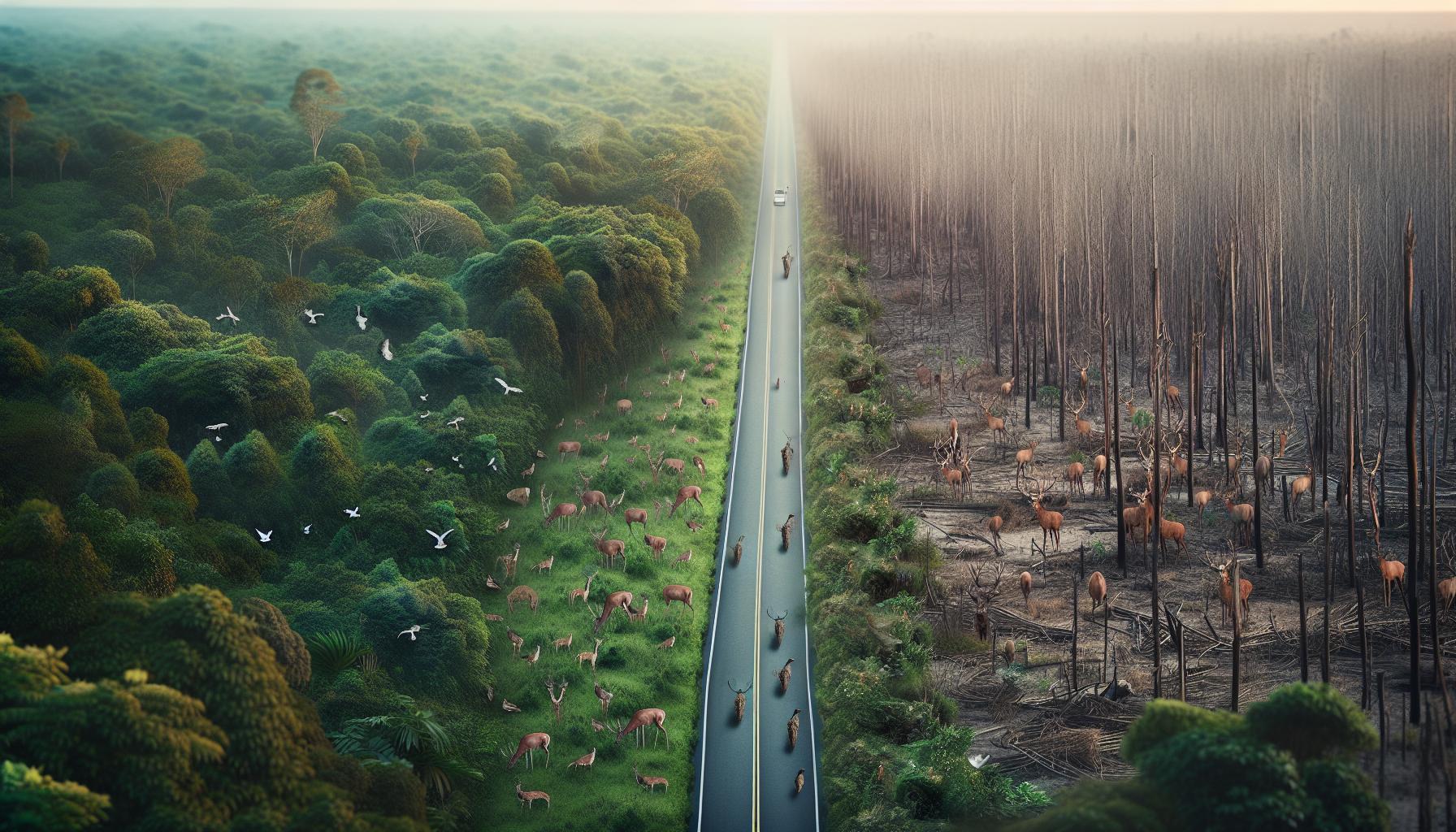
Consequences of Habitat Fragmentation on Biodiversity
The impact of habitat fragmentation on biodiversity is profound and multifaceted, as it disrupts the intricate web of life that sustains ecosystems. When habitats are fragmented into smaller patches, species that once thrived in continuous areas face numerous challenges that threaten their survival. For instance, as habitats shrink, species may struggle to find adequate food, shelter, and mates, leading to declining population numbers and increased vulnerability to extinction.
Loss of Genetic Diversity: In fragmented landscapes, populations can become isolated, resulting in decreased genetic diversity. This isolation hampers species’ ability to adapt to environmental changes, diseases, and other pressures. For example, the Florida panther has faced a severe decline in genetic variability due to habitat fragmentation, influencing the species’ overall health and reproductive success.
Disruption of Ecological Relationships: Fragmentation disrupts the relationships between species and their environments. Predators, prey, and pollinators may become separated from each other, impacting vital ecological processes such as seed dispersal and pollination. Consider the fate of bees; as their habitats fragment, they may find it harder to locate and access diverse flowering plants, threatening both their populations and the plants that depend on their pollination.
Increased Competition and Invasive Species: Fragmented habitats can create conditions that favor the proliferation of invasive species, which often outcompete native species for resources. This competitive advantage can lead to the decline or extinction of native flora and fauna, further destabilizing ecosystems. Urban areas, for example, often provide avenues for invasive species to thrive, overshadowing local wildlife.
Recognizing these consequences of habitat fragmentation is critical for fostering biodiversity. Individuals can make a difference by supporting conservation efforts, advocating for the establishment of wildlife corridors, and participating in local habitat restoration projects. By prioritizing sustainable practices in their own lives and communities, people can help mitigate the impacts of fragmentation, promoting resilient ecosystems where wildlife can flourish.
Real-World Examples of Habitat Fragmentation Impact
The consequences of habitat fragmentation are starkly illustrated in global case studies that reveal the intricate web of ecological interactions and the far-reaching impacts of human activity. Take the case of the Atlantic Forest in Brazil, where agricultural expansion and urban development have resulted in isolated patches of forest, threatening iconic species like the golden lion tamarin. These once-thriving primates now depend on small, fragmented habitats for their survival, making them susceptible to predation, disease, and loss of genetic diversity. Conservation efforts are focused on creating wildlife corridors to connect these fragmented areas, allowing for greater genetic exchange and resilience among populations.
Similarly, in the urban sprawl of Los Angeles, the construction of highways and buildings has divided natural habitats, critically affecting wildlife such as the southern California mountain lion. These animals face challenges in finding mates and crossing roads, leading to increased mortality rates and declining populations. Studies have shown that these barriers can significantly reduce gene flow, making populations more vulnerable to extinction. To combat this issue, initiatives like the creation of green bridges and underpasses are being implemented to enhance connectivity and safety for wildlife, illustrating a proactive approach to mitigating fragmentation.
In Australia, the impact of habitat fragmentation on the koala population serves as another poignant example. Urban development, along with climate impacts, has led to significant habitat loss, forcing these unique marsupials into smaller areas where food resources are limited. As their foraging grounds shrink, koalas are often found to be in conflict with human activity, leading to increased road fatalities and disease transmission. Conservationists are working to restore koala habitats through reforestation projects and land management practices designed to preserve existing populations and increase habitat connectivity.
These examples underscore the urgency of recognizing habitat fragmentation as not merely an environmental issue but as a catalyst for broader ecological crises. By engaging in restoration efforts, supporting policies for sustainable land use, and creating awareness about the importance of habitat connectivity, individuals and communities can play an essential role in reversing the tide of fragmentation, fostering robust ecosystems that thrive in harmony with human development.
Restoration Strategies: Bridging Fragmented Habitats
Implementing effective restoration strategies is essential for rehabilitating fragmented habitats and ensuring the survival of wildlife. One of the most impactful approaches is the establishment of wildlife corridors, which serve as pathways connecting isolated habitats. These corridors enable species to move freely, facilitating gene flow and genetic diversity, which are vital for healthy populations. For instance, the California Department of Transportation has invested in creating green overpasses designed to allow animals like deer and coyotes to cross busy highways safely, reducing their mortality rates and enhancing population resilience.
Another strategy gaining traction is the practice of reforestation and afforestation-planting trees and restoring vegetation in degraded areas. This not only restores habitat but also enhances ecosystem services such as carbon sequestration and soil erosion control. In places like Brazil’s Atlantic Forest, community-led efforts to plant native trees have resulted in significant habitat improvement for species like the endangered golden lion tamarin, creating a more suitable environment for their survival.
Effective restoration also involves community engagement and education. When local communities actively participate in conservation efforts, the chances of success increase dramatically. Programs that promote citizen science, where locals monitor and report on wildlife and habitats, empower communities with knowledge and a sense of responsibility. This stewardship can be particularly important in urban areas, where residents can advocate for green spaces and support policies that mitigate fragmentation.
Moreover, integrating sustainable land-use planning into urban development is crucial. Cities can adopt zoning laws that protect natural habitats and promote the incorporation of green spaces within urban environments. Incorporating green roofs, parks, and community gardens can not only enhance biodiversity but also improve residents’ quality of life. By shifting towards more eco-friendly urban planning, we can ensure that development and conservation go hand in hand, thereby bridging the gaps left by fragmentation.
Ultimately, restoration strategies require a collaborative approach that combines science, community action, and sustainable practices, fostering environments where both wildlife and humans can thrive together. By engaging in these efforts, individuals contribute to a healthier, more connected ecosystem that benefits current and future generations.
How Urban Development Contributes to Habitat Fragmentation
Urban development is a double-edged sword that, while facilitating growth and improving amenities, significantly contributes to habitat fragmentation-the process by which larger habitats are broken into smaller, isolated patches. As cities expand and infrastructure evolves, natural landscapes are often transformed into roads, buildings, and parking lots, disrupting the connectivity of ecosystems. This disruption can prevent wildlife from accessing essential resources such as food, shelter, and mates, leading to population declines and reduced genetic diversity.
One of the most prevalent consequences of urban growth is the increased fragmentation of existing habitats. When forests and wetlands are encroached upon for new developments, the animal species that inhabit these areas may find themselves cut off from larger territories. For example, animals like deer and coyotes require spacious ranges to thrive, but sprawling urban environments limit their movement and can lead to dangerous encounters with traffic. Additionally, urban areas often introduce barriers such as fences and walls, further isolating wildlife populations.
Strategies to Mitigate Habitat Fragmentation
To reconcile urban development with ecological integrity, communities can adopt several practical strategies:
- Implementing Green Spaces: Designing parks and green corridors within urban landscapes allows for wildlife movement and habitat preservation. Facilities that include native plant gardens can also provide food and shelter for local wildlife.
- Smart Zoning Laws: Updating zoning regulations to prioritize preservation of green spaces can curb reckless development. By integrating conservation areas into urban planning, cities can sustain habitats essential for biodiversity.
- Green Infrastructure: Innovative solutions such as green roofs and permeable pavements can reduce runoff and create mini-ecosystems within cities. These features not only support biodiversity but also improve urban aesthetics and reduce heat islands.
Furthermore, communities can engage in local conservation programs, raising awareness about the importance of maintaining connections between habitats. By working together, residents can advocate for policies that protect wildlife corridors and promote sustainable land use. In doing so, urban populations can create environments where nature and modern life coexist harmoniously, fostering a recovery of fragmented landscapes and allowing ecosystems to thrive amid development pressures.
The Role of Climate Change in Habitat Fragmentation
The accelerating pace of climate change poses profound challenges to the integrity of natural habitats around the globe, often exacerbating the already critical issue of habitat fragmentation. As temperatures rise and weather patterns become increasingly unpredictable, ecosystems are forced to adapt, retreat, or fail-and this can severely impact wildlife populations and their migratory patterns. For example, some species may find their optimal habitats shifting poleward or to higher elevations, leading them to cross fragmented landscapes where barriers such as roads and urban developments prevent free movement.
Climate change also alters the critical resources that species rely on for survival. Water availability, food sources, and shelter are all affected by changing weather conditions. This shifting landscape can push vulnerable species into smaller, isolated patches of habitable land, which limits their access to mating opportunities and increases competition for dwindling resources. Species that are already struggling to adapt to fragmented habitats, such as amphibians and certain bird species, are placed at an even greater risk as they confront the dual challenges of climate-induced changes and fragmentation.
To combat these challenges, enhancing connectivity between fragmented habitats is vital. Conservationists advocate for the establishment of wildlife corridors-designated pathways that allow animals to safely navigate between isolated patches of habitat. Communities can participate in this by advocating for land use planning that incorporates these corridors into urban development plans, thus facilitating a movement for species that would otherwise be cut off by human activity or climate-induced changes. Furthermore, restoring natural habitats through reforestation or wetland reclamation can create stepping stones for wildlife to traverse fragmented landscapes more effectively, enabling species to adapt to climate changes more robustly.
Taking proactive steps in our everyday lives, such as supporting policies that prioritize environmental health, can contribute to mitigating the effects of climate change on habitat fragmentation. By minimizing our individual carbon footprints through sustainable practices-like utilizing public transportation, reducing waste, and opting for energy-efficient products-we collectively foster an ecosystem that is more resilient to the challenges posed by climate change. These actions help sustain biodiversity and protect the integrity of natural landscapes, ensuring that wildlife can flourish despite the pressures of an evolving climate.
Innovative Solutions to Combat Habitat Fragmentation
To effectively address the pressing issues of habitat fragmentation, we must embrace a plethora of innovative solutions that not only enhance ecological connectivity but also engage communities in sustainable practices. One compelling approach is the establishment of wildlife corridors-designated areas that allow animals to safely traverse between fragmented habitats. Such corridors can be integrated into urban planning by advocating for green belts and natural reserves that serve as linkages, facilitating movement for species at risk of isolation. For example, the reintroduction of overpasses and underpasses designed for wildlife over busy roads has proven effective in reducing animal-vehicle collisions while enabling safe passage for numerous species.
Another significant strategy is engaging in active habitat restoration efforts. This includes reforestation, wetland restoration, and the rehabilitation of degraded landscapes to create stepping stones that enhance biodiversity. By restoring natural habitats, we can provide critical resources such as food and shelter back to wildlife populations that have been displaced due to fragmentation. Community involvement in these projects not only fosters a sense of stewardship toward local ecosystems but also enhances public awareness of the importance of biodiversity.
Furthermore, adopting low-impact development practices can mitigate the effects of urban expansion on habitats. Techniques like green roofs, permeable pavements, and rain gardens not only reduce runoff and pollution but also create mini-ecosystems that support wildlife. Homeowners can participate by designing their landscapes to include native plant gardens that provide essential resources for pollinators and other wildlife. Initiating community-focused educational programs can empower individuals to contribute actively to conservation efforts, from participating in clean-up events to advocating for protective policies.
Finally, harnessing technology can provide cutting-edge solutions. From using drones for habitat mapping and monitoring wildlife movements to applying artificial intelligence in understanding species interactions in fragmented landscapes, technological innovations have the potential to enhance our conservation strategies. By combining these efforts, we can create resilient ecosystems capable of withstanding the challenges posed by habitat fragmentation while inspiring communities to play an active role in fostering a sustainable future.
The Connection Between Habitat Fragmentation and Ecosystem Services
Habitat fragmentation is more than just an environmental issue; it directly impacts the vital ecosystem services that sustain human life. These services, which include clean air and water, climate regulation, pollination of crops, and the prevention of soil erosion, depend heavily on the interconnectedness of natural habitats. When landscapes become fragmented, these crucial services can be diminished, leading to a decline in both biodiversity and the overall health of our ecosystems.
One of the most significant consequences of habitat fragmentation is its effect on biodiversity, which is directly linked to the provision of ecosystem services. Fragmented habitats can lead to smaller, isolated populations of species that struggle to survive. This loss of species not only disrupts ecological balance but also reduces the resilience of ecosystems. For instance, when pollinators like bees are affected by fragmentation, the resulting decrease in plant diversity can impair food production and disrupt food webs, ultimately impacting agricultural yields and local economies.
Understanding Ecosystem Services Related to Fragmentation
Ecosystem services can generally be categorized into four main types:
- Provisioning Services: These include the supply of food, fresh water, wood, fiber, and genetic resources. Habitat fragmentation can threaten these resources by disrupting food chains and reducing the availability of native species.
- Regulating Services: These services regulate climate, floods, diseases, and water quality. For example, forests play a crucial role in carbon sequestration and climate regulation. Fragmentation can weaken these effects, as smaller forest patches may not capture as much carbon and can be more susceptible to invasive species.
- Supporting Services: This category includes nutrient cycling, soil formation, and primary production. Fragmentation can lead to soil erosion and loss of fertile land, hampering agricultural productivity and leading to increased reliance on chemical fertilizers.
- Cultural Services: These encompass non-material benefits such as recreation, aesthetic enjoyment, and spiritual enrichment that people derive from nature. Fragmentation can reduce access to natural areas, affecting local communities’ quality of life and cultural practices.
Given the intricate connections between habitat integrity and ecosystem services, addressing habitat fragmentation is crucial for maintaining these benefits. One practical step individuals can take is to support policies that promote sustainable land use and habitat restoration practices. This might include participating in community planting events, advocating for urban planning that prioritizes green spaces, or utilizing local resources to educate others about the importance of ecosystem services. Together, we can help preserve the natural frameworks essential for our survival and well-being while fostering a deeper appreciation for the environments we inhabit.
Policy and Community Action Against Habitat Fragmentation
A staggering 1 million species are at risk of extinction, primarily due to habitat fragmentation and related human activities. This alarming statistic underscores the urgency for policy and community engagement in preserving our natural world. By taking proactive steps at both the legislative and grassroots levels, we can combat habitat fragmentation effectively, ensuring the resilience and sustainability of ecosystems for future generations.
One of the foundational aspects of addressing habitat fragmentation lies in strong environmental policies. Governments can enact and enforce regulations that protect critical habitats, promote wildlife corridors, and incentivize sustainable land use. For example, the establishment of conservation easements allows landowners to restrict development on their properties while still maintaining ownership. These easements can connect fragmented habitats, enabling species to migrate and thrive. Additionally, zoning laws that prioritize green spaces in urban planning not only enhance biodiversity but also improve residents’ quality of life.
- Promote Local Conservation Initiatives: Individuals can engage with local conservation organizations to participate in habitat restoration projects, such as reforestation or wetlands preservation.
- Advocate for Green Infrastructure: Support policies that integrate natural systems into urban planning, like green roofs, permeable pavement, and urban parks that facilitate species movement.
- Participate in Community Education: Organize or attend workshops that educate the community about the importance of biodiversity and the impact of fragmentation, empowering locals to take action.
Community engagement plays a pivotal role in the fight against habitat fragmentation. Local citizens can form or join wildlife stewardship groups that monitor local ecosystems and work to create awareness about the consequences of habitat loss. In many communities, grassroots efforts have led to the successful formulation of policies that protect vital habitats. For instance, towns that have come together to advocate for park designations or to implement local food security measures have not only preserved natural areas but have also enhanced local economies through ecotourism.
Incorporating habitat preservation into day-to-day life is also crucial. Residents can embrace eco-conscious living by opting for native plant landscaping, which supports local wildlife while reducing water use and maintenance costs. Even small actions, such as reducing single-use plastics or choosing sustainable products, contribute significantly to decreasing our ecological footprint.
As the challenges posed by habitat fragmentation grow, uniting policy initiatives with community action will empower us to reclaim and restore our natural ecosystems. By fostering a culture of environmental stewardship, we can create a brighter, more sustainable future for all organisms that share this planet.
Engaging Local Communities in Habitat Preservation Efforts
Engaging local communities in habitat preservation is not just an option; it’s a necessity in the fight against habitat fragmentation. When individuals come together, they can create a profound impact on their local environments. Community-driven initiatives amplify efforts to restore natural habitats, educate residents about biodiversity, and promote sustainable practices. Studies show that engaged communities can significantly influence conservation practices, leading to healthier ecosystems and increased species viability.
One effective way to involve local citizens is through organizing community conservation projects, such as tree planting and habitat restoration workshops. By participating in hands-on activities, individuals gain firsthand experience of the challenges facing local ecosystems and the skills necessary to address them. Additionally, creating local wildlife stewardship groups empowers residents to monitor and advocate for their environments. These groups not only educate participants but also raise awareness in the broader community, making conservation a shared priority.
Educational initiatives play a pivotal role in fostering community involvement. Hosting informational workshops or public discussions that explain the importance of preserving natural habitats can demystify the processes of conservation. Providing residents with knowledge about local wildlife, native plant species, and ecological footprints can inspire eco-conscious behaviors. For example, adopting native landscaping practices can enhance local biodiversity while requiring less water and maintenance, benefiting both residents and the environment.
Moreover, leveraging social media and local events can be instrumental in spreading the message about habitat conservation. Campaigns that encourage citizens to share their own conservation efforts or participate in local clean-up days create a sense of community ownership over local natural resources. In essence, when community members feel connected to their environment, they are more likely to take proactive steps in its defense. By collectively pledging to uphold conservation values, communities can become powerful advocates for preserving the natural world around them.
Through collaborative efforts, education, and innovative engagement strategies, local communities can play a transformative role in habitat preservation, ensuring ecosystems remain vibrant and resilient for future generations.
Q&A
Q: What is habitat fragmentation?
A: Habitat fragmentation is the process where large habitats are divided into smaller, isolated patches, often due to human activities like urban development, agriculture, and road construction. This separation can hinder species movement, reduce biodiversity, and affect ecosystem functions.
Q: How does habitat fragmentation impact wildlife?
A: Habitat fragmentation can severely impact wildlife by isolating populations, leading to decreased genetic diversity and increased vulnerability to extinction. Animals may struggle to find food, mates, and safe passageways, resulting in population declines and ecosystem imbalances.
Q: Why is habitat connectivity important?
A: Habitat connectivity is crucial as it allows wildlife to move between fragmented habitats, ensuring gene flow and access to resources. Creating wildlife corridors can mitigate the impacts of fragmentation, supporting healthier ecosystems and species resilience.
Q: What are the main causes of habitat fragmentation?
A: The primary causes of habitat fragmentation include urbanization, agriculture, infrastructure development, logging, and mining. Each of these activities disrupts natural landscapes, creating isolated patches that can compromise wildlife habitats.
Q: How can we restore fragmented habitats?
A: Restoring fragmented habitats involves strategies like reforestation, creating wildlife corridors, and reconnecting isolated areas through land conservation. Engaging local communities and policymakers in these efforts is essential for successful restoration practices.
Q: What role does climate change play in habitat fragmentation?
A: Climate change exacerbates habitat fragmentation by altering ecosystems, affecting species distributions, and putting additional stress on already fragmented habitats. It can lead to shifts in biodiversity and intensify existing threats to wildlife.
Q: How can urban development be managed to reduce habitat fragmentation?
A: Urban development can be managed through smart planning that prioritizes green spaces, supports sustainable practices, and integrates wildlife corridors. Implementing zoning laws that protect critical habitats is key to minimizing fragmentation effects.
Q: What actions can communities take to prevent habitat fragmentation?
A: Communities can prevent habitat fragmentation by promoting conservation initiatives, participating in habitat restoration projects, and advocating for policies that protect natural areas. Education and community engagement are essential to foster a culture of environmental stewardship.
Future Outlook
Understanding habitat fragmentation is crucial for the future of our ecosystems. As we’ve seen, this crisis poses a significant threat to biodiversity and the health of our planet. Now is the time to take action! Explore ways to support habitat restoration and connect with local conservation efforts to make a tangible difference. Dive deeper into related topics, such as the impacts of urbanization on wildlife or practical steps you can take in your own backyard.
For more insights, check out our articles on sustainable living practices, like reducing your ecological footprint and choosing eco-friendly products. Don’t forget to leave a comment below with your thoughts or experiences related to habitat conservation, and share this video to spread awareness. Together, we can nurture a healthier planet for future generations!