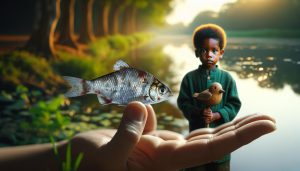
Did you know that more than 70% of our planet is covered by oceans, teeming with diverse life forms and vital ecosystems? Marine ecology unveils the intricate web of relationships that sustain these underwater realms. Understanding marine ecology is not just about appreciating nature; it’s crucial for addressing pressing issues like climate change, overfishing, and habitat destruction. As stewards of the Earth, we all share a responsibility to protect our oceans and the life they harbor. By delving into the secrets of ocean life, you will discover how these ecosystems function and learn actionable ways to support marine conservation. Join us on this enlightening journey to explore the interconnectedness of ocean life, ensuring a healthier planet for future generations.
What Is Marine Ecology and Why It Matters
Marine ecology is more than just a study of the ocean; it serves as a critical lens through which we can understand the intricate relationships that govern marine environments. Every tidal pool, coral reef, and ocean current plays a role in the delicate balance of life in the sea. Marine ecosystems are complex networks where numerous species interact with each other and their physical environment, influencing everything from nutrient cycling to energy flow. This understanding is vital, especially as human activities increasingly threaten these ecosystems, making the preservation of marine life essential not just for aquatic organisms, but for humanity as a whole.
One of the most compelling reasons to study marine ecology is its direct impact on climate regulation and global health. The oceans are integral to the Earth’s climate system, absorbing carbon dioxide and regulating temperatures. Furthermore, they are a source of food and livelihoods for billions of people worldwide. By gaining insight into how marine species respond to changes in their environment, researchers can inform conservation efforts and sustainable practices that ensure both biodiversity and human prosperity.
Engaging with marine ecology encourages individuals to recognize their role in protecting ocean environments. Simple actions, such as supporting sustainable seafood, reducing plastic use, and participating in local beach cleanups, can make a significant difference. As awareness grows, so does the potential for grassroots movements to drive change at policy levels, influencing decisions that affect marine conservation. Embracing marine ecology fosters a sense of responsibility and interconnectedness, inspiring a collective effort to safeguard our oceans for future generations.
The Key Components of Marine Ecosystems
Marine ecosystems are intricate and vital systems that play an essential role in the health of our planet. They encompass a diverse array of environments including coral reefs, estuaries, tidal zones, and open oceans, each inhabited by a myriad of organisms that interact in complex ways. Understanding the key components of these ecosystems not only enriches our knowledge of marine biology but also empowers us to protect and conserve these precious environments.
Habitat Structure
The physical environment within marine ecosystems significantly influences the organisms that thrive there. Habitats such as rocky shores, sandy beaches, seagrass beds, and coral reefs provide different niches for marine life. For example, coral reefs are often called the “rainforests of the sea” due to their incredible biodiversity. The structural complexity of coral colonies creates habitats for numerous species, contributing to high levels of biodiversity and productive communities.
Biotic Components
At the heart of marine ecosystems are the biotic (living) components, including plants, animals, and microorganisms. Phytoplankton and seaweeds form the base of the food web, converting sunlight into energy through photosynthesis. Zooplankton and small fish feed on these primary producers, creating a critical link in energy transfer. Higher trophic levels include larger fish, marine mammals, and birds, all of which play significant roles in the ecosystem. The intricate relationships among these organisms highlight the importance of biodiversity-the variety of life in marine systems ensures stability and resilience, allowing ecosystems to adapt to changes.
Nutrient Cycling
Another fundamental element of marine ecosystems is nutrient cycling, which involves the movement and exchange of nutrients like nitrogen and phosphorus. These cycles are crucial for sustaining life in the ocean. For instance, upwelling zones bring nutrient-rich waters from the deep sea to the surface, fostering rich biological activity and supporting fisheries. Understanding these cycles allows us to see how disturbances-such as pollution or overfishing-can disrupt the balance necessary for healthy ecosystems.
By engaging with the complexities of marine ecosystems, we gain insights into their functioning and can better appreciate our interconnectedness with ocean health. Consider supporting sustainable seafood practices or participating in local conservation efforts as meaningful ways to contribute to the resilience of these vital systems. Every small action contributes to the larger goal of preserving our oceans for future generations.
Exploring Biodiversity in Ocean Life

Did you know that marine ecosystems represent one of the largest reservoirs of biodiversity on Earth? From the vibrant coral reefs teeming with life to the mysterious depths of the open ocean, these ecosystems host an astounding variety of organisms, each playing a unique role in maintaining the health of our planet. The interconnectedness of ocean life is not only fascinating but also crucial for the resilience of global ecosystems.
Biodiversity and Resilience
Marine biodiversity encompasses the variety of life forms, including everything from the tiniest plankton to the largest whales. This diversity is vital for the functioning of ocean ecosystems, contributing to their stability and ability to adapt to changes, such as climate variations and human impacts. For example, different fish species help control algal growth and maintain the balance of marine food webs. A decline in biodiversity, such as through overfishing, can lead to ecosystem collapse, showing just how essential each species is within its habitat.
Examples of Marine Biodiversity
A striking example of this biodiversity is found in coral reefs. Often dubbed the “rainforests of the sea,” coral reefs are home to approximately 25% of all marine species despite covering only a tiny fraction of the ocean floor. These complex structures provide shelter and breeding grounds for countless fish, invertebrates, and other marine organisms. Protecting these reefs is critical, as they are particularly vulnerable to climate change and human activities.
How You Can Make a Difference
Engaging with and supporting marine biodiversity can be simple. Consider adopting sustainable seafood practices by choosing fish certified by organizations such as the Marine Stewardship Council. By opting for seafood that is caught or farmed in eco-friendly ways, you contribute to healthier oceans. Additionally, participating in or donating to local marine conservation initiatives can help restore habitats and promote biodiversity.
Through understanding the significance of biodiversity in ocean life, we can take informed steps to protect these vital ecosystems. Every action-from making more sustainable consumer choices to advocating for the protection of marine habitats-can aid in nurturing the rich tapestry of life beneath the waves.
Understanding the Impact of Climate Change on Oceans

Rising temperatures and increasing carbon dioxide levels are not just atmospheric concerns; they are reshaping the very fabric of our oceans. Climate change is leading to profound transformations in marine ecosystems, significantly affecting their biodiversity, structure, and function. As ocean temperatures rise, many species struggle to adapt, leading to shifts in distribution and population dynamics. For instance, warmer waters encourage the growth of harmful algal blooms, which can deplete oxygen levels and produce toxins detrimental to marine life and even human health.
Coral reefs, often referred to as the “rainforests of the sea,” are particularly vulnerable to climate change. These vibrant ecosystems face severe threats from ocean acidification, a direct consequence of increased CO2 absorption by seawater. As the pH levels drop, coral polyps find it more challenging to build their calcium carbonate skeletons, leading to diminished reef structure. Moreover, phenomena such as coral bleaching-where stressed corals expel the symbiotic algae that provide them with food-are becoming alarmingly frequent. The impacts are not isolated; the decline of coral reefs threatens countless species that rely on these habitats for shelter and food, highlighting the interconnectedness of marine life.
Economic and Cultural Implications
The effects of climate change extend beyond ecological factors; they also pose significant challenges to economies and communities that depend on marine resources. Fisheries are at the forefront, as shifting fish populations can disrupt local economies and traditional fishing practices. Coastal communities risk losing their cultural identities linked to marine life and the sea. Engaging in sustainable seafood practices, supporting policies aimed at reducing carbon emissions, and advocating for marine protected areas can help mitigate these imminent threats.
What You Can Do
Individuals can play an active role in addressing these challenges. Here are some practical steps you can take to contribute to ocean health:
- Reduce your carbon footprint: Use public transportation, carpool, or bike whenever possible, and consider energy-efficient appliances in your home.
- Support sustainable fisheries: Choose seafood certified by credible organizations, like the Marine Stewardship Council, to encourage responsible fishing practices.
- Get involved: Participate in local clean-up efforts or support organizations focused on ocean conservation and climate action.
- Educate others: Share information about climate change impacts on oceans with friends and family to foster a community of awareness and action.
By understanding the multifaceted impacts of climate change on oceans, we can make informed decisions that protect these vital ecosystems for future generations. Every effort, no matter how small, contributes to the resilience of our planet’s marine environments.
The Role of Marine Life in Global Health
Marine life plays a crucial and often underappreciated role in global health, impacting our planet’s well-being, human nutrition, and even the stability of economies. Beyond the food on our plates, the ocean is a vital source of oxygen, accounts for approximately 50% of the Earth’s oxygen supply, and supports ecosystems that regulate climate and recycle nutrients essential for life. Some might be surprised to learn that phytoplankton, microscopic plants in the ocean, produce more oxygen than all terrestrial plants combined. Their health is directly tied to marine biodiversity, making the conservation of marine environments not just an ecological concern, but a health imperative.
Understanding the connection between marine ecosystems and human health can inspire individuals to take action. For instance, fish are not only a critical protein source for billions of people worldwide but also provide essential nutrients for brain development and overall health. Fatty fish, rich in omega-3 fatty acids, contribute to heart health and reduced inflammation. The degradation of ocean habitats threatens fish populations and, consequently, global nutrition. Supporting sustainable fishing practices and protecting fish habitats can significantly enhance food security and public health.
Marine Life and Disease Regulation
The ocean also plays a pivotal role in mitigating disease. Healthy marine ecosystems help regulate pathogens through various natural mechanisms. Coral reefs, for example, are known for their rich biodiversity, which can include organisms that produce compounds with antiviral and antimicrobial properties. These compounds have the potential to lead to breakthroughs in pharmaceuticals, demonstrating that healthy ocean ecosystems can be a source of innovative treatments. By protecting marine biodiversity, we are not only ensuring the survival of species but also safeguarding the future of medical advancements.
Empowering Local Communities
Communities that rely on marine resources often face significant health challenges when these resources are depleted. Sustainable fisheries support local economies and promote food sovereignty, vital for community health. Engaging in local marine conservation efforts can empower these communities, creating jobs and preserving cultural connections to the sea. Individuals can contribute by choosing to support businesses that prioritize sustainable practices and advocating for policies that protect marine environments.
In conclusion, the intricate web of life in our oceans serves as a fundamental pillar of global health. By fostering awareness and promoting sustainable practices, we can all contribute to maintaining the delicate balance of marine ecosystems that directly benefits humanity. Every effort, from reducing plastic usage to supporting marine protected areas, resonates beyond the shores, enhancing health on a global scale and ensuring a healthier future for generations to come.
Conservation Strategies for Protecting Marine Environments

Marine ecosystems, vital to our planet’s health, require robust conservation strategies to safeguard their resilience and biodiversity. With nearly 90% of the ocean’s life remaining unexplored, we can only imagine the untapped potential these vast waters hold. Implementing effective conservation measures not only protects marine life but also preserves the ecological services that benefit humanity.
To start, one of the most effective strategies is the establishment of Marine Protected Areas (MPAs). These designated regions restrict human activity to conserve biodiversity and wildlife. Successful MPAs foster the recovery of depleted fish stocks, enhance resilience to climate change, and protect critical habitats. Countries around the globe, including Palau and Ecuador, have pioneered extensive MPAs that prioritize both ecological integrity and local livelihoods.
Sustainable fishing practices also play an essential role in conservation. Overfishing threatens the balance of marine ecosystems, forcing species to decline or face extinction. Supporting fisheries that employ sustainable methods-such as catch limits, season restrictions, and selective fishing gear-ensures fish populations remain healthy. Consumers can contribute by choosing seafood certified by organizations such as the Marine Stewardship Council (MSC), helping drive demand for sustainable practices in the fishing industry.
Another key component of effective marine conservation involves regulating pollution. Plastic waste, chemicals, and agricultural runoff pose severe threats to ocean ecosystems. Reducing single-use plastics, advocating for better waste management practices, and supporting legislation aimed at pollution reduction are vital steps everyone can take. Simple changes in individual consumption habits, such as using reusable bags and biodegradable products, can collectively make a significant difference.
Type of action plan is equally important in addressing the threats posed by climate change. Investments in restoration projects, such as coral reef rehabilitation and habitat restoration, serve to enhance ecosystem resilience. Additionally, engaging with local communities through education and outreach initiatives fosters stewardship, ensuring that conservation efforts are supported at the grassroots level. By understanding the intrinsic value of marine environments, communities are more likely to champion their protection.
In essence, conserving marine environments requires a multifaceted approach that includes protecting marine areas, promoting sustainable fishing, reducing pollution, and restoring damaged habitats. As we work toward these goals, everyone has a role to play in nurturing the delicate balance of our oceans, promoting ecological health, and supporting the well-being of future generations. By embracing these conservation strategies, we can secure a more sustainable and thriving marine world.
How Human Activities Threaten Ocean Ecosystems
Human activities have a profound and often detrimental impact on ocean ecosystems, creating a complex web of challenges that threaten their health and sustainability. From pollution to overfishing, the consequences of our actions reverberate through marine environments, impacting not only the creatures that inhabit these waters but also the livelihoods and well-being of human communities. A staggering fact: it’s estimated that over 8 million tons of plastic waste end up in the oceans every year, leading to dire consequences for marine life, which can ingest or become entangled in this debris.
One of the primary threats to ocean ecosystems is overfishing, which depletes fish populations and disrupts food webs. Unsustainable fishing practices not only reduce the number of fish available for human consumption but also result in bycatch-the unintentional capture of non-target species, including threatened marine animals such as sea turtles and dolphins. Supporting sustainable seafood sources-like those certified by the Marine Stewardship Council (MSC)-can help avoid this tragedy by promoting fishing practices that maintain healthy populations and ecosystems.
Pollution also poses an insidious threat, with runoff from agriculture introducing harmful chemicals and nutrients into the ocean, triggering events like algal blooms. These blooms can create dead zones, regions so low in oxygen that marine life cannot survive. Additionally, plastics and other waste materials find their way into the ocean, not only suffocating marine life but also breaking down into microplastics that permeate the food chain. Simple everyday actions, such as minimizing plastic use and opting for biodegradable products, can significantly reduce this impact. Advocating for stronger waste management practices at local and national levels empowers individuals to be part of the solution.
Furthermore, the effects of climate change, driven largely by human activity, are shaking the very foundations of marine ecosystems. Rising sea temperatures lead to coral bleaching, a phenomenon endangering coral reefs’ survival and the myriad species that depend on them. Ocean acidification, caused by increased CO2 absorption, further complicates the lives of marine organisms, especially shell-building species like mollusks and certain types of plankton. Individuals can combat climate change by adopting energy-efficient practices in their homes, reducing their carbon footprint, and supporting renewable energy initiatives in their communities.
Addressing requires a collective commitment to understanding these impacts and making informed, sustainable choices. By engaging in local conservation efforts, following sustainable practices, and advocating for policy changes, we can safeguard the ocean’s invaluable resources-ensuring they thrive for generations to come.
Innovative Research in Marine Ecology
Research in marine ecology is pushing the boundaries of our understanding of ocean life and its intricate ecosystems, offering promising insights that can lead to significant conservation efforts. Scientists are increasingly utilizing emerging technologies such as remote sensing, genetic sequencing, and artificial intelligence to gather data about marine organisms and their environments. For example, underwater drones and satellite imagery allow researchers to monitor coral reef health and marine biodiversity in real-time, providing critical data to inform conservation policies. This innovative approach not only enhances the efficiency of data collection but also ensures that the actions taken are rooted in the most current and accurate information available.
Another exciting development in marine ecology research is the focus on bioacoustics-using sound waves to study aquatic life. By capturing the natural sounds of underwater communities, researchers can gain insights into the behaviors and interactions of marine species, from fish to marine mammals. This non-invasive method minimizes disruption to the marine environment while offering a wealth of knowledge on how species communicate and contribute to their ecosystems. Understanding these relationships is essential for effective conservation strategies, especially in areas threatened by human activity and climate change.
Additionally, innovative research is addressing the pressing challenge of plastic pollution. Scientists are exploring biodegradable materials and natural alternatives to traditional plastics, aiming to reduce the ecological footprint of human activities. By studying how certain marine organisms can break down plastics and other materials, researchers are not only educating the public on pollution’s impact but also working on scientific solutions that could refine waste management practices globally. Such initiatives highlight the interconnectedness of marine and terrestrial health, encouraging individuals and businesses to adopt more sustainable practices.
By supporting and disseminating the findings from these innovative research efforts, we create opportunities to inspire collective action for a healthier ocean. Engaging with local marine conservation efforts, such as beach clean-ups and awareness campaigns, can further amplify the impact of this research. Each individual can contribute to the preservation of our oceans by advocating for policies that prioritize marine health, supporting sustainable seafood choices, and minimizing plastic use in daily life. Embracing a proactive approach not only fosters a deeper connection with our oceans but also empowers us to advocate for lasting change in marine conservation.
Sustainable Practices for Ocean Conservation
Embracing sustainable practices is not just an individual choice; it’s a pivotal step towards safeguarding our oceans and marine ecosystems. Every action we take, no matter how small, contributes to protecting the diverse life forms that inhabit our seas. For instance, choosing to minimize plastic use can significantly impact ocean health, as millions of tons of plastic end up in the oceans every year, harming marine life and habitats. By adopting eco-friendly products-such as reusable bags, biodegradable utensils, and personal care items without microbeads-we can collectively reduce our ecological footprint.
One effective way to promote ocean conservation is through the support of sustainable seafood practices. Opting for seafood certified by organizations like the Marine Stewardship Council (MSC) ensures that the fish we consume are sourced from well-managed fisheries that respect the ecosystems they come from. Additionally, being mindful of overfished species and knowing which local seafood is in season can help maintain fish populations and support local economies.
Taking action at home can further enhance your contribution to ocean conservation. Implementing water-saving techniques-like installing low-flow faucets and using native plants in your garden-reduces runoff that can pollute waterways. Furthermore, practicing responsible lawn care by avoiding chemical fertilizers and pesticides can prevent harmful substances from washing into the ocean.
Finally, engaging with your community through local conservation efforts can amplify your impact. Participating in beach clean-ups, advocating for policies that protect marine environments, or educating others about the importance of preserving marine biodiversity fosters a culture of stewardship. These collective actions create a synergy that can lead to significant improvements in ocean health, ensuring vibrant ecosystems for generations to come. Through informed choices and community involvement, we can collectively nurture our oceans, making them resilient against the threats they face today.
Marine Protected Areas: What You Need to Know
One of the most effective tools for conserving marine biodiversity and ensuring resilient ecosystems is the establishment of Marine Protected Areas (MPAs). These designated regions aim to safeguard critical habitats, support fish populations, and preserve the natural marine environment from harmful human activities. With over 7% of the world’s oceans currently designated as MPAs, these areas serve as vital sanctuaries where marine life can thrive without the pressures of overfishing, pollution, or habitat destruction.
MPAs are designed to meet specific ecological and social goals, balancing conservation efforts with the needs of local communities. They come in various forms, from fully protected no-take zones, where all fishing and extraction activities are prohibited, to areas that allow regulated fishing and tourism. Understanding the importance of MPAs involves recognizing their multiple benefits, including the enhancement of fish stocks that spill over into nearby fishing zones, which can bolster local economies. Additionally, these areas contribute to climate resilience by supporting habitats like coral reefs and mangroves, which act as natural buffers against storms and rising sea levels.
To effectively engage in marine conservation, it’s essential to advocate for robust MPA management and support their implementation in your community. You can play a role by volunteering with local organizations focused on marine protection, participating in awareness campaigns, or even joining citizen science projects to monitor the health of marine environments. Being informed about local MPAs-such as their boundaries, regulations, and the unique species they protect-empowers individuals to contribute actively to their conservation.
In addition, fostering a sense of community responsibility towards MPAs can inspire collective action. Encourage sustainable practices by sharing knowledge about the importance of maintaining these protected areas, whether it’s through reducing plastic waste, promoting sustainable fishing practices, or supporting local policies that prioritize marine conservation. By embracing the concept of MPAs and understanding their significance, we can help ensure that our oceans remain vibrant and diverse for generations to come.
Engaging with Local Marine Conservation Efforts
can be a rewarding way to make a meaningful impact on your community and the environment. By participating in these initiatives, you not only contribute to the health of our oceans but also gain valuable insights into marine ecology and the challenges facing marine life today. Local efforts may include everything from beach clean-ups to educational programs and advocacy for sustainable practices, providing ample opportunities for you to get involved.
One effective means to engage is through volunteer opportunities. Many organizations run regular clean-up events on beaches, which not only remove trash but also raise awareness about pollution issues affecting marine ecosystems. Joining these efforts fosters not only environmental consciousness but also community bonding, creating a network of like-minded individuals dedicated to oceans’ health. Additionally, volunteering with local marine research projects can provide hands-on experience with underwater ecosystems, helping you understand the critical roles various species play.
Education plays a central role in conservation. Engaging with local schools or community centers to present workshops about marine life, the importance of biodiversity, and the impacts of climate change can empower others to act. By providing resources for sustainable living-such as promoting the use of biodegradable products or advocating for responsible fishing practices-you can inspire transformative changes that benefit both marine environments and local communities.
Moreover, consider participating in local advocacy efforts aimed at protecting Marine Protected Areas (MPAs) or pushing for stronger regulations on pollution and fishing. Your voice can influence local policy decisions, ensuring that marine protection remains a priority. Use social media and community boards to share information about local marine conservation projects, encouraging others to join in or support these vital causes.
By actively , you not only contribute to preserving the beauty and health of our oceans but also instill a sense of responsibility and connection to the environment in yourself and others. Embrace this opportunity to be part of the solution, making informed choices that reflect your commitment to sustainable living and marine stewardship.
Future Directions in Marine Ecology Research
Amidst the vast blue expanse of our oceans, marine ecology research is entering an exciting new era that promises to deepen our understanding of ocean life while addressing pressing environmental issues. As scientists venture into unexplored depths and utilize advanced technologies, such as autonomous underwater vehicles and sophisticated remote sensing, our grasp of marine ecosystems is evolving in ways previously thought impossible. This innovative approach not only illuminates the complex relationships among marine species but also reveals how these systems respond to stressors such as climate change, pollution, and overfishing.
One of the most promising directions in marine ecology is the study of ecosystem resilience. Researchers are investigating how certain marine species and habitats can adapt or recover from disturbances. For instance, understanding coral reef resilience can inform conservation strategies for these vital ecosystems, which are critical not only for marine biodiversity but also for coastal protection and tourism. By identifying which corals have the highest resilience to temperature extremes, scientists hope to foster these varieties in restoration projects, ensuring a brighter future for our reefs.
In addition to resilience studies, genomic research is revolutionizing our understanding of marine life. By analyzing the genetic codes of different species, scientists are uncovering the underlying mechanisms that enable adaptation to changing environments. This knowledge can guide conservation efforts by highlighting species that are likely to withstand climate change, facilitating targeted protection of those which are more vulnerable.
Moreover, the integration of citizen science into marine research is expanding data collection efforts significantly. Engaging local communities in monitoring marine life not only enhances scientific understanding but also fosters a sense of stewardship. Initiatives that encourage beach clean-ups, species identification, and habitat restoration not only provide valuable insights but also empower individuals to contribute to ocean conservation actively.
As marine ecosystems face unprecedented challenges, the future of marine ecology research lies in a collaborative approach that combines cutting-edge science, community engagement, and practical conservation strategies. By empowering local communities and leveraging innovative technological advances, we can pave the way for sustainable ocean management practices that ensure the health of our seas for generations to come.
Frequently Asked Questions
Q: What is the significance of marine ecology in understanding ocean health?
A: Marine ecology is crucial for assessing ocean health, as it focuses on the interactions between marine organisms and their environments. Understanding these relationships helps identify ecological changes, allowing for effective conservation strategies and the promotion of biodiversity, which is essential for a balanced ecosystem. Connect this with our section on “The Role of Marine Life in Global Health.”
Q: How does marine biodiversity affect ecosystem stability?
A: Marine biodiversity enhances ecosystem stability by providing resilience against environmental changes. Diverse ecosystems are better equipped to withstand disturbances, helping to maintain essential services like carbon storage and nutrient cycling. For more on this topic, refer to “Exploring Biodiversity in Ocean Life.”
Q: What are some common methods used in marine ecological research?
A: Common methods in marine ecological research include field surveys, remote sensing, and laboratory experiments. These techniques help scientists collect data on species interactions, habitat conditions, and environmental changes, facilitating informed conservation efforts. Explore innovative techniques in our “Innovative Research in Marine Ecology” section.
Q: Why is understanding the food web important in marine ecology?
A: Understanding the food web is vital in marine ecology because it illustrates the relationships between species and their environments. It highlights how energy flows through ecosystems, affecting population dynamics and biodiversity. This foundational concept is discussed further in “The Key Components of Marine Ecosystems.”
Q: What role do human activities play in marine ecological changes?
A: Human activities, such as pollution, overfishing, and coastal development, significantly impact marine ecosystems. These actions disrupt the balance of marine life, leading to habitat degradation and species loss. Our article section on “How Human Activities Threaten Ocean Ecosystems” delves deeper into this issue.
Q: How can individuals participate in marine conservation efforts?
A: Individuals can participate in marine conservation by supporting local initiatives, reducing plastic use, and practicing sustainable fishing. Engaging in community awareness programs and advocating for marine protected areas also contributes to healthier oceans. Check out “Engaging with Local Marine Conservation Efforts” for more details.
Q: What future research areas are critical in marine ecology?
A: Future research in marine ecology should focus on the effects of climate change, habitat restoration, and the impacts of invasive species. Innovations in technology, such as drone monitoring and genetic analysis, will be crucial for advancing our understanding and protection of marine environments. More insights can be found in the “Future Directions in Marine Ecology Research” section.
Q: How does climate change directly affect marine ecosystems?
A: Climate change directly impacts marine ecosystems by altering water temperatures, acidifying oceans, and changing sea levels. These changes threaten marine biodiversity and disrupt species’ migration patterns and breeding cycles. To learn more, refer to “Understanding the Impact of Climate Change on Oceans.”
In Retrospect
As we delve into the fascinating world of marine ecology, you now possess essential insights into how ocean life interconnects with our planet’s health. Understanding these relationships not only enriches your knowledge but also empowers you to contribute to marine conservation efforts. Don’t let this newfound understanding fade; dive deeper by exploring our related articles on marine biodiversity and sustainable ocean practices.
Now is the time to take action! Sign up for our newsletter to receive the latest updates on marine biology and sustainable living straight to your inbox. Whether you’re seeking tips on reducing your ecological footprint or exploring eco-friendly technologies, every step you take makes a difference.
Join the conversation by sharing your thoughts below and let’s keep the momentum going as we work together to protect our oceans for future generations. Together, we can make informed decisions that bolster our marine ecosystems and foster a healthier planet.