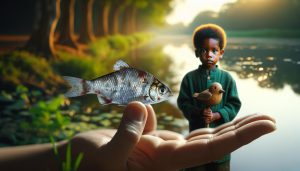
In the intricate web of ecosystems, the concept of a realized niche is crucial in understanding where species ultimately thrive. This niche encompasses the actual conditions and resources that allow a species to live and reproduce successfully, influenced by various environmental factors. As climates shift and habitats change, knowledge of realized niches can empower us to protect biodiversity and make informed decisions about conservation efforts. Understanding how species adapt to their realized niches not only deepens our appreciation for nature’s resilience but also informs our strategies for sustainable living. Join us as we explore this fascinating topic, unlocking the secrets of how different organisms find their homes in an ever-evolving world. Your awareness and actions can contribute to a healthier planet, inspiring wildlife to flourish.
What Is a Realized Niche in Ecology?
In the intricate tapestry of ecology, the concept of a realized niche is pivotal, encapsulating where a species truly thrives and survives in its environment. Unlike the fundamental niche, which represents the full range of environmental conditions and resources a species could theoretically occupy, the realized niche accounts for the actual conditions under which a species exists. This distinction is essential for understanding species interactions and community dynamics in diverse ecosystems.
A realized niche is shaped by a multitude of factors, including biotic interactions such as competition and predation, as well as abiotic factors like climate and soil type. For instance, a plant species might be capable of growing in various soil types (fundamental niche) but may only thrive in specific areas due to competition with other plants or herbivory (realized niche). This subset of conditions underlines how competition can limit a species’ distribution and affect its ecological success.
Moreover, the realized niche is not static; it adapts to changing environmental circumstances. Factors such as climate change, habitat destruction, and the introduction of invasive species can lead to shifts in a species’ realized niche, thereby altering the ecological balance. As species respond to these pressures, understanding their realized niches becomes crucial for effective conservation strategies.
In essence, recognizing the nuances of a realized niche can empower individuals and communities to take informed action in preserving biodiversity. By advocating for sustainable practices that maintain habitat integrity and reduce competition from invasive species, everyone can contribute to maintaining the delicate balance within ecosystems. Each small effort is a step forward in ensuring that every species finds its place in the grand ecological mosaic of our planet.
Understanding the Concept of Fundamental Niche
In the realm of ecology, the concept of the fundamental niche serves as a foundation for understanding how species interact with their environment. This term refers to the entire range of environmental conditions and resources that a particular species can potentially occupy and utilize without interference from other species. Imagine a plant that could thrive in various soil types, moisture levels, and light conditions-this diversity of possibilities outlines its fundamental niche.
However, while the fundamental niche illustrates potential, it doesn’t account for the realities imposed by other living organisms and environmental factors. For instance, in an area where this plant faces intense competition from hardier species or encounters herbivores that feed on it, its actual distribution will likely be much more limited. This means the fundamental niche is more theoretical, showcasing what could be possible under ideal conditions, while the realities of ecological interactions create a more confined space for the species, known as the realized niche.
Understanding the fundamental niche is crucial for effective conservation strategies and biodiversity management. When we appreciate the potential habitats of species, we can better evaluate how changes in the environment-such as climate shifts or habitat destruction-might affect them. Educating ourselves about these intricate dynamics empowers communities to make informed decisions that can help protect diverse species and their habitats. For those looking to foster biodiversity in their own backyards, considering factors like creating diverse plant communities and minimizing competition can mirror the principles of a fundamental niche, ultimately encouraging a healthy and thriving ecosystem.
Thus, embracing the concept of the fundamental niche not only enriches our understanding of ecological relationships but also inspires actionable steps toward sustainable living and environmental stewardship. By investing in practices that honor the complexity of natural systems, we can contribute positively to the ecosystems we share, promoting resilience and biodiversity in both urban and rural settings.
Key Differences Between Fundamental and Realized Niches
In ecology, understanding the interplay between two concepts-fundamental niches and realized niches-can profoundly enhance our approach to conservation and biodiversity. While the fundamental niche represents the full spectrum of environmental conditions in which a species could theoretically thrive, the realized niche reflects the actual conditions under which a species exists in the presence of biotic interactions such as competition, predation, and cooperation. This distinction is not just academic; it has real-world implications for how we protect and manage species populations.
One of the key differences lies in environmental influences. The fundamental niche encompasses all possible habitats a species might exploit if resources were unlimited and if there were no competitors or predators. In contrast, the realized niche is shaped by these opposing forces, showcasing a more restricted living space characterized by species interactions. For example, a species of bird might have a fundamental niche that includes various woodlands, but if it competes with stronger species for food and nesting sites, its realized niche might be limited to less competitive habitats.
Another crucial aspect is resource availability. The fundamental niche often implies access to ideal resources, while the realized niche surfaces in a landscape marked by scarcity and competition. This limitation can lead to the phenomenon known as niche differentiation, where species evolve different strategies or adapt to occupy specific ecological roles to avoid direct competition. For instance, in a forest, various tree species might coexist by exploiting different heights in the canopy, thereby each occupying their own realized niche, even though they might share a more extensive fundamental niche.
Moreover, these two niches respond differently to environmental change. When conditions shift-due to climate change, habitat destruction, or invasive species-the realized niche can shrink or shift dramatically, influencing the survival and reproductive success of species. While a species may be physiologically suited to thrive in a variety of conditions (its fundamental niche), the actual habitats it can occupy in a rapidly changing world may be severely limited by existing ecological dynamics. This underscores the importance for conservationists to consider both the fundamental and realized niches when developing management strategies, ensuring that interventions address not only the physical habitat but also the broader community interactions at play.
Understanding and appreciating the differences between these two niches empowers us as stewards of the environment, guiding effective conservation practices and encouraging biodiversity resilience in a complex natural world. By recognizing factors like competition and environmental restrictions, we can make informed decisions about land use, habitat restoration, and species protection that honor the delicate balance of our ecosystems.
Factors Influencing Species Realized Niches
In understanding how species occupy their realized niches, one must consider a multitude of factors that heavily influence where and how organisms thrive in their environments. The interactions between species, the availability of resources, and environmental conditions play pivotal roles in shaping these niches. By appreciating these dynamics, we can better grasp the ecological balance and apply this knowledge in real-world conservation efforts.
Biotic Interactions
Biotic factors, or living interactions, profoundly shape realized niches. Competition for resources such as food, water, and shelter often dictates a species’ presence in a particular area. Take the classic example of two bird species that compete for the same type of insect for food. If one species has a competitive advantage due to size or foraging behavior, the other might be forced to retreat to less favorable habitats, thereby altering its realized niche. These types of interactions can lead to niche differentiation, where species adapt their behaviors and physical traits to minimize competition and coexist.
Resource Availability
The abundance and distribution of resources are also critical determinants of realized niches. A species may have the physiological capabilities to thrive across various environments, but if key resources are scarce, its actual habitat will be limited. For example, plants that thrive in nutrient-rich soils will struggle and potentially fail in poorly nourished conditions. Furthermore, seasonal changes can alter resource availability; migratory birds may shift their realized niche depending on the food supply in breeding versus wintering grounds.
Environmental Factors
Environmental conditions such as temperature, humidity, and light also play crucial roles. Species often have specific physiological tolerances that dictate the environments they can inhabit. For instance, corals are sensitive to temperature changes, and as ocean temperatures rise due to climate change, their ecological niches become increasingly restricted. Additionally, habitat fragmentation caused by human activity can lead to isolated populations that may not thrive if their realized niche doesn’t provide sufficient resources or mates for reproduction.
By delving into these factors, we gain insight into the complexities of ecological systems and the delicate balance that governs species survival. Implementing conservation actions that preserve existing habitats and restore connectivity between fragmented ecosystems can help ensure that species continue to find suitable realized niches. Such practices not only support individual species but also contribute to broader ecological health, thereby fostering biodiversity and resilience in the face of environmental changes.
The Role of Competition in Shaping Niches
The intricate dance of competition among species is a vital force that shapes the ecological landscape and determines where organisms can thrive. For instance, consider two distinct plant species existing in the same habitat, both vying for sunlight, water, and nutrients in the soil. If one species can grow taller and outcompete the other for light, it will secure a more favorable niche, pushing the less vigorous species into suboptimal areas where resources are scarce. This profound impact of competition not only influences individual survival but can also lead to fascinating consequences for ecosystem dynamics.
When two species occupy overlapping niches, the competition may drive one or both to adapt through a process called character displacement. This evolutionary phenomenon allows species to diverge slightly in traits to reduce direct competition, such as different feeding habits or habitat preferences. A practical example can be seen in African seed-eating finches, where species have developed variations in beak size that enable them to exploit different seed types. By carving out their own niches, these birds can coexist within the same geographical area, showcasing nature’s remarkable adaptability.
The role of competition extends beyond mere survival; it also helps maintain biodiversity, which is essential for resilient ecosystems. A diverse array of species promotes stability, allowing ecosystems to better withstand and recover from environmental changes. For those interested in eco-conscious living, understanding these dynamics can inform sustainable practices. For example, encouraging native plant growth in your garden not only supports local wildlife but also minimizes competition with invasive species that could disrupt the ecological balance.
Incorporating the lessons learned from competition, we can actively participate in enhancing our natural surroundings. Simple actions-such as planting a mix of native species, promoting companion planting in gardens, or participating in local conservation efforts-can empower individuals to make a significant and positive impact on their ecological community. As we recognize the interconnectedness of life, we can foster environments that respect these delicate relationships, contributing to healthier, more sustainable ecosystems for future generations.
Examples of Realized Niches in Nature
In the intricate tapestry of ecosystems, realized niches illustrate the specific roles and spaces that species actually occupy and utilize, shaped by a variety of factors like competition, predation, and environmental conditions. One compelling example is the coexistence of different bird species in tropical rainforests. In these biodiverse environments, species such as the orange-bellied parrot and various types of toucans have adapted to exploit particular layers of the forest canopy, with the parrots favoring mid-level foliage while toucans thrive in the upper canopies. This separation, driven by their unique feeding habits and preferred food sources, underscores how realized niches can promote biodiversity and reduce competition among similar species.
Another fascinating instance is found in the intertidal zones along coastlines, where different mollusk species establish their realized niches based on their specific adaptations to tidal fluctuations and predation pressures. For instance, the keyhole limpet often occupies harder substrates in the upper intertidal zone to avoid wave action and predators, while the more flexible sea snail can thrive in the lower zones with slightly more stable conditions. These adaptations reveal how organisms find their realized niches amid challenging environments, balancing survival needs against ecological pressures.
Fungi provide another vivid illustration of realized niches, particularly in forest ecosystems. The mycorrhizal fungi establish mutualistic relationships with tree roots, significantly influencing nutrient exchange. Different fungi specialize in associating with specific tree species-for example, some may form partnerships with oaks while others prefer pines-showcasing how realized niches can be heavily interconnected with the plants they support. This interaction not only affects the health and growth of individual trees but also the overall composition of forest ecosystems, promoting a rich web of life.
Understanding these realized niches does not just satisfy our scientific curiosity; it can also guide our actions toward sustainable living. By recognizing the importance of preserving diverse habitats and supporting the unique needs of various species, we can engage in eco-friendly practices like using native plants in landscaping or supporting local biodiversity initiatives that foster such intricate relationships. Each step taken to honor these ecological roles contributes to robust ecosystems capable of supporting diverse life forms, ultimately benefiting our planet and ourselves.
How Environmental Changes Affect Realized Niches
Environmental changes exert a powerful influence on the realized niches of species, often reshaping ecosystems in profound ways. For instance, climate change is altering temperature and precipitation patterns, which can lead to shifts in the distributions of plants and animals. A striking example of this is seen in mountain ecosystems, where species adapted to specific altitudes may find their available habitat moving upward as temperatures rise, potentially limiting their range and impacting the delicate balance of those habitats.
The introduction of invasive species can also disrupt established realized niches. When a non-native species enters an ecosystem, it may compete with native species for resources such as food, space, and light. This competition can force native species to adapt, relocate, or in some cases, face local extinction. A classic case is the introduction of the brown tree snake in Guam, which has led to the rapid decline of several bird species that previously thrived in that environment. The altered dynamics of the realized niches in such scenarios highlight the fragility of ecological relationships and the cascading effects that can arise from seemingly isolated events.
Changes in land use, such as urbanization and agriculture, further affect realized niches by fragmenting habitats and altering ecological interactions. For example, urban areas can create “edge effects” where species that thrive in disturbed environments may outcompete others adapted to stable habitats. This not only changes the diversity of species in these areas but can also affect overall biodiversity at a larger scale, as the loss of habitats and connections between them limits the movement and migration of species.
To mitigate these impacts and help preserve the rich tapestry of life within ecosystems, adopting sustainable practices is imperative. Individuals can support local biodiversity by creating native plant gardens, utilizing sustainable materials in renovations, and promoting policies that protect natural habitats. By making conscious choices, such as reducing our ecological footprints and advocating for responsible land-use planning, we can contribute to a healthier planet where realized niches can sustain diverse and resilient communities. Each small action, like choosing to support businesses that prioritize sustainability, can collectively enhance the ability of ecosystems to adapt to environmental changes while preserving the intricate balance of species that define our world.
Niches and Biodiversity: A Crucial Connection
The intricate interplay between species’ realized niches and biodiversity forms the foundation of healthy ecosystems. A realized niche represents the actual conditions and resources a species utilizes in its environment, influenced by competition, predation, and environmental factors. This concept is not just academic; it holds profound implications for understanding how various species coexist and how ecosystems remain resilient against disturbances.
When species adapt their realized niches, they contribute to *biodiversity*, enhancing ecosystem stability and productivity. Biodiversity, in turn, is vital for ecosystem services-such as pollination, water purification, and disease regulation-that are essential for human survival and well-being. For example, consider the diverse plant life in tropical rainforests: each species occupies a particular niche based on light availability, water requirements, and soil type. The loss of even a single species can disrupt these intricate relationships, leading to declines in other species that rely on them for shelter or food, illustrating how interconnected our ecological networks are.
To nurture this delicate balance, individuals can adopt practices that promote biodiversity within their local environments. Here are some actionable steps that can be taken:
- Create native plant gardens: By selecting local flora, you support local wildlife and help maintain the habitats essential for many native species.
- Support organic farming: Purchasing organic produce encourages agricultural methods that sustain biodiversity and minimize chemical use.
- Engage in reforestation efforts: Participating in tree-planting initiatives restores habitats and creates new niches for wildlife, thus enhancing ecological resilience.
- Advocate for wildlife corridors: Supporting policies that establish connectivity between fragmented habitats enables species to migrate and adapt in response to environmental changes.
The connection between realized niches and biodiversity emphasizes our collective responsibility to use resources wisely and protect natural habitats. Each action, however small, contributes to the health of our planet, fostering ecosystems that can adapt and thrive even in the face of climate change or human impact. The more we understand and appreciate these relationships, the more empowered we become to make choices that enrich our environment and ensure a sustainable future for all species.
The Impact of Climate Change on Species Niches
Climate change is reshaping ecosystems and significantly impacting species niches, pushing many organisms to adapt quickly or face extinction. As temperatures rise and precipitation patterns shift, species must either migrate to more suitable environments or alter their behaviors and reproductive patterns to survive. These changes can result in a cascade of effects throughout ecosystems. For instance, when climate change alters the habitats that particular species rely on, it can lead to a mismatch in predator-prey dynamics, disruption of pollination networks, and changes in competitive relationships.
As species attempt to adjust their realized niches in response to these environmental alterations, they may face new challenges. Some species may be unable to migrate fast enough to keep pace with changing conditions, particularly those in fragmented habitats where connectivity is limited. This displacement can lead to population declines and extinction, particularly among species that have narrow habitat requirements or are already at risk. Conversely, opportunistic species might thrive in altered conditions, leading to shifts in community composition that can reduce biodiversity.
To mitigate the impacts of climate change on species niches, practical actions can be taken at both individual and community levels. Here are some effective strategies:
- Support conservation efforts: Engaging in or donating to organizations focused on habitat preservation helps maintain the environments essential for vulnerable species.
- Promote sustainable practices: Adopting energy-efficient technologies and reducing carbon footprints can alleviate some of the pressures contributing to climate change.
- Encourage native biodiversity: By landscaping with native plants, many of which are more resilient to local climate fluctuations, individuals can provide habitat for local wildlife.
- Participate in citizen science: Get involved in local ecological monitoring projects to help track how climate change is affecting wildlife and ecosystems.
Recognizing the urgency of climate change’s effects on species niches fosters not only awareness but also empowerment. Each individual can contribute to positive change by actively supporting conservation and sustainability initiatives, thus helping to protect and preserve the intricate relationships within our ecosystems. By understanding and acting on these connections, we not only safeguard the flora and fauna around us but also enhance our own well-being and that of future generations.
Human Influence on Realized Niches: A Case Study
The intricate relationships between human activity and ecological niches are becoming increasingly evident as we witness firsthand the impact of urbanization and agriculture on wildlife habitats. One striking case study can be seen in the red-tailed hawk (Buteo jamaicensis), a species renowned for its adaptability. Originally thriving in expansive forests and open fields, many red-tailed hawks have altered their realized niches, moving into urban environments. This shift, primarily driven by the availability of alternative prey and nesting sites in man-made structures, showcases how humans can inadvertently create new opportunities for certain species.
Urbanization and Habitat Modification
Urban areas are often thought of as deserts for wildlife, but they can also become vibrant ecosystems that support various species. Red-tailed hawks have thrived in cities where they rely on food sources such as pigeons and rodents. The vertical structures of buildings provide ideal perching sites, allowing these birds to scout for prey. This phenomenon reflects how human alterations to landscapes can redefine the realized niches of wildlife, often favoring generalist species that can capitalize on the resources of urban settings while putting pressure on specialized species that cannot adapt.
Lessons in Ecosystem Management
The case of the red-tailed hawk serves as a reminder of the species-specific responses to human influence-some thrive, while others face decline. Understanding these dynamics is crucial for managing ecosystems effectively. For instance, conservation strategies should consider how habitat modifications, like green roofs or urban parks, can create safe spaces for both predators and their prey. By fostering biodiversity in urban environments, we help maintain ecological balance, reducing conflicts between wildlife and human populations.
To further support species like the red-tailed hawk, individuals can participate in community efforts such as responsible landscaping practices that include native plants and minimizing pesticide use. These actions not only enhance the habitats for urban wildlife but also encourage community engagement in biodiversity initiatives.
The remarkable adaptation of species like the red-tailed hawk highlights the dual role of human influence in ecology: as a potential disruptor but also as an opportunity creator. By recognizing these intricate relationships, we can take actionable steps to promote eco-friendly urban designs and policies that support thriving wildlife populations in harmony with human development.
Applications of Realized Niches in Conservation Biology
Understanding the is crucial for effective management and restoration of ecosystems. In essence, realized niches illustrate where species actually thrive within their environments, often shaped by biotic interactions such as competition and predation, as well as abiotic factors like climate and habitat availability. This understanding can directly inform conservation strategies aimed at protecting vulnerable species and ecosystems in the face of environmental changes.
One practical application lies in habitat restoration efforts. By recognizing the realized niches of various species, conservationists can prioritize the rehabilitation of areas that support a diverse array of organisms. For instance, when restoring wetlands, it’s vital to consider which species currently use these niches and ensure that the specific conditions required for their survival-such as water levels, plant diversity, and overall habitat connectivity-are reinstated. This targeted approach can help encourage the return of not just keystone species but also the myriad organisms that depend on them.
Moreover, understanding realized niches allows for better management of invasive species. By examining how invasive species exploit available niches, conservationists can devise targeted strategies to mitigate their effects on native populations. For example, if an invasive plant species outcompetes native flora by occupying similar niches, management practices can focus on reintroducing native plants that provide essential resources for local fauna or altering the environment to favor the native species instead.
Ultimately, recognizing and applying the concept of realized niches can lead to more sustainable conservation practices. By tailoring interventions to specific ecological needs, conservationists can enhance biodiversity and ecosystem resilience. Community involvement is equally vital; local residents can be encouraged to plant native species and create wildlife-friendly spaces, ensuring that urban and rural landscapes alike support rich ecological networks. Together, these efforts foster a healthier planet with thriving ecosystems that benefit both wildlife and human communities.
Future Research Directions in Niche Studies
The study of realized niches is an evolving field that holds significant implications for our understanding of ecological dynamics and biodiversity preservation. As environmental challenges intensify and species increasingly face habitat degradation, competition, and climate change, future research must delve deeper into the complexities of how species occupy their niches. Innovative approaches and interdisciplinary collaborations will be crucial to uncovering the intricate relationships among species, their environments, and the influences of human activity.
One promising area for exploration is the integration of advanced technologies, such as remote sensing and ecological modeling, to monitor and predict shifts in species distributions over time. By employing Geographic Information Systems (GIS) and machine learning algorithms, researchers can analyze large datasets to identify patterns in niche occupancy that may not be immediately apparent. This data-driven approach can help predict how changes in climate and habitat conditions affect realized niches, providing insights into potential conservation strategies.
Furthermore, examining the role of emergent phenomena-such as network interactions within ecosystems-can shed light on the multifaceted nature of realized niches. Investigating how species interactions evolve, especially under stressors like invasive species or climate fluctuations, will enhance our understanding of biodiversity resilience. Encouraging collaborative efforts between ecologists, conservationists, and local communities can foster adaptive management practices that are responsive to the findings from ongoing research.
Lastly, incorporating socio-economic factors into niche studies can help bridge the gap between ecology and sustainable development. Understanding how human practices influence ecological niches will facilitate the development of community-based conservation strategies that engage local stakeholders. Empowering communities to actively participate in conservation efforts not only enriches the biodiversity of their environments but also nurtures a communal sense of stewardship that is vital for the long-term success of ecological initiatives.
In summary, the future of niche studies must embrace a holistic perspective, combining technological advancements, ecological theories, and community engagement. By broadening the scope of research and emphasizing collaborative approaches, scientists can pave the way for innovative solutions to preserve the rich tapestry of life on Earth.
Frequently Asked Questions
Q: What is the difference between realized niche and fundamental niche?
A: The realized niche refers to the actual conditions and resources in which a species exists due to biotic and abiotic factors, whereas the fundamental niche encompasses all potential conditions where a species could survive without such limitations.
Q: How do environmental changes impact realized niches?
A: Environmental changes, such as climate shifts or habitat destruction, can alter resource availability and competition, leading to shifts in species populations and the areas where they can successfully thrive, hence changing their realized niches.
Q: Why is understanding realized niches important for conservation?
A: Understanding realized niches helps conservationists identify key habitats and interactions necessary for species survival. It provides insight into how to protect ecosystems and manage resources effectively to maintain biodiversity.
Q: What role does competition play in defining realized niches?
A: Competition influences realized niches by constraining where species can live and thrive. Species that share resources may exclude one another from certain areas, leading to decreased population sizes in less favorable habitats.
Q: Can you give an example of a realized niche?
A: An example of a realized niche is the barnacle Balanus balanoides, which thrives in intertidal zones. Competing species limit its distribution to specific areas within this zone, making its realized niche smaller than its fundamental niche.
Q: How do human activities affect species realized niches?
A: Human activities, such as urban development and pollution, can degrade habitats, reduce resource availability, and increase competition, significantly altering realized niches and leading to declines in species populations.
Q: What methods can researchers use to study realized niches?
A: Researchers study realized niches through field surveys, ecological modeling, and analyses of species interactions and environmental factors, allowing them to assess how different variables influence species distribution.
Q: How can understanding realized niches contribute to biodiversity conservation?
A: By understanding realized niches, conservationists can prioritize areas for protection, manage species interactions, and develop strategies to mitigate threats, ensuring that ecosystems remain resilient and biodiversity thrives.
To Wrap It Up
Understanding the realized niche is crucial for appreciating the intricate balance of ecosystems and the specific habitats where species thrive. By diving deeper into these concepts, you empower yourself to make more informed decisions about biodiversity and conservation. Don’t miss out on exploring related topics such as ecological footprints or sustainable living practices that further enrich our understanding of environmental science.
Join our community by signing up for our newsletter, where you’ll receive insightful resources and updates on how to make a positive impact on our planet. Take the next step in your journey and discover practical tips for sustainable housing and eco-friendly products that can transform your lifestyle. Engage with us in the comments section; we’d love to hear your thoughts on how species’ realized niches influence our environment. Remember, every small choice contributes to a healthier planet!