Did you know that the balance of species in an ecosystem can directly influence its health and resilience? Species evenness, a key concept in ecology, refers to how evenly individuals are distributed among the various species within a community. Understanding this balance is crucial for addressing environmental challenges and promoting biodiversity. When certain species are overly dominant, ecosystems can become vulnerable and less adaptable to changes, such as climate shifts or habitat loss. By exploring species evenness, we can better appreciate the intricate web of life around us and take steps toward sustainable living. This knowledge empowers us to make informed choices that support our planet’s health, reminding us that every species plays a vital role in our shared ecosystem. Dive deeper into this essential topic to discover how fostering a balanced distribution of species can enhance our natural world and contribute to our collective well-being.
What Is Species Evenness and Why It Matters
The balance of species distribution within an ecosystem, known as species evenness, plays a crucial role in maintaining the health and resilience of natural communities. When the populations of various species are relatively equal, ecosystems tend to be more stable, vibrant, and capable of withstanding environmental stresses, such as climate change or habitat destruction. This balance can have profound implications for ecosystem services-such as pollination, nutrient cycling, and carbon storage-that are vital for human survival as well as for biodiversity.
In thriving ecosystems, no single species dominates excessively; rather, a diverse array of species coexists in harmony. For instance, in a forest, a healthy distribution might include a variety of trees, shrubs, and undergrowth that together create a complex web of relationships. Each species contributes to the ecosystem’s functionality; therefore, higher evenness supports greater resilience, allowing the ecosystem to adapt better to changes or disturbances. In contrast, ecosystems with low species evenness-where one or two species dominate-can become fragile, making them more susceptible to diseases, invasive species, and extinction events.
Promoting species evenness is not only critical for environmental health but also offers actionable insights for individuals and communities eager to live more sustainably. Encouraging local biodiversity by planting native species, supporting organic farming, and participating in conservation efforts are practical steps that can help restore balance in ecosystems. By embracing these eco-friendly practices, we not only improve ecosystem health but also enhance the services that these natural systems provide, fostering a more resilient planet for future generations.
Understanding the Concept of Species Evenness
Understanding species evenness is essential to grasp how ecosystems function and thrive. It refers to the relative abundance of different species within a community. When species evenness is high, it means that the populations of various species are roughly equal, promoting a balanced ecosystem. This balance not only enhances biodiversity but also contributes to the stability and resilience of an environment, allowing it to better withstand stressors like climate change or disease outbreaks.
To illustrate the significance of species evenness, consider a coral reef ecosystem, which is often home to a diverse range of species, from fish to invertebrates. If one species, such as a particular fish, becomes too dominant, it can disrupt the delicate balance of the habitat, leading to overgrazing of algae or depletion of essential resources, ultimately harming the entire ecosystem. Conversely, a coral reef with numerous species coexisting in balanced populations is more likely to flourish, providing critical benefits such as fish habitat, coastal protection, and tourism revenue.
Individuals can support species evenness through actionable steps in their own lives. Simple practices like creating wildlife-friendly gardens with a variety of native plants can provide habitats that support diverse species. Participating in local conservation initiatives aimed at restoring natural habitats also makes a real difference. Moreover, being mindful consumers-choosing sustainable products and supporting eco-friendly businesses-can collectively foster environments where species evenness can thrive, contributing to healthier ecosystems. By understanding and promoting species evenness, everyone can play a part in maintaining ecological balance, ultimately enhancing the well-being of the planet.
Measuring Species Evenness: Techniques and Tools
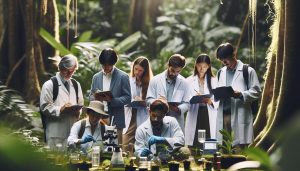
To truly appreciate the balance of life in ecosystems, one must delve into the measurement of species evenness. This key ecological metric quantitatively reflects the distribution of species in a community and reveals how evenly or unevenly species are represented. The significance of species evenness lies in its capacity to provide insights into ecosystem health and resilience; thus, utilizing effective techniques and tools for measurement is essential for researchers and conservationists alike.
One common method for assessing species evenness is the use of indices, such as the Simpson’s Diversity Index or the Shannon-Wiener Index. These statistical tools can account for both species richness and the relative abundance of each species. They offer quantitative assessments that help ecologists evaluate the balance in communities. For example, a community dominated by a single species will yield a low evenness score, indicating a disrupted balance. Furthermore, researchers often employ techniques such as transect sampling and quadrat sampling. In transect sampling, line or belt transects are established in a habitat, and species abundance is recorded along the length. Quadrat sampling involves laying out square plots in a given area and documenting all species within those plots to assess abundance and distribution.
Data collection is just the first step; analyzing it effectively is crucial. Software like R or specialized ecological tools can help process large datasets to calculate evenness. Including Geographic Information Systems (GIS) can further enhance understanding by visualizing species distribution across landscapes, allowing for a spatial analysis of evenness and aiding in conservation decisions.
Engaging in citizen science initiatives can also contribute to measuring species evenness. By encouraging community involvement in local biodiversity monitoring projects-such as bioblitzes-individuals can help gather data that scientists can then use to assess ecological balance. This collaborative approach not only enriches scientific research but also cultivates a deeper connection between individuals and their environment, fostering an eco-conscious mindset that can ripple through communities. By understanding and measuring species evenness through various techniques and tools, everyone has the power to contribute positively to maintaining the delicate equilibrium of our ecosystems.
Factors Influencing Species Evenness in Ecosystems
In the intricate web of ecosystems, the balance of life hinges significantly on species evenness-the degree to which species are represented evenly within a community. Several factors influence this delicate dynamic, shaping the biodiversity that can flourish in any given environment. For instance, habitat complexity plays a crucial role; more complex habitats, such as forests or coral reefs, typically support a higher diversity of niches, allowing multiple species to coexist while minimizing competition. In contrast, simpler habitats may favor a few dominant species, leading to lower evenness.
Another critical element is resource availability. Diverse resources, such as food and shelter, contribute to the survival of various species, promoting a more balanced representation. When resources are scarce or unevenly distributed, some species may thrive while others struggle, creating an imbalance that can destabilize the entire ecosystem. Climate conditions also wield considerable influence; for example, areas with mild climates often support greater biodiversity, fostering an environment where species can thrive.
Human activities further complicate these natural processes. Land-use change, such as deforestation and urbanization, often disrupts habitats and alters resource availability, diminishing species evenness. For instance, the conversion of a diverse landscape into monoculture farms can drastically reduce the variety of species that can inhabit the area, leading to a collapse in evenness. Additionally, pollution and climate change can exacerbate these effects by altering habitat conditions and species interactions, pushing vulnerable species to the brink of extinction while others proliferate unchecked.
It’s vital for individuals to understand how their actions can impact these factors. Simple steps, such as supporting local conservation efforts, reducing carbon footprints, and participating in reforestation projects, can help maintain or restore species evenness in ecosystems. By advocating for sustainable practices and making eco-conscious choices, everyone can contribute to healthier, more balanced environments, ensuring that biodiversity thrives for generations to come.
The Role of Species Evenness in Biodiversity
In the rich tapestry of ecosystems, species evenness plays a pivotal role in maintaining biodiversity, which forms the foundation of healthy ecological communities. When species are represented more evenly, ecosystems tend to be more resilient, capable of withstanding disturbances such as climate change, disease, and human interference. This balance ensures that no single species dominates, allowing multiple organisms to thrive. The greater the evenness, the more diverse and stable an ecosystem becomes.
One way to understand the importance of species evenness is to consider the idea of a food web. In a balanced ecosystem, a variety of species are connected through numerous interactions, from predator-prey relationships to symbiotic partnerships. When evenness is high, these interactions are more complex and varied, supporting a broader range of life forms. Conversely, in communities where few species dominate, the system may become vulnerable to collapse. For instance, if a single species were to face a decline due to disease, the entire ecosystem might suffer if it lacks diverse species to fill the ecological roles that are lost.
Supporting species evenness is crucial for ecosystem services that sustain human life, such as pollination, water purification, and soil fertility. Diverse ecosystems contribute to the resilience of food systems and help to mitigate the effects of climate change by preserving genetic diversity and maintaining essential ecosystem functions.
Individuals can contribute to fostering species evenness in their local environments. Here are a few practical actions:
- Participate in local conservation efforts: Get involved in habitat restoration projects or support organizations working to preserve biodiversity.
- Adopt sustainable gardening practices: Encourage a variety of plant species in your garden to attract diverse pollinators and other beneficial organisms.
- Reduce pesticide use: Chemical pesticides can disproportionately affect non-target species, disrupting the balance of local ecosystems.
- Support sustainable agriculture: Choose products from farms that practice crop rotation and polyculture farming, which enhance species evenness.
By making informed choices and advocating for biodiversity, everyone has the power to contribute positively to the preservation of species evenness, ensuring robust ecosystems that benefit all forms of life on Earth.
Examples of Species Evenness in Natural Communities
In the intricate mosaic of natural ecosystems, species evenness is vividly illustrated through various communities, each showcasing the unique balance of life forms. One compelling example is a tropical rainforest, where hundreds of species reside within a relatively small area. In a thriving rainforest ecosystem, the distribution of individuals among these species tends to be even, with many species having similar population sizes. This balance fosters complex interdependencies, critical for the resilience and functionality of the ecosystem. For instance, diverse tree species support numerous bird and insect populations, ensuring that ecological roles, such as pollination and seed dispersal, are adequately fulfilled.
Contrastingly, consider a coral reef ecosystem. Healthy reefs exhibit high species evenness, where numerous fish species coexist, each occupying specific ecological niches while contributing to the overall health of the reef. When fish populations are distributed evenly, the reef can better withstand disturbances such as bleaching events or invasive species. The decline of one species can be mitigated by the presence of others, ensuring that the reef remains vibrant and functional.
Another striking scenario can be observed in grasslands, where a mixture of grasses, wildflowers, and herbivores creates a balanced habitat. In these ecosystems, species evenness promotes diverse foraging opportunities for herbivores, which in turn supports a wide array of carnivores. When a grassland’s species compositions remain balanced, it becomes more resilient to environmental changes such as droughts or fires, demonstrating the importance of maintaining evenness in promoting ecological stability.
Cultivating species evenness in these environments not only bolsters biodiversity but also enhances ecosystem services. Acts of conservation, such as planting native species in gardens or supporting protected areas, can contribute positively to these communities. By recognizing the examples of species evenness in natural systems, individuals can better appreciate and actively participate in the preservation of our planet’s vital ecosystems.
Impact of Human Activity on Species Evenness
Human activities have profound implications for species evenness, often disrupting the delicate balance that sustains ecosystems. From urbanization to agriculture, and industrial development to climate change, our choices can lead to significant shifts in how species are distributed across landscapes. As populations of certain species become more dominant, others may decline or even face extinction, resulting in ecosystems that are less resilient and more vulnerable to disturbances.
One of the most damaging impacts is habitat destruction. When land is cleared for agriculture or urban development, it doesn’t just reduce the available space for species; it can lead to fragmentation of habitats, making it challenging for species to interact and maintain their populations. For example, in tropical rainforests, clearing for agriculture can result in patches of forest where the evenness of species is heavily altered. Some species may thrive in these fragments, while others, which rely on broader ecosystems for food and reproduction, may find themselves on the brink of extinction. This imbalance can disrupt pollination, seed dispersal, and other vital ecological functions, leading to cascading effects throughout the ecosystem.
Climate change also plays a pivotal role in altering species evenness. As temperatures rise and precipitation patterns shift, many species find their current habitats unsuitable. For instance, migratory species may arrive earlier or later in the season, affecting breeding cycles and interspecies interactions. These changes can lead to a dominance of certain species that can adapt to new conditions while others struggle to survive. Consequently, ecosystems that once featured a rich tapestry of life experience homogenization, which can reduce their overall health and productivity.
By adopting more sustainable practices, individuals and communities can directly influence species evenness in their local environments. Simple actions, like planting native trees and shrubs, can enhance habitat complexity and provide resources for a diverse range of species. Supporting local conservation initiatives or engaging in reforestation projects can also help restore balanced ecosystems.
Recognizing the impact of our actions on species evenness is crucial for fostering resilient ecosystems. By prioritizing sustainability in everyday living-through choices like reducing waste, supporting eco-friendly products, and participating in conservation efforts-we can contribute to maintaining the rich diversity of life that is essential for the health of our planet.
How Species Evenness Affects Ecosystem Resilience
Ecosystem resilience is significantly influenced by species evenness, which refers to how evenly populations are distributed among different species within a community. A balanced distribution of species creates a robust tapestry of interactions that enhances an ecosystem’s ability to withstand and recover from disturbances-be they natural or anthropogenic. For instance, in a healthy ecosystem where numerous species coexist in equal numbers, the loss of one species can be mitigated by the presence of others that fulfill similar ecological roles. This diversity ensures that essential processes-such as nutrient cycling, pollination, and habitat structure-remain intact even when individual species face challenges.
Research has shown that ecosystems characterized by high species evenness tend to be more stable over time. This stability is vital in the context of climate change, where shifting conditions can threaten the survival of various species. When an ecosystem is comprised of evenly distributed species, it possesses the flexibility to adapt to changes, as different species can take on different roles depending on who is present at a given time. In contrast, ecosystems dominated by a few species are often fragile. A prime example can be seen in coral reefs, where the decline of a single coral species can result in a domino effect, leading to the loss of functions reliant on that species, illustrating how even small changes can have far-reaching impacts.
To foster ecosystem resilience through species evenness, individuals and communities can engage in several actionable initiatives. Supporting biodiversity by planting native species in gardens or participating in community reforestation projects plays a crucial role. These actions enhance habitat complexity, allowing various organisms to thrive. Moreover, by minimizing habitat destruction, whether through sustainable land-use practices or advocating against pollution, we can maintain the ecological balance necessary for diverse species to coexist. Understanding the intricate web of life and our role in it empowers us to protect these systems effectively.
Embracing practices that promote species evenness not only helps sustain biodiversity but also contributes to healthier ecosystems capable of withstanding environmental changes. By making conscious choices in our daily lives-like supporting local conservation efforts or reducing waste-we can foster an environment where diverse species flourish together, ultimately reinforcing the resilience of our planet.
The Connection Between Species Evenness and Conservation
Understanding the intricate relationship between species evenness and conservation is essential for fostering vibrant and resilient ecosystems. Species evenness describes how evenly individuals are distributed across different species within a community. When ecosystems exhibit high species evenness, they are generally more stable and capable of responding to environmental changes. This stability is paramount for conservation efforts as it enhances biodiversity, which is a fundamental component of healthy ecosystems.
In conservation strategies, recognizing the importance of species evenness allows for targeted actions that maintain or restore ecological balance. For instance, conservationists often prioritize habitats where species diversity is threatened by human impact, such as urban development or agriculture. Efforts can include the establishment of wildlife corridors, which enable species to migrate and maintain populations across fragmented landscapes, enhancing overall species distribution. By employing techniques such as habitat restoration and species reintroduction, conservation efforts can strive to increase both species richness and evenness, thereby enhancing ecosystem resilience.
Moreover, can be seen in the management of endangered species. When attempting to protect a particular species, it is important to consider the entire community to which it belongs. For example, preserving the habitats that support various species will ensure that the ecosystem maintains its function without becoming reliant on a single species. This interconnectedness highlights the need for holistic conservation approaches that address not just the protected species, but the entire ecological network.
Practicing sustainable land management and supporting policies that protect natural habitats can significantly contribute to reducing the impacts of human activity on species evenness. Encouraging local communities to engage in biodiversity-friendly practices, such as creating pollinator gardens and participating in citizen science projects, can empower individuals and foster a collective effort toward conservation. By understanding and promoting species evenness, we can protect the natural world and contribute to a sustainable future.
Strategies for Promoting Species Evenness in Habitats
Creating a thriving ecosystem that showcases species evenness is not just a noble goal but a necessary strategy for sustaining biodiversity. One compelling way to promote species evenness is through the restoration of native habitats. Rehabilitating wetlands, forests, and grasslands provides both shelter and resources for a diverse range of species, allowing populations to stabilize and flourish without heavy reliance on a few dominant species. For instance, planting native plants in community gardens not only attracts pollinators and other beneficial insects but also strengthens the local food web.
Another impactful strategy involves implementing land-use planning that minimizes habitat fragmentation. Designing urban spaces with green corridors not only eases species migration but also enriches urban biodiversity. Local governments can facilitate this by creating protected areas and ensuring connectivity between them. Residents can also contribute by maintaining green spaces or participating in local conservation projects that enhance habitat diversity.
Engaging communities in educational programs is crucial for fostering appreciation and understanding of species evenness. Workshops and volunteer opportunities centered around biodiversity can empower individuals to take action. Initiatives such as citizen science projects allow community members to collect data on local ecosystems, heightening awareness of species distribution and the importance of balanced communities.
Lastly, promoting sustainable agricultural practices is essential. Techniques like crop rotation, organic farming, and agroforestry not only enhance soil health but also encourage a multitude of species to thrive, thus maintaining balanced populations across a greater variety of organisms. By prioritizing these strategies, individuals and communities can play an active role in preserving species evenness and fostering resilient ecosystems.
Species Evenness vs. Species Richness: Key Differences
Understanding the nuances of species evenness and species richness is pivotal for appreciating how ecosystems function and maintain biodiversity. While widely used in ecological studies, these terms represent different aspects of biodiversity that are crucial for the health of environments. Species richness refers to the number of different species present in a particular ecosystem. For instance, a tropical rainforest with hundreds of different plant and animal species exhibits high species richness. However, it does not reflect how evenly or unevenly those species are distributed within that ecosystem.
Species evenness, on the other hand, measures the relative abundance of each species in relation to others within a community. A community with high evenness means that species are represented by similar numbers of individuals, which allows for balanced interactions and stability. Conversely, a community dominated by a few species, despite being rich in terms of total species numbers, reflects low evenness. This imbalance can lead to vulnerability; if a dominant species faces a threat, it could drastically alter the ecosystem’s structure.
For practical understanding, consider two hypothetical ecosystems:
- Ecosystem A has 10 species, each with a populations of 100 individuals.
- Ecosystem B has 20 species, but 5 species dominate with 500 individuals each while the remaining 15 species are represented by only one individual each.
Ecosystem A exhibits both high species richness and high species evenness. Ecosystem B, while richer in total species number, suffers from low species evenness. This difference is significant, as higher evenness typically indicates greater resilience against environmental changes and disturbances.
By enhancing both species richness and evenness through conservation efforts-like restoring habitats or establishing protected areas-we can help create robust ecosystems that are better equipped to withstand ecological shifts and pressures. Embracing practices that promote a balance of species can lead to healthier, more sustainable environments, benefitting wildlife and human communities alike.
Case Studies: Successful Preservation of Species Evenness
The protection and restoration of species evenness have been successfully demonstrated in various global case studies, showcasing the importance of balanced species distribution in maintaining ecosystem health. One of the most pivotal examples can be found in restoration projects in the coastal wetlands of the U.S. Gulf Coast. Here, initiatives aimed at restoring native plant communities have not only enhanced species evenness but also improved the overall resiliency of these ecosystems to both natural disasters and human impact. By reintroducing a diverse array of native grasses and shrubs, ecologists observed a more balanced representation of species, which enhanced the habitat’s capacity to support a wider variety of wildlife and resist invasive species.
Another notable case is the reforestation efforts in Madagascar, where extensive logging had led to a decline in biodiversity and an imbalance in species distribution. Conservation groups have undertaken substantial tree planting initiatives that focus not just on increasing the number of tree species but also on ensuring a balanced representation among them. By engaging local communities in planting native species and educating them on the importance of biodiversity, these projects have managed to foster high species evenness, allowing various animals to return and thrive, thus enriching the entire ecosystem.
Moreover, research in coral reef rehabilitation has shown how restoring diverse marine life can lead to increased species evenness in these critical habitats. For instance, coral gardening and the reintroduction of various fish species have been employed in sites affected by climate change and pollution. These efforts have resulted in healthier ecosystems, where the relative abundance of different species equates to improved resilience against environmental changes, thereby protecting the delicate balance necessary for thriving marine biodiversity.
As these examples illustrate, successful preservation of species evenness often hinges on collaborative efforts that blend ecological science with community engagement. Such initiatives not only restore ecological balance but also promote sustainable practices that empower local communities and enhance their connection to the environment. Embracing such strategies is essential in the collective effort to nurture and protect our planet’s rich biodiversity.
FAQ
Q: What is the importance of species evenness in an ecosystem?
A: Species evenness is crucial because it reflects the balance of species within an ecosystem. High evenness often leads to greater stability and resilience, enabling ecosystems to better withstand environmental changes and disturbances. For further detail, explore the section on “The Role of Species Evenness in Biodiversity.”
Q: How do you measure species evenness in communities?
A: Species evenness can be measured using indices like the Shannon-Wiener index or Pielou’s evenness index, which quantify diversity based on richness and relative abundance. These tools help ecologists assess the balance of species which is critical for conservation efforts.
Q: What factors can affect species evenness in a habitat?
A: Several factors affect species evenness, including habitat destruction, climate change, and invasive species. These elements disrupt the balance among species, potentially leading to dominance by a few species. Further insights can be found in the “Factors Influencing Species Evenness in Ecosystems” section.
Q: How does human activity impact species evenness?
A: Human activities such as urbanization and agricultural expansion can significantly reduce species evenness by favoring certain species over others. This imbalance threatens biodiversity and ecosystem health. For more on this, see the section on “Impact of Human Activity on Species Evenness.”
Q: What is the relationship between species evenness and resilience?
A: Higher species evenness enhances ecosystem resilience, allowing communities to recover from disturbances more effectively. Diverse populations can share ecological roles, increasing the chances of survival for species under stress. This connection is further elaborated in “How Species Evenness Affects Ecosystem Resilience.”
Q: Can conservation efforts improve species evenness?
A: Yes, targeted conservation strategies like habitat restoration and protection of biodiversity hotspots can enhance species evenness. These efforts combat species loss and promote healthier ecosystems, as detailed in “The Connection Between Species Evenness and Conservation.”
Q: What distinguishes species evenness from species richness?
A: Species evenness measures the distribution balance of species, while species richness counts the number of different species in an area. Both metrics are essential for assessing biodiversity, but they provide different insights into ecosystem health. More on this is available in the “Species Evenness vs. Species Richness: Key Differences” section.
Q: What are practical strategies for promoting species evenness in local habitats?
A: Promoting species evenness can be achieved through practices like creating diverse wildlife habitats, reducing pesticide use, and encouraging native plant species. These actions foster a balanced ecosystem, as discussed in “Strategies for Promoting Species Evenness in Habitats.”
Concluding Remarks
Understanding species evenness is crucial for appreciating the balance of ecosystems. By fostering diverse habitats, we not only protect biodiversity but also enhance resilience against environmental changes. If you’re eager to dive deeper into ecological concepts, check out our articles on biodiversity and practical steps for sustainable living. Explore tools and resources that can help you minimize your ecological footprint, such as our guides on green technologies and sustainable practices.
Don’t miss out on future insights-subscribe to our newsletter for the latest tips and trends in eco-conscious living. Together, we can make a meaningful impact on our planet. Share your thoughts or questions in the comments below, and let’s continue this important conversation. Your engagement matters-every action counts towards nurturing a healthier environment!