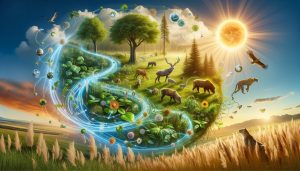
Did you know that the planet is home to millions of species, each playing a vital role in the ecosystem? Species richness, a key concept in biodiversity, refers to the number of different species in a given area. Understanding and counting species richness is crucial for assessing the health of our environment and making informed decisions that impact conservation efforts. With ecosystems facing unprecedented challenges, from climate change to habitat loss, recognizing the importance of biodiversity becomes essential for all of us. It empowers you to take action in your daily life, fostering a connection with nature and promoting sustainable practices. Dive into this exploration of species richness and discover how simple counting can lead to meaningful insights about our world’s incredible diversity and the steps we can take to protect it.
What Is Species Richness and Why It Matters
Biodiversity is a term often used to convey the myriad of life forms that inhabit our planet, but within this vast concept lies an essential aspect known as species richness. This measurement reflects the number of different species present in a given area, providing insight into the health and stability of ecosystems. A greater species richness typically indicates a more resilient ecosystem, one that can better withstand stressors such as climate change, disease, and human impacts. Understanding species richness is crucial not only for ecologists but for everyone, as it fosters a deeper appreciation of nature and the intricate web of life that sustains us.
When we think about why species richness matters, it becomes clear that healthy ecosystems underpin the services we rely on daily, such as clean air, water purification, pollination of crops, and climate regulation. Each species plays a unique role, contributing to the functionality of the ecosystem. For example, a diverse array of pollinators can enhance crop yields, while a variety of plant species can lead to improved soil health and resilience to pests.
Preserving species richness is not merely about protecting individual species; it is about maintaining the balance and integrity of ecosystems. When species richness declines, it signals a warning that the ecosystem may be weakening, making it more susceptible to collapse. This not only affects wildlife but also jeopardizes the livelihoods of communities that depend on these ecosystems for resources. Thus, promoting a biodiverse environment is paramount for the sustainability of our planet, fostering a sense of responsibility in individuals and communities to take actionable steps toward conservation and ecological wellbeing.
Incorporating practices to support biodiversity can be both simple and impactful. Individuals can engage in urban gardening with native plants, participate in local conservation efforts, and advocate for policies that protect natural habitats. By recognizing the value of habitat diversity and taking small steps to enhance it, we can all contribute to a healthier planet. Understanding species richness is the first step toward meaningful environmental stewardship, inspiring us to protect the rich tapestry of life that surrounds us.
The Importance of Biodiversity in Ecosystems
The intricate web of life on our planet thrives on biodiversity, a crucial factor that governs the health of ecosystems. Biodiversity encompasses all living things, from the smallest microorganisms to the largest mammals, and influences the stability and resilience of these systems. When biodiversity flourishes, ecosystems operate effectively, providing essential services like clean air, water purification, and climate regulation. Notably, a rich tapestry of species can enhance productivity in agricultural ecosystems. For instance, diverse pollinators, including bees and butterflies, are vital for the pollination of crops, leading to improved yields and food security.
Moreover, biodiversity contributes to ecological balance, where various species interact in ways that sustain life. Each species fulfills unique roles-predators control prey populations, while decomposers break down organic matter, returning nutrients to the soil. This interdependence means that the loss of even a single species can ripple through the ecosystem, leading to unforeseen consequences. For example, the decline of a top predator can result in an overpopulation of herbivores, subsequently leading to overgrazing and habitat degradation. Thus, preserving species richness is not just an environmental concern; it has direct implications for human well-being, livelihoods, and overall ecosystem health.
To foster biodiversity, it’s essential that individuals and communities actively engage in practices that support ecological diversity. Simple steps can yield substantial benefits. Planting native species in gardens, creating green spaces in urban settings, and participating in local conservation initiatives are all actionable ways to boost biodiversity. Supporting sustainable agricultural practices can also help maintain diverse ecosystems, ensuring both environmental and food security. By recognizing the critical link between biodiversity and ecosystem health, we empower ourselves to take meaningful steps towards a sustainable future, where every action contributes to the preservation of our planet’s invaluable natural heritage.
How to Measure Species Richness Effectively
To appreciate the vibrant tapestry of life surrounding us, one must understand how to measure species richness-one of the key aspects of biodiversity. Species richness refers to the count of different species in a biological community, offering a snapshot of ecological health. This measurement can help reveal the broader environmental impacts and guide conservation efforts. A nuanced approach to quantifying species richness can empower individuals, communities, and policymakers to make informed decisions about biodiversity conservation.
Assessing species richness effectively often involves a combination of field surveys, statistical analysis, and local knowledge. Field surveys can range from simple visual inspections to more structured activities like transect walks or quadrat sampling, where researchers systematically count species within designated plots. Utilizing smartphone apps and field guides can enhance your personal observation skills, making it easier to record and identify species in your local area. Community science projects are also instrumental, as they invite local enthusiasts to contribute to species counts, expanding the reach of these efforts.
Once data is collected, statistical tools come into play. Utilizing indices such as the Shannon Diversity Index or Simpson’s Diversity Index can offer deeper insights into not only species richness but also species evenness-how evenly individuals are distributed among the various species. These analyses can help illuminate patterns that may not be obvious from raw counts alone, enabling better understanding of community dynamics.
Moreover, engaging in local conservation initiatives allows for consistent monitoring of species richness over time. This long-term perspective helps identify trends, informing strategies to protect vulnerable species and restore degraded ecosystems. By measuring species richness and taking action based on findings, we not only inform our understanding of the environment but also become stewards of biodiversity, ensuring that future generations can inherit a thriving, diverse planet.
Understanding the Role of Habitat Diversity
Diverse habitats are like a stage for the intricate play of life, offering the backdrop for an array of species to thrive. The richness of life we observe in various ecosystems primarily hinges on the diversity of habitats available. Each unique environment-be it a lush rainforest, a rocky coastline, or a bustling urban space-serves as a sanctuary for different species, each adapted to its own niche. Understanding how habitat diversity fuels species richness helps us appreciate the interconnectedness of life on Earth and the importance of preserving these environments.
Habitat diversity directly influences the variety of species found in an area, as different organisms require specific conditions to flourish. For instance, wetlands not only provide critical resources like food and breeding grounds for numerous bird species, but they also act as nurseries for fish and amphibians. Similarly, a complex forest structure with varied tree heights and canopy layers supports a multitude of insects, birds, and mammals. Thus, areas with rich habitat structures tend to exhibit higher species richness, as they can accommodate more ecological niches, thereby fostering biodiversity.
Moreover, the interdependence of species is often tied to their habitats. When one habitat is lost or altered-due to urbanization, agriculture, or climate change-the consequences ripple through the ecosystem. For example, the destruction of butterfly habitats diminishes not only butterfly populations but can also affect plant species that depend on them for pollination, further complicating the web of life. This illustrates why maintaining varied habitats is vital for sustaining not just individual species, but the balance of entire ecosystems.
In our own lives, we can champion habitat diversity by supporting conservation efforts, planting native vegetation, and creating wildlife-friendly spaces in our gardens. Every small action contributes to the broader goal of preserving our planet’s rich tapestry of life. By embracing eco-conscious choices and advocating for diverse habitats, we play an essential role in fostering the rich biodiversity that sustains us all.
Factors Influencing Species Richness Levels
The diversity of species in any given environment is not just a function of the number of different species present but is significantly influenced by various ecological and anthropogenic factors. These factors determine how well species can coexist and thrive, shaping the intricate mosaic of life we see in ecosystems globally.
One primary factor influencing species richness is habitat diversity. Ecosystems with a wide range of habitats, such as forests, wetlands, and grasslands, often support a greater variety of species. Each habitat offers unique resources, microclimates, and shelter, enabling different species to adapt and survive. For instance, a rainforest with its multilayered canopy provides varied habitats for birds, insects, and mammals, while a coastal wetland serves as a crucial breeding ground for numerous aquatic species.
Geographic factors also play a vital role; proximity to other natural environments can enhance species richness through increased migration and gene flow. Areas that are geographically isolated, like certain islands, often have lower species richness due to limited dispersal opportunities. Conversely, regions near biodiversity hotspots, or where numerous ecosystems converge, can experience higher species richness due to the overlap of different ecological niches.
Environmental conditions such as climate, soil quality, and water availability further impact the ability of species to thrive. For example, regions with mild climates and rich soils typically support more varieties of plant life, which in turn supports a diverse array of herbivores and predators. Changes in these fundamental environmental aspects, especially due to climate change, can drastically alter species richness by making habitats less suitable for existing species while allowing others to thrive.
Lastly, human activities critically influence species richness. Urbanization, agriculture, and pollution can lead to habitat destruction and fragmentation, preventing species from accessing the resources they need. The introduction of invasive species disrupts native ecosystems, further impacting species richness. Conversely, effective conservation efforts, such as the creation of protected areas and restoration of native habitats, can significantly increase biodiversity.
By understanding these factors, individuals can foster environments conducive to increasing species richness, whether through local habitat restoration efforts or advocating for sustainable practices that protect diverse ecosystems. Each small action contributes to a larger impact on preserving the planet’s rich biodiversity, paving the way for healthier ecosystems that benefit all forms of life.
Species Richness vs. Species Evenness: Key Differences
Understanding the distinction between species richness and species evenness is crucial for appreciating the complexities of biodiversity. While species richness refers to the total number of different species present in a given ecosystem, species evenness gauges how evenly the individuals in that ecosystem are distributed among those species. This subtlety can significantly impact the health and stability of ecological systems, influencing everything from food webs to the resilience of habitats facing environmental stress.
Species richness is often straightforward to measure: simply count the species in a designated area. For example, a tropical rainforest might boast over a hundred species of trees, indicating high richness. However, this metric alone doesn’t capture the health of that ecosystem. Enter species evenness, which provides additional context. In the same rainforest, if one tree species accounts for 90% of the individuals, the overall evenness is low. In contrast, if the tree population consists of a variety of species with similar individual counts, then the ecosystem demonstrates high evenness. This balance is essential for maintaining resilience, as uniformity can leave ecosystems vulnerable to disease or invasive species.
Why This Matters in Conservation Efforts
When assessing biodiversity, it’s essential to consider both richness and evenness in conservation strategies. High richness combined with low evenness can indicate an ecosystem under strain, prompting conservationists to investigate further. Protecting areas with both high species richness and evenness-like wetlands or diverse temperate forests-should be a priority, as these systems are typically more robust against environmental changes.
To promote healthier ecosystems, individuals can actively participate in planting diverse species in urban gardens, supporting local conservation groups that prioritize native flora, and advocating for sustainable land-use practices. By understanding how species richness and evenness interplay, we can all contribute to the preservation of biodiversity, ensuring that our ecosystems remain vibrant and resilient for generations to come.
The Impact of Climate Change on Biodiversity
Climate change is not just a distant threat; it is a powerful force reshaping biodiversity in real-time, creating urgent challenges for ecosystems and the myriad species that inhabit them. A stark reality is emerging: as global temperatures rise and weather patterns shift, many species find themselves in environments that no longer meet their needs. This disruption can drastically affect species richness, the variety of life in a given area, by altering habitats and possibly leading to the extinction of vulnerable species.
One significant way climate change impacts biodiversity is through habitat destruction. For instance, the warming oceans are causing coral bleaching, a phenomenon that endangers the rich marine ecosystems that depend on coral reefs. With coral reefs hosting about a quarter of all marine species, their decline means a dramatic loss in species richness. Similarly, changing climatic conditions affect terrestrial habitats, from forests to wetlands, making them inhospitable for many native species and allowing invasive species to thrive due to decreased competition.
Another critical aspect is how climate change influences species distribution. Many organisms, both flora and fauna, are forced to migrate to cooler areas. However, this movement is not always possible, especially for species constrained by geographical barriers or specific habitat requirements. Such shifts can result in mismatches between species and their ecological roles, destabilizing food webs and reducing overall ecosystem resilience. In regions where species richness was previously high, the loss of essential species can lead to cascading effects throughout the ecosystem.
To promote biodiversity in the face of climate change, individuals and communities can take meaningful actions. Support for local conservation efforts aimed at protecting and restoring natural habitats is crucial. Engaging in activities like reforestation, creating wildlife corridors, or maintaining urban green spaces can help bolster species resilience. Additionally, reducing your carbon footprint through energy-efficient practices and sustainable transportation choices not only benefits our planet but also contributes to a more stable climate that supports diverse life forms. By understanding the intricate links between climate change and biodiversity, we can all become advocates for a more sustainable future, nurturing the rich tapestry of life on Earth while we still can.
Conservation Strategies for Enhancing Species Richness
To effectively enhance species richness and combat the ongoing biodiversity crisis, conservation strategies must be innovative, collaborative, and grounded in science. One key approach is the establishment and management of protected areas. These can take the form of national parks, wildlife reserves, or marine protected areas, serving as refuges for a myriad of species. Protecting critical habitats not only preserves existing biodiversity but also facilitates the recovery of endangered species, providing them a sanctuary to thrive.
Integrating community-based conservation programs can also yield impactful results. Engaging local communities in conservation efforts ensures that those who directly interact with their environment are active participants in preserving it. For example, initiatives that reward sustainable practices-like eco-tourism and sustainable fishing-can improve livelihoods while promoting species diversity. When communities benefit economically from healthy ecosystems, they are more likely to invest in their protection.
To further enhance species richness, we must also focus on restoration ecology. This involves repairing damaged ecosystems through activities like reforestation, wetland restoration, and the removal of invasive species. These restoration projects can invigorate local biodiversity by creating habitats that support a variety of plant and animal life. For instance, reintroducing native plant species can provide food and shelter for local wildlife, thereby boosting overall ecosystem resilience.
Finally, promoting corridors for wildlife movement allows species to migrate safely between fragmented habitats. These corridors are crucial, especially in the face of climate change, as they facilitate gene flow and reduce the risks associated with isolated populations. By preserving and enhancing connectivity, we can support greater genetic diversity, which is vital for the long-term adaptability of species.
By adopting these conservation strategies and prioritizing cohabitation with nature, we can enhance species richness and work toward a sustainable future where both human and wildlife flourish. Taking these steps not only fosters a healthier planet but also creates a sense of shared purpose and responsibility among individuals and communities alike.
Case Studies of Species Richness Success Stories
One of the most inspiring success stories in enhancing species richness comes from the restoration efforts in the Appalachian Mountains, particularly surrounding areas like the Great Smoky Mountains National Park. This region faced significant threats from logging and invasive species, which drastically reduced native biodiversity. Through dedicated restoration projects, such as the removal of invasive species and the planting of native flora, the ecological balance began to recover. By 2020, more than 200 native plant species were successfully reintroduced, leading to a resurgence of local wildlife, including several bird species that had previously declined.
In another remarkable initiative, the coastal areas of Baja California have seen successful biodiversity enhancement through collaborative efforts between local communities and conservation organizations. The implementation of community-led marine protected areas has resulted in increased populations of fish and marine invertebrates, which in turn supports local fisheries. These protected areas have empowered communities to manage their resources sustainably, leading to a richer marine ecosystem and improved livelihoods. Highlighting the model’s success, studies indicate a 50% increase in fish biomass within just a few years of establishing these protections.
Moreover, the restoration of the coastal wetlands in Louisiana stands as a testament to the impact of habitat restoration in increasing species richness. After facing severe degradation due to industrial activities and climate change, projects to restore natural wetland environments have revitalized not just the flora but also fauna, including crucial species such as migratory birds and fish. These wetlands now play a critical role in providing critical habitats and corridors for wildlife, showing that when ecosystems are restored, they not only recover but flourish.
In addition to these practical examples, citizen science initiatives have also proven to be invaluable in documenting and promoting species richness. Programs like “iNaturalist” encourage individuals to participate in biodiversity tracking, yielding important data that aids in conservation efforts. By engaging a broader audience in the understanding of biodiversity, these platforms enable communities to appreciate their local ecosystems, fostering a sense of responsibility and connection to the environment.
In essence, these success stories illustrate that through focused conservation efforts, community engagement, and scientific collaboration, it is possible to enhance species richness significantly. By sharing these impactful narratives, we can inspire a collective commitment to preserving biodiversity-encouraging individuals and communities to partake in the stewardship of our planet.
Tools and Techniques for Biodiversity Research
Understanding biodiversity begins with effectively measuring and researching species richness, which is essential for maintaining the health of ecosystems. Innovative tools and techniques have emerged that empower researchers and enthusiasts alike to document and analyze the variety of life in specific areas, thereby promoting conservation efforts and sustainability.
One of the most accessible methods for measuring species richness is through citizen science initiatives. Platforms like iNaturalist allow everyday people to contribute to biodiversity research by documenting organisms they encounter in their local environments. These observations help create large databases of species distributions, which are invaluable for ecological studies and conservation planning. Users can upload photos, identify species using app-assisted tools, and even engage in community discussions, making it a powerful way to connect individuals with their natural surroundings.
Another significant tool in biodiversity research is environmental DNA (eDNA) analysis. This cutting-edge technique involves collecting samples of soil or water and analyzing them for genetic material shed by organisms. eDNA can reveal the presence of many species in a given habitat without needing to observe or capture them directly. This method is particularly beneficial for monitoring elusive or endangered species and assessing ecosystem health by providing insights into the biodiversity present in aquatic and terrestrial environments.
Moreover, remote sensing technology is revolutionizing biologists’ ability to study biodiversity on a vast scale. By utilizing satellite imagery and aerial surveys, researchers can assess habitat conditions and changes over time, predicting how these shifts may impact species richness. Such technology enables better planning of conservation strategies by identifying critical habitats that require protection or restoration, thus enabling informed decision-making.
Lastly, traditional field surveys combined with advanced statistical analysis and modeling can provide a comprehensive picture of species richness in various ecosystems. Techniques like point counts for birds and transect surveys for plants allow focused assessments of specific areas. Data from these surveys can then be analyzed using software tools to calculate species richness indices, helping researchers understand patterns and trends in biodiversity over time.
By leveraging these tools and techniques, individuals and organizations can foster a deeper understanding of species richness and biodiversity, ultimately contributing to more effective conservation strategies and eco-conscious living practices.
Promoting Species Richness in Urban Environments
Urban environments, often characterized by concrete and asphalt, can appear inhospitable to biodiversity. However, cityscapes hold tremendous potential for enhancing species richness by providing habitat and resources for various organisms. Integrating nature into urban planning not only beautifies the environment but also fosters the resilience of ecosystems, promoting a vibrant urban wildlife.
One practical approach to increase species richness is by creating green spaces such as parks, community gardens, and green roofs. These areas serve as refuges for birds, insects, and plants, enhancing local biodiversity. For instance, community gardens not only allow for the cultivation of native plants, which attract local pollinators, but also create spaces for community engagement around environmental stewardship. Cities like Toronto and Melbourne have implemented rooftop gardens to combat heat and create green habitats, demonstrating how urban architecture can harmoniously coexist with nature.
Another effective method is incorporating native plant landscaping in residential and public sites. Native plants are adapted to local conditions and provide essential resources like food and habitat for local wildlife. Unlike non-native species, they often require less maintenance and reduce the need for chemical fertilizers and pesticides. Residents can participate by replacing lawns with native wildflower gardens, which can significantly increase local insect populations and support various bird species.
Furthermore, the installation of wildlife corridors can facilitate safe movement for species in urban settings. These corridors connect fragmented habitats, allowing animals to migrate, breed, and find food more effectively. Implementing wildlife bridges or tunnels, particularly in areas adjacent to busy roads, can help reduce wildlife-vehicle interactions while promoting biodiversity.
In addition to these strategies, engaging the community through educational programs and citizen science initiatives can empower residents to take part in biodiversity conservation. Projects that encourage residents to document local wildlife or participate in habitat restoration create a vested interest in maintaining and enhancing species richness within urban areas.
By embracing these techniques, urban dwellers can foster vibrant ecosystems that exemplify coexistence between human development and nature. Each small action, from planting native species to advocating for green spaces, contributes significantly to the overall goal of nurturing a diverse and thriving urban biodiversity.
The Future of Biodiversity: Challenges and Opportunities
The current landscape of biodiversity is both alarming and hopeful. As unprecedented levels of species extinction threaten ecosystems, it is vital to recognize the opportunities that arise from our collective response. Globally, biodiversity is declining at rates not seen since the last mass extinction, largely due to human activities like habitat destruction, pollution, and climate change. However, the growing awareness of these challenges has spurred innovative conservation strategies and a surge of community-driven initiatives.
Engaging individuals and communities is crucial for fostering a sense of stewardship towards local ecosystems. One effective approach is to incorporate community-based conservation programs that empower residents to participate actively in preserving their natural surroundings. These programs can include activities such as local wildlife monitoring, invasive species removal, and restoration efforts for degraded habitats. For instance, citizen science initiatives have successfully involved people in biodiversity assessments, allowing them to gather data while fostering a profound connection to nature.
Additionally, leveraging technology presents both challenges and opportunities for biodiversity conservation. Advances in data collection using remote sensing, DNA barcoding, and ecological modeling can enhance our understanding of species richness and distribution. Community apps that promote wildlife sightings not only provide valuable data for researchers but also cultivate a community’s interest in its local fauna and flora. By harnessing these tools, we can facilitate more effective conservation practices tailored to specific ecosystems.
As we look to the future, it’s essential to advocate for policies that prioritize biodiversity. Sustainable land use and urban planning can integrate habitats into development projects, creating corridors that connect fragmented ecosystems. Investing in green technology, such as renewable energy and eco-friendly building materials, can further support our species-rich environments. Every small effort counts; whether planting native gardens or supporting local conservation organizations, individuals can play a pivotal role in preserving the planet’s biodiversity for future generations.
This is a call to action-each one of us holds the potential to contribute to biodiversity preservation, transforming challenges into opportunities for a healthier, more resilient world. By embracing eco-conscious living and supporting sustainable practices, we can create a future where species richness flourishes alongside humanity.
Faq
Q: What is species richness?
A: Species richness refers to the number of different species present in a specific area or ecosystem. It’s a key measure of biodiversity, indicating ecological health and stability. Higher species richness often contributes to resilient ecosystems capable of thriving under changing conditions.
Q: Why is species richness important for ecosystems?
A: Species richness enhances ecosystem functioning by promoting resilience, stability, and productivity. Diverse species contribute to various ecological roles, ensuring nutrient cycling, pollination, and habitat maintenance. Protecting species richness is crucial for environmental balance and sustainability.
Q: How can I measure species richness in my local area?
A: To measure species richness, conduct a survey in your local area, identifying and recording all species present in a given habitat over a specific time. Utilize tools like field guides and citizen science apps. This data helps track biodiversity changes over time.
Q: What factors influence species richness levels?
A: Various factors influence species richness, including habitat diversity, climate, geographic location, and human activities. Areas with diverse habitats typically support more species. Additionally, climate change and urbanization can reduce species richness by altering habitats.
Q: What is the difference between species richness and species evenness?
A: Species richness measures the number of different species in an ecosystem, while species evenness evaluates how evenly individuals are distributed among those species. High evenness indicates that species are present in similar numbers, promoting ecological balance.
Q: How does climate change impact species richness?
A: Climate change adversely affects species richness by altering habitats, food sources, and migration patterns. Changes in temperature and precipitation can lead to species extinction or the introduction of invasive species, reducing overall biodiversity.
Q: What conservation strategies can enhance species richness?
A: Effective conservation strategies include habitat restoration, creating protected areas, and implementing sustainable land-use practices. Community engagement in conservation efforts and promoting ecological awareness also play vital roles in enhancing species richness.
Q: How can urban environments promote species richness?
A: Urban environments can promote species richness by incorporating green spaces, community gardens, and biodiversity-friendly infrastructure. Planting native species and creating wildlife corridors helps sustain local ecosystems, fostering both human enjoyment and biodiversity.
The Conclusion
Understanding species richness is just the beginning of your journey into biodiversity’s rich tapestry. By appreciating the variety of life on Earth, you’re not only empowered to contribute to conservation efforts but also inspired to make sustainable choices in your daily life. Want to learn more about how you can measure your ecological footprint? Check out our article on sustainable living practices or explore the importance of ecosystem diversity for a deeper understanding of how all life is interconnected.
Now is the time to take action! Join our community by signing up for our newsletter, where you’ll find actionable tips and resources to reduce your environmental impact. If you have thoughts or questions, don’t hesitate to share them in the comments below-we’d love to hear from you. Together, we can foster a healthier planet, one informed choice at a time. Keep exploring and embracing eco-conscious living!