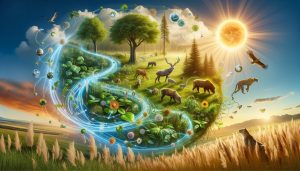
Did you know that understanding animal behavior can significantly enhance our efforts in conservation? Wildlife ecology is the study of how animals interact with their environments, including their behaviors, habitats, and the intricate relationships between species. By exploring these dynamics, we can better appreciate the essential roles wildlife play in ecosystems and the impact of human activities on their survival. As more species face threats from habitat loss and climate change, grasping the principles of wildlife ecology becomes vital for fostering sustainable practices and creating effective conservation strategies. Join us in uncovering the fascinating world of wildlife ecology, where each behavior observed can reveal important insights into preserving our planet’s rich biodiversity.
Understanding the Fundamentals of Wildlife Ecology
Understanding wildlife ecology is crucial for appreciating the intricate relationships between animals, their environments, and the broader ecosystem. At its core, wildlife ecology examines how animals interact with each other and their habitats. This field reveals that animal behavior is often a response to ecological pressures, highlighting the balance required for survival. For example, certain species have developed unique behavioral strategies, such as migration or hibernation, to adapt to seasonal changes and resource availability.
Another key aspect of wildlife ecology involves recognizing the significance of interdependent relationships among species. The loss of one species-a keystone species, for instance-can have cascading effects throughout the ecosystem, altering food chains and habitat dynamics. Understanding the fundamentals of these interactions can guide conservation efforts and inform wildlife management practices to preserve biodiversity and maintain ecosystem health.
To effectively support animal populations, we must also understand habitat preferences and the specific ecological niches that various species occupy. Every organism plays a role, whether as a predator, prey, or scavenger, which contributes to the overall stability of its environment. Recognizing these roles helps stakeholders and policymakers in making informed decisions that support wildlife conservation and promote balance within ecosystems.
Lastly, education is vital in fostering a connection to wildlife. By sharing knowledge and engaging communities, we empower individuals to take action for wildlife preservation. Simple actions, such as creating native plant gardens, supporting sustainable practices, and participating in local conservation efforts, not only enhance biodiversity but also enrich our personal relationship with nature and its inhabitants.
Key Principles of Animal Behavior Explained
Animal behavior is often a reflection of a species’ adaptations to survive and thrive in their specific environments, serving as a fascinating window into the complexities of the natural world. For instance, consider the incredible migratory patterns of the Arctic Tern, which travels thousands of miles between the Arctic and Antarctic every year. This behavior not only showcases the tern’s remarkable navigation skills but highlights how such adaptations are vital for accessing food resources and enabling reproductive success.
Understanding the nuances of animal behavior revolves around several key principles, including instinctual behaviors, learned behaviors, and the influence of environmental stimuli. Instinctual behaviors are inherent and often crucial for survival, such as nesting in specific locations or performing mating rituals. In contrast, learned behaviors result from individual experiences and interactions with their surroundings, which can be crucial for navigating challenges in varied and changing environments. A classic example is how young wolves learn to hunt by observing and participating in coordinated pack strategies communicated through vocalizations and body language.
Another vital aspect is the concept of territoriality, which plays a significant role in mating success and resource allocation. Many species, including songbirds and large carnivores like lions, establish and defend territories to ensure access to food and breeding partners, thereby signaling strength and health to potential mates. Furthermore, social structures within species, such as those seen in elephants and primates, highlight the importance of family and community bonds. These social behaviors not only help with survival through cooperative hunting or protection from predators but also emphasize the emotional intelligence found in various species.
Ultimately, recognizing these principles equips us with a deeper understanding of wildlife interactions and informs conservation strategies. By fostering a greater appreciation of animal behaviors, individuals can advocate more effectively for policies that protect essential habitats and promote biodiversity. Whether it’s encouraging local wildlife through native planting efforts or understanding consumer choices that harm animal habitats, every action counts towards nurturing a balanced ecosystem.
The Role of Habitat in Wildlife Ecology
The intricate relationship between wildlife and its habitat is fundamental to understanding ecology. A habitat not only provides shelter and food but also shapes the behavior and survival strategies of various species. For instance, consider the lush rainforest, which offers diverse niches for organisms, from tree-dwelling primates to ground-foraging insects. Each species has evolved unique adaptations that enable it to thrive within this ecosystem, demonstrating the critical role that habitat plays in biodiversity.
Habitats are diverse and can range from deserts to wetlands, mountains to oceans, each supporting distinct communities of life. The characteristics of a habitat-such as temperature, moisture, and vegetation types-directly influence animal behavior. For example, arctic foxes exhibit behaviors adapted for cold climates, such as burrowing into the snow for protection and hunting seals on frozen surfaces. Similarly, species like the red fox have adapted their foraging strategies based on the preys available in their respective habitats, displaying a remarkable ability to adapt to urban environments compared to their more rural counterparts.
Maintaining healthy habitats is vital for conservation efforts. With increasing urbanization and environmental degradation, many animals are losing their natural homes. Conservation strategies often focus on habitat restoration and protection, advocating for the establishment of wildlife corridors that connect fragmented habitats, thereby allowing for animal movement and genetic exchange. Encouraging the community to participate in habitat restoration-through activities like planting native species or participating in clean-ups-can foster a deeper connection and commitment to preserving these vital ecosystems.
As individuals, we can contribute to habitat preservation by adopting eco-friendly practices. Simple actions such as reducing plastic use, supporting local conservation organizations, and advocating for sustainable land use policies can collectively make a significant impact. By being mindful of our ecological footprints and making informed choices, we can help ensure that wildlife continues to thrive in their natural habitats, supporting our planet’s essential biodiversity.
Impact of Environmental Changes on Animal Behavior
Alterations in environmental conditions can profoundly influence animal behavior, often leading to shifts in foraging patterns, mating rituals, and migratory routes. For instance, as climate change progressively modifies temperature and precipitation patterns, species that depend on specific climate conditions may need to adapt their behaviors or face risks of extinction. A notable example is the migratory patterns of birds; studies have shown that many species are migrating earlier in the season due to warmer springs. This change can affect food availability, breeding synchronization, and ultimately, survival rates.
Human activities, including urbanization and pollution, are also critical environmental factors affecting wildlife behavior. Animals that once thrived in natural habitats often find themselves adapting to urban environments, which can lead to behavioral changes. For example, coyotes have become increasingly common in urban areas, altering their hunting times and social structures to coexist with human populations. This adaptability highlights the resilience of wildlife, though it also poses challenges, such as increased human-wildlife interactions that can result in conflict.
Habitat degradation resulting from deforestation and resource extraction forces many species to alter their behaviors to find food and shelter. Animals that are usually solitary may begin to form larger groups as competition for resources increases. Increased stress from environmental changes can lead to higher mortality rates and lower reproduction rates. Therefore, understanding these behavior modifications is crucial for effective wildlife management and conservation strategies.
To support wildlife resilience in the face of environmental changes, individuals can take actionable steps. Creating wildlife-friendly spaces in urban areas, such as gardens that provide native plants, can help sustain local fauna. Residents can also participate in local conservation projects aimed at restoring natural habitats. By fostering environments that help wildlife thrive, we can contribute to the stability and continuity of various animal behaviors essential for ecological balance.
Conservation Strategies in Wildlife Ecology
In the face of escalating threats to wildlife, effective conservation strategies have never been more essential. Through a holistic approach to wildlife ecology, we can safeguard species while respecting their complex behaviors and habitats. One powerful strategy is the establishment and management of protected areas, such as national parks and wildlife reserves. These spaces not only shelter diverse species from habitat destruction and hunting but also serve as vital ecosystems that support biodiversity, ensuring that various animal behaviors can flourish in their natural settings.
Another crucial tactic involves habitat restoration, which addresses the damage caused by urbanization, deforestation, and pollution. This can range from reforestation initiatives to restoring wetlands and natural river systems. For instance, urban areas can integrate green spaces like parks, gardens, and green rooftops that preserve native flora and fauna, providing essential corridors for wildlife movement. By planting native species in these areas, communities can create habitats that attract pollinators and other wildlife, promoting ecological balance right in their backyards.
Education and outreach programs also play a significant role in conservation efforts. By raising awareness about local wildlife and the challenges they face, communities can foster a sense of responsibility and encourage eco-friendly practices among residents. Schools and local organizations can host workshops and citizen science projects that engage individuals in monitoring local species and participating in restoration activities. Empowering citizens with knowledge not only enhances community bonds but also builds a collective movement towards sustainable living.
Lastly, fostering partnerships between governments, NGOs, and local communities can amplify conservation outcomes. Collaborative efforts can lead to effective wildlife management strategies that take into account the needs of both ecosystems and human populations. For example, when local communities are involved in decision-making processes regarding land use, they are more likely to implement conservation measures that protect wildlife while still supporting their livelihoods. Such inclusive approaches ensure that conservation strategies are not only scientifically robust but also socially equitable, paving the way for a sustainable future for both wildlife and humans.
By embracing these strategies, individuals and communities can contribute significantly to the conservation of wildlife, ultimately fostering a more balanced and resilient ecosystem for future generations.
Human Interaction and Its Effects on Wildlife
Human activities have far-reaching effects on wildlife, influencing everything from species behavior to ecosystem dynamics. As habitats become increasingly urbanized and polluted, many animals find themselves struggling to adapt to a rapidly changing environment. For instance, urban development can fragment habitats, creating barriers that inhibit movement and breeding among populations. This fragmentation not only affects population health but can also lead to increased human-wildlife encounters, often resulting in negative outcomes for both parties. Studies have shown that animals such as deer and coyotes begin to alter their daily behaviors, becoming more nocturnal to evade human presence, changing their natural rhythms in the process.
The introduction of pollutants into ecosystems poses another serious threat. Chemicals found in pesticides, plastics, and industrial waste can disrupt endocrine systems in animals, leading to reproductive issues and altered behaviors. Marine wildlife is particularly vulnerable, as ocean pollution results in the ingestion of microplastics, which has been shown to impact feeding behavior and overall health. As consumers, our choices-such as the use of single-use plastics or pesticides-can contribute directly to these contaminants finding their way into natural habitats.
To foster coexistence between humans and wildlife, it’s vital to strengthen community-based conservation efforts that emphasize education and sustainable practices. Simple actions, such as creating wildlife corridors, reducing lawn areas in favor of native plants, and embracing organic gardening techniques, can make a significant difference. Engaging local populations in conservation strategies not only raises awareness but also ensures that the needs of both wildlife and humans are respected.
Encouragingly, as awareness grows about the impact of our actions, many communities are striving to implement more eco-friendly practices that benefit local wildlife. Whether through urban planning that includes green spaces or citizen-led initiatives for habitat restoration, every positive step matters. By fostering a culture of responsibility and respect towards all living beings, we can work together to mitigate the adverse effects of human interactions and promote a more harmonious relationship with the natural world.
Research Methods in Wildlife Ecology Studies
Research in wildlife ecology employs a variety of methods to understand the intricate relationships between animals and their environments, and how behaviors adapt to changing conditions. For instance, field studies often utilize observation techniques that involve monitoring animal behavior in their natural habitats. Researchers may spend extensive time in the field documenting daily activities, interactions, and even stress responses to environmental changes. This hands-on approach is invaluable for understanding how species adjust their behaviors to survive, particularly in the face of urban encroachment or climate shifts.
Another critical method is using tracking technology-like GPS collars or camera traps-to gather data on wildlife movement and patterns. These devices enable scientists to study migration routes, habitat use, and even social structures within animal communities without the need for constant human presence. For example, tracking the movements of a herd of elk can reveal how they may alter their migratory paths in response to human development or changes in food availability due to climate impacts. Furthermore, these technologies have also been instrumental in evaluating species resilience against threats like habitat fragmentation and pollution.
In addition to fieldwork, laboratory studies play a role in wildlife ecology, allowing researchers to examine the physiological effects of environmental pollutants on wildlife at a cellular level. For instance, experiments can assess how certain chemicals disrupt endocrine functions in amphibians, leading to significant behavioral changes and reproductive challenges. Such research is invaluable in informing conservation strategies and pollution regulations, as it connects laboratory findings with real-world implications for species health and survival.
Finally, community involvement in monitoring programs enriches wildlife research. Citizen science initiatives allow everyday individuals to contribute to data collection, broadening the scope of research while fostering awareness and engagement in conservation efforts. Projects that encourage the public to report wildlife sightings or participate in local habitat restoration not only enhance ecological understanding but also cultivate a deeper appreciation for biodiversity within communities. By combining these diverse research methods, scientists can build a more comprehensive picture of wildlife behavior and habitat dynamics, paving the way for effective conservation programs.
Case Studies: Wildlife Ecology in Action
Understanding the intricate relationships between wildlife and their environments can inspire conservation efforts and promote sustainable living. Real-world case studies provide illuminating examples of how theoretical concepts in wildlife ecology can be translated into practical solutions for species preservation.
One compelling example is the effort to restore the population of red-cockaded woodpeckers in the southeastern United States. This endangered species thrives in longleaf pine forests, which have been drastically reduced by logging and fire suppression. Researchers employed a strategy that involved controlled burns to revitalize the habitat, promoting the growth of the trees that these woodpeckers depend on. This hands-on restoration not only benefited the woodpeckers but also enhanced biodiversity by supporting numerous other species that share the same habitat. By understanding the specific habitat needs and behaviors of the red-cockaded woodpecker, conservationists were able to implement a tailored approach resulting in successful rebounds in both population numbers and ecosystem health.
Another illustrative case is the study of urban coyotes in Chicago, which highlights the adaptability of wildlife in changing environments. Researchers used GPS collars to track coyote movements and behaviors while analyzing their interactions with humans. Surprisingly, data revealed that these animals thrive even in heavily urbanized areas by modifying their hunting habits and using green spaces like parks effectively. This insight has vital implications for urban planning and wildlife management, demonstrating that even human-dominated landscapes can coexist with thriving wildlife populations if we account for their needs and behaviors.
Engaging in these case studies not only offers valuable lessons in biodiversity and habitat conservation but also fosters a deeper connection to nature. For individuals wishing to contribute to similar efforts, participating in local conservation projects or citizen science initiatives can yield significant benefits. By gathering data, monitoring wildlife, and supporting habitat enhancement activities, everyone can play a role in safeguarding ecosystems while promoting awareness of wildlife’s essential place in our world. The success stories from these case studies remind us that informed, community-driven actions can lead to tangible outcomes in wildlife conservation.
Ethics and Responsibility in Wildlife Conservation
Understanding the delicate balance of ethical responsibilities in wildlife conservation is essential for fostering a sustainable relationship between humans and the natural world. As we witness escalating threats to biodiversity-due to habitat destruction, climate change, and pollution-adopting an ethical lens in conservation efforts becomes increasingly critical. Ethical considerations extend beyond mere protection of wildlife; they encompass respect for the ecological processes that sustain life on Earth and the rights of future generations.
To champion wildlife conservation effectively, it is paramount to promote an ethos of stewardship, which encourages individuals and communities to act as guardians of the ecosystems in which they reside. This involves recognizing our interconnectedness with nature and acknowledging that our actions, big and small, significantly impact wildlife and their habitats. Practice sustainability in daily life by reducing waste, supporting eco-friendly products, and advocating for policies that protect natural landscapes. Each choice we make contributes to the broader narrative of conservation and the ethical treatment of all living beings.
Moreover, the principle of biodiversity justice must be at the forefront of conservation initiatives. This concept emphasizes that conservation efforts should consider the needs of marginalized communities often disproportionately affected by environmental degradation. By supporting inclusive conservation practices, we can foster resilience in both nature and human communities. Collaborating with Indigenous peoples, who often have a profound understanding of local ecosystems, highlights the importance of integrating traditional ecological knowledge into modern conservation strategies.
In practical terms, individuals can engage in responsible wildlife conservation by educating themselves and their communities about local species and habitats. Participating in citizen science projects, advocating for wildlife corridors, or volunteering with conservation organizations are actionable ways to contribute positively. The ripple effect of these responsible actions nurtures a culture of conservation that respects both wildlife and our shared home, paving the way for healthier ecosystems and fostering a sense of hope for future generations. By embracing a holistic approach that intertwines ethics, responsibility, and community involvement, we can work towards a more sustainable coexistence with wildlife.
Emerging Trends in Wildlife Ecology Research
New advancements in wildlife ecology research are playing a crucial role in our understanding of animal behavior and its implications for conservation. One significant trend is the increasing application of technology, including GPS tracking and camera traps, which allows researchers to gather unprecedented amounts of data on wildlife movement and habits. These tools enable scientists to map animal behaviors in real-time, providing insights into migration patterns, habitat use, and social interactions that were previously difficult to study.
Moreover, the integration of citizen science into wildlife research is gaining momentum. Enthusiastic volunteers from local communities contribute valuable observations, particularly in areas where professional researchers may have limited access. This participatory approach not only enriches data collection but also promotes awareness and engagement in wildlife conservation. Projects such as bird counts or amphibian monitoring rallies inspire individuals to connect with nature, fostering a culture of stewardship.
Another critical trend is the focus on understanding the impacts of climate change on wildlife behavior. Researchers are increasingly studying how shifts in temperature and habitat availability are leading to altered migration routes and breeding seasons. By simulating different environmental scenarios, scientists can predict potential future wildlife behaviors and the broader ecological consequences. This information is vital for developing effective conservation strategies that consider not only current challenges but also future landscapes.
Finally, there is a growing emphasis on the psychological aspects of animal behavior. Studies are exploring how stress and environmental disturbances affect animal welfare and decision-making, providing deeper insights into conservation efforts. Implementing strategies that minimize human-wildlife conflict not only helps species survival but also enhances the overall health of ecosystems.
As these trends continue to evolve, they empower individuals and communities to engage actively in wildlife conservation. Knowledge gained from this research can inform daily choices, like reducing plastic use and supporting local conservation initiatives, thus connecting personal responsibility with the global biodiversity crisis.
How to Get Involved in Wildlife Conservation Efforts
Engaging in wildlife conservation is not just for scientists or organizations; every individual can make a significant impact in preserving ecosystems and protecting wildlife. The interconnectedness of wildlife, human activities, and environmental health means that our daily choices can greatly influence biodiversity. By taking action, both locally and globally, individuals can contribute meaningfully to conservation efforts, fostering a healthier planet for future generations.
One of the easiest ways to become involved is by participating in citizen science projects. Many organizations host initiatives where volunteers help in data collection, monitoring wildlife populations, and surveying habitats. For example, participating in local bird counts or nesting surveys provides crucial data that scientists can use to understand trends in animal behavior and conservation status. Websites like eBird allow anyone to report their birdwatching experiences, contributing valuable information while enriching their own understanding of avian ecology.
Additionally, making eco-conscious choices in everyday life can significantly reduce one’s ecological footprint. Simple actions such as reducing plastic usage, opting for sustainable products, and supporting local conservation initiatives can create a ripple effect. People can start by switching to biodegradable alternatives, using natural personal care products, or investing in energy-efficient appliances. Each small decision accumulates into larger shifts in consumer behavior, prompting businesses to adopt more sustainable practices.
Moreover, advocacy plays a vital role in wildlife conservation. Engaging with policy issues, joining conservation organizations, or even lobbying for responsible environmental laws can lead to substantial changes. This might involve writing letters to elected officials, participating in campaigns to protect specific habitats, or attending community meetings focused on conservation efforts. By raising awareness and battling misinformation about wildlife issues, individuals can help foster a culture that values and respects nature.
Ultimately, the journey of wildlife conservation begins with personal responsibility and community involvement. By embracing sustainable living and actively participating in conservation efforts, everyone can help ensure that diverse ecosystems and the wildlife within them thrive. By fostering a collective sense of stewardship, we can create a future where both humanity and nature flourish in harmony.
Frequently asked questions
Q: What is the importance of studying wildlife ecology?
A: Studying wildlife ecology is essential for understanding animal behavior, ecosystems, and their interactions with the environment. This knowledge helps inform conservation efforts and promotes biodiversity, ensuring sustainable ecosystems that benefit both wildlife and humans.
Q: How do animals adapt their behavior to environmental changes?
A: Animals adapt their behavior through various mechanisms such as migration, hibernation, and altered feeding habits. These adaptations allow them to cope with changes in habitat, climate, and food availability, ensuring survival and reproductive success in fluctuating environments.
Q: What methods are used in wildlife ecology research?
A: Wildlife ecology research employs techniques like field observations, telemetry, genetic analysis, and remote sensing. These methods help scientists gather data on animal behaviors, populations, and habitats, providing insights crucial for conservation strategies.
Q: How does habitat destruction affect wildlife behavior?
A: Habitat destruction disrupts animal behaviors by altering their natural environments, leading to stress, displacement, and changes in feeding and mating patterns. These behavioral changes can result in reduced survival rates and diminished populations of affected species.
Q: What role do human activities play in wildlife ecology?
A: Human activities significantly impact wildlife ecology through habitat destruction, pollution, and climate change, which affect animal behavior and ecosystem health. Understanding these effects is vital for developing strategies to mitigate human impacts and promote conservation.
Q: What are the key principles of animal behavior in wildlife ecology?
A: Key principles include survival strategies, social interactions, breeding habits, and foraging behaviors. These principles help explain how animals adapt to their environments, ensuring species thrive and ecosystems remain balanced.
Q: Why is biodiversity important in wildlife ecology?
A: Biodiversity plays a crucial role in ecosystem stability, resilience, and functionality. It contributes to services such as pollination, water purification, and nutrient cycling, which are essential for sustaining both wildlife populations and human well-being.
Q: How can individuals help support wildlife conservation efforts?
A: Individuals can support wildlife conservation by practicing sustainable living, participating in local conservation projects, and advocating for policies that protect habitats. Educating others about wildlife ecology further amplifies these efforts and promotes broader community involvement.
Closing Remarks
Understanding wildlife ecology and animal behavior is crucial not just for scientists, but for anyone passionate about protecting our planet. As you reflect on this knowledge, consider diving deeper into related topics such as biodiversity conservation and sustainable practices that can impact wildlife positively. Don’t miss our detailed guides on ecological footprints and green living tips to further your journey in making responsible choices for the environment.
Take action today-subscribe to our newsletter for the latest updates in wildlife research and conservation efforts or explore our resources on renewable energy solutions that support wildlife habitats. Your engagement matters; share your thoughts in the comments below and connect with others who share your passion. Remember, every small change can lead to significant impacts-join us in making a difference!