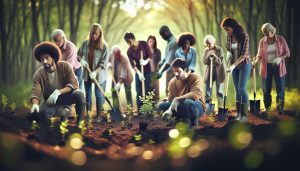
Did you know that by 2050, nearly 70% of the world’s population is expected to live in urban areas? As cities expand, the challenge of creating sustainable communities becomes more critical than ever. “Where Eco World Projects Create Sustainable Communities” delves into innovative solutions that not only enhance environmental integrity but also improve the quality of life for residents. Sustainable communities prioritize renewable resources, efficient use of energy, and the preservation of local ecosystems, fostering environments where both people and nature thrive together. This article will guide you through inspiring eco-projects that exemplify how responsible planning and thoughtful actions can pave the way for vibrant, resilient communities. Join us on a journey to explore actionable ideas that empower you to contribute to a more sustainable future, ensuring that today’s advancements do not compromise the needs of tomorrow.
Creating Sustainable Communities through Eco World Projects
Creating sustainable communities is essential for fostering environmentally responsible habits, and Eco World Projects play a vital role in this transformative process. These initiatives not only address immediate local needs but also ensure long-term ecological balance. For instance, community gardens can flourish in urban areas, providing fresh produce while simultaneously promoting biodiversity and reducing the community’s carbon footprint. Integrating such projects encourages collaboration among residents, creating a sense of ownership that further strengthens community bonds.
One key aspect of Eco World Projects is their ability to emphasize sustainable practices through education and engagement. Programs that involve workshops on renewable energy sources-like solar panel installations or rainwater harvesting-are instrumental in raising awareness about energy conservation and resource management. By demystifying these technologies, residents become more empowered to implement them in their own lives, paving the way for a future-oriented community culture.
- Community Involvement: Involving residents in planning and executing eco-friendly projects ensures that initiatives align with their needs and values.
- Collaborative Learning: Partnering with local organizations can enhance knowledge sharing, providing workshops that teach sustainable practices.
- Resource Sharing: Establishing local networks allows for sharing tools, seeds, and resources, reducing individual expenditures while promoting sustainability.
In shared spaces where Eco World Projects are successfully implemented, innovative solutions emerge that directly impact local economies. For example, creating bike-sharing programs or local farmer’s markets can stimulate economic growth while reducing reliance on fossil fuels and processed goods. These projects embody the necessary shift towards sustainable living, demonstrating how a collective approach can lead to profound environmental and social enhancements. Embracing such efforts not only nurtures the planet but also enriches community life, showcasing that sustainable development can be both achievable and rewarding.
Understanding Sustainable Community Practices
Creating communities that prioritize sustainability starts with understanding the core practices that make these initiatives successful. One essential aspect of sustainable community practices is recognizing the significance of an ecological footprint. Understanding how individual lifestyles affect the planet can motivate individuals and groups to adopt more sustainable habits. For example, initiatives aimed at reducing waste-like encouraging composting and recycling-can significantly lower carbon footprints. By examining local consumption patterns, communities can identify areas for improvement and tailor programs that foster lower-impact living.
A tangible example of sustainable community practices is the push for local agriculture. Community-supported agriculture (CSA) programs enable residents to purchase shares in local farms, ensuring access to fresh, seasonal produce while reducing the carbon emissions associated with transporting food over long distances. This practice not only promotes a healthier diet but also strengthens local economies by supporting regional farmers and keeping money within the community. Involving families in such initiatives, such as creating community gardens, brings another layer of interaction, allowing members to learn about food production, biodiversity, and ecological responsibility first-hand.
Furthermore, fostering a culture of sustainability involves collaborative learning and teamwork. Local workshops that teach skills-from organic gardening to energy efficiency-allow communities to share knowledge and resources. These can be complemented by digital platforms where residents exchange tips, tools, and experiences, thus enriching the community’s sustainability practices. Along with practical knowledge, cultivating a strong community ethos around sustainability enables members to hold each other accountable, creating a supportive environment where eco-friendly practices thrive.
By focusing on these foundational aspects, communities can collectively navigate the challenges of sustainable living. Embracing practices like local sourcing, educational initiatives, and community participation not only enhance environmental stewardship but also foster deeper social connections among residents, paving the way for a more resilient and engaged community.
Key Principles of Eco-Friendly Urban Design
Creating urban environments that prioritize ecological well-being is not just a trend; it’s an essential evolution in city planning aimed at nurturing both people and the planet. Eco-friendly urban design considers various elements that work synergistically to create sustainable communities. By incorporating principles such as compact development, mixed-use spaces, and green infrastructure, cities can mitigate their environmental impact while enhancing the quality of life for residents.
One key principle of eco-friendly urban design is compact development. This strategy focuses on building densely within urban areas to limit urban sprawl, thereby preserving green spaces and agricultural land. By ensuring that residential, commercial, and recreational facilities are within close proximity, communities can decrease reliance on automobiles, promoting walking, biking, and public transportation options. For instance, cities like Barcelona have successfully implemented this approach by creating vibrant neighborhoods that integrate shops, parks, and housing, making it easier for residents to lead active, eco-conscious lifestyles.
Another prominent aspect is the incorporation of green infrastructure, which includes natural elements like parks, green roofs, and permeable pavements aimed at managing stormwater and reducing urban heat. These features not only enhance local biodiversity but also improve air quality and provide recreational spaces for residents. Cities such as Singapore have become models for this principle, blending nature into urban landscapes through vertical gardens and parks that also serve as essential wildlife habitats.
Furthermore, participatory design engages community members in the urban planning process. This approach ensures that development reflects the needs and desires of those who live there, fostering a sense of ownership and responsibility towards communal spaces. By organizing workshops and community meetings, city planners can gather valuable input, leading to designs that resonate with residents and further encourage sustainable practices. An excellent example can be seen in the Toronto Waterfront revitalization project, which actively involved community stakeholders, resulting in spaces that balance recreational needs with ecological preservation.
Ultimately, the principles of eco-friendly urban design are about creating interconnected, sustainable environments that are as enjoyable as they are efficient. By prioritizing smart growth strategies, investing in green infrastructure, and engaging communities in the design process, cities can lay the groundwork for resilient habitats that thrive well into the future. As we move forward, embracing these principles will be vital in shaping urban landscapes that are not only sustainable but also herald a new standard of living that honors both human and ecological needs.
Innovative Projects Transforming Local Economies
Innovative projects are driving a transformative change in local economies by integrating sustainability into their core framework. These initiatives not only create jobs but also foster resilience in communities, ensuring that economic growth aligns with environmental stewardship. One standout example is the rise of urban agriculture, which is becoming increasingly prominent in cities like Detroit. Here, vacant lots are transformed into productive farms, cultivating fresh produce while also serving as educational hubs. These projects not only provide access to healthy food but also create employment opportunities, empowering local residents and revitalizing neighborhoods.
Community Co-ops and Local Businesses
Another significant trend is the emergence of community cooperatives and local business incubators that prioritize sustainable practices. These cooperatives enable residents to band together to invest in shared resources, such as renewable energy systems, bulk purchasing of organic products, or eco-friendly transportation services. In regions like the Pacific Northwest, co-op grocery stores have flourished, offering locally sourced and ethical products that keep money circulating within the community while reducing carbon footprints.
Eco-Tourism and Creative Economic Models
Eco-tourism has also garnered attention as a means of transforming local economies through sustainable practices. By showcasing natural landscapes and promoting responsible travel, communities can attract visitors who are keen on preserving the environment. For instance, several coastal towns have developed programs that include guided wildlife tours, beach clean-up initiatives, and educational workshops. These projects not only preserve the natural beauty but also create jobs and encourage a sense of stewardship among both residents and visitors.
Together, these innovative projects represent a shift towards an economy that values sustainability over mere profit. They highlight the importance of balancing economic growth with ecological health, fostering a community spirit that can drive long-term change. By supporting these initiatives, individuals can play a crucial role in nurturing sustainable economies that benefit both people and the planet.
Integrating Renewable Energy Solutions in Communities
Integrating renewable energy solutions within communities not only enhances local resilience but also significantly reduces carbon footprints and fosters sustainable living. Communities across the globe are embracing a variety of renewable energy technologies, creating a powerful narrative of environmental stewardship and cost savings. For instance, solar power initiatives have become a cornerstone in urban areas. Neighborhoods are installing solar panels on residential rooftops, allowing households to generate their own electricity while contributing surplus energy back to the grid, promoting collective energy savings.
The Shift to Community Solar Projects
One compelling model is the community solar project, which allows residents to invest in and benefit from shared solar energy facilities. These projects can be particularly valuable for individuals who may not have suitable rooftops for solar panels due to shade, orientation, or financial constraints. By pooling resources, communities can build and maintain solar farms, reducing individual costs and increasing access to clean energy. Programs like these not only make renewable energy more accessible but also spark community engagement through collaborative ownership and management.
Wind Energy Initiatives in Local Governance
Wind energy is another avenue many communities are exploring. Small-scale wind farms or individual wind turbine installations can provide a significant portion of a community’s energy needs. Innovative municipalities are enacting policies that prioritize local renewable energy production, incentivizing energy-efficient building designs and embracing wind power. Areas with strong winds, like the Midwest of the United States, are harnessing this potential, turning local assets into sustainable energy sources that further their long-term energy independence.
Encouraging Sustainable Practices at Home
For individuals eager to reduce their ecological footprints, practical steps can be taken at home, such as installing energy-efficient appliances, utilizing smart home technology to monitor and reduce energy use, and incorporating passive solar design principles. Additionally, incentivizing the adoption of renewable energy through government rebates or community programs can significantly lower the initial investment costs, making these solutions even more attractive.
By weaving renewable energy solutions into the fabric of community life, residents not only contribute to a sustainable future but also cultivate a sense of collective purpose. As communities transition toward renewable energy, they set an inspiring example for others, highlighting how local initiative can lead to global impact. This transformation reflects a broader commitment to nurturing environments where future generations can thrive, fostering both ecological and economic resilience.
Impact of Biodiversity on Community Sustainability
The intricate relationship between biodiversity and community sustainability is not just theoretical; it’s a vital, ever-present force that shapes our environment and the quality of life we experience. Biodiversity, which encompasses the variety of life found on Earth, plays a crucial role in ecosystem resilience, meaning that communities with rich and diverse biological systems are better equipped to withstand the challenges posed by climate change, habitat destruction, and other environmental pressures. When a community fosters biodiversity, it creates a healthier, more balanced ecosystem that can sustain its residents over the long term.
Benefits of Biodiversity for Communities
One of the most significant benefits of biodiversity is its ability to enhance ecosystem services. These services include pollination of crops, natural pest control, water purification, and climate regulation. Communities that prioritize green spaces, such as urban gardens and parks, can actively promote local biodiversity. This not only beautifies the area but supports pollinators like bees and butterflies, which are essential for food production. Additionally, diverse habitats can help reduce urban heat islands and improve air quality, contributing to overall community well-being.
Another critical aspect is the role of native plants and animals in maintaining ecological balance. For instance, planting native vegetation can create a sustainable food source for local wildlife, which contributes to pest management and plant health. Community-led initiatives focusing on native landscaping can enhance local ecosystems while reducing reliance on water and chemicals often used in traditional gardening practices. By embracing local flora and fauna, communities foster a sense of identity and stewardship, encouraging residents to engage with their environment.
Engaging Residents in Biodiversity Efforts
Cultivating community engagement around biodiversity is essential. Residents can participate in various programs, such as community gardens, tree planting events, and biodiversity monitoring projects. Local schools can include biodiversity education in their curriculums, encouraging students to understand and appreciate their natural surroundings. Furthermore, forming collaborations with local conservation groups can amplify these efforts and create a network of support for sustainability initiatives.
Ultimately, the is profound. As communities become more aware of their ecological footprints and the interconnectedness of life, they are motivated to adopt practices that prioritize biodiversity. By integrating these principles into daily living and decision-making, residents not only support their immediate environment but also contribute to a global movement towards sustainability, ensuring that future generations inherit a thriving planet.
Green Building Techniques for Eco-Conscious Living
Adopting green building techniques is not just a trend; it’s a crucial step towards creating sustainable communities that care for the environment while enhancing residents’ quality of life. These methods prioritize energy efficiency, resource conservation, and overall wellness, creating spaces that are both eco-friendly and economically viable. By implementing these practices, individuals and developers alike can materially reduce their ecological footprints while crafting a healthier living environment.
One of the cornerstones of green building is the utilization of sustainable materials. Opting for recycled, reclaimed, or rapidly renewable resources minimizes the depletion of finite resources and reduces waste. For example, using bamboo-one of the fastest-growing plants on Earth-as a flooring material can lower carbon emissions compared to traditional hardwood. Additionally, constructing with materials that have low or no VOC (volatile organic compounds) emissions can significantly improve indoor air quality, contributing to the health of residents.
Energy efficiency is another pivotal aspect of eco-friendly construction. Incorporating energy-efficient appliances, high-performance insulation, and LED lighting can drastically reduce energy consumption. Furthermore, the strategic positioning of windows and overhangs can maximize natural light while minimizing heating and cooling costs. The use of smart home technology allows residents to monitor and adjust their energy usage in real time, leading to both savings and a reduced carbon footprint.
Another innovative approach is the installation of renewable energy solutions like solar panels or wind turbines. These systems provide clean energy, significantly cutting down dependence on fossil fuels. Communities that invest in shared renewable energy resources can promote collective ownership and sustainability. For example, community solar gardens enable residents without suitable roof space to participate in solar energy production, fostering a cooperative spirit while contributing to the local economy.
Integrating green spaces and nature into building design is also essential. Incorporating features such as green roofs or wall gardens not only enhances biodiversity but also helps regulate temperatures, improving the urban environment. These spaces can serve as community hubs, promoting outdoor activities and social interactions among residents.
By embracing these green building techniques, communities can not only thrive economically but also foster a shared commitment to environmental responsibility. Each small change contributes towards a larger goal of sustainability, encouraging residents to adopt eco-conscious living practices. Ultimately, it’s about creating spaces that nurture the environment and the people within it-illustrating that sustainable living can be accessible, desirable, and achievable for everyone.
DIY Sustainable Projects for Every Household
Every small effort counts when it comes to fostering sustainable living, and DIY projects are an empowering way for individuals to make a tangible difference in their households and communities. Engaging in these projects not only cuts down on waste but also enhances your connection with the environment and your community. Here are some practical and inspiring DIY sustainable projects that you can easily implement in your home.
Upcycled Decor and Furniture
Transforming items that might otherwise end up in a landfill is a fantastic way to embrace sustainability. Look around your home for furniture or decor that needs a new life. For instance, old wooden pallets can be repurposed into stylish coffee tables or garden planters. Simply sand them down, add a coat of eco-friendly paint, and you have a unique piece that reduces waste. Upcycling doesn’t have to stop at furniture; glass jars can be turned into charming candle holders or organizers, providing a rustic touch while serving practical purposes.
Creating a Compost Bin
Composting is a great way to reduce the amount of organic waste that goes to landfills while creating nutrient-rich soil for your garden. Setting up a compost bin is simple and can be done in a few steps:
- Select a dry, shaded spot in your yard or balcony.
- Decide on a bin-this could be a store-bought compost tumbler or a simple bin made from wire mesh or plastic containers.
- Layer your compost with green materials (food scraps, grass clippings) and brown materials (dry leaves, cardboard).
- Keep the pile moist and turn it occasionally to allow air circulation, which aids decomposition.
In no time, you’ll have rich compost that can enhance your garden’s health.
Gardening with Native Plants
Starting a garden with native plants is not only beneficial for local wildlife but also advantageous for your gardening efforts. Native plants thrive in local soil and weather conditions, requiring less water and maintenance compared to exotic species. You can create a small garden space or even window boxes. Consider incorporating herbs like lavender or thyme which can attract pollinators and provide you with fresh ingredients for your kitchen.
Solar-Powered Garden Lights
Enhance your outdoor spaces while reducing energy consumption by making your own solar-powered garden lights. Invest in a few solar garden lights and repurpose them by adding different decorative elements. For instance, glass bottles can be transformed into elegant lanterns. Simply place the solar lights inside the bottles, and you have an eco-friendly way to illuminate your garden paths or patios while showcasing your creativity.
By adopting these DIY projects, not only do you contribute to a more sustainable world, but you also inspire others to follow suit. Engaging in such activities cultivates a deep sense of responsibility towards the environment, reinforcing the belief that each of us can play a part in creating communities that are both eco-friendly and economically viable.
Cultivating Community Engagement for Sustainability
Empowering communities to embrace sustainability is not merely about individual actions; it’s about fostering a collective sense of responsibility and engagement. When neighbors come together to address environmental challenges, they create a strong network that promotes eco-friendly practices and raises awareness about sustainability issues. Collaborative initiatives can lead to remarkable transformations in local environments, making them cleaner, greener, and more vibrant.
One effective method of cultivating community engagement is through educational workshops and events that highlight sustainable practices. Organizing events like tree-planting days, community gardens, or clean-up drives can galvanize residents. Participants not only gain hands-on experience but also share knowledge about recycling, composting, and conserving water. For example, communities that implement local farmers’ markets create opportunities for residents to support local agriculture while learning about the benefits of consuming seasonal and organic produce. These activities build social ties and encourage individuals to practice sustainability in their everyday lives.
Another way to strengthen community involvement is through the use of social media and online platforms. Creating a space where residents can share tips, experiences, and resources related to sustainability fosters a digital community that can drive offline actions. Local groups on platforms like Facebook or Nextdoor can keep neighbors informed about eco-friendly initiatives, upcoming events, and volunteer opportunities. For instance, a group dedicated to energy conservation might share information on available local incentives for renewable energy installations, inspiring more residents to explore solar paneling for their homes.
Ultimately, community engagement thrives when individuals feel connected to a cause greater than themselves. By promoting transparency in decision-making processes related to environmental policies, communities can empower residents to voice their opinions and contribute ideas. Regular meetings, feedback sessions, and open forums can invite participation from diverse demographics-ensuring everyone has a stake in their local environment’s future. Indeed, fostering an inclusive atmosphere where every voice matters leads to more innovative and tailored solutions for sustainability challenges unique to each community.
Measuring the Success of Eco World Initiatives
Measuring the impact of eco-friendly initiatives involves looking at a variety of metrics, from community involvement and environmental benefits to economic impacts and social equity. The success of these projects isn’t solely defined by immediate results but also by their long-term influence on sustainability practices and community resilience. Effective measurement systems can help stakeholders understand where improvements are needed and how different programs impact their overarching goals.
One powerful way to assess eco projects is through community surveys. Feedback from residents about their perceptions, behaviors, and level of engagement provides critical insights into how well initiatives resonate with the public. Questions might include how often they participate in sustainability programs, their awareness of local environmental issues, or changes in their own eco-friendly practices. This qualitative data complements quantitative measures, such as reductions in waste or energy usage, creating a comprehensive picture of success.
Another important method is utilizing key performance indicators (KPIs), which can monitor specific goals over time. For instance, when implementing a new recycling program, communities can track metrics such as the percentage increase in recycled materials or the reduction in landfill contributions. By establishing clear benchmarks, stakeholders can gauge progress and make informed adjustments to enhance their strategies.
Examples of Successful Measurements
Here are some examples of effective measurement techniques used in various eco-world initiatives:
- Case Studies: Documenting case studies of communities that have implemented specific eco projects provides a detailed overview of what worked, what didn’t, and why. Examples like the transition to solar energy in San Diego illustrate significant reductions in greenhouse emissions.
- Environmental Audits: Conducting regular audits offers concrete data on aspects such as energy use, water consumption, and carbon footprints, giving communities the ability to track their ecological impact systematically.
- Community Workshops: These can serve dual purposes: educating residents and collecting participatory data on community attitudes and commitments to ongoing sustainability practices.
By intertwining qualitative and quantitative assessments, communities can develop robust frameworks for measuring the success of eco-friendly initiatives. These approaches not only foster accountability and transparency but also encourage a culture of continuous improvement, allowing citizens and local leaders alike to collaborate more effectively in their quest for sustainability. Such holistic evaluation methods are essential in fostering an enduring commitment to ecological responsibility and creating vibrant, resilient communities.
Overcoming Challenges in Sustainable Development
In striving for sustainable development, communities often encounter a myriad of challenges that can hinder progress. Understanding these obstacles is the first step toward overcoming them and fostering resilient eco-friendly environments. One major hurdle is the lack of funding and resources to implement sustainable projects effectively. Many local governments and organizations struggle to secure the necessary financial backing, which can stem from broader economic constraints or competition for funds. To combat this, communities can explore partnerships with local businesses, non-profits, and even crowdfunding initiatives to harness collective resources. By pooling together different forms of support, projects become more sustainable and viable.
Another significant challenge is public awareness and engagement. Often, residents may not fully understand the importance of sustainable practices or feel disconnected from initiatives. To bridge this gap, communities can host educational workshops, informative community meetings, and engaging events, which can demystify sustainability and showcase its benefits. Utilizing local media platforms for outreach can also help raise awareness and foster a community spirit around sustainability projects. Engaging various demographics through relatable messaging can motivate individuals to participate actively and contribute their ideas or skills.
Resistance to change is another common barrier. Many individuals are accustomed to their long-standing practices and may view new sustainability initiatives as inconvenient or unnecessary. To address this, it’s essential to demonstrate quick wins-immediate benefits resulting from eco-friendly changes. For example, showcasing local success stories of reduced energy bills through energy-efficient upgrades can inspire others and make sustainability more appealing. Using relatable language and emphasizing community impacts can further encourage a shift in mindset, promoting broader acceptance of sustainable living practices.
Lastly, navigating regulatory and bureaucratic processes can stall progress. Zoning laws and regulations often do not align with innovative sustainable practices, creating red tape that delays initiatives. Communities can confront this by advocating for policy changes and engaging with local officials on sustainability issues. Forming coalitions or advocacy groups can amplify their voices, pushing for amendments that support eco-friendly projects. By uniting under shared goals, community members can work together to lobby for necessary changes in regulation and policy to ensure a smoother path toward sustainability.
In summary, while challenges are inherent in the pursuit of sustainable development, proactive and collaborative measures can effectively address these issues, paving the way for thriving eco-friendly communities.
Future Trends in Sustainable Community Projects
As communities worldwide grapple with the pressing challenges of climate change and resource scarcity, a promising trend emerges: the integration of technology and innovation into sustainable community projects. One of the most dynamic shifts is the rise of smart cities that utilize data-driven solutions to optimize energy use, traffic flow, and waste management. These cities leverage the Internet of Things (IoT) to gather real-time data, enabling communities to make informed decisions that enhance sustainability and quality of life. Examples include smart waste bins that signal when they need to be emptied, reducing unnecessary collection trips and fuel consumption.
Emphasis on Circular Economies
Another pivotal trend is the embrace of a circular economy, where waste is minimized, and resources are reused and recycled. Communities are championing initiatives that encourage local businesses to adopt circular practices, such as returning used materials back into production cycles or facilitating repair and reuse programs. This shift not only reduces environmental impact but also stimulates local economies by creating new business opportunities focused on sustainable practices.
Community-Led Initiatives
Furthermore, grassroots movements are gaining momentum as residents become more actively involved in shaping their sustainable futures. Community gardens, urban farming, and cooperative housing are examples of how local involvement fosters resilience and sustainability. These projects not only enhance local food security but also strengthen social ties among residents, creating a sense of ownership and responsibility.
Integration of Renewable Energy
The transition to renewable energy sources is set to accelerate as technology becomes more accessible and affordable. Community solar programs, in which residents can invest in shared solar installations, are blossoming. These initiatives ensure that even those who cannot install solar panels on their rooftops can benefit from clean energy, reducing the collective carbon footprint and lowering electricity costs.
Ultimately, the future of sustainable community projects is bright, fueled by innovation, collaboration, and collective action. By embracing these trends, communities can become not just greener but also more vibrant and resilient, ensuring a healthier planet for generations to come.
Faq
Q: What are Eco World Projects?
A: Eco World Projects focus on creating sustainable communities through innovative urban designs and practices that prioritize environmental health, social equity, and economic viability. These projects integrate renewable energy, green building techniques, and community engagement to foster resilient and eco-conscious living environments.
Q: How do Eco World Projects benefit local economies?
A: Eco World Projects boost local economies by creating job opportunities in renewable energy, sustainable construction, and local businesses. They improve property values and attract eco-tourism, contributing to a thriving economic landscape that supports both residents and the environment.
Q: Why are sustainable communities important?
A: Sustainable communities are crucial because they reduce environmental impact, conserve resources, and enhance the quality of life for residents. These communities promote health, mitigate climate change effects, and create inclusive environments that foster social connections and community engagement.
Q: What role does biodiversity play in sustainable communities?
A: Biodiversity enhances ecosystem resilience, supports food security, and contributes to the health of the environment. In sustainable communities, preserving and promoting biodiversity enriches recreational spaces and contributes to the overall well-being of residents while ensuring ecological balance.
Q: When should communities consider implementing Eco World Projects?
A: Communities should consider Eco World Projects during urban development planning, post-disaster recovery, or when seeking to revitalize declining neighborhoods. Early integration can maximize sustainability benefits and financial incentives, ensuring long-term success for both the community and the environment.
Q: How can individuals contribute to sustainable community efforts?
A: Individuals can contribute by adopting eco-friendly practices, participating in local initiatives like community gardens, and supporting businesses focused on sustainability. Engaging in advocacy for policy change and education about sustainable living also strengthens community sustainability efforts.
Q: What challenges do Eco World Projects face?
A: Challenges include funding and resource allocation, community resistance to change, and regulatory hurdles. Addressing these issues with comprehensive planning and community involvement is essential for the success and sustainability of Eco World Projects.
Q: What are future trends in sustainable community development?
A: Future trends include increased use of smart technology, sustainable transportation solutions, circular economy practices, and resilience planning against climate change. These trends focus on integrating community needs with environmental goals, creating adaptable and innovative living spaces.
Wrapping Up
As we continue our journey towards creating sustainable communities, remember that every small action contributes to a monumental impact on both our planet and our future. Explore our resources on sustainable housing, green technologies, and eco-friendly products to deepen your understanding and take actionable steps right now. Don’t miss out on our blog for insights into natural personal care and biodegradable alternatives that can simplify your eco-conscious lifestyle.
Join our community of like-minded individuals working towards a sustainable future by signing up for our newsletter. Stay informed, share your thoughts in the comments below, and connect with us on social media. Together, we can pave the way for vibrant, resilient communities and a healthier environment. Your journey towards sustainability helps protect the Earth for generations to come-let’s move forward together!