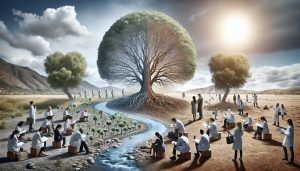
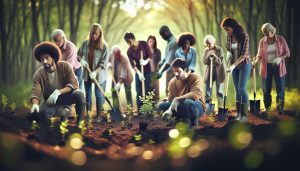
Ecology, often seen as the bedrock of environmental science, is a term that resonates deeply in today’s eco-conscious world. But did you know that this pivotal concept was coined not so long ago? Understanding the origins of ecology not only enriches our appreciation for this essential field but also sheds light on the growing urgency for sustainable living. As climate change and biodiversity loss increasingly affect our lives, knowing who introduced the term helps us connect with the foundational ideas that inspire modern conservation efforts. So, join us as we delve into the surprising story behind the word “ecology,” revealing how it shapes our perspectives and actions toward the environment. Your journey toward a deeper understanding of our ecosystem starts here!
Who Coined the Term Ecology?
The term “ecology” is often associated with a growing awareness of environmental issues and the intricate relationships between organisms and their environments. Coined in the late 19th century, the word derives from the Greek roots “oikos,” meaning “house” or “habitat,” and “logos,” meaning “study.” The person credited with coining this important term is the German naturalist Ernst Haeckel, who introduced it in 1866. His work laid the groundwork for ecology as a distinct scientific discipline, allowing future scientists to investigate the complex web of interactions that sustain life on Earth.
Haeckel’s definition of ecology encompassed the study of organisms in relation to their environment, which was revolutionary at the time. He viewed the ecological framework not just as a means to understand individual species but as an interconnected system involving the relationships and exchanges among diverse life forms. This systems approach was groundbreaking, as it encouraged scientists to appreciate biodiversity and the ecological dynamics that underpin the natural world. By framing ecology in this way, Haeckel pushed for a holistic view of the environment, which has since become a cornerstone of modern ecological study.
Yet, the impact of ecology extends beyond academia. Understanding this discipline fosters a more profound respect for natural systems, encouraging individuals to adopt eco-conscious lifestyles. By recognizing the delicate balance of ecosystems, people can make informed choices that mitigate their ecological footprints-for example, opting for sustainable products, supporting local biodiversity, and engaging in community conservation efforts. As the relevance of ecology continues to grow amid global environmental challenges, Haeckel’s legacy reminds us of the importance of studying and preserving our planet.
Historical Context of Ecology’s Emergence
The late 19th century marked a pivotal moment in the understanding of life sciences, as the extraordinary complexity of life began to unravel through the lens of interconnectedness. Emerging from a backdrop of industrialization and urban expansion, the scientific community faced pressing questions about the consequences of human activity on the natural world. This era, with its growing awareness of ecological interdependence, set the stage for the birth of ecology as a formal discipline, instigated by the intellectual contributions of various scientists, including the pioneering German naturalist Ernst Haeckel.
As Haeckel coined the term “ecology” in 1866, he tapped into a revolutionary perspective that highlighted the profound relationships between organisms and their environments. At this time, the prevailing scientific thought often favored a more segmented approach to biology, which neglected the intricate networks that sustain ecosystems. Haeckel’s insights encouraged a holistic understanding that not only appreciated the diversity of life-encompassing flora, fauna, and their habitats-but also emphasized the vital interactions that facilitate the balance of these systems. His work advocated for the appreciation of biodiversity, urging the scientific community to recognize these interdependencies in their research.
The is intrinsically linked to societal transformations. Urbanization saw a drastic increase in pollution and habitat destruction, pressing the scientific community and the public to engage with these environmental challenges. As naturalists and early ecologists began to observe firsthand the impacts of human behavior on ecosystems, a profound shift occurred. The exploration of habitats and the relationships within them became crucial for addressing these urgent issues. Consequently, ecology not only formed a scientific discipline but also began to intertwine with movements advocating for conservation and sustainable living.
It is crucial to understand that the roots of ecological thought extend beyond mere academic inquiry; they represent humanity’s growing responsibility toward the natural world. As we delve into the history of ecology, we recognize its significance in advocating for a sustainable future-a future where informed choices are made to preserve the delicate balance of ecosystems. Through understanding this historical context, individuals can connect with the principles of ecology, empowering them to make sustainable decisions that honor the intricate web of life on our planet.
The Pioneer Behind the Term: Ernst Haeckel
The establishment of ecology as a formal scientific discipline owes much to the visionary insight of Ernst Haeckel, a German naturalist who coined the term in 1866. Haeckel’s work was remarkable not just for introducing a new vocabulary, but for reframing the conversation around life sciences to include the interconnectedness of organisms within their environments. By advocating for a holistic approach, Haeckel challenged the segmented perspectives that dominated biology at the time, arguing that understanding an organism required examination of its relationships with other living entities and its surroundings.
Haeckel’s contributions extend beyond mere definition; he was a passionate promoter of biodiversity and environmental awareness. In a time when rapid industrialization and urbanization were having profound impacts on natural ecosystems, his insights highlighted the urgent need for a scientific framework that recognized and valued the delicate balance of life. By intertwining scientific inquiry with advocacy, Haeckel laid the groundwork for future ecologists and conservationists, encouraging them to consider the broader implications of their studies on the environment.
His pioneering spirit inspired further exploration into ecological relationships, leading to the identification of critical concepts such as the ecological footprint-a measure of human impact on Earth-and the intricate dynamics of food webs and ecosystems. As society now grapples with pressing environmental issues-such as climate change and biodiversity loss-the principles Haeckel laid out resonate profoundly. Understanding ecology is essential for making informed decisions that can foster a more sustainable interaction with our planet. This historical context empowers individuals not just to learn but to act, inspiring eco-conscious living as a fundamental aspect of modern existence. In recognizing our interdependence, we can collectively work towards a healthier, more resilient Earth for future generations.
Understanding the Roots of the Word ‘Ecology
A captivating aspect of the term “ecology” lies in its linguistic roots, which offer deeper insights into the science that studies the intricate relationships between living organisms and their environments. The word “ecology” originates from the Greek word “oikos,” meaning “house” or “environment,” and “logos,” meaning “study” or “discourse.” This etymology beautifully encapsulates the essence of ecology: the study of organisms’ “homes” and their interactions within the larger network of life.
Understanding this foundational concept not only enriches our appreciation for the discipline but also underscores the urgent relevance of ecological knowledge in today’s world. The interconnectedness implied in the term invites us to consider our own “houses”-the communities, ecosystems, and even our planet-as systems that require careful management and respect. It prompts critical questions: How do our actions influence the ecological balance? What responsibilities do we share toward maintaining the health of our environments?
This insightful connection between language and ecological awareness empowers individuals to make informed, sustainable choices in their daily lives. For instance, embracing practices such as reducing waste, conserving water, and supporting local biodiversity aligns with the very principles that ecology teaches us. Encouraging a sense of stewardship is crucial; when people understand that their daily choices directly impact their ecological “house,” they often feel more motivated to engage in eco-friendly behaviors.
To take practical action, consider these tips for fostering sustainability within your own environment:
- Reduce, Reuse, Recycle: Make a conscious effort to minimize waste by employing the three Rs. This practice not only conserves resources but also reduces pollution.
- Support Local Ecosystems: Participate in local conservation efforts, such as tree planting or habitat restoration, which help maintain the balance of local environments.
- Energy Efficiency: Invest in energy-efficient appliances and consider renewable energy sources like solar power to reduce your ecological footprint.
- Mindful Consumption: Choose products and companies that prioritize sustainability and ethical practices, encouraging a market that values ecological responsibility.
By grounding our actions in an understanding of ecology, we not only honor the meaning behind the term but also contribute to a future where all forms of life can thrive harmoniously in their “homes.”
How Ecology Evolved as a Scientific Discipline
The journey of ecology as a scientific discipline is a fascinating tale of convergence between observation, theory, and the urgency of environmental challenges. Emerging in the 19th century, ecology began to take shape when early naturalists and biologists started systematically studying the relationships between organisms and their environments. This curiosity set the stage for a more formalized approach to understanding ecosystems.
In 1866, Ernst Haeckel coined the term “ecology,” but the groundwork for ecological thought stretched back even further. Naturalist figures such as Charles Darwin and Alfred Russel Wallace provided pivotal insights into species interactions and the concept of natural selection. As Darwin’s On the Origin of Species illuminated the intricacies of adaptation, it prompted thinkers to consider not just individual organisms but the broader networks within which these organisms existed. This raised critical questions about balance and interdependence, driving interest in how various life forms coexist and thrive.
The late 19th and early 20th centuries saw ecology further defined by influential figures like Frederic Clements, who advanced the idea of ecological succession-the natural process through which ecosystems develop and change over time. Clements emphasized the importance of community structures and their dynamic nature, thereby navigating the transition from mere observation of nature to a scientific understanding of ecological processes. This era also saw the establishment of ecology as a recognized field in academic institutions, solidifying its importance.
As modern scientific tools and methods evolved, so did ecological research. The introduction of technologies such as satellite imaging and computer modeling allowed for more comprehensive studies of ecosystems across vast geographic scales. This evolution has not only enriched our understanding of biodiversity and ecological footprints but also underscored the pressing need for sustainable practices in our increasingly interconnected world.
To translate ecological understanding into action, individuals can embrace sustainable practices in their own lives. Here are some practical steps to consider:
- Educate Yourself: Understand local ecosystems and species. Participate in community efforts to protect biodiversity.
- Minimize Footprint: Reduce energy consumption by adopting energy-efficient practices and supporting renewable energy sources.
- Conserve Water: Implement water-saving measures, such as installing low-flow fixtures and capturing rainwater for gardening.
- Support Sustainable Brands: Choose products from companies committed to ethical and environmentally friendly practices.
By viewing ecology through both a historical lens and a practical gaze, we can appreciate the discipline’s significance and embrace our role in fostering a more sustainable future. Understanding how this vital field has evolved encourages us to reflect on our relationship with nature and inspires proactive contributions to environmental stewardship.
Key Milestones in Ecological Thought
The evolution of ecological thought is marked by significant milestones that shaped how we understand the relationships between living organisms and their environments. One of the earliest reflections on these relationships can be traced back to the works of naturalists like Aristotle, but it was not until the 19th century that ecology began to solidify as a distinct field of study, primarily through the contributions of pioneers like Ernst Haeckel. His 1866 introduction of the term “ecology” combined the Greek words “oikos” (house or environment) and “logos” (study), establishing a framework for what would become a complex scientific discipline focused on interactions within ecosystems.
Haeckel’s ideas laid the groundwork for other influential ecological thinkers. In the late 19th and early 20th centuries, Frederic Clements introduced the concept of ecological succession, proposing that ecosystems undergo a series of progressive stages that lead to a stable climax community. This idea was revolutionary, shifting the focus from static views of nature to an understanding of its dynamic processes. Researchers began to recognize the importance of community structures and their interdependent relationships, paving the way for further exploration of ecosystems as intricate webs of interactions.
Another key milestone was the development of the “island biogeography theory” by Robert MacArthur and Edward O. Wilson in the 1960s. This theory provided insights into how species diversity is influenced by the size and distance of islands (or habitat patches) from the mainland, fundamentally altering perceptions of biodiversity and conservation strategies. Their work emphasized the need for landscape connectivity and informed modern conservation efforts that prioritize habitat preservation and restoration.
Modern milestones reflect advancements in technology and methodology, such as the introduction of mathematical modeling in ecology and the use of remote sensing tools to study ecosystem dynamics on a global scale. These developments have been instrumental in understanding ecological footprints, climate change impacts, and the necessity of sustainable practices across various sectors. Engaging with these concepts not only enhances scientific knowledge but also empowers individuals to take proactive steps toward reducing their environmental impact in everyday life.
To integrate ecological awareness into personal practices, consider the following approaches:
- Practice mindfulness in consumption: Reduce, reuse, and recycle materials to minimize waste.
- Choose sustainable products: Opt for items made from renewable resources or those with eco-friendly certifications.
- Engage in local conservation efforts: Participate in community clean-up activities or support local environmental organizations.
- Incorporate nature into daily life: Create plant-friendly spaces at home, encouraging biodiversity and fostering a connection to the environment.
By understanding the historical context and , individuals can appreciate the depth of this essential science and its relevance to modern environmental challenges. Embracing eco-conscious living stems not only from scientific understanding but also from a deep-seated respect for the intricate web of life that sustains us all.
The Relationship Between Ecology and Environmentalism
The interconnection between ecology and environmentalism is deeply rooted in the growing awareness of our planet’s fragile state and the complexities of its ecosystems. As ecological research unveils the intricate relationships among living organisms and their environments, it compels advocates for environmental protection to address urgent issues like climate change, habitat loss, and biodiversity decline. This synergy is not coincidental; rather, it reflects a natural convergence of scientific study and activism motivated by a shared goal of preserving the Earth for future generations.
Understanding ecological concepts like biodiversity and ecological footprints serves as a foundation for effective environmentalism. For example, the concept of biodiversity encompasses not only the variety of species but also their roles within ecosystems. This understanding empowers individuals to recognize the significance of their choices-whether it’s opting for local produce to reduce carbon emissions from transportation or supporting sustainable brands that respect natural habitats. Such informed decisions are vital in fostering a culture of environmental responsibility and collective action.
Moreover, the rise of eco-conscious movements from the 20th century onward illustrates the direct impact of ecological science on policy and grassroots initiatives. The emergence of influential works, such as Rachel Carson’s “Silent Spring,” catalyzed public concern over pesticide use, illustrating how ecological insights can drive meaningful change. Activism rooted in ecological understanding has led to significant legislation aimed at protecting air and water quality, preserving endangered species, and promoting sustainable land use practices.
To incorporate ecological principles into daily life, individuals can take actionable steps. Start by evaluating your ecological footprint through tools available online, which can help identify areas for improvement. Consider adopting sustainable practices such as:
- Reducing single-use plastics: Opt for reusable bags, bottles, and containers to minimize waste.
- Embracing renewable energy: Explore options like solar panels or community solar programs to decrease reliance on fossil fuels.
- Supporting local conservation efforts: Volunteer or donate to initiatives that focus on restoring habitats and protecting wildlife.
By merging ecological knowledge with environmental action, you can play a critical role in fostering a healthier planet. Every small change contributes to larger systemic shifts, creating a ripple effect that encourages others to consider their environmental impact and take steps toward a more sustainable future.
Exploring Early Ecological Theories and Concepts
The roots of ecology can be traced back to philosophical inquiries about the relationships between organisms and their environments. Early thinkers pondered the balance of nature, with concepts like the interconnectedness of species and their habitats emerging long before the formal establishment of ecology as a discipline. This foundational understanding laid the groundwork for what would eventually become a scientific framework for studying life on Earth.
Significant early ecological theories focused on the dynamic interplay between living organisms and their surroundings. Notably, the idea of the “web of life” reflects the intricate interdependencies that persist within ecosystems. By recognizing that each species plays a vital role in the health of its community, early ecologists began to explore the delicate balance necessary for sustaining biodiversity. This holistic approach helped shift perspectives from seeing nature as a collection of isolated entities to understanding ecological networks as complex, collaborative systems.
As ecology evolved, so did its theories and concepts. The notion of ecological niches-the specific roles that different species occupy within an ecosystem-was pivotal. Understanding how species adapt to their environments and interact with one another allowed scientists to predict the impact of changes, whether natural or anthropogenic, on ecosystem health. Such insights are especially pertinent today, as we navigate challenges like habitat destruction and climate change.
- Embrace your role: Recognize the part you play in your local ecosystem-consider how your choices affect wildlife and plant life.
- Learn about local species: Familiarize yourself with native plants and animals in your area to appreciate their roles in your environment.
- Support biodiversity: Engage in local conservation efforts or create wildlife-friendly gardens that promote various species.
By grounding ecological concepts in the everyday decisions we make, we can take informed steps toward sustainability. Drawing connections between early ecological theories and modern practices encourages a mindset geared towards stewardship of our planet. Understanding these foundations not only enriches our knowledge but also empowers us to cultivate a healthier environment for future generations.
Impact of Ecology on Modern Environmental Science
The study of ecology has dramatically reshaped our approach to environmental science, emphasizing the complex interactions within ecosystems and their significance for sustainability. As we face pressing issues such as climate change, pollution, and species extinction, the framework provided by ecological science is more relevant than ever. At its core, ecology examines the relationships between living organisms and their environments, offering a holistic perspective that integrates biological, physical, and chemical processes. This multifaceted understanding enables scientists and policymakers to develop strategies that promote biodiversity and ecosystem resilience.
Ecological concepts like biodiversity and ecosystem services have become fundamental to modern environmental policy. Recognizing that diverse ecosystems are more robust and capable of withstanding environmental stresses has led to initiatives focused on conservation and restoration. For instance, protecting wetlands not only preserves unique habitats but also provides vital services such as flood control and water purification. Engaging with these ideas can inspire individuals to participate in local conservation projects, supporting efforts to maintain the health of their environments.
Furthermore, advancements in ecological research have contributed to innovative solutions for sustainable living. Techniques such as permaculture and regenerative agriculture draw from ecological principles to create agricultural systems that work in harmony with nature. For those looking to reduce their ecological footprint, incorporating practices like organic gardening, using native plants, or applying permaculture design principles can significantly enhance local ecosystems while providing personal benefits.
The impact of ecology extends beyond academic circles; it infiltrates popular culture, consumer habits, and even corporate strategies. Businesses increasingly recognize the value of sustainability, driven not only by consumer demand but also by a growing awareness of their ecological footprints. By supporting companies committed to environmentally responsible practices, consumers can amplify the influence of ecological thinking in the marketplace.
In essence, understanding ecology equips us with the knowledge to make informed choices that benefit both our local environments and the planet at large. Whether through direct action, support for conservation efforts, or advocating for policies that prioritize ecological health, we each have a role to play in fostering a sustainable future. As we navigate this critical juncture in environmental history, embracing ecological principles can catalyze meaningful change, leading to a healthier, more resilient world for generations to come.
Ecology in Popular Culture and Society
In recent years, ecology has woven itself into the very fabric of popular culture, subtly influencing the arts, fashion, and public discourse while driving consumer behaviors toward sustainability. Movies, books, and documentaries that highlight environmental themes not only entertain but also serve as catalysts for change, bringing issues like climate crisis and biodiversity loss to the forefront of popular consciousness. Films such as “Our Planet” and “Chasing Ice” have captivated audiences with stunning visuals and urgent narratives, emphasizing the interconnectedness of ecosystems and the human role within them.
The fashion industry, once a significant contributor to environmental degradation, is undergoing a transformation fueled by ecological awareness. Brands are increasingly embracing eco-friendly practices, utilizing sustainable materials, and promoting slow fashion principles. This shift is not merely a trend but a response to consumer demand for transparency and responsibility. Shoppers are now more inclined to support brands that align with their values, opting for products that reflect an understanding of their ecological footprints.
Moreover, social media platforms are awash with content promoting sustainable lifestyles, from zero-waste living to plant-based diets. Influencers and activists use these platforms to educate their followers about ecology, sharing tips on how to reduce waste and consume mindfully. Such grassroots movements empower individuals to take actionable steps toward sustainability-whether through participating in local cleanups, adopting eco-friendly technologies, or transforming their backyards into biodiversity havens.
Engaging with ecological themes in pop culture is not just about awareness; it’s a call to action that encourages individuals to rethink their relationship with the environment. By embracing ecologically conscious choices in daily life-such as supporting local farmers, using renewable energy sources, or opting for biodegradable products-people contribute to a collective shift toward a sustainable future. In this way, popular culture doesn’t just reflect societal values; it shapes them, making ecology a relevant and inspiring aspect of modern life.
Future Directions for Ecological Research and Thought
The future of ecological research and thought promises to be a dynamic landscape, shaped by pressing environmental challenges and technological advancements. As we confront issues like climate change, habitat loss, and biodiversity decline, researchers are increasingly committed to interdisciplinary approaches that combine ecology with other fields such as economics, sociology, and technology. This integration aims to foster holistic understanding and innovative solutions that can effectively tackle the complexities of environmental degradation.
Innovations in technology are transforming ecological research, enabling more accurate data collection and analysis. Tools like remote sensing, geographic information systems (GIS), and machine learning are empowering scientists to monitor ecosystems in real-time, allowing for quicker and more informed responses to ecological changes. For example, drones equipped with sensors can survey large areas to assess vegetation health, while AI algorithms can predict species distributions and identify potential conservation areas. These advancements not only enhance our understanding of ecological systems but also facilitate more effective conservation strategies.
As ecological awareness permeates society, the relationship between individual actions and ecological outcomes becomes increasingly important. Efforts in community-based participatory research are gaining traction, empowering local populations to engage in ecological monitoring and restoration. This grassroots involvement fosters a sense of stewardship and responsibility, nurturing a deeper connection between communities and their environments. Initiatives such as urban reforestation, local biodiversity projects, and sustainable farming practices are examples where community engagement leads to tangible ecological improvements while also enhancing social resilience.
Moreover, the evolving discourse on ecological matters extends beyond scientific circles into public policy and economic frameworks. Emerging concepts like the circular economy challenge traditional linear business models, emphasizing resource efficiency and sustainability. Policy developments that incentivize green technologies and conservation efforts reflect an acknowledgment of the intrinsic value of ecosystems. By prioritizing sustainable practices at all levels, we can pave the way for a future where ecological health and economic viability coexist harmoniously.
In conclusion, the prospects for ecological research and thought are not merely academic; they are integral to shaping a sustainable future. As individuals, we can contribute to this evolution by remaining informed, advocating for eco-friendly policies, and actively participating in local ecological initiatives. Whether through reducing our ecological footprints or supporting businesses that prioritize sustainability, our collective efforts can drive the changes needed to protect our planet for generations to come.
Why Understanding Ecology Matters Today
Understanding ecology is more critical today than ever, as our planet faces unprecedented challenges from climate change, habitat destruction, and biodiversity loss. The concept of ecology, which originated from the Greek word “oikos,” meaning household or home, emphasizes the interconnectedness of life within various environmental contexts. By grasping ecological principles, individuals can make informed decisions that contribute to a sustainable future and foster a deeper appreciation for the natural world.
One practical way to engage with ecology is through understanding our ecological footprints, which measure the impact of our lifestyle choices on the environment. By consciously reducing our footprints, we can help alleviate pressures on ecosystems. Simple actions such as reducing waste, conserving water, and choosing sustainable products can collectively lead to significant positive changes. For instance, opting for reusable bags and containers minimizes plastic waste, while supporting local agricultural initiatives helps sustain regional ecosystems.
Moreover, integrating ecological knowledge into everyday life can empower communities to take collective action. Initiatives like community gardens or local clean-up events not only enhance biodiversity but also strengthen social bonds. These grassroots movements create a sense of responsibility and stewardship, ensuring that environmental care is woven into the fabric of daily life. By participating in these efforts, individuals can witness firsthand the positive changes they bring about, reinforcing the importance of ecological awareness.
In our modern society, where environmental policies are increasingly influenced by public opinion, understanding ecology enables individuals to advocate effectively for sustainable practices and policies. Knowledgeable citizens can press for more environmentally friendly legislation, encourage businesses to adopt sustainable methods, and support innovations in green technology. By actively engaging with ecological concepts, everyone can play a role in shaping a healthier planet, illustrating that our individual actions, when combined, can yield profound effects on our communal environment and beyond.
Frequently Asked Questions
Q: What is the meaning of the term ‘ecology’?
A: The term ‘ecology’ is derived from the Greek words “oikos,” meaning house, and “logos,” meaning study. Thus, ecology can be understood as the study of the relationships between living organisms and their environments, which integrates elements of biology, geology, and environmental science.
Q: Who was Ernst Haeckel and what was his contribution to ecology?
A: Ernst Haeckel was a German biologist who coined the term ‘ecology’ in 1866. His work emphasized the interconnectedness of organisms within their environments, laying foundational principles for modern ecological study. By integrating diverse scientific ideas, he paved the way for ecology as a discipline.
Q: How did ecology develop as a scientific field?
A: Ecology evolved significantly from the late 19th century as organisms’ interactions with their environments gained more attention. Milestones such as the establishment of ecological societies and the publication of landmark studies helped formalize ecology as a distinct scientific discipline and broaden its scope.
Q: Why is understanding ecology important in today’s world?
A: Understanding ecology is crucial for addressing environmental challenges such as climate change and biodiversity loss. It informs conservation efforts, sustainable resource management, and environmental policy, ultimately helping societies thrive alongside their natural ecosystems.
Q: What are some key milestones in the history of ecological thought?
A: Key milestones in ecological thought include the publication of “The Ecology of Birds” by Charles Elton in 1927, the establishment of the first ecological society in 1913, and the integration of systems theory into ecology in the late 20th century, all of which advanced the field’s scientific rigor and application.
Q: How does ecology relate to environmentalism?
A: Ecology is foundational to environmentalism as it provides the scientific understanding of ecosystems necessary for effective advocacy and policy-making. Ecological principles guide environmental protection efforts, helping to balance human activities with the health of natural environments.
Q: What early ecological theories are important to know?
A: Early ecological theories, such as the concept of natural selection introduced by Charles Darwin, laid the groundwork for understanding species interactions, adaptation, and biodiversity. Other theories, like Clements’ theory of ecological succession, further explicated community development over time.
Q: What impact has ecology had on modern environmental science?
A: Ecology has profoundly influenced modern environmental science by providing frameworks for analyzing ecological systems, conservation biology, and resource management. This scientific lens enhances our understanding of environmental processes, shaping public policy and education on sustainable practices.
Final Thoughts
Understanding the origin of the term “ecology” not only enriches your knowledge but also empowers you to contribute to a healthier planet. As we’ve explored, the roots of ecology tie deeply to our relationship with the environment and underscore the importance of biodiversity and sustainable practices. Ready to take the next step in your eco-conscious journey? Discover more about our ecological footprint and tips for sustainable living in our articles on green technologies and eco-friendly products.
If you found this exploration enlightening, don’t hesitate to dive deeper! Subscribe to our newsletter for practical advice on staying green or check out our guide on sustainable housing options. Your engagement shapes a collective mission toward a more sustainable future-so let’s keep the conversation going. Comment below your thoughts or any questions you may have; we’d love to hear from you!