Did you know that biodiversity loss is among the most pressing challenges of our time? Eco biology experts play a vital role in advancing conservation science, focusing on the intricate relationships between ecosystems and the species that inhabit them. By understanding these connections, they not only address the urgent need to protect our planet’s resources but also equip individuals and communities with practical tools to support sustainable living. As the impacts of climate change and habitat degradation become more pronounced, the insights gained from eco biology can empower us to make informed decisions, from reducing our ecological footprints to advocating for responsible environmental practices. By exploring how these experts forge paths in conservation science, you’ll uncover the essential strategies that can help safeguard our planet for future generations. Join us on this enlightening journey and discover how you can contribute to a more sustainable world.
Who Are Eco Biology Experts?
Individuals who specialize in eco biology, often referred to as eco biology experts, play a crucial role in advancing conservation science. These professionals typically have a strong background in ecological principles, biochemistry, and environmental science, which they apply to understand complex ecological interactions and processes. Their expertise is essential for conducting ecological assessments, developing conservation strategies, and promoting biodiversity.
Eco biology experts work in various settings, including academic institutions, government agencies, and non-profit organizations. They conduct field research to monitor ecosystems, analyze species populations, and assess environmental impacts. Their findings are vital for informing policy decisions and guiding conservation efforts. By utilizing innovative methods such as remote sensing and GIS technology, they can provide insights into habitat changes and species distributions, making their work indispensable for effective environmental management.
In addition to research, eco biology experts often engage in public education and outreach. They communicate the importance of healthy ecosystems and biodiversity to diverse audiences, helping to raise awareness and inspire action. Through community workshops, educational programs, and collaboration with local stakeholders, they foster a sense of stewardship among individuals and communities, encouraging them to take proactive steps in support of conservation initiatives.
Overall, eco biology experts are at the forefront of understanding and addressing environmental challenges. Their work not only advances scientific knowledge but also empowers communities to contribute to sustainable practices that benefit both the planet and future generations.
The Role of Eco Biology in Conservation

Eco biology plays a pivotal role in conservation efforts today, serving as a bridge between scientific research and practical applications that safeguard our planet’s biodiversity. By understanding the complex interrelationships within ecosystems, eco biology experts can identify critical environmental challenges and develop targeted strategies to address them. For instance, these specialists often utilize ecological assessments to determine the health of various habitats, guiding restoration activities aimed at enhancing ecosystem resilience.
One practical approach that eco biology experts emphasize is the importance of local species conservation. By focusing on endemic species-those found only in specific regions-conservation efforts can have a disproportionate impact on preserving biodiversity. For example, initiatives aimed at protecting native plant species can help sustain local wildlife populations that rely on these plants for food and habitat. Additionally, educating communities about the significance of these species fosters a sense of stewardship and encourages collective action towards conservation.
The incorporation of technology further enhances . Tools such as Geographic Information Systems (GIS) and remote sensing allow researchers to monitor environmental changes over time, effectively tracking the success of conservation initiatives. These technologies facilitate the analysis of data on species distribution, habitat degradation, and climate change impacts, providing a clearer picture of environmental shifts.
In addition to research and technology, eco biology experts advocate for sustainable practices that individuals can adopt to contribute to conservation efforts. Simple actions, such as reducing plastic use, supporting local agriculture, and participating in community clean-ups, not only help decrease one’s ecological footprint but also inspire others to engage in environmentally responsible behavior. Emphasizing a collaborative approach, eco biologists encourage citizens, policymakers, and businesses alike to work together in creating a sustainable future for our planet.
Cutting-Edge Research in Conservation Science

Understanding the intricacies of ecosystems is vital for effective conservation efforts. , driven by eco biology experts, continuously seeks innovative ways to tackle the pressing challenges our natural world faces today. These researchers employ advanced methodologies-ranging from genomic studies to ecological modeling-that allow them to delve deeper into the relationships among species and their habitats. Such investigations not only enhance our knowledge of biodiversity but also inform actionable conservation strategies.
One of the most promising areas of research involves the use of technology to create detailed ecological maps. Geographic Information Systems (GIS) and drones equipped with high-resolution cameras provide real-time data on habitat changes, species distributions, and environmental threats. This information is crucial for developing targeted conservation plans that can be adapted based on ongoing findings. Additionally, scientists are utilizing artificial intelligence to analyze massive datasets, predicting trends in wildlife populations and ecosystem health with unprecedented accuracy.
Moreover, eco biology experts are focusing on adaptive management strategies, which involve continually refining conservation techniques based on outcomes and new insights. For instance, researchers might initially implement a reforestation project and, through ongoing studies, adjust their approach based on the specific flora and fauna that thrive in the restored areas. This flexibility allows conservationists to respond effectively to changing environmental conditions and emerging threats, such as climate change or invasive species.
Public engagement plays a significant role in the success of conservation science as well. By sharing their findings and collaborating with local communities, eco biology experts can empower individuals to take part in conservation efforts, from citizen science projects to habitat restoration initiatives. These collaborations draw on the local knowledge and passion of community members, creating a holistic approach that is more likely to succeed in preserving the planet’s rich biodiversity.
Ultimately, not only advances theoretical understanding but also translates into practical solutions that communities and policymakers can implement. The ongoing innovation in this field inspires hope for the future of our ecosystems and reinforces the importance of collaborative efforts in safeguarding the natural world.
Ecosystem Services: Why They Matter
Ecosystem services, the benefits humans obtain from ecosystems, are essential for our survival and well-being. From the clean air we breathe to the water we drink, these natural processes sustain life. Understanding and appreciating these services is critical not only for environmental conservation efforts led by eco biology experts but also for encouraging individuals to adopt more sustainable practices in their daily lives.
One of the foundational ecosystem services is provisioning services, which include the production of food, fresh water, wood, and fiber. For example, well-maintained forests provide timber for construction and paper products, while healthy oceans yield fish that contribute significantly to global food security. In this context, eco biology experts work to sustain and enhance these services through responsible management practices, promoting sustainable fishing and forestry techniques that ensure resources remain available for future generations.
Another key category is regulating services, which involve natural processes that regulate climate and air quality, mitigate floods, and control diseases. Wetlands, for instance, filter pollutants and manage water flows, which helps prevent flooding in nearby communities. Eco biology experts engage in research and advocacy to protect and restore such ecosystems, highlighting their role in climate resilience. Encouraging local involvement in these efforts can amplify their effectiveness; for instance, community-led wetland restoration projects not only enhance local biodiversity but also provide educational opportunities that instill a sense of stewardship among residents.
Lastly, cultural services encompass the non-material benefits people derive from ecosystems, including recreation, aesthetic enjoyment, and spiritual significance. As more people seek nature-based experiences, the recognition of parks and natural reserves as vital components of mental and physical health is growing. Eco biology experts emphasize the need to preserve these areas, linking ecological health to community well-being. Simple actions like promoting local parks for recreational activities can foster community cohesion while reinforcing the importance of preserving natural spaces.
Incorporating these insights into everyday life is crucial. By making informed choices, such as supporting local and sustainable products or participating in conservation programs, individuals can play a role in protecting the very ecosystem services that sustain humanity. Understanding the importance of these services not only enhances our appreciation for nature but also empowers us to take action for a healthier planet.
Innovative Strategies for Wildlife Preservation
are essential as we face unprecedented challenges to biodiversity. Eco biology experts are employing a variety of cutting-edge techniques that not only protect wildlife but also promote healthier ecosystems. One significant strategy is the use of conservation genetics. By analyzing the genetic diversity of endangered species, researchers can better understand their population dynamics and develop breeding programs aimed at enhancing genetic diversity, which is crucial for resilience against diseases and climate change.
Another promising approach involves community-based conservation. Involving local communities in conservation efforts not only fosters a sense of ownership but also ensures that strategies are culturally appropriate and effective. Programs that offer sustainable livelihoods linked to wildlife conservation, such as ecotourism or sustainable agricultural practices, can significantly reduce human-wildlife conflict and incentivize communities to protect their natural resources.
Technological advancements are also shaping wildlife preservation efforts. For instance, the use of drones and remote sensing technology allows ecologists to monitor wildlife populations and their habitats more efficiently. These innovations provide critical data on species distribution and habitat changes, making it easier to devise timely intervention strategies. Additionally, camera traps equipped with artificial intelligence can help researchers gather data on rarely seen or elusive species, driving better-informed conservation efforts.
Lastly, fostering partnerships across sectors-including governmental agencies, non-profits, and private enterprises-enables a collaborative approach to conservation. Engaging various stakeholders can lead to innovative solutions like habitat restoration projects that integrate community development and conservation goals. By addressing the social and economic factors impacting wildlife, eco biology experts create resilient ecosystems and sustainable practices that benefit both wildlife and human populations.
With these strategies, the path to conserving wildlife is not only about protecting species in isolation but also about nurturing the interconnected web of life that supports them. By embracing these innovative approaches, we can take meaningful steps toward preserving our planet’s rich biodiversity for future generations.
Case Studies: Successful Conservation Efforts
Inspiring success stories abound in the realm of conservation, where eco biology experts harness innovative approaches to tackle pressing environmental challenges. One remarkable case is the recovery of the California Condor, once on the brink of extinction. In the 1980s, just 27 individuals survived, leading conservationists to implement a multi-faceted approach involving captive breeding programs, public education, and habitat restoration. By 2020, the population had surged to over 500 individuals, demonstrating the profound impact collective action can have on preserving biodiversity.
Another compelling example is the rewilding of the Iberian Peninsula through the reintroduction of apex predators such as the Iberian lynx. Following extensive efforts by biologists, local communities, and government bodies, the lynx population has rebounded from fewer than 100 individuals in the early 2000s to over 400 today. This initiative not only revitalizes the ecosystem but also enhances the resilience of the species against threats such as habitat fragmentation and human encroachment.
The Great Green Wall initiative in Africa illustrates how community engagement and sustainable practices can rejuvenate degraded landscapes. This ambitious project aims to restore 100 million hectares of land across the Sahel region, improving food security and integrating local economies with conservation goals. Local communities engage in tree planting and sustainable agriculture, creating a patchwork of healthy ecosystems that combat desertification and promote resilience against climate change.
Through these case studies, it is evident that successful conservation efforts often hinge on collaboration, innovation, and a commitment to integrating ecological science with community needs. By empowering local stakeholders, utilizing cutting-edge technologies, and fostering biodiversity, these projects exemplify how strategic conservation can create a greener, more sustainable future for our planet.
Integrating Technology in Conservation Biology
Innovative technologies are revolutionizing the field of conservation biology, enabling eco biology experts to address environmental challenges with unprecedented precision and efficiency. For instance, the integration of drones in wildlife monitoring allows for real-time data collection over extensive landscapes that would otherwise be hard to access. Drones provide aerial imagery that can track animal movements, assess habitat conditions, and even identify illegal poaching activities. This data empowers conservationists to make informed decisions that enhance the protection of endangered species and their habitats.
Another significant advancement is the use of remote sensing technology, which uses satellite imagery to monitor changes in land use and vegetation over time. This technology is crucial for understanding the impacts of climate change and human development on ecosystems. By analyzing large datasets, researchers can identify trends in deforestation, urbanization, and shifts in biodiversity, leading to more effective conservation strategies tailored to specific regions and issues.
The rise of genomic technologies is also making waves in conservation efforts. By utilizing DNA barcoding and sequencing, conservation biologists can gain insights into species diversity, population health, and genetic variation, which are essential for informing breeding programs and habitat restoration initiatives. For example, identifying genetic bottlenecks in a small population can lead to targeted actions to enhance genetic diversity, crucial for long-term survival.
Furthermore, the application of citizen science platforms empowers individuals to collect and share data on local biodiversity. Apps and websites that facilitate community involvement in data collection not only broaden the scope of research but also foster a sense of stewardship among the public. This grassroots engagement can enhance awareness about conservation issues and mobilize local communities towards sustainable practices.
In conclusion, the fusion of technology and ecological science is profoundly reshaping conservation biology. By embracing these innovative tools, eco biology experts are better equipped to protect our planet’s biodiversity and promote sustainable practices that resonate on both local and global scales. Adopting these advancements not only fosters scientific advancement but also inspires communities to participate actively in preserving our natural heritage for future generations.
Community Engagement and Conservation Success
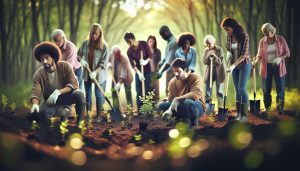
Engaging communities in conservation efforts not only empowers individuals but also fosters a deeper connection to local ecosystems. When people are actively involved in conservation projects, they become stewards of the environment, enhancing the success of ecological initiatives. One captivating example is the “Adopt-a-Patch” program, where local community members take responsibility for maintaining specific areas in their neighborhoods. This initiative has led to remarkable transformations in urban green spaces, increasing biodiversity and providing vital habitats for local wildlife.
Building Community Networks
Connecting with people through local networks, schools, and organizations can amplify conservation efforts. Regular workshops and events that focus on ecological awareness-such as tree planting days, habitat restoration projects, and wildlife monitoring activities-create opportunities for education and collaboration. By making these events accessible and informative, communities are encouraged to participate actively. For instance, educational programs in schools can inspire the next generation to prioritize sustainability and understand their role in protecting the environment.
Leveraging Technology for Engagement
Modern technology can further enhance community engagement. Platforms that facilitate citizen science-where individuals collect and share data on local species, weather patterns, and ecosystem changes-inspire participation and accountability. Mobile apps can provide users with tools to report sightings of flora and fauna, track environmental conditions, and share observations with researchers. This data not only contributes to larger conservation efforts but also builds a sense of pride and responsibility among participants, as they see their contributions directly impacting local biodiversity.
Turning Awareness into Action
To translate awareness into tangible action, communities can adopt simple yet effective practices that promote sustainability. Examples include organizing local clean-up events, creating community gardens, and promoting biodiversity-friendly landscaping. These initiatives not only beautify neighborhoods but also enhance local habitats. Moreover, empowering local businesses to embrace sustainable practices, such as reducing single-use plastics or sourcing locally, can lead to broader community-wide changes.
In summary, fostering community engagement is essential for the success of conservation efforts. By providing opportunities for hands-on involvement, leveraging technology, and promoting sustainable practices, eco biology experts can inspire individuals to take action. Together, these community-focused strategies not only protect our ecosystems but also nurture a culture of environmental stewardship that resonates for generations to come.
Policy Development for Sustainable Practices
Creating effective policies for sustainable practices is essential in the fight against environmental degradation and for the preservation of our ecosystems. Policymakers are increasingly recognizing the importance of integrating ecological science with policy-making to ensure that decisions are both scientifically sound and socially responsible. Eco biology experts play a crucial role in this process by providing the necessary data and insights to shape policies that promote sustainability and conservation.
One vital aspect of policy development involves engaging stakeholders from various sectors, including local communities, businesses, and government agencies. Collaborative efforts can lead to comprehensive policies that reflect the needs and values of all involved while addressing critical environmental issues. For instance, community-based resource management initiatives allow local populations to have a say in the sustainable use of their natural resources. This collaborative approach not only empowers communities but also enhances compliance and efficacy, as stakeholders are more likely to support policies they helped create and believe in.
In addition to collaboration, evidence-based policymaking is paramount. Policymakers should rely on robust scientific data to inform their decisions. This is where eco biology experts contribute significantly-they conduct research on biodiversity, ecosystem services, and environmental health, shedding light on the potential impacts of different practices. By presenting clear, actionable recommendations, eco biology experts can help policymakers craft regulations that minimize environmental harm, such as implementing stricter guidelines on pollution or incentivizing the use of renewable resources.
Moreover, effective policy development requires adaptability. Environmental conditions and societal needs can change rapidly, necessitating policies that are flexible and resilient. Strategies such as adaptive management-whereas policies are continuously updated based on monitoring and feedback-can ensure that initiatives remain relevant and effective over time. For example, areas affected by climate change may require updated conservation strategies as species migrate or habitats transform.
Ultimately, the integration of eco biology into policy development not only yields sustainable practices but also fosters a culture of environmental stewardship. When communities are equipped with the knowledge and tools to engage in sustainable practices, they can make informed decisions that benefit their local ecosystems. Thus, empowering individuals and organizations through educational programs and resources ensures that eco-friendly initiatives are not just top-down mandates but grassroots movements. By implementing thoughtful, science-backed policies and encouraging community involvement, we can set a sustainable path forward for our planet.
Understanding Biodiversity and Its Importance
The intricate web of life on Earth relies heavily on biodiversity, which refers to the variety of life forms, including species diversity, ecosystem diversity, and genetic diversity. This diversity is not just a luxury but a critical component of a healthy planet. For instance, diverse ecosystems, such as rainforests, coral reefs, and wetlands, provide essential services like water purification, climate regulation, and pollination of crops. When we lose biodiversity, we jeopardize these functions and the services that sustain our livelihoods.
One major reason biodiversity is important is its direct impact on human health. A rich variety of species and genetic diversity within these species help buffer against diseases and pests. For example, diverse agricultural systems are more resilient to changes in climate or outbreaks of crop diseases, thereby ensuring food security. Incorporating a range of plants in our gardens and farms can attract beneficial insects, reduce the need for chemical pesticides, and enhance soil health. Simple actions like planting native species or creating pollinator gardens can significantly contribute to local biodiversity efforts.
In addition to health benefits, biodiversity fosters ecosystem resilience. Ecosystems with a wide variety of species are better equipped to withstand disturbances such as natural disasters or human-induced changes. Consider the role of wetlands; they act as buffers against flooding and can filter pollutants from water. Protecting these environments is crucial not only for the species that inhabit them but also for human communities that depend on their stability.
Understanding the significance of biodiversity calls for proactive measures in our everyday lives. Here are a few reasons why embracing biodiversity matters:
- Supports Ecosystem Health: Biodiversity ensures ecosystems function optimally, maintaining life-supporting services.
- Enhances Food Security: Diverse crops can better withstand diseases and adverse conditions, securing food supplies.
- Promotes Resilience: A mix of species can adapt to changes, ensuring the continuity of ecosystems.
- Contributes to Economic Stability: Biodiverse ecosystems offer resources for fishing, forestry, and tourism, vital for local economies.
By becoming more aware of our role in preserving biodiversity, we can make informed choices that protect our ecosystems. Engaging in local conservation projects, reducing waste, and supporting sustainable products are all ways to contribute positively. Remember that every small effort counts; enhancing biodiversity starts with individual actions that collectively lead to significant change.
Practical Tips for Supporting Conservation
Making conscious choices every day can significantly contribute to conservation efforts and protect our planet’s precious biodiversity. Small actions can lead to a ripple effect of positive change-so whether you’re at home, work, or out in the community, there are numerous ways to support conservation.
Start by assessing your ecological footprint, which reflects how your lifestyle impacts the environment. Simple changes can be transformative. For instance, consider reducing energy consumption by switching to energy-efficient appliances and using LED bulbs. Not only does this save money, but it also diminishes your carbon footprint. Additionally, adopting a plant-based diet or reducing meat intake can substantially lower greenhouse gas emissions associated with food production.
Engage with your community by participating in local conservation programs or organizing clean-up events. Not only does this enhance local ecosystems, but it also fosters a sense of community and responsibility. Even gardening can be an act of conservation; by planting native species, you create habitats for local wildlife. One example of this is creating pollinator gardens, which support bees and other essential pollinators, thereby bolstering food security.
Moreover, choosing sustainable products wherever possible plays a crucial role in conservation. Seek out brands that prioritize sustainable practices-look for certifications like Fair Trade, organic, or cruelty-free. By supporting these businesses, you encourage responsible practices that benefit the environment and promote biodiversity. Finally, consider incorporating renewable energy sources, such as solar panels or wind turbines, into your home or lifestyle. These innovations not only reduce reliance on fossil fuels but also inspire others to pursue eco-friendly initiatives.
In summary, every small step counts. Whether adjusting your daily habits, engaging with your community, or supporting sustainable products, each action contributes to the larger goal of global conservation. Embrace these changes, and inspire those around you to do the same-a collective effort is essential for safeguarding our planet’s future.
The Future of Conservation: Trends and Challenges
The future of conservation is a dynamic landscape shaped by both emerging trends and significant challenges. As eco-biology experts delve deeper into understanding ecosystems, they uncover innovative solutions and strategies that address biodiversity loss and environmental degradation. One remarkable trend is the increasing integration of technology in conservation efforts. From satellite imaging that monitors deforestation to drones that track wildlife populations, technological advancements are empowering scientists and conservationists to gather data and implement strategies more effectively than ever before.
Another pivotal trend is the emphasis on community-driven conservation initiatives. Local communities are often the best stewards of their environments, possessing intricate knowledge of local ecosystems. Engaging these communities not only fosters a sense of responsibility but also builds societal ties around conservation goals. Workshops, educational programs, and collaborative projects can galvanize grassroots efforts, ensuring that environmental preservation is both inclusive and culturally relevant.
However, these advancements don’t come without challenges. Climate change remains a pervasive threat, disrupting ecosystems and altering species distribution globally. Additionally, habitat destruction due to urbanization and pollution continues to overshadow conservation efforts. It’s imperative that stakeholders-governments, NGOs, and individuals-work collaboratively to establish policies that promote sustainable practices, enforce regulations, and support transformative change.
As the field of eco-biology evolves, the emphasis on holistic, integrated approaches is becoming clearer. Addressing ecological issues requires understanding the interconnectedness of various systems, which implies that preserving biodiversity is key not only for the environment but also for human health and well-being. The collective actions of individuals can contribute significantly to these efforts, creating a ripple effect that enhances the resilience of both communities and ecosystems. The future of conservation calls for adaptability, collaboration, and a steadfast commitment to nurturing the planet for generations to come.
Q&A
Q: What qualifications do Eco Biology experts typically have?
A: Eco Biology experts often have advanced degrees in ecology, biology, environmental science, or related fields. Many hold a Ph.D. and have specialized training in conservation techniques and ecological research methodologies. This educational background equips them with the necessary skills to contribute effectively to conservation science.
Q: How do Eco Biology experts contribute to climate change mitigation?
A: Eco Biology experts play a vital role in climate change mitigation by researching ecosystems and biodiversity impacts. They develop strategies for sustainable practices and restoration projects that enhance carbon sequestration and resilience. Their insights help inform policy decisions aimed at reducing greenhouse gas emissions.
Q: What impact do Eco Biology experts have on local communities?
A: Eco Biology experts influence local communities by promoting sustainable practices and engaging citizens in conservation efforts. They often lead educational initiatives that raise awareness about biodiversity and ecosystem health, encouraging communities to participate actively in preserving their natural environments.
Q: In what ways do Eco Biology experts use technology in conservation?
A: Eco Biology experts utilize technology through remote sensing, geographic information systems (GIS), and data analytics to monitor ecological changes. These tools help them track species populations, assess habitat health, and improve management strategies, thus enhancing conservation efficacy.
Q: What are some major challenges Eco Biology experts face in conservation?
A: Major challenges include habitat destruction, climate change, and resource overexploitation. Eco Biology experts must navigate these issues while balancing scientific research with policy advocacy and community engagement to create effective conservation strategies.
Q: How do Eco Biology experts assess the health of ecosystems?
A: Eco Biology experts assess ecosystem health through various methods, including field surveys, species monitoring, and data analysis. They evaluate biodiversity levels, water quality, and soil conditions to identify ecosystem threats and develop actionable conservation plans.
Q: What role does public policy play in the work of Eco Biology experts?
A: Public policy is crucial for Eco Biology experts as it shapes the framework within which conservation efforts operate. Experts often collaborate with policymakers to advocate for regulations and initiatives that support biodiversity protection and sustainable land use practices.
Q: How can individuals support the work of Eco Biology experts?
A: Individuals can support Eco Biology experts by participating in conservation programs, donating to related organizations, and adopting sustainable practices in their daily lives. Moreover, raising awareness about environmental issues within their communities can amplify conservation efforts.
Wrapping Up
As we explore the essential role of eco biology experts in advancing conservation science, it becomes clear that their work is vital for protecting our planet’s biodiversity and fostering sustainable practices. By understanding concepts like ecological footprints and biodiversity, you can take meaningful steps to reduce your environmental impact today. Don’t miss out on our guides for sustainable housing renovations and eco-friendly products-start making changes that count!
Are you ready to deepen your commitment to the environment? Subscribe to our newsletter for the latest tips or check out our selection of green technologies and sustainable travel resources. Join the conversation-share your thoughts below, and let’s inspire each other to embrace eco-conscious living. Together, we can make a difference!