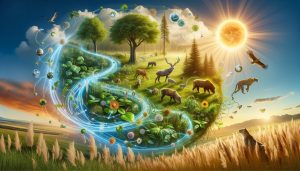
Every year, we lose countless species, leading to an alarming decline in biodiversity that directly impacts our own survival on this planet. Biodiversity – the variety of life on Earth – is more than just an abstract concept; it is essential for healthy ecosystems that provide clean air, water, food, and medicine. The intricate web of interactions among species creates resilient environments, supports agriculture, and fosters crucial natural processes. Understanding why biodiversity matters can inspire each of us to take action, not just for the sake of wildlife, but for our own quality of life. As you read on, explore critical reasons for conservation that reinforce the connection between biodiversity and our everyday lives. By appreciating this relationship, we empower ourselves to make informed choices that support sustainable living and protect the natural world. Together, we can ensure a thriving planet for future generations, cultivating a legacy of stewardship and responsibility.
The Role of Biodiversity in Ecosystem Health
Biodiversity is not just a collection of species; it is the foundation of ecosystem health and resilience. Each species, from the smallest microbes to the largest mammals, plays a significant role in the intricate web of life that sustains our planet. An alarming statistic is that ecosystems with high biodiversity are often more resilient to disturbances, such as climate change or disease outbreaks, and can recover more quickly from these disruptions. This resilience is vital in maintaining the balance that allows ecosystems to function effectively, providing essential services like clean air, fresh water, and fertile soil.
Essential Functions of Biodiversity
Biodiversity enhances ecosystem productivity and stability. For instance, in forests, a variety of plant species contributes to greater overall biomass, which supports diverse animal life. The more species present, the greater the chance that some can withstand environmental changes, ensuring that ecosystem services are maintained. In agricultural systems, polycultures (growing multiple species together) often yield more robust harvests compared to monocultures, as they can utilize resources more efficiently and are less susceptible to pests.
Real-World Examples
Consider coral reefs, which exemplify this principle beautifully. High biodiversity in coral reefs not only supports an incredible variety of marine life but also strengthens the reef structure itself, allowing it to withstand and adapt to changing ocean conditions. Similarly, diverse ecosystems such as wetlands filter pollutants, protect shorelines from erosion, and provide habitats for wildlife, showcasing how biodiversity directly influences ecosystem health.
Practical Implications for Conservation
Understanding empowers individuals and communities to make informed choices about conservation. By incorporating biodiversity-friendly practices into their lifestyles-such as supporting local farms, planting native species, or participating in habitat restoration projects-people can contribute actively to the preservation of healthy ecosystems. Small actions can lead to significant changes, supporting not just wildlife but our own health and well-being.
In essence, fostering biodiversity is crucial for sustaining the health of ecosystems, which in turn supports life on Earth. By appreciating and protecting the intricate connections within nature, we can work towards a more balanced and resilient planet for generations to come.
Economic Benefits of Biodiversity Conservation
Biodiversity isn’t just a luxury-it’s a cornerstone of economic stability and resilience. The economic benefits derived from biodiversity conservation are vast, encompassing everything from tourism and agriculture to pharmaceuticals and ecosystem services. Healthy ecosystems contribute significantly to our economy, providing resources and services that are essential for human well-being and economic growth.
One of the most direct economic advantages of biodiversity is through ecosystem services. These include provisioning services such as food, fresh water, and raw materials; regulating services that mitigate natural disasters, air quality, and climate; cultural services that enhance recreation and tourism; and supporting services, like nutrient cycling and soil formation. For instance, wetlands can act as natural water filters, reducing the need for costly artificial purification systems. By preserving biodiversity, we maintain these vital services that otherwise require significant financial investment to replicate.
Tourism offers another compelling case for the economic importance of biodiversity. Ecotourism, in particular, thrives in biodiverse regions. Tourists are often drawn to locations rich in wildlife and natural beauty; this creates jobs and generates income for local communities. For example, the Galápagos Islands generate significant revenue through wildlife tourism, directly funding conservation efforts while providing economic opportunities for residents. This demonstrates how protecting biodiversity can be a lucrative investment, yielding returns that benefit both the environment and local economies.
Moreover, biodiversity is essential for agriculture, which directly feeds billions of people worldwide. Diverse ecosystems support a wide range of crops, ensuring food security and reducing the risk of crop failure due to pests or diseases. Practices such as crop rotation and intercropping utilize biodiversity to create more resilient agricultural systems, yielding better economic returns for farmers. Investing in the conservation of diverse plant and animal species can lead to the development of new crop varieties that are more resistant to climate change, enhancing food production efficiency and sustainability.
Given these powerful economic incentives, engaging in biodiversity conservation is not just an environmental imperative but a strategic economic choice. Individuals and businesses can play an active role by:
- Supporting Local Conservation Initiatives: Engage with local organizations focused on conservation efforts, which directly benefits the community.
- Choosing Sustainable Products: Purchase goods and services that promote biodiversity, such as organic produce or sustainably harvested seafood.
- Investing in Eco-friendly Technologies: Opt for innovations that reduce environmental impact and support biodiversity, such as renewable energy sources.
By recognizing the , we can foster a more sustainable future that not only preserves the planet’s invaluable resources but also enhances our economic resilience.
Cultural Significance of Diverse Species
Biodiversity is not merely a web of natural connections; it embodies the rich tapestry of cultural significance that diverse species bring to human societies. From indigenous traditions to modern ecological practices, the interweaving of cultural identity and biodiversity underscores why conserving our planet’s diverse life forms is essential. Indigenous peoples around the world often see the plants and animals in their environment not only as resources but as integral components of their cultural heritage, stories, and spirituality. For instance, Native American tribes have deep-rooted relationships with certain species, viewing them as sacred to their identity and way of life.
This cultural significance extends to the arts, cuisine, and traditional medicine of many communities. Diverse flora and fauna inspire a wealth of folklore, music, and artistic expression. In places like the Amazon rainforest, unique plant species are central to traditional healing practices that have been passed down through generations. Such knowledge not only enriches local cultures but also contributes to global medicine, illustrating how biodiversity fuels both cultural and scientific advancements.
Additionally, the preservation of biodiversity can enhance community cohesion. Festivals celebrating local heritage often incorporate elements that honor specific animal and plant species, fostering a sense of shared identity and responsibility toward the environment. For example, coastal communities may celebrate the migratory patterns of local fish species, emphasizing sustainable fishing practices that protect these vital resources while honoring tradition.
The value of cultural diversity is intrinsically linked to biological diversity, as healthy ecosystems provide the basis for vibrant cultural practices. Supporting conservation efforts can, therefore, be seen as an investment in the continued existence of cultural expressions tied to biodiversity. Everyone can play a part by engaging with local conservation projects that respect and celebrate indigenous knowledge and practices, ensuring that both our natural and cultural heritage is preserved for future generations.
- Engage with local biodiversity: Participate in cultural festivals that celebrate native species and their roles in local ecosystems.
- Support indigenous rights: Advocate for the protection of indigenous lands that are rich in biodiversity and cultural significance.
- Educate yourself: Learn about local flora and fauna and their historical and cultural importance in your community.

Threats to Biodiversity and Their Impact
The alarming decline in biodiversity is one of the most pressing environmental challenges of our time, threatening not just the natural world but also human existence. Biodiversity, defined as the variety of life on Earth, includes the diversity of species, ecosystems, and genetic variation. Each loss in this complex web has cascading effects, impacting everything from ecosystem services to cultural identities. As habitats are destroyed, species become extinct, and ecosystems lose resilience, we face a future that will significantly alter the quality of life for all living beings.
Among the most formidable threats to biodiversity are habitat destruction, climate change, pollution, invasive species, and overexploitation. Habitat loss, often driven by urban expansion, agriculture, and deforestation, results in the fragmentation of ecosystems, making it difficult for species to survive and reproduce. For instance, as rainforests are cut down for agriculture, not only do countless species lose their homes, but the intricate relationships that sustain various food webs also collapse, leading to further biodiversity loss. Moreover, studies show that approximately 75% of land ecosystems have been considerably altered by human activities, resulting in various species facing a higher risk of extinction [1[1].
Climate change exacerbates these challenges by altering habitats and migration patterns, often leading to mismatches between species and their environments. As temperatures rise, some species may find it difficult to adapt, resulting in population declines or even extinction. Recent data indicates a notable temperature increase; past climate conditions optimized for many species no longer exist, pushing them beyond their adaptive capacities [2[2].
Pollution is another critical factor impacting biodiversity through contamination of air, water, and soil. Chemicals such as pesticides and plastic debris have infiltrated ecosystems, leading to declines in vulnerable species while disrupting reproductive cycles and food sources. For instance, aquatic habitats have faced severe degradation due to plastic and chemical waste, affecting fish populations and broader marine life [3[3].
To combat these threats effectively, a multifaceted approach is essential. Individuals and communities can play a vital role in this movement by making conscious choices-supporting sustainable produce, participating in local conservation efforts, and advocating for policies that protect natural habitats. Small actions, such as reducing plastic use and promoting native species in gardens, can foster resilience in local ecosystems, helping to maintain the integral balance of biodiversity. In this context, understanding the urgency of these threats empowers us to act now, ensuring that future generations inherit a world rich in life and cultural heritage.
Successful Conservation Strategies and Examples
In a world increasingly aware of the fragility of our ecosystems, successful conservation strategies become essential in protecting biodiversity and ensuring ecosystem health. Around the globe, innovative approaches are being implemented, yielding tangible results and serving as beacons of hope for conservation efforts. One notable example is the establishment of marine protected areas (MPAs), which have shown remarkable success in replenishing fish populations and restoring oceanic biodiversity. By restricting fishing and other human activities in designated areas, MPAs allow ecosystems to recover, demonstrating that when given space, nature can rejuvenate itself.
Collaborative conservation initiatives, which engage local communities as active participants in preservation efforts, are also proving effective. The “re-wilding” movement, for instance, emphasizes restoring ecosystems by reintroducing native species and allowing natural processes to shape landscapes. Projects like the reintroduction of wolves to Yellowstone National Park have spotlighted how keystone species can dramatically alter and improve ecological balance, leading to healthier wildlife populations, greater biodiversity, and revitalized habitats. By highlighting the importance of community involvement in these initiatives, we see that conservation is not just about protecting nature but also empowering the people who depend on these ecosystems.
Moreover, innovative technology plays a pivotal role in modern conservation strategies. Drones and remote sensing are being used to monitor wildlife populations and track deforestation and land use changes in real-time, providing critical data that can inform conservation decisions. Smart tracking devices help researchers understand species migration patterns and habitat use, leading to more effective protection measures. This data-driven approach allows for proactive conservation efforts rather than reactive measures, enhancing our ability to combat biodiversity loss before it occurs.
To contribute to successful conservation, individuals can adopt simple yet impactful practices. Supporting sustainable products, reducing waste, and engaging in local environmental initiatives can collectively strengthen conservation efforts. As awareness grows and people become more invested in their local ecosystems, the movement towards preserving biodiversity gains momentum, signifying a shared responsibility and hope for future generations. By celebrating successful strategies, we not only recognize what has worked but also inspire continued action toward a healthier planet.
How Biodiversity Affects Climate Resilience
Biodiversity plays a crucial role in enhancing climate resilience, acting as both a buffer against climate impacts and a facilitator of adaptation strategies. Diverse ecosystems, ranging from lush forests to vibrant coral reefs, possess a range of species that contribute to their overall stability. This stability allows these ecosystems to withstand and recover more effectively from climate-related stresses such as extreme weather events, shifting temperatures, and changing precipitation patterns. For instance, wetlands that harbor a variety of plants and animals can absorb excess rainwater during flooding, reducing the risk of damage to surrounding areas and even helping to filter pollutants from water, demonstrating nature’s inherent ability to mitigate climate impacts.
Promoting Ecosystem Services
Biodiverse ecosystems significantly contribute to vital ecosystem services that are essential for human survival and wellbeing. Healthy forests, for example, not only sequester carbon but also provide clean air and water, maintain soil fertility, and support a variety of wildlife. This interdependence emphasizes how protecting biodiversity is not just an environmental concern but also a matter of human health and safety. Urban areas can benefit from biodiversity through green spaces that lower temperatures, improve air quality, and provide habitats for numerous species. Incorporating native plants into landscaping can further enhance biodiversity and resilience, promoting ecological balance even in developed settings.
Community Engagement and Knowledge Sharing
Involving local communities in biodiversity conservation can enhance climate resilience significantly. Indigenous knowledge and practices can offer valuable insights into sustainable land use and crop diversity. By leveraging traditional ecological knowledge, communities can better prepare for environmental changes and adapt their agricultural practices accordingly. Initiatives that empower local populations, such as community-led reforestation projects or biodiversity monitoring programs, foster a sense of ownership and responsibility toward preserving local ecosystems. These collaborative efforts not only protect biodiversity but also equip communities with the tools to adapt to climate variability effectively.
Making informed choices about how we interact with our environment can further bolster biodiversity and climate resilience. Simple actions such as supporting sustainable agriculture, reducing waste, and conserving water can have a ripple effect, promoting healthier ecosystems. Consider engaging in local conservation efforts or supporting policies that prioritize biodiversity in climate action plans. Individuals can also advocate for greener practices in businesses, encouraging them to adopt sustainable supply chains and reduce their ecological footprints. By prioritizing biodiversity in our daily lives, we contribute to the resilience of ecosystems that are crucial for mitigating the impacts of climate change.
The Connection Between Biodiversity and Human Well-being
Biodiversity isn’t just about the variety of plants and animals; it profoundly influences human well-being in tangible and often underappreciated ways. Healthy ecosystems support essential services that sustain life on Earth, from food production and clean water to climate regulation and disease control. For instance, a rich diversity of pollinators, such as bees and butterflies, is crucial for the production of many fruits and vegetables. According to research, about one-third of the food humans consume relies on pollination, highlighting the intricate link between biodiversity and food security. When we neglect biodiversity, we jeopardize these vital food sources and, ultimately, our survival.
Additionally, nature offers a treasure trove of medicinal resources. Many pharmaceuticals are derived from natural compounds found in diverse species. The loss of biodiversity could mean the disappearance of potential treatments or cures for diseases waiting to be discovered. For example, the rosy periwinkle plant, which is native to Madagascar, has provided key ingredients for treatment against certain forms of cancer. Protecting biodiversity can directly impact public health, ensuring the continuation of these resources which could be pivotal in addressing future health crises.
The Emotional and Psychological Benefits
Beyond tangible resources, engaging with nature can enhance mental health and emotional well-being. Spending time in biodiverse environments has been shown to reduce stress, anxiety, and depression. Nature therapy or ecotherapy has gained traction, illustrating how immersing ourselves in varied ecosystems-like forests, wetlands, and coastal areas-can foster a sense of peace and restoration. Communities that prioritize green spaces often report increased happiness and community spirit, emphasizing the importance of biodiversity in creating uplifting environments.
Empowering Sustainable Practices
Promoting awareness of biodiversity’s importance can also empower individuals and communities to adopt sustainable practices. By supporting local farmers who utilize biodiversity in agricultural practices or engaging in community-driven conservation efforts, we not only protect our environment but also cultivate healthier communities. Choosing organic products, participating in local clean-up initiatives, and advocating for biodiversity-friendly policies are actionable steps individuals can take to enhance their well-being while preserving the natural world. This collective effort fosters a deeper connection to our environment, instilling a sense of responsibility and care for the preservation of our planet for generations to come.
Engaging Communities in Biodiversity Conservation
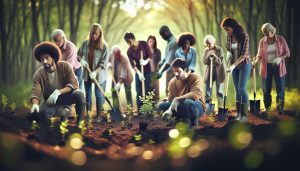
is not merely an act of altruism; it is essential for building resilient ecosystems that benefit both nature and humanity. When communities recognize their role as stewards of local biodiversity, they often become powerful advocates for environmental health. Practical engagement can take many forms, such as organizing community garden initiatives, participating in wildlife monitoring programs, or creating local conservation groups focused on protecting specific habitats or species.
One impactful approach is citizen science, which actively involves community members in the collection and analysis of data. Projects like the Great Backyard Bird Count or local bioblitz events allow participants of all ages to contribute to meaningful scientific research while fostering a love for nature. Through these initiatives, community members learn about local flora and fauna, understand the importance of healthy ecosystems, and often develop a sense of ownership over their natural surroundings.
Additionally, educational outreach can instill a strong conservation ethic. Schools can implement curricula that emphasize the significance of biodiversity and environmental stewardship. Workshops that teach sustainable practices, such as composting, native plant gardening, or waste reduction, can further empower individuals to reduce their ecological footprint. Encouraging schools to partner with local environmental organizations can lead to successful programs that not only educate but also involve students in hands-on conservation projects.
Lastly, community engagement is enhanced through inclusive dialogues that reach diverse populations. Establishing spaces for discussion-such as town hall meetings or forums-allows individuals from various backgrounds to share their perspectives and collaborate on conservation efforts. By emphasizing the cultural significance of flora and fauna, communities can cultivate a stronger connection to their local environment, creating a shared vision for a sustainable future that values biodiversity and recognizes its critical role in our lives.
Innovative Technologies Supporting Biodiversity Efforts
In an age where technology permeates every aspect of our lives, its power to support biodiversity conservation is becoming increasingly evident. Innovations spanning from remote sensing to artificial intelligence are revolutionizing how we monitor ecosystems, combat wildlife threats, and engage communities in conservation efforts.
One of the most significant advancements in biodiversity conservation is the use of drones for ecological monitoring. These unmanned aerial vehicles can access remote or difficult terrains, providing high-resolution imagery that helps researchers track changes in habitats, monitor wildlife populations, and assess the health of ecosystems without disturbing the environment. For instance, drones are utilized to monitor the health of coral reefs, allowing scientists to gather critical data on reef conditions and the effectiveness of restoration efforts.
Moreover, machine learning algorithms enable the analysis of massive datasets collected from various sources, such as camera traps and acoustic sensors. These technologies can identify species by analyzing images or sounds, streamlining the process of collecting biodiversity data and uncovering insights that would be challenging to discern through traditional methods. This rapid processing capability enhances our understanding of species distributions, behaviors, and interactions, ultimately aiding in more effective conservation strategies.
Additionally, the rise of mobile applications has empowered citizens to contribute to conservation efforts directly. Platforms like iNaturalist and eBird allow users to record and share observations of local flora and fauna, creating valuable databases of biodiversity that researchers can analyze. These applications not only foster a community of engaged naturalists but also encourage a deeper appreciation for local ecosystems and their inhabitants.
As we look to the future, innovative technologies hold immense potential to enhance conservation efforts. By harnessing the power of data and engaging communities in the process, we can not only protect biodiversity but also ensure that future generations inherit a thriving planet. Adopting and supporting these technologies can lead to transformative changes in how we approach conservation-making it more inclusive, efficient, and impactful.
Making Personal Choices to Protect Biodiversity
Making conscious choices in our daily lives can have a profound impact on the health of biodiversity around us. Simple actions taken by individuals can ripple out into wider environmental benefits, illustrating the truth that even small efforts count. Did you know that purchasing products labeled as sustainable or organic can support practices that are less harmful to ecosystems? By opting for these alternatives, we not only choose healthier products for ourselves but also contribute to the preservation of wildlife habitats and the overall health of our planet.
Reduce, Reuse, and Recycle
A fundamental principle of sustainability is the mantra of reducing, reusing, and recycling. By minimizing waste and rethinking how we use resources, we lessen the strain on natural habitats. For example, cutting back on single-use plastics not only reduces landfill waste but also protects aquatic life that is often harmed by plastic pollution. Incorporating reusables, like shopping bags, water bottles, and food containers, into daily routines can dramatically decrease our ecological footprint.
Support Local and Sustainable Products
Choosing to support local businesses that prioritize sustainable practices can also make a significant impact. Local farms and artisans often engage in agriculture and production methods that are more environmentally friendly than large-scale operations. When you buy seasonal and locally-sourced products, you’re reducing the carbon footprint associated with transportation, while simultaneously fostering community resilience. Moreover, sustainable agriculture techniques help protect soil health and biodiversity by avoiding harmful pesticides and fostering diverse ecosystems.
Educate and Advocate
Knowledge is a powerful tool. Educating ourselves about the importance of biodiversity and the threats it faces can empower us to make informed choices daily. Advocacy, whether through social media, community events, or conversations with friends and family, amplifies the message of conservation. Engage with local conservation groups, participate in clean-up drives, and advocate for policy changes that support biodiversity protection. Every voice matters, and when we share the facts about our planet’s ecosystems, we inspire others to take action alongside us.
By embracing these practices and inspiring others to do the same, we collectively build a brighter future for biodiversity. Being mindful of our choices – from the products we buy to the habits we cultivate – is essential in this era of environmental challenges. Together, we can foster a more sustainable world, ensuring that the rich tapestry of life on our planet thrives for generations to come.
Global Policies and Agreements for Biodiversity Protection
Protecting biodiversity is not just an ethical obligation; it is also essential for sustaining life on Earth. Global policies and agreements play a critical role in preserving the diverse ecosystems that provide food, clean water, climate regulation, and countless resources necessary for human survival. To combat biodiversity loss on a large scale, international cooperation is crucial. Various agreements have emerged over the years, such as the Convention on Biological Diversity (CBD), which aims to ensure the sustainable use of natural resources, promote conservation efforts, and establish fair sharing of benefits derived from genetic resources.
Key International Agreements
A multitude of agreements are designed to address the challenges of biodiversity loss. Apart from the CBD, notable ones include:
- The Paris Agreement: While primarily focused on climate change, this agreement also indirectly supports biodiversity by aiming for emissions reductions that help mitigate habitat loss.
- The Ramsar Convention: This treaty focuses on wetlands, recognizing them as vital ecosystems for biodiversity and promoting their sustainable management.
- CITES (Convention on International Trade in Endangered Species): CITES regulates international trade in endangered species to prevent over-exploitation and ensure their survival.
These agreements underscore the interconnectedness of environmental issues and guide nations in their conservation efforts.
The Importance of Local Initiatives
International policies often rely on local implementation. Engaging communities and local governments in conservation can ensure that global commitments translate into tangible actions on the ground. For instance, community-led initiatives are essential in managing local biodiversity, thus contributing to the goals set at the global level. Empowering local stakeholders fosters ownership of conservation strategies, making them more effective and sustainable.
Prioritizing policies that integrate biodiversity conservation with economic development, such as promoting eco-tourism or sustainable agriculture, can also bolster community participation and support. This holistic approach encourages a responsible relationship with nature, reminding us that protecting biodiversity is in everyone’s best interest.
Future Directions
Looking forward, the success of biodiversity conservation will depend on adaptive management strategies that consider changing environmental conditions, social dynamics, and advancing technologies. Global policies must evolve to address emerging threats and opportunities, ranging from climate change to new conservation technologies like AI and remote sensing.
By understanding these frameworks and taking part in both global and local efforts, individuals can make informed decisions that contribute to biodiversity protection. Engaging with policies at various levels can transform ordinary citizens into stewards of their environment, fostering a collective responsibility toward maintaining the natural world’s intricate balance.
Future Trends in Biodiversity Conservation Efforts
As we move deeper into the 21st century, the urgency for innovative approaches in biodiversity conservation becomes increasingly clear. With the rapid pace of environmental change, emerging trends in conservation efforts are crucial for preserving the natural wonders of our planet. These trends not only emphasize the importance of biodiversity but also highlight how interconnected our ecological systems are with human well-being.
One significant trend is the integration of technology in conservation strategies. Innovations such as remote sensing, drones, and artificial intelligence are revolutionizing how we monitor ecosystems and track wildlife populations. For instance, AI-driven data analysis helps identify patterns in species behavior and habitat use, while drones can access hard-to-reach areas for aerial mapping and monitoring. These technologies can enhance conservation efforts by providing real-time data and insights, enabling rapid responses to changes in biodiversity.
Recruiting community involvement is another critical aspect of future conservation initiatives. Empowering local populations to take charge of conservation projects fosters a sense of ownership and responsibility toward their surrounding environments. Initiatives like community-based conservation programs not only mobilize financial resources but also anchor traditional ecological knowledge, making conservation efforts more culturally relevant and effective. When communities are actively engaged, they can help create sustainable practices that protect their local biodiversity while also benefiting their economic development.
Looking ahead, the focus on ecological restoration will become more pronounced. Efforts to restore degraded ecosystems-whether through reforestation, wetland restoration, or sustainable agriculture-are vital for rekindling biodiversity. These projects provide multiple benefits, including enhanced carbon sequestration, improved water quality, and increased resilience against climate change impacts. Successful examples from around the globe, such as the rewilding initiatives in Europe, demonstrate that natural recovery processes can be remarkably effective when given appropriate support.
In conclusion, a multifaceted approach that combines technological innovation, community engagement, and ecological restoration will shape the future of biodiversity conservation. By embracing these trends, individuals and organizations can contribute meaningfully to the preservation of our planet’s diverse ecosystems. Whether through supporting sustainable practices or advocating for conservation policies, every action counts in the collective effort to safeguard biodiversity for generations to come.
FAQ
Q: Why is biodiversity important to human survival?
A: Biodiversity is crucial for human survival as it contributes to ecosystem services such as clean air, water, and food production. Healthy ecosystems provide raw materials for medicine and agriculture, supporting resilience against diseases and climate change. Protecting biodiversity ensures the sustainability of these essential services.
Q: How does biodiversity impact economic growth?
A: Biodiversity directly influences economic growth by enhancing ecosystem productivity and resilience, which supports industries like agriculture, tourism, and pharmaceuticals. Sustainable practices that protect diverse species and habitats ensure long-term economic stability and resource availability, benefiting local and global markets alike.
Q: What are the consequences of losing biodiversity?
A: The loss of biodiversity leads to ecosystem instability, reduced resilience to climate change, and diminished natural resources. It disrupts food webs, causing species extinction and threatening human health, economies, and cultural heritage. Addressing these consequences requires immediate and effective conservation strategies.
Q: How can individuals contribute to biodiversity conservation?
A: Individuals can help conserve biodiversity by adopting sustainable practices, such as reducing waste, using eco-friendly products, and supporting local conservation initiatives. Engaging in community efforts and educating others about the importance of biodiversity fosters broader awareness and action.
Q: What role does biodiversity play in climate change mitigation?
A: Biodiversity plays a vital role in climate change mitigation by maintaining healthy ecosystems, which act as carbon sinks. Diverse plant and animal species enhance ecosystem productivity, resilience, and adaptability, providing natural solutions to climate challenges and helping to regulate local climates.
Q: Why is genetic diversity important within species?
A: Genetic diversity within species is essential for adaptability and survival in changing environments. It allows populations to withstand diseases, pests, and climate variations. Maintaining genetic diversity ensures the long-term viability of species and the ecosystems they inhabit.
Q: How do cultural practices influence biodiversity conservation?
A: Cultural practices significantly influence biodiversity conservation by shaping how communities interact with their environment. Traditional knowledge and local customs can promote sustainable resource management, fostering respect for diverse species and ecosystems. Integrating cultural values into conservation strategies enhances effectiveness.
Q: What are some international agreements that support biodiversity conservation?
A: Key international agreements like the Convention on Biological Diversity and the Paris Agreement aim to promote biodiversity conservation globally. These frameworks encourage nations to collaborate on preserving ecosystems, protecting endangered species, and sharing genetic resources to safeguard global biodiversity for future generations.
Concluding Remarks
Understanding the critical importance of biodiversity is just the beginning of your journey toward conservation. By embracing practices that protect diverse ecosystems, you not only contribute to the health of our planet but also empower future generations. Explore our articles on sustainable living and learn how reducing your ecological footprint can make a tangible difference today.
Don’t miss out on our comprehensive guides to eco-friendly products and sustainable housing solutions, designed to inspire practical actions you can implement right away. Join our community by signing up for our newsletter for the latest tips and insights on living a greener life. Remember, every small effort counts-let’s make a positive impact together! Engage with us below; share your thoughts, comment on your experiences, or suggest what topics you’d like us to explore next. Together, we can foster a deeper connection with nature and ensure the longevity of biodiversity.