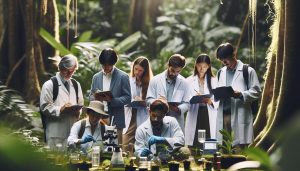
In a world increasingly threatened by climate change and environmental degradation, the study of ecology offers a path not only for personal growth but for the future of our planet. Ecology examines the intricate relationships between living organisms and their environments, providing essential insights into biodiversity and sustainability. By pursuing a career in ecology, you become an integral part of the solution, addressing urgent global challenges such as habitat loss, pollution, and resource depletion. Engaging with this field empowers you to contribute meaningfully to conservation efforts while exploring diverse career paths-from field ecologist to marine biologist-that can directly impact the health of our ecosystems. As you read on, discover how studying ecology not only aligns with your passion for nature but also equips you with the tools to foster a more sustainable and resilient world.
Understanding the Importance of Ecology in Today’s World
In a world increasingly affected by climate change, pollution, and biodiversity loss, ecology plays a crucial role in understanding and addressing these challenges. It delves deeply into the interconnections among organisms, their environments, and the intricate processes that govern life on Earth. As we navigate a future filled with uncertainty, the importance of ecology becomes even more pronounced; it equips us with the knowledge needed to foster sustainable practices that benefit both the planet and its inhabitants. By allowing us to grasp the significance of ecosystems, ecology encourages informed decision-making that supports environmental stewardship.
With the knowledge gained from ecological studies, individuals and communities can assess their ecological footprints and make conscious choices to minimize them. For example, understanding local food systems and promoting organic farming can directly reduce the environmental impacts associated with industrial agriculture. Similarly, awareness of natural habitats can inspire conservation actions, helping to maintain biodiversity and ecosystem integrity. This interconnectedness offers hope; each small step taken towards sustainability can lead to significant positive changes over time.
Moreover, as ecology continues to evolve, it integrates innovative technologies and interdisciplinary approaches that enhance our understanding of environmental issues. From remote sensing and data analytics to community-engaged research, these advancements open new avenues for addressing the pressing challenges facing the planet. This dynamic field not only fosters an appreciation for nature but also equips future generations with the tools necessary to innovate solutions for a better world.
Embracing the principles of ecology is not just an academic pursuit but a call to action. By recognizing the Earth’s interconnected systems and the impact of our choices, individuals can develop a deep-rooted sense of responsibility toward the environment, ultimately leading to a more sustainable and harmonious existence. Making education in ecology accessible and engaging is essential in inspiring the next wave of environmental advocates who will continue to champion for our planet’s health and well-being.
Diverse Career Opportunities in Ecology
In today’s rapidly changing world, where environmental challenges loom large, the field of ecology presents a mosaic of diverse career paths that not only contribute to scientific understanding but also foster the health of our planet. As ecosystems face increasing threats from climate change, pollution, and habitat destruction, professionals trained in ecology are more vital than ever. Whether you’re drawn to the field, laboratory, or policy-making, there are numerous opportunities for individuals passionate about preserving biodiversity and promoting sustainable practices.
Career Options in Ecology
Ecologists can specialize in many areas, each offering a unique perspective and contribution to environmental stewardship. Here are some of the exciting career paths available:
- Field Ecologist: These professionals spend much of their time outdoors, studying ecosystems in their natural settings. They collect data on species, analyze environmental conditions, and monitor changes over time.
- Restoration Ecologist: Focused on rehabilitating damaged ecosystems, restoration ecologists design and implement strategies to restore habitats, aiding in biodiversity recovery and ecosystem function.
- Wildlife Biologist: These specialists research animal behaviors, habitats, and populations. Their work often guides conservation efforts to protect endangered species and mitigate human impact.
- Marine Biologist: Concentrating on ocean ecosystems, marine biologists study aquatic organisms and their interactions with the environment, addressing issues like ocean pollution and climate change.
- Environmental Consultant: Working with businesses and governments, consultants assess the ecological impacts of projects and develop strategies to comply with environmental regulations.
- Policy Advocate: These professionals engage in policy-making to create regulations and legislation that protect the environment, working closely with governments and non-profits.
Emerging Opportunities
The field is constantly evolving, especially with the integration of technology in ecological research. Data analytics, remote sensing, and geographic information systems (GIS) allow ecologists to analyze complex data sets and track environmental changes more accurately. As a result, career opportunities are likely to expand in sectors focusing on environmental monitoring and sustainable urban planning.
Moreover, nonprofit organizations and educational institutions are increasingly looking for individuals who can drive community engagement and public awareness regarding environmental issues. Educators and outreach coordinators play essential roles in inspiring future generations to embrace sustainability, making this another vital area of growth within ecology-related fields.
By considering a career in ecology, you’re not only choosing a path that combines your interests with scientific inquiry; you’re also actively contributing to a sustainable future. With various roles available, individuals from diverse backgrounds can find their niche in this critical field, helping to ensure the well-being of our planet for years to come.
How Ecology Can Help Combat Climate Change
Climate change poses one of the most pressing challenges of our time, influencing weather patterns, biodiversity, and the overall health of ecosystems. One crucial aspect of addressing this global crisis lies in understanding and applying ecological principles to combat its impacts. Ecology provides insights into how ecosystems function, allowing us to devise strategies that enhance natural resilience against climate change.
Ecologists play a vital role in monitoring and managing ecosystems to mitigate climate change effects. Through the study of carbon cycles, for instance, they help develop practices that enhance carbon sequestration. Restoring habitats like wetlands or forests can significantly absorb carbon dioxide, helping to offset emissions. For example, the reforestation projects globally have the dual benefit of enhancing biodiversity while acting as a carbon sink. In coastal areas, the restoration of mangroves not only protects shorelines but also captures substantial carbon emissions from the atmosphere.
Moreover, ecology informs sustainable land management and agricultural practices. By adopting agroecological methods, farmers can improve soil health, increase biodiversity, and reduce reliance on chemical fertilizers and pesticides, which contribute to greenhouse gas emissions. Practices such as crop rotation, intercropping, and permaculture not only yield healthier food but also promote ecosystems that are resilient to climatic changes.
Educating communities about ecological impacts and sustainable practices is equally important. Awareness initiatives can inspire individuals to reduce their ecological footprints-favoring local and organic products, minimizing waste, and adopting energy-efficient solutions like solar power. Each small change contributes to a broader movement toward sustainability, illustrating that ecology is not just an academic discipline but a practical toolbox for a more resilient future. Embracing these ecological principles offers not only hope but actionable ways to combat climate change and protect our planet for generations to come.
The Impact of Biodiversity on Ecosystems
The staggering variety of life on Earth, from the smallest microbes to the largest mammals, plays a vital role in maintaining healthy ecosystems. Biodiversity is not just a collection of different species; it is the backbone of ecosystem services that benefit humanity and the planet. Healthy ecosystems, rich in biodiversity, can resist disturbances like climate change, disease, and habitat destruction. For instance, diverse plant species can improve soil health, while a variety of animals contribute to pollination, seed dispersal, and nutrient cycling.
When ecosystems become less biodiverse, their resilience diminishes, leading to a domino effect that can destabilize the food web and diminish the quality of air and water. This can result in lower crop yields, increased vulnerability to pests, and a higher risk of species extinction. With over 1 million species currently at risk of extinction, as reported by the Intergovernmental Science-Policy Platform on Biodiversity and Ecosystem Services (IPBES), the stakes have never been higher. Preserving biodiversity is essential not only for wildlife but also for our survival and well-being.
To help combat biodiversity loss, individuals can take actionable steps in their everyday lives. Simple changes in consumer habits-like purchasing organic produce, reducing plastic use, or supporting local farmers-can make a significant impact. Engaging with local conservation efforts by volunteering for habitat restoration projects or participating in citizen science initiatives can also contribute to wider biodiversity goals. By understanding the interconnectedness of our actions and the health of our ecosystems, we can all play a part in fostering a more biodiverse and sustainable world.
Ultimately, the nexus between biodiversity and ecosystem health highlights why studying ecology is crucial. It equips individuals with the knowledge to advocate for policies that protect natural resources, promoting practices that enhance biodiversity and ultimately securing a healthier planet for future generations. Embracing this perspective empowers us to not only appreciate the natural world but to actively engage in its preservation.
Sustainable Practices for Eco-Friendly Living
Making small changes to your everyday lifestyle can significantly reduce your environmental impact and promote a healthier planet. Each choice we make, from the products we buy to the energy we consume, contributes to our individual ecological footprints. By adopting sustainable practices, everyone can play a vital role in fostering a more eco-friendly world.
One effective strategy is to be mindful of your consumption habits. Consider the following actions that can lead to significant positive changes:
- Reduce, Reuse, and Recycle: Minimize waste by opting for products with less packaging, reusing items whenever possible, and recycling materials like paper, glass, and plastic. Participating in community recycling programs further amplifies these efforts.
- Choose Sustainable Products: Select organic, fair-trade, and locally-sourced products to reduce your carbon footprint. Natural personal care products and biodegradable alternatives help maintain both environmental health and personal wellness.
- Conserve Water and Energy: Implement simple practices such as turning off lights when not in use, utilizing energy-efficient appliances, and fixing leaks promptly. Additionally, consider installing low-flow faucets and showerheads to save water.
- Embrace Renewable Energy: Explore options for solar power or consider switching to a green energy provider. Solar panels can reduce reliance on nonrenewable resources, lowering both energy costs and environmental damage.
- Support Sustainable Practices: Encourage businesses and products that prioritize environmentally friendly practices. Consider frequenting local farmer’s markets, which often promote organic agriculture and reduce transportation emissions.
Another impactful area is sustainable travel. When planning trips, opt for public transportation, biking, or walking rather than driving. Choose eco-friendly accommodations that implement sustainable practices, such as waste reduction and energy conservation. Even during travel, you can engage in activities supporting the local ecosystem, like volunteering for beach clean-ups or visiting nature reserves, which contribute to conservation efforts.
Adopting these eco-conscious strategies not only helps mitigate the adverse impacts of climate change and environmental degradation but also fosters a sense of community and connection to nature. By taking these steps, you cultivate a lifestyle that not only benefits the planet but enhances your quality of life as well. Living sustainably is about making choices today that ensure a healthier tomorrow for both ourselves and the generations to come.
The Role of Ecologists in Environmental Policy
Every day, decisions made within governmental and corporate realms shape the environmental landscape-affecting everything from air quality to biodiversity. Ecologists are crucial in this context, as they bridge the gap between scientific understanding and policy-making. By providing detailed analyses and insights into ecological systems, ecologists help policymakers develop strategies that not only address immediate environmental issues but also foster long-term sustainability.
Through research and field studies, ecologists assess the health of ecosystems, identifying key areas where intervention is necessary. They use this data to inform legislation, advocate for effective environmental regulations, and support sustainable development projects. For instance, an ecologist might study the impact of urban development on local wildlife habitats, providing evidence that guides zoning laws intended to protect these spaces. Their expertise ensures that policies are grounded in scientific reality, offering viable paths toward preserving natural resources and mitigating environmental degradation.
Moreover, ecologists play an active role in shaping public awareness and education around environmental issues. By working closely with communities, they facilitate discussions about the importance of biodiversity and ecosystem health. This grassroots engagement not only empowers citizens but also creates a unified voice that advocates for stronger environmental protections. As local populations become more informed, the demand for sustainable practices and policies increases, prompting legislators to take action.
Finally, the integration of innovative technologies into ecological research opens new avenues for policy development. Tools such as remote sensing and geographic information systems (GIS) allow ecologists to monitor environmental changes in real-time. This data is invaluable for policymakers, providing them with the evidence needed to make proactive decisions. In an era where climate change and environmental crises are pressing concerns, is more critical than ever-shaping a future where human activity harmonizes with the natural world.
Innovative Technologies for a Greener Future
In the quest for a sustainable future, technology is proving to be a powerful ally. Innovative tools and methods are enabling ecologists to monitor, analyze, and manage ecosystems more effectively than ever before. For instance, the use of drones in ecological research allows for rapid assessments of remote or difficult-to-reach areas, helping scientists collect data on habitat changes and wildlife populations. This aerial perspective not only saves time but also enhances data accuracy, ultimately informing better conservation strategies.
Geographic Information Systems (GIS) and remote sensing technologies are revolutionizing how we understand ecological data. By integrating various data sources, GIS helps visualize patterns and changes in land use, vegetation cover, and biodiversity. Conservationists can use these insights to identify high-value habitats and prioritize areas for protection or restoration. For example, satellite imagery can track deforestation trends and help pinpoint key regions where intervention could be beneficial, enabling timely action against environmental degradation.
Moreover, advancements in biotechnology hold promise for enhancing ecosystem resilience. Genetic tools such as CRISPR can be used to develop disease-resistant plant varieties or to restore populations of endangered species through genetic management, contributing to biodiversity conservation efforts. Such innovations not only promote ecological balance but also ensure that ecosystems can withstand the pressures of climate change.
Finally, the rise of smart technologies in urban planning and environmental management showcases how integrated systems can foster sustainability. Initiatives like smart grids minimize energy consumption, while IoT devices can monitor pollution levels in real-time, providing critical data for immediate policymaking and long-term urban planning. For individuals looking to reduce their ecological footprint, embracing smart home systems that optimize energy use or using apps to track and minimize waste can be impactful steps toward a greener lifestyle.
As technology continues to intersect with ecological science, it empowers both professionals and everyday citizens to take meaningful action towards environmental conservation. By harnessing these innovative solutions, we can collectively work towards a healthier planet, creating a legacy of sustainability for future generations.
Ways to Get Involved in Local Conservation Efforts
Getting involved in local conservation efforts can significantly impact your community and the planet, fostering a deeper connection to the natural world. Whether you’re passionate about wildlife preservation, habitat restoration, or promoting sustainable practices, there are countless ways to engage in meaningful activities that support ecological balance.
One of the most accessible ways to start is by participating in local volunteer programs. Many organizations, such as parks, wildlife refuges, and environmental nonprofits, often host volunteer days for activities like tree planting, beach cleanups, and invasive species removal. This hands-on experience not only contributes to local ecosystem health but also allows you to meet like-minded individuals who share your passion for the environment. Websites like VolunteerMatch or local community boards can provide information on upcoming events.
Another opportunity lies in educational outreach and advocacy. You can help raise awareness about environmental issues by joining or starting a local advocacy group focused on biodiversity conservation or climate action. Organizing community workshops or informational sessions can empower neighbors to adopt sustainable practices, such as composting, reducing plastic use, or participating in local farmers’ markets, which support local agriculture. Engaging with schools to introduce environmental education programs can inspire younger generations to take an active role in conservation.
Establishing a home garden or joining a community garden can also be a sustainable choice. These spaces not only provide food but serve as habitats for pollinators and other beneficial wildlife. Consider planting native species that require less water and provide food for local insects and birds. This simple action can contribute to boosting biodiversity in your area while enhancing your living space.
Lastly, don’t underestimate the power of reducing your ecological footprint. Everyday actions such as recycling, conserving water, and using public transportation can collectively lead to significant environmental benefits. Consider advocating for sustainable policies within your community, such as improved waste management systems or the adoption of green building practices. By involving yourself and others in local conservation efforts, you can cultivate a culture of sustainability and responsibility that echoes throughout your community, inspiring future generations to continue the work.
Education and Skills Needed for Ecological Careers
To thrive in an ecological career, a blend of formal education, practical skills, and a passion for the environment is essential. The field of ecology is multidisciplinary, merging biology, geography, environmental science, and more, which makes a solid academic foundation vital. Most positions in ecology require at least a bachelor’s degree in ecology, environmental science, biology, or a related field. For those seeking advanced roles, such as research or specialized ecological management, a master’s degree or Ph.D. is often necessary.
Practical experience is just as critical as academic prowess. Internships and volunteer work provide opportunities to apply theoretical knowledge in real-world settings. Engaging in fieldwork allows aspiring ecologists to develop hands-on skills such as data collection, species identification, and habitat assessment. Furthermore, participating in conservation projects not only bolsters job applications but also enhances networking opportunities within the field.
Key Skills for Ecological Careers
A well-rounded ecologist should hone a variety of skills to be effective in their role. Essential skills include:
- Analytical Skills: The ability to interpret complex data regarding ecosystems and species populations is crucial.
- Communication Skills: Ecologists must convey their findings clearly to diverse audiences, including policymakers, the public, and academic peers.
- Technical Proficiency: Familiarity with software tools for statistical analysis and GIS (Geographical Information Systems) is increasingly important.
- Critical Thinking: An ecological professional needs to evaluate challenges creatively and devise effective solutions.
- Fieldwork Skills: Comfort and competence in outdoor environments, including the ability to conduct surveys and collect samples safely.
Additionally, engaging in continuous education through workshops or certification programs can keep ecologists updated on the latest conservation techniques and legislative developments. For instance, certifications in environmental management or wildlife biology can provide a competitive edge.
In summary, pursuing a career in ecology requires a solid educational background, practical field experience, and a diverse skill set that prepares individuals to make meaningful contributions to the health of the planet. Whether through formal education or hands-on volunteering, every step taken can lead to a rewarding career dedicated to preserving our natural world.
Exploring Green Certifications and Training Programs
In an era where environmental challenges are increasingly pressing, gaining green certifications and training in ecological practices not only enhances one’s credentials but also empowers individuals to make a meaningful impact. Various programs focus on sustainable practices, equipping participants with essential skills and knowledge needed to address the complexities of our ecosystems. By pursuing these paths, you can become a part of the solution to pressing environmental issues while advancing your career in ecology.
Popular Green Certifications
Several notable certifications exist for those looking to specialize in environmental care and sustainability:
- LEED (Leadership in Energy and Environmental Design): This certification program encourages the adoption of sustainable building practices and energy-efficient designs, making it crucial for professionals in architecture, construction, and urban planning.
- CCE (Certified Conservation Educator): Designed for environmental educators, this certification focuses on instilling environmental literacy and conservation ethics in communities and schools.
- ISA Certified Arborist: Aimed at individuals involved in tree care, this certification emphasizes tree health, maintenance, and the role trees play in ecological sustainability.
- Green Globes: An alternative to LEED, Green Globes focuses on guiding buildings through a certification process based on new construction and existing buildings’ operational efficiencies.
These certifications not only validate your commitment to sustainable practices but also differentiate you in the job market, opening doors to diverse ecological career paths.
Training Programs and Workshops
Participating in workshops and training sessions can enhance your practical knowledge while providing networking opportunities within the ecological community. Organizations such as the National Audubon Society and The Nature Conservancy offer specialized programs that cover topics like wildlife habitat creation, sustainable agriculture, and biodiversity conservation.
Online platforms like Coursera and edX host courses on environmental science topics that allow for flexible learning at your own pace. For example, you might find courses on climate change impacts, green technologies, or sustainable business practices that align with your interests and career goals.
Investing time in these certifications and training programs not only enriches your skill set but also fosters a greater understanding of the environmental challenges we face, positioning you as a proactive advocate for a sustainable future. As you cultivate expertise in this field, you’ll be equipped to inspire others and effect change, reinforcing the critical role that individuals play in preserving our planet.
Success Stories: Individuals Making a Difference
Inspiring stories from individuals dedicated to ecological work illuminate the positive impact one person can make on the environment. For instance, Jane Goodall revolutionized our understanding of wildlife and conservation through her pioneering research on chimpanzees. Her establishment of the Jane Goodall Institute has transformed the landscape for animal welfare, conservation efforts, and environmental education worldwide. Goodall’s approach emphasizes the interconnectedness of all living beings and serves as a powerful reminder that grassroots activism can lead to global change.
Similarly, consider the work of Wangari Maathai, who founded the Green Belt Movement in Kenya. By advocating for tree planting and women’s rights, Maathai’s initiative not only addressed deforestation and environmental degradation but also empowered local communities, particularly women, to lead conservation efforts. Her legacy continues to inspire individuals globally to engage in reforestation and sustainable practices that combat climate change.
Several grassroots organizations underscore the effectiveness of collective action. In the heart of urban settings, community gardens have sprouted as vital green spaces that promote biodiversity and sustainable food practices. For example, the Incredible Edible movement in the UK encourages local communities to plant edible plants in public spaces, transforming urban landscapes into sources of fresh produce while fostering community spirit.
It’s essential to recognize the role of educators and scientists who bridge the gap between knowledge and action. Environmental educators, like those involved in programs hosted by the National Audubon Society, craft initiatives that make ecology accessible to all ages. They engage students with hands-on activities that instill a sense of responsibility and urgency regarding ecological issues.
Embracing eco-conscious living is not just about individual action; it’s about nurturing a community of advocates dedicated to sustainability. These stories serve as powerful examples, encouraging others to explore their passions in ecology and contribute to a healthier planet through initiatives big and small. Whether it’s through advocacy, education, or community engagement, each of us can be a catalyst for change, creating a ripple effect that enhances our ecosystems and fosters a sustainable future.
Future Trends in Ecology Careers
The field of ecology is rapidly evolving, and with it, the landscape of career opportunities for those passionate about the environment. As concerns about climate change, biodiversity loss, and sustainable resource management deepen, the demand for skilled professionals in ecology is on the rise. Emerging trends illustrate how ecological careers are adapting to meet contemporary challenges, making now a great time to consider a future in this vital field.
Professionals in ecology are increasingly stepping into interdisciplinary roles that merge ecological knowledge with technology and social sciences. For example, the rise of environmental analytics combines ecological data with data science, enabling predictions about ecosystem changes due to climate shifts or human activities. This trend not only enhances our understanding of complex environmental systems but also aids organizations in making informed, data-driven decisions that support sustainability goals.
There’s also a growing emphasis on community and grassroots initiatives. Ecologists are not just researchers but advocates and facilitators, increasingly working at the intersection of science and policy. They are engaging with local populations to implement conservation strategies tailored to specific ecosystems. Careers in this area may involve facilitating workshops, developing educational programs, and collaborating with community groups, turning ecological principles into actionable local practices.
Furthermore, green technology is reshaping job descriptions within ecology. Professionals are now needed to assess and implement renewable energy solutions, develop eco-friendly materials, and create sustainable urban designs. Positions in companies that focus on sustainable agriculture, green architecture, and renewable energy are becoming more prevalent, reflecting a shift towards prioritizing ecological health in technological advancements.
Finally, an understanding of eco-entrepreneurship is gaining traction as more individuals look to create businesses that prioritize environmental stewardship. This trend highlights a shift away from traditional career paths towards innovative startups focusing on sustainable practices, making ecology not just a profession but also a lifestyle choice that fosters a sustainable future.
In conclusion, the future of ecology careers is infused with creativity, technology, and community engagement. For individuals passionate about facilitating positive environmental change, the available paths are not only diverse but also critical to achieving a sustainable future. Embracing these trends means being part of a movement that prioritizes the health of our planet, and every engagement-no matter how small-contributes to a larger impact.
FAQ
Q: What are the environmental benefits of studying ecology?
A: Studying ecology provides insights into ecosystems, enabling individuals to tackle environmental issues effectively. Ecologists contribute to biodiversity conservation, climate change mitigation, and sustainable living practices, thereby fostering a healthier planet. Engaging with ecological principles empowers people to implement eco-friendly solutions in their communities.
Q: How can an ecology degree lead to a career that helps the planet?
A: An ecology degree opens doors to various career paths focused on environmental sustainability. Careers like conservation biologist, restoration ecologist, and environmental consultant empower graduates to implement strategies that protect ecosystems and biodiversity, directly contributing to planetary health.
Q: What skills are essential for a career in ecology?
A: Essential skills for an ecology career include critical thinking, data analysis, and strong fieldwork abilities. Proficiency in statistics and knowledge of ecological modeling enhances employability, allowing professionals to engage in effective conservation strategies and research.
Q: Why is biodiversity important in ecological studies?
A: Biodiversity is crucial in ecology as it ensures ecosystem resilience, stability, and productivity. Understanding biodiversity helps scientists develop strategies that promote species conservation and habitat protection, ultimately leading to healthier ecosystems and improved quality of life for all organisms.
Q: What role do ecologists play in environmental policy-making?
A: Ecologists inform environmental policy by providing scientific research and data that guide decision-making. Their expertise aids in crafting effective regulations and conservation strategies that address pressing environmental challenges, ensuring policies are informed by ecological realities.
Q: How does studying ecology prepare individuals for climate change careers?
A: Studying ecology equips individuals with knowledge about ecosystems and climate interactions, preparing them for careers in climate science and sustainability. They learn to analyze environmental impacts, develop mitigation strategies, and promote adaptive practices essential for combating climate change.
Q: What are some innovative technologies used in ecological research?
A: Innovative technologies like remote sensing, Geographic Information Systems (GIS), and environmental DNA (eDNA) analysis are increasingly used in ecological research. These tools facilitate habitat assessment, species monitoring, and data collection, enhancing conservation efforts and ecosystem management.
Q: How can individuals get involved in local conservation efforts?
A: Individuals can get involved in local conservation efforts by joining community organizations, volunteering for habitat restoration projects, and participating in local environmental initiatives. Engaging with NGOs and attending educational workshops can also provide valuable experiences and networks for conservation advocacy.
In Summary
As you explore the compelling reasons to study ecology and the various career paths that can make a genuine difference for our planet, remember that your journey doesn’t end here. Embrace the opportunity to delve deeper into sustainable practices by visiting our guides on green technologies and eco-friendly living. Be inspired by the potential to contribute to biodiversity and make impactful changes in your community.
Now is the time to take action! Join our community of eco-warriors and subscribe to our newsletter for the latest insights and practical tips on living sustainably. Feel empowered to lead a greener lifestyle and consider how your choices affect our shared environment. Together, we can forge a better future for the Earth.
Feel free to share your thoughts in the comments below or explore related topics like sustainable housing and natural personal care to continue your eco-conscious journey. Every step counts, and your commitment can inspire others to join the mission towards a healthier planet!