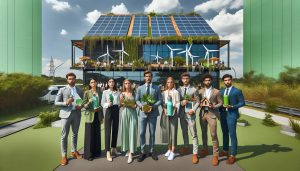
In a world increasingly focused on sustainability, understanding the term “Active Eco” in energy-saving systems can be a game-changer for homeowners and businesses alike. Active Eco technology optimizes energy consumption by automatically adjusting settings based on real-time usage, significantly reducing waste and lowering utility bills. By implementing this innovative approach, you join a movement towards a more sustainable future, making eco-conscious choices that not only benefit your wallet but also contribute positively to the environment. As energy costs rise and climate concerns grow, exploring how Active Eco systems work can empower you to take control of your resource usage. Discover how these systems can help you achieve your environmental goals while enhancing your quality of life.
Understanding Active Eco in Energy Systems
Active Eco represents a transformative approach in energy systems, focusing on real-time adjustments to manage energy consumption effectively. This system operates by continuously assessing energy usage patterns and environmental conditions, enabling optimized resource distribution and waste reduction. For instance, intelligent sensors and software can analyze when a home’s heating or cooling is most needed, adjusting climate controls accordingly, leading to significant energy savings while maintaining comfort. By integrating such smart technology, Active Eco systems reduce demand on energy grids, especially during peak times, ultimately contributing to a more sustainable energy landscape.
One of the hallmark features of Active Eco systems is their ability to learn from user behaviors and preferences. Over time, these systems accrue data that enable them to predict the best energy usage strategies tailored to individual households or businesses. This predictive capability not only enhances energy efficiency but also empowers users with insights into their energy consumption, fostering more eco-conscious decisions. For example, if a household typically uses more energy during certain hours, the system can preemptively adjust settings to limit energy use during high-demand periods.
The implementation of Active Eco is not just beneficial for reducing energy bills; it plays a critical role in mitigating the carbon footprint of communities. By optimizing energy use and encouraging renewable sources, these systems contribute to a decrease in greenhouse gas emissions. Furthermore, as the technology evolves, the potential for integrating with larger smart grid systems will amplify the collective impact on energy sustainability. Through these mechanisms, Active Eco sets the foundation for a greener future, allowing individuals and businesses alike to play a part in the shift towards sustainable energy management.
How Active Eco Functions for Energy Savings

In an era where energy conservation is paramount, understanding how innovative systems like Active Eco operate can empower you to make meaningful changes in your energy consumption. Active Eco functions dynamically, utilizing advanced technology to tailor energy usage to the specific needs and habits of a household or business. By integrating continuous monitoring and real-time adjustments, these systems optimize energy use without sacrificing comfort. For instance, smart thermostats can learn your schedule and adjust heating or cooling based on when you’re home, leading to significant reductions in energy bills.
Active Eco systems operate on the principle of responsive energy management. They employ an array of smart sensors and algorithms that assess various environmental factors-such as temperature, occupancy, and time of day-to adjust energy consumption in real time. This means that your heating might be dialed back during the day when no one is home but ramped up just before you return, ensuring comfort while minimizing waste. Additionally, sophisticated data analytics allow these systems to predict energy needs based on historical usage patterns, allowing for proactive management of resources.
The ecological benefits of employing an Active Eco approach are profound. By decreasing energy wastage, these systems contribute to a reduction in carbon footprints, supporting broader environmental goals. Households utilizing Active Eco technology can significantly lower their greenhouse gas emissions, especially during peak energy usage times when the demand on the grid is highest. The strategic use of renewable energy sources, when combined with intelligent energy management, enhances overall sustainability while offering users the flexibility to engage more fully with their energy choices.
To maximize the advantages of Active Eco, individuals can take actionable steps such as regularly reviewing their energy consumption reports provided by the system. This feedback loop not only raises awareness about energy usage but also informs future decisions about energy-efficient practices within the home. Embracing these systems not only benefits individual households but also contributes to a collective effort towards a sustainable future, where energy is used judiciously, paving the way for a greener planet.
Key Benefits of Implementing Active Eco

Implementing Active Eco systems can profoundly transform both individual lives and the broader environment, offering a range of benefits that make energy efficiency not just a goal, but an achievable reality. For instance, by automatically adjusting energy usage based on real-time data, these systems lead to significant reductions in energy bills. Households find that their monthly expenses can shrink as smart algorithms optimize heating, cooling, and lighting according to actual occupancy and usage patterns. As a result, families are not only saving money but also contributing to a more sustainable future.
Environmental Impact
One of the standout advantages of Active Eco is its positive impact on the environment. These systems help lower carbon footprints by reducing unnecessary energy consumption. During peak usage times, when energy demand spikes and fossil fuel use often increases, Active Eco technologies help balance the load by minimizing reliance on nonrenewable sources. By incorporating renewable energy sources, users can further enhance sustainability and contribute to cleaner air and reduced greenhouse gas emissions.
User Empowerment
Active Eco systems also empower users by providing actionable insights into their energy consumption habits. Many systems come equipped with user-friendly apps that display energy usage data, trends, and comparisons. This visibility not only promotes awareness but encourages households to make healthier choices regarding their energy consumption. Users can easily identify peak usage times, understand how their habits affect their bills, and receive suggestions on how to further improve efficiency.
Adaptability and Integration
Finally, the adaptability of Active Eco systems is a significant benefit. They can be seamlessly integrated into existing smart home setups, enhancing the experience without necessitating a complete overhaul of previously installed technology. This ease of integration enables users to expand their eco-friendly initiatives gradually. For example, a household might start by installing a smart thermostat, and over time, add smart lighting and energy monitoring devices, leading to a fully connected, energy-efficient home.
In summary, the systems extend beyond mere cost savings. They allow users to make informed decisions that positively impact their finances and the environment, creating a ripple effect that encourages responsible energy consumption and a more sustainable world.
The Technology Behind Active Eco Systems

Active Eco systems represent a leap forward in the way we manage energy in our homes and businesses. Harnessing sophisticated technologies, these systems prioritize energy efficiency by incorporating Internet of Things (IoT) devices, machine learning algorithms, and real-time data analytics to optimize energy consumption. Imagine a home where your thermostat not only adjusts according to your daily schedule but also learns your habits and preferences over time, thereby ensuring that energy is used precisely when and where it’s needed most.
How It Works
At the heart of Active Eco systems lies a network of interconnected devices that communicate with one another to create a comprehensive energy management plan. Smart meters monitor energy usage in real-time, providing valuable insights into when and how energy is consumed. These meters send data to a central hub or app, which uses algorithms to make real-time adjustments. For example, if the system detects that you typically leave for work at 8 AM, it might reduce heating or cooling in your home in the early morning hours, only ramping up again shortly before you return. This optimization significantly reduces energy waste and lowers utility bills.
Additionally, many Active Eco systems integrate with renewable energy sources, such as solar panels. When excess energy is generated, these systems can store it for later use or even sell it back to the grid, turning your home into a mini power station. This dual approach not only helps with energy savings but also enhances grid stability, particularly during peak demand periods.
Technological Components
includes several key components:
- Smart Thermostats: Devices that learn from your behavior to automatically adjust heating and cooling based on occupancy and preferences.
- Energy Monitoring Devices: Tools that track specific appliances’ energy usage, providing detailed feedback and identifying high-consumption gadgets.
- Home Automation Controllers: Central hubs that link various smart devices and allow users to manage them through a single interface or app.
- IoT Sensors: Devices that collect and transmit data about occupancy, temperature, and humidity, allowing for deeper insights and adjustments based on actual conditions.
- Machine Learning Algorithms: Advanced software that analyzes usage patterns to predict future consumption and make proactive adjustments.
By leveraging these technologies, people can achieve a higher level of sustainability through conscious energy use. Indeed, embracing Active Eco systems empowers individuals to take an active role in reducing their carbon footprint while enjoying the benefits of modern conveniences such as automated controls and energy savings. As we move toward a future increasingly influenced by digital innovation, these systems illustrate how technology can cultivate a deeper connection between our daily habits and the well-being of the planet.
Comparing Active Eco with Traditional Systems
Active Eco systems revolutionize energy management, but understanding how they stack up against traditional systems is crucial for making informed choices about energy use. Traditional systems often rely on manual adjustments and static settings, leading to inefficient energy consumption. For instance, a conventional thermostat requires users to set temperatures manually, resulting in wasted energy when no one is home and discomfort upon return. In contrast, Active Eco systems leverage smart technology to automate and optimize energy use based on real-time data and user habits, effectively reducing waste and enhancing comfort.
One of the core differences lies in the intelligence and adaptability of Active Eco systems. Where a traditional energy system operates on predetermined schedules, a smart system continually learns and adapts to changing conditions. Equipped with machine learning algorithms, these systems analyze user behavior and environmental factors, making proactive adjustments that traditional setups cannot achieve. For example, while a conventional heating system may run on a fixed schedule regardless of occupancy, an Active Eco system adjusts heating based on real-time occupancy data, ensuring energy is only used when needed.
Moreover, the integration of renewable energy sources is a standout feature of Active Eco systems. Traditional energy systems remain largely disconnected from such technologies, which can lead to inefficiencies when relying solely on grid power. Active Eco solutions facilitate seamless integration with renewable energy, allowing properties equipped with solar panels to not only consume energy more effectively but also to manage excess energy production intelligently. This synergy enhances sustainability by not only lower utility costs but also contributing to a greener energy grid.
Finally, these modern systems often offer enhanced user interfaces and connectivity through smartphone apps, enabling users to monitor and control their energy consumption from anywhere. Traditional systems lack such accessibility, tethering users to manual control and outdated interfaces. By embracing Active Eco systems, individuals are empowered not only to streamline their energy usage but also to make tangible contributions towards a sustainable future. Transitioning to these innovative systems can inspire positive change and encourage widespread adoption of eco-friendly practices.
Case Studies of Active Eco Success Stories

Demonstrating the impactful potential of Active Eco systems, various case studies highlight their effectiveness in enhancing energy savings and sustainability. One compelling example comes from a residential community in California that adopted Active Eco technology to optimize energy consumption across multiple homes. By implementing smart thermostats and automated lighting solutions that adjust based on occupancy and daylight, the community achieved a remarkable 30% reduction in energy costs within the first year. Feedback from residents indicated enhanced comfort and a newfound awareness of energy use, underscoring the role of education in fostering eco-friendly behaviors.
Another standout case is a mid-sized manufacturing facility in Texas that integrated Active Eco systems to monitor and manage energy use in real-time. The facility installed smart sensors that provided data on energy consumption patterns across various machines and processes. These insights enabled management to identify peak usage times and adjust operational schedules accordingly. As a result, the company significantly reduced its peak demand charges, leading to a savings of approximately $50,000 annually. This case exemplifies how industries can leverage technology not just for cost savings but also for improved operational efficiency.
Commercial Success in the Hospitality Sector
The hospitality industry has also witnessed transformative results from Active Eco systems. A hotel chain implemented energy management software that connected with smart locks, heating, and cooling systems, adjusting settings based on guest occupancy and preferences. This initiative led to a decrease in overall energy consumption by 25% while simultaneously improving guest satisfaction scores. The integration of user-friendly mobile apps allowed guests to customize their room environments, showcasing how technology can enhance both comfort and energy efficiency.
By showcasing these real-world examples, it is evident that Active Eco systems are not merely theoretical concepts, but practical solutions that yield substantial benefits. They illustrate the harmony between technological advancement and environmental stewardship, encouraging businesses and individuals alike to consider sustainable practices that contribute positively to the planet and their bottom line. Embracing such systems fosters a culture of innovation and responsibility, inspiring others to follow suit in the pursuit of a more sustainable future.
Common Misconceptions About Active Eco
Many people misunderstand Active Eco systems, often reducing them to high-tech gadgets that only benefit those with deep pockets or technical expertise. In reality, these systems are designed to be user-friendly and accessible to anyone looking to save energy and reduce costs. One common myth is that implementing Active Eco requires significant upfront investment and time-consuming installation; however, numerous solutions, such as smart plugs and energy-efficient appliances, can be easily integrated into existing homes without extensive remodeling or high costs. This accessibility opens doors for a wider audience to benefit from energy-saving technologies.
Another misconception is that Active Eco solutions are only effective in new constructions or major renovations. In truth, retrofitting existing buildings with smart thermostats, LED lighting, and automated systems can yield impressive energy savings. For example, simply replacing traditional light bulbs with LED ones can reduce energy consumption by up to 75%-a change that doesn’t require a complete overhaul of your lighting system. Many residents and business owners have already experienced the benefits of these incremental changes, showing that immediate action can lead to significant environmental impact over time.
Some consumers fear that the technology behind Active Eco is too complex to understand, leading to confusion or improper use. However, many manufacturers prioritize simplicity, providing user-friendly interfaces and clear instructional materials. Moreover, online communities and customer support resources make it easier for individuals to seek assistance and share experiences. By embracing the available technologies within Active Eco systems, users can not only enhance their energy efficiency but also foster a more sustainable lifestyle that contributes positively to the environment.
Lastly, a prevalent myth is that the benefits of Active Eco are limited to energy savings alone, ignoring the potential for improved comfort and convenience. Smart systems can adjust heating, cooling, and lighting based on real-time data, optimizing conditions for occupants while reducing waste. This dual focus on comfort and efficiency exemplifies how Active Eco goes far beyond mere numbers, ultimately contributing to a higher quality of life. As more individuals become aware of these truths, they are inspired to adopt more eco-conscious living practices that make a genuine difference for both their wallets and the world.
Best Practices for Energy-Efficient Living
Embracing energy-efficient living doesn’t have to be an overwhelming endeavor. In fact, small, consistent actions can lead to significant changes, allowing individuals to both save on energy costs and contribute to environmental sustainability. One effective start is to conduct an energy audit of your home. Identify areas where energy is wasted, such as drafty windows, uninsulated doors, or appliances that may need an upgrade. By understanding your home’s energy consumption patterns, you can prioritize improvements that offer the best return on your investment.
Incorporating smart technology is another best practice for enhancing energy efficiency. Installing smart thermostats, for instance, allows for better control over heating and cooling systems, adjusting temperatures based on occupancy and time of day. This not only conserves energy but also creates a more comfortable home environment. Additionally, utilizing smart plugs and energy monitors can help track real-time energy usage of devices, providing insights into your habits and enabling you to make informed adjustments.
Regular maintenance of heating and cooling systems is crucial. Changing air filters, clearing vents, and scheduling professional inspections can significantly enhance energy efficiency and prolong the lifespan of equipment. Simple tasks like keeping radiators unobstructed or trimming foliage around outdoor units allow for optimal performance, ensuring that systems run effectively while minimizing energy waste.
Finally, the shift towards renewable energy sources can dramatically reduce your carbon footprint. If feasible, consider installing solar panels to harness clean energy. Not only does this decrease reliance on fossil fuels, but it also reduces long-term energy costs and provides potential tax benefits. By committing to these practices, individuals can cultivate an energy-efficient lifestyle that harmonizes personal comfort with a commitment to sustainability, empowering them to take meaningful steps toward a healthier planet.
Future Trends in Energy-Saving Technology
The landscape of energy-saving technology is rapidly evolving, presenting exciting possibilities that empower individuals and businesses to enhance their sustainability efforts. One notable trend is the integration of artificial intelligence (AI) into energy management systems. AI algorithms can analyze real-time data from households and commercial buildings to optimize energy consumption dynamically. This leads to notable savings, as systems adapt heating, cooling, and lighting in accordance with occupancy patterns and even weather forecasts, promoting a more efficient energy use while maintaining comfort.
Another significant advancement is the development of energy storage solutions. As solar panels and wind turbines gain traction, the ability to store excess energy produced during peak production times is crucial for maximizing efficacy. Cutting-edge battery technologies, such as lithium-ion and emerging alternatives like solid-state batteries, are becoming more accessible and economically viable. These innovations not only enhance the reliability of renewable energy systems but also offer consumers the opportunity to utilize energy during off-peak hours at reduced rates, enhancing overall energy savings.
Smart home technology continues to drive forward-thinking energy conservation. From automated lighting systems that dim in response to natural light levels to connected appliances that operate during low energy demand periods, homeowners can significantly slash their energy bills with minimal effort. The growing compatibility of devices within the Internet of Things (IoT) ecosystem makes it easier for users to monitor and control their energy usage through user-friendly apps, fostering greater engagement in energy-saving practices.
As sustainability gains priority globally, policies are also shifting to promote energy efficiency. Governments are increasingly supporting tax incentives for energy-efficient home upgrades and renewable energy installations. This financial support not only encourages individuals to invest in green technologies but also stimulates innovation within the energy sector, driving down costs and making sustainable solutions more accessible.
In embracing these trends, individuals can adopt smarter, more effective methods of energy consumption that not only benefit their wallets but also contribute to a healthier planet. By staying informed about advancements in energy-saving technology, anyone can make meaningful changes that align with both personal and environmental goals.
User Feedback on Active Eco Performance
The implementation of Active Eco systems has left many users with transformative experiences, significantly enhancing their energy efficiency and sustainability efforts. Feedback from early adopters often highlights the remarkable improvement in their energy bills, with some reporting reductions of up to 30%. This is largely attributed to the systems’ ability to adapt to usage patterns and external conditions dynamically. For example, users have noted that their heating and cooling systems adjust seamlessly based on real-time occupancy data, leading to substantial savings without sacrificing comfort.
User Experiences and Insights
Many users have embraced the convenience of integrating Active Eco systems within their smart home frameworks. By linking these systems to smart thermostats and energy-efficient appliances, they can effortlessly monitor and control their energy usage through intuitive apps. This increased awareness not only fosters a sense of responsibility but also empowers homeowners to make informed decisions about their consumption. A frequently shared insight among users is the satisfaction derived from witnessing direct energy savings and a positive environmental impact.
Moreover, community feedback has underscored the technology’s adaptability and user-friendliness. Customers frequently cite the minimal learning curve as a significant advantage, as many Active Eco features are designed to be intuitive. This accessibility encourages even the less tech-savvy individuals to engage meaningfully with their energy systems, further fostering a community-oriented approach to eco-friendly living.
Common Themes in User Feedback
Users have shared several themes in their reviews, including:
- Improved Comfort: Many report that the smart adaptations of the Active Eco systems keep their homes comfortable while efficiently managing energy use.
- Real-Time Monitoring: The ability to see energy consumption in real time encourages proactive adjustments and boosts user engagement.
- Support and Resources: Positive remarks about customer support and educational resources help users maximize their system’s effectiveness.
In summary, often reveals a strong sentiment toward embracing smarter, greener living. As more individuals share their success stories, confidence in these systems grows, creating a ripple effect that inspires others to adopt similar practices. The overarching message is clear: incorporating Active Eco systems not only leads to significant savings but also fosters a more sustainable and connected lifestyle.
Integrating Active Eco into Smart Home Designs
The rise of smart home technology has transformed the way we interact with our living spaces, creating a unique opportunity to incorporate Active Eco systems into everyday life. By weaving these advanced energy-saving solutions into the fabric of modern homes, users can experience increased comfort while simultaneously minimizing environmental impact. Imagine your home automatically adjusting its heating and cooling settings based on real-time occupancy, or smart appliances that know when to operate for maximum efficiency-this is not just a vision; it’s the reality made possible through Active Eco integrations.
To effectively integrate Active Eco systems into smart home designs, start by choosing devices that communicate seamlessly with one another. Look for smart thermostats, energy-efficient lighting, and appliances that can sync with a central hub, such as Amazon Alexa or Google Home. This interconnectedness allows for real-time energy monitoring and management. For instance, when you leave the house, your smart system can automatically lower heating or cooling levels, ensuring energy isn’t wasted while you’re away. Similarly, utilizing smart plugs with timers for non-essential devices can significantly reduce electricity consumption during peak hours.
Adopting practices that promote energy efficiency isn’t just about technology-it’s also about user engagement and education. Many Active Eco systems come equipped with user-friendly apps that offer insights into your energy usage patterns. By regularly reviewing this information, households can identify trends and make informed adjustments. Encouraging family members to participate in energy-saving challenges or tracking progress can foster a community spirit around sustainability, making eco-friendly living a collective effort.
It’s equally important to invest in renewable energy sources, such as solar panels, that can work harmoniously with smart features. Combining solar energy with Active Eco systems empowers homeowners to manage their energy consumption actively and efficiently, often resulting in reduced energy bills and a minimized carbon footprint. The combination of smart technology and renewable energies represents a powerful strategy for leading a more sustainable lifestyle, making your home not just smarter but also greener.
Practical Tips for Maximizing Active Eco Benefits
Understanding how to maximize the benefits of Active Eco systems can lead to significant energy savings and a more sustainable home. One of the easiest ways to start is by optimizing your smart home settings. Schedule your appliances and heating systems to operate during off-peak hours when energy rates may be lower. For instance, programs like smart thermostats can learn your daily routines, adjusting temperatures accordingly to save energy when the house is unoccupied.
Another effective strategy is to leverage automation and monitoring tools. Many Active Eco systems are equipped with apps that track your consumption patterns, allowing you to identify and cut back on unnecessary energy use. Set up notifications to remind you when energy consumption spikes or when it’s time to unplug devices that are not in use. Incorporating smart plugs that can turn off devices at set times or when they exceed a certain energy threshold can make a substantial difference in your monthly bills.
Implementing renewable energy technologies, such as solar panels, not only complements Active Eco systems but also enhances their efficacy. By generating your own power, you reduce reliance on the grid and can further optimize your energy use through battery storage systems that supply power during peak hours, when energy is most expensive. This synergy between solar technology and Active Eco can propel you toward achieving a net-zero energy home, reducing both your carbon footprint and energy expenses.
Finally, fostering an energy-conscious culture within your home can amplify the impact of your Active Eco systems. Involve family members in energy-saving initiatives, such as challenges to reduce consumption or collective monitoring of utilities. By encouraging everyone to take active steps toward efficiency, you not only instill lasting habits but also create a unified approach to reducing your environmental impact, making sustainable living an engaging and rewarding experience.
Frequently asked questions
Q: What is the purpose of Active Eco in energy-saving systems?
A: Active Eco in energy-saving systems optimizes energy consumption by adjusting settings based on real-time usage patterns and environmental conditions. This leads to significant energy savings and reduced environmental impact, making it a sustainable choice for modern living.
Q: How does Active Eco technology work in homes?
A: Active Eco technology uses smart sensors and algorithms to monitor energy usage throughout the home. It adjusts heating, cooling, and lighting automatically, ensuring energy is used efficiently while maintaining comfort. This integration promotes sustainable living and lowers utility bills.
Q: What are the main benefits of using Active Eco systems?
A: The main benefits of Active Eco systems include reduced energy consumption, lower utility costs, and a decreased carbon footprint. These systems enhance user comfort by adjusting settings automatically and promoting energy-efficient practices in daily life.
Q: Can Active Eco systems be integrated with smart home devices?
A: Yes, Active Eco systems can be seamlessly integrated with smart home devices. This allows homeowners to control their energy usage remotely, set schedules, and receive insights into their energy consumption, enhancing overall efficiency and convenience.
Q: Are there any downsides to using Active Eco technology?
A: Potential downsides of Active Eco technology may include initial installation costs and the need for compatible devices. However, the long-term energy savings and environmental benefits often outweigh these costs, making it a worthwhile investment.
Q: How does Active Eco compare to traditional energy systems?
A: Active Eco systems differ from traditional energy systems by actively optimizing energy use and adjusting automatically based on real-time data. In contrast, traditional systems often require manual adjustments and may lead to wasted energy.
Q: What should I consider when implementing an Active Eco system?
A: When implementing an Active Eco system, consider factors like compatibility with existing appliances, the layout of your home, and specific energy-saving goals. A professional assessment can also help identify the best setup for maximum efficiency.
Q: How can I maximize the benefits of an Active Eco system?
A: To maximize the benefits of an Active Eco system, regularly update the system software, use energy-efficient appliances, and monitor your energy consumption patterns. Adjust settings based on seasonal changes and personal habits for optimal savings.
The Conclusion
Understanding what Active Eco means in energy-saving systems empowers you to make more informed choices in your sustainable living journey. By optimizing energy efficiency, you not only reduce your ecological footprint but also save money on utility bills. If you’re eager to deepen your knowledge, explore our detailed guides on energy-efficient home renovations and eco-friendly products that align with your values.
Take action today! Consider subscribing to our newsletter for the latest tips, resources, and innovative solutions for a sustainable lifestyle. Don’t hesitate to leave your thoughts or questions in the comments below-we love hearing from you! Together, we can foster a community committed to ecological responsibility and explore further on energy-saving technologies. Embrace this eco-friendly journey and invest in a greener future for all!