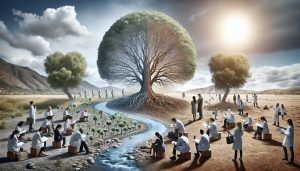
Did you know that conventional farming practices are a leading cause of biodiversity loss and environmental degradation? In contrast, ecological farming nurtures both our health and the planet’s ecosystem by working in harmony with nature. This sustainable approach promotes biodiversity, reduces pollution, and enhances soil fertility-all while growing nutritious, organic food. As consumers, we have the power to reshape our food systems by choosing ecological farming methods. By understanding how this method aligns with natural processes and prioritizes sustainable practices, we can make informed choices that benefit our health and the environment. Dive deeper into the world of ecological farming and discover how it offers not just a way to feed ourselves but also a path towards a more sustainable future for generations to come.
Understanding Ecological Farming Principles
Ecological farming embodies a holistic approach to agriculture, rooted in an understanding of natural ecosystems. By aligning farming practices with ecological principles, farmers can not only cultivate crops but also enhance the health of the environment. This approach emphasizes the interconnectedness of soil, water, crops, and wildlife. One of the core tenets of ecological farming is recognizing that the earth’s resources are finite and must be used sustainably. For instance, adopting practices that promote biodiversity, such as crop rotation and polyculture, not only improves soil health but can also prevent pest outbreaks and increase resilience against climate change.
A critical aspect of ecological farming is the respect for natural processes. This means minimizing intervention and allowing nature to take its course when possible. Techniques like cover cropping, which involves planting specific crops that cover and enrich the soil, illustrate this principle beautifully. Not only do cover crops reduce erosion, but they also fix nitrogen in the soil, thus lessening the need for synthetic fertilizers. Additionally, ecological farmers often utilize organic matter from compost or green manure to enhance soil fertility, further nurturing the ecosystem rather than depleting it.
Understanding the roles of organisms within the farming system is also foundational. Healthy farms often incorporate beneficial insects, such as ladybugs and bees, which play essential roles in pest control and pollination. By creating habitats for these organisms, farmers can foster a more balanced ecosystem, reducing the dependency on chemical interventions that can be harmful to both the environment and human health.
Furthermore, ecological farming encourages practices that conserve water and energy. This includes rainwater harvesting, drip irrigation, and soil moisture management techniques that not only save water but also optimize its use for maximum efficiency. Through these methods, ecological farming not only contributes to food security but also serves as a model for sustainable living, highlighting the importance of harmony with nature and responsibility towards the planet. In embracing these principles, farmers can cultivate not just food, but a healthier world for future generations.
The Benefits of Ecological Farming for Health and Environment
Ecological farming is more than a method of food production; it is a transformative approach that nurtures both human health and the environment. This system promotes soil health and by doing so, encourages the growth of nutrient-rich produce. In contrast to conventional farming, which often relies heavily on synthetic fertilizers and pesticides, ecological farming leverages natural processes to enhance soil fertility, resulting in healthier crops. Research shows that organically grown foods can have higher antioxidant levels, which are pivotal in combating chronic diseases, thereby improving overall public health.
Environmental Benefits
Ecological farming practices significantly reduce the environmental footprint of agriculture. By focusing on sustainable practices such as crop rotation, intercropping, and organic composting, farmers can minimize soil erosion, enhance water retention, and improve biodiversity. These methods not only safeguard the ecosystem but contribute to carbon sequestration, which is vital for mitigating climate change. Moreover, ecological farms foster habitats for beneficial organisms, increasing resilience against pests and diseases without chemical interventions.
Community and Economic Advantages
In addition to the direct health and environmental benefits, ecological farming contributes to vibrant local economies. By prioritizing local food systems, these farms support community resilience and reduce dependence on industrial agriculture. Community-supported agriculture (CSA) initiatives, for example, foster direct relationships between farmers and consumers, ensuring that money stays within local economies. This model not only promotes healthful eating but also strengthens community bonds and empowers consumers to make informed choices about their food sources.
To summarize, embracing ecological farming yields a myriad of benefits that extend beyond the farm. By prioritizing health-conscious practices and sustainable environmental stewardship, we can foster a future where our agricultural systems nourish both people and the planet. Adopting these principles encourages not just sustainable farming, but a broader movement toward a healthier lifestyle for all.
How Ecological Farming Differs from Conventional Methods
In the quest for sustainable food production, understanding the fundamental distinctions between ecological and conventional farming is crucial. Conventional farming often prioritizes productivity and efficiency, frequently resulting in practices that exploit synthetic inputs such as chemical fertilizers and pesticides. This approach can lead to short-term gains but may degrade soil health, diminish biodiversity, and pollute water supplies over time. Conversely, ecological farming emphasizes working with natural systems, relying on methods that promote soil vitality, crop diversity, and ecosystem balance. This holistic approach aims not just for yield but for long-term sustainability and resilience.
One of the primary differences lies in soil management. Ecological farming prioritizes organic matter and microbial health, often utilizing compost, cover crops, and crop rotation. These techniques enhance soil structure, retain moisture, and increase nutrient availability without the adverse effects of synthetic additives. In contrast, conventional methods may employ monoculture practices that strip the soil of essential nutrients, making it more susceptible to erosion and degradation.
Another stark contrast is in pest and disease management. Ecological farming fosters biodiversity, creating habitats that attract beneficial insects which can naturally control pest populations. Techniques like intercropping and companion planting help to disrupt pest cycles and improve disease resistance. On the other hand, conventional farming may rely heavily on chemical pesticides, which can harm beneficial organisms and lead to pest resistance, creating a vicious cycle of increased chemical use.
Additionally, water management practices significantly differ between these two systems. Ecological farming optimizes water use through techniques such as mulching and designing landscapes to capture and retain rainwater, reducing reliance on irrigation. Conventional farming, however, often encourages water-intensive monoculture crops and may lead to water depletion in areas where groundwater is over-extracted.
Embracing ecological farming means committing to a set of principles that not only seek to nourish the land but also enhance the health of the communities that rely on it. By choosing practices that respect natural ecosystems, we can pave the way for a more sustainable future, creating a thriving agricultural system that benefits both people and the planet. As consumers and conscious citizens, supporting local ecological farms can be a powerful step toward fostering these sustainable practices in our food systems.
Essential Techniques for Practicing Ecological Farming
In the realm of ecological farming, a range of techniques serve to create a sustainable environment that respects the planet’s natural processes. These practices not only enhance biodiversity but also foster a resilient agricultural system. By integrating methods that mimic nature’s own systems, farmers can grow healthier crops while contributing to ecological balance. Here are some essential techniques that can transform conventional agriculture into an ecological approach.
Crop Rotation is a cornerstone of ecological farming. By alternating the types of crops planted in a given area, farmers can improve soil fertility and disrupt pest cycles. This practice reduces the risks of soil depletion and pest infestations, as different plants require different nutrients and attract various insects. For example, planting legumes can enrich the soil with nitrogen, which benefits subsequent crops like corn or wheat.
Cover Crops are another vital strategy. These are plants grown primarily for the benefits they provide to the soil rather than for harvest. By sowing cover crops such as clover or rye during off-seasons, farmers can prevent soil erosion, enhance soil structure, and suppress weeds. This practice also improves soil health by increasing organic matter and promoting beneficial microbial activity.
Integrative Livestock Management
Integrating livestock into the farming system can yield numerous benefits. Grazing animals can help manage weeds while their manure naturally fertilizes the soil. This integration creates a closed-loop system where nutrients are recycled back into the land. Additionally, practices such as rotational grazing allow pastures to recover, promoting rich, plant diversity that benefits the entire ecosystem.
Natural Pest Management
Employing natural pest management techniques, such as companion planting and using beneficial insects, helps control pests without synthetic chemicals. For instance, planting marigolds alongside vegetables can deter pests, while attracting ladybugs can help keep aphid populations in check. Establishing habitats for predatory insects and birds enhances pest control naturally, fostering a balanced ecosystem that thrives without reliance on chemical pesticides.
By adopting these essential techniques, farmers not only enhance their productivity but also nurture the earth. Ecological farming is not merely about producing food; it’s a holistic approach that prioritizes the health of the soil, the surrounding ecosystems, and, ultimately, our communities. Each small change in farming practices can lead to significant improvements in both ecological and crop health, paving the way for a more sustainable future.
Crop Diversity: The Heart of Ecological Farming
The diversity of crops within an agricultural system serves as a powerful tool not only for enhancing yields but also for preserving the integrity of the ecosystem. By embracing a wide range of plant species, ecological farming becomes a dynamic practice that mirrors natural ecosystems, fostering resilience against pests, diseases, and climate fluctuations. This holistic approach not only enriches the soil but also provides farmers with a more stable and sustainable means of production.
Crop diversity reduces dependency on chemical inputs and helps manage pests and diseases organically. When multiple plant species coexist, they create a more complex habitat that can support beneficial insects and pollinators. For example, intercropping legumes with grains can provide nitrogen to the soil while maximizing land use and improving yield. This strategy not only enhances food production but also fortifies the ecosystem and promotes soil health, ensuring that it remains fertile for future planting cycles.
Moreover, diverse crops can be crucial for food security and resilience. Different plant varieties often have varied growing needs and resistances, making it less likely that a single event-such as a drought or a pest outbreak-will devastate an entire crop. Utilizing a mix of crops means that even if one type fails, others may still thrive, providing alternative sources of food and income. This practice is essential for farmers looking to mitigate risks and adapt to changing climatic conditions.
Incorporating diverse crops into farming systems also supports local biodiversity and encourages ecological balance. By planting native varieties and maintaining a mix of fruits, vegetables, and grains, farmers can contribute to a healthier ecosystem. This biodiversity attracts a variety of species that help with pollination and natural pest control, resulting in a thriving agricultural environment that benefits not just the farmer, but the surrounding community and ecosystem as a whole. Ultimately, cultivating crop diversity is not merely a practical choice-it’s a necessary step towards a more resilient and sustainable agricultural future.
Soil Health: Building Fertile Ground Naturally
Healthy soil is the foundation of ecological farming, functioning as a living ecosystem that supports plant growth, stores water, and houses countless organisms. Did you know that a single teaspoon of healthy soil can contain more microorganisms than there are people on Earth? This intricate web of life not only sustains crops but also plays a crucial role in carbon sequestration and nutrient cycling, making it vital for a sustainable future.
To cultivate soil health, farmers can adopt several natural practices. One of the most effective techniques is cover cropping, which involves planting crops like clover or rye during the off-season. These plants prevent erosion, improve soil structure, and enhance organic matter as they decompose. Additionally, incorporating compost into the soil introduces beneficial microorganisms and provides essential nutrients, creating a fertile environment for crops to thrive.
Maintaining biodiversity in soil is also paramount. Diverse root systems from various plant species can reach different soil layers, maximizing nutrient uptake and preventing the depletion of specific minerals. Crop rotation is another strategy that helps in this regard; alternating crops each season disrupts pest cycles and minimizes the risk of disease while improving soil fertility.
Practicing minimal tillage preserves soil structure and protects its community of micro-organisms. By reducing mechanical disturbances, farmers help ensure that carbon remains stored in the ground instead of being released into the atmosphere. Furthermore, incorporating biochar, a stable form of carbon produced from organic materials, can improve soil fertility and retain soil moisture, benefiting crop health and reducing the need for chemical inputs.
In summary, building fertile ground through ecological practices not only enriches biodiversity but also enhances resilience against climate change. It encourages sustainable food production while fostering healthier ecosystems that can support agriculture for generations to come. Embracing these methods allows farmers and gardeners alike to contribute positively to the environment, ensuring they grow food in harmony with nature.
Water Conservation Practices in Ecological Farming
Adopting effective is crucial, especially as water scarcity becomes an increasingly pressing global issue. Did you know that improperly managed agricultural practices can lead to significant water waste and pollution? Ecological farming embraces innovative techniques that not only conserve water but also enhance soil health and crop resilience.
One essential practice is the use of rainwater harvesting, which involves collecting and storing rainwater for irrigation. This method reduces reliance on groundwater and municipal water supplies while maximizing the use of natural precipitation. Integrating systems such as rain barrels or larger storage tanks can make a significant impact, allowing farmers to use this free resource during dry spells.
Another effective strategy is drip irrigation, which delivers water directly to the plant roots through a network of tubes and emitters. This targeted approach minimizes water loss through evaporation and runoff, ensuring that each drop counts. Coupled with regular soil moisture monitoring, farmers can apply water only when necessary, significantly reducing overall consumption.
Soil management practices also play a pivotal role in water conservation. Techniques such as mulching help retain soil moisture by reducing evaporation. Organic mulch, like straw or wood chips, not only protects the soil but also adds nutrients back into the ground as it decomposes. Cover cropping can further enhance water retention by improving soil structure and increasing organic matter content, creating a sponge-like effect that captures rainfall.
Adopting contour farming and terracing can be beneficial in water conservation, especially on sloped lands. These practices reduce soil erosion and slow down water runoff, allowing more water to infiltrate the ground. This not only conserves water but also enhances nutrient absorption-creating a more sustainable and productive farming system.
Incorporating these water conservation practices into ecological farming not only supports the environment but also boosts farm resilience in the face of climate change. By implementing these strategies, farmers can significantly reduce their water footprint, ensuring a healthy ecosystem while producing food sustainably for future generations.
Integrating Livestock for Sustainable Ecosystems
Integrating livestock into an ecological farming system not only enhances the sustainability of your farm but also fosters a harmonious relationship between land, crops, and animals. By adopting a holistic approach, farmers can create resilient ecosystems where livestock contribute to soil health, pest control, and nutrient cycling. Did you know that animals can play a crucial role in enriching the soil and boosting crop productivity?
One of the primary benefits of integrating livestock is their ability to provide natural fertilizer. Manure from animals, such as cows, chickens, and pigs, is rich in nutrients that improve soil structure and enhance fertility. When managed correctly, this organic matter can significantly reduce the need for synthetic fertilizers, ultimately leading to healthier soil and more robust crops. For instance, rotating animals through fields allows them to graze on grass and weeds while naturally fertilizing the soil with their dung, creating a win-win situation for both the plants and the animals.
In addition to fertilization, livestock contributes to pest management. Chickens, for example, are excellent at controlling insect populations. By allowing chickens to roam through crop fields, they can naturally reduce pests, decreasing the reliance on chemical pesticides. This method not only helps protect crops but also promotes biodiversity as it allows various species to coexist in a balanced ecosystem.
Moreover, using livestock as part of a rotational grazing system can prevent overgrazing and promote land regeneration. When animals are moved frequently from one pasture to another, they help to aerate the soil and promote new grass growth, which can enhance carbon sequestration. This practice also encourages a diverse plant community, further supporting soil health.
To make the most of integrating livestock, consider these practical steps:
- Plan Your Rotations: Design a grazing plan that rotates livestock through different pastures to prevent overgrazing and allow for regrowth.
- Combine Crops and Livestock: Use cover crops to nourish the soil and protect against erosion; animals can graze on these during the off-season.
- Utilize Manure Wisely: Implement composting practices to turn manure into rich compost that can be spread across your fields to enhance soil fertility.
- Encourage Biodiversity: Incorporate strategies that promote various plant and animal species, creating a more resilient agricultural ecosystem.
By thoughtfully integrating livestock into your farming practices, you not only enhance your farm’s sustainability and productivity but also contribute to a healthier environment. Embracing these techniques fosters a deep respect for nature’s processes, empowering farmers to work with-and not against-the natural systems that sustain us all.
Permaculture: Designing Resilient Agricultural Systems
Creating resilient agricultural systems involves leveraging the inherent wisdom of nature through permaculture principles. These principles emphasize sustainable design by mimicking natural ecosystems, resulting in environments that are not only productive but also thrive on biodiversity. Imagine a farm where every element plays a vital role, creating a synergistic relationship that enhances productivity, conserves resources, and nurtures the environment. This holistic approach allows farmers to cultivate crops and livestock while reducing reliance on external inputs.
One foundational concept in permaculture is designing for cooperative interactions. This involves understanding how plants, animals, and landscape features can work together. For example, planting nitrogen-fixing plants alongside vegetables can naturally enrich the soil, while integrating fruit-bearing trees can provide shade and habitat for beneficial insects. The layout of the farm should also reflect natural patterns, such as using swales for water management or orienting plantings to optimize sunlight. These strategies lead to a self-sustaining ecosystem that minimizes waste and maximizes productivity.
Another vital aspect of permaculture is diversity. By planting a variety of crops and incorporating animals, farmers can create systems that are more resilient to pests and diseases. Companion planting-where certain plants naturally inhibit pests or enhance each other’s growth-can be a simple yet effective method for increasing biodiversity. In addition, the inclusion of perennial plants helps maintain soil structure and prevents erosion, creating a more stable growing environment.
To adopt permaculture principles in your agricultural practices, consider the following strategies:
- Zone Design: Organize your farm into zones based on the frequency of use, placing intensive systems closer to your home for easy access.
- Water Management: Utilize techniques like rainwater harvesting or contour farming to efficiently manage water resources.
- Observation: Spend time observing natural ecosystems in your area to inform your designs, understanding how different species interrelate and adapt.
- Holistic Integration: Integrate crops and livestock in ways that create mutually beneficial relationships, such as using grazing animals to manage weeds while providing manure for fertilization.
By embedding these principles into agricultural practices, farmers can create systems that not only yield nutritious food but also foster a deep respect for the earth. Embracing permaculture allows individuals to become stewards of the land, contributing to a sustainable future where agriculture works in harmony with the environment. Simple adaptations, like observing nature and integrating diverse species, can lead to profound changes in ecological farming, paving the way for healthier ecosystems and more resilient communities.
The Role of Biodiversity in Ecological Farming
The presence of diverse species within agricultural systems is not just beneficial; it’s essential for creating a robust ecosystem. Biodiversity plays a crucial role in ecological farming by supporting resilience against pests, diseases, and the vagaries of climate, ultimately leading to more sustainable food production. When farmers cultivate a variety of crops and integrate livestock, they mimic natural ecosystems, where multiple species coexist and interact symbiotically. This diversity not only enhances soil health and fertility but also encourages a wider range of beneficial insects and microorganisms, creating a dynamic environment that supports plant growth and reduces the need for chemical inputs.
One of the most effective ways to leverage biodiversity in farming is through companion planting. This practice involves pairing plants that can mutually benefit one another-such as tomatoes and basil, which not only enhance each other’s flavor but also deter pests. Furthermore, incorporating perennial plants into farming systems can significantly improve soil structure and reduce erosion, ensuring that the ground remains fertile for future crops. Another example is the use of cover crops during off-seasons. These crops, such as clover or rye, not only prevent soil erosion but also enrich the soil with nutrients, thereby creating a healthier growing environment for food crops.
To fully harness the advantages of biodiversity in ecological farming, consider these approaches:
- Create Habitat Diversity: Incorporate hedgerows, flower strips, and small ponds into your farm design. These elements attract beneficial insects and provide habitat for wildlife that can naturally manage pest populations.
- Practice Crop Rotation: Rotating crops each season disrupts pest cycles and helps manage soil fertility, allowing different plant species to contribute various nutrients back into the soil.
- Promote Local Species: Use native plants in your landscaping and crop choices. Native species are often better adapted to local conditions and can thrive with less intervention, supporting local biodiversity.
In embracing biodiversity, farmers not only improve their own yields but also contribute to the health of the broader ecosystem. This interconnectedness fosters resilience-an essential quality in an age of changing climate and environmental challenges. By understanding and enhancing the role of biodiversity in farming, practitioners can create systems that yield nutritious food while caring for the planet, ensuring agricultural practices are both productive and sustainable for generations to come.
Future Trends in Ecological Farming and Sustainability
As ecological farming carves a path toward a more sustainable future, innovative techniques and practices are emerging that will redefine our relationship with food production. One of the most promising trends is the integration of technology with traditional ecological principles. Smart farming technologies, such as precision agriculture, allow farmers to optimize resource use-from water management to nutrient application-minimizing waste and enhancing productivity. For instance, soil sensors can provide real-time data on moisture levels and nutrient status, enabling farmers to apply inputs more accurately and only when necessary, thus fostering a healthier ecosystem.
Another significant movement is the rise of regenerative agriculture, which emphasizes restoring and improving the health of soil and ecosystems rather than merely sustaining them. This approach goes beyond ecological farming’s core principles by focusing on carbon sequestration, biodiversity enhancement, and building soil organic matter. Practices like holistic grazing, cover cropping, and agroforestry not only help capture carbon from the atmosphere but also improve resilience against climate change, creating farming systems that can thrive in more extreme weather conditions.
Consumer Awareness and Demand for Transparency
Consumer behavior is also shifting significantly, with a growing awareness of the environmental impact of food choices. More people are opting for organic and sustainably produced products, driven by concerns about health and environmental degradation. This demand opens opportunities for farmers to connect directly with consumers through farmers’ markets, community-supported agriculture (CSA), and farm-to-table initiatives. By selling directly to consumers, farmers can receive better prices for their products while educating the public about the benefits of ecological farming practices.
Collaborative Frameworks for Sustainable Agriculture
Collaboration among farmers, researchers, policymakers, and consumers is another trend that holds promise for ecological farming. Collective efforts can lead to shared resources, knowledge exchange, and community-based initiatives that promote sustainable practices. Networks and organizations focused on sustainable farming not only provide training and resources but also help advocate for policies that support ecological practices at the local and national levels.
In embracing these future trends, ecological farming will not only address the immediate challenges of food production but also contribute to a more sustainable and equitable food system. By fostering innovation, consumer engagement, and collaboration, farmers can cultivate systems that are not only productive but also resilient and harmonious with the Earth. This holistic approach is essential as we navigate the unfolding challenges of climate change and food security.
Getting Started: How to Transition to Ecological Farming
Transitioning to ecological farming can be a fulfilling journey that not only benefits the environment but also invigorates personal health and community well-being. Many farmers are discovering that integrating ecological principles into their practices leads to a more sustainable and resilient agricultural model. Start by embracing a mindset of continuous learning and adaptation. The first step is to educate yourself about ecological farming methods, soil health, crop diversity, and local ecosystems. Resources such as workshops, online courses, and agricultural extension services can provide invaluable knowledge and practical strategies.
To begin your transition, assess your current farming practices and identify areas where you can incorporate ecological methods. Focus on building soil health, a foundational element of ecological farming. This can be achieved through practices like cover cropping, rotational grazing, and composting. Each of these improves soil structure, enhances nutrient availability, and fosters a diverse soil microbiome. Testing your soil can provide insights into its fertility and nutrient profile, guiding your decisions on amendments and natural fertilizers.
Another essential aspect of transitioning is adopting diverse crop rotations. This not only enhances soil health but also breaks pest and disease cycles, reducing the need for chemical inputs. Consider native plants and crops that thrive in your region, as they are better adapted to local conditions and often require fewer resources. Involve the community in this process-collaborating with other farmers can lead to sharing equipment, seeds, and knowledge, enriching the entire farming ecosystem.
Lastly, embrace water conservation practices, such as rainwater harvesting and efficient irrigation techniques, which are pivotal in ecological farming. Implementing mulch can reduce evaporation and suppress weeds, while crop selection should consider drought-resistant varieties. As your knowledge and skills grow, seek ways to engage with broader sustainable agriculture networks and certifications, which can connect you with like-minded individuals and provide additional resources for your journey.
By taking incremental steps and remaining committed to ecological principles, transitioning to ecological farming can enhance not only your productivity but also your relationship with the land and community. The path to ecological farming does not need to be overwhelming; rather, it can be a series of small, impactful choices that lead to a rewarding and sustainable future.
Q&A
Q: What is the main goal of ecological farming?
A: The main goal of ecological farming is to create a sustainable agricultural system that works in harmony with nature. This approach emphasizes biodiversity, soil health, and the use of natural resources, aiming to produce food while minimizing environmental impact.
Q: How does ecological farming enhance biodiversity?
A: Ecological farming enhances biodiversity by promoting diverse crop rotations, polycultures, and the integration of various animal species, which help maintain ecological balance. This diversity supports ecosystems, improves pest resistance, and boosts overall farm resilience.
Q: What practices can I implement to start ecological farming?
A: To start ecological farming, begin by using organic compost, practicing crop rotation, conserving water through efficient irrigation, and incorporating cover crops to enhance soil vitality. These techniques support a holistic approach to sustainable farming.
Q: Why is soil health important in ecological farming?
A: Soil health is crucial in ecological farming because it affects the ability of crops to grow effectively. Healthy soil improves nutrient availability, water retention, and supports beneficial organisms, leading to better yield and quality of produce.
Q: What is the difference between organic and ecological farming?
A: While both aim to reduce environmental impact, organic farming focuses primarily on avoiding synthetic chemicals, whereas ecological farming emphasizes a holistic relationship between organisms and their environment, including soil health, biodiversity, and ecosystem stability.
Q: How can ecological farming contribute to climate change mitigation?
A: Ecological farming can mitigate climate change by enhancing carbon sequestration through healthy soils and diverse crops. This approach reduces greenhouse gas emissions and promotes sustainable land use practices that help stabilize ecosystems.
Q: What role do cover crops play in ecological farming?
A: Cover crops play a vital role in ecological farming by improving soil structure, preventing erosion, and enhancing soil fertility. They also suppress weeds and provide habitats for beneficial insects, promoting a balanced farm ecosystem.
Q: Can ecological farming be practiced on a small scale?
A: Yes, ecological farming is highly adaptable and can be practiced on small scales, such as community gardens and backyard farms. It allows individuals to grow food sustainably while fostering local biodiversity and community engagement.
Wrapping Up
Embracing ecological farming means nurturing a relationship with nature that not only benefits our health but also enriches our planet. By understanding the principles of biodiversity and sustainable practices, you’re equipped not just to grow food but to foster a thriving ecosystem. Take the first step towards making a positive change-explore our guides on sustainable gardening techniques and ecological footprints to deepen your knowledge and enhance your impact.
Don’t miss out on future insights; subscribe to our newsletter for ongoing tips and updates on eco-conscious living. Join the conversation-share your own experiences with ecological farming in the comments below, and connect with like-minded individuals who are equally passionate about sustainable practices. Together, let’s cultivate a greener future, one garden at a time!