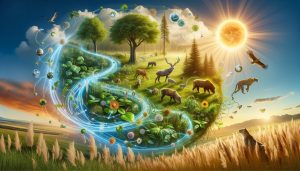
Ecosystem services play a vital role in our daily lives, offering benefits like clean water, pollination, and recreational opportunities. Yet, many people confuse these with ecological services, which focus more on natural processes that support ecosystems. Understanding the distinction between these concepts is essential for anyone passionate about sustainability and conservation. By grasping how ecosystem services enhance our well-being while ecological services maintain the health of our planet, individuals can make informed choices that support both personal and environmental health. As you explore this article, consider how recognizing these differences can empower you to live more sustainably and contribute to protecting our natural world. Let’s delve into the nuances of these services and discover how they interconnect with our lives and ecosystems.
Understanding Ecosystem Services: A Comprehensive Overview
Understanding the intricate web of life on Earth is essential for fostering a sustainable future, and one of the key components of this web is the concept of ecosystem services. These services are the multitude of benefits that natural environments provide to humankind, encompassing everything from the air we breathe to the food we consume. The ongoing degradation of our ecosystems, through urbanization, pollution, and climate change, threatens these vital services, highlighting the urgent need for awareness and action.
Ecosystem services can be categorized into four primary types: provisioning services, which include the tangible products obtained from ecosystems, such as food, water, and raw materials; regulating services, which help maintain environmental conditions like climate regulation and water purification; cultural services that enrich our lives through recreation, aesthetics, and education; and supporting services that are fundamental to the production of all other ecosystem services, including soil formation, photosynthesis, and nutrient cycling. Understanding these categories not only helps us appreciate the complexity and interdependence of natural processes but also emphasizes why protecting ecosystems is crucial for our survival.
By recognizing the importance of maintaining biodiversity and preserving natural habitats, individuals can take significant steps toward supporting ecosystem services in everyday life. Simple actions, such as reducing waste, conserving water, and choosing sustainably-sourced products, can collectively lead to a healthier planet. Embracing these eco-friendly practices not only aids in protecting vital ecosystem services but also encourages a broader cultural shift toward environmental responsibility and sustainability.
In conclusion, the relationship between human well-being and ecosystem services is profound. By fostering a deeper understanding of these services, and by actively participating in their preservation, we can contribute to a more sustainable and harmonious coexistence with the natural world. Every small action counts, and collectively, these efforts can lead to significant positive changes in our environment.
Defining Key Terms: Ecosystem vs. Ecological Services
Understanding the nuances between ecosystems and ecological services is critical for grasping how our natural world operates and how we can engage with it more sustainably. An ecosystem refers to a complex network of living organisms, including plants, animals, fungi, and microorganisms, intertwined with their physical environment, such as soil, water, and climate. This dynamic interaction creates a habitat where species live, reproduce, and thrive, highlighting the importance of biodiversity and habitat preservation.
In contrast, ecological services-or more widely, ecosystem services-are the benefits that these ecosystems provide to humanity. These benefits can be divided into several categories: provisioning services (like fresh water and food), regulating services (such as the purification of air and water), cultural services (including recreation and spiritual enrichment), and supporting services (which enable processes like soil formation and nutrient cycling). Understanding these distinctions helps clarify how ecosystems contribute to human well-being and why protecting them is essential.
To visualize this relationship, consider a forest ecosystem. It not only serves as a habitat for diverse wildlife but also provides clean air, mitigates climate change, and offers recreational opportunities. When we consider ecological services, we recognize how these natural functions directly support human life and economic activities, promoting sustainable living practices.
By fostering this understanding, we empower ourselves to make choices that protect both ecosystems and the critical services they provide. Simple actions-approximately choosing local produce, participating in conservation efforts, or supporting policies aimed at environmental protection-can all contribute to maintaining the balance of these vital natural systems. Thus, acknowledging the distinction between ecosystems and the services they render enhances our ability to act in ways that support ecological sustainability.
The Importance of Ecosystem Services in Environmental Sustainability
Ecosystem services are the unsung heroes of our planet’s health and sustainability, providing essential benefits that connect humanity to nature. They are not only vital for our survival but also for maintaining the delicate balance of our environment. Proper recognition and understanding of these services can empower individuals and communities to prioritize sustainable practices that positively impact both local ecosystems and global health.
One of the most compelling reasons ecosystem services are integral to environmental sustainability is that they directly contribute to human well-being. Clean air, safe drinking water, fertile soil, and nutrient cycling are just a few examples of how nature functions as a life-support system. When we protect these services, we are not merely safeguarding the environment; we are ensuring our own survival and quality of life. For instance, wetlands act as natural water filters, improving water quality while reducing flooding risks. By prioritizing the conservation of such ecosystems, we protect our communities against natural disasters and ensure access to clean resources.
Additionally, ecosystem services foster economic sustainability by supporting industries such as agriculture, tourism, and fisheries. Healthy ecosystems provide the resources these sectors rely upon, from pollination and soil fertility to scenic landscapes that attract billions in tourism revenue. A well-managed forest, for example, can yield timber and non-timber products while also promoting ecotourism and recreation, creating jobs and contributing to local economies. Adopting policies that reflect the intrinsic value of these services can lead to more resilient economies that thrive in harmony with nature.
Incorporating ecosystem services into daily decision-making not only helps mitigate environmental challenges but also encourages responsible consumption. Simple choices, such as purchasing organic produce, engaging in recycling programs, or supporting local conservation initiatives, can collectively make a significant difference. By advocating for policies that recognize and utilize the concept of ecosystem services, we empower ourselves, our communities, and future generations to thrive sustainably, ensuring that the benefits of nature continue to be available for all.
Types of Ecosystem Services: Regulating, Supporting, Provisioning, and Cultural
Every day, we rely on a complex web of interactions within the natural world that supports our well-being, economy, and environment. Understanding the different categories of ecosystem services-regulating, supporting, provisioning, and cultural-can empower individuals to appreciate and actively engage in practices that sustain these vital functions.
Regulating Services
Regulating services are the natural processes that help maintain environmental balance. They include climate regulation, flood control, and disease regulation. For example, forests act as carbon sinks, absorbing CO2 and regulating greenhouse gases in the atmosphere, which is crucial to mitigating climate change. Wetlands not only filter pollutants from water, improving its quality but also provide vital flood control by absorbing excess rainwater. By supporting these services through conservation efforts, individuals can help combat issues like climate change and water scarcity, ensuring healthier ecosystems.
Supporting Services
Supporting services underpin the processes that sustain other services. These include nutrient cycling, soil formation, and primary production, which are essential for the functioning of ecosystems. Soil microbes, for instance, play a vital role in nutrient cycling, breaking down organic matter and facilitating the growth of plants. Healthy soils produce more robust crops, contributing to food security. Engaging in practices like composting and reducing chemical fertilizers can enhance soil health, supporting these critical systems while also yielding more productive agricultural outcomes.
Provisioning Services
Provisioning services encompass the tangible benefits we derive from ecosystems, such as food, fresh water, wood, and fibers. Diverse ecosystems provide us with a variety of crops, fish, and livestock, essential for our diets and economies. Sustainable management of these resources, such as practicing responsible fishing or supporting local, organic farms, can help ensure that provisioning services remain available for future generations. By choosing to consume sustainably sourced products, consumers can contribute to the preservation of these vital resources.
Cultural Services
Cultural services highlight the non-material benefits we gain from ecosystems, including recreational opportunities, aesthetic enjoyment, and spiritual experiences. Parks and natural reserves provide spaces for recreation and relaxation, which are essential for mental health and community well-being. Support for local conservation efforts not only protects these cultural services but also fosters a sense of community connection to the environment. Engaging in outdoor activities like hiking or birdwatching nurtures appreciation for our natural surroundings, encouraging stewardship of nature.
By understanding these types of ecosystem services, individuals can make informed choices that positively impact the planet. Embracing activities that protect and enhance these services-like conserving energy, reducing waste, and supporting biodiversity-allows everyone to play a part in sustaining the ecosystems that ultimately support our lives.
How Ecological Services Enhance Ecosystem Functionality
The intricate tapestry of an ecosystem is held together by the myriad ecological services that enhance its functionality and resilience. These services encompass the fundamental processes required to maintain ecosystem health, enabling the diverse array of species to thrive while also providing essential benefits to humans. By understanding how these ecological services operate, we can better appreciate their role in sustaining the natural environment and the myriad forms of life it supports.
Key ecological services include nutrient cycling, soil health, and habitat provision, all of which are vital for ecosystem productivity. For example, nutrient cycling is facilitated by organisms such as soil microbes and fungi, which decompose organic matter and convert nutrients into forms accessible to plants. This process helps sustain not only agricultural productivity but also the natural flora that stabilizes soils and prevents erosion. Engaging in practices such as organic farming and composting can amplify these services, fostering a more robust ecosystem that benefits both producers and consumers alike.
Moreover, habitat provision is crucial for maintaining biodiversity, which is essential for ecological stability. Diverse ecosystems, such as wetlands, forests, and coral reefs, create niches for various species, ensuring ecological balance. Every species plays a specific role, whether in pollination, seed dispersal, or pest control, thus contributing to the resilience of the ecosystem. Individuals can promote these ecological services by choosing native plants for gardens, reducing pesticide use, and supporting conservation initiatives that protect natural habitats.
Incorporating ecological services into daily life is not just beneficial for the environment but can also enhance personal well-being. By engaging in community gardening, participating in local clean-ups, or supporting sustainability-focused businesses, individuals actively contribute to the health of their ecosystems. As we embrace these eco-friendly practices, we not only protect the natural world but also create a more harmonious relationship between ourselves and the environment, fostering a future where both can thrive.
Differences in Benefits: Ecosystem vs. Ecological Services
Understanding the distinction between ecosystem services and ecological services can illuminate how we interact with and benefit from nature. Ecosystem services encompass the various benefits that humans derive from ecosystems, such as food, clean water, and recreational opportunities. On the other hand, ecological services refer to the natural processes and functions within ecosystems that contribute to their health and sustainability, such as nutrient cycling, pollination, and habitat provision. This difference is not merely semantic; it underscores the importance of both types of services in supporting our planet’s well-being.
Ecosystem services can be categorized into four main types: provisioning, regulating, supporting, and cultural. Provisioning services provide direct resources for human use, such as the food we eat and the materials we utilize. Regulating services help maintain ecological balance by controlling phenomena like climate, disease, and water quality. Cultural services offer non-material benefits such as spiritual enrichment, aesthetic enjoyment, and opportunities for recreation. In contrast, ecological services underlie these benefits by ensuring the ecosystem remains functional and resilient. For instance, pollination by insects (an ecological service) directly supports agricultural productivity (a provisioning service), showcasing how intertwined these services are.
To illustrate, consider a forest ecosystem. The trees (ecological service) provide timber (provisioning service) and help purify the air (regulating service), while the beauty of the forest attracts visitors (cultural service). When the ecological services are compromised-due to deforestation or pollution-the benefits we gain from these ecosystems diminish. This highlights the need for conservation and sustainable management practices that prioritize not just immediate human benefits, but also the health of the ecosystems themselves.
By recognizing this dynamic, individuals and communities can make more informed decisions that support both ecosystem and ecological services. Simple actions, such as planting native species, reducing waste, and advocating for conservation efforts, can have profound impacts. Every bit of effort contributes to a healthier environment that ultimately supports both our needs and the intricate web of life that sustains our planet. Embracing this holistic view encourages a more sustainable future, benefiting ecosystems and humans alike.
Real-World Examples of Ecosystem and Ecological Services
Real-world examples vividly illustrate the differences between ecosystem services and ecological services, helping us appreciate their interconnectedness in our daily lives. For instance, consider coastal wetlands. These ecosystems are prime examples of how ecological services, such as sediment trapping and nutrient cycling, directly correlate with ecosystem services like flood protection and water purification. Wetlands act as natural buffers, absorbing excess rainwater and preventing flooding in nearby urban areas. At the same time, they provide vital habitat for a diverse range of species and support recreational activities, such as birdwatching and fishing, which fall under cultural services.
Another compelling example is pollination, often highlighted as a critical ecological service. This function is crucial for supporting agricultural systems, linking it directly to provisioning services. In North America, bees pollinate approximately one-third of the crops we consume, including fruits, vegetables, and nuts. The reliance on these ecological services facilitates the production of food, which underscores their importance to human sustenance and economic activity. When bee populations decline due to pesticide use or habitat loss, the resulting decrease in pollination services can lead to reduced crop yields, showcasing the immediate impact on provisioning services.
Additionally, forests serve as multifunctional ecosystems that yield numerous services. They produce timber and fuelwood (provisioning services) while also regulating air quality and climate through carbon sequestration (regulating services). Moreover, forests provide spaces for recreation and spirituality, enhancing human well-being and community health (cultural services). A notable example is the Amazon rainforest, which plays a critical role in regulating global climate patterns, demonstrating the broader implications of ecological services on a planetary scale.
These examples remind us of the vital roles both ecosystem and ecological services play in maintaining environmental balance and supporting human life. By understanding these relationships, we can be more mindful of our actions and choices, such as supporting sustainable forestry practices or participating in local conservation efforts, thereby enhancing the resilience of the ecosystems we depend upon. Every small step we take contributes to the maintenance and restoration of both types of services, ensuring a healthier planet for future generations.
Measuring the Value of Ecosystem Services
Understanding the monetary and intrinsic value of ecosystem services is essential for promoting environmental sustainability and sound policy decisions. These services-ranging from the provision of clean air and water to the regulation of climate-are often taken for granted and consequently overlooked in economic calculations. However, several methodologies exist to quantify these invaluable contributions of nature, enabling us to better appreciate and advocate for their protection.
Valuation Methods
There are various methods for assessing the value of ecosystem services, each suited for different contexts and objectives. Common approaches include:
- Market Price Method: This straightforward technique evaluates services based on their market value. For example, the price of timber harvested from forests provides a clear economic value related to provisioning services.
- Cost-Benefit Analysis: This method compares the costs of ecological restoration or conservation against the estimated benefits derived from maintaining ecosystem services, such as flood protection or water purification.
- Contingent Valuation: Surveys assess how much people are willing to pay for maintaining or enhancing ecosystem services, indicating their perceived value to society.
- Ecological Footprints: This approach measures the natural resources consumed by human activities, illustrating how overuse can diminish ecosystem services.
Real-World Application
A practical example of valuing ecosystem services can be seen in the preservation of wetlands. Studies show that wetlands provide critical flood protection and water filtration services. By valuing these benefits, communities can justify investments in wetland restoration projects that, while initially costly, ultimately save money in disaster relief and water treatment costs.
Moreover, integrating these values into urban planning and economic development strategies allows cities to design informed policies that prioritize the conservation of green spaces and the health of local ecosystems. For instance, incorporating green roofs and urban forests has been found to not only enhance air quality but also reduce energy costs-showing that the benefits of ecosystem services can lead to significant savings in municipal budgets.
empowers individuals and communities to make informed, eco-conscious decisions. Through sustainable practices, such as supporting local conservation efforts or advocating for policies that prioritize natural resource protection, everyone can contribute to preserving these essential services for future generations. Understanding their value helps to instill a sense of responsibility toward the planet, encouraging choices that foster environmental stewardship.
The Role of Biodiversity in Ecosystem Services
Biodiversity is a cornerstone of robust ecosystem services, acting as a vital lifeline for the natural processes that sustain life on Earth. The variety of species within a given habitat contributes to higher resilience and adaptability in ecosystems, ensuring they can withstand environmental changes and pressures such as climate change, pollution, and habitat destruction. For example, diverse forests are not only home to an array of wildlife but also play essential roles in carbon sequestration, air quality improvement, and water regulation, which are fundamental to both ecological balance and human well-being.
Maintaining biodiversity fosters a range of ecosystem services, from supporting food production to enhancing natural pest control. Diverse plant species can provide a wider range of food sources, which is crucial for supporting various pollinators. A healthy population of pollinators, in turn, aids food security by ensuring the reproduction of many crops. Additionally, diverse microbial communities in soils contribute to nutrient cycling and soil fertility, enhancing agricultural productivity sustainably. Thus, when biodiversity is threatened, the suite of services that ecosystems provide can diminish, resulting in negative repercussions for human populations.
Engaging with nature in a way that supports biodiversity can be incredibly impactful. This can include actions such as planting native species in gardens, reducing pesticide use, and participating in local conservation efforts. Creating habitats in urban areas through green roofs, community gardens, and pollinator pathways not only beautifies our surroundings but also strengthens local ecosystems. By embracing these practices, individuals and communities contribute to the preservation of biodiversity, which in turn sustains the critical ecosystem services upon which we all rely.
At a broader level, policies aimed at preserving biodiversity can be integrated into land use planning, agriculture, and urban development to ensure that the benefits of ecosystem services are safeguarded for future generations. Emphasizing biodiversity in environmental education campaigns can also foster a greater public appreciation for the natural world and encourage eco-conscious lifestyles that help protect these irreplaceable assets.
Challenges Facing Ecosystem and Ecological Services Today
The world is facing an unprecedented crisis in ecosystem and ecological services, as the delicate balance that sustains our environment is increasingly threatened. From deforestation to pollution, these challenges are not just environmental issues; they directly affect human health, well-being, and economic stability. For instance, the loss of forests, which serve as critical carbon sinks, exacerbates climate change and leads to adverse weather patterns that impact agriculture and food security. As the climate continues to shift, so do the habitats and species that depend on stable environments, resulting in a cascading effect on ecosystem services that support life.
One of the most significant challenges today is biodiversity loss, driven by habitat destruction, invasive species, overexploitation, and climate change. When species vanish, their ability to perform essential functions-such as pollination, nutrient cycling, and water purification-diminishes. This not only affects ecological stability but also jeopardizes the provisioning services that humans rely on, such as food and clean water. Embedding principles of sustainability into our economy and daily decisions can help alleviate these pressures. For example, individuals can opt for sustainably sourced products, reducing their ecological footprint while simultaneously supporting biodiversity-friendly practices.
Urbanization poses another formidable challenge, as cities expand into natural habitats, fragmenting ecosystems and isolating wildlife populations. To counteract this, urban planners and communities can embrace green infrastructure-such as parks, green roofs, and wildlife corridors-that enhance ecological connectivity and resilience. Engaging in local conservation efforts, such as planting native species or creating urban gardens, not only contributes to local biodiversity but can also improve community well-being. This approach fosters a connection between inhabitants and their environment, encouraging active participation in ecological stewardship.
While the hurdles are significant, the potential for change lies in our collective action. Policies that prioritize ecosystem services and biodiversity, coupled with robust public awareness campaigns, can foster a culture of sustainability. Schools, communities, and organizations can play pivotal roles in educating others about the importance of protecting our natural resources. By aligning our values with sustainable practices-whether through reducing consumption, advocating for smart legislation, or engaging in restoration efforts-we can overcome the challenges facing our ecosystems today and pave the way for a healthier future.
Integrating Ecosystem Services in Policy and Planning
Integrating ecosystem services into policy and planning is crucial for fostering environmental sustainability and enhancing the quality of life for current and future generations. Ecosystem services-the benefits that humans derive from nature-play a pivotal role in economic well-being, public health, and ecological stability. Recognizing their value can guide decision-makers in creating policies that prioritize natural systems while also supporting community needs.
To effectively incorporate ecosystem services into public policy, it is essential to utilize a holistic approach. This means integrating ecological health into urban development, agriculture, and land-use planning. For instance, cities can adopt green infrastructure initiatives, such as green roofs, permeable pavements, and urban parks, which provide multiple benefits like air and water purification, temperature regulation, and enhanced biodiversity. By considering these ecological contributions in planning processes, local governments can mitigate climate impacts and improve residents’ quality of life.
Another key aspect is implementing monetary valuation methods for ecosystem services, enabling policymakers to quantify the benefits derived from natural resources. Tools like cost-benefit analysis can help demonstrate the economic advantages of preserving ecosystems. For example, maintaining wetlands for flood protection can be more cost-effective than building traditional infrastructure. Such assessments can influence funding decisions and drive investment toward conservation strategies that protect critical ecosystems, thereby sustaining the services they provide.
Public participation is also vital in the integration process. Engaging stakeholders-from local communities to environmental groups-ensures that diverse perspectives are considered when planning sustainable initiatives. This collaboration can lead to more resilient solutions that enhance community involvement and investment in local ecosystems. By fostering an inclusive dialogue, policymakers can build trust, ensuring that the values of ecosystem services resonate with public interests and cultural practices.
As communities and ecosystems face increasing pressures from urbanization and climate change, integrating ecosystem services into policy and planning is not just beneficial; it is essential. By championing sustainable practices and valuing the natural world in economic spheres, we can address the urgent challenges of our time and promote a healthier, more sustainable planet for all.
Practical Tips for Supporting Ecosystem Services in Daily Life
Daily choices have a profound impact on the ecosystem services around us, and small changes in our habits can contribute significantly to environmental health. For instance, consider shifting your transportation methods. Opting for biking, walking, or using public transit instead of driving not only reduces carbon emissions but also helps maintain air quality-a crucial regulating service provided by plants and trees. Choosing to support local, organic farmers enhances biodiversity and promotes local ecosystems, ensuring that natural processes thrive while you enjoy fresher produce.
Utilizing energy-efficient appliances and solar energy not only cuts down your electricity bill but also lessens your ecological footprint. Switching to LED bulbs, properly insulating your home, and employing energy-efficient technologies can significantly reduce energy consumption. This conscious energy use supports ecosystem functionality by lessening the demand on resources and minimizing pollution. For those interested in home renovations, consider eco-friendly materials that have a lower environmental impact-opt for bamboo flooring or recycled materials, which promote sustainability and support fair labor practices.
Engaging in sustainable water practices can also make a notable difference. Simple actions like fixing leaks, using low-flow showerheads, and collecting rainwater for gardening not only conserve this vital resource but also reduce runoff and protect local waterways. Supporting green spaces in urban areas by planting trees or participating in community gardens fosters habitat for wildlife, enhances local biodiversity, and improves air quality.
Ultimately, prioritizing biodiversity in daily activities can make a world of difference. Advocating for native plants in landscaping, reducing pesticide use, and creating habitats for pollinators contribute to the resilience and complexity of local ecosystems. By embracing these practices, individuals not only benefit personally but also play a key role in supporting the myriad services nature provides, fostering a healthier planet for future generations.
FAQ
Q: What are the main differences between ecosystem services and ecological services?
A: Ecosystem services directly benefit human well-being, encompassing provisioning, regulating, cultural, and supporting services. In contrast, ecological services focus more on the basic functions of ecosystems, like nutrient cycling and habitat provision, which may not have a direct human benefit but are essential for ecosystem functionality.
Q: How do ecosystem services impact human well-being?
A: Ecosystem services contribute to human well-being by providing essential resources like clean water, food, and raw materials, as well as regulating climate and supporting cultural practices. Recognizing their value can guide sustainable practices that enhance both environmental health and human quality of life.
Q: Why are ecosystem services important for sustainability?
A: Ecosystem services are vital for sustainability as they support life, regulate the environment, and provide resources that enable economic development. Protecting these services ensures continuity in essential processes, like pollination and water purification, which are crucial for a balanced ecosystem and human survival.
Q: What role does biodiversity play in ecosystem services?
A: Biodiversity enhances ecosystem services by ensuring resilience and stability within ecosystems. Diverse species contribute to various services, from pollination to disease regulation, which ultimately supports the health of ecosystems and their ability to sustainably meet human needs.
Q: Can you provide examples of ecosystem services in urban areas?
A: In urban areas, ecosystem services include green spaces that improve air quality, urban forests that provide shade and reduce heat, and wetlands that manage stormwater. These services enhance urban living conditions, promote biodiversity, and provide recreational spaces for communities.
Q: How can individuals support ecosystem services in their daily lives?
A: Individuals can support ecosystem services by adopting sustainable practices like reducing waste, conserving water, using native plants in landscaping, and engaging in local conservation efforts. Small actions can collectively contribute to the health of ecosystems and, consequently, the services they provide.
Q: What are the challenges facing ecosystem services today?
A: Key challenges to ecosystem services include climate change, habitat destruction, pollution, and overexploitation of resources. Addressing these challenges through effective policies and community engagement is essential to preserving the services that ecosystems provide for future generations.
Q: How are ecosystem services measured and valued?
A: Ecosystem services are measured and valued using various methods, including economic valuation techniques, ecological assessments, and participatory approaches. Understanding their value helps in policy-making and resource management, promoting initiatives that protect these crucial services.
Closing Remarks
Understanding the distinctions between ecosystem services and ecological services is essential for anyone passionate about environmental stewardship. By grasping these concepts, you can better appreciate the intricate balance of our ecosystems and the many benefits they provide. Now is the time to take actionable steps-whether it’s adopting sustainable practices in your daily life or engaging with local conservation efforts.
Explore our in-depth articles on ecological footprints and biodiversity to deepen your knowledge, or check out our guides on eco-friendly products and sustainable living. Consider subscribing to our newsletter to stay updated on the latest in environmental science and sustainability insights. Your choices matter-let’s work together towards a healthier planet. Share your thoughts in the comments below, and don’t hesitate to reach out if you have questions or want to learn more about living sustainably. Your journey towards eco-conscious living starts now!