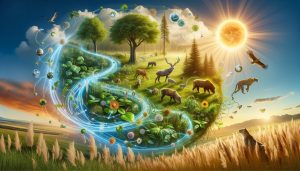
Have you ever wondered why some ecosystems thrive while others struggle? The answer often lies in limiting factors-elements that restrict the growth and population of organisms within a habitat. These factors can be anything from the availability of food and water to the competition for resources and environmental conditions. Understanding limiting factors is essential not just for ecologists, but for anyone interested in promoting a healthy, balanced ecosystem. By recognizing how these controls shape nature, we can make more informed decisions that positively impact our environment. Join us as we explore the intricate role limiting factors play in ecology and discover how this knowledge can empower you to contribute to ecological balance in your daily life.
What Is a Limiting Factor in Ecology?
In every ecosystem, a delicate balance exists that determines the survival and proliferation of species. This balance is heavily influenced by limiting factors, which are any biotic or abiotic elements that restrict the growth, abundance, or distribution of organisms. They act as nature’s control system, ensuring that populations do not exceed their environment’s capacity to support them. For example, limited water availability in arid regions can result in reduced plant growth, which in turn affects herbivores dependent on those plants for food. This interconnectedness highlights the importance of understanding limiting factors to appreciate the complexity of ecological relationships.
Limiting factors can be categorized into two main types: abiotic and biotic. Abiotic factors are non-living components such as temperature, sunlight, moisture, and, crucially, nutrient availability. Biotic factors, on the other hand, involve living elements, including competition for resources, predation, and symbiosis. A specific example can be seen in agricultural practices, where nutrient depletion often limits crop yields. Farmers frequently address these constraints by implementing sustainable practices such as crop rotation and organic fertilization, which aim to restore nutrient balance and promote healthier ecosystems.
Understanding limiting factors not only deepens our appreciation of ecological dynamics but also empowers us to make informed decisions about conservation and resource management. For instance, implementing sustainable land-use practices can mitigate the effects of human-induced limiting factors, such as habitat destruction and pollution. This proactive approach is essential for fostering a resilient environment that supports biodiversity and sustains natural resources for future generations. By recognizing the role of limiting factors, we can strive toward a more balanced interaction with our ecosystem, ensuring the health and longevity of our planet.
The Importance of Limiting Factors Explained
In nature, the delicate equilibrium that sustains life hinges on a series of constraints known as limiting factors. These factors are crucial not only for maintaining population levels within ecosystems but also for fostering biodiversity. Understanding their importance invites us to appreciate the complexity of ecological relationships and the vital role humans play in preserving these delicate balances.
Limiting factors can be seen as a natural regulatory system. For instance, when a species competes for a limited resource like food, the availability of that resource directly impacts population size and health. If an herbivore like a deer overpopulates an area due to an abundance of food, it may surpass the carrying capacity of the environment, leading to starvation and population decline once that food becomes scarce. This cyclical dance of growth and decline illustrates how limiting factors nurture stability within ecosystems by preventing any one species from overwhelming the habitat.
Moreover, these factors guide the path of ecological evolution. Species often adapt to overcome limiting factors, leading to diverse survival strategies. Take, for example, plants that have evolved to thrive in nutrient-poor soils by developing deeper root systems to access water or by forming symbiotic relationships with mycorrhizal fungi to improve nutrient uptake. Such adaptations not only enhance the resilience of the species but contribute to the overall biodiversity of the ecosystem.
On a practical level, recognizing the importance of limiting factors encourages sustainable behaviors. Understanding that human actions-such as deforestation, pollution, and climate change-can exacerbate these limits urges individuals and communities to adopt eco-conscious practices. Sustainable agriculture, reforestation, and pollution reduction initiatives are all vital strategies that can help restore natural balances and minimize adverse impacts on ecosystems. This collective effort fosters not only healthier ecosystems but also improves the life quality of the communities that depend on them.
By embracing a mindset that values the role of limiting factors, we can contribute to a more harmonious relationship with the planet, ensuring that both nature and humanity can thrive side by side.
Types of Limiting Factors in Ecosystems
Understanding the various unveils the complex web of interactions that sustain life. These factors can be classified into two primary categories: biotic and abiotic. Biotic factors are those that are related to living organisms and their interactions, while abiotic factors are non-living components that can influence population dynamics and ecosystem health. Together, these factors maintain the balance necessary for biodiversity and the overall functioning of ecosystems.
Biotic Limiting Factors
Within the realm of biotic factors, several key elements come into play:
- Food Availability: The most intuitive limiting factor is the availability of food. If a predator species experiences a surge in population, it might deplete its prey’s numbers, thus restricting their growth.
- Competition: Species often vie for the same resources, be it food, space, or mates. In fierce competition scenarios, the less adaptable species may be pushed out, affecting the overall species richness in an area.
- Predation and Herbivory: The presence of predators can control the population of prey species, while herbivores can limit plant populations, showcasing a delicate balance between growth and consumption.
- Parasitism: Organisms that rely on others for sustenance can diminish the populations of their hosts, further complicating ecosystem dynamics.
Abiotic Limiting Factors
Equally important are abiotic factors, which can drastically influence the stability of ecosystems:
- Climate: Temperature and precipitation patterns dictate where certain species can thrive. Extreme weather events or shifts in climate can disrupt established ecosystems.
- Water Supply: Access to freshwater sources is critical for life. Limited or polluted water resources can constrain population sizes and biodiversity.
- Soil Quality: Nutrient-rich soils support diverse plant life, while poor soils can hinder agricultural productivity, impacting both plant and animal populations.
- Light Availability: For photosynthetic organisms, light is essential. In shaded areas or environments with poor sunlight, plant growth and, consequently, the fauna that depend on them are curtailed.
The interplay of these biotic and abiotic factors influences not only the distribution and abundance of species but also the overall health of ecosystems. This understanding empowers us to recognize the importance of sustaining natural elements and encourages efforts towards conservation. By acknowledging and addressing these limiting factors, individuals can engage in practical, eco-friendly choices that promote ecological balance. Sustainable practices such as responsible agriculture and reforestation can help maintain the vital resources that these factors hinge upon, showcasing the interconnectedness of life and the environment.
As we foster a deeper understanding of these dynamics, we can work towards creating healthier ecosystems that support diverse life forms-a crucial step in securing a viable future for both nature and humanity.
How Limiting Factors Shape Biodiversity
The delicate balance of life within ecosystems is largely determined by limiting factors, which play a pivotal role in shaping biodiversity. These factors determine which species can thrive in a particular environment and how they interact with one another. Understanding how limiting factors impact biodiversity is essential for both conservation efforts and sustainable living. For instance, when an ecosystem faces limited food supply, the abundance and variety of species may dwindle as competition intensifies. Species that are unable to compete effectively may die out, thus reducing biodiversity and altering the ecosystem’s structure.
Numerous biotic and abiotic limiting factors contribute to this dynamic. For example, abiotic factors like temperature, light, and water availability can dictate the types of organisms that survive in a specific habitat. A classic illustration is found in arid environments, where only drought-resistant flora and fauna can persist. Conversely, biotic factors, such as predation and competition, further influence community composition and richness. When a new predator is introduced to an ecosystem, it can reduce the population of prey species, leading to cascading effects throughout the food web.
To foster a richer biodiversity, recognizing and mitigating the impacts of limiting factors is critical. Simple actions, such as creating wildlife-friendly habitats in urban areas, planting native species, and practicing sustainable resource management, can support ecological stability. Furthermore, encouraging practices like permaculture can help mimic natural ecosystems, promoting a balance that enhances both biodiversity and resilience. By understanding the interplay of limiting factors and actively working to maintain ecological balance, we contribute positively to the planet’s health and ensure the survival of diverse life forms for generations to come.
The Role of Nutrient Availability in Ecosystems
Nutrient availability is a cornerstone of ecosystem health, influencing both the growth and survival of organisms in profound ways. Just as humans require a balanced diet to thrive, ecosystems depend on a delicate interplay of essential nutrients, including nitrogen, phosphorus, and potassium. When any of these nutrients become scarce, they act as limiting factors, constraining the productivity of plants, which form the base of the food web. This shortage not only impacts individual species but can also ripple through entire communities, affecting herbivores and higher trophic levels.
In soils, nutrient availability can be influenced by several factors, including pH, organic matter content, and soil structure. For example, soils rich in organic material often have higher nutrient retention capacities, providing a more conducive environment for plants to flourish. Conversely, compacted or poorly drained soils can inhibit root growth and reduce nutrient uptake, making it essential for gardeners and farmers to practice proper soil management. Techniques such as adding compost, practicing crop rotation, and employing cover crops can enhance soil fertility and maintain an ecological balance, thereby supporting a rich diversity of life.
Understanding how nutrients influence ecosystems can empower individuals to make more ecologically sound choices in their own gardens and communities. By adopting practices that promote nutrient-rich soils, such as low-impact gardening, organic composting, and avoiding chemical fertilizers, everyone can contribute to a healthier ecosystem. Moreover, engaging in conservation efforts that restore degraded lands can help revive nutrient cycles, enhancing biodiversity and ecosystem resilience. The role of nutrient availability is not just a crucial scientific concept but a practical guide for fostering sustainable ecosystems that benefit both people and the planet.
How Climate Influences Limiting Factors
Climate is a fundamental driving force in determining the limiting factors of ecosystems, as it directly influences factors such as temperature, precipitation, and seasonal changes. These climatic conditions shape the habitats available to different species, affecting their growth, reproduction, and survival. For instance, specific plants and animals are adapted to thrive in particular climates, and any significant shifts-due to natural phenomena or human-induced changes-can create new limiting factors, restricting the distribution and abundance of those species.
Changes in temperature can alter metabolic rates and thus affect food webs. For example, warmer conditions may accelerate plant growth, leading to increased competition for resources like light and water. Conversely, extreme heat or cold can suppress growth and reproduction, serving as a limiting factor for certain species. Furthermore, fluctuations in precipitation patterns can lead to droughts or floods, affecting water availability and soil moisture, which are crucial for plant health and consequently for herbivores that depend on those plants.
Understanding how climate influences these limiting factors empowers individuals and communities to take proactive steps in their environmental practices. Adopting sustainable land-use strategies can mitigate climate impacts. For instance, implementing buffer zones with native plants can help manage water runoff and reduce erosion, protecting both soil and biodiversity. Similarly, urban areas can enhance their resilience to climate variations by increasing green spaces, which not only improve air quality but also moderate temperatures and provide habitats for various species.
In essence, recognizing the interplay between climate and limiting factors fosters a deeper understanding of ecosystem dynamics. By making informed decisions and advocating for policies that mitigate climate change-such as reducing carbon footprints and supporting renewable energy initiatives-individuals can contribute to healthier ecosystems, ensuring that biodiversity thrives in the face of changing environmental conditions. The responsibility to protect our planet lies in our everyday choices, promoting a resilient future for both nature and humanity.
Human Impact on Natural Limiting Factors
The delicate balance of ecosystems is increasingly threatened by human activities, fundamentally altering the natural limiting factors that govern populations and biodiversity. Urban expansion, industrial pollution, and agricultural intensification often lead to a decrease in vital resources such as clean water, fertile soil, and available habitats. For instance, the construction of roads and buildings not only disrupts wildlife corridors but also fragments habitats, making it harder for species to traverse their environments in search of food, mates, or suitable living conditions.
Direct Impacts of Human Activity
The excessive use of fertilizers and pesticides in agriculture has dire effects on soil health and water quality. These chemicals can leach into waterways, creating nutrient pollution that leads to harmful algal blooms. Such blooms deplete oxygen levels, creating “dead zones” where aquatic life cannot survive, drastically limiting fish populations and altering the entire aquatic ecosystem. Additionally, overfishing removes key species from the food chain, disrupting marine biodiversity and affecting nutrient cycling within oceans.
To mitigate these negative impacts, individuals can take steps towards sustainable living that support natural ecosystems. Here are some practical actions:
- Support Local Agriculture: Purchase produce from local farmers who practice sustainable methods, reducing the carbon footprint associated with food transportation and promoting healthier soils.
- Practice Water Conservation: Implement rainwater harvesting systems or greywater recycling in homes to lessen water demand and protect local water bodies from pollution.
- Reduce Plastic Use: Limit single-use plastics, which contribute to habitat degradation and pollution in oceans. Embrace reusable containers and bags to minimize waste.
Restoration and Conservation Efforts
In addition to individual actions, supporting environmental conservation organizations can amplify efforts to restore ecosystems. These groups work to rehabilitate damaged habitats, reintroducing native species and managing invasive ones that disrupt local biodiversity. Participating in community clean-up events can also play a vital role in restoring the natural landscape and reducing pollution in local waters.
Recognizing our role in shaping the environment empowers each of us to act responsibly and sustainably. By mitigating our impact on natural limiting factors, we can help ensure the rich tapestry of biodiversity continues to flourish for generations to come. Engaging in eco-friendly practices not only benefits the planet but also enhances our quality of life by promoting cleaner air, water, and resilient natural environments.
Case Studies: Limiting Factors in Action
The delicate interdependence of ecosystems can be strikingly seen through various case studies that highlight how limiting factors operate in the natural world. One compelling example occurs in the African savanna, where the population dynamics of wildebeests are intricately linked to food availability and water sources. During the dry season, limited access to these resources leads to a drastic decline in population numbers, showcasing how environmental conditions can severely restrict the growth and distribution of species. Conversely, during the wet season, when grasslands flourish and water is plentiful, wildebeest populations can rebound significantly, demonstrating the direct impact of limiting factors on survival and reproduction.
Another fascinating instance involves the classic predator-prey relationship observed in the northern hemisphere’s boreal forests. Here, the populations of snowshoe hares and their primary predators, lynxes, reveal the balancing act of limiting factors. When hare populations swell due to abundant food sources, lynx populations also increase as they find plenty of prey. However, as the hare population skyrockets, food resources begin to dwindle. This famine leads to a decline in both hare and lynx populations, dramatically illustrating the concept of density-dependent limiting factors. This cyclical pattern illustrates how populations are kept in check by the very resources they depend upon.
In aquatic environments, the effects of limiting factors can be seen through the example of coral reef ecosystems. Marine nutrient availability plays a critical role in the health and sustainability of these biodiverse habitats. Excessive nutrient runoff from agricultural practices often leads to algal blooms, which outcompete corals for space and light. As nutrient levels rise, the balance shifts, diminishing coral populations and altering entire marine communities. This case underscores the impact of anthropogenic activities on natural limiting factors and stresses the importance of sustainable agricultural practices to protect aquatic ecosystems.
These case studies not only exemplify the fundamental role that limiting factors play in shaping biodiversity but also serve as powerful reminders of our responsibility to maintain ecological balance. Through understanding these dynamics, we can take actionable steps, such as advocating for sustainable practices and supporting conservation efforts, to ensure that both fauna and flora thrive in their natural habitats. Each positive change contributes to the resilience of our ecosystems, highlighting that every individual’s actions can collectively foster a more sustainable future.
Adaptive Strategies for Overcoming Limiting Factors
Many ecosystems exhibit remarkable resilience and adaptability in the face of limiting factors, which can often threaten the survival of individual species or entire populations. For instance, species facing limited food sources develop various survival strategies, such as altering their dietary preferences or migrating to regions where resources are more abundant. Understanding these adaptive strategies provides valuable insights into how organisms navigate their environments and demonstrates the intrinsic connection between life forms and their habitats.
Natural Adaptive Strategies
Organisms use both behavioral and physiological adaptations to cope with limiting factors. For example, in areas where water is scarce, desert plants like cacti have evolved to store water in their tissues, allowing them to survive prolonged dry spells. Similarly, some animals hibernate or enter a state of torpor during unfavorable conditions to conserve energy and reduce resource requirements. This ability to alter behavior or physiology is crucial in ensuring species can thrive despite environmental challenges.
Community and Ecosystem Adaptations
Beyond individual adaptations, entire ecosystems can also shift in response to limiting factors. For instance, in a pond that suffers from nutrient overload and resulting algal blooms, certain species of fish and aquatic plants may establish a new equilibrium by favoring organisms that are resilient to lower light conditions. This ecological flexibility showcases how interactions among species can lead to a dynamic reorganization, promoting overall ecosystem health even in the face of challenges.
Human-Centric Approaches to Adaptation
As we navigate our own impacts on ecosystems, adopting sustainable practices can support both natural and human communities in overcoming limiting factors. Individuals can engage in practices such as creating rain gardens to manage runoff, which helps to maintain nutrient balance in local water bodies. Supporting local food systems can also decrease the reliance on resource-intensive agricultural practices, fostering a more resilient community. Furthermore, utilizing renewable energy sources reduces the strain on natural resources, allowing ecosystems the chance to adapt and regenerate.
By understanding and promoting these adaptive strategies, we can become stewards of our environment, ensuring the health and resilience of ecosystems for generations to come. Embracing sustainable choices not only protects biodiversity but also enhances our own quality of life, creating a mutually beneficial relationship between humanity and the natural world.
Limiting Factors and Population Dynamics
Population dynamics in ecology reveal the intricate balance that limits population growth and sustains ecosystem stability. One captivating fact is that every population is influenced by a complex interplay of factors that regulate its size and health. Limiting factors, whether biotic or abiotic, play a crucial role in determining not only how many individuals can inhabit a specific area but also how populations respond to changes in their environment. Understanding these factors is vital for both ecology and conservation.
Density-Dependent and Density-Independent Factors
Limiting factors can be broadly categorized into two types: density-dependent factors, which increase in impact as a population grows, and density-independent factors, which affect populations regardless of their size. Density-dependent factors include competition for resources, predation, and disease. For example, in a crowded habitat, increased competition for food and space can decrease individual health and reproductive success, ultimately slowing population growth. Conversely, density-independent factors such as natural disasters, climate changes, and human activities can abruptly reduce numbers without regard to population density. They often create sudden and dramatic shifts in population dynamics, prompting adaptive strategies among species.
Implications for Biodiversity
The interaction between directly impacts biodiversity within ecosystems. High biodiversity can foster resilience against environmental changes, but when populations are limited by factors such as habitat loss or pollution, this diversity may dwindle. Consequently, a decline in certain species can disrupt food webs and ecological interactions, leading to further destabilization. For instance, the dwindling numbers of a keystone predator can lead to an explosion of prey species, which may in turn deplete essential vegetation, highlighting how intricately connected ecosystem components truly are.
Conservation Considerations
Recognizing the role of limiting factors allows for more effective conservation efforts. Strategies might include habitat restoration to mitigate environmentally induced stressors or implementing regulations on resource usage to reduce human impact. Additionally, creating wildlife corridors can alleviate some limitations imposed by habitat fragmentation, allowing species to migrate and maintain healthy populations. These proactive measures not only support population viability but also promote overall ecosystem health, showcasing the delicate balance required to maintain our planet’s rich biodiversity.
By understanding the interplay of , we can contribute to sustainable practices and policies that protect our ecosystems. Encouraging local biodiversity initiatives or supporting conservation organizations are practical steps each individual can take. The health of our planet hinges on our ability to sustain its diverse populations, and by fostering an awareness of these ecological principles, we strengthen our commitment to future generations.
Using Limiting Factors in Conservation Efforts
Understanding limiting factors is essential for the preservation and recovery of ecosystems facing a plethora of challenges. When it comes to conservation efforts, accurately identifying these factors can be a game changer. For instance, consider the case of a wetland ecosystem. If an absence of sufficient water levels is limiting the growth of vegetation and thus affecting the species that depend on it, conservationists can prioritize efforts to restore proper hydrology. This may include creating water retention systems or enhancing surrounding landscapes to promote natural water flows.
Strategies for Conservation
Implementing conservation strategies that consider limiting factors requires a thoughtful approach. Here are several key strategies to effectively address these challenges:
- Habitat Restoration: Actively restoring degraded habitats can alleviate limiting factors related to biotic interactions or abiotic conditions. For instance, reforesting an area can improve shade and moisture levels, benefiting undergrowth plants and the creatures that depend on them.
- Wildlife Corridors: Establishing corridors helps species move freely between fragmented habitats, mitigating the limitations imposed by human activities and promoting genetic diversity.
- Monitoring Populations: Continuous monitoring allows for the assessment of population health and the identification of potential limiting factors that arise with environmental changes. This data informs adaptive management strategies.
- Community Involvement: Engaging local communities in conservation efforts fosters a sense of stewardship and awareness about the importance of limiting factors. Community-led initiatives can have a significant impact on restoring local biodiversity.
Education and Awareness
Knowledge is a powerful tool in conservation. Educating stakeholders about how limiting factors influence ecosystems and species can enhance their efforts. Workshops, seminars, and community events can highlight the role of limiting factors in specific environments, showcasing how individuals can contribute to the preservation of biodiversity in their regions.
By actively utilizing the concept of limiting factors in conservation strategies, stakeholders can make informed decisions that lead to healthier ecosystems. Furthermore, as individuals become more aware of these dynamics, they can adopt sustainable practices in their everyday lives, contributing to the broader goal of environmental conservation. From simple actions like reducing plastic waste to participating in local conservation projects, everyone can play a role in promoting a balanced and thriving natural world.
Future Trends: Managing Limiting Factors in Ecology
Understanding the dynamics of limiting factors is crucial for effectively managing our ecosystems, especially as climate change and human activities continue to exert pressure on natural resources. Emerging trends in ecological management are increasingly focused on embracing adaptive strategies to balance human needs with ecological sustainability. By prioritizing research and implementation of innovative practices, we can better address these factors and enhance ecosystem resilience.
One promising approach is the integration of advanced technology in ecological monitoring. Utilizing satellite imagery and drone surveillance can help scientists track environmental changes over time, assess the conditions of critical habitats, and identify limiting factors such as nutrient deficiencies or water scarcity. This real-time data collection enables quicker responses to emerging ecological challenges. Additionally, machine learning algorithms can analyze vast datasets to predict trends and recommend proactive measures, ultimately allowing for more informed conservation strategies.
Community-driven conservation initiatives are also gaining traction, emphasizing the importance of local knowledge and stewardship in managing limiting factors. By collaborating with indigenous populations and local communities, conservationists can harness traditional ecological practices that have sustained biodiversity for generations. Workshops and training programs can empower communities to engage in restoration efforts tailored to their unique environmental challenges. This grassroots approach not only enhances community ownership but also supports sustainable practices that mitigate human impact.
Moreover, the rise of eco-conscious businesses focusing on sustainable products is transforming market dynamics. By promoting and financing environmentally friendly innovations-such as biodegradable materials, renewable energy solutions, and organic farming techniques-these businesses are redefining consumer choices. Awareness campaigns can further encourage consumers to support sustainable products that consider limiting factors in their production processes, leading to a ripple effect toward responsible consumption and production practices.
As we navigate these future trends, it’s vital to remain informed and proactive. Implementing local conservation efforts, advocating for sustainable business practices, and supporting innovative technologies can all play significant roles in addressing limiting factors within our ecosystems. Together, these strategies can help foster a more resilient environment capable of supporting diverse species for generations to come.
Faq
Q: What are the primary examples of limiting factors in an ecosystem?
A: Primary examples of limiting factors include biotic elements like food, mates, and competition, as well as abiotic factors such as sunlight, temperature, water availability, and nutrient levels. These factors can significantly affect the growth and population dynamics of organisms within an ecosystem.
Q: How do limiting factors affect population growth?
A: Limiting factors directly constrain the size of populations. For instance, when resources like food or shelter become scarce, the population size will level off or decline, demonstrating negative growth that occurs when limiting factors are in effect.
Q: Why are limiting factors crucial for biodiversity?
A: Limiting factors are crucial for biodiversity as they help maintain balance within ecosystems. They influence which species thrive and how they interact, ensuring that no single species monopolizes environmental resources, thus promoting a rich variety of life.
Q: Can human activities create new limiting factors in ecosystems?
A: Yes, human activities such as urbanization, pollution, and deforestation can introduce new limiting factors or exacerbate existing ones. This can lead to habitat destruction and reduced access to essential resources, adversely affecting native species and biodiversity.
Q: What role do environmental conditions play as limiting factors?
A: Environmental conditions, like climate and soil quality, serve as limiting factors by directly influencing the survival and distribution of species. For example, extreme temperatures or poor soil can hinder plant growth, impacting the entire food web.
Q: How can conservation efforts mitigate the impact of limiting factors?
A: Conservation efforts can address limiting factors by protecting habitats, restoring ecosystems, and managing resources sustainably. This helps alleviate pressures on species and their environments, promoting biodiversity and ecosystem resilience.
Q: What is the difference between density-dependent and density-independent limiting factors?
A: Density-dependent limiting factors are influenced by population size, such as food availability and disease spread, whereas density-independent factors, like natural disasters or climate events, affect populations regardless of their size.
Q: How can individuals help reduce limiting factors in their local ecosystems?
A: Individuals can enhance local ecosystems by practicing sustainable living, reducing waste, planting native species, and participating in conservation efforts. These actions can improve resource availability and support ecosystem health.
Final Thoughts
Understanding the concept of limiting factors is crucial for grasping how ecosystems function and maintain balance. By recognizing the environmental constraints that shape nature’s control systems, you can better appreciate the delicate interplay of species and their habitats. If you’re passionate about further exploring ecology, check out our articles on “Understanding Biodiversity” and “The Impact of Ecological Footprints” to deepen your knowledge and practical application of these topics.
We encourage you to take action today-subscribe to our newsletter for more insights and practical tips on sustainable living. Have questions or thoughts? Share them in the comments below; we love to hear from you! Remember, every small action contributes to a healthier planet, so let’s embrace eco-conscious choices together. Don’t forget to explore our related resources that guide you on sustainable housing options and green renovations, making your everyday life more environmentally friendly. Together, we can make a difference!