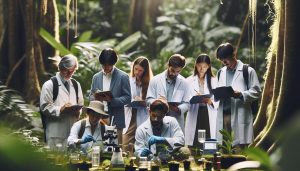
In the intricate tapestry of nature, the concept of a sere plays a crucial role in understanding ecological succession-the process through which biological communities develop over time. A sere refers to the various stages of growth and evolution that an ecosystem experiences, from bare soil to a lush, mature environment. By comprehending these succession stage sequences, we can better grasp how ecosystems recover from disturbances and adapt to environmental change. This knowledge empowers us to make informed choices for sustainable living, enhancing our connection to the planet and its biodiversity. Whether you’re a gardening enthusiast or simply curious about nature’s dynamics, exploring the journey of a sere reveals insights into ecological resilience and our vital role within it. Continue reading to uncover the fascinating stages of seral development and their implications for a sustainable future.
What Is a Sere in Ecology?
In the intricate tapestry of ecosystems, a sere represents a sequence of ecological changes that unfold over time, detailing how various plant and animal communities evolve. This dynamic process, known as ecological succession, illustrates how life reclaims and transforms environments, from barren landscapes to lush habitats. Understanding a sere not only enriches our appreciation of nature’s resilience but also highlights the interconnectedness of all living things within an ecosystem.
At its core, a sere is composed of different stages called seral stages, each characterized by distinct communities that succeed one another. For instance, after a forest fire, the initial colonizers may be hardy weeds and grasses, followed by shrubs and eventually mature trees. This progression is essential as it leads to the formation of a climax community-an ecological endpoint characterized by the stability of species composition. Such transitions underline the importance of biotic (living organisms) and abiotic (climate, soil, and water conditions) factors that play pivotal roles in shaping these seral stages and determining the trajectory of ecological succession.
In essence, comprehending the concept of a sere informs our understanding of biodiversity and ecosystem health. It illustrates how ecosystems respond to disturbances and adapt to changes, emphasizing the importance of fostering sustainable practices to support these natural processes. As we move through the challenges of climate change and habitat loss, recognizing the value of each seral stage becomes critical in our collective efforts to maintain the delicate balance of our environment. By promoting habitat restoration and biodiversity conservation, individuals can contribute to sustaining these ecological narratives, allowing nature to flourish even amid adversity.
Understanding Ecological Succession Stages
In the journey of ecological succession, each stage plays a vital role in the development and stabilization of ecosystems, akin to chapters in nature’s ongoing story. Understanding these succession stages can illuminate how ecosystems recover from disturbances and adapt over time, providing a deeper appreciation of biodiversity and resilience. Whether after a natural disaster like a wildfire or changes induced by human activity, the transition through various seral stages reveals the dynamism of life and the interdependence of species.
The early stages of succession are characterized by pioneer species, which are often hardy plants that can thrive in disturbed environments with minimal soil and nutrients. These initial colonizers set the stage by improving soil quality and altering microclimate conditions, allowing for more complex plant community development. Following this, seral communities emerge, representing intermediate stages where a greater diversity of species begins to establish. Grasses may give way to shrubs, and eventually, young forests can develop as conditions become more favorable for tree species. This layered progression continues until a climax community is formed, where species composition remains stable over time.
Each step in this ecological dance is influenced by a myriad of factors. For example, abiotic elements such as soil composition, moisture availability, and climate conditions dictate how quickly and effectively an ecosystem can progress through these stages. Biotic factors, including the interactions between species-such as competition, predation, and mutualism-also play crucial roles in shaping the trajectory of succession. Understanding these interactions not only provides insight into ecological health but also indicates how we might better support these natural processes through sustainable practices.
By embracing sustainable living and actively participating in ecological restoration, individuals can help foster the healthy progression of these seral stages. Simple actions, such as planting native species in gardens or supporting local conservation efforts, can contribute to ecosystem resilience. As you consider your own ecological footprint, remember that your choices can influence the intricate web of life. By nurturing these essential processes, we can help ensure that the chapters of nature’s story continue to unfold, rich in diversity and vitality.
The Role of Biotic and Abiotic Factors
In the intricate tapestry of ecological succession, understanding the interplay between biotic and abiotic factors is crucial for comprehending how ecosystems evolve. Every ecosystem is a complex web where living organisms (biotic factors) interact with their non-living environment (abiotic factors), shaping the succession process that leads to various seral communities. These interactions not only influence the rate and direction of succession but also dictate the overall health and resilience of ecosystems.
Abiotic factors include elements such as soil type, moisture levels, temperature, and sunlight. For example, in a forest undergoing succession, rich, well-aerated soil will support a diverse array of plant life, fostering a more rapid development of seral communities. In contrast, poor soil quality can inhibit growth, prolonging the early stages of succession. Seasonal changes also play an important role; temperature fluctuations can affect species growth rates and reproductive cycles, further influencing which species dominate at different stages.
Biotic factors encompass the interactions among organisms, including competition, predation, and mutualism. Each species plays a unique role in its habitat, with pioneer species like lichens and mosses preparing the ground for more complex communities by enriching the soil and altering microclimates as they establish themselves. For instance, certain plants can fix nitrogen in the soil, enhancing fertility and enabling more diverse species to thrive in later seral stages. As succession progresses, plant communities will compete for resources like sunlight and nutrients, shaping the overall composition and structure of the ecosystem.
Understanding these dynamics empowers individuals to cultivate healthier environments through practical actions. For instance, when managing gardens or landscapes, opting for native plant species can enhance local biodiversity and resilience. These plants are often better adapted to local conditions and can provide habitats for a variety of wildlife, thereby supporting ecological balance. Simple decisions like reducing chemical fertilizers and pesticides can also improve soil health, enabling more effective ecological succession. By recognizing the roles of both biotic and abiotic factors, we can take proactive steps in fostering thriving ecosystems, ultimately contributing to a more sustainable and biodiverse planet.
Types of Sere: Primary vs. Secondary
In the dynamic world of ecology, understanding the types of sere-particularly primary and secondary-provides valuable insights into how ecosystems develop and recover. Each type represents a unique pathway of succession, influencing not only the distribution of various species but also the overall resilience and health of the environment.
Primary sere occurs in lifeless areas where no soil exists initially, such as lava flows, glacial retreats, or newly formed sand dunes. This form of succession demands remarkable adaptability from pioneering species. For instance, lichens and mosses are often the first colonizers, breaking down bare rock into soil and creating conditions that allow for more complex plant life to establish. Over time, as organic material accumulates, the site transitions through various seral stages, ultimately progressing toward a mature ecosystem with greater biodiversity.
In contrast, secondary sere arises in areas where a disturbance has altered an existing ecosystem, such as after a fire, flood, or human activity like agriculture. Here, fertile soil remains intact, enabling a quicker recovery process. Grasses and herbaceous plants typically dominate the initial stages, followed by shrubs and eventually trees, as the ecosystem rebuilds and restores itself. This relatively rapid succession showcases nature’s resilience and ability to reclaim and heal landscapes that have been disrupted.
Both primary and secondary seral processes are critical for maintaining ecosystem balance and supporting biodiversity. Recognizing these distinctions not only deepens our appreciation for ecological interactions but also emphasizes the significance of preserving natural habitats. Engaging in local conservation efforts or simply choosing native plants in landscaping can significantly contribute to supporting these thriving ecological processes in our communities. By fostering awareness and encouraging sustainable practices, we can play a role in nurturing the intricate relationships that sustain our planet’s ecosystems.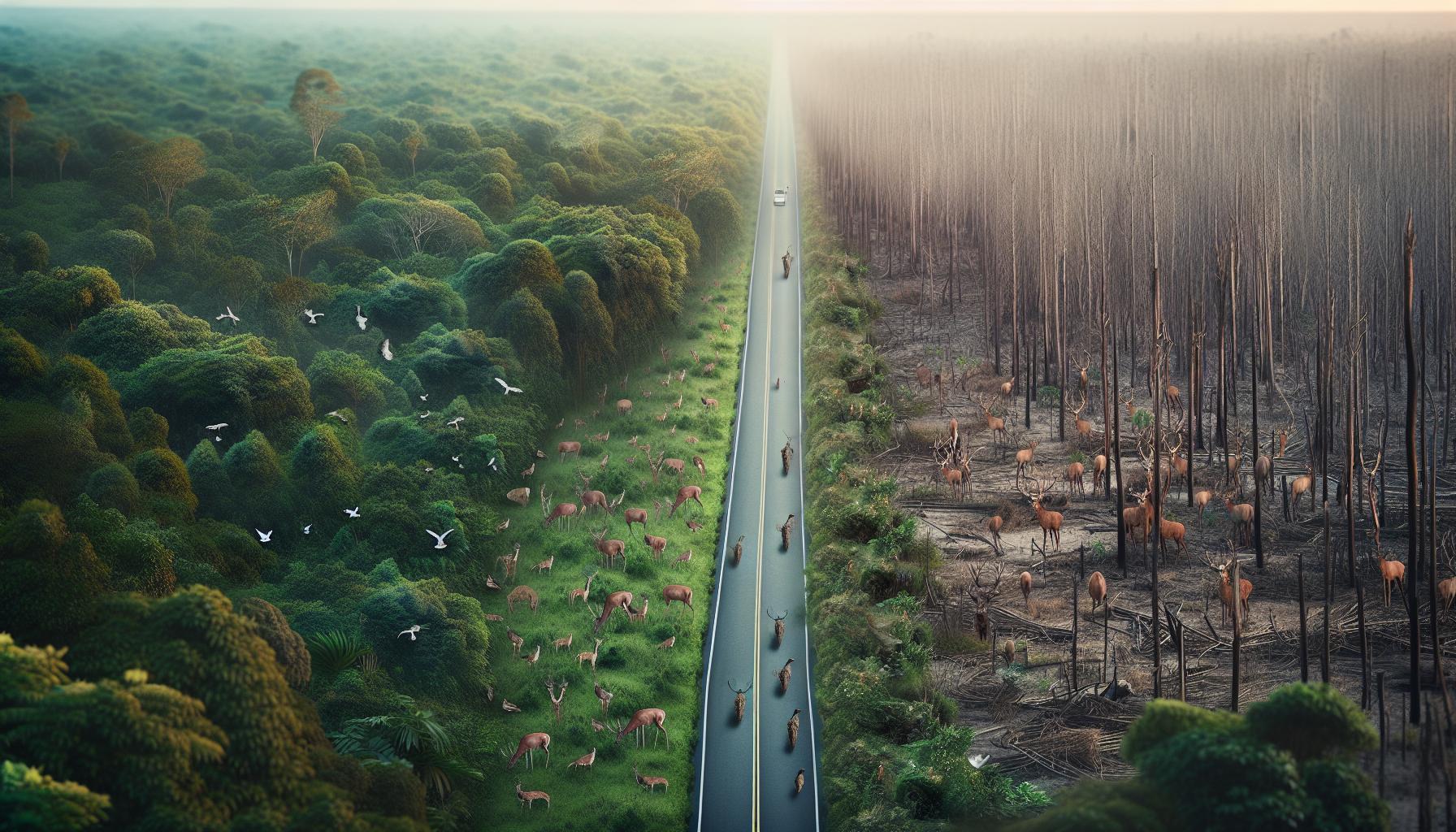
Distinct Phases of Succession in Sere
In every ecosystem, successions unfold in a series of distinct phases that play crucial roles in transforming landscapes and fostering biodiversity. These phases are neatly categorized into stages of primary and secondary succession, with each stage representing a complex interplay between various plant and animal species along with the surrounding environment. Understanding these phases not only enriches our insight into nature’s processes but also informs our efforts in conservation and restoration.
The initial stage begins with pioneer species, which are the first to colonize barren or disturbed environments. These hardy organisms, often lichens and mosses during primary succession, initiate soil formation by breaking down bare substrates. Their presence is vital as they create a more hospitable environment for subsequent species. In contrast, in secondary succession, this initial phase may feature quick-growing vegetation such as grasses that thrive on pre-existing soil. This difference highlights the urgency and resilience with which nature responds to disturbances, showcasing the varied strategies employed by different ecosystems.
As succession progresses, communities become more complex-an evolution characterized by a series of seral stages. Following pioneer species, early successional species like shrubs begin to emerge, contributing to increased biodiversity. This stage often sees competition intensifying among species, each adapting to and shaping the available resources. Over time, these communities transition into late successional stages, which can lead to a climax community. Here, a stable ecosystem stabilizes with a diverse array of mature species, including trees in forested areas, forming a rich tapestry of life that maximizes ecological functions.
This intricate dance of life within the distinct phases of a sere serves as a powerful reminder of nature’s resilience. Each stage not only continues the journey toward ecological balance but also teaches us about the importance of protecting and nurturing these environments. Engaging with local conservation initiatives and advocating for sustainable practices not only fosters these natural processes but also reinforces our connection to the ecosystems we share, ultimately ensuring a healthier planet for future generations.
Influence of Climate on Sere Development
Climate plays a pivotal role in shaping the dynamics of ecological succession, particularly within the framework of a sere. As various climatic conditions-such as temperature, precipitation, and seasonality-interact with ecological communities, they significantly influence the type of species that thrive at each stage of succession. For instance, in a region characterized by a warm, wet climate, pioneer species might include fast-growing trees and shrubs that can quickly establish themselves, while in arid landscapes, drought-resistant plants like cacti or succulents may dominate initially. Understanding these relationships not only enhances our appreciation of nature’s resilience but also informs local conservation efforts and restoration practices.
These climatic influences extend beyond the initial stages of succession. As areas recover from disturbances-whether natural (like wildfires or floods) or human-induced (such as deforestation or urbanization)-the following factors are crucial:
- Temperature: Elevated temperatures can accelerate the growth of certain species, influencing the speed and trajectory of succession.
- Precipitation: Variations in rainfall can determine plant diversity, with dry conditions favoring drought-tolerant species, while more abundant rainfall supports lush, diverse ecosystems.
- Seasonal Changes: Seasonal variations affect the timing of germination and flowering, impacting the interactions between species and the overall ecological balance.
Furthermore, the feedback loops created by climate and ecological interactions enhance or hinder resilience. For example, a stable climate may allow ecosystems to develop toward more complex seral stages, leading to a mature climax community. Conversely, dramatic climate shifts can initiate a resetting of these stages, pushing ecosystems to adapt once more. This cyclical relationship underscores the importance of monitoring climate patterns for effective conservation strategies, as ongoing climate changes prompt the realignment of species distributions and interactions.
In light of these factors, engaging with and supporting sustainable practices, such as reducing carbon footprints and advocating for biodiversity, becomes essential. By understanding how climate influences the development of seral stages, individuals can better appreciate their role in supporting ecological balance. Whether through supporting local wildlife habitats or participating in reforestation efforts, each action contributes to the vitality of our ecosystems and the overall health of our planet.
Sere and Ecosystem Resilience Explained
Ecosystems are remarkable in their ability to adapt and recover from disturbances, and this resilience is intricately linked to the concept of a sere-a series of ecological communities that succeed one another over time. Each seral stage plays a vital role in building ecosystem resilience; as communities progress through different phases of succession, they develop greater structural complexity and biodiversity, which ultimately enhances their capacity to withstand environmental changes and stresses.
In the initial stages of a sere, often characterized by pioneer species, ecosystems tend to be more vulnerable. These species, such as lichens and mosses, stabilize the substrate, improve soil quality, and set the foundation for subsequent communities. As succession progresses, more complex plant communities like shrubs and trees emerge, which not only provide habitats for diverse wildlife but also contribute to nutrient cycling and carbon storage. This increase in biodiversity is crucial; ecosystems with a variety of species are better equipped to absorb shocks like climate change, pest outbreaks, or natural disasters.
Importance of Biodiversity for Resilience
To foster resilience in ecosystems, it’s important to understand the vital role biodiversity plays. Higher species richness often leads to more stable ecosystems. When one species suffers due to disease or climate impacts, others can fill ecological roles, maintaining the ecosystem functions. For instance, in a forest undergoing succession, if a particular tree species is affected by a pest, other resilient tree species can still thrive and support the forest’s structure and function.
Practically, this understanding can empower individuals and communities to engage in sustainable practices that bolster ecosystem resilience. Here are some actionable steps:
- Support Local Conservation Efforts: Participating in or donating to local conservation projects can help restore native plant communities and promote biodiversity.
- Create Wildlife Habitats: Planting native species in your garden can attract pollinators and other beneficial organisms that enhance local ecosystems.
- Advocate for Sustainable Practices: Support policies and businesses that prioritize sustainable land use, reduce pollution, and protect natural habitats.
- Engage in Reforestation or Afforestation: Contributing to tree planting initiatives not only aids in carbon capture but also helps restore ecosystems that enhance biodiversity.
By acknowledging the interconnectedness of sers and ecosystem resilience, we can take meaningful steps in our personal lives and communities that promote ecological stability and health. Such endeavors are not just beneficial for the environment; they also create a more sustainable future for all living beings.
Human Impact on Sere Sequences
Human activities have a profound and often detrimental influence on the delicate sequences of seres in ecological succession. Deforestation, urbanization, agriculture, and pollution can disrupt these natural processes, preventing ecosystems from developing to their full potential. For instance, when forests are cleared for agriculture, the intricate balance of species that would otherwise replace each other over time is shattered. Instead of progressing through the various seral stages, these areas may become vulnerable to erosion or the invasion of non-native species, which disrupts local biodiversity and alters ecological pathways.
Additionally, human-induced climate change plays a critical role in altering succession patterns. Changes in temperature and precipitation can shift the types of species that can thrive in a given area, leading to mismatches in life cycles and interactions between species. For example, if a climatic shift causes earlier flowering in plant species, it may not coincide with the lifecycle of pollinators that rely on them, ultimately affecting entire food webs and community interactions.
To mitigate these impacts, individuals and communities can take practical steps towards promoting healthy ecological succession. Engaging in restoration ecology projects can help rehabilitate disturbed areas, allowing native species to re-establish and regain their roles in the sere. This might include activities such as:
- Planting native vegetation: Focusing on local flora can support local fauna and restore the natural sequence of succession.
- Participating in clean-up efforts: Removing invasive species and trash from natural habitats can help promote the health of local ecosystems.
- Advocating for sustainable land management: Supporting policies that encourage minimal land disturbance can fend off the adverse effects of urban development and agriculture.
By understanding how our actions influence these ecological sequences, we can foster more sustainable practices that respect and support the natural rhythms of our environment. Through collective efforts, we can ensure that the vital processes of ecological succession continue to thrive, enhancing biodiversity and ecosystem resilience for future generations.
Case Studies: Sere in Different Biomes
Exploring the dynamics of seres in different biomes offers fascinating insights into ecological processes and resilience. Each biome presents unique conditions that shape the progression of ecological succession, demonstrating how various species adapt to their environments. From the arid deserts to lush temperate forests, case studies reveal a spectrum of seral stages, highlighting the influence of local biotic and abiotic factors.
In desert ecosystems, for instance, the sere often begins with pioneer species such as lichens and mosses, which can survive in harsh conditions. As these species establish themselves, they help to create conditions conducive to other plants. This initial stage is crucial, as these pioneers improve soil structure and moisture retention, paving the way for more complex flora like shrubs and eventually trees. Over time, a desert may evolve into a more biodiverse habitat, capable of sustaining a variety of species that can tolerate the extreme conditions.
Conversely, in temperate forests, the sere can be markedly different. Following a disturbance such as logging or a natural disaster, the initial stages often feature fast-growing species like poplar that quickly exploit available sunlight and space. This early successional phase facilitates the later arrival of slower-growing species like oaks and maples, which form the climax community. Protecting these forests during their critical regeneration period is vital, as the transition through the seral stages contributes to overall biodiversity and ecosystem health.
In aquatic biomes, particularly in freshwater lakes, the sere follows a process known as aquatic succession. Initially, the area may be dominated by algae and phytoplankton, which thrive in nutrient-rich conditions. As these foundational species flourish, they eventually lead to an increase in zooplankton populations, which in turn support fish and other aquatic life. Over time, as organic matter accumulates and sediment builds up, the lake can transition into a wetland-illustratively demonstrating how ecosystems transform and adapt.
These case studies underscore the necessity of understanding local ecosystems. By recognizing the unique characteristics and processes of seres within various biomes, we can better protect and restore these natural systems. Engaging in conservation efforts helps sustain the diversity and resilience that each biome offers. Simple practices, such as participating in local restoration projects or advocating for wildlife protection, can make a significant difference in the health of these critical ecological succession stages.
Restoration Ecology and Sere Application
Restoration ecology is a crucial field that dives into the principles of ecological succession, highlighting the importance of seres in fostering resilient ecosystems. At its core, restoration ecology seeks to bring back the natural balance by understanding the various seral stages that ecosystems undergo after disturbances. By recognizing these stages, ecologists can employ targeted strategies to accelerate recovery processes and reestablish healthy habitats.
An effective restoration approach begins with assessing the current state of an ecosystem and identifying the seral stage it occupies. For example, if a forest has been logged, restoration efforts might focus on reintroducing pioneer species, which are typically fast-growing and capable of thriving in disturbed areas. These species not only stabilize the soil but also create favorable conditions for subsequent flora, paving the way for a diverse and complex ecosystem to re-emerge. This method is evident in projects aimed at reforesting areas devastated by wildfires, where the initial growth of fire-resistant species is vital for ecological recovery.
Collaboration with local communities can greatly enhance the success of restoration projects. Engaging local stakeholders ensures that restoration efforts align with the ecological and cultural values of the region. Programs that involve community members in planting native species help to restore the seral sequences while fostering a sense of stewardship. Additionally, educational initiatives can inform the public about the significance of biodiversity and the role of different species in maintaining ecological balance, ultimately leading to more sustainable practices at the community level.
Incorporating modern technology can also facilitate the study of seres and improve restoration outcomes. Remote sensing tools, for instance, allow scientists to monitor changes in land cover over time and assess the recovery of ecosystems following restoration. Ecologists can leverage this data to refine strategies for reintroduction of species that adhere to the natural progression of seral stages, thereby enhancing the probability of long-term success in ecosystem restoration efforts. By understanding and applying the principles of seral stages through restoration ecology, we can work towards rebuilding resilient ecosystems that are essential for the health of our planet.
Tools for Studying Sere and Succession
Understanding the dynamics of seres and ecological succession can significantly enhance both scientific research and practical conservation efforts. Various tools and techniques have emerged to facilitate the study of these complex systems, offering invaluable insights into the transitions that ecosystems undergo over time.
Remote Sensing Technologies
One of the most powerful tools in studying ecological succession is remote sensing. By utilizing satellite imagery and aerial photography, researchers can monitor large areas over extended periods, capturing changes in land cover, vegetation patterns, and habitat structures. These technologies enable scientists to identify the different seral stages within an ecosystem and how they evolve in response to environmental changes and disturbances. This data can inform restoration efforts by highlighting successful recovery areas and guiding the reintroduction of specific species that aid the progression toward a climax community.
Long-Term Ecological Research (LTER)
Establishing long-term research sites is another effective method for studying seres. These sites provide consistent data over time, allowing scientists to document successional changes in various ecosystems, from grasslands to forests. By comparing data across different sites, researchers can identify trends related to climate variations, biotic interactions, and anthropogenic influences. This comprehensive understanding helps in developing strategies for conservation and habitat restoration, ensuring that efforts align with natural ecological processes.
Citizen Science Initiatives
Engagement of the public through citizen science is growing in popularity and proves beneficial in collecting ecological data. Volunteers can assist in monitoring plant and animal species, recording observations over time, and contributing to databases that track successional changes. This collaborative approach not only enriches scientific research but also raises awareness about the importance of biodiversity and ecosystem health, fostering a community-oriented approach to environmental stewardship.
Ecological Modeling
Moreover, ecological modeling and simulation software offer tools for predicting the outcomes of different management practices on succession. These models can simulate how various factors-such as nutrient availability, weather patterns, and species interactions-affect the seral stages of an ecosystem. By testing various scenarios, researchers can determine the most effective approaches to promote biodiversity and resilience in changing environments.
Through the combination of these tools, scientists and conservationists can effectively study and manage ecological succession. By understanding the intricate workings of seres, we empower ourselves to make informed decisions that positively impact our ecosystems and promote sustainability for future generations.
Future Trends in Sere Research and Conservation
The dynamics of ecological succession are constantly evolving, and as we delve into the future of sere research and conservation, it’s clear that innovative approaches and technologies are becoming more critical than ever. Recent advancements in environmental monitoring, such as high-resolution remote sensing, allow researchers to detect subtle changes in ecosystems over broader scales and shorter time frames. This technology is not just about collecting data; it empowers us to visualize how ecosystems respond to disturbances, aiding in the restoration of seral communities and enhancing recovery strategies.
Integrative Approaches in Research
The future of sere research will likely emphasize interdisciplinary methods, integrating ecological science with other fields like urban planning, agriculture, and social sciences. For instance, understanding how urban development impacts local ecosystems can guide smarter planning that preserves biodiversity and facilitates natural succession. Collaborative efforts between scientists, policymakers, and local communities can address complex environmental challenges, fostering resilience in both natural and human-modified landscapes.
Community Engagement and Education
Moreover, as awareness of climate change and biodiversity loss grows, engaging communities through citizen science initiatives will play a pivotal role. Projects that empower local individuals to monitor their ecosystems can provide invaluable data while also fostering a sense of stewardship. Educational platforms can be developed to teach individuals about the significance of different seral stages and how their actions-such as conserving green spaces or participating in restoration projects-can have a lasting impact on local ecosystems.
Focus on Climate Resilience
Equally important is the evolving focus on climate resilience in the context of succession. As we witness more erratic weather patterns, future research must explore how various species adapt through different seral stages. By identifying resilient species and understanding their roles in structuring ecosystems, we can better inform conservation practices that equip natural environments to withstand and recover from climate-induced disturbances.
Incorporating these trends into future seral research and conservation efforts provides a foundation for more effective strategies. In doing so, we can not only enhance ecological understanding but also foster an actionable blueprint for sustainability, ensuring that ecosystems thrive amidst the challenges of the modern world.
FAQ
Q: What does a sere represent in ecological succession?
A: A sere represents a sequence of ecological communities that develop over time during ecological succession. It illustrates the various stages that ecosystems undergo as they progress toward a climax community, ultimately enhancing biodiversity and stability.
Q: How long does a sere take to develop?
A: The duration of a sere’s development varies greatly depending on the environmental conditions, type of ecosystem, and disturbances faced. Generally, it can range from a few years to several decades, illustrating the dynamic progression of plant and animal communities.
Q: What is the difference between primary and secondary sere?
A: Primary sere occurs in lifeless areas where no soil exists, such as after a volcanic eruption, while secondary sere develops in areas where soil is already present and life has been disturbed, like after forest fires or human activities. Each type initiates different ecological processes.
Q: What role do keystone species play in a sere?
A: Keystone species play a crucial role in maintaining the structure and function of a sere. Their presence or absence can significantly impact community dynamics and biodiversity, often influencing other species’ survival, distribution, and population dynamics.
Q: Can human activities disrupt the progression of a sere?
A: Yes, human activities such as deforestation, pollution, and urban development can severely disrupt the natural progression of a sere. These disruptions can lead to loss of biodiversity and inhibit the ecosystem’s ability to recover and achieve maturity.
Q: What factors influence the stages within a sere?
A: The stages within a sere are influenced by biotic factors (like species interactions) and abiotic factors (such as climate, soil type, and water availability). These elements determine how quickly a community progresses and its ultimate composition at climax.
Q: How can studying a sere contribute to ecological restoration efforts?
A: Studying a sere provides insights into the normal progression of ecosystems, guiding restoration efforts by identifying which species and community structures can effectively re-establish biodiversity and ecological health in degraded environments.
Q: Why is understanding a sere important for biodiversity conservation?
A: Understanding a sere is crucial for biodiversity conservation because it reveals how ecosystems recover and adapt over time. Knowledge of succession stages helps in creating strategies for habitat protection and restoration, ultimately supporting ecological balance and resilience.
Final Thoughts
Understanding the concept of a sere in ecology and its succession stage sequences is essential for grasping how ecosystems evolve and maintain their diversity. As you explore the dynamic processes of ecological succession, consider diving deeper into topics such as biodiversity conservation and ecosystem restoration. These areas not only enhance your knowledge but can also empower you to make a positive impact on the environment.
Don’t miss out on practical resources that guide you in applying these ecological concepts to your daily life, like sustainable living practices and green technologies. Engage with our community by sharing your thoughts in the comments or exploring related articles on ecological footprints and effective conservation strategies. Your journey toward a more eco-conscious lifestyle starts now-let’s work together to protect our planet for future generations!