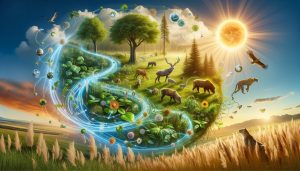
In the intricate web of nature, predators play a pivotal role in shaping ecosystems. Exploitation in ecology, particularly by these apex consumers, refers to their critical influence on population dynamics and biodiversity. Did you know that the presence or absence of certain predators can dramatically alter entire habitats? This phenomenon not only echoes in wildlife but resonates deeply with our concerns about environmental sustainability and balance. Understanding how predators exploit resources and regulate prey populations reveals vital insights about ecosystem health, which is essential as we face global challenges like habitat loss and climate change. As you explore the complex relationship between exploitation and ecological equilibrium, you’ll discover how these dynamics not only reflect the resilience of nature but also inform our responsibility to protect and nurture the planet. Join us on this journey to understand the crucial interconnections that sustain life and promote strategies for a more sustainable coexistence with nature.
What Is Exploitation in Ecology?
In ecological contexts, exploitation refers to the interaction between species where one organism (the predator) takes advantage of another (the prey) for survival and resources. This dynamic is crucial for understanding how ecosystems function. Predators and prey establish a complex web of relationships that drives evolution, shapes biodiversity, and influences ecological stability. For instance, the mechanisms of natural selection come into play as predators develop adaptations-like enhanced speed or sharper senses-to effectively hunt and capture prey. Conversely, prey species evolve various strategies such as camouflage, toxicity, or heightened alertness to evade predation, showcasing a continuous arms race between these two groups.
Exploitation also encompasses different forms of consumption and resource utilization beyond direct predator-prey interactions. For example, parasitism and herbivory are other forms of exploitation where one species benefits at the expense of another. This relationship can significantly influence population dynamics and community structure within an ecosystem. As predators regulate prey populations, they indirectly impact the abundance and distribution of various plant and animal species, showcasing their vital role in maintaining ecological balance.
The interplay of these exploitative relationships not only fosters biodiversity but also contributes to ecosystem resilience. By regulating prey populations, predators help prevent overgrazing or overpopulation, which can lead to habitat degradation. In this way, exploitation processes support ecosystem health, providing crucial services like nutrient cycling and habitat stabilization. Understanding these dynamics can inspire individuals to consider their role within the ecosystem and advocate for practices that support ecological balance, such as preserving natural habitats and supporting biodiversity initiatives. By fostering a deeper awareness of these relationships, we can make informed choices that benefit both the environment and humanity’s future sustainability.
Understanding Predator-Prey Relationships

In the intricate dance of ecosystems, predator-prey relationships serve as a critical engine of environmental balance and sustainability. At its core, this interaction influences population dynamics, species’ behaviors, and the overall health of habitats. Take, for instance, the classic example of wolves and deer in North American forests. When wolf populations thrive, they regulate deer numbers, leading to healthier vegetation and diverse plant species. This cascade of effects not only ensures a stable food supply for various organisms but also fosters rich habitats that support diverse wildlife.
The relationship between predators and prey is not merely one of survival; it’s a compelling narrative of adaptation and counter-adaptation. Predators evolve traits like speed, strength, and stealth to successfully hunt, while prey species develop their own survival strategies, such as camouflage, defensive mechanisms, and flocking behavior. This ongoing evolutionary arms race shapes the biodiversity of ecosystems, making them more resilient and adaptable to environmental changes. For example, the introduction of a new predator often leads to shifts in prey behavior, which can trigger a ripple effect throughout the food web, influencing everything from plant life to soil health.
Moreover, understanding these interactions emphasizes the importance of conserving natural habitats. Urbanization and industrialization often disrupt these delicate balances, leading to overpopulation among prey species, habitat degradation, and a decline in biodiversity. As part of our responsibility towards the planet, engaging in conservation efforts such as restoring natural habitats, supporting wildlife sanctuaries, or even advocating against habitat destruction can help maintain these essential ecological relationships. By making informed choices-such as supporting sustainable agricultural practices or responsible consumerism-we can mitigate the adverse impacts humans have on these dynamic predator-prey interactions.
As stewards of the environment, we can draw inspiration from nature’s intricate systems. By fostering a deeper understanding of predator-prey relationships, we empower ourselves to advocate for practices that not only preserve but also enhance biodiversity, ensuring a healthier planet for future generations.
The Role of Predators in Ecosystem Dynamics

The intricate balance of life in ecosystems often hinges on the actions of predators, whose roles extend far beyond merely hunting prey. These animals are essential in shaping populations, influencing species composition, and maintaining the health of various habitats. For example, the presence of predators can control herbivore numbers, preventing overgrazing and allowing vegetation to thrive. This, in turn, enhances the overall biodiversity within an ecosystem, as diverse plant life supports a plethora of other species.
An excellent illustration of this is the reintroduction of wolves to Yellowstone National Park. After decades of absence, these apex predators not only reduced Elk populations but also altered their behavior, leading them to avoid certain areas. This shift allowed willow and aspen trees to grow, which benefited a variety of other species including beavers, birds, and insects. The result was a revitalization of the entire ecosystem, showcasing how predators drive ecological dynamics through their feeding habits.
Predators play a critical role in maintaining trophic cascades-processes where changes at one level of an ecosystem cascade through the food web, affecting multiple levels of biodiversity. By keeping prey populations in check, predators ensure that no single species dominates, fostering complex interactions that contribute to ecosystem resilience. Without these natural checks, prey species can proliferate unchecked, leading to habitat degradation and reduced biodiversity.
In light of these facts, it becomes clear that protecting predator species is vital for ecosystem health. Predators are often the most vulnerable to human impacts, particularly habitat destruction and climate change. By adopting eco-conscious practices-like supporting wildlife conservation efforts, advocating for sustainable land use, and participating in citizen science programs-individuals can help safeguard these crucial components of ecosystem dynamics. Empowering oneself with knowledge about predators not only enhances understanding but also inspires action toward maintaining ecological balance and preserving our natural world for future generations.
Types of Exploitation in Ecological Systems
The concept of exploitation in ecological systems embodies the intricate relationships where one organism derives benefits at the expense of another, shaping the dynamics within various environments. This exploitation is not limited to predation but encompasses a variety of interactions that contribute to ecosystem health and stability. In understanding how these types of exploitation function, we gain insights into the fundamental processes that underpin biological communities and their sustainability.
Types of Exploitation
In ecological systems, exploitation can be categorized into several types, each reflecting unique interactions and consequences for both predator and prey populations. Here are some key forms of exploitation:
- Predation: This is perhaps the most recognized form of exploitation where one organism, the predator, kills and consumes another organism, the prey. Predation regulates prey populations and can influence the distribution and abundance of both species involved.
- Herbivory: Similar to predation, herbivory involves the consumption of plant material by herbivores. This form of exploitation can shape plant communities and drive evolutionary adaptations in plants, such as thorns or toxic compounds, to deter herbivores.
- Parasitism: In parasitic relationships, one organism benefits at the expense of another by living on or in the host and deriving nutrients from it. Parasitism can have profound effects on host population dynamics and health, influencing community structure.
- Mutualism: Though not traditionally viewed as exploitation, mutualistic relationships can involve organisms exploiting each other for mutual benefit. For instance, pollinators exploit nectar from plants while simultaneously aiding in the plant’s reproduction.
- Commensalism: In this type of interaction, one species benefits while the other is neither helped nor harmed. For example, barnacles attaching to a whale gain mobility and access to feeding grounds without affecting the whale.
Each type of exploitation plays a crucial role in the cycling of nutrients, energy flow, and biodiversity maintenance within ecosystems. By understanding these dynamics, individuals can appreciate the delicate balance of interactions that sustain life on Earth.
Recognizing these forms of exploitation encourages proactive conservation efforts and eco-conscious living. For instance, by understanding the impact of herbivory and predation, we can support sustainable agriculture that prioritizes natural pest control methods instead of harmful pesticides. By fostering a greater understanding of these interactions, we empower individuals to make informed choices, advocate for biodiversity, and engage in practices that promote ecological resilience. Supporting local ecosystems through sustainable practices adds to the intricate web of exploitation that sustains life, creating a more harmonious relationship with our environment.
How Predators Influence Biodiversity
Predators play a vital role in shaping the biodiversity of ecosystems, acting as natural regulators of species populations. One of the most fascinating aspects of this relationship is how predators help maintain a balance among species, which ultimately fosters a diverse and stable ecosystem. When predator populations flourish, they can keep prey species in check, preventing overpopulation that can lead to resource depletion and habitat destruction. For instance, wolves in Yellowstone National Park are a classic example; their presence has been shown to control elk herds, which in turn allows vegetation to recover, benefiting a myriad of other species.
The impact of predators goes beyond just controlling prey populations; they also influence the behavior and distribution of other species within their ecosystems. This phenomenon, known as the “landscape of fear,” describes how prey species alter their feeding and movement patterns to avoid predation. By doing so, they indirectly promote plant growth in certain areas, enhancing biodiversity. For example, when deer avoid overgrazing in areas rich with predators, a greater variety of plants can thrive in those regions, which supports a diverse array of other wildlife.
Furthermore, healthy predator populations support the concept of trophic cascades-indirect interactions that can affect multiple trophic levels within an ecosystem. When predators are removed or significantly reduced, such as through overhunting or habitat loss, their prey can increase exponentially. This imbalance can lead to overgrazing or overbrowsing, resulting in diminished plant communities and, ultimately, a decline in the overall biodiversity of the area. Coral reefs, for instance, illustrate this dynamic; the loss of certain predatory fish can lead to explosions in herbivore populations, which in turn can devastate coral cover.
To foster a healthier, more biodiverse environment, it’s crucial that conservation efforts focus on protecting both predators and their habitats. Supporting sustainable practices, such as responsible land use and protected areas that maintain predator populations, can help mitigate the negative impacts of exploitation on ecosystems. As individuals, we can advocate for policies that protect natural habitats and engage in eco-friendly practices that contribute to the health of these vital relationships. Whether through supporting local conservation organizations or practicing sustainable agriculture that enhances predator-prey dynamics, every action counts in promoting the delicate balance of biodiversity our planet needs.
The Impact of Trophic Cascades on Environments
The intricate web of life within ecosystems is often shaped by the principles of trophic cascades, where the effects of predators extend beyond their immediate prey and ripple through entire communities. When top predators are present, they maintain the balance by regulating herbivore populations. This regulation can lead to increased plant diversity and, consequently, diverse habitats that support a wide range of species. However, the removal or decline of these predators can initiate a chain reaction that disrupts this balance. For example, the decline of large predators, such as wolves or sharks, can lead to surges in herbivore populations. These herbivores, in the absence of their natural enemies, may overgraze or overbrow one, drastically altering the landscape.
Consider the classic case of the sea otter in kelp forest ecosystems. Sea otters prey on sea urchins, which, if left unchecked, can devastate kelp beds by consuming them voraciously. When sea otters were hunted nearly to extinction, urchin populations exploded, leading to “urchin barrens” devoid of kelp. This loss not only impacted the kelp itself but also affected the myriad species that rely on kelp forests for habitat, food, and breeding grounds. Restoring otter populations has shown promising results; as their numbers increase, urchin populations are kept in check, allowing kelp forests to flourish once more, showcasing how the presence of a single predator can foster biodiversity.
To actively support these complex ecological dynamics, individuals can take steps to enhance predator populations and their habitats. This can include advocating for local conservation initiatives aimed at protecting apex predators and their ecosystems. Designing sustainable urban green spaces that mimic natural habitats can also contribute to maintaining predator-prey dynamics. By promoting practices that reduce human impact on wildlife-such as reducing plastic waste and engaging in responsible fishing or hunting-we can help sustain these vital predator roles, which ultimately plays a critical part in maintaining the health of our ecosystems. Encouraging public awareness about the importance of these top-down influences in nature can foster a collective sense of responsibility towards preserving biodiversity and ecological function.
Case Studies: Predator Effects on Ecosystems
The intricate relationships between predators and ecosystems are vividly illustrated through various real-world examples that highlight the significant impacts of these creatures on their environments. One profound instance is the reintroduction of wolves into Yellowstone National Park. After being absent for decades, their return has dramatically reshaped the park’s ecology. Wolves control elk populations, preventing overgrazing in riparian zones. This, in turn, fosters healthier plant communities, which support diverse animal species and stabilizes river banks. The ripple effect highlights how the presence of a top predator not only influences prey species but also initiates a cascade of ecological benefits, enhancing overall biodiversity.
Another illustrative case comes from the infamous sea otter and the kelp forest ecosystem. As apex predators, sea otters prey on sea urchins, controlling their population and allowing kelp to thrive. When sea otter populations plummeted due to hunting, sea urchin numbers surged, leading to devastating “urchin barrens.” This case poignantly reveals the interconnectedness of species within an ecosystem; the decline of one species can cascade into extensive ecological degradation. Thankfully, conservation efforts have paved the way for otter populations to recover, demonstrating the effectiveness of targeted species protection in restoring ecosystem health.
In coastal marine environments, the impact of predators extends beyond traditional land ecosystems. For example, in coral reef systems, predator fish play a crucial role in maintaining coral health. By controlling herbivore dynamics that would otherwise overgraze coral, these predators ensure that reefs remain vibrant and resilient. The interactions between predatory fish and herbivores underscore the intricate web of life and the potential consequences of exploitation, highlighting the necessity of sustainable fishing practices to preserve these vital ecosystems.
Recognizing these case studies encourages us to reflect on our relationship with wildlife and the environment. By supporting conservation initiatives, promoting sustainable practices, and fostering public awareness of the roles predators play in ecological balance, we can contribute to preserving the intricate and often delicate fabric that supports life on our planet. Individuals can engage in responsible consumption, advocate for habitat protection, and educate others about the significance of predators in our ecosystems, thereby empowering collective action towards a healthier environment.
Human Influence on Predator-Prey Interactions

The intricate dynamics between predators and prey are profoundly influenced by human actions, often with significant ecological consequences. For example, urban development, agriculture, and industrial activities can fragment habitats, making it harder for predators to locate prey and disrupt traditional migratory patterns. The fragmentation of ecosystems can lead to smaller population sizes, which increases vulnerability to extinction and diminishes genetic diversity. These changes can create an imbalance, pressing prey species into areas with limited resources, which can trigger overpopulation and consequently strain the environment.
Impacts of Climate Change
Climate change is another critical factor affecting predator-prey dynamics. Altered weather patterns can shift available habitats, forcing species to adapt or relocate. For instance, rising temperatures may push certain prey species to higher elevations or deeper waters where their predators cannot follow. This not only disrupts existing predator-prey relationships but can also lead to unforeseen consequences in the broader ecosystem, such as altered food webs and nutrient cycles. Understanding the connection between climate change and these interactions is vital for developing management strategies that foster resilience in wildlife populations.
Overexploitation of Resources
Human-induced overexploitation of natural resources, such as overfishing and hunting, directly impacts predator populations. When apex predators are targeted-either for their meat, pelts, or even in misguided “pest control” efforts-the balance within ecosystems is disrupted. For example, overfishing certain fish species can lead to population booms in their prey, resulting in overgrazing on coral reefs and kelp forests, which are essential habitats for myriad marine organisms. Sustainable practices such as regulated fishing quotas and the protection of apex predators are crucial for maintaining ecosystem health.
Conservation Strategies
Engaging in conservation efforts can mitigate some of the adverse effects human activities have on predator-prey interactions. Initiatives such as wildlife corridors can help reconnect fragmented habitats, allowing predators access to prey and maintaining genetic diversity across populations. Additionally, supporting responsible and sustainable agricultural and fishing practices enables a more balanced co-existence between human needs and ecological integrity. On an individual level, consumers can play a role by supporting products that are certified sustainable, reducing harmful consumption habits, and advocating for policies that protect vital ecosystems.
Fostering an understanding of how human actions influence these natural relationships empowers everyone to take part in preserving our planet’s biodiversity. By being conscious of our ecological footprint and advocating for sustainable practices, we can contribute to a healthier environment that retains the rich dynamics of predator-prey interactions fundamental to ecosystem stability.
Adaptive Strategies of Prey Species
The survival of prey species in ecosystems is a battle of wits and instincts, shaped profoundly by their interactions with predators. These species have evolved a remarkable array of adaptive strategies to evade capture and maintain their populations despite the constant threat of predation. This intricate dance between predator and prey not only reflects the resilience of life but also highlights the importance of biodiversity in sustaining healthy ecosystems.
Physical Adaptations
One of the most visible forms of adaptation in prey species is the development of physical traits designed to enhance their chances of survival. Camouflage is a well-known strategy, as seen in animals like the leaf-tailed gecko and the peppered moth, which blend into their environments, making it difficult for predators to spot them. Additionally, many prey species exhibit defensive features such as spines, shells, or toxic chemicals. The porcupine, for example, leverages its quills as a formidable defense mechanism, deterring potential predators and ensuring its survival.
Behavioral Strategies
Beyond physical adaptations, prey species often exhibit complex behavioral strategies. Social behaviors, such as flocking or schooling, are common among animals like fish and birds, providing safety in numbers. When alarmed, these groups can execute sudden, coordinated movements that confuse predators. Additionally, some species employ distraction tactics, where they feign injury or mimic another species to mislead predators. The common cuttlefish, for example, can adapt its body patterns and colors to mimic its surroundings or signal danger, giving it a better chance to evade threats.
Cognitive Adaptations
Intelligence plays a crucial role in the survival of many prey species. Animals such as crows and dolphins showcase remarkable cognitive abilities that help them navigate predator-rich environments. These species engage in problem-solving and tool usage that allow them to outsmart predators or exploit environmental resources safely. For instance, crows are known to use traffic signals to their advantage, dropping nuts in the street and waiting for cars to crack them open, thereby reducing their risk of being preyed upon while obtaining food.
Prey species continuously adapt to their environments, striving to outsmart their predators. Understanding these adaptive strategies not only enriches our knowledge of ecological dynamics but also highlights the importance of preserving biodiversity. Every species, from the smallest insect to the largest mammal, plays an integral role in the intricate web of life that supports ecosystems. Supporting conservation initiatives and reducing human impact on wildlife can help ensure these fascinating adaptations continue to flourish in a rapidly changing world.
Exploitation and Climate Change: A Connection
As climate change continues to reshape our environments, the intricate balance of predator-prey relationships faces unprecedented challenges. Rising temperatures and shifting weather patterns alter habitats, putting stress on ecosystems and forcing species to adapt rapidly or face extinction. This disruption extends beyond the physical environment, fundamentally affecting the roles of predators and prey within their ecosystems. For instance, increased temperatures may shift the availability of prey species, leading to changes in predator populations and behaviors as they must migrate or alter their hunting patterns to survive.
The cascading effects of these changes can significantly impact biodiversity. Predators play a vital role in controlling prey populations, which in turn influences vegetation and wider ecosystem health. If climate change causes prey species to decline due to habitat destruction or food shortages, this can lead to a reduction in predator numbers, creating an imbalance. A classic example of this is when the population collapse of sea otters, due to climate-induced shifts in prey availability, leads to unchecked sea urchin populations, resulting in the decimation of kelp forests along coastlines. Such imbalances can lead to a domino effect, disrupting entire ecosystems and the services they provide, from carbon sequestration to coastal protection.
To mitigate these impacts, individuals and communities can take actionable steps towards sustainability. In addition to advocating for policy changes targeting climate action, every small choice contributes:
- Support Local and Sustainable Products: Choose locally-produced foods and products that have a lower carbon footprint.
- Reduce Waste: Implementing a zero-waste lifestyle can help minimize our ecological footprint. Consider composting organics and recycling responsibly.
- Conserve Energy: Adopting energy-efficient appliances and utilizing renewable energy sources like solar power can significantly reduce greenhouse gas emissions.
- Practice Responsible Travel: Travel less frequently or choose eco-friendly transportation options like biking, walking, or public transit.
By understanding the connection between exploitation and climate change, individuals can play a pivotal role in fostering resilience within ecosystems. Every effort to lessen our environmental impact contributes to the overall health of our planet, thereby supporting both predator and prey and preserving biodiversity for generations to come. Embracing eco-conscious living doesn’t just benefit the environment; it enriches our lives through healthier ecosystems and a more sustainable future.
Conservation Efforts: Balancing Ecosystems and Predators

In the intricate web of ecological interactions, the delicate balance between predators and prey is paramount for maintaining ecosystem stability. Conservation efforts aimed at preserving this balance are critical, as they not only protect species but also support the complex dynamics that underpin ecological health. Effective strategies for conservation often focus on restoring habitats, managing wildlife populations, and enhancing the resilience of ecosystems in the face of external pressures such as climate change and human encroachment.
One successful approach involves the establishment of protected areas and reserves that safeguard vital habitats from human exploitation. For example, many national parks and wildlife sanctuaries are designed to provide safe havens for both predators and prey, allowing natural predator-prey dynamics to occur without the stress of habitat loss or overhunting. Within these protected environments, populations can thrive, which helps maintain biodiversity and contributes to ecosystem services like pollination, water purification, and carbon sequestration.
Additionally, community involvement plays a crucial role in conservation efforts. Engaging local populations in wildlife management can lead to more sustainable practices that benefit both humans and ecosystems. For instance, community-based conservation programs that promote sustainable land use have been shown to foster coexistence between humans and predators, reducing instances of human-wildlife conflict. Educating communities about the ecological roles of predators and the importance of biodiversity can empower them to make informed decisions that protect these species and their habitats.
Furthermore, innovative conservation techniques, such as rewilding and habitat restoration, offer new avenues for restoring predator-prey relationships. Rewilding initiatives that reintroduce apex predators, like wolves or large cats, to their natural habitats can have profound effects on ecosystem health, as these predators regulate prey populations and enhance biodiversity through trophic cascades. Such strategies demonstrate how thoughtful conservation can rebalance ecosystems and support the coexistence of various species.
By fostering a culture of conservation and promoting sustainable practices, we can help create a future where predator-prey dynamics continue to thrive, ultimately leading to healthier ecosystems. Every small action contributes to this goal. Individuals can support conservation organizations, advocate for policies that protect wildlife and habitats, and practice sustainable living in their daily lives, creating a ripple effect that supports the intricate balance of nature.
Future Research Directions in Ecological Exploitation
Understanding the intricate dance between predators and prey is essential for unraveling the complexities of our ecosystems. Future research avenues in ecological exploitation focus on exploring the nuances of these interactions and their implications for biodiversity, conservation, and ecosystem health. By adopting innovative methodologies and interdisciplinary approaches, scientists can enhance our understanding of how predation shapes ecosystems and influences species dynamics.
One promising direction is the application of advanced technological tools, such as remote sensing and genetic analysis, to monitor predator-prey relationships in real-time. These methods allow researchers to gather more accurate data on population dynamics, behavior patterns, and habitat use. By analyzing this data, they can better understand the impact of predators on prey populations and the broader ecological consequences. For instance, studies employing GPS collaring technology have provided insights into the movement patterns and hunting strategies of apex predators, resulting in more informed conservation practices.
Furthermore, interdisciplinary collaboration plays a crucial role in shaping future research on ecological exploitation. By integrating concepts from ecology, sociology, and economics, researchers can develop comprehensive models that reflect the realities of human-wildlife interaction. Understanding how local communities perceive and interact with predators can lead to sustainable management practices that balance ecological needs with human interests. This approach encourages proactive solutions to mitigate human-wildlife conflict, promoting coexistence rather than competition.
Moreover, investigating the role of climate change in altering predator-prey dynamics is becoming increasingly imperative. Future studies should focus on how shifting climatic conditions affect the behaviors and reproductive patterns of both predators and prey. Understanding these trends will be vital in developing adaptive management strategies equipped to respond to ecological changes. By anticipating the consequences of global warming on ecosystems, we can prioritize conservation efforts towards the most vulnerable species and habitats.
As we embrace these research directions, individuals can contribute by advocating for policies that support sustainable wildlife management and habitat conservation. Participating in citizen science projects can also amplify understanding and awareness of local ecosystems, empowering communities to protect their natural heritage. Together, informed action and robust scientific inquiry can foster healthier ecosystems where predator-prey dynamics continue to thrive, ultimately supporting the resilience of our planet.
FAQ
Q: What is the role of predators in ecosystem health?
A: Predators play a crucial role in maintaining ecosystem health by regulating prey populations, which helps to prevent overgrazing and maintains vegetation diversity. This balance fosters biodiversity and enhances the resilience of ecosystems to environmental changes.
Q: How do human activities disrupt predator-prey relationships?
A: Human activities such as overfishing, habitat destruction, and pollution disrupt predator-prey relationships by removing key species from ecosystems and altering habitats. This leads to imbalances that can trigger population explosions in prey species and decrease overall biodiversity.
Q: What are trophic cascades, and why are they important?
A: Trophic cascades are ecological phenomena where changes at the top of the food chain affect multiple levels of the ecosystem. They are important because they illustrate how predators can influence community dynamics, and their loss can lead to significant ecological shifts.
Q: Why is biodiversity critical to ecosystem function?
A: Biodiversity is crucial to ecosystem function because it enhances resilience, productivity, and stability. Diverse ecosystems can better withstand disturbances and provide a range of ecosystem services, including clean air and water, pollination, and carbon storage.
Q: How do predators influence prey behavior?
A: Predators influence prey behavior through fear and selection pressures, leading to adaptive behaviors such as avoiding certain habitats. This effect, known as the “fear effect,” can alter prey distribution and foraging patterns, impacting ecosystem dynamics.
Q: What types of exploitation occur in ecosystems?
A: Types of exploitation in ecosystems include predation, herbivory, parasitism, and competition. Each type plays a role in shaping community structures, influencing species distributions, and driving evolutionary adaptations among organisms.
Q: How does climate change affect predator-prey interactions?
A: Climate change affects predator-prey interactions by altering habitat conditions, food availability, and species distributions. These changes can disrupt established relationships, leading to mismatches in timing for reproduction and food sources, ultimately affecting ecosystem stability.
Q: What conservation strategies are effective in balancing ecosystems and predators?
A: Effective conservation strategies include habitat restoration, sustainable hunting regulations, and protected areas that allow predator populations to thrive. Additionally, community engagement and education about the importance of predators in ecosystems support these efforts.
In Retrospect
Understanding exploitation in ecology helps us appreciate the critical roles predators play in maintaining the balance of ecosystems. By recognizing how these interactions influence biodiversity and ecological health, we can make informed choices that support sustainable practices in our everyday lives. Don’t wait-take action today to protect our planet!
Explore more about the fascinating dynamics of predator-prey relationships and discover practical tips for reducing your ecological footprint. Check out our articles on sustainable living and green technologies to empower your journey toward eco-conscious choices. If you found this topic intriguing, share your thoughts with us in the comments below and subscribe to our newsletter for the latest insights tailored for environmentally responsible living. Together, we can foster a healthier planet for future generations!