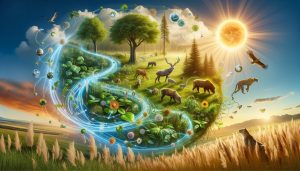
In the natural world, few phenomena are as striking as exponential growth, particularly in populations of species. Did you know that under ideal conditions, one pair of mice can produce thousands of descendants in just a few years? This rapid population boom highlights the potential challenges and opportunities in ecology, as it underscores the delicate balance between species and their environments. Understanding exponential growth in ecology is crucial for addressing pressing issues like biodiversity loss and resource scarcity. As we explore this concept, you’ll gain insights into how unchecked population expansion can impact ecosystems, the importance of managing natural resources responsibly, and how we can adopt sustainable practices to support diverse habitats. Join us on this journey to discover the intricate dance of life and the vital role we play in maintaining ecological balance.
What Is Exponential Growth in Ecology?
When a species finds itself in an environment rich in resources and free from significant predators, it can rapidly increase in population, demonstrating what is known as exponential growth. This type of growth occurs when the growth rate of a population is proportional to its current size; under ideal conditions, it can lead to staggering increases over a relatively short period. For instance, if one bacterium divides every 20 minutes, it can turn into millions within just a few hours. This phenomenon not only illustrates the remarkable potential for expansion in nature but also the precarious balance of ecosystems that can be disrupted by such surges.
Exponential growth manifests particularly in scenarios where organisms reproduce quickly and progressively, leading to a scenario sometimes referred to as a population boom. One prime example can be observed in certain fish species during spawning seasons, where environmental conditions such as warm water temperatures and the availability of food lead to immense population increases. However, this rapid growth is not sustainable indefinitely; it can trigger overshoot, where the population exceeds the carrying capacity of its environment, leading to potential collapse due to resource depletion.
To understand the dynamics of exponential growth, it is essential to consider its ecological implications. Healthy ecosystems depend on a balance of species; when one species proliferates unchecked, it can outcompete others for resources, affecting biodiversity and ecosystem stability. This brings attention to the importance of managing populations responsibly, especially in cases where human activity has altered habitats and created conditions conducive to unchecked growth. Sustainable practices and awareness about the ecological footprint we leave behind can contribute significantly to maintaining this balance and ensuring the health of our planet’s diverse ecosystems.
The Science Behind Rapid Population Booms
In nature, a perfect storm can lead to rapid, unchecked growth in populations, often resulting in astonishing booms. This phenomenon is driven by several interconnected factors, exemplifying how organisms can thrive under ideal conditions. Typically, these rapid surges occur in an environment abundant in resources-food, shelter, and suitable breeding habitats-coupled with minimal predation and competition. When these optimal circumstances align, species can experience exponential growth, sometimes doubling their populations in mere days or weeks.
One compelling example is the behavior of certain bacterial populations, which can multiply at astounding rates given the right temperature and nutrient availability. In a laboratory setting, a single bacterium can divide every 20 minutes, resulting in millions within a few hours. However, this rapid increase is not unique to bacteria; other species, such as rabbits in a predator-free environment or fish during spawning seasons in nutrient-rich waters, exhibit similar explosive reproduction patterns. These scenarios not only showcase nature’s capacity for growth but also highlight the delicate balance that sustains ecosystems.
While these population booms may appear beneficial at first-contributing to increased biodiversity and dynamic ecosystems-they can engender significant challenges. For instance, when a species overshoots the carrying capacity of its environment, it can lead to resource depletion, triggering a rapid decline that disrupts local ecosystems. In managed environments, such as farms or conservation areas, it becomes vital to monitor population levels to prevent ecological imbalances. Awareness of such dynamics can empower individuals and communities to adopt sustainable practices, helping mitigate negative impacts driven by human activities that often exacerbate these boom-and-bust cycles. By understanding the science behind these rapid population changes, we can foster a more responsible relationship with the natural world, ensuring the longevity and resilience of our planet’s diverse ecosystems.
Key Factors Driving Exponential Growth Rates
Rapid population booms in ecology are fascinating phenomena driven by a confluence of key factors that create an environment ripe for exponential growth. One crucial element is the availability of resources. When food, water, and shelter are abundant, organisms have the necessary elements to thrive and reproduce at an accelerated rate. For example, in nutrient-rich waters, fish populations can explode during spawning seasons. Similarly, fields overrun with abundant grass create ideal conditions for herbivore species such as rabbits to multiply swiftly.
Equally important is the absence of natural predators. In ecosystems lacking significant predation pressures, species can expand their populations unchecked. A compelling illustration of this can be seen with goats on islands where they have no natural enemies; their populations can surge dramatically, leading to overgrazing and ecological strain. Over time, the unchecked growth can culminate in severe repercussions for the ecosystem as resource depletion sets in, illustrating the delicate balance that must be maintained within nature.
Another factor to consider is environmental stability. Conditions that are consistent and favorable-such as moderate temperatures and lack of extreme weather-allow populations to flourish. On the other hand, environmental stressors can inhibit growth and trigger declines. Therefore, protecting habitats against changes driven by climate disturbance becomes vital for sustaining healthy ecosystems.
Embracing eco-conscious living means recognizing these dynamics and making informed choices that support sustainable growth. Individuals can contribute to maintaining ecological balance by participating in conservation efforts, supporting biodiversity, and fostering thriving habitats. Simple actions, such as planting native vegetation or reducing waste, can positively impact the environment and support the resilience of ecosystems, ensuring that when conditions are right for a species to thrive, they do so in harmony with their surroundings.
Understanding the Logistic Growth Model
Population dynamics in ecology are intricate and fascinating, particularly when we consider how certain species can grow dramatically under favorable conditions. Among the key models used to understand these dynamics is the logistic growth model, which illustrates a more complex reality than simple exponential growth. Whereas exponential growth assumes unlimited resources and continuous reproduction, logistic growth takes into account the carrying capacity of the environment-this is the maximum population size that the environment can sustain indefinitely without being degraded.
At first, when a population experiences ideal conditions-such as an abundance of food and lack of predators-its growth can appear exponential. However, as the population increases, competition for resources intensifies and environmental pressures mount. This is where the logistic growth model becomes particularly insightful. It depicts a characteristic S-shaped curve, starting with a slow growth phase, followed by a rapid increase, and eventually leveling off as the population approaches the carrying capacity.
Key Features of the Logistic Growth Model
- Initial Growth Phase: Populations grow slowly at first, as individuals reproduce and establish themselves in their environment.
- Exponential Growth Phase: As resources become plentiful, populations grow rapidly. The growth rate accelerates, leading to a surge in numbers.
- Deceleration Phase: Growth slows down as competition for limited resources increases. This phase is crucial for understanding how species interact with their environment.
- Carrying Capacity: The maximum population size that an environment can sustain indefinitely. Beyond this point, environmental stressors and resource depletion lead to a decline in population growth or a stabilizing effect.
is vital for conservation strategies and biodiversity management. By recognizing the limits to growth, conservationists can implement practices that help maintain healthy ecosystems and protect vulnerable species. For instance, managing hunting quotas or controlling invasive species can help ensure that native populations do not exceed the carrying capacity of their habitats.
Ultimately, awareness of logistic growth dynamics encourages proactive environmental stewardship. By supporting sustainable practices-such as responsible consumption, habitat restoration, and biodiversity protections-you can play a part in fostering an ecological balance that respects the limits of our planet. Each choice, whether it’s opting for local, seasonal produce or participating in community clean-ups, contributes to a sustainable future where both human and wildlife populations can thrive harmoniously.
Real-World Examples of Exponential Growth
Certain species can experience rapid population booms under ideal conditions, demonstrating exponential growth that often takes many observers by surprise. The classic case of the European rabbit in Australia exemplifies this phenomenon. Introduced in the 19th century as a game species, rabbits quickly multiplied due to the absence of natural predators and the availability of abundant food. Within just a few years, their population soared into the millions, leading to significant ecological disruption, including the destruction of native vegetation and erosion of soils. This example highlights not just the capacity for exponential growth, but also the profound impacts such booms can have on ecosystems.
Another illustrative instance is the algal blooms often seen in nutrient-rich waters, such as those found in the Gulf of Mexico. When conditions are favorable-usually a combination of warm temperatures and high levels of nitrogen or phosphorus from agricultural runoff-certain algal species can multiply at an alarming rate, leading to blooms that can cover vast areas of water. These blooms can deplete oxygen levels in water, resulting in dead zones where few aquatic organisms can survive. This growth not only affects marine life but also impacts local fisheries and economies reliant on healthy ecosystems.
These real-world examples underscore how quickly populations can expand when resources are plentiful and environmental constraints are minimal. Understanding these dynamics is crucial not only for scientists but for anyone engaged in conservation efforts or ecological studies. As we observe and learn from these exponential growth scenarios, it becomes increasingly important to apply this knowledge towards sustainable practices, actively seeking ways to mitigate the negative impacts of such rapid increases. Educating ourselves about sustainable resource use, participating in clean-up initiatives, and advocating for better agricultural practices can contribute to a healthier balance in our ecosystems.
Impacts of Population Booms on Ecosystems
The rapid acceleration of certain species populations can lead to significant ecological consequences, reshaping entire ecosystems. One striking example is the introduction of the European rabbit in Australia. With no natural predators and ample food resources, they proliferated, leading to an explosion in numbers. This exponential growth not only devastated native plant life but also created soil erosion issues, affecting water quality and leading to a domino effect on other species dependent on these ecosystems. Such population booms can disrupt the delicate balance that sustains native flora and fauna.
Effects on Biodiversity
Population booms can severely threaten biodiversity. As invasive species multiply, they often outcompete native organisms for resources such as food and habitat. This can result in the decline or even extinction of native species, leading to homogenized ecosystems that are less resilient to environmental changes. Consider the case of feral hogs in North America; their unchecked population growth not only damages crops and native vegetation but also decimates populations of ground-nesting birds. Preserving biodiversity is crucial, as diverse ecosystems are better equipped to withstand diseases, climate change, and other environmental stresses.
Health and Water Quality
Exponential growth of species can also compromise water quality and public health. Algal blooms, often a product of nutrient-heavy runoff, proliferate rapidly under warm, nutrient-rich conditions. These blooms can deplete dissolved oxygen in water bodies, resulting in “dead zones” where aquatic life is unable to survive. The health impacts extend beyond ecosystems, as toxins from some algal blooms can contaminate drinking water supplies, creating significant public health risks. Engaging in sustainable agricultural practices, such as reducing fertilizer use and planting cover crops, can help mitigate these effects and promote healthier waterways.
By understanding the ramifications of population booms, individuals and communities can better advocate for effective conservation strategies. Participating in local conservation efforts, supporting sustainable land management practices, and educating others can foster a healthier environment. A collective focus on sustainable living not only nurtures our ecosystems but also ensures that they continue to thrive for generations to come.
Managing Rapid Population Growth in Conservation
Addressing rapid population growth in ecosystems requires a multifaceted approach that balances environmental health with community engagement and policy advocacy. One effective method is through targeted conservation programs that focus on managing invasive species and restoring native habitats. For instance, utilizing biological controls-where natural predators are reintroduced-can help curb the population surges of invasive plants and animals, thereby allowing native species a chance to thrive. Such strategies must be tailored to specific ecosystems and species to avoid unintended consequences while promoting ecological balance.
Engaging local communities is essential in these conservation efforts. Public awareness campaigns can mobilize individuals to participate in restoration activities, such as native planting days or invasive species removal events. Not only do these activities foster a sense of stewardship, but they also educate participants about the impacts of exponential growth on local ecosystems. Empowering citizens with knowledge transforms them into advocates for sustainable practices within their own neighborhoods, amplifying the effectiveness of conservation initiatives.
Moreover, implementing smart land management policies is crucial for sustainable population growth control. Zoning regulations that restrict development in sensitive areas help to protect wildlife habitats while allowing natural populations to stabilize. Integrating ecological considerations into urban planning ensures that growth occurs in a manner beneficial to both human communities and the environment. Supporting sustainable agricultural practices, such as permaculture or agroforestry, can further help maintain ecological balance while meeting food production needs.
Finally, leveraging technology can enhance conservation management efforts. Conservation scientists can harness data analytics and geographic information systems (GIS) to track population changes and predict future trends. This data-driven approach allows for informed decision-making and timely intervention, minimizing the adverse effects of rapid population growth.
By adopting these proactive measures, we can effectively manage the challenges posed by exponential growth in ecological populations. Encouragement and support for community-driven initiatives will lead to a healthier planet, ensuring biodiversity and ecosystem resilience for generations to come.
The Role of Invasive Species in Exponential Growth
Invasive species can trigger dramatic changes in ecosystems, often leading to exponential growth in their populations. These species, when introduced to a new environment without natural predators or competitive pressures, can proliferate at alarming rates. For instance, consider the case of the zebra mussel in North America; it rapidly spreads out to dominate water bodies, outcompeting native species for resources and disrupting entire aquatic ecosystems. This phenomenon exemplifies how invasive species leverage their exponential growth potential, often resulting in negative repercussions for biodiversity and ecosystem health.
Impacts of Invasive Species
The consequences of unchecked invasive species extend beyond mere population booms. They can alter nutrient cycling, change habitat structures, and contribute to the decline of native species, which struggle to compete in a suddenly populated environment. Here are some key impacts:
- Resource Competition: Invasive species often hog resources-food, space, and light-leaving native species with little to survive on.
- Altered Habitat Conditions: Certain invasive plants can change soil chemistry, making it inhospitable for local flora.
- Predation Pressure: Invasive predators can decimate local populations, such as when the brown tree snake was introduced to Guam, leading to the extinction of several native bird species.
To combat these scenarios, swift action and strategic management plans are essential. Implementing measures such as monitoring biodiversity, employing preventative regulations against the spread of invasive species, and restoring native species through propagation can help maintain ecological balance. Engaging local communities in these efforts enhances awareness and fosters a collective responsibility for maintaining biodiversity.
Practical Measures for Management
When addressing the role of invasive species, consider adopting the following practices to promote a healthier ecosystem:
- Participate in Local Cleanup Efforts: Join or organize events that focus on removing invasive plants from natural spaces.
- Educate Yourself and Others: Learn to identify local invasive species and spread the word to encourage community awareness.
- Support Sustainable Landscaping: Opt for native plants in your own yard to help outcompete invasive species and promote local wildlife.
By recognizing the challenges posed by invasive species and actively participating in their management, individuals can play an instrumental role in safeguarding local ecosystems. Together, we can foster a resilient biodiversity that thrives alongside our growing communities, ensuring a balanced relationship with nature.
Challenges of Sustaining Biodiversity During Booms
The rapid expansion of certain species during population booms exemplifies a double-edged sword-while many species thrive, the consequences for ecosystems can be dire. In ecological terms, biodiversity refers to the variety of life in a particular habitat, and maintaining this diversity is crucial for ecosystem resilience. When exponential growth occurs, whether from invasive species or booms in native populations, the imbalance often leads to significant challenges in sustaining biodiversity.
One of the primary obstacles in these scenarios is the overwhelming competition for resources. As certain species proliferate, they can monopolize food, water, and habitat space, which displaces less dominant species. This can lead to reduced genetic diversity as some species become increasingly scarce, threatening their long-term survival. For instance, in cases where fast-growing plants choke local waterways, they prevent sunlight from reaching submerged vegetation critical for the health of aquatic ecosystems. Biodiversity loss not only endangers specific species but can also destabilize entire ecological networks, reducing their adaptability to environmental changes.
Another significant challenge is the alteration of habitat structure. As populations burgeon, their feeding and nesting habits can radically transform landscapes. Invasive species may change soil composition or water pH, rendering environments inhospitable to native flora and fauna. Consider the spread of certain agricultural crops that require extensive water and nutrient inputs; their presence can degrade local ecosystems, leading to the decline of indigenous plants that support various animal species. As these habitats degrade, the intricate relationships within ecosystems become strained, resulting in a cascade of negative effects on biodiversity.
To combat these challenges, proactive management strategies are essential. Conservation efforts should focus on monitoring populations and implementing controls that balance ecosystems. Ecosystem restoration projects can help rehabilitate areas where biodiversity has been compromised, often involving reintroducing native species that can compete effectively against explosive populations. Engaging local communities in conservation efforts fosters a sense of stewardship and can lead to effective grassroots initiatives aimed at protecting biodiversity.
Ultimately, sustaining biodiversity during periods of rapid population growth requires a concerted effort that combines ecological understanding with community involvement. By fostering awareness and taking proactive steps, individuals and communities can help mitigate the adverse effects of population booms, ensuring that ecosystems remain resilient and diverse for generations to come.
Mitigating Negative Effects of Population Surges
The dramatic rise in populations can lead to an array of ecological challenges, but there are effective strategies for mitigating the negative effects of these surges. One of the most promising approaches is to invest in community-based conservation efforts. When local communities are empowered with knowledge and resources to monitor and manage species, they can play a pivotal role in restoring ecological balance. For instance, establishing citizen science programs allows residents to track local biodiversity changes, report findings, and actively participate in decision-making processes regarding species management.
To complement these grassroots initiatives, targeted restoration projects can rehabilitate ecosystems by reintroducing native species that were outcompeted during population booms. This is essential in maintaining genetic diversity and ecosystem resilience. Restoration can vary widely depending on the species involved; for instance, planting native grasses can stabilize soil and improve conditions for local fauna, while controlling invasive plants can help to restore light availability and nutrients to previously affected habitats.
Another effective strategy is implementing sustainable land-use practices that minimize habitat disruption. Landowners, farmers, and developers can employ practices such as agroforestry, permaculture, and responsible logging to enhance habitat connectivity and promote biodiversity. For example, agroecological farming techniques can prevent nutrient runoff, thereby supporting both agricultural productivity and surrounding ecosystems. Simple actions like planting buffer strips of native plants around agricultural areas can help absorb excess nutrients and provide habitat for beneficial species.
Collectively, these proactive measures contribute not only to the immediate challenge of population surges but also to long-term ecological health. By fostering partnerships between government agencies, local communities, and conservation organizations, we can create an integrated approach to manage species populations effectively. Coupled with awareness campaigns that encourage eco-conscious living-like supporting local biodiversity-friendly businesses or participating in habitat restoration days-everyone can contribute to a sustainable future.
Future Predictions for Ecological Population Dynamics
The future of ecological population dynamics is a landscape characterized by uncertainty and opportunity as humanity navigates the challenges of rapid population growth. As species increasingly experience booms due to favorable environmental conditions or altered ecosystems, understanding the potential trajectories of these populations becomes crucial. Current trends indicate that certain species may continue to expand their numbers exponentially, particularly in the absence of natural predators or competition. This unchecked growth can stress resources, leading to significant consequences for biodiversity and ecosystem stability.
A key factor in predicting these dynamics is the impact of climate change. As global temperatures rise, species’ habitats are shifting, often forcing populations into new areas. Some species may thrive in these changing conditions, while others struggle to adapt. For example, the range of many fish species has begun to shift toward cooler waters, affecting local fishing economies and natural communities alike. This phenomenon emphasizes the need for adaptive management strategies that account for these shifts and support sustainable practices across sectors.
Another consideration is the role of invasive species. Invasive organisms often capitalize on rapid population growth, easily outcompeting native species and disrupting established ecosystems. Managing these introductions will be critical in the coming years. To mitigate their impacts, strategies such as early detection, rapid response, and community engagement in monitoring and managing local ecosystems will be essential to promote resilience and sustainability.
To foster a balanced ecosystem, it’s imperative for humans to take proactive steps. Community-based conservation efforts, education, and sustainable land-use practices can help create a future where human needs align with environmental health. By embracing eco-conscious decisions in daily life-such as supporting local biodiversity initiatives and engaging in restoration efforts-individuals can contribute to a more sustainable future. Empowering local communities with resources and knowledge will play a pivotal role in this cooperative approach to preserving ecological integrity amid ongoing population dynamics.
Practical Steps for Sustainable Population Management
Rising global populations and shifting ecosystems can create a perfect storm for rapid species growth, often leading to ecological imbalances. To address these challenges, individuals and communities can engage in practical approaches that promote sustainable population management. By taking proactive steps, we can mitigate the adverse effects of population booms and foster healthier ecosystems.
One effective strategy is to support and participate in community-based conservation programs. These initiatives not only help in preserving local biodiversity but also foster a sense of ownership among community members. Participating in local restoration projects, such as reforestation or wetland rehabilitation, enables individuals to contribute actively to the health of their ecosystems. Additionally, educational workshops on sustainable practices can enhance awareness about the impacts of overpopulation on local resources and provide tools for responsible management.
Another critical area is sustainable land-use practices. Encouraging smart urban planning that incorporates green spaces can provide habitats for native species while reducing urban heat islands. Incorporating features like green roofs, community gardens, and permeable pavements can help manage stormwater and improve air quality. Individuals can advocate for policies that prioritize biodiversity-friendly practices and develop incentives for sustainable agriculture that reduces pressure on land and enhances food production without harming the environment.
Adopting sustainable living practices on a personal level is equally important. Small changes, such as reducing food waste, utilizing energy-efficient appliances, and choosing sustainable transportation methods (like biking or public transport), can collectively lead to significant impacts. Consumers can support environmentally responsible businesses by opting for local and organic products, reducing their ecological footprints, and minimizing reliance on single-use plastics.
As more individuals embrace these practices, we can foster a culture of sustainability that encourages responsible population management while nurturing our planet’s diverse ecosystems. By integrating these approaches into daily life and community initiatives, we can pave the way for a balanced coexistence with nature, ensuring the health of our ecosystems for future generations.
Frequently Asked Questions
Q: What causes exponential growth in populations?
A: Exponential growth in populations is primarily driven by ideal conditions, such as abundant resources, lack of predators, and suitable environmental factors. This leads to rapid reproduction, where the number of individuals increases significantly over a short period, exemplified by species like bacteria and certain insects.
Q: How does exponential growth affect ecosystem balance?
A: Exponential growth can disrupt ecosystem balance by overwhelming resources, leading to overpopulation. This could result in habitat degradation, food shortages, and ultimately, population crashes. Sustainable management practices, such as monitoring population sizes and controlling resource use, are crucial to maintaining ecological harmony.
Q: When does exponential growth typically occur in nature?
A: Exponential growth typically occurs in newly established species populations, particularly after environmental disturbances or the introduction of species into uninhabited areas. During such times, resources are plentiful, and competition is minimal, facilitating unchecked population increases.
Q: Why is understanding exponential growth important for conservation efforts?
A: Understanding exponential growth is vital for conservation as it helps predict potential threats to biodiversity. Effective measures can be implemented to manage species populations, control invasive species, and protect vulnerable ecosystems, ensuring balanced biodiversity and ecosystem services.
Q: What role do invasive species play in exponential growth?
A: Invasive species often exhibit exponential growth due to their lack of natural predators in new environments. This uncontrolled growth can outcompete native species for resources, leading to biodiversity loss and significant ecological changes. Proactive management is essential to mitigate these impacts.
Q: How can we manage rapid population growth in wildlife?
A: Managing rapid wildlife population growth involves implementing strategies such as regulated hunting, habitat restoration, and resource management. Creating protected areas and engaging in community education can help promote biodiversity and sustainable wildlife practices.[[2]]
Q: What are the consequences of unchecked population booms in ecosystems?
A: Unchecked population booms can lead to resource depletion, increased competition among species, habitat destruction, and loss of biodiversity. These negative outcomes highlight the need for effective population management strategies to ensure ecological sustainability and balance.[[3]]
Q: How can we predict future exponential population dynamics?
A: Future exponential population dynamics can be predicted using mathematical models and ecological studies that account for factors such as resource availability, reproductive rates, and environmental conditions. Understanding these variables helps in preparing effective conservation interventions for ecosystems at risk.
To Conclude
Understanding exponential growth in ecology helps us realize the impact of rapid population booms on our ecosystems and biodiversity. As you’ve learned, unchecked growth can lead to significant ecological challenges and necessitates our awareness and action. Don’t wait-explore how you can make a difference today. Consider diving deeper into related topics like “The Importance of Biodiversity” or “Sustainable Living Practices” to further enhance your knowledge and impact.
Ready to take action? Sign up for our newsletter to receive the latest insights on sustainable living and ecological conservation delivered right to your inbox. Your journey toward a more sustainable future starts now-join the conversation, share your thoughts below, and let’s work together to protect our planet. Remember, every small effort counts!