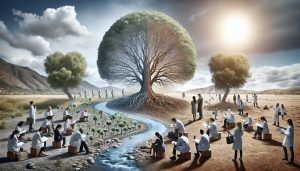
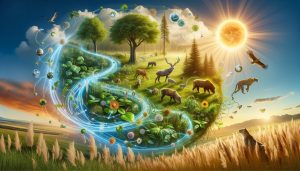
Did you know that every bite of food you take is connected to a vast network of life, showcasing the intricate relationships that sustain our ecosystems? The food chain in ecology illustrates how energy flows through different organisms, from producers to consumers, and ultimately decomposers. Understanding this linear energy flow is crucial not only for grasping the delicate balance within nature but also for recognizing the impact of our dietary choices on the environment. By exploring the food chain, you can discover how to make informed decisions that contribute to a healthier planet. This awareness empowers you to embrace eco-friendly habits and support biodiversity in your daily life. Dive into the world of food chains to learn how every link plays a vital role in sustaining life on Earth, and how you can be a positive force in this interconnected web.
What Is a Food Chain in Ecology?
In the intricate tapestry of nature, a food chain serves as a critical pathway illustrating how energy is transferred through various organisms in an ecosystem. At its core, a food chain is a linear sequence that showcases who-eats-who within a particular habitat, emphasizing the relationship among producers, consumers, and decomposers. Producers, such as plants and phytoplankton, harness sunlight through photosynthesis, converting it into chemical energy. This energy becomes the foundation for all food chains, as it feeds primary consumers, or herbivores, which in turn are consumed by secondary consumers, or carnivores.
Understanding food chains is vital for grasping ecological balance and interdependence. Each link in the chain represents an energy transfer, with only about 10% of the energy moving from one trophic level to the next; this inefficiency highlights the need for a diverse array of species to support ecosystem health. When one species is negatively impacted-due to pollution, habitat destruction, or climate change-this can reverberate through the entire food chain, resulting in population declines or even extinction.
Real-world examples emphasize the importance of food chains. Consider the relationship between grass, rabbits, and foxes: the grass converts sunlight into energy, the rabbits consume the grass, and then the foxes prey on the rabbits. Disruption at any stage-like a decline in grass due to drought-can ripple through the ecosystem, affecting not just the grass and rabbits, but also the foxes dependent on them for sustenance. Therefore, understanding food chains not only illuminates the energy flow in ecosystems but also underscores the necessity of conservation efforts that protect each link, ensuring the stability of our natural world.
By nurturing a greater awareness of these ecological connections, individuals can adopt more eco-conscious practices, supporting sustainable lifestyles that contribute positively to the health of our planet. Embracing this knowledge inspires responsibility and stewardship towards protecting our ecosystems, ultimately leading to more resilient environments.
The Importance of Food Chains in Ecosystems
In nature, every organism plays a vital role in maintaining ecosystem balance, and food chains are essential to understanding these relationships. A food chain illustrates the path of energy flow within an ecosystem, from sunlight absorbed by plants to the apex predators at the top of the chain. This linear progression not only highlights who eats whom but also underscores the interconnectedness between various species. The importance of food chains extends beyond mere dietary habits; they are crucial for nutrient cycling, population control, and ecosystem resilience.
When a specific link in a food chain is compromised-whether through overfishing, habitat destruction, or pollution-the effects can cascade throughout the ecosystem. For instance, if a keystone species that regulates prey populations disappears, it can lead to overpopulation of that prey, which in turn may exhaust their food resources, ultimately diminishing biodiversity. This dynamic illustrates how vital a healthy food chain is for maintaining balance; each organism contributes to a stable environment.
Furthermore, food chains serve as a reminder of our responsibility to protect these ecological networks. Sustainable practices, such as supporting local food systems, reducing waste, and preserving natural habitats, can help maintain food chain integrity. By being mindful of our impact on the environment, we foster ecosystems that can thrive and adapt despite the challenges posed by climate change and human activity. The more we learn about food chains, the more equipped we become to make informed, eco-conscious choices that promote sustainability.
In summary, food chains are not merely diagrams of predation; they reflect the intricate web of life that sustains ecological harmony. Understanding their importance empowers individuals to take actionable steps toward preserving our planet’s biodiversity and health, ensuring that future generations can also enjoy the abundant resources of our ecosystems.
Types of Food Chains: Grazers, Detritivores, and More
In the intricate world of ecosystems, food chains can be categorized into different types based on the feeding habits of the organisms involved. Understanding these distinctions enriches our knowledge of ecological relationships and highlights the dynamics that sustain life on Earth. Among the primary types of food chains, grazers and detritivores play critical roles, each contributing uniquely to energy flow and nutrient cycling.
Grazers, often referred to as herbivores, occupy a vital position in food chains. These organisms consume primary producers, mainly plants, which harness energy from the sun through photosynthesis. Grazers include animals such as rabbits, deer, and various insects that nibble on leaves, stems, and grasses. By feeding on plants, they not only derive essential nutrients but also facilitate plant health by promoting growth through selective grazing. This interaction ensures that plant communities remain vibrant and diverse, which is crucial for maintaining ecosystem stability.
On the other hand, detritivores make their mark by breaking down dead organic matter, such as fallen leaves, dead animals, and other decomposing materials. This group includes organisms like earthworms, woodlice, and certain fungi. By consuming detritus, they play an indispensable role in nutrient recycling, converting organic waste back into essential nutrients that enrich the soil. This process enhances soil fertility and supports the growth of primary producers, completing the rich tapestry of energy flow within ecosystems.
To appreciate the complexity of food chains beyond grazers and detritivores, it’s essential to understand that many ecosystems feature a variety of other feeding strategies, such as scavengers and predators, which further diversify energy pathways. As we explore these ecological relationships, we can see how important each type of organism is in maintaining ecological balance. By choosing to support sustainable agricultural practices that protect these relationships, such as organic farming and minimal pesticide use, individuals can contribute to healthier ecosystems and, ultimately, a more resilient planet.
In sum, recognizing the various types of food chains not only enriches our understanding of ecological functions but also empowers us to engage in practices that preserve these vital relationships in our environment. Embracing a sustainable approach to our interactions with the natural world nurtures a healthy ecosystem, fostering the delicate balance necessary for all life.
Energy Flow in Food Chains: A Detailed Explanation
In the vast dance of life that occurs daily in our ecosystems, energy flows through food chains like an invisible thread weaving together various forms of life. At its essence, energy flow in food chains illustrates how sunlight-notably the primary source of energy-transforms into food through photosynthesis and subsequently travels through the trophic levels of producers, consumers, and decomposers. This process is not only crucial for survival but fundamentally highlights the interconnectedness of all organisms within an ecosystem.
Energy enters a food chain when plants, the primary producers, capture sunlight and convert it into chemical energy through photosynthesis. This stored energy is then transferred to herbivores, or primary consumers, which feed on the plants. From there, secondary consumers-typically carnivores-feed on the herbivores, and the pattern continues up the food chain. Each step or level in this chain is known as a trophic level, and as energy moves from one level to the next, there is a significant reduction in the amount available at each stage. Typically, only about 10% of the energy is transferred to the next level, a phenomenon known as the 10% Rule. This principle illustrates why ecosystems can only support a limited number of top-level predators; energy availability constrains population sizes through the chain.
Understanding Energy Loss
Energy loss, primarily through metabolic processes such as respiration, heat production, and waste, means that the higher we go up the food chain, the fewer organisms can be sustained. For instance, a field rich in grass can support numerous rabbits (herbivores), but fewer foxes (carnivores) because they rely on the energy derived from the rabbits. This inherent inefficiency emphasizes the importance of conserving energy and resources within ecosystems, which plays directly into sustainable practices that individuals can embrace. Making conscious dietary choices, such as reducing meat consumption and opting for plant-based foods, can lessen the strain on energy resources and contribute positively to environmental health.
Furthermore, understanding this energy flow encourages us to think about how our everyday actions intersect with these natural processes. By supporting local agriculture, we can reduce the distance food travels-lessening energy expended in transport-and promote biodiversity through sustainable farming practices. Likewise, simple steps like composting organic waste can support the decomposer level, replenishing nutrients in the soil to sustain the producers at the base of our food chains.
Every choice matters, and recognizing our role in these complex ecological relationships empowers us not only to engage in responsible consumption but also to advocate for policies that safeguard energy flow in our natural habitats. Through concerted efforts, from community gardens to wildlife conservation, we can help maintain the delicate balance that defines our ecosystems-ensuring that energy continues to flow effectively through the intricate web of life.
Trophic Levels: Understanding Producers, Consumers, and Decomposers
In the complex tapestry of life within ecosystems, the concept of trophic levels serves as a foundational component illustrating how energy circulates among different organisms. Trophic levels are categorized into three main groups: producers, consumers, and decomposers. Each of these levels plays a vital role in the energy flow and overall health of an ecosystem, making it crucial to understand how they function and interconnect.
Producers are at the base of the food chain, consisting primarily of plants and photosynthetic organisms like algae. They harness sunlight through the process of photosynthesis, converting solar energy into chemical energy stored in glucose. This chemical energy is essential not only for the producers themselves but also for the entire ecosystem, as it forms the foundation for energy that supports all other trophic levels. Embracing local plant-based diets can help reduce reliance on resources that contribute to higher trophic levels, thereby promoting ecological sustainability.
Moving up the chain, consumers are categorized into primary, secondary, and tertiary levels. Primary consumers, such as herbivores, feed directly on producers, while secondary consumers (carnivores) prey on primary consumers. Tertiary consumers are typically apex predators that eat secondary consumers. Each step up the chain represents a transfer of energy, but with the understanding that energy diminishes-only about 10% of energy from one level is available to the next. Recognizing this can inspire individuals to be mindful of their dietary preferences and support practices that promote lower trophic consumption, such as plant-based eating, which requires fewer resources and has a lower ecological footprint.
At the top of the food chain lies the crucial role of decomposers, including fungi and bacteria, which break down dead organic material, returning nutrients to the soil and completing the cycle of life. Without these organisms, ecosystems would be overwhelmed with waste, and the nutrient cycle would falter. Engaging in composting is a practical way to support this level, as it not only reduces landfill waste but also enriches soil, fostering healthier plant growth.
By exploring trophic levels, we come to appreciate the interconnectedness of life forms in our ecosystems. Understanding these dynamics empowers us to make informed choices that embody sustainability, such as supporting local farmers, reducing food waste, and prioritizing plant-based foods. Through these practical actions, we contribute to a healthier planet, ensuring that energy flows effectively through the intricate web of life we all depend on.
The Role of Sunlight in Energy Transfer
Sunlight serves as the primary energy source for life on Earth, making it the linchpin of food chains and ecosystems. Through the process of photosynthesis, plants and other photosynthetic organisms, such as algae, convert sunlight into chemical energy, creating organic compounds that form the basis of the food chain. This remarkable transformation not only sustains the producers but also fuels the entire network of life by providing energy to herbivores and, subsequently, to the carnivores that feed on them.
The efficiency of energy transfer in an ecosystem hinges on this initial capture of solar energy. When sunlight strikes the leaves of plants, chlorophyll absorbs the light, triggering chemical reactions that produce glucose while releasing oxygen as a byproduct. For example, one could imagine a vibrant sunlight-drenched meadow where grasses and wildflowers thrive; these plants capture energy that will eventually be passed along the food chain. As primary producers, they are vital to ecosystem health, supporting a diverse range of species, including insects, birds, and mammals.
As energy moves along the food chain, it diminishes at each trophic level-a phenomenon known as the 10% Rule. This rule states that only about 10% of the energy from one level is available to the next, primarily due to metabolic processes and heat loss. Therefore, the initial harnessing of sunlight is crucial for maintaining abundant energy supplies within an ecosystem. For individuals looking to engage in sustainable practices, understanding this energy dynamic can encourage choices that support producers, like engaging in local agriculture or growing home gardens.
Incorporating sustainable practices can enhance within food chains. Techniques such as permaculture and agroecology emphasize working with natural processes to maximize solar energy use while preserving biodiversity. Additionally, supporting renewable energy sources-both in personal capacity and in broader community initiatives-can reflect the essence of using sunlight effectively and sustainably. By embracing these practices, each person can contribute to a healthier ecosystem and the intricate web of life that depends on this vital energy source.
Food Webs vs. Food Chains: Key Differences Explained
Understanding the intricate relationships among organisms in an ecosystem can significantly enhance our appreciation of biodiversity and the need for conservation. One of the most common ways to depict these interconnections is through food chains and food webs, concepts that, while related, serve distinct functions in ecology. Food chains present a simplified, linear pathway of energy transfer between organisms, illustrating how one species directly feeds on another. In contrast, food webs encompass a more comprehensive representation, showcasing the myriad of feeding relationships among organisms within a particular ecosystem.
A food chain typically begins with a producer-usually a green plant or algae-that harnesses sunlight to create energy through photosynthesis. This energy is then transferred to primary consumers (herbivores) and subsequently to secondary and tertiary consumers (carnivores). For example, in a grassland ecosystem, the process may unfold as follows: grass (producer) is consumed by a rabbit (primary consumer), which is then eaten by a hawk (secondary consumer). While this linear sequence is straightforward, it oversimplifies the complexity of real-world interactions. A food web, on the other hand, captures the flow of energy among multiple species simultaneously, revealing how alternative food sources and complex interdependencies can stabilize ecosystems.
- Energy Flow: In food chains, energy flow is linear, while food webs reflect a more chaotic, interconnected flow of energy.
- Stability: Food webs provide greater ecological stability; if one species declines, others can fill its role, whereas food chains are more vulnerable to disruption.
- Complexity: Food webs illustrate the variety of ways organisms interact and show the multiple feeding relationships that exist in nature.
This distinction has practical implications for environmental management and conservation. Understanding food webs can help in assessing the health of ecosystems and predicting how changes-such as species extinction or habitat destruction-can ripple through food networks. For instance, reducing chemical use in agriculture aids not only producers but also supports a balance within food webs, ultimately fostering ecosystems that are resilient to change. By appreciating and supporting the natural interactions highlighted within food webs, individuals can foster a more sustainable relationship with their environment.
The Impact of Human Activity on Food Chains
Human activities fundamentally alter food chains and ecosystems worldwide, often leading to profound consequences for biodiversity and ecological stability. For example, deforestation removes vital habitats for many species, disrupting their food sources and leading to declines in populations. When primary producers-like trees and plants-are lost, the entire food chain that relies on them is affected. This can create a cascading effect; if herbivores lose their primary food source, the carnivores that prey on them will also decline, revealing how tightly interconnected food chains are.
Pollution, particularly from agricultural runoff, poses another significant threat to food chains. Chemicals such as pesticides and fertilizers enter waterways, which can lead to disease and mortality among aquatic organisms. This not only impacts the immediate water ecosystem but can ripple through the food chain, affecting species as far removed as terrestrial predators that rely on contaminated fish as food. Such instances illustrate how industrial activities can disrupt natural energy flows and nutrient cycles within ecosystems.
Moreover, overfishing has decimated fish populations around the globe, demonstrating another critical human impact on marine food chains. When key species are removed, it upsets the balance of the ecosystem, leading to a decline in biodiversity and altering the relationships between remaining species. This can cause ‘trophic cascades,’ where the effects of a predator’s decline trickle down, ultimately altering the structure of entire ecosystems.
To mitigate these impacts, individuals can take actionable steps, such as supporting sustainable agricultural practices that reduce chemical use and promoting conservation efforts that protect natural habitats. By choosing locally sourced products and advocating for ecologically responsible business practices, people can help restore balance to food chains. Understanding our role in these ecosystems empowers us to make choices that not only benefit the environment but also foster healthier relationships with the natural world.
Case Studies: Food Chains in Various Ecosystems
In the intricate web of nature, food chains illustrate how energy flows from one organism to another, forming the backbone of various ecosystems. Exploring real-world case studies sheds light on this concept, unveiling the delicate balances that sustain life. For instance, consider the coral reef ecosystem, which is a vibrant example of a food chain in action. At the base are primary producers like algae and corals that harness sunlight for photosynthesis. These producers support herbivorous fish such as parrotfish, which graze on algae. In turn, these fish are preyed upon by larger carnivores like groupers and sharks. The health of this food chain is essential; if algae overgrow due to nutrient runoff, it can harm the entire reef, reducing biodiversity and impacting species relying on the ecosystem.
Another striking example can be found in the African savanna, where the food chain highlights the roles of various trophic levels. Here, grasses serve as the primary producers, supporting a range of herbivores, from small animals like zebras to large grazers like elephants. These herbivores are, in turn, preyed upon by apex predators such as lions and hyenas. This chain demonstrates the importance of each species within its ecological niche. Any disruption, such as poaching or habitat loss, can lead to an overpopulation of herbivores, which may result in overgrazing and long-term damage to the grassland ecosystem.
These case studies illustrate the profound interconnectedness within food chains and emphasize the importance of maintaining balance in ecosystems. Protecting these systems involves not only conserving species but also addressing human impacts that can lead to disruptions. Whether engaging in sustainable fishing practices, reducing runoff through responsible agriculture, or supporting wildlife conservation, individuals can play a role in safeguarding these vital ecological relationships. Embracing eco-conscious living contributes to the health of ecosystems that, in return, sustain us all.
How to Illustrate and Analyze Food Chains
Visualizing food chains is not only a useful educational tool but also a significant way to understand the intricate relationships between organisms within an ecosystem. By illustrating food chains, you can effectively convey how energy flows through various trophic levels, making it easier to analyze the impacts of changes within those systems. One effective method of representing food chains is through diagrams, which clearly outline the connections between producers, consumers, and decomposers.
To create a basic food chain diagram, start with the primary producers at the bottom, such as plants or phytoplankton. These organisms harness energy from the sun through photosynthesis. Arrowheads can be used to indicate the flow of energy from one organism to another; for example, an arrow from grass to a rabbit to signify that the rabbit eats the grass. From there, you can add secondary consumers, like foxes or hawks, which feed on the rabbits. Including details such as the role of decomposers-organisms like fungi and bacteria that break down dead material-completes the representation, showcasing the cyclical nature of energy flow in an ecosystem.
Analyzing Food Chains
To analyze food chains effectively, consider using tools such as tables or charts to list and categorize different organisms based on their roles in the ecosystem. Here’s a simple structure you might use:
| Trophic Level | Example Organisms | Function |
|---|---|---|
| 1. Primary Producers | Grass, Phytoplankton | Convert sunlight into energy through photosynthesis. |
| 2. Primary Consumers | Rabbits, Zooplankton | Herbivores that eat primary producers. |
| 3. Secondary Consumers | Foxes, Small Sharks | Carnivores that eat primary consumers. |
| 4. Tertiary Consumers | Lions, Large Sharks | Apex predators at the top of the food chain. |
| 5. Decomposers | Fungi, Bacteria | Break down dead organic material, returning nutrients to the soil. |
This structured approach allows for a clearer understanding of each organism’s role and the importance of maintaining these ecological relationships. By assessing the chain, you can identify potential vulnerabilities, such as how the removal of a species might disrupt the entire system.
Incorporating case studies into your analysis can also deepen your understanding. For instance, examining how overfishing impacts marine food chains helps illustrate the delicate balance that must be maintained. By engaging with these visual and analytical tools, you can foster a comprehensive understanding of food chains that not only highlights their complexity but also emphasizes the need for responsible environmental stewardship.
Real-World Applications of Food Chain Knowledge
Understanding the intricacies of food chains not only enhances our ecological knowledge, but it also empowers us to make informed decisions that impact our environment. The knowledge of food chain dynamics is crucial for various practical applications in conservation, agriculture, and environmental sustainability. For instance, by comprehending the interconnectedness of species within a food chain, farmers can adopt more sustainable agricultural practices that minimize pest populations naturally rather than relying on chemical pesticides. By encouraging the presence of natural predators through a carefully planned ecosystem, such as planting native flora that attract beneficial insects, they can help maintain a balanced food chain on their land, ultimately leading to healthier crops and ecosystems.
Moreover, awareness of food chains aids in wildlife conservation efforts. Many species are not only important in their role as consumers or producers but also serve as indicators of ecological health. For example, the decline of a particular fish species may signal broader ecosystem issues due to overfishing or pollution, revealing the urgent need for intervention. Conservationists can utilize knowledge of local food chains to initiate targeted restoration efforts, focusing on vulnerable species and their habitats to ensure robust ecological networks. Educating the public on these aspects helps foster a greater appreciation for biodiversity and encourages community involvement in local conservation initiatives.
Utilizing food chain awareness can also extend to everyday lifestyle choices. When consumers are educated about the origins of their food and the implications of agricultural practices on local ecosystems, they can make more environmentally conscious choices. Prioritizing local and sustainably sourced products supports food security and minimizes transportation emissions, while also promoting practices that are friendly to the environment. Engaging in community-supported agriculture (CSA) programs helps bridge the gap between consumers and producers, reinforcing the importance of maintaining healthy food chains from the ground up.
In essence, applying the concepts of food chains in practical ways empowers individuals and communities to take action for a more sustainable future. This collective effort not only enhances individual ecological footprints but also strengthens the health of our planet’s ecosystems, fostering a sense of responsibility and hope for future generations.
Conservation Efforts and Their Impact on Food Chain Health
The health of food chains is intricately linked to conservation efforts, underscoring the role of both natural ecosystems and human intervention in sustaining biodiversity. One striking example is the rewilding movement, which aims to restore ecosystems by reintroducing apex predators. This approach, as seen with the reintroduction of wolves to Yellowstone National Park, has demonstrated how restoring a single species can revitalize entire ecosystems, enhance plant diversity, and stabilize food chains. By promoting the natural behaviors of various species, conservationists can re-establish crucial ecological balances, ultimately contributing to more resilient food webs.
Investment in conservation not only supports habitats but also benefits agricultural practices. When farmers adopt conservation techniques, such as agroforestry or organic farming, they stabilize local food chains by supporting species that control pests naturally and contribute to soil health. Building on collaborative partnerships with conservation organizations allows farmers to leverage local knowledge and practices. For instance, integrating hedgerows and cover crops can not only enhance biodiversity but also aid in carbon sequestration, thus mitigating climate change-factors crucial for the integrity of food chains.
Community Engagement and Education
Growing public awareness and education are vital components in conservation efforts. Engaging communities through local conservation initiatives builds stewardship and promotes action. Workshops and citizen science programs that focus on local ecosystems can foster a deeper understanding of the interconnectedness of species within food chains. When individuals recognize their impact on these systems, they are more likely to adopt sustainable practices in their everyday lives, such as supporting local businesses, reducing waste, and participating in habitat restoration projects.
Ultimately, effective conservation strategies can enhance the health of food chains while providing tangible benefits to communities. By fostering resilience in natural systems and promoting sustainable use of resources, conservation not only protects biodiversity but also ensures that food chains remain robust, adaptable, and connected. This holistic approach empowers individuals and communities, paving the way for a sustainable future that values ecological integrity and promotes coexistence with nature.
Faq
Q: What are the main components of a food chain in ecology?
A: The main components of a food chain include producers (plants), consumers (herbivores and carnivores), and decomposers (fungi and bacteria). Each component plays a vital role in energy transfer and ecosystem stability. For more insights, check the section on “Trophic Levels” in the article.
Q: How does energy flow through a food chain?
A: Energy flows through a food chain from producers to various levels of consumers and eventually to decomposers. This flow is linear, with each trophic level capturing only a fraction of the energy from the previous one. Refer to the “Energy Flow in Food Chains” section for a detailed explanation.
Q: What is the difference between a food chain and a food web?
A: A food chain represents a single linear path of energy flow, while a food web is a complex network of interconnected food chains within an ecosystem. Understanding these differences can enhance our grasp of ecological dynamics, as explained in the article’s “Food Webs vs. Food Chains” section.
Q: Why are food chains important for ecosystems?
A: Food chains are crucial for maintaining ecosystem balance, facilitating energy transfer, and sustaining biodiversity. By linking various species through feeding relationships, they help ecosystems thrive. For a deeper understanding, refer to the “Importance of Food Chains in Ecosystems” section.
Q: How do human activities impact food chains?
A: Human activities like pollution, deforestation, and climate change disrupt food chains by altering habitats and species interactions, leading to imbalances and biodiversity loss. To learn more about specific impacts, see “The Impact of Human Activity on Food Chains.”
Q: What are examples of different types of food chains?
A: Examples of food chains include grazing chains, where herbivores consume plants, and detritivore chains, where decomposers break down organic matter. Exploring various examples can provide insight into ecosystem interconnections; check the “Types of Food Chains” section for more.
Q: How can food chains be illustrated or analyzed effectively?
A: Food chains can be illustrated using flow diagrams that show energy transfer between trophic levels. Analyzing these diagrams helps in understanding ecological relationships. For techniques and tips, refer to the section on “How to Illustrate and Analyze Food Chains.”
Q: What is the role of sunlight in food chains?
A: Sunlight is the primary energy source for food chains, as it enables photosynthesis in plants, the first trophic level. This energy is then passed through various consumers. For more on this process, explore “The Role of Sunlight in Energy Transfer” in the article.
The Conclusion
Thank you for exploring the concept of food chains in ecology and understanding how energy flows linearly through ecosystems. As you consider the intricate connections between producers, consumers, and decomposers, remember that your choices impact biodiversity and ecological balance. To deepen your understanding, check out our articles on ecological footprints and sustainable living practices that can help you reduce your environmental impact.
Don’t miss our guides on green technologies and eco-friendly products, perfect for leading a sustainable lifestyle. Ready to take action? Subscribe to our newsletter for the latest insights and tips on embracing eco-conscious living. Share your thoughts or questions in the comments-engagement is how we all learn together. Your commitment to understanding and improving our world makes a difference-let’s continue this journey toward a healthier planet together!