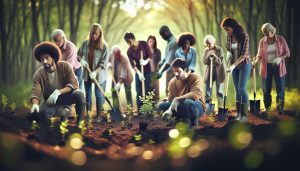
Did you know that the process of nudation plays a vital role in restoring ecosystems? Nudation refers to the creation of bare ground through natural disturbances such as erosion or fire, which sets the stage for ecological succession. Understanding this concept is crucial for anyone interested in environmental preservation and restoration efforts. As we face increasing environmental challenges, recognizing how soil becomes a canvas for new life can inspire us to protect and rehabilitate our natural spaces. This article delves into nudation’s significance in ecological succession, offering insights into how bare ground serves as a foundation for biodiversity, resilience, and sustainable ecosystems. Join us to explore the intricate dance of nature and discover actionable ways you can contribute to a healthier planet.
What Is Nudation in Ecological Succession?
Nudation is a vital concept in ecological succession, shedding light on how ecosystems recover and evolve after disturbances. It refers to the process whereby a previously occupied area is cleared, resulting in a “nude” or bare ground that becomes a starting point for new ecological communities. This bare ground can emerge through various natural events, such as wildfires, landslides, or glacial retreat, as well as anthropogenic influences like agriculture or urban development. The significance of nudation lies in its role as a catalyst for regeneration, enabling new species to colonize and eventually leading to the development of a diverse ecosystem.
Understanding nudation is crucial because it marks the transition from one ecological state to another, providing opportunities for innovative ecological interactions. Once the ground is bare, pioneer species-often hardy plants like lichens and mosses-can establish themselves. These species play an essential role in modifying the environment, improving soil quality, and creating conditions that support more complex plant communities. The gradual process of nudation ultimately contributes to biodiversity-plants, animals, and microorganisms interact in intricate ways, setting the stage for a sustainable ecosystem.
Various factors influence nudation, including climate, soil type, and the surrounding flora and fauna. For instance, in arid regions, nudation may occur more slowly due to limited moisture, while in temperate areas, conditions may favor quicker recovery. Understanding these dynamics is crucial for land management practices aimed at restoration ecology. By promoting nudation in degraded landscapes, we can facilitate the re-establishment of healthy ecosystems, enhancing biodiversity and resilience against future disturbances.
In acknowledging the importance of nudation, it’s essential to recognize its role not just in recovery, but also in ongoing ecological processes. By understanding and supporting this process through sustainable practices-such as reducing soil compaction, avoiding overgrazing, and implementing reforestation efforts-we can foster environments where ecosystems thrive and biodiversity flourishes, ultimately benefiting both the planet and future generations.
The Importance of Bare Ground Creation
Creating bare ground is a pivotal step in the ecological succession process, serving as a blank canvas for new life to flourish. When the soil is cleared through natural disturbances like wildfires or anthropogenic activities such as deforestation, it opens the door for pioneer species to thrive. These first organisms, often resilient plants like lichens and mosses, are not just survivors; they play a crucial role in modifying the environment, enriching the soil, and paving the way for more complex biological communities. This initial disturbance is essential for revitalizing ecosystems, allowing biodiversity to blossom over time.
The importance of bare ground extends beyond merely providing space for plants; it instigates a cascade of ecological benefits. Soil microorganisms and detritivores, like earthworms, begin to thrive as organic matter accumulates, enhancing soil health and structure. This improved soil quality is vital for supporting a wider array of plant species and, in turn, attracts a diverse range of insects and animals. The interconnected relationships that develop between these organisms foster a vibrant ecosystem, increasing resilience against future disturbances and shifts in environmental conditions.
By understanding the mechanics behind bare ground creation, individuals and communities can take practical steps to support the nudation process. For those engaging in land management or restoration efforts, consider implementing controlled burns or selective clearings which mimic natural disturbances. Additionally, promoting practices that enrich soil, such as cover cropping and crop rotation, ensures sustained health and productivity. The creation of bare ground should be viewed not just as a starting point but as a transformative phase in the ongoing narrative of an ecosystem’s evolution. Supporting these efforts encourages healthier, more resilient landscapes capable of sustaining life in all its forms.
Stages of Ecological Succession Explained
Ecological succession is a dynamic process reflecting the gradual and often predictable changes in ecosystems over time. This evolution can be broken down into a series of stages, with each phase marked by specific characteristics and the emergence of new species. Understanding these stages helps illuminate how ecosystems recover from disturbances and the roles various organisms play within that recovery.
When nudation occurs-through natural events like wildfires or human-induced actions such as land clearing-bare ground is created, setting off the first stage of succession known as pioneer stage. Here, hardy species, often referred to as pioneer species, are the first to colonize the barren landscape. These organisms, including lichens, mosses, and certain grasses, are adapted to survive in harsh, nutrient-poor conditions. They act as crucial soil stabilizers and help initiate soil formation by contributing organic matter through their life processes and decomposition.
As conditions improve and the soil begins to build up, the ecosystem transitions into the intermediate stage. During this phase, more complex plant species, such as shrubs and young trees, start to establish themselves. The biodiversity increases as these plants contribute to enhancing soil quality, improving moisture retention, and creating habitats for a wider variety of organisms, from insects to birds. This stage is characterized by growing plant density and competition for resources, influencing the selection of species that thrive based on their adaptability and environmental conditions.
The final phase, referred to as the climax community, represents a stable ecosystem where the species have formed a mature community. In this stage, the ecological dynamics stabilize, but it doesn’t mean the system is static. Instead, changes continue to occur on a smaller scale, influenced by factors such as competition, disease, and climate variations. Here, the ecosystem is complex, with multiple trophic levels and a rich tapestry of species supporting one another, showcasing the profound impact that nudation and subsequent succession stages have on biodiversity and ecosystem health.
Ultimately, recognizing the intricacies of ecological succession underscores the importance of nurturing bare ground creation and the vital roles that various plant species play throughout the process. Each stage is not just a phase of growth but a nurturing ground for resilience, diversity, and environmental stewardship. By understanding these stages, individuals can better appreciate the delicate balances within ecosystems and adopt practices conducive to fostering healthy, flourishing natural environments.
Natural vs. Anthropogenic Nudation Processes
The dynamic interplay between natural and anthropogenic nudation processes is pivotal in understanding how ecosystems react to disturbances and regenerate through ecological succession. Natural nudation typically occurs through events such as wildfires, floods, volcanic eruptions, or landslides. These phenomena can create significant bare ground, paving the way for a rejuvenation process that allows for biodiversity to flourish. Take, for instance, forest fires; while they can cause immediate devastation, they often lead to a robust recovery as fire-adapted species like certain pines rely on the heat to trigger seed release. As these pioneer species establish themselves, they enhance soil quality and create an environment conducive to other flora and fauna.
In contrast, anthropogenic nudation refers to disruptions caused by human activities, such as agriculture, urban development, and deforestation. While these actions can also lead to the creation of bare ground, they often carry additional implications for the ecosystem. For example, land clearing for agriculture might initially provide an opportunity for certain hardy plant species to invade; however, the long-term effects tend to favor invasive species, which can outcompete native plants and reduce biodiversity. Such conditions may result in reduced ecological stability and connectivity, ultimately impairing the resilience of the ecosystem.
Both processes highlight the importance of bare ground creation in ecological succession, but it is essential to recognize their differing consequences. Natural nudation tends to support a more balanced recovery thanks to the inherent dynamics of ecosystems, while anthropogenic nudation often requires active management to guide recovery and restore native species. To bridge this gap, individuals can engage in several sustainable practices, such as promoting reforestation efforts, supporting organic farming, and encouraging community green spaces. By nurturing the land responsibly, we can foster healthy ecosystems that thrive not just through recovery but also through coexistence and diversity.
Factors Influencing Nudation in Ecosystems
The process of nudation in ecosystems is influenced by a variety of factors that shape how bare ground is created and how subsequent ecological succession unfolds. Understanding these influences can empower individuals and communities to make informed decisions that promote healthy ecosystems. One of the most significant factors is the type of disturbance that creates bare ground. Natural disturbances like wildfires or floods often lead to conditions that favor the resurgence of diverse plant life and promote the attraction of different animal species, resulting in vibrant ecosystems. In contrast, human-induced disturbances such as urban development or agriculture typically create bare ground that can lead to monocultures or goldilocks scenarios that favor invasive species over local biodiversity.
Environmental conditions also play a crucial role in nudation. Factors such as soil type, moisture, and climate can affect which species are able to colonize bare areas. For instance, sandy or disturbed soils may facilitate quicker colonization by certain pioneer species, such as clover or wild grasses, which help to improve soil structure and nutrient content over time. By enhancing soil quality, these first-comers create a more hospitable environment for subsequent plant species, contributing to both increased biodiversity and ecosystem resilience.
Human Intervention and Its Impact
The influence of human intervention cannot be overlooked. Restoration ecology looks into how we can actively support nudation processes to restore degraded lands. Initiatives such as reforestation projects and controlled burns mimic natural nudation events, helping to kickstart ecological succession in a beneficial direction. Urban planners and land managers can adopt practices that utilize native plants in landscaping, stripping the potential for invasiveness, thereby maintaining biodiversity.
Moreover, community engagement and education about sustainable land management practices can drive local action toward nurturing bare ground as part of a broader ecological strategy. By fostering awareness, communities ahead in ecological practices can model a connection between biodiversity and sustainability, encouraging others to participate in protecting and restoring their local ecosystems.
Conclusion
Ultimately, understanding the is a powerful step toward promoting ecological health. By recognizing how different disturbances and environmental factors contribute to the dynamics of succession, individuals can make informed choices that support the longevity and diversity of their local environments. Through conscious engagement and sustainable practices, we can ensure that nudation-be it natural or anthropogenic-leads to resilient ecosystems that can thrive across generations.
The Role of Bare Ground in Biodiversity
Bare ground might seem unremarkable at first glance, but it plays a vital role in supporting biodiversity within ecosystems. When disturbances such as wildfires, storms, or human activities create open spaces, these areas become fertile grounds for new life. This phenomenon, known as nudation, facilitates succession, allowing pioneer species to establish themselves first. These pioneering plants are crucial as they not only anchor the soil but also begin the process of soil formation and nutrient cycling, setting the stage for a more diverse community of flora and fauna to follow.
Bare ground serves as a catalyst for biodiversity by offering opportunities for various species to thrive. When exposed soil is available, it can become a habitat for many organisms, including insects, birds, and small mammals. These species often rely on the newly exposed areas for food, nesting, and shelter. For instance, native wildflowers can flourish in these spaces, attracting pollinators like bees and butterflies, which further enhance ecological health. In many cases, areas with a mixture of bare ground and vegetation support higher levels of species richness compared to fully vegetated areas.
However, maintaining this balance is crucial. If bare ground dominates without the appropriate succession of plant life following disturbances, it can lead to issues such as soil erosion and degradation. To promote a healthy ecosystem, land management practices should focus on preserving some level of bare ground while ensuring that native species are allowed to repopulate the area. Implementing strategies like controlled burns or selective clearing can create and maintain this balance, helping to foster an environment where biodiversity can thrive.
In conclusion, by understanding the role of bare ground in fostering biodiversity, we can make informed decisions about land management practices. Supporting nudation not only enriches the environment but also enhances resilience against ecological changes. Through responsible practices, individuals and communities can contribute to creating vibrant ecosystems that support a rich tapestry of life.
Examples of Nudation in Different Biomes
Nudation occurs in various biomes, and each environment demonstrates unique processes and outcomes resulting from disturbances. Whether through natural events like wildfires or human-induced activities such as agriculture, these forces create bare ground that serves as a critical platform for ecological succession. Understanding these examples not only enhances our appreciation of nature’s resilience but also guides sustainable land management practices.
In grasslands, for instance, nudation often follows disturbances such as grazing, fire, or drought. After such events, the exposed soil becomes a site for pioneer species like native grasses and wildflowers to establish themselves. These plants play a significant role in rebuilding soil structure and fertility, enabling a rich tapestry of flora and fauna to thrive. The process enhances biodiversity, attracting herbivores and their predators, creating a vibrant ecosystem.
Similarly, in forests, nudation can occur after events like logging or storm damage. When trees fall, they not only create gaps in the canopy but also expose the soil beneath. This bare ground is quickly colonized by shade-tolerant plants and opportunistic species, which help stabilize the soil and initiate the gradual return of forest dynamics. The diversity of plant life that emerges can significantly influence the animal communities that follow, bringing an array of species into a once-quiet area.
In coastal ecosystems, nudation is often prompted by natural disturbances such as storms or erosion. Open beach environments see the establishment of hardy pioneer species, such as beach grass, which can withstand harsh conditions. These initial colonizers stabilize the dunes, reduce erosion, and create a habitat that supports a myriad of organisms, from insects to shorebirds. Consequently, the balance between bare ground and vegetation in these regions is vital for maintaining healthy coastal ecosystems.
Each biome presents a unique canvas for the process of nudation. Recognizing and respecting these natural cycles not only encourages biodiversity but also supports our efforts toward responsible land stewardship. By appreciating how different ecosystems respond to disturbances, we can adopt more effective practices that foster ecological resilience in our own communities.
Nudation vs. Other Succession Types
Understanding how nudation stands apart from other succession types is crucial for grasping the dynamics of ecological recovery. At its core, nudation refers specifically to the creation of bare ground as a result of disturbances, providing a substrate for new growth. Unlike primary succession, which begins on lifeless surfaces like bare rock or sand, nudation typically follows secondary succession, where previously developed ecosystems are disrupted but where soil and seeds are still present.
In contrast to other succession types, nudation emphasizes the role of disturbances-whether natural, such as fires and floods, or anthropogenic, such as agricultural practices or urban development-in facilitating ecological renewal. The critical difference lies in the state of the environment before the disturbance. In primary succession, the entire process begins from scratch, involving the gradual accumulation of organic matter and soil formation over time. Nudation harnesses existing soil ecosystems, allowing for a more rapid recovery and a shorter time frame for re-establishing biodiversity.
The interplay of nudation and other succession processes highlights the resilience of ecosystems. For instance, after a wildfire in a forest ecosystem, the bare ground created allows for opportunistic species, such as grasses and wildflowers, to colonize more quickly than starting from bare rock. This is also true in grasslands or deserts, where nudation leads to rapid establishment of pioneer species that stabilize the soil and improve conditions for subsequent flora.
Recognizing this distinction enables us to appreciate the nuanced ways in which ecosystems recover. As we embark on restoration and conservation efforts, understanding the role of nudation can guide our actions toward enhancing biodiversity and fostering ecological balance. By actively participating in sustainable practices-like promoting the use of native plants, minimizing soil disturbance, and restoring habitats-we can help facilitate the natural nudation processes, ensuring resilience in the face of changing environmental conditions.
Human Impacts on Nudation and Succession
Human activities have a profound influence on the processes of nudation and ecological succession, shaping the landscape in ways that can either hinder or promote recovery. One critical aspect to consider is how urbanization and agricultural expansion alter natural habitats. For instance, when native vegetation is cleared to make way for new developments or to cultivate crops, the resultant bare ground can trigger nudation, but this process may lead to a decline in biodiversity and alterations in ecosystem function. Moreover, excessive soil compaction from heavy machinery can inhibit the natural re-colonization of plants, making recovery more challenging.
Another significant factor is the use of fertilizers and pesticides in agricultural practices. These chemicals can lead to nutrient overloads in adjacent ecosystems, creating conditions detrimental to many native species. When these pollutants wash into nearby areas, they disrupt the delicate balance of soil microbiomes, often favoring invasive species over native counterparts. This shift not only affects the nudation process but also leads to long-term changes in community composition, making it vital for sustainable practices to be employed in agricultural landscapes. Practices such as organic farming, agroforestry, and permaculture can help maintain soil integrity and promote natural recovery processes.
Encouraging Sustainable Practices
Supporting local initiatives that focus on reforestation and native plant gardening can also make a significant difference. By choosing to plant native species in personal or community gardens, individuals can contribute to restoring the original habitat and improving ecological resilience. Creating buffer zones with native vegetation around disturbed areas can mitigate soil erosion and provide a habitat that facilitates natural succession processes.
Building awareness about the impacts of land management practices is crucial. Community education programs can empower residents to understand the importance of preventing soil erosion and protecting existing ecosystems. Simple steps, such as reducing lawn sizes in favor of native plants, practicing minimal disturbance in landscaping, and participating in local clean-up efforts, can collectively lead to significant positive impacts on nudation and overall ecosystem health. Emphasizing these actions fosters a sense of responsibility toward our environment and encourages a culture of stewardship that can sustain ecological balance amidst human pressures.
Restoration Ecology: Encouraging Nudation
Creating and maintaining bare ground can be a pivotal strategy in restoration ecology, especially when it comes to nudation-the initial step in ecological succession that sets the stage for subsequent plant and animal recolonization. By fostering conditions that encourage nudation, we can facilitate the recovery of degraded ecosystems and promote biodiversity. With careful planning and implementation of sustainable practices, individuals and communities can play a critical role in enhancing ecological resilience.
One effective approach is to establish techniques that promote soil disturbance without causing extensive degradation. This could involve using minimal-till farming methods or employing practices like controlled burns in certain habitats. Such disturbances can mimic natural processes that create bare ground, allowing native species to establish themselves and improving overall biodiversity. Additionally, introducing native plant species that are well-adapted to local conditions can further support this process, as these plants are more likely to thrive and compete effectively against invasive species.
Furthermore, engaging in community-centered restoration projects can harness collective effort towards larger ecological goals. Initiatives like local tree planting days, community gardens featuring native flora, and educational workshops about the significance of nudation can empower residents. Involving local groups fosters a sense of stewardship and connection to the natural environment, enabling individuals to take actionable steps in promoting ecological health. These efforts not only help restore local habitats but also cultivate community awareness about the fragile balance inherent in ecosystems.
In addition, creating specific awareness campaigns can highlight the importance of protecting existing bare ground areas from urban development and pollution. By advocating for policies that prioritize conservation and responsible land use, communities can safeguard vital habitats that support the initial stages of ecological recovery. Initiatives such as establishing protected areas or promoting sustainable land management policies can greatly enhance our ability to mitigate human impacts on nudation processes. Ultimately, the synergy of these strategies not only aids in the recovery of ecosystems but also empowers communities to become active participants in fostering a healthier planet.
Practical Steps for Sustainable Land Management
Creating and maintaining a sustainable approach to land management is crucial for fostering nudation, which lays the groundwork for ecological succession. Implementing effective strategies not only enhances biodiversity but also supports ecosystem resilience. Here are some actionable steps that can be adopted:
Promote Soil Disturbance
Disturbing the soil in a controlled manner can stimulate nudation. Techniques such as minimal-till farming can reduce soil compaction and erosion while allowing bare ground for new species to establish. Similarly, controlled burns can mimic natural processes that create open spaces for germination and growth. These methods can effectively rejuvenate degraded areas and promote a vibrant variety of plant life.
Introduce Native Species
To create a hospitable environment for nudation, focus on planting native species that are well adapted to local climates and soil types. Native plants not only require fewer resources and lower maintenance but also support the local wildlife better than non-native varieties. This strategic selection can facilitate the establishment of a robust ecosystem, enhancing biodiversity and ecological balance.
Engage in Community-Based Initiatives
Community involvement is instrumental in restoring and managing local landscapes. Join or create initiatives such as community gardens, tree planting events, or educational workshops focused on the significance of nudation. These activities not only foster a sense of belonging and stewardship but also enhance local ecosystems. Sharing knowledge on sustainable practices can empower individuals and groups to take collective action in promoting ecological health.
Advocate for Conservation Policies
Encouraging policies that prioritize the protection of bare ground and natural habitats can make a significant difference. Supporting initiatives that aim to establish protected areas can safeguard essential ecosystems from urban encroachment and pollution. Advocating for responsible land-use policies and maintaining natural buffers can enhance the resiliency of local ecosystems and support the processes of nudation and succession.
- Focus on minimal-till farming techniques.
- Plant native species adapted to local conditions.
- Engage in community restoration efforts to foster ecological awareness.
- Advocate for conservation policies and establish protected areas.
By adopting these sustainable land management practices, we can significantly impact nudation processes and facilitate the overall resilience of our ecosystems. Embracing these strategies not only benefits the environment but also enriches our communities, promoting a healthier planet for future generations.
FAQ
Q: What is the process of nudation in ecological succession?
A: Nudation refers to the initial stage in ecological succession where bare ground is created due to disturbances like fire or human activities. This process sets the stage for the colonization by pioneering species, which will eventually lead to the development of a new ecosystem.
Q: Why is bare ground creation important in ecosystems?
A: Bare ground creation is crucial as it facilitates the establishment of pioneer species, which are vital for soil formation and stabilization. This process promotes biodiversity and helps in the recovery of ecosystems following disturbances.
Q: How do natural factors influence nudation?
A: Natural factors such as climate, soil composition, and existing vegetation play significant roles in nudation. For example, areas affected by wildfires may experience faster nudation due to the removal of vegetation, allowing sunlight to reach the soil.
Q: When does nudation typically occur in ecological succession?
A: Nudation usually occurs immediately after a significant disturbance, such as a volcanic eruption, landslide, or human-related clearing. This stage marks the beginning of the recovery process as ecosystems start to repopulate.
Q: What are some human impacts on nudation and ecological succession?
A: Human activities, such as deforestation, agriculture, and urban development, can significantly accelerate or alter nudation processes. These practices can lead to increased bare ground and can either hinder or support the recovery of ecosystems, depending on management practices.
Q: How does nudation differ from other forms of ecological succession?
A: Unlike other succession types, such as secondary succession that occurs in previously inhabited areas post-disturbance, nudation involves the creation of bare ground where no soil or vegetation exists. This initiates a completely new ecological timeline.
Q: What role does nudation play in biodiversity?
A: Nudation is essential for fostering biodiversity as it allows diverse species to colonize an area. The development of pioneering species creates habitats that support more complex life forms, thereby enhancing ecosystem resilience and functionality.
Q: What practical steps can be taken to encourage nudation in restoration ecology?
A: To encourage nudation, restoration efforts can involve controlling invasive species, implementing managed disturbances, and protecting areas from further degradation. Engaging local communities in sustainable practices can also promote natural ecological restoration.
The Conclusion
As we explore the vital role of nudation in ecological succession and the creation of bare ground, it’s clear how interconnected our ecosystems are. Understanding this process not only enriches our knowledge of ecological balance but inspires us to take actionable steps toward sustainable living. If you’re keen to dive deeper, check out our resources on biodiversity and its importance or sustainable practices for your garden-they’re packed with practical tips to enhance your ecological footprint.
Don’t miss out on future insights! Subscribe to our newsletter for more eco-friendly tips and strategies designed for impactful living, or explore our green renovation guides to transform your home sustainably. Your journey toward a more environmentally responsible lifestyle starts today. Together, we can cultivate a healthier planet-let’s keep the conversation going in the comments below! What are your thoughts on nudation and ecological succession? We’d love to hear from you!