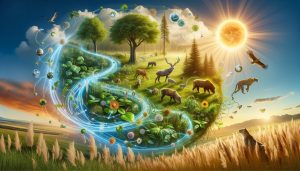
Parasitism in ecology reveals a complex web of relationships where one organism benefits at the expense of another. This phenomenon, often perceived as the “dark side” of nature, underscores the delicate balance in ecosystems and highlights the struggle for survival among species. Understanding parasitism is crucial, as it not only impacts biodiversity but also affects ecological health and human activities, from agriculture to wildlife conservation. By exploring the unique adaptations and strategies of parasitic organisms, we gain insight into their roles within the ecosystem. This deep dive raises important questions about the interconnectedness of life and the implications of human actions on these fragile systems. Join us as we unravel the fascinating yet often overlooked world of parasitism, igniting curiosity and sparking a greater appreciation for the intricate ties that bind all living things.
What Is Parasitism in Ecology?
Parasitism plays a vital yet often misunderstood role in the intricate web of ecological relationships. Defined as a type of symbiosis, this interaction involves one organism-the parasite-deriving benefits at the expense of another, the host. While parasitism may carry negative connotations, it is a natural process that significantly influences population dynamics, community structure, and even ecosystem functioning. Understanding parasitism extends beyond just identifying the organisms involved; it delves into how these relationships can shape the survival strategies of both hosts and parasites throughout evolutionary history.
The impact of parasites extends to various organisms, including plants, animals, and even humans. For instance, parasitic worms can greatly affect the health and reproductive success of their hosts. In some cases, hosts may evolve defenses against parasites, while parasites develop more sophisticated mechanisms to evade these defenses. This ongoing evolutionary arms race exemplifies not only the complexity of ecological relationships but also the resilience and adaptability of various species. By studying such interactions, scientists gain insight into the health of ecosystems and can better understand the balance necessary to sustain biodiversity.
Recognizing the role of parasites also encourages a more holistic view of natural systems. Rather than viewing these organisms solely as harmful, embracing an understanding of their ecological roles can foster a broader appreciation for the interconnectedness of life. For individuals keen on eco-conscious living, this perspective emphasizes the importance of maintaining healthy environments where both hosts and parasites can coexist in balance, highlighting the intricate ties that bind all living things in our ecosystems.
Types of Parasitism: Exploring Mutualism and Commensalism
Understanding the dynamics of ecological relationships extends beyond simple definitions to encompass a spectrum of interactions. Two of the most compelling forms of symbiosis are mutualism and commensalism, which can shed light on how organisms navigate their ecosystems. Mutualism is a relationship in which both participants benefit, creating a partnership that enhances survival and reproductive success for both. Classic examples include bees pollinating flowers while collecting nectar; in this interaction, bees gain food, while plants achieve successful reproduction.
In contrast, commensalism describes a one-sided benefit where one organism thrives, and the other remains unaffected. A prime example is barnacles adhering to the shells of turtles. The barnacles gain a mobile substrate for feeding on plankton, while the turtle is largely indifferent to their presence. This relationship illustrates how diverse ecological interactions can shape the patterns of life in various environments.
By exploring these symbiotic relationships, we can appreciate the intricacies of ecosystems. Understanding mutualism and commensalism reveals how interconnected nature is, reminding us that each organism, no matter how small, plays a crucial role. Embracing this knowledge encourages eco-conscious living, where awareness of biodiversity fosters respect and responsibility toward sustaining the natural world. Here are some practical actions you might consider:
- Support local pollinators: Plant native flowers to attract bees and butterflies, promoting mutualistic relationships that sustain our ecosystems.
- Encourage wildlife habitats: Create environments in your backyard that allow for diverse species to thrive, recognizing the role of commensal organisms.
- Educate others: Share insights about these ecological roles and foster discussions that highlight the importance of all interactions in nature.
Recognizing the beauty and complexity of these relationships empowers us to make informed choices that positively impact our planet.
The Ecological Role of Parasites in Ecosystems
Parasites may conjure images of pestilence and discomfort, but they play a crucial ecological role in shaping ecosystems and maintaining balance. By preying on various organisms, parasites influence population dynamics and can drive evolutionary changes among host species. This intricate relationship is essential to understanding how ecosystems function, as parasites can regulate species populations and promote biodiversity.
Parasites often act as agents of natural selection, exerting pressures that encourage host species to evolve. For instance, the presence of a parasitic organism can lead to varying immune responses among hosts, effectively filtering out individuals that are less adapted to survive. This can result in a more resilient population over time. Additionally, parasites can contribute to nutrient cycling within ecosystems; for example, when parasites infect a host, they can alter the host’s behavior or physical condition, influencing its role in food webs and nutrient dynamics.
Moreover, parasites can foster diversity by creating niches for other organisms. Parasitic relationships often lead to co-evolutionary dynamics that result in a rich tapestry of life. As hosts evolve defenses against parasites, some parasites may adapt by becoming more specialized or shifting their focus to new hosts, which can introduce new species into an ecosystem and enhance overall biodiversity. Understanding these relationships highlights the interconnected nature of life and the importance of each organism, regardless of its perceived value or role.
To preserve this delicate balance, engaging in eco-friendly practices can support healthy ecosystems. Here are a few practical steps you can take:
- Maintain diverse habitats: Plant a variety of native species in your garden to encourage a range of wildlife interactions, including the presence of natural predators that can help control parasite populations.
- Avoid chemical pesticides: These can disrupt the natural balance of ecosystems and harm beneficial organisms, including those that keep parasite populations in check.
- Support biodiversity through conservation: Participate in or donate to local conservation efforts that aim to protect natural habitats and the intricate relationships within them.
By recognizing the valuable role of parasites in ecosystems, we can develop a deeper appreciation for biodiversity and the complex interdependencies that sustain life on our planet.
How Parasitism Affects Host Species Survival
Parasitism represents a fascinating but often distressing aspect of ecological relationships, where one organism relies on another for sustenance at the host’s expense. This dynamic can have profound implications for the survival of host species. For instance, when a host is invaded by a parasite, it can suffer from reduced fitness, which encompasses its overall health, reproductive success, and ability to evade predators. A classic example is the relationship between the parasitic wasp Cotesia glomerata and the caterpillar Pieris rapae. The wasp larvae, which develop inside the caterpillar, ultimately compromise the host’s ability to grow and thrive, demonstrating how deeply intertwined and detrimental such relationships can be.
The effects of parasitism extend beyond individual hosts, influencing populations and communities within ecosystems. Infected hosts may experience changes in behavior; for example, they might decrease their foraging or hide more often, thereby reducing their chances of mating and passing on genetic material. These behavioral shifts can result in population declines, altering the community structure and dynamics, which can have cascading effects on biodiversity. For instance, when a common prey species is significantly weakened by parasitism, it may lead to a decline in predator populations reliant on them, illustrating the interconnectedness of these relationships.
Understanding how these dynamics function can empower us to engage in more sustainable practices that can mitigate the effects of parasitism on various species. Promoting the health of ecosystems through practices such as creating wildlife corridors can enhance the resilience of host species against parasitic infections. Furthermore, education around avoiding the introduction of non-native species-often carriers of parasites not found in local ecosystems-can significantly impact maintaining equilibrium within habitats.
By appreciating the delicate balance of life, we can make informed choices that sustain not only the species around us but contribute to the overall health of our environments. It is crucial to ensure that ecosystems remain robust and capable of supporting diverse species interactions, reinforcing the notion that even the darkest sides of nature serve a critical purpose in the broader narrative of life on Earth.
The Impact of Parasitism on Biodiversity
Parasitism, often viewed as a detrimental force in nature, plays a surprisingly complex role in shaping biodiversity. It’s a persistent thread in the fabric of ecosystems, influencing everything from population dynamics to species interactions. When parasites invade host organisms, they can initiate a cascade of effects that ultimately reshapes community structures. For example, a parasitic infection can reduce the fitness of its host, leading to population declines that ripple through the food web. In situations where a dominant host species faces increased mortality due to parasitism, this can open up ecological niches for other species, potentially enhancing biodiversity in some contexts.
The relationships forged through parasitism can drive evolutionary changes, as hosts develop defenses against their parasites over time. This evolutionary “arms race” can lead to increased specialization and diversity among both hosts and their parasites. For instance, in marine environments, parasites that infect fish can lead to the emergence of cleaner fish species that remove these parasites, fostering a complex interaction that promotes diversity. Such dynamics illustrate how parasitism can act as a motivator for evolutionary change, pushing species to adapt, innovate, and survive.
Moreover, ecosystems thriving with a balanced parasitic presence often reflect higher overall biodiversity. Healthy populations of parasites can regulate host numbers, preventing any one species from dominating an ecosystem and allowing for a greater range of other species to flourish. This balance contributes to the resilience of ecosystems, enhancing their capacity to withstand disturbances like climate change or habitat loss.
To foster healthier ecosystems, we can support biodiversity by protecting natural habitats and promoting sustainable practices. Simple actions, such as reducing the use of chemicals in gardening and supporting local wildlife habitats, can help maintain the delicate balance between hosts and parasites. By understanding the vital role of parasitism, we can appreciate how interconnected and dynamic our natural world truly is, reminding us that every organism-regardless of its role-is essential to the grand tapestry of life.
Parasites and Their Influence on Food Webs
The intricate web of life is a testament to the dynamics of ecological relationships, where parasites play a pivotal yet often misunderstood role. Food webs, intricate networks that depict who-eats-who in an ecosystem, are influenced significantly by the presence of parasites. These organisms can alter food web interactions, sometimes leading to profound ecological consequences. By impacting host population dynamics, parasites indirectly affect the abundance and distribution of species throughout the food web.
When parasites invade host species, they don’t just affect those individuals; they can cause cascading effects throughout the community. For instance, when a parasite causes a decline in its host population, it opens up opportunities for other species, hence reshaping community structure. This can benefit adaptive species that might otherwise struggle. The presence of parasites may also lead to increased competition among species, as those remaining must vie for the same resources in a changing environment. This dynamic can enhance biodiversity, as varied species exploit different niches within the food web.
Moreover, the influence of parasites can extend to higher trophic levels. Predators that rely on infected prey may experience alterations in their foraging strategies. For example, if a parasite alters the behavior of its host-such as making fish less wary of predators-this could lead to increased predation on those hosts by fish-eating birds. Such interactions highlight the importance of understanding parasites as integral components of ecological systems, rather than simply harmful agents.
In recognizing the role of parasites, considerations can extend into conservation efforts. Maintaining healthy levels of parasitism can promote ecosystem resilience, contributing to biodiversity that may help ecosystems withstand environmental changes. Simple lifestyle choices-like supporting biodiversity in local gardens and minimizing chemical use that could harm essential parasitic relationships-can help uphold the delicate balance in food webs. By seeing parasites as valuable participants in ecological interactions, we foster a deeper appreciation for the complexity and interconnectedness of nature.
The Evolutionary Arms Race: Hosts vs. Parasites
The dynamic interplay between hosts and parasites is a prime example of an evolutionary arms race, where both parties constantly adapt in response to each other’s strategies. For every mechanism that a parasite employs to exploit a host, there evolves a corresponding counter-strategy by the host. This ongoing battle can significantly influence the evolutionary course of both species involved. A striking illustration is seen in the relationship between the immune systems of animals and the pathogens that infect them. Hosts develop intricate immune responses, while parasites evolve sophisticated strategies to evade detection or suppress these defenses, creating a multifaceted tug-of-war defined by survival pressures.
The diverse outcomes of this arms race can lead to remarkable adaptations. For instance, many plants produce toxic compounds to deter herbivores and insects, yet some parasites develop the means to tolerate or even benefit from these toxins, allowing them to thrive where others cannot. Additionally, the sexually transmitted disease (STD) systems in animals exemplify this interaction: as hosts evolve better immunity to specific diseases, parasites may shift strategies, resulting in an endless cycle of defensive and offensive adaptations.
Understanding this evolutionary battle not only showcases the complexity of ecological interactions but also emphasizes the importance of biological diversity. A richer diversity in ecosystems can lead to a higher complexity of interactions, creating various niches and pathways for hosts and parasites to influence one another. This interconnectedness serves as a reminder of how essential it is to maintain biodiversity in our environments, as healthy ecosystems are more resilient in the face of challenges imposed by parasitism and other ecological pressures.
As we navigate our ecological responsibilities, fostering awareness about these relationships can empower individuals to advocate for biodiversity. Supporting local wildlife, protecting natural habitats, and practicing sustainable farming can help maintain the delicate balance between hosts and parasites, ensuring that both can coexist and thrive in harmony. By appreciating the roles these organisms play, we can cultivate a more profound respect for the ecosystems that support life on Earth.
Case Studies: Notable Examples of Parasitism
The world of parasitism is filled with remarkable examples that illustrate the intricate relationships existing in nature. One striking case is that of the hairworm (Spinochordodes tellinii), a parasite that manipulates its host, usually a grasshopper, to jump into water, where it can then emerge and reproduce. This incredible manipulation showcases not just how parasites can control their hosts but also highlights the lengths to which they will go to complete their life cycle.
Another notable example can be found in the realm of trophically transmitted parasites, such as the larval flatworms (Echinostoma spp.), which infect snails. When these parasites alter the behavior of their snail hosts to make them more visible to birds – their next host in the life cycle – the flatworms ensure their own transmission. This fascinating interplay between predator and prey underscores the complexity of food webs and the significant influence parasites have within these systems.
The Role of Cuckoo Birds
The cuckoo bird serves as another exemplary case of parasitism. Known for their brood parasitism, cuckoos lay their eggs in the nests of other bird species, leaving the unsuspecting hosts to raise the cuckoo chick as their own. This deception not only takes advantage of the parental care of another species but also places the host’s own offspring at risk. Cuckoos have even evolved to mimic the appearance of the host’s eggs to increase their chances of successful brood parasitism, illustrating the ongoing evolutionary arms race between hosts and parasites.
Contagious Caprice: The Case of Toxoplasma gondii
Toxoplasma gondii, a particularly intriguing parasite, infects a variety of warm-blooded animals, including humans. While typically harmless, T. gondii manipulates the behavior of infected rodents to make them less fearful of cats, its definitive host. This manipulation not only highlights the complex nature of parasitic relationships but also raises awareness about the potential impacts on host behavior and, in turn, ecosystems.
These case studies serve as a lens through which we can appreciate the complexity of ecological systems and the delicate balance required for species interactions. Understanding these relationships can inspire individuals to advocate for biodiversity, support wildlife conservation, and foster healthier ecosystems, where both hosts and parasites play vital roles in maintaining ecological balance. By recognizing the intrinsic value of these often-overlooked interactions, we can make informed choices that promote environmental health and sustainability.
Human Impact on Parasitic Relationships
The complex interplay between humans and parasites reveals how our activities can dramatically alter parasitic relationships in various ecosystems. Urban expansion, agricultural practices, and even climate change have catalyzed shifts in parasite-host dynamics, often leading to unintended consequences for both wildlife and human health. For instance, the clearing of forests for agriculture increases habitat fragmentation, which can expose wildlife to new parasites or allow existing ones to thrive due to altered host populations. A notable example is the rise of deer populations in suburban areas, which has been linked to increased incidence of Lyme disease, a tick-borne illness.
Moreover, human behavior often exacerbates the spread of parasites. The introduction of non-native species, whether inadvertently through global trade or intentionally for sport or agriculture, can upset the balance in ecosystems. These invasive species may not have natural predators in their new environment, allowing them to flourish and potentially introduce new parasites or diseases to native wildlife. For example, the introduction of the brown tree snake in Guam has not only devastated local bird populations but has also brought with it parasites that threaten other native species.
Mitigating Human Impact
To mitigate these impacts, a proactive approach is essential. Community engagement in conservation efforts is crucial. Individuals can support local biodiversity initiatives, participate in habitat restoration projects, and advocate for sustainable land-use practices that respect ecological balance. Simple actions like planting native species in gardens can create habitats that bolster local ecosystems, providing a buffer against invasive species and their associated parasites.
Additionally, adopting sustainable agricultural practices, such as organic farming and integrated pest management, can reduce reliance on harmful chemicals that disrupt local wildlife, including their parasites. This not only promotes a healthier environment but also supports the delicate balance of predator-prey interactions that are vital for ecosystem health.
The stewardship of our natural environments is a shared responsibility. By making informed choices-like supporting eco-friendly businesses, reducing waste, and minimizing resource consumption-each individual can contribute to a healthier planet, fostering coexistence with the myriad life forms that share our ecosystem, including the often-overlooked parasites that play critical roles in nature.
Preventing and Managing Parasite-Related Issues
Understanding how to prevent and manage parasite-related issues is essential for maintaining ecological balance and human health. Parasites, while often seen as detrimental, play vital roles in ecosystems. However, their unchecked growth can lead to significant challenges for both wildlife and humans. Taking proactive steps can help mitigate these effects and promote healthier environments.
One effective strategy involves promoting biodiversity within ecosystems. Diverse plant and animal populations can help dilute the impact of parasites by creating a more complex food web, making it harder for parasites to establish a stronghold. Homeowners can contribute by cultivating native plants in gardens, which not only support local wildlife but also create habitats that are less susceptible to invasive parasites. Engaging in community gardening or restoration projects can amplify these benefits on a larger scale.
Education and Awareness are crucial in addressing parasite-related issues. Understanding the life cycles of common parasites, such as ticks or mosquitoes, allows individuals to take specific preventive measures. For example, wearing appropriate clothing and using insect repellent during outdoor activities, coupled with regular inspections for ticks after hikes, can significantly reduce exposure. Additionally, educating oneself on how to properly dispose of waste and treat soil can prevent parasites like roundworms from contaminating vegetable gardens.
Integrated Pest Management
A holistic approach like Integrated Pest Management (IPM) can also be incredibly effective. This strategy incorporates a range of practices to control pest populations while minimizing environmental impact. Some key components of IPM include:
- Monitoring Pest Populations: Regularly check for pest occurrences to implement control measures early.
- Biological Control: Promote natural predators of parasites, which can help keep their populations in check.
- Cultural Control: Modify farming practices to make the environment less favorable for parasites, such as rotating crops or adjusting planting times.
- Mechanical Control: Use physical barriers or traps to reduce parasite numbers.
By integrating these methods, communities can reduce their reliance on chemical pesticides, which in turn helps protect both the environment and human health.
Implementing these strategies not only assists in managing parasitic threats but also fosters a greater sense of responsibility and connection to our environment. As individuals and communities actively partake in these preventive measures, they contribute to fostering a healthier ecosystem that supports all forms of life, including the often-maligned parasites that have important roles to play in the natural world.
Future Trends in Parasitism Research and Ecological Health
As the complexities of ecosystems become increasingly understood, future research in parasitism is poised to unlock new insights into the delicate balance of health within our environments. Emerging studies are focusing on the intricate relationships between parasites and their hosts, highlighting the role of parasites not merely as harmful organisms but as crucial players in sustaining biodiversity. For instance, research is being directed towards understanding how specific parasite-host interactions can influence population dynamics, which offers potential strategies for managing wildlife populations and maintaining ecological integrity.
One notable trend involves the use of advanced technologies, such as genomics and bioinformatics, to decode the life cycles and transmission pathways of parasites. These tools enable scientists to analyze genetic data from both hosts and parasites, contributing to a better grasp of evolutionary adaptations and resilience mechanisms. Such research could inform conservation efforts by identifying vulnerable species and predicting how changing environmental conditions-such as climate change-may affect parasitic relationships and ecosystem health.
In addition, a growing focus on holistic management practices, especially in agriculture, emphasizes the integration of ecological principles into pest management strategies. This includes promoting biodiversity through agroecological practices, which not only manage parasite populations but also enhance soil health and promote ecosystem resilience. As farmers adopt more sustainable practices, the use of biological control agents, such as beneficial insects, is likely to increase, reducing reliance on chemical pesticides and fostering healthier ecosystems.
Furthermore, interdisciplinary collaborations are fostering innovative approaches to handling the challenges posed by parasites. For example, public health initiatives are increasingly recognizing the links between biodiversity protection and disease prevention. By protecting ecosystems and their biological diversity, we can mitigate the risks associated with emerging infectious diseases linked to parasites. Education and community engagement play pivotal roles in these efforts, informing individuals about the importance of parasites in ecosystems and encouraging actions that promote living in harmony with nature.
By staying informed about these emerging trends and embracing sustainable practices, individuals and communities can contribute to healthier ecosystems and, by extension, improved human health. Emphasizing the interconnectedness of life on Earth, future parasitism research aims not only to unravel the complexities of these relationships but to highlight the importance of fostering respectful coexistence with all forms of life.
Q&A
Q: What are the different types of parasitism in ecology?
A: Parasitism in ecology includes several types, such as ectoparasitism, where parasites live on the host’s exterior, and endoparasitism, where they inhabit the host’s interior. Understanding these distinctions helps clarify their impact on host health and ecosystem balance, as explained in the article’s section on types of parasitism.
Q: How do parasites contribute to ecosystem health?
A: Parasites play a crucial role in regulating host populations, which can prevent overpopulation and maintain biodiversity. They help sustain food web dynamics, ensuring healthier ecosystems, as discussed in the section on the ecological role of parasites in ecosystems.
Q: What are the evolutionary adaptations of parasites and hosts?
A: Parasites and hosts undergo an evolutionary arms race, with hosts developing defenses while parasites evolve more effective strategies to bypass these defenses. This ongoing adaptation creates a dynamic balance that affects species survival and ecological relationships.
Q: How can parasitism affect human health?
A: Parasitism can have significant implications for human health, particularly through zoonotic diseases that transfer from animals to humans. Awareness of this impact is vital for disease prevention and control, emphasizing the need for effective management strategies.
Q: Why is studying parasitism important for biodiversity conservation?
A: Studying parasitism is essential for understanding species interactions and ecosystem dynamics, helping conservationists develop strategies to protect biodiversity. By recognizing the role of parasites, conservation efforts can enhance ecological resilience.
Q: What are some examples of common parasites and their hosts?
A: Common parasites include ticks on mammals, tapeworms in humans, and mistletoe on trees. Each example illustrates the complex interactions and dependencies in ecosystems, providing insight into how parasitism influences host health and ecosystem stability.
Q: How does climate change affect parasitic relationships?
A: Climate change can alter host availability and habitat conditions, impacting the distribution and life cycles of parasites. These changes may lead to increased parasite prevalence and novel interactions, which can disrupt existing ecological balances.
Q: What methods can be used to manage parasite-related issues in agriculture?
A: Integrated Pest Management (IPM) combines biological, cultural, and chemical strategies to control parasites in agriculture sustainably. Implementing IPM can minimize harm to the ecosystem while effectively managing parasite populations, demonstrating a balanced approach to agricultural health.
Closing Remarks
Understanding parasitism not only highlights the complex relationships within ecosystems but also encourages us to reflect on our impact within these natural bonds. As you delve deeper into ecology, consider exploring related topics such as biodiversity and ecological footprints to fully grasp the intricate web of life. Ready to take action? Sign up for our newsletter to stay updated on sustainable living tips and expert insights that empower you to make informed choices for a healthier planet.
If you’re eager to learn more about how parasitism affects environmental balance, check out our article on mutualism and the delicate give-and-take of nature. Engaging with these resources will not only enhance your knowledge but also support your journey toward eco-conscious living. Your contribution matters-join the conversation and share your thoughts in the comments below! Together, we can embrace a greener future.