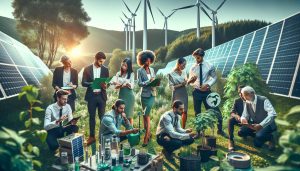
In an age where environmental crises permeate our daily lives, understanding political ecology becomes ever more essential. At its core, political ecology examines the complex interplay between power structures, natural resources, and social justice. This approach highlights how political decisions fundamentally shape our environment, affecting marginalized communities disproportionately. As climate change and ecological degradation escalate, so does the urgency for individuals to explore how their choices impact the planet and society. By delving into political ecology, readers will uncover the interconnectedness of ecological issues and social equity, empowering them to advocate for sustainable practices that foster a more equitable world. Join us as we navigate this crucial discourse, discovering how informed actions can lead to transformative change in our communities and beyond.
Understanding Political Ecology: A Comprehensive Overview
Political ecology examines the dynamic relationship between politics, society, and the environment, revealing how power structures influence environmental decision-making and resource management. As climate change accelerates, it’s becoming increasingly vital to understand this interplay, as it directly affects the livelihoods of many communities, particularly those facing environmental degradation. By recognizing the underlying power relations that govern environmental policies, individuals and organizations can advocate for more equitable and sustainable outcomes.
The concept of ecological footprints provides a tangible measure of how our lifestyles affect the planet. This metric emphasizes the importance of reducing consumption in developed nations while supporting sustainable practices across the globe. For example, individuals can take proactive steps to reduce their ecological footprint by adopting practices such as minimizing single-use plastics, choosing local and seasonal foods, and investing in renewable energy solutions like solar panels. Each of these choices contributes to a collective effort to protect natural resources and promote environmental equity.
Moreover, political ecology inspires a sense of global responsibility, urging communities to engage in activism and support policies that advocate for environmental justice. Local movements have demonstrated that collective action can effectively challenge systemic injustices. From indigenous land rights campaigns to urban gardening initiatives, these examples illustrate how communities can mobilize resources and influence policy to address environmental issues.
In practical terms, engaging with political ecology can manifest in our daily lives through sustainable practices and conscious consumption choices. For instance, choosing eco-friendly products, participating in local clean-up efforts, and advocating for policy changes at the local level are all ways to contribute towards a more just and sustainable world. By understanding and acting on the principles of political ecology, we can begin to harmonize our interactions with nature with our social justice aspirations, ultimately fostering a more equitable future for all.
The Interconnection Between Power and Nature
The intricate relationship between power dynamics and natural environments is often overlooked, yet it fundamentally shapes our world. Across various cultures and regions, the allocation of resources, land management practices, and environmental policies are frequently dictated by socio-political hierarchies. This interconnectedness between power and nature illustrates how institutions and individuals wield significant influence over ecological outcomes, often with implications for social justice and equity.
When we examine the politics of resource distribution, it becomes evident that marginalized communities frequently bear the brunt of environmental degradation. For instance, industrial activities like mining or agriculture not only exploit natural resources but also encroach upon local habitats, leading to biodiversity loss and pollution. This downward spiral often exacerbates inequalities, as those with less political clout – such as indigenous populations – struggle to defend their rights to land and clean environments. By recognizing these power imbalances, we can take steps to advocate for more inclusive and sustainable resource management approaches.
However, understanding power relations in environmental contexts also opens avenues for change. Grassroots movements advocating for environmental justice showcase how local voices can challenge dominant narratives and policies. Initiatives like community-led reforestation efforts or urban agriculture projects not only fight against ecological degradation but also empower communities to reclaim agency over their environments. These examples underscore the potent role of activism in reshaping the balance of power between individuals, communities, and larger political entities.
To foster a more equitable relationship between society and nature, we must engage with these concepts daily. Individuals can support local environmental efforts, participate in advocacy, or simply educate themselves and others about the socio-political contexts surrounding ecological issues. By bridging personal action with broader political awareness, we can collectively challenge the existing power structures that dictate ecological outcomes, paving the way for a more just and sustainable future.
Social Justice Implications in Political Ecology
Marginalized communities often find themselves at the sharp end of environmental challenges, facing not only the consequences of ecological neglect but also the systemic injustices that exacerbate their plight. This phenomenon highlights the critical intersection of social justice and political ecology. For instance, the extraction of resources like minerals and fossil fuels frequently occurs on lands inhabited by indigenous populations, leading to environmental degradation that directly impacts their livelihoods and health. These communities, lacking political power, struggle to defend their rights against powerful industries, illustrating a stark reality: social equity and environmental health are intrinsically linked.
The framework of political ecology encourages a deeper examination of how power dynamics shape environmental policies and practices. It underscores that environmental issues are not mere technical problems but are inextricably tied to social structures. Environmental degradation often disproportionately affects poorer communities by exposing them to pollution, destruction of local ecosystems, and climate change impacts. For example, in many urban areas, low-income neighborhoods are subjected to higher levels of industrial emissions and waste, contributing to health disparities and diminished quality of life. Addressing these injustices requires advocacy for policies that prioritize not only ecological restoration but also the empowerment of affected communities.
Local activism emerges as a crucial avenue for promoting social justice within the realm of political ecology. Grassroots movements, often led by those most affected by environmental injustices, highlight the power of collective action. Whether it’s community-driven initiatives for waste reduction, local food systems, or urban green spaces, these efforts emphasize that sustainable practices must include social equity. As communities organize to reclaim their rights to clean air, water, and healthy environments, they not only challenge existing power imbalances but also promote a vision of sustainability that considers the needs of all people.
Incorporating social justice principles into environmental advocacy opens pathways for more inclusive decision-making processes. Encouragingly, individuals can participate by supporting businesses that prioritize ethical practices, voting for policies that advocate for equitable resource distribution, and elevating the voices of marginalized groups in environmental discussions. By fostering a culture of mutual respect and advocacy, every action taken can contribute to a more just relationship between people and the planet, paving the way for sustainable futures that honor the dignity and rights of all communities.
Historical Context of Political Ecology
The evolution of political ecology can be traced back to significant socio-political movements and theoretical advancements that emerged in the late 20th century. This field examines the intricate relationships between ecological systems and social structures, highlighting how power dynamics influence environmental policies and practices. Understanding this historical context is crucial for grasping its relevance today, particularly in addressing modern challenges like climate change and social inequality.
Political ecology gained traction in the 1970s and 1980s as environmental issues began to intersect more visibly with social justice concerns. Scholars like Eric Wolf and William Cronon argued that environmental degradation could not be understood without considering the social, economic, and political contexts that drive human interaction with nature. Their work prompted a shift from purely ecological approaches to more comprehensive frameworks that emphasize the role of power in shaping human-environment relationships. As a result, political ecology emerged not only as an academic discipline but also as a vital lens for analyzing real-world environmental struggles, particularly in developing countries where marginalized communities often bear the brunt of ecological crises.
The 1990s saw the rise of grassroots movements advocating for environmental justice, further pushing political ecology into the mainstream. Activists highlighted how industrialization, globalization, and state policies disproportionately impacted poorer communities, particularly communities of color and indigenous groups. This activism led to the recognition that environmental policies must incorporate voices from those most affected by ecological degradation. The concept of “environmental racism” emerged, drawing attention to the systematic exclusion of marginalized groups from environmental decision-making processes and the negative impacts they face due to environmental neglect.
In contemporary discussions, political ecology serves as a vital framework for understanding issues such as climate change, biodiversity loss, and resource conflicts. It encourages critical evaluation of which groups benefit from environmental policies and who is left vulnerable. This approach fosters a more equitable dialogue about sustainability, urging individuals to reflect on their roles within larger socio-political systems. Engaging with historical contexts enables us to appreciate the complexities of our current environmental landscape and inspires collective action to ensure that all voices are included in shaping our futures.
By recognizing our interdependence with both natural systems and social justice, individuals can contribute to a more equitable and sustainable world. Supporting local environmental initiatives, advocating for equitable policies, and educating oneself on the histories of marginalized communities affected by ecological issues can empower everyone to participate actively in political ecology.
Key Theoretical Frameworks and Concepts
Political ecology serves as a potent lens through which we can examine the complex interplay of power, environment, and social structures. It integrates various theoretical frameworks and concepts that enable a deeper understanding of the socio-political forces shaping environmental issues. At its core, it addresses how different groups negotiate control over resources and how these negotiations impact both human and ecological systems.
One significant framework in political ecology is environmental justice, which argues that everyone should have a fair say in environmental decision-making processes, particularly marginalized groups often impacted by ecological degradation. This concept is not merely theoretical; it manifests in various movements worldwide where communities organize to combat pollution, displacement, and resource exploitation. These grassroots efforts underscore the notion that environmental issues are inherently tied to social equity and justice.
Another critical concept is the idea of scale in environmental governance. This framework posits that ecological issues can be understood at local, national, and global levels, each presenting unique challenges and opportunities. For example, local agricultural practices may reflect broader global market trends, which can exacerbate resource inequality. Understanding the scale allows activists and policymakers to craft more effective and context-sensitive responses to environmental crises.
Furthermore, the concept of sustainability is central to political ecology, emphasizing not only the need for ecological balance but also for social viability. Sustainable practices are those that meet the needs of the present without compromising the ability of future generations to meet theirs. This holistic approach encourages individuals and communities to make informed choices, whether it’s through adopting green technologies, engaging in sustainable farming practices, or supporting fair trade movements.
These theoretical frameworks not only enhance our understanding of environmental issues but also empower us to take action. By bridging the gap between theory and practice, individuals can advocate for systemic changes that prioritize not just ecological health but social justice as well. Embracing these concepts can lead to a more equitable and sustainable future, encouraging everyone to be active participants in their communities and the world.
Case Studies: Real-World Applications
Within the multidimensional framework of political ecology, real-world applications abound, proving that the integration of social justice, environmental considerations, and power dynamics can lead to significant change. One striking case is the community-led initiative in Cochabamba, Bolivia, known as the “Water War.” In 2000, the Bolivian government privatized the water supply, which resulted in skyrocketing prices and widespread protests. The local population, led by farmers and indigenous groups, successfully mobilized against the privatization, emphasizing the importance of water as a common good rather than a profit-driven commodity. This grassroots movement not only restored public control over the water resources but also highlighted the intersection of economic rights and environmental stewardship, serving as a powerful example of how communities can reclaim their rights through collective action.
Another illustrative example is the global movement against palm oil production, particularly in Southeast Asia. The rapid expansion of palm oil plantations has led to severe deforestation, loss of biodiversity, and displacement of local communities, particularly indigenous peoples. Activists and environmental organizations have raised awareness regarding the unsustainable practices associated with palm oil and pressured companies to adopt responsible sourcing policies. This pressure has prompted major corporations to commit to zero-deforestation targets and to invest in sustainable palm oil initiatives, demonstrating the profound impact that informed consumer choices and organized advocacy can have on corporate practices and environmental standards.
Urban environmental justice initiatives also exemplify political ecology in action. In cities across the United States, communities have come together to confront pollution and lack of green spaces. Organizations such as the Environmental Justice Alliance have collaborated with local residents to advocate for cleaner air and increased access to parks. These movements underscore the crucial role that local knowledge and leadership play in addressing environmental inequalities. By grounding their strategies in the lived experiences of the community members, they effectively communicate their needs and aspirations to policymakers, resulting in tangible improvements to the urban environment.
Finally, the rise of regenerative agriculture practices showcases another significant application of political ecology. Farmers, often working alongside environmentalists, are adopting methods that restore soil health, increase biodiversity, and sequester carbon while challenging industrial agriculture’s dependency on chemical inputs. This holistic approach not only contributes to local food systems but also addresses broader issues of climate change and economic resilience. Through education and advocacy, these initiatives inspire stronger connections between farming practices, food sovereignty, and ecological health-proving that sustainable living is both a necessary and attainable goal.
These case studies highlight the efficacy of political ecology in fostering sustainable practices and encouraging social justice. By examining and learning from these real-world applications, individuals can engage more thoughtfully with their environments, recognizing their role within a larger ecosystem and the interconnectedness of their actions with community well-being and ecological health.
The Role of Activism in Political Ecology
Activism serves as a catalyst for change in the realm of political ecology, drawing attention to the intricate relationships between environmental degradation, social justice, and power dynamics. The passion and commitment of activists mobilize communities to challenge inequitable practices and policies that disproportionately affect vulnerable populations. For instance, consider the tireless work of indigenous activists who have long defended their lands from exploitative industries. Their struggles often shed light on the exploitation of resources and the cultural significance of land, creating a powerful narrative that resonates globally. By elevating their voices, these activists not only fight for their rights but also contribute to broader conversations about sustainability and ecological integrity.
The impact of activism can also be seen in localized campaigns that advocate for policy changes addressing environmental injustices. In urban areas, grassroots organizations work to empower residents in low-income neighborhoods, where pollution and lack of green spaces are prevalent. They promote initiatives like community gardens and urban farming, which not only improve local food security but also foster a sense of community ownership and environmental stewardship. By harnessing community knowledge and encouraging participation, these activists highlight the importance of collective action and local agency in addressing environmental challenges.
Moreover, the rise of digital activism has revolutionized how people engage with political ecology. Social media platforms facilitate rapid information sharing and mobilization, enabling campaigns like #FridaysForFuture, which has inspired youth globally to demand action on climate change. This digital landscape allows for the spread of educational resources, helping individuals understand their ecological footprints and the impact of consumer choices. Activism in the digital age emphasizes that every action counts, encouraging individuals to adopt sustainable habits, such as reducing single-use plastics or supporting ethical brands.
As the planet faces pressing challenges-from climate change to biodiversity loss- remains critical. It inspires individuals to foster awareness, advocate for systemic change, and build resilient communities. By engaging with activism, whether through local initiatives or global movements, people can contribute to a more equitable and sustainable future. Embracing eco-conscious living starts with understanding that everyone has a role to play; small actions can lead to significant shifts when combined with collective effort and advocacy.
Intersectionality: Gender, Race, and Environment
Recognizing the intricate connections between gender, race, and the environment reveals the multifaceted nature of social justice within political ecology. The challenges faced by marginalized groups, such as women and people of color, are not uniformly experienced but are shaped by a combination of socio-economic, cultural, and political factors that influence access to resources and participation in environmental decision-making. For instance, women in rural communities often experience heightened vulnerability to climate change, such as droughts and floods, that disproportionately affect their livelihoods and food security. Since they are frequently the primary caregivers and food providers, their roles in managing natural resources are crucial yet often overlooked.
The concept of intersectionality provides a useful framework for understanding these dynamics. This approach emphasizes that individual identities, rather than being separate or additive, intersect in ways that create unique experiences of privilege and oppression. For example, a Black woman facing environmental injustices may encounter barriers not only due to her gender but also owing to her race, impacting her ability to access clean air, safe drinking water, and equitable land use. This interconnectedness underscores the necessity for inclusive policymaking that actively incorporates diverse voices.
Local activism can provide powerful examples of how intersectionality operates in practice. Consider movements such as the one led by the Indigenous Women of the Americas, who advocate for the protection of sacred lands while also addressing issues like violence against women and systemic racism. Their work highlights how defending the environment intersects with broader struggles for social and racial justice, and the importance of centering the voices of those most affected in environmental governance.
To engage with these concepts in everyday life, individuals can start by educating themselves on the systemic issues impacting marginalized communities, seeking to understand the histories and cultures that shape their experiences with the environment. Supporting organizations that focus on intersectional environmental justice, advocating for policies that promote equity, and incorporating sustainable practices that honor diverse identities in the community can create meaningful change. Whether it’s through participating in local advocacy or simply adjusting personal consumption habits to prioritize products from ethically sourced companies, everyone can contribute to a fairer and more equitable future for our planet.
Policy Implications and Future Directions
As the complexities of our environmental crises deepen, the implications for policy and future directions in political ecology need urgent consideration. Governments, corporations, and communities find themselves at a crossroads where environment and social justice must intersect to create sustainable solutions for all. Adopting an integrative approach that emphasizes ecological integrity along with social equity is paramount. This means not only recognizing the need for stringent environmental regulations but also ensuring that marginalized communities have a voice in environmental policymaking.
In practical terms, policies should prioritize participatory governance, where local communities are involved in decision-making processes that affect their environments. For instance, incorporating indigenous knowledge systems has proven invaluable in sustainable resource management, as communities that have lived in harmony with their environments often possess insights that are overlooked by traditional scientific methods. Protecting biodiversity should not only revolve around species conservation but also include the preservation of traditional practices that support ecological balance.
Furthermore, future directions in political ecology must focus on fostering collaboration between sectors. By promoting interdisciplinary dialogue among environmental scientists, social activists, economists, and policymakers, we can create comprehensive strategies to tackle climate change, deforestation, and pollution. Education plays a critical role here; integrating ecological literacy into school curricula can empower the next generation to make informed choices about sustainability.
To support these policy shifts, individuals can engage in advocacy that holds policymakers accountable. This includes supporting legislation aiming at environmental justice, participating in community campaigns, or choosing to endorse businesses committed to sustainable practices. Collectively, these efforts can shape a future where social justice and environmental protection go hand in hand, ultimately leading to a resilient planet for generations to come. Embracing this holistic view of political ecology will not only foster responsible stewardship of our natural resources but also ensure that those most affected by environmental decisions are at the forefront of shaping policies that impact their lives and futures.
Addressing Global Issues Through Political Ecology
Amidst the myriad of challenges facing our planet, such as climate change, resource depletion, and social inequality, political ecology emerges as a crucial framework to comprehend and address these interconnected global issues. Acknowledging the intricate relationship between human societies and their environments allows us to recognize that environmental degradation often disproportionally affects marginalized communities, amplifying existing social injustices. The field explores how power dynamics, historical contexts, and economic inequalities manifest in ecological crises, offering insights into how transformative change can be achieved through grassroots action and policy advocacy.
To effectively tackle global issues through political ecology, it’s essential to prioritize sustainability practices that are both environmentally and socially responsible. This means opting for sustainable agriculture methods, such as agroecology, that not only increase food security but also support local economies and preserve biodiversity. By shifting away from industrial farming practices that deplete natural resources and exploit labor, communities can work toward food sovereignty-empowering them to dictate their food systems based on ecological integrity and cultural values.
Furthermore, integrative approaches that combine indigenous knowledge with modern environmental science are fundamental. Indigenous communities, often the primary stewards of biodiversity, hold valuable insights gained through centuries of interaction with their environments. By fostering collaborations that respect and incorporate indigenous methodologies, policies can evolve to be more effective and equitable. This not only safeguards ecosystems but also amplifies voices traditionally sidelined in environmental decision-making processes.
Action Steps for Individuals:
- Reduce Your Ecological Footprint: Choose products with minimal packaging, use energy wisely, and opt for public transport or cycling where possible.
- Support Ethical Brands: Seek out and endorse businesses committed to environmentally sustainable practices and fair labor standards.
- Get Involved Locally: Join community environmental groups focused on advocacy, education, or action to address local ecological and social issues.
By embracing these principles and actions, individuals can contribute meaningfully to global efforts aimed at achieving a just and sustainable future. Political ecology is not just a theoretical lens but a call to action that invites everyone to partake in redefining how we interact with our planet and each other. Through informed choices and collective efforts, we can drive the needed systemic changes that address both environmental degradation and social inequality, paving the way for resilient communities and ecosystems.
How to Engage with Political Ecology in Daily Life
Engaging with political ecology in your daily life might seem daunting, but simple, mindful choices can create a ripple effect of positive change. Understanding how our actions impact the environment and intersect with social justice can empower individuals to contribute to a more sustainable and equitable world. For instance, every product you choose carries an ecological footprint that contributes to broader environmental and social issues, from resource extraction to labor rights. By making informed decisions, you can actively participate in a movement that prioritizes both planet and people.
Practical Steps to Engage
Start by reducing your ecological footprint. This can be achieved by making small changes in your daily habits. Replace single-use plastics with reusable alternatives, such as shopping bags, water bottles, and containers. Additionally, opt for products with minimal packaging to help decrease waste. Consider your transportation choices: biking, walking, or using public transport can significantly mitigate carbon emissions.
Another impactful way to engage is to support ethical brands. Research companies that prioritize sustainability and fair labor practices. By choosing to buy from businesses that align with your values, you contribute to a market that emphasizes social responsibility. Look for certifications like Fair Trade, organic labels, or B Corps, which uphold rigorous standards for environmental and social performance.
Community Involvement
Getting involved locally can amplify your efforts. Join community groups focusing on environmental advocacy or education. Whether it’s a tree-planting initiative, a community garden, or local climate action planning, participating in these activities allows you to connect with like-minded individuals and drive collective impact. Additionally, you can engage in policy advocacy by contacting local representatives to support legislation that aligns with sustainable practices and social justice.
Incorporating these practices into your everyday life not only fosters sustainability but also empowers you to be an active participant in the broader dialogue surrounding political ecology. Remember, every action counts-what may feel like a small decision can contribute to significant change when multiplied by the efforts of a community committed to ecological and social justice. By coming together to make conscious choices, we can work towards a future where nature and society thrive in harmony.
Resources for Further Learning on Political Ecology
In a world increasingly aware of the interconnection between politics, ecology, and social justice, equipping yourself with knowledge is a vital step toward making a meaningful impact. There are numerous resources available that delve into political ecology, providing essential insights and practical guidance. Engaging with these materials can help you understand complex issues and empower you to take action.
Books and Articles
Start with foundational texts that explore the theoretical frameworks of political ecology. Key recommendations include:
- “Political Ecology: An Introduction” by Paul Robbins – This accessible book provides a solid introduction to the field, discussing key concepts and case studies.
- “The Political Ecology of Disease in Tanzania” by Meredeth Turshen – This book examines how environmental factors contribute to health disparities and the political dimensions of the environment.
- “Ecology, Economics, Ethics: Solutions to the Environmental Crisis” edited by Michael J. Northcott – This collection of essays explores various aspects of sustainability, ethics, and policy implications.
Additionally, academic journals such as the *Journal of Political Ecology* and *Ecological Economics* publish peer-reviewed articles that can deepen your understanding of ongoing research and the latest developments in the field.
Online Courses and Webinars
Many institutions offer online courses that tackle political ecology from various perspectives. Platforms like Coursera and edX provide options that cater to different interests, such as sustainable development and environmental justice. Look for courses that include hands-on projects or community engagement components to apply your learning practically.
Participating in webinars offered by environmental organizations can also be beneficial. Organizations like the International Society of Political Ecology (ISPE) host regular events featuring experts who discuss current topics and case studies in political ecology.
Community Resources
Local community centers often provide workshops and discussion groups focused on environmental and social justice issues. Joining these groups can facilitate networking with like-minded individuals and expose you to grassroots initiatives. Nonprofits such as Greenpeace and Friends of the Earth also offer activism resources and volunteer opportunities, helping you to engage directly with local and global environmental causes.
Making use of these resources not only enriches your understanding of political ecology but also motivates you to embrace more sustainable practices in daily life. With each step you take towards ecological awareness, you help weave a broader narrative of change that encompasses both environmental and social justice.
Q&A
Q: What is the significance of power dynamics in political ecology?
A: Power dynamics in political ecology highlight how social hierarchies influence environmental policies and practices. By examining these relationships, we can understand who benefits or suffers from ecological changes, thus shedding light on issues of inequality and justice in environmental governance.
Q: How does political ecology address environmental justice?
A: Political ecology emphasizes environmental justice by analyzing the inequalities faced by marginalized communities concerning resource access and environmental degradation. It advocates for equitable policies that prioritize the needs of those disproportionately affected by ecological issues, aiming for sustainable and just solutions.
Q: What role do historical contexts play in political ecology?
A: Historical contexts are crucial in political ecology as they shape current environmental issues and power structures. By understanding the historical background of specific regions or communities, we can better comprehend how past decisions influence present conditions and actions related to nature and society.
Q: How can individuals engage with political ecology principles in daily life?
A: Individuals can engage with political ecology by adopting sustainable practices such as reducing waste, supporting local economies, and advocating for eco-friendly policies. Raising awareness about ecological injustices and participating in community activism can also contribute to a more equitable and sustainable society.
Q: What are some key theories within political ecology?
A: Key theories within political ecology include political economy, environmental governance, and systems theory. These frameworks examine the interconnectedness of social, economic, and environmental factors, helping us understand complex ecological issues and the impacts of human activities on natural systems.
Q: Why is intersectionality important in political ecology?
A: Intersectionality is important in political ecology as it reveals how overlapping identities-such as race, gender, and class-affect experiences with environmental issues. Recognizing these intersections helps address diverse needs and injustices, promoting more inclusive environmental policies and practices.
Q: What are the future directions for political ecology?
A: Future directions in political ecology include a stronger focus on climate change, urbanization, and global sustainability challenges. Researchers and activists aim to integrate ecological concerns into broader societal frameworks, fostering collaboration between disciplines to create more holistic solutions for environmental issues.
Q: How do case studies enhance our understanding of political ecology?
A: Case studies provide real-world examples illustrating the principles of political ecology. They offer insights into specific situations where power, nature, and social justice intersect, helping to contextualize theoretical concepts and demonstrate practical implications for environmental policy and activism.
In Conclusion
Understanding the intricate relationship between power, nature, and social justice is vital for anyone eager to advocate for a more equitable and sustainable future. Political ecology empowers you to see how environmental issues are entwined with social dynamics and economic policies, influencing our collective ecological footprint. Now is the time to take action-explore how your choices impact the environment and consider sustainable practices in your daily life.
Dive deeper into our resources on sustainable living, such as eco-friendly product recommendations and practical guides for green renovations. Don’t forget to subscribe to our newsletter for the latest insights on environmental justice and the tools for effective advocacy. Your journey towards ecological awareness and active participation in creating change starts here. Together, we can foster a healthier planet-join the conversation below and share your thoughts!