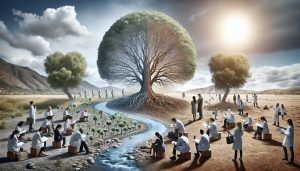
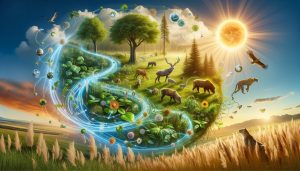
Did you know that life can emerge from what appears to be desolation? Primary ecological succession is a remarkable natural process where ecosystems develop from bare, lifeless substrates. This intriguing journey, starting from barren rock or sand and culminating in robust, biodiverse communities, highlights nature’s resilience and adaptability. Understanding primary succession not only enriches our appreciation for the complex interplay of life but also emphasizes the importance of preserving these ecosystems. As you explore this fascinating topic, you’ll discover how even the smallest forms of life, like lichens and mosses, pave the way for flourishing habitats. By grasping this process, you become empowered to contribute to ecological balance and sustainability in your own life. So, dive in and unravel the beauty of life rising from nothing!
What is Primary Ecological Succession?
Primary ecological succession is a remarkable process through which ecosystems evolve from barren environments, devoid of life, into complex communities teeming with biodiversity. It typically begins in lifeless areas, such as after volcanic eruptions, glacial retreats, or on newly formed sand dunes, where no soil exists and living organisms must start from scratch. This process is crucial as it sets the stage for the establishment of life, demonstrating nature’s incredible resilience and capacity for regeneration.
Initially, the landscape is characterized by bare rock or, sometimes, sand. Over time, the first organisms to colonize these harsh conditions are called pioneer species. These hardy life forms, such as lichens and certain mosses, are crucial as they begin the slow process of soil formation. They break down the rock, contribute organic matter when they die, and create a more hospitable environment for subsequent species. The development of soil allows for a more diverse set of life forms to establish, leading to a succession of plant and animal species that thrive in the increasingly complex ecosystem.
As primary succession unfolds, stages are marked by specific changes in species composition and community structure. Each stage introduces new species while older ones adapt, die off, or give way to the newer cohorts that are better suited for the evolving environment. This progressive change can take centuries or even millennia, culminating in a stable climax community-essentially a mature ecosystem that can sustain a balanced community of flora and fauna.
Understanding primary ecological succession not only provides insights into natural recovery processes but also underscores the importance of preserving and restoring ecosystems. For example, efforts to restore habitats affected by human activity often have to consider ecological succession principles to ensure that ecosystems can develop naturally and sustainably, fostering biodiversity and resilience against environmental changes. Adopting eco-conscious practices and supporting ecosystem restoration initiatives are ways individuals can contribute to this vital process, reflecting a broader commitment to environmental stewardship.
The Stages of Ecological Succession Explained
In the grand tapestry of nature, the journey from lifeless terrain to thriving ecosystems is both awe-inspiring and essential. Primary ecological succession unfolds in several distinct stages, each marked by significant biological advancements that pave the way for the next wave of life. This process begins when a barren landscape, such as a volcanic island or a retreating glacier, is first exposed. Despite the harsh conditions, life will emerge through a series of gradual steps that ultimately transform the barren land into a vibrant ecosystem.
The Stages of Primary Ecological Succession
Initially, the stage of colonization features the pioneer species that bravely take root in inhospitable conditions. These include organisms like lichens and mosses, which are vital in breaking down the rock substrate and initiating soil formation. As these pioneers establish themselves, they create a microhabitat conducive to more complex forms of life by contributing organic matter when they die.
As soil begins to form, the next stage is marked by the emergence of herbaceous plants-grasses and small flowering plants-that coexist with the pioneering species. These plants further enrich the soil and stabilize the environment. Over time, shrubs and small trees, known as invasive species, start to appear, leading the way to a richer and more diverse commingling of flora and fauna.
Eventually, these ecosystems evolve into a mature climax community. This final stage represents a balanced ecosystem where plant and animal species can thrive in harmony. The process from the barren land to this balance can span decades or even centuries, illustrating the remarkable resilience of nature. Each stage of succession emphasizes the delicate interplay of ecological relationships, showcasing how even the most intricate ecosystems can emerge from the most desolate beginnings.
Understanding these stages is not just an academic pursuit but an essential part of fostering sustainable practices. By observing how natural ecosystems regenerate, individuals and communities can apply these principles to conservation efforts and habitat restoration projects, ensuring that biodiversity continues to thrive in a changing world. Through appreciating the roles played at each stage, we can embrace our responsibility in nurturing these processes and advocate for eco-friendly practices in our daily lives.
The Role of Pioneer Species in Ecosystems
In the dance of ecological succession, pioneer species take center stage as the first vital actors in transforming barren landscapes into thriving ecosystems. These resilient organisms, often the likes of lichens, mosses, and certain types of grasses, have adapted to survive in the harshest environments-such as rocky outcrops or recently exposed volcanic soils-where few other species can establish themselves. Not only do they endure adverse conditions, but they also play an indispensable role in modifying their surroundings, thereby setting the stage for a diverse array of life to flourish.
Pioneer species contribute to the ecosystem in multiple ways. Primarily, they aid in soil formation by breaking down rock substrates through biological and chemical weathering. As these organisms die and decompose, they add organic matter to the soil, enhancing its nutrient content and improving its structure. This process is essential, as many later-arriving species rely on richer, more stable soil to grow and thrive. Moreover, the presence of pioneer species helps retain moisture in the soil, creating a more hospitable environment for subsequent colonizers like herbaceous plants and shrubs.
Their role extends beyond mere soil enhancement; pioneer species also facilitate the establishment of more complex organisms. By providing shelter and protection, they create microhabitats that support various life forms, including insects and small mammals, which in turn contribute to nutrient cycling and further biodiversity. This interconnected web of life showcases the intricate relationships that develop as ecosystems evolve and reinforce the importance of preserving these initial species. Understanding how to support and protect pioneer species can empower individuals to contribute positively to environmental health. For example, when embarking on gardening or landscaping projects, choosing native wildflowers or low-maintenance plants can imitate these natural processes, encouraging local biodiversity and a more resilient ecosystem.
In essence, the story of pioneer species is one of resilience and interconnectedness. By appreciating their critical contributions, we not only gain insight into the complex dynamics of ecosystems but also inspire collective efforts towards responsible environmental stewardship. Embracing these ecological principles can bridge our actions with nature’s rhythms, fostering a deeper connection to the earth and enhancing our commitment to sustainable living.
How Primary Succession Differs from Secondary Succession
The journey of life in an ecosystem often begins on barren ground, where primary succession unfolds. This process is fundamentally different from secondary succession, which follows disturbances in already established ecosystems. In primary succession, life starts from nothing-bare rock or sand where no soil exists. An apt example of this occurs after volcanic eruptions that leave behind lifeless lava flows or areas exposed by glacier retreats, where no plant or animal life remains.
In contrast, secondary succession occurs rapidly after a disturbance such as forest fires, floods, or human activities, where soil and some organisms are still present. Here, the cycle begins with the survival of seeds and roots that are retained in the soil, allowing quicker regeneration of plant life. For instance, after a forest fire, the soil is often rich in nutrients due to the ash left behind. Consequently, plants can re-establish themselves much faster than in primary succession, which starts with less fertile ground.
Key Differences:
- Starting Point: Primary succession initiates from bare substrates, while secondary succession starts from existing soil.
- Time Frame: Primary succession is a lengthy process, often taking hundreds to thousands of years to establish a mature ecosystem. Secondary succession is generally faster, potentially completing stages in a matter of years to decades.
- Pioneer Species: In primary succession, pioneer species such as lichens and mosses play a crucial role in soil formation, while in secondary succession, faster-growing species like grasses typically dominate the early stages.
The implications of these differences extend beyond biology; they highlight the resilience of ecosystems and their adaptability to change. Understanding these distinctions can empower individuals to make more informed decisions in conservation efforts. By recognizing that some ecosystems can regenerate more quickly than others, we can tailor our restoration activities-ensuring that we protect areas experiencing primary succession and support their slow but vital journey toward a thriving ecosystem. Embracing knowledge of these ecological processes fosters a deeper appreciation for nature’s complexity and encourages more sustainable interactions with our environment.
Factors Influencing Primary Ecological Succession
The emergence of life from seemingly desolate environments is a profound testament to nature’s resilience and adaptability. Various factors can significantly influence the pace and structure of primary ecological succession, including climate, substrate conditions, disturbance events, and biological interactions. Understanding these factors can inspire actions that support healthy ecosystems around us.
Climate Conditions
Climate plays a pivotal role in determining which species can thrive during primary succession. Temperature, humidity, and precipitation patterns not only shape the types of pioneer species that can establish themselves but also influence the overall rate of succession. For instance, in arid regions, water scarcity can slow down colonization and soil development, whereas a more temperate climate may accelerate the process, allowing for a richer diversity of plant and animal life.
Substrate Characteristics
The physical and chemical properties of the substrate significantly influence the initial stages of primary succession. For example, nutrient-poor substrate like bare rock requires the presence of hardy pioneer species capable of withstanding harsh conditions. These pioneers, such as lichens and mosses, initiate the process of soil formation by breaking down the rock and contributing organic matter as they die and decompose. On the other hand, sandy or nutrient-rich substrates may support a faster variety of plant life, enabling quicker progression to more complex communities.
Disturbance Events
Natural disturbances such as volcanic eruptions, landslides, and glacial retreats often reset ecological timelines, creating fresh substrates that initiate primary succession. These events can either provide opportunities for species to colonize previously inhospitable areas or hinder the progression by introducing hazards. For example, post-volcanic landscapes may initially seem barren, but they can quickly transform as new life takes hold, demonstrating both vulnerability and resilience.
Biological Interactions
The interactions between different species also play a crucial part in shaping primary succession. As pioneer species colonize the area, they modify the habitat by improving soil quality and creating microhabitats that facilitate further colonization by other plants and animals. This phenomenon, known as facilitation, illustrates the interconnectedness of ecological communities. Additionally, competition among species may influence which organisms thrive, and the introduction of herbivores can alter plant community dynamics.
By appreciating these influences on primary ecological succession, we can adopt eco-conscious practices that support these natural processes. Simple steps like planting native species, reducing disturbances in natural settings, and promoting biodiversity can be instrumental in fostering healthy ecosystems. Engaging with our surroundings and advocating for preservation and restoration efforts empowers us to contribute positively to the environment.
The Importance of Soil Formation in Succession
The formation of soil is a fundamental aspect of primary ecological succession, acting as the very foundation for life to flourish in previously barren environments. In the early stages of succession, particularly after a catastrophic event like a volcanic eruption or glacial retreat, the landscape often consists of bare rock or other inhospitable substrates. Here, pioneer species play a pivotal role by initiating soil development-a process essential for the establishment of more complex communities. These hardy pioneers, such as lichens and mosses, not only survive in extreme conditions but also contribute to the breakdown of rock material and the accumulation of organic matter, gradually transforming the environment.
As these pioneers decompose, they provide essential nutrients to the newly forming soil, creating a more hospitable substrate for subsequent species. This gradual enhancement of soil quality opens doors for a wider variety of vegetation, from grasses to shrubs and trees, which further modifies the landscape. The cycle of growth and decomposition enriches the soil, increasing its ability to retain moisture and nutrients. Thus, effective soil formation can drastically accelerate the rate of ecological succession, leading to the establishment of rich biodiverse ecosystems.
The importance of robust soil systems extends beyond mere support for plant life; they are crucial for storing carbon, filtering water, and supporting myriad organisms that contribute to ecological health. Healthy soil acts as a reservoir for water and nutrients, which is particularly vital in areas susceptible to drought or heavy rainfall. The interplay between vegetation and soil facilitates nutrient cycling and promotes microbial diversity, creating a resilient ecosystem capable of adapting to changing environmental conditions.
For those interested in fostering similar processes in their own backyards or communities, consider these simple actions:
- Plant Native Species: Native plants are well-adapted to local soil and climate conditions, aiding in soil stability and health.
- Encourage Composting: Composting organic waste enriches soil with nutrients and enhances its structure.
- Avoid Chemical Fertilizers: Chemical inputs can disrupt soil microbial communities; organic alternatives are more beneficial in the long run.
- Implement Mulching: Mulching can protect soil from erosion, retain moisture, and improve soil fertility through gradual decomposition.
By fostering healthy soil formation in your own environment, you contribute to the natural processes of ecological succession, promoting a vibrant ecosystem that thrives over time. Each small action can lead to significant ecological benefits, showcasing the interconnectedness of life and the vital role that soil plays in sustaining it.
Common Examples of Primary Ecological Succession
In the dance of nature, where life emerges from barren landscapes, primary ecological succession serves as a fascinating testament to resilience and renewal. One of the most compelling examples is the aftermath of a volcanic eruption. When a volcano erupts, it can leave behind a stark landscape of bare rock that seems inhospitable to life. Yet, remarkably, this is where the story of life begins. Pioneering species like lichens and mosses colonize this lifeless terrain, initiating the slow but steady process of soil formation. These hardy organisms not only endure extreme conditions but also facilitate rock weathering, which breaks down the substrate and enriches it with organic nutrients through decomposition.
Another illustrative instance occurs following glacial retreats, where massive ice sheets leave behind exposed rock and sediment. As the glacier recedes, it creates a blank canvas for life to flourish. Pioneer species again play a crucial role here, as they establish themselves quickly in the harsh environment. Over time, these organisms modify the soil structure and chemical composition, making it increasingly hospitable for other plant species such as grasses, shrubs, and trees. This gradual buildup of biodiversity not only adds complexity to the ecosystem but also prepares the groundwork for future stages of succession.
In coastal areas, we can observe primary succession occurring on sand dunes, where the relentless forces of wind and waves often strip the land of vegetation. Over time, however, salt-tolerant pioneer plants like beachgrass take root, stabilizing the sandy soil and allowing for a more diverse array of plants to establish themselves. This process transforms the harsh, unstable dunes into lush ecosystems that provide habitat for numerous animal species.
These examples demonstrate that primary ecological succession is not merely a biological process but a remarkable journey towards ecological balance and diversity. Understanding these dynamics not only nurtures our appreciation for nature’s ability to regenerate but also emphasizes the role we can play in supporting these delicate processes. By implementing eco-friendly practices, such as reforestation and the restoration of natural habitats, we enable nature’s own succession story to unfold, contributing to a healthier planet.
Ecological Succession and Biodiversity: A Vital Connection
The intricate relationship between primary ecological succession and biodiversity unfolds as nature’s grand design where new life and diverse ecosystems emerge from the ashes of inhospitable environments. It is not just a process of replacement or change, but a fascinating narrative of resilience, adaptation, and interdependence. As barren landscapes begin their journey towards vibrant ecosystems, they underscore a fundamental truth: biodiversity is the bedrock of ecological health and stability.
Through the relentless efforts of pioneer species-such as lichens, mosses, and nitrogen-fixing plants-bare substrates transform into more complex habitats capable of supporting a wider array of life forms. These early colonizers not only initiate soil development but also create microhabitats that favor subsequent species, thereby enhancing biodiversity. For instance, as pioneers break down rock to form soil, they increase the organic matter that supports herbaceous plants, which in turn attract various insect populations, birds, and mammals. Over time, this layered interconnectedness establishes a robust food web and promotes ecosystem resilience.
Moreover, biodiversity plays a crucial role in maintaining ecosystem functions such as nutrient cycling, pollination, and climate regulation. A diverse array of plant and animal species ensures that ecosystems can adapt to environmental changes and recover from disturbances. For example, in an ecosystem rich in species, if one plant species is wiped out by disease, others may fill that ecological niche, thereby preventing dramatic shifts or collapses in the system. It is this inherent flexibility, driven by biodiversity, that empowers ecosystems to withstand and even thrive amid challenges.
To nurture this vital connection, individuals can consider adopting practices that support biodiversity in their own surroundings. Engaging in community gardening, planting native species, and creating pollinator-friendly landscapes are practical steps that contribute to local biodiversity. By understanding and fostering the intricate relationships within ecosystems, we can play an active role in preserving nature’s legacy, ensuring that future generations inherit a planet alive with diversity and ecological harmony.
Human Impact on Ecological Succession Processes
The intricate dance of ecological succession can be profoundly sensitive to human activities, shaping, disrupting, and sometimes restoring natural processes. While primary ecological succession illustrates how life emerges from barren landscapes-like lava flows or glacial retreats-human impacts often introduce new variables that can accelerate, inhibit, or completely alter these natural processes. Understanding these influences is essential for anyone keen on promoting ecological health and resilience.
Urbanization and land-use changes can drastically alter landscapes, paving over rich ecosystems and introducing impervious surfaces that prevent water absorption and disrupt nutrient cycles. This urban sprawl often leads to habitat fragmentation, making it much harder for pioneer species to establish themselves in what used to be thriving ecosystems. Additionally, invasive species introduced through human activities can outcompete local flora and fauna, altering the succession trajectory and pushing native species toward extinction.
Despite these challenges, humans also have the power to foster positive ecological succession. Restoration ecology-a field dedicated to reviving degraded ecosystems-highlights the importance of intentional actions such as reforestation, wetland restoration, and controlled burns to mimic natural disturbances. By actively participating in restoration projects and supporting legislation that protects natural habitats, individuals can play a crucial role in encouraging primary succession in impacted areas.
Here are some practical steps communities and individuals can take to support ecological succession processes:
- Choose native plants for landscaping to provide habitats for local wildlife.
- Participate in or initiate community restoration projects, such as tree planting or invasive species removal.
- Support sustainable agricultural practices that prioritize soil health and biodiversity.
- Consider implementing green roofs or rain gardens to manage stormwater and enhance biodiversity in urban settings.
By understanding and addressing human impacts on ecological succession, we can foster more resilient ecosystems that not only support biodiversity but also enhance our connection to the natural world. Taking small, thoughtful actions can lead to substantial benefits for both the environment and community well-being.
Lessons from Nature: Applying Succession in Conservation
Understanding how natural processes like primary ecological succession work can profoundly impact conservation efforts. Nature’s resilience informs us that even the most barren landscapes can become thriving ecosystems over time. For instance, primary succession begins when life starts anew, often in environments devastated by volcanic eruptions or glacial retreats. These sites, stripped of organic matter, rely on pioneer species-like lichens and mosses-to initiate soil formation and create conditions favorable for subsequent plant life. This transformation offers critical insights into restoration ecology, providing a roadmap for revitalizing degraded ecosystems.
One essential lesson from primary succession is the importance of patience. Ecosystems take time to develop; they may not resemble their mature forms for centuries. For conservation efforts, this means setting realistic goals and expectations when undertaking restoration projects. Additionally, it underscores the need to foster a diverse range of pioneer species that can adapt to changing conditions and set the stage for the diverse ecosystems we aim to restore. Engaging local communities in these efforts can heighten awareness about the natural processes involved and cultivate a shared sense of responsibility for local ecosystems.
Incorporating the principles of ecological succession into conservation strategies also involves acknowledging the interconnectedness of various life forms. Healthy ecosystems thrive on biodiversity, where different species coexist and interact to maintain balance. Programs that support the reintroduction of native species can mimic natural succession processes, reclaiming lost habitats and enhancing biodiversity. For instance, wetlands play a critical role in water purification, flood control, and habitat provision. Restoring these environments not only helps individual species but also supports entire ecological networks.
Lastly, understanding how primary succession operates can inspire innovative approaches to habitat restoration. Techniques such as the use of controlled burns or strategic grazing can replicate natural disturbances that allow ecosystems to flourish. By learning from nature’s blueprint, conservation efforts can employ methods that bolster resilience and sustainability, ultimately enhancing the relationship between communities and their natural environments. With focused efforts and informed practices, we can harness the power of ecological succession to foster healthier ecosystems and promote a thriving planet for generations to come.
Future Trends in Ecological Research and Succession
As the understanding of ecological succession deepens, the future of research in this area is poised for exciting developments that could reshape conservation efforts and ecosystem management. With increasing pressures from climate change and habitat loss, scientists are exploring innovative methods to enhance our understanding of primary ecological succession. A significant trend is the integration of technology, particularly remote sensing and GIS (Geographic Information Systems), which allow researchers to monitor changes in ecosystems over large areas and over time. This technological advancement helps identify how ecosystems respond to disturbances and can guide restoration efforts more effectively.
Moreover, interdisciplinary collaboration is another future trend in ecological research. Combining insights from ecology, geography, and social sciences can lead to a more holistic approach to studying and applying ecological succession principles. For instance, involving local communities in monitoring and management fosters a sense of stewardship and allows for the incorporation of traditional ecological knowledge, which can be crucial in understanding local biodiversity and restoration practices. These collaborative efforts can result in more targeted and effective conservation programs that align with both scientific findings and community needs.
In addition, researchers are increasingly focusing on the role of climate resilience in ecological succession. As climate patterns shift, understanding how ecosystems adapt and recover is vital. The study of ecological succession is evolving to include how not just resilience but also resistance to change can influence ecosystem dynamics. Future research may concentrate on developing guidelines for enhancing resilience through the strategic restoration of native species and habitats.
Finally, the concept of “assisted succession” is gaining traction. This entails human intervention in the succession process to expedite recovery in degraded areas. For example, planting fast-growing pioneer species to kick-start soil development in a disturbed area can quickly improve conditions for other species to thrive. This approach not only accelerates ecological recovery but also provides practical solutions for land restoration amidst challenging environmental changes.
By embracing these trends, researchers and conservationists can harness the power of primary ecological succession not just as a theoretical concept but as a practical framework for addressing pressing ecological issues of today. Through scientific innovation, community engagement, and adaptive management practices, we can work toward sustainable ecosystems that flourish even in the face of adversity.
Frequently asked questions
Q: What are the key characteristics of primary ecological succession?
A: Primary ecological succession begins in lifeless environments and involves the gradual establishment of a biological community. Key characteristics include the colonization of pioneer species, the formation of soil, and gradual biodiversity increase, ultimately leading to a stable climax community. For more details, see “The Stages of Ecological Succession Explained.”
Q: How long does primary ecological succession take?
A: The duration of primary ecological succession can vary widely, often spanning decades to centuries. Factors such as climate, location, and initial conditions significantly influence the timeline for a community to reach a climax stage. For a deeper understanding, refer to “Factors Influencing Primary Ecological Succession.”
Q: What is the role of pioneer species in primary succession?
A: Pioneer species, such as lichens and mosses, are crucial in primary succession as they are the first organisms to colonize bare substrates. They help break down rocks, create soil, and improve conditions for subsequent species. Explore more in “The Role of Pioneer Species in Ecosystems.”
Q: What are some examples of environments suitable for primary ecological succession?
A: Environments like lava flows, glaciers, and newly formed sand dunes are typical settings for primary succession. These locations initially lack soil and life, providing a blank canvas for ecological development. For common examples, check “Common Examples of Primary Ecological Succession.”
Q: Can human activities influence primary ecological succession?
A: Yes, human activities such as mining, construction, and land clearing can initiate or speed up primary succession by creating disturbed areas. Understanding these impacts is discussed in “Human Impact on Ecological Succession Processes.”
Q: How do primary and secondary ecological succession differ?
A: Primary succession starts from bare substrates without soil, while secondary succession occurs in areas where a disturbance has disrupted an existing ecosystem but leaves the soil intact. For a detailed comparison, see “How Primary Succession Differs from Secondary Succession.”
Q: Why is soil formation important in primary ecological succession?
A: Soil formation is crucial as it provides the necessary nutrients and habitat for plants and animals to survive. This process is initiated by pioneer species and allows for greater biodiversity over time. More information can be found in “The Importance of Soil Formation in Succession.”
Q: How does primary ecological succession contribute to biodiversity?
A: Primary ecological succession plays a vital role in enhancing biodiversity by gradually introducing various plant and animal species into an area, leading to complex ecosystems. Learn more about this connection in “Ecological Succession and Biodiversity: A Vital Connection.”
In Conclusion
Understanding primary ecological succession-how life emerges from seemingly barren environments-is just the beginning of your journey into the wonders of ecology. This dynamic process not only fascinates but also highlights the resilience of nature, reminding us of the profound connections within our ecosystems. Ready to dive deeper? Explore our articles on secondary succession and the vital role of biodiversity to expand your knowledge.
Taking action is essential; why not start by evaluating your ecological footprint and implementing sustainable practices in your daily life? Join our community to receive tips on green living, renewable energy solutions, and eco-friendly products straight to your inbox. Your sustainable journey can inspire others-consider sharing your thoughts or experiences in the comments section below. Together, let’s embrace environmentally responsible choices that foster hope and positive change for our planet!