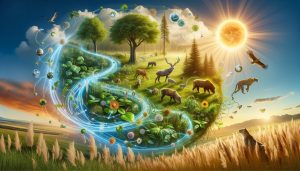
Did you know that nearly all life on Earth depends on a process called primary production? This ecological phenomenon describes how energy from the sun is converted into organic matter by plants and certain microorganisms, forming the foundation of our food webs. Understanding primary production is crucial as it not only sustains ecosystems but also influences global carbon cycles and climate change. By grasping the principles behind energy creation in nature, you position yourself to make more informed choices in your daily life that support environmental sustainability. Let’s explore how this essential process works and why it matters for both our planet and our future.
Understanding Primary Production: The Basics

In the intricate web of life on Earth, primary production stands as a cornerstone, providing the foundational energy that fuels ecosystems. Primary production is essentially the process through which autotrophs, primarily plants, algae, and some bacteria, convert inorganic materials and sunlight into organic matter. This transformation is pivotal not only for feeding the producers themselves but also for sustaining the entire food web, as these organisms serve as the primary energy source for herbivores and, subsequently, carnivores.
It is crucial to recognize that there are two main pathways for primary production: photosynthesis and chemosynthesis. Photosynthesis, the more commonly recognized pathway, utilizes sunlight to drive the conversion of carbon dioxide and water into glucose and oxygen. In contrast, chemosynthesis occurs in environments devoid of sunlight, such as deep-sea hydrothermal vents, where certain bacteria harness energy from inorganic molecules, like hydrogen sulfide, to produce food. These diverse methods highlight the adaptability of life and underscore the various niches that primary producers occupy within ecosystems.
Factors such as light intensity, temperature, and nutrient availability play significant roles in determining the rates of primary production. For example, in aquatic ecosystems, nutrient concentration can cause algal blooms, significantly impacting productivity. Interestingly, while increased carbon dioxide levels are often linked to climate change, they can stimulate greater photosynthetic activity in some plants. However, this can be a double-edged sword, as other factors – like temperature extremes and disrupted precipitation patterns – may counteract these benefits.
The importance of primary production cannot be overstated. It not only supports biodiversity but also contributes to the formation of ecosystems that provide essential services, such as carbon sequestration and oxygen production. By understanding and supporting primary producers, individuals can take actionable steps toward fostering healthier ecosystems. Simple practices like planting native species, maintaining green spaces, and reducing pollution can enhance the productivity and vitality of local environments, thus ensuring a sustainable future for all life forms.
The Role of Primary Producers in Ecosystems

In every ecosystem, primary producers are the unsung heroes, quietly performing a crucial task that sustains the entire web of life. These organisms, primarily plants, algae, and some bacteria, not only generate energy through the processes of photosynthesis or chemosynthesis but also form the foundation of our food systems. They are responsible for converting sunlight or inorganic chemical energy into organic compounds, effectively creating the energy that fuels the planet’s diverse inhabitants, from herbivores to apex predators.
The significance of primary producers extends beyond mere energy creation. They play a vital role in carbon cycling, oxygen production, and supporting biodiversity. For instance, forests, which are rich in primary producers, absorb substantial amounts of atmospheric carbon dioxide, helping to mitigate climate change. Furthermore, these organisms provide essential habitats and resources for countless species. Aquatic ecosystems illustrate this beautifully; phytoplankton not only supports marine food webs but also contributes to the oxygen supply of the Earth’s atmosphere.
To nurture these vital components of our ecosystems, adopting sustainable practices can make a significant difference. Simple actions such as creating a home garden with native plants, participating in local conservation efforts, and reducing chemical fertilizers can enhance the health and productivity of local environments. Understanding the interconnectedness of our actions with the natural world fosters a sense of responsibility and encourages individuals to advocate for policies that protect these essential producers. By embracing these eco-conscious choices, we can support primary producers and, by extension, the planet’s ecological health.
Different Types of Primary Production Explained
In the intricate dance of ecosystems, the type of primary production determines not only energy flow but also the overall health of the environment. Broadly categorized into two main forms-photosynthesis and chemosynthesis-these processes illustrate the diverse strategies life employs to harness energy from the surroundings. Understanding these distinct types provides valuable insight into the foundational role of primary producers in sustaining life on Earth.
Photosynthesis: The Green Powerhouses
Photosynthesis, the most well-known form of primary production, is the process through which green plants, algae, and some bacteria convert sunlight into chemical energy. Through this remarkable process, these organisms take in carbon dioxide and water, using sunlight to synthesize glucose and release oxygen as a byproduct. This not only contributes to the energy needs of the primary producers themselves but also supports a wide array of life forms dependent on them. For example:
- Terrestrial ecosystems are dominated by plants ranging from towering trees in forests to grasses in savannas. Each plays a crucial role in capturing sunlight and contributing to the food web.
- Aquatic ecosystems depend heavily on phytoplankton, microscopic plants that float on the ocean’s surface, producing a staggering amount of the world’s oxygen and serving as the base of marine food chains.
The efficiency of photosynthesis can be influenced by factors such as light availability, nutrient levels, and temperature, leading to variations in productivity across different environments.
Chemosynthesis: Energy from the Abyss
On the other hand, chemosynthesis takes place in the absence of sunlight, primarily in extreme environments such as deep-sea hydrothermal vents. Here, microbes harness energy from chemical reactions involving inorganic compounds, such as hydrogen sulfide, to produce organic materials. This process is crucial for ecosystems devoid of sunlight, providing energy for unique organisms such as tube worms and sulfur bacteria. Key characteristics include:
- Survival in extreme conditions: Chemosynthetic organisms thrive where sunlight cannot penetrate, showcasing life’s adaptability on Earth.
- Support for intricate food webs: Similar to photosynthetic ecosystems, chemosynthetic communities form complex relationships where various organisms rely on one another for energy and nutrients.
Both photosynthesis and chemosynthesis illustrate the ingenuity of life in developing strategies to capture energy. Understanding these processes not only enriches our knowledge of ecological dynamics but also emphasizes the importance of protecting these vital producers. In a world where human activities increasingly threaten these natural systems, supporting initiatives that preserve habitats and promote sustainable practices can be a powerful way to contribute positively to the environment.
Promoting Primary Production
By engaging with local ecosystems, such as participating in community gardens or conservation projects, individuals can play a part in supporting both photosynthetic and chemosynthetic producers. Choosing native plants for landscaping not only enhances biodiversity but also ensures that these plants thrive in local conditions, further bolstering ecosystem health. Simple choices, like reducing plastic use and adopting a plant-based diet, resonate throughout the food web by minimizing environmental impact and promoting energy sustainability. Embracing eco-conscious living empowers individuals to make a meaningful difference while fostering a connection with the natural world around them.
Photosynthesis vs. Chemosynthesis: Key Differences
In the grand tapestry of life, primary production serves as the foundation upon which all ecosystems are built. Central to this are two distinct processes: photosynthesis and chemosynthesis. While both are vital for energy production, they differ fundamentally in their mechanisms, locations, and the types of organisms involved in these processes.
Photosynthesis is the more common mechanism, driven by sunlight. Green plants, algae, and some bacteria utilize solar energy to convert carbon dioxide and water into glucose and oxygen. This not only fuels their growth but also generates oxygen, a critical aspect for aerobic organisms. You can typically find these photosynthetic organisms in diverse habitats, such as forests and oceans, where they form the base of food webs. They thrive in environments where sunlight is plentiful, benefiting from ample sunlight and nutrients. For instance, lush rainforests and vibrant coral reefs exemplify areas rich in photosynthetic activity, which supports a myriad of life forms.
Conversely, chemosynthesis occurs in the absence of light, primarily in extreme environments like deep ocean vents. Here, certain bacteria and archaea draw energy from chemical reactions involving inorganic molecules, such as hydrogen sulfide or methane. This process is essential in places devoid of sunlight, serving as a lifeline for unique communities, such as those found around hydrothermal vents, where tube worms and other specialized organisms flourish. These chemosynthetic organisms not only survive in harsh conditions but also form intricate food webs that depend on chemical rather than solar energy.
Understanding these key differences is crucial for appreciating the diverse strategies life employs to harness energy and illustrates an ecosystem’s resilience. By recognizing the importance of both photosynthesis and chemosynthesis, we can better support conservation efforts aimed at preserving diverse habitats that sustain these vital processes. Encouraging responsible practices-like reducing pollution and protecting both terrestrial and marine environments-can help ensure that the planet’s primary producers continue to thrive.
Factors Affecting Primary Production Rates
In the delicate balance of global ecology, the rates of primary production are influenced by a variety of interconnected factors. Understanding these elements not only highlights the intricate web of life but also sheds light on how we can contribute to sustainable practices that support our planet’s health.
One of the most significant factors affecting primary production is light availability. Photosynthetic organisms, such as plants and algae, depend on sunlight to convert carbon dioxide and water into energy. Areas with abundant sunlight, such as tropical rainforests and open oceans, produce more organic material compared to shaded or waterlogged regions. In aquatic environments, water clarity is crucial, as turbidity can limit the penetration of light, thus affecting the photosynthesis rate.
Furthermore, nutrient availability plays a critical role. Essential nutrients like nitrogen, phosphorus, and potassium are often limiting factors in many ecosystems. For example, in nitrogen-poor environments, the introduction of nitrogen through fertilizers can lead to significant increases in primary production, but if not managed carefully, it can also cause harmful algal blooms that disrupt aquatic ecosystems. Therefore, maintaining balanced nutrient levels is vital for healthy ecosystems.
Additionally, temperature is a key determinant. Warmer temperatures generally enhance metabolic rates in primary producers, leading to increased growth and productivity-up to a point. Extreme temperatures, however, can be detrimental, causing stress or death in sensitive species. It’s important to consider that shifts in climate patterns can lead to changes in these temperature regimes, which may have cascading effects on productivity.
- Light Availability: Directly impacts photosynthesis. More light leads to higher productivity.
- Nutrient Availability: Essential for growth; imbalances can trigger ecological disruptions.
- Temperature: Influences metabolic rates; extreme conditions can harm producers.
Incorporating sustainable practices in our lives can help mitigate the adverse effects of these factors. For instance, reducing pollution can improve water clarity, allowing for better light penetration in aquatic systems. Additionally, supporting organic farming practices can lead to healthier soil and balanced nutrient cycles. By staying informed and making eco-conscious choices, we not only contribute to the stability of primary production rates but also foster greater biodiversity, ensuring the resilience of our ecosystems.
Measuring Primary Production: Methods and Technology
The measurement of primary production is fundamental to understanding the dynamics of ecosystems and assessing the health of our planet. Accurate quantification of primary production helps scientists gauge how much organic matter is being generated by photosynthetic organisms and is essential for predicting the effects of environmental changes on food webs. Various methods and technologies have been developed to measure primary production, each with its strengths and applications.
One common method is the use of the carbon dioxide exchange technique, which involves measuring the rate at which plants absorb carbon during photosynthesis. This technique can be conducted in controlled environments, such as growth chambers, or in natural settings using clear chamber systems placed over a portion of vegetation. By understanding how much carbon is sequestered, researchers can estimate the net primary productivity (NPP) of ecosystems.
Another innovative approach involves remote sensing technology. Satellites equipped with sensors can capture data on vegetation cover and chlorophyll concentration, providing large-scale assessments of primary production across diverse landscapes. By analyzing this data, scientists can monitor changes in productivity over time, helping to identify patterns linked to climate change or human activities.
Additional Methods
- Light/Dark Bottles: In aquatic ecosystems, researchers often use light and dark bottles to assess primary production by measuring oxygen changes. Bottles exposed to light will show increases in oxygen due to photosynthesis, while dark bottles will provide a control for respiration rates.
- Chlorophyll Concentration Measurements: The concentration of chlorophyll a in water samples is another indicative measure of primary production in aquatic environments. Higher chlorophyll concentrations typically suggest increased phytoplankton biomass and, consequently, higher productivity.
- Biomass Estimation: Measuring the biomass of plants or algae before and after a growth period can also provide insights into productivity. This can be done through harvesting techniques or estimations based on growth patterns and environmental conditions.
Each method has its advantages and limitations, and often, a combination of approaches is employed to achieve a comprehensive understanding of primary production rates. Advances in technology continue to improve the precision and efficiency of these methods, enabling us to gather more data with less ecological disruption. By fostering an understanding of these techniques, we can better appreciate the crucial role of primary producers in sustaining life on Earth, as well as the importance of protecting our ecosystems. Such awareness empowers individuals to engage in practices that reduce environmental impact and foster a healthier planet.
Primary Production and the Energy Pyramid
In ecological systems, primary production serves as the foundation of the energy pyramid, illustrating the flow of energy through ecosystems and the relationship between producers and consumers. This pyramid is a visual representation of energy transfer, where each level represents a trophic level, starting from primary producers at the base and progressing to apex predators at the top. Primary producers, primarily plants and phytoplankton, harness energy from the sun through photosynthesis or from inorganic compounds via chemosynthesis, transforming it into chemical energy that fuels all other trophic levels.
The efficiency of energy transfer between these levels is fundamentally important. Typically, only about 10% of energy is passed from one trophic level to the next due to energy losses through metabolic processes, heat, and incomplete digestion. For instance, if primary producers generate 1,000 calories of energy, only about 10% (100 calories) may be available to primary consumers like herbivores, and a further 10 calories to secondary consumers, such as carnivores. This underscores the vital role of primary production in sustaining biodiversity; without it, there would be insufficient energy to support higher trophic levels.
As you consider your impact on this delicate energy chain, embracing sustainable practices can help protect those primary producers that are integral to the health of our ecosystems. Here are some simple yet actionable steps you can incorporate into your daily life:
- Support Local Agriculture: Purchase locally sourced fruits and vegetables to encourage organic farming practices that enhance soil health and reduce the carbon footprint associated with food transportation.
- Plant Native Species: Native plants are adapted to local ecosystems and can thrive without excessive water or fertilizers, thus promoting the health of local wildlife and preserving biodiversity.
- Reduce Waste: Compost organic waste to enrich the soil, supporting primary producers and reducing landfill contributions, which can otherwise disrupt local ecosystems.
- Educate Others: Sharing knowledge about the importance of primary producers and energy flow in ecosystems can foster a community-based approach to environmental conservation.
Understanding the energy pyramid and the significance of primary producers empowers individuals to make eco-friendly choices. By nurturing these foundational elements of our ecosystems, we contribute to a balanced and thriving environment that benefits all forms of life. Embrace the role you play in this intricate web of life and strive to make choices that support sustainability and biodiversity.
Impact of Climate Change on Primary Production
The delicate balance of ecosystems is increasingly threatened by climate change, fundamentally altering primary production and its role in our environment. As temperatures rise and weather patterns shift, essential processes such as photosynthesis may be disrupted. For instance, increased temperatures can lead to higher rates of respiration in plants, reducing the net primary productivity that sustains them. This interaction means less available energy for herbivores, creating a cascading effect that jeopardizes entire food webs.
Additionally, changing precipitation patterns can alter the availability of water, which is crucial for plant growth. Some regions may experience drought, while others could be subject to flooding, both of which can negatively impact primary producers. For example, aquatic ecosystems are particularly vulnerable; increased freshwater runoff can lead to nutrient loading and algal blooms that choke out sunlight and deplete oxygen levels, further harming phytoplankton populations responsible for a significant portion of Earth’s oxygen supply.
Adaptation and Resilience
To mitigate these impacts, fostering resilience among primary producers is vital. Implementing sustainable land management practices, such as agroforestry or regenerative agriculture, can help maintain soil health and enhance water retention. These approaches not only boost the productivity of these ecosystems but also contribute to carbon sequestration, acting as a buffer against climate change.
What You Can Do
While the global response to climate change requires systemic change, individual actions can also be impactful. Here are some simple yet effective steps you can take to support primary production:
- Practice Water Conservation: Whether in your garden or community, reducing water usage helps maintain available resources for local plants.
- Choose Sustainable Products: Support brands that prioritize ecological responsibility in their sourcing and production processes, thus encouraging better farming practices that safeguard ecosystems.
- Get Involved in Local Conservation Efforts: Join local initiatives focused on preserving native habitats and restoring degraded lands to protect the ecosystems that primary producers rely on.
Embracing these practices not only fosters a healthy environment but also empowers you to contribute meaningfully to the fight against climate change. By understanding and supporting primary production, you help maintain the complex web of life that sustains us all.
The Importance of Primary Production for Biodiversity
The intricate interdependence between primary production and biodiversity highlights a fundamental truth: healthy ecosystems thrive on the energy harnessed by primary producers. Through processes like photosynthesis, plants, algae, and certain bacteria convert sunlight and inorganic substances into organic matter, which serves as the foundation for almost all life on Earth. This primary biomass not only sustains herbivores but also supports a diverse array of secondary consumers, creating rich and vibrant ecosystems.
Biodiversity is invaluable because it enhances ecosystem resilience, enabling environments to adapt to changes like climate shifts or disease outbreaks. A variety of plants and animals ensures that ecosystems can recover from disturbances. For instance, coral reefs, teeming with diverse species of fish and invertebrates, offer greater resilience against the impacts of ocean warming and acidification than monoculture systems. When primary production is compromised-due to factors like habitat destruction or pollution-it can lead to declines in biodiversity, which diminishes the ecosystem’s ability to provide essential services such as clean air, water, and fertile soil.
Promoting Biodiversity through Sustainable Practices
Supporting primary production is pivotal to preserving biodiversity. Here are actionable steps individuals can take to contribute:
- Support Sustainable Agriculture: Advocate for and buy from farms that use sustainable practices, such as crop rotation and organic farming, which promote diverse plant species and healthy soil.
- Plant Native Species: Choose native plants in gardens and landscapes as they provide food and habitat for local wildlife, enhancing both primary production and biodiversity.
- Reduce Plastic Use: Minimize plastic consumption to lessen pollution in oceans and waterways, which can devastate aquatic primary producers and biodiversity alike.
By integrating these strategies into everyday life, individuals can play a critical role in fostering a thriving web of life that is both diverse and sustainable. The energy created through primary production is not just a scientific concept; it is the heartbeat of our planet’s ecosystems, crucial for the survival of countless species, including our own.
Case Studies: Primary Production in Various Ecosystems
The productivity of various ecosystems can provide intimate insights into how primary production operates and its significance in sustaining life on Earth. For instance, wetlands are celebrated for their remarkable ability to sequester carbon and filter pollutants, illustrating the essential roles primary producers play in maintaining ecological balance. Aquatic plants like eelgrass and submerged macrophytes thrive in these environments, generating high levels of biomass which serve as a foundation for rich food webs that support diverse wildlife.
In contrast, tropical rainforests exhibit an incredibly high rate of primary production, with dense canopies and diverse plant species capitalizing on year-round sunlight and ample rainfall. Photosynthetic organisms here, including towering trees and various understory plants, contribute to complex interactions with animal species, from pollinators to herbivores. The sheer biodiversity found in these ecosystems illustrates how primary production not only fosters abundant life but also contributes to global nutrient cycling and carbon storage, showcasing the fundamental interconnectedness of life.
A particularly striking example can be observed in coral reef ecosystems. These vibrant structures, often termed the “rainforests of the sea,” rely on the symbiotic relationship between corals and algae (zooxanthellae). Through photosynthesis, these algae provide energy and nutrients crucial for the growth and maintenance of coral polyps. This interaction not only supports a myriad of marine species but also enhances the reefs’ resilience against environmental stresses. However, the alarming pace of coral bleaching due to climate change emphasizes the fragility of these ecosystems, prompting urgent conservation efforts aimed at protecting primary production and, consequently, biodiversity.
Real-world applications stem from these case studies, highlighting the importance of safeguarding various ecosystems. Collective actions, such as participating in wetland restoration projects, supporting sustainable forestry initiatives, and advocating for policies that minimize carbon emissions, can greatly contribute to the health of primary producers across multiple landscapes. By choosing to engage with and protect these vital ecosystems, individuals can play a pivotal role in enhancing global biodiversity and fostering a more sustainable future for all living organisms.
Practical Tips for Supporting Primary Producers
Supporting primary producers is crucial for maintaining the balance of ecosystems that sustain all life on Earth. Every action we take can significantly influence the health and vitality of these essential organisms. Engaging in practices that foster the growth and preservation of primary producers not only benefits ecosystems but also enhances our connection to the environment. Here are some practical ways to contribute positively.
Embrace Sustainable Practices
Reducing your ecological footprint is a vital step in supporting primary producers. Simple actions, such as reducing water usage and committing to energy efficiency, can make a significant difference. Consider installing energy-efficient appliances and using low-flow faucets to help conserve both energy and water, resources that many primary producers depend on. Additionally, switching to renewable energy sources, like solar power, not only lowers your carbon footprint but also helps diminish environmental stressors that can impact primary production rates.
Support Local and Sustainable Agriculture
Choosing to buy local and sustainably produced food helps protect habitats where primary producers thrive. By supporting organic farms, you not only encourage practices that avoid synthetic pesticides and fertilizers-substances that can be harmful to both terrestrial and aquatic ecosystems-but you also help maintain biodiversity. Join local community-supported agriculture (CSA) programs or visit farmers’ markets to find fresh produce while promoting sustainable farming methods that emphasize soil health and ecosystem longevity.
Participate in Conservation Efforts
Active participation in conservation initiatives can significantly support primary production. Look for local organizations involved in restoring wetlands, reforesting areas, or cleaning up polluted water bodies. These ecosystems are often rich in primary producers, and by getting involved, you help restore their health and resilience. Volunteer for tree-planting events or support policies aimed at protecting vital habitats; actions that serve not only the plants themselves but the myriad species that depend on them, including humans.
Educate and Advocate
Spreading knowledge about the importance of primary production is essential. Share your insights with friends and family, and encourage them to adopt eco-friendly practices. Use social media platforms to promote awareness about the crucial role of primary producers in our planet’s ecological balance. By advocating for sustainable policies at local, state, and national levels, you can join a broader movement to safeguard natural systems. Engage in discussions about environmental issues, contribute to community initiatives that focus on ecosystem preservation, and raise awareness about the effects of climate change on primary production.
By integrating these practices into your daily life, you make a conscious choice to support the vital network of primary producers. Every small action adds up, creating a ripple effect that promotes healthier ecosystems and a more sustainable future for all living organisms. Embrace your role in nature’s intricate web and inspire others to join in protecting our planet’s biodiversity and ecological health.
Frequently asked questions
Q: What is the role of primary producers in the food chain?
A: Primary producers, such as plants and phytoplankton, convert sunlight or inorganic substances into energy through photosynthesis or chemosynthesis. They form the base of the food chain, providing energy for consumers and supporting ecosystem stability. Understanding their role is crucial for insights into food webs and biodiversity.
Q: How does primary production impact biodiversity in ecosystems?
A: Primary production is fundamental to biodiversity, as it supports various trophic levels in an ecosystem. High primary production allows for more species to thrive, leading to greater ecosystem resilience. To help sustain biodiversity, preserving healthy primary production practices is essential.
Q: What factors influence primary production rates?
A: Primary production rates are influenced by several factors, including light availability, nutrient levels, temperature, and water conditions. For example, areas with abundant sunlight and nutrients typically exhibit high rates of primary production. Monitoring these factors can help in ecosystem management.
Q: Why is primary production important for carbon cycling?
A: Primary production plays a crucial role in carbon cycling by absorbing atmospheric CO2 during photosynthesis, thereby reducing greenhouse gases and contributing to climate regulation. Supporting primary producers bolsters this natural carbon sink, which is vital in combating climate change.
Q: How are primary production rates measured?
A: Primary production rates can be measured using methods such as the net primary productivity (NPP) calculation, satellite imagery, and in situ measurements of biomass. These assessments help scientists understand ecosystem health and productivity trends over time.
Q: What is the difference between gross and net primary production?
A: Gross primary production (GPP) refers to the total amount of energy captured by primary producers, while net primary production (NPP) indicates the energy available to consumers after accounting for the energy used by producers for respiration. Understanding this difference is vital for ecological studies.
Q: How does climate change affect primary production?
A: Climate change can significantly alter primary production by affecting temperature, precipitation patterns, and atmospheric CO2 levels. These changes may disrupt the growth and distribution of primary producers, impacting entire ecosystems and the biodiversity they support.
Q: What are examples of ecosystems with high primary production?
A: Ecosystems such as tropical rainforests and coral reefs typically exhibit high primary production due to their favorable conditions, including ample sunlight and nutrients. Studying these ecosystems provides insights into effective management strategies for enhancing global primary production.
Key Takeaways
Understanding primary production is essential in appreciating how energy flows through ecosystems and supports life on Earth. By recognizing the roles of producers, you can better understand biodiversity and ecological balance. Ready to dive deeper? Explore our article on biodiversity’s critical role in ecosystems or check out sustainable living tips on reducing your ecological footprint.
Don’t miss out! Subscribe to our newsletter for the latest insights in ecological science and practical advice for eco-friendly living. Your journey towards a sustainable lifestyle begins today-take action, and feel empowered to make a difference. Share your thoughts or questions in the comments below; we love hearing from our community! Together, let’s nurture a healthier planet.